Franklin Mountains State Park El Paso TX: Hours & Trails
Franklin Mountains State Park El Paso TX is one of the easiest places in West Texas to trade city streets for a real desert landscape without leaving El Paso. The park sits inside the city limits, covers roughly 27,000 acres, and offers more than 100 miles of trails, camping in the Tom Mays Unit, and a daily entrance fee of $5 for adults.
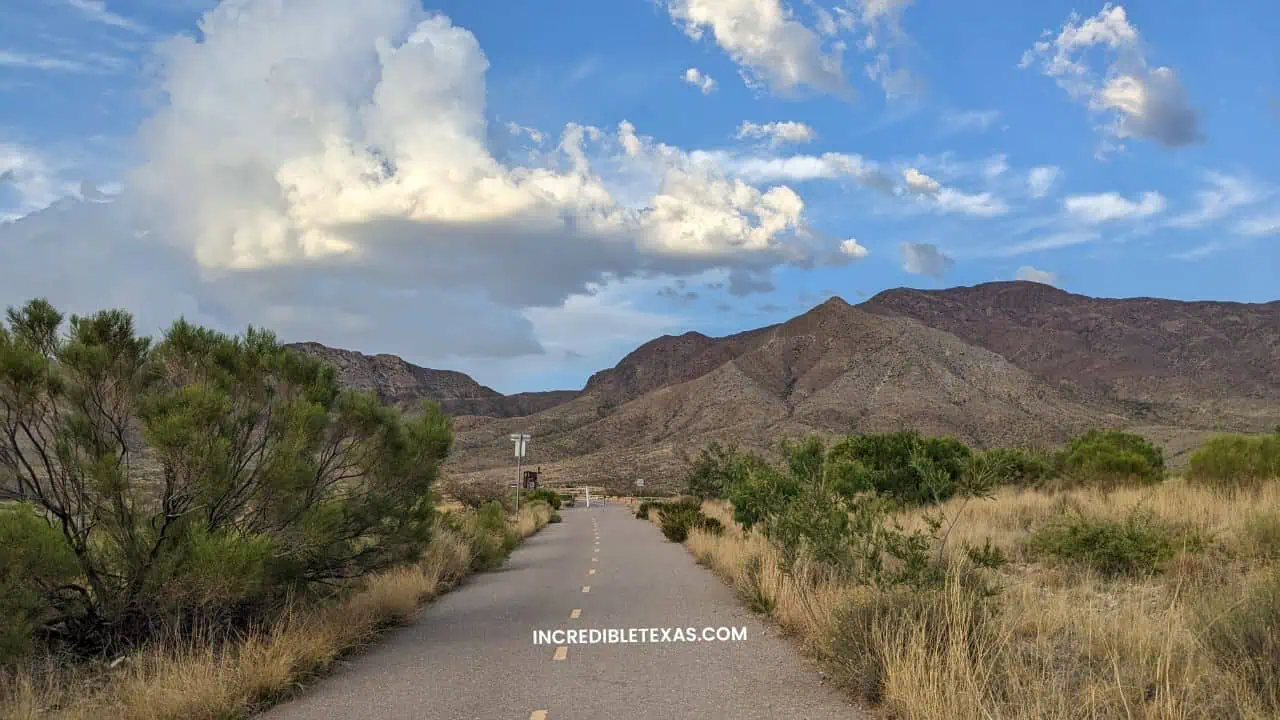
Visitors come here for hiking, mountain biking, rock climbing, birding, and sunset views over the Chihuahuan Desert. The best first-time plan is simple: choose one access point, start early, carry plenty of water, and keep the visit focused on the part of the park that matches the day’s goal.
Check out: 17 Best Things to Do in El Paso TX This Weekend
According to TPWD, the park’s headquarters sits at the Tom Mays Unit, 2900 Tom Mays Access Rd., El Paso, TX 79911, with office hours from 8:00 AM to 4:00 PM and gate hours from 8:00 AM to 5:00 PM.
From the first Saturday in April to the first Saturday in September, Friday-through-Sunday gate hours start at 6:30 AM. That earlier window gives morning hikers a better chance to cover more ground before the desert heat builds.
| Quick fact | Franklin Mountains State Park |
|---|---|
| Common search name | Franklin Mountains State Park El Paso TX |
| Official name | Franklin Mountains State Park |
| Location | Tom Mays Access Rd., El Paso, TX 79911 |
| Headquarters | Tom Mays Unit |
| Daily entrance fee | $5 for adults; children 12 and under are free |
| Office hours | 8 a.m. to 4 p.m. |
| Gate hours | 8 a.m. to 5 p.m. |
| Seasonal gate hours | Fridays, Saturdays, and Sundays from the first Saturday in April to the first Saturday in September: 6:30 a.m. to 5 p.m. |
| Camping | 14 tent sites and 5 RV sites in the Tom Mays Unit |
| Utilities | No water or electricity at the campsites |
| Trail system | More than 100 miles of trails across about 27,000 acres |
| Best for | Hiking, biking, climbing, birding, desert scenery, and short El Paso outdoor trips |
TPWD’s park pages confirm the daily fee, gate schedule, camping setup, and trail network.
The practical picture is clear: this is a rugged state park, but it is also a straightforward day trip for anyone staying in El Paso.
Franklin Mountains State Park Hours, Fees, Address, and Access Points
The official park page puts the headquarters at the Tom Mays Unit, 2900 Tom Mays Access Rd., El Paso, TX 79911.
The office is open from 8:00 AM to 4:00 PM, and the gate is open from 8:00 AM to 5:00 PM. The Friday-through-Sunday spring and summer schedule opens the gate at 6:30 AM during the seasonal window.
That schedule is worth checking before arrival because the park can reach capacity in busy seasons. TPWD recommends reservations for both camping and day use when visitors want to guarantee entry, especially in spring, summer, and fall.
Official TPWD materials and the park publications page are the best sources for the most current operating details: park publications and map information. Those pages keep the logistics in one place, including the campground layout and the access information that matters most on arrival day.
| Planning detail | Current information | Why it matters |
|---|---|---|
| Address | 2900 Tom Mays Access Rd., El Paso, TX 79911 | Useful for GPS navigation and rideshare pickup |
| Office hours | 8 a.m. to 4 p.m. | Best time for questions, reservations, and visitor guidance |
| Gate hours | 8 a.m. to 5 p.m. | Defines the normal daily access window |
| Seasonal gate hours | 6:30 a.m. to 5 p.m. Fridays, Saturdays, and Sundays from the first Saturday in April to the first Saturday in September | Useful for early hikers and summer visitors |
| Daily entrance fee | $5 for adults; children 12 and under are free | Simple budget detail for families and day users |
| Reservation guidance | Reservations are strongly recommended during busy seasons | Helps avoid a sold-out arrival |
| Main access points | Tom Mays Unit, McKelligon Canyon, Smugglers Pass, and the northeast side | Different access points fit different trail and climb plans |
Tom Mays Unit is the safest starting point for a first visit because it combines the headquarters, trails, and camping facilities in one place. McKelligon Canyon works better for visitors who want a different trailhead feel, while Smugglers Pass and the northeast side suit people who already know which part of the range they want to explore.
Visit El Paso’s park listing at Visit El Paso is useful for a quick city context check before building the rest of the day. It reinforces the park’s position as an urban wilderness stop rather than a distant backcountry destination.
Franklin Mountains State Park at a Glance
Franklin Mountains State Park is the kind of place that rewards an early start and a loose plan. Visitors can choose a short hike, a long mountain bike outing, a climbing session, or a quiet birding stop without needing to leave the city for a long drive.
The park’s best-known advantage is scale. It is large enough to feel like a real desert escape, but it remains close enough to El Paso that a half-day visit still makes sense for travelers, families, and locals who want a quick reset outdoors.
- Best for hikers: Desert terrain, ridge views, and trail variety.
- Best for mountain bikers: Long trail mileage and enough elevation change to keep rides interesting.
- Best for climbers: Designated climbing areas in McKelligon Canyon and the Tom Mays Unit.
- Best for birders: More than 100 bird species and a dedicated bird blind in the Tom Mays Unit.
Visitors who like West Texas parks with a bigger road-trip footprint often compare Franklin Mountains with Big Bend National Park and Davis Mountains State Park.
Those parks offer a different scale and remoteness, but Franklin Mountains still delivers the same high-desert feel without the long drive.
The park also pairs well with a broader West Texas itinerary.
Franklin Mountains State Park Trails, Hiking, and Mountain Biking
The trail system is the headline reason many visitors come to Franklin Mountains State Park. TPWD describes more than 100 miles of trails spread across the park, and that mileage creates enough variation for a casual hike, a training ride, or a full day of moving through the desert.
Trail choice matters because the park covers multiple access areas and a wide stretch of rugged terrain. A first-time visitor does not need to cover the whole park to get a strong experience; one well-chosen trailhead can deliver scenic overlooks, desert plants, and the kind of elevation change that makes the park feel bigger than its city setting.
What hiking at Franklin Mountains State Park feels like
Franklin Mountains hiking is dry, exposed, and often steeper than visitors expect from a park within city limits. The upside is wide visibility across the desert, mountain ridges, and the El Paso skyline, which gives even a short trail a strong sense of place.
Hikers should treat water as non-negotiable. The desert air and direct sun can make a short route feel more demanding by midmorning, so an early start and steady pacing usually produce the best experience.
- Choose shorter trails for a first visit if the goal is to get familiar with the desert terrain.
- Use the map before leaving the parking area because trail junctions can feel similar in open country.
- Plan for more water than expected, especially during late spring and summer.
- Wear closed-toe shoes with good traction because loose rock and uneven ground are common.
Late-day hikers still get strong views, but the park is easier to read in the soft light of morning. The ridges, rock colors, and skyline views stand out more clearly when the sun is lower and the air is cooler.
Visitors who want a longer outdoor loop can use the same planning logic for other desert parks, then reserve the bigger mileage for a separate day. That approach keeps the Franklin Mountains visit focused and leaves room for a second outing later in the trip.
Visitors comparing West Texas trail parks often notice how Franklin Mountains sits between the day-use convenience of city parks and the wilder feel of farther-out destinations. For a longer itinerary, the same appetite for desert miles often leads to West Texas hidden gems, where the road-trip style of travel becomes the point of the day.
Franklin Mountains State Park Mountain biking and trail flow
Mountain bikers tend to like the park for the same reason hikers do: it is large enough to feel like a true ride rather than a neighborhood loop. The trail mileage gives riders room to extend a morning outing without repeating the same terrain too quickly.
Riders should still respect trail conditions, signs, and shared-use expectations. Franklin Mountains is popular with more than one kind of outdoor user, so speed control and trail awareness matter as much as the route itself.
How to pick an access point
Tom Mays Unit is the best fit for first-timers because it keeps the visitor center, campsite area, and trail access together. McKelligon Canyon works well when the visit starts with a climb or a shorter trail segment, while the northeast side can suit people focused on a specific area of the range.
The simplest rule is to pick the access point that matches the day’s goal. A short scenic hike, a bike ride, and an overnight stay do not need the same trailhead, and the park’s spread-out layout makes that distinction useful.
Franklin Mountains State Park Camping, Reservations, and Overnight Planning
Camping at Franklin Mountains State Park is limited to the Tom Mays Unit, where TPWD lists 14 tent sites and 5 RV sites. The campsites do not have water or electricity, so the park feels more self-reliant than a full-hookup campground in a city park setting.
That setup suits visitors who want a simple base for hiking or climbing rather than a resort-style overnight stay. It also makes reservations worth handling before arrival, especially in busy months when day-use traffic and camping demand both rise.
TPWD’s campsite page shows the same no-water, no-electricity setup and makes the site mix easier to compare before arrival.
Visitors who want more amenities sometimes compare the experience with other desert parks such as Big Bend Ranch State Park or with rugged camp-heavy parks like Caprock Canyons State Park.
That comparison is useful because Franklin Mountains keeps the overnight setup simple while still putting campers close to one of the best urban trail systems in Texas. The tradeoff is clear: less comfort, more self-sufficiency, and a more direct desert feel.
| Camping detail | Current information |
|---|---|
| Camping area | Tom Mays Unit |
| Tent sites | 14 |
| RV sites | 5 |
| Water | Not available at the campsites |
| Electricity | Not available at the campsites |
| Best planning step | Reserve ahead and bring all drinking and cooking water |
Visitors planning a first night in the park should think like desert campers, not city campers. That means extra water, a flashlight, a charged phone, a map, and enough supplies to avoid needing a late-night store run after the gate closes.
People who prefer a simple in-and-out visit can still use the campsite page as a planning clue because it shows how the park handles reservations, limited utilities, and site structure. Those details are useful even for day users who want to understand how the park functions during busy weekends.
Wildlife, Birding, and the Desert Landscape at Franklin Mountains State Park
The desert setting is one of the park’s strongest features, and the wildlife list is more varied than many visitors expect. TPWD notes mule deer, coyotes, mountain lions, and a bird community that includes more than 100 species.
Birders have a particularly good reason to stop here because the Tom Mays Unit includes a bird blind. TPWD names golden eagles, ash-throated flycatchers, calliope hummingbirds, and pyrrhuloxia among the species seen in the park.
The plant life is just as important to the experience. Lechuguilla, sotol, ocotillo, yuccas, cacti, and the Southwestern barrel cactus all help define the northern Chihuahuan Desert setting and give the park a very different look from East Texas or the Gulf Coast.
TPWD’s nature page expands that picture with bird and plant references that help visitors know what they may see on a short walk or a longer trail day.
Why the bird blind is worth a stop
The bird blind in the Tom Mays Unit is one of the easiest low-effort wildlife stops in the park. It gives visitors a chance to slow down, scan quietly, and watch desert birds without needing a long hike or specialized gear.
That makes the park a strong fit for visitors who want a mixed outing: a short trail, a wildlife pause, and a scenic drive back into the city before lunch.
Birders and casual photographers both benefit from the same slower pace. A short stop at the blind can turn into a much longer wildlife watch if the light is good and the birds are active.
Best Time to Visit Franklin Mountains State Park and What to Bring
The best time to visit Franklin Mountains State Park is early in the day, especially from spring through fall. The official schedule already hints at the demand pattern, but the bigger reason for an early start is the desert heat, which climbs fast once the sun is up.
Morning visits usually feel calmer, cooler, and more flexible. Afternoon visits still work, but they demand more water, more shade awareness, and a better understanding of how much time remains before the gate closes.
- Bring more water than a normal city walk would require.
- Use sunscreen, a brimmed hat, and sunglasses because the park is open and exposed.
- Wear sturdy shoes with traction for loose rock and uneven trail surfaces.
- Carry a paper map or offline map because cell signal can be less reliable in rugged terrain.
- Keep a light layer or wind shell in the car for cooler early starts and higher viewpoints.
The park’s mix of climbing, hiking, and biking means visitors should also think about the day’s activity before packing. Climbers need their own equipment, bikers need the right protective gear, and hikers benefit from a simpler loadout that leaves room for water and comfort.
Travelers who want a larger West Texas outdoor plan can treat Franklin Mountains as the city-friendly opener and save longer drives for another day. That approach pairs naturally with a separate trip through the region’s bigger destinations and with a broader roundup of hidden gems in West Texas.
How to Turn the Franklin Mountains State Park Visit Into an El Paso Day Trip
Franklin Mountains State Park works especially well as part of an El Paso day because the park is already inside the city’s limits. That means a morning hike can turn into a lunch stop, a museum visit, or a relaxed afternoon without a long transfer between activities.
Visit El Paso’s park page makes the same point from a visitor-planning angle: the park belongs to the city’s outdoor identity, not just to the state park system. That distinction matters for travelers who want one trip to feel both urban and wild.
A simple day plan usually works best. Start early at the chosen trailhead, finish before the strongest afternoon heat, and leave enough daylight for another El Paso stop once the hike or ride is done.
Visitors who want to broaden the West Texas itinerary can use the park as a springboard into a longer road trip. The same desert energy that makes Franklin Mountains memorable also shows up in the region’s bigger canyons, mountain parks, and scenic byways.
El Paso food and neighborhood stops fit naturally after a trail day because the park sits so close to the rest of the city. A relaxed lunch or early dinner keeps the outing easy to finish after the hike or ride.
Franklin Mountains State Park Frequently Asked Questions
How much does it cost to enter Franklin Mountains State Park?
The daily entrance fee is $5 for adults, and children 12 and under enter free. Texas State Parks Pass holders can also use the pass for park entry under the normal pass rules.
What time does Franklin Mountains State Park open?
The gate normally opens at 8:00 AM and closes at 5:00 PM. Office hours run from 8:00 AM to 4:00 PM, and Fridays through Sundays open earlier from the first Saturday in April to the first Saturday in September.
Can visitors camp at Franklin Mountains State Park?
Camping is available in the Tom Mays Unit, where TPWD lists 14 tent sites and 5 RV sites.
The campsites do not have water or electricity, so visitors need to bring their own supplies.
Is Franklin Mountains State Park good for mountain biking?
The park’s more than 100 miles of trails and rugged desert terrain make it one of the strongest mountain biking options inside a major Texas city.
Riders should still expect shared-use conditions and plan for heat, loose rock, and climbing grades.
What wildlife can visitors see in the park?
TPWD notes mule deer, coyotes, mountain lions, and more than 100 bird species in the park. The bird blind in the Tom Mays Unit is one of the easiest places to watch the bird life without much effort.
Which entrance is best for a first visit?
The Tom Mays Unit is usually the best first stop because it combines the headquarters, camping area, and trail access in one place. Visitors who already know the part of the park they want can use McKelligon Canyon, Smugglers Pass, or the northeast side instead.
Bottom Line
Franklin Mountains State Park gives El Paso a rare advantage: a real desert state park inside city limits with enough trail mileage, wildlife, camping, and climbing to justify more than a quick photo stop. For most visitors, the best visit is the one that starts early, keeps the route simple, and focuses on one part of the range well.
The park’s official details are straightforward, and the planning payoff is just as clear. A little preparation turns a city-adjacent visit into a proper West Texas outing without adding much complexity.