East Texas contains some of the richest and most ecologically diverse public outdoor acreage in the American South. From the ancient hardwood swamps of the Sabine River basin to towering loblolly pine forests and coastal salt marshes, exploring the best East Texas state parks and nature reserves gives travelers a refreshing escape into uncrowded wilderness.
Key takeaways
- Tyler State Park and Daingerfield State Park offer spring-fed lakes, historic Civilian Conservation Corps cabins, and shaded pine forest hiking trails within two hours of the Dallas-Fort Worth metroplex.
- Big Thicket National Preserve provides free admission across more than 113,000 acres, protecting nine converging ecosystems and over 40 miles of hiking and paddling routes.
- Daily entrance fees at Texas state parks in the region range from $4 to $6 for adults, with children 12 and under admitted free of charge at all TPWD properties.
- Anglers fishing from the shore or piers within Texas state parks do not need a state fishing license, making parks like Lake Livingston and Martin Dies, Jr. accessible fishing destinations.
- Advance day-use reservations through the Texas Parks and Wildlife online booking portal are strongly recommended for weekend arrivals to guarantee park entry.
Overview: What Makes East Texas State Parks and Preserves Unique?
East Texas state parks and nature reserves protect the heart of the Pineywoods ecoregion, characterized by dense loblolly pine forests, hardwood river bottoms, spring-fed lakes, and coastal marshlands. These protected lands provide year-round paddling, hiking, birdwatching, and camping across diverse public park systems.
Unlike the arid canyons of West Texas or the rocky limestone hills of Central Texas, the Pineywoods region receives abundant rainfall that supports towering pine canopies, fern-carpeted forest floors, and slow-moving bayous draped in Spanish moss. Public lands and east texas wildlife preserves safeguard rare biodiversity, including four of North America’s five native carnivorous plant groups and over 300 resident and migratory bird species.
Visiting east texas state parks requires minimal gear beyond sturdy hiking footwear, insect repellent, and plenty of drinking water. Across all pineywoods state parks, spring-fed water bodies maintain cool temperatures even through the Texas summer. From developed campgrounds with full RV hookups to quiet backcountry hiking trails, this regional network offers year-round recreation within easy driving distance of major Texas metropolitan centers. Travelers seeking secluded spots beyond park boundaries can also explore our guide to hidden gems in East Texas for scenic ridge overlooks, floral bloom trails, and boutique wineries.
East Texas State Parks and Nature Reserves at a Glance
East Texas offers 12 standout state parks, national forests, and municipal preserves ranging from sandy coastal beaches to dense old-growth pine forests. Anglers looking for year-round warm water fishing also frequent Martin Creek Lake State Park near Tatum. Compare managing agencies, admission fees, and signature attractions in the table below.
| Park / Nature Reserve | Managing Agency | County / Nearest Town | Day-Use Entry Fee | Signature Feature |
|---|---|---|---|---|
| Tyler State Park | Texas Parks & Wildlife (TPWD) | Smith County (Tyler) | $6 per adult (13+) | 64-acre spring-fed lake and 13 trail miles |
| Lake Livingston State Park | Texas Parks & Wildlife (TPWD) | Polk County (Livingston) | $6 per adult (13+) | 82,000-acre reservoir and lighted fishing pier |
| Daingerfield State Park | Texas Parks & Wildlife (TPWD) | Morris County (Daingerfield) | $4 per adult (13+) | Historic CCC cabins and fall color foliage |
| Toledo Bend Reservoir | Sabine River Authority / USFS | Sabine & Shelby Counties | Free to $5 per park | 185,000-acre bass fishery on the state border |
| Big Thicket National Preserve | National Park Service (NPS) | Hardin County (Kountze) | Free | 9 converging ecosystems and 40+ trail miles |
| Sam Rayburn Reservoir | U.S. Army Corps of Engineers | Jasper & Angelina Counties | Free to $5 per vehicle | 114,500-acre lake entirely within Texas |
| Martin Dies, Jr. State Park | Texas Parks & Wildlife (TPWD) | Jasper County (Jasper) | $4 per adult (13+) | Neches River sloughs and canoe paddling trails |
| Sabine Pass Battleground | Texas Historical Commission | Jefferson County (Port Arthur) | Free | 1863 coastal battlefield and shipping channel ramp |
| Sea Rim State Park | Texas Parks & Wildlife (TPWD) | Jefferson County (Sabine Pass) | $4 per adult (13+) | 5.2 miles of Gulf beach and marsh boardwalks |
| Mineola Nature Preserve | City of Mineola | Wood County (Mineola) | Free | 3,000-acre Sabine River preserve with horse trails |
| Sabine National Forest | U.S. Forest Service (USFS) | Sabine County (Hemphill) | Free (campsites vary) | 28-mile Trail Between the Lakes route |
| Ratcliff Lake Recreation Area | U.S. Forest Service (USFS) | Houston County (Kennard) | $5 day use | 45-acre lake and Four C National Trail trailhead |
1. Tyler State Park
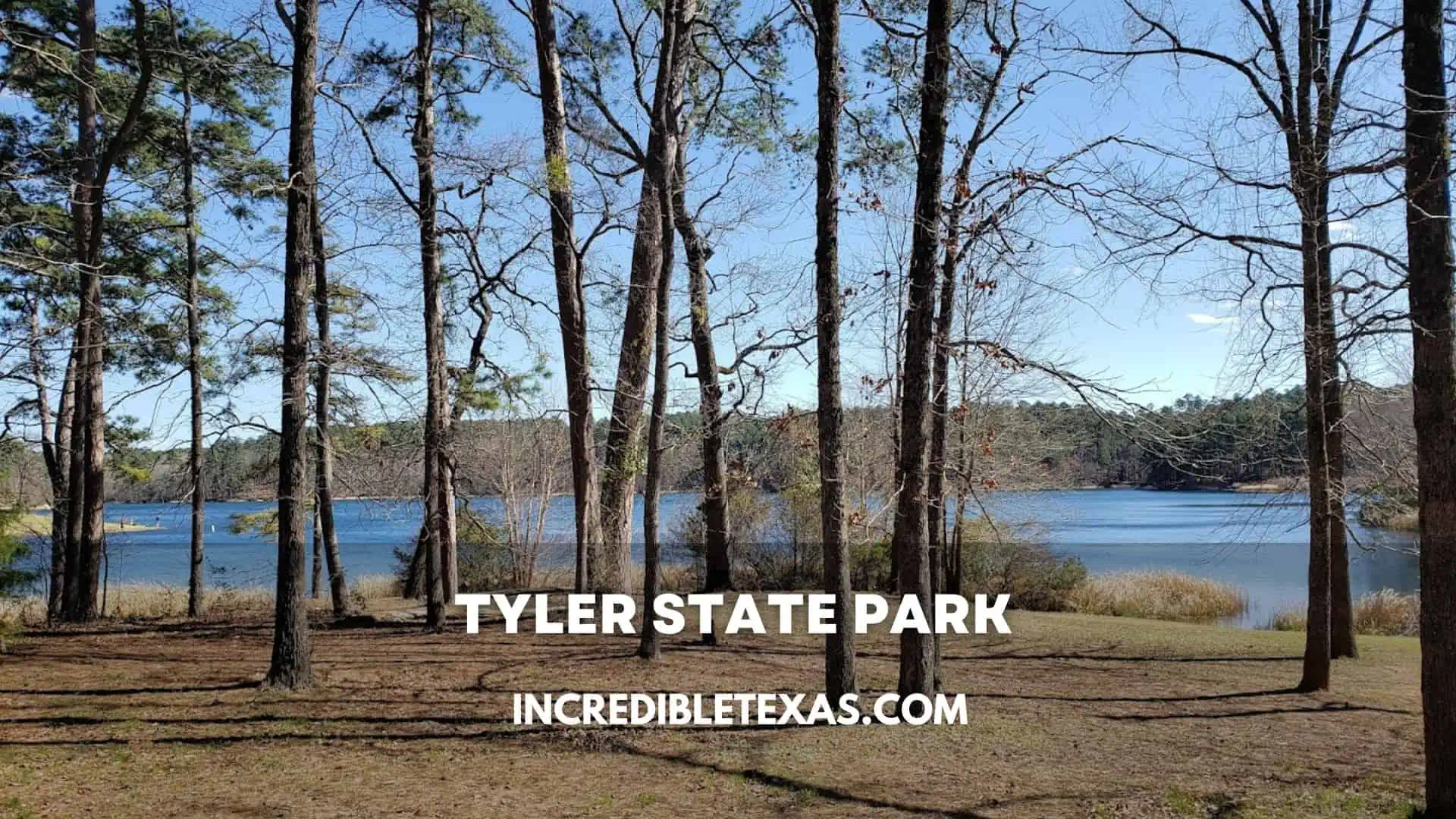
Tyler State Park encompasses 985 acres of rolling Pineywoods terrain surrounding a tranquil 64-acre spring-fed lake just north of Tyler in Smith County. Developed by Civilian Conservation Corps Company 2888 between 1935 and 1941, the park pairs historic timber-and-stone architecture with standout freshwater recreation. When ranking the top state parks near tyler tx, this destination remains a perennial favorite for families and outdoor enthusiasts.
Main Attractions and Trails
Anglers and paddlers congregate along the 64-acre lake, which restricts gasoline outboards to maintain quiet waters. The park features three fishing piers, a boat ramp, and seasonal rentals for canoes, kayaks, and paddleboards. Anglers routinely target largemouth bass, crappie, bluegill, and channel catfish without needing a state fishing license from shore.
Hikers and mountain bikers can navigate more than 13 miles of interconnected trails. The gentle 0.75-mile Whispering Pines Nature Trail leads past an original CCC stone water dam, while the 2.1-mile Lake Trail circles the entire shoreline. For challenging climbs, the B-Loop and C-Loop mountain bike routes cross steep gullies and pine roots.
Seasonal Highlights and Reservations
According to official fee schedules on the Texas Parks and Wildlife Tyler State Park Portal, daily entrance costs $6 for adults, while children 12 and under enter free. The park offers over 100 campsites with water and electric hookups, six historic CCC cabins, and screened shelters.
Day-use parking lots frequently reach maximum vehicle capacity before 11:00 AM on sunny Saturdays from March through October. Reserve day passes online up to 30 days in advance to guarantee entry. Travelers pairing trail time with municipal attractions can review our guide to the best things to do in Tyler TX for nearby dining and garden tours.
- Location: 789 Park Road 16, Tyler, TX 75706
- Daily Admission: $6 per adult (13 and older); free for children 12 and under
- Signature Experience: Paddling across the 64-acre spring-fed lake and hiking historic CCC stone paths
- Camping Options: Water and electric RV sites, tent sites, screened shelters, and six rustic cabins
Tip
The park store and boat rental kiosk close on Tuesdays and Wednesdays outside peak summer holidays; bring your own kayak or paddleboard if visiting mid-week.
2. Lake Livingston State Park
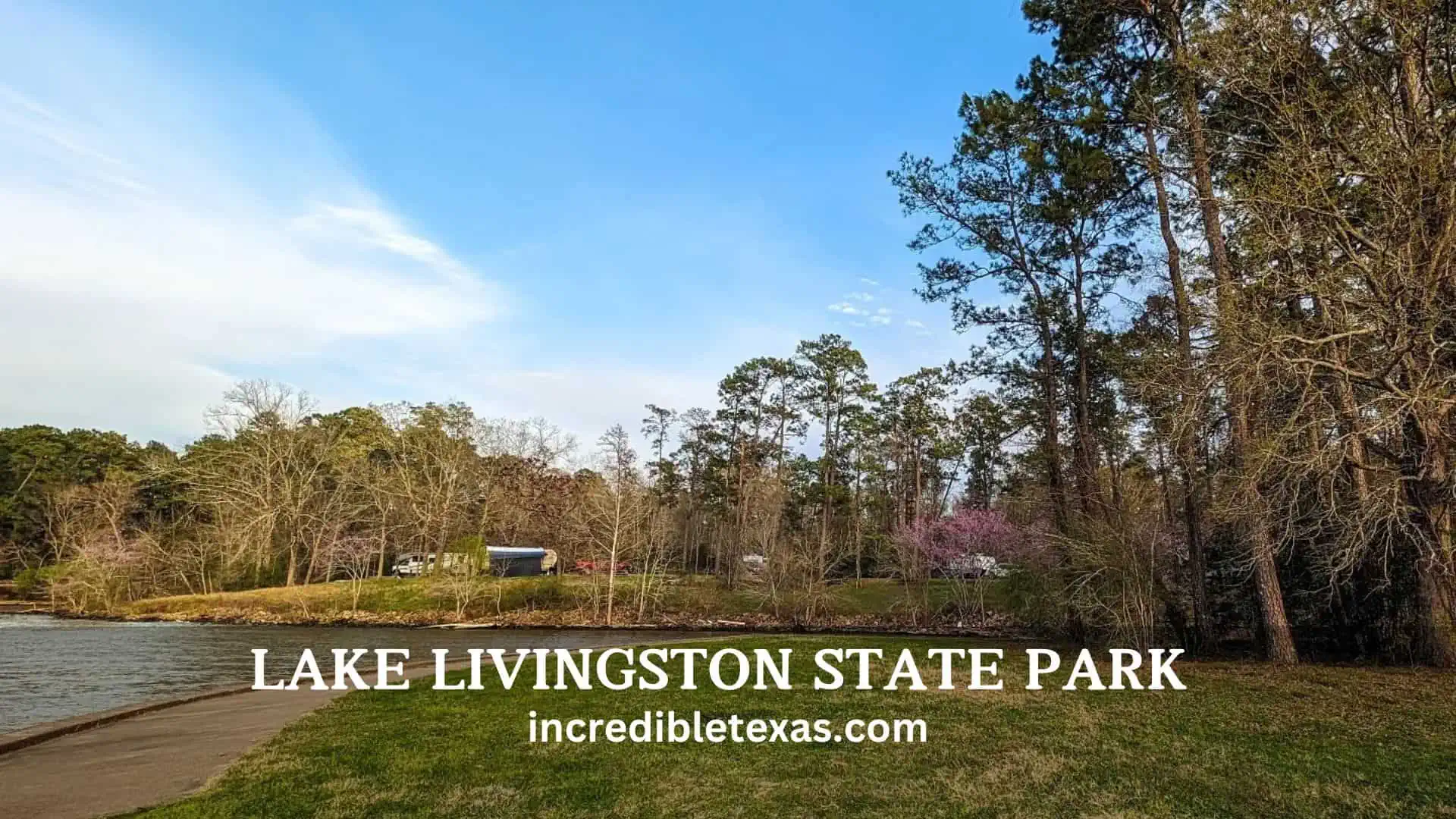
Lake Livingston State Park sits along the southeastern shoreline of an 82,000-acre reservoir in Polk County, roughly 75 miles north of downtown Houston. The 635-acre park serves as a primary water sports hub, providing easy access to open boating waters and quiet pine forest hiking.
Fishing, Boating, and Shoreline Access
Lake Livingston ranks as one of the best lakes in east texas for white bass, striped bass, catfish, and largemouth bass. The state park provides three boat launches, two fish cleaning stations, and a dedicated fishing pier equipped with cleaning tables.
Boaters can run miles of open water or duck into quiet coves sheltered by pine headlands. Personal watercraft and ski boats launch easily from the deep multi-lane ramps. Shore anglers do not need a Texas fishing license within park boundaries, making the lighted pier a popular evening destination for catching channel catfish.
Hiking Trails and Campground Facilities
The park maintains five miles of wooded walking trails that wind through loblolly pines, sweetgums, and water oaks. The Pineywoods Boardwalk Trail crosses delicate wetland terrain on an elevated wooden walkway, offering an accessible route for families and birdwatchers. Birders frequently spot bald eagles, ospreys, pileated woodpeckers, and wintering waterfowl.
Overnight visitors can select from full-hookup RV sites, shaded tent campsites with water and electricity, and screened shelters. Hot showers, modern restrooms, and a park convenience store with firewood and basic supplies make extended stays comfortable. Travelers comparing regional getaways near the metroplex can also explore options for camping in Houston to plan broader outdoor itineraries.
- Location: 300 Park Road 65, Livingston, TX 77351
- Daily Admission: $6 per adult (13 and older); free for children 12 and under
- Signature Experience: Launching motorboats onto Lake Livingston and walking the Pineywoods Boardwalk
- Camping Options: Full hookup RV sites, tent sites with water/electric, and screened shelters
3. Daingerfield State Park
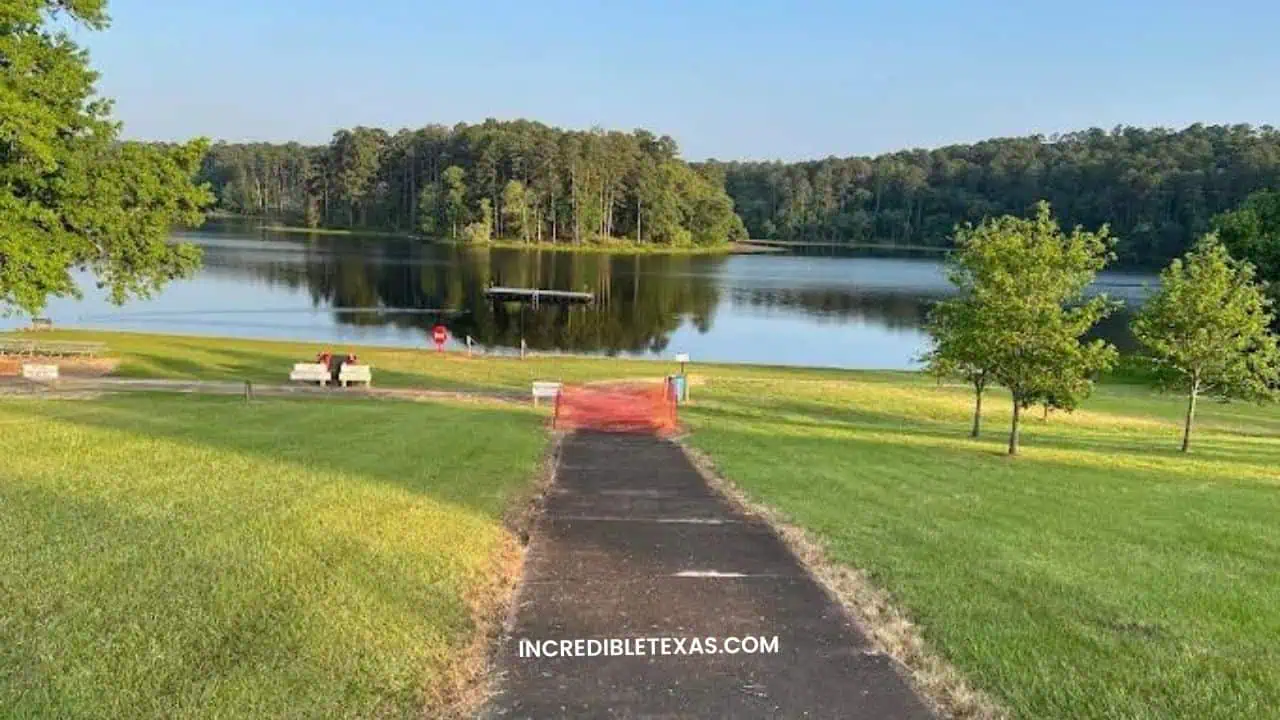
Daingerfield State Park protects 507 heavily forested acres in Morris County near the city of Daingerfield. Known as the Cathedral of the Pines, the park features an 80-acre spring-fed lake bordered by massive loblolly pines, flowering dogwoods, and redbud trees.
Historic CCC Cabins and Lake Recreation
Built by the Civilian Conservation Corps between 1935 and 1938, Daingerfield features hand-cut sandstone structures and timber-frame pavilions. For travelers searching for texas state parks with cabins, Daingerfield provides three historic stone cabins and the spacious Bass Lodge, all equipped with climate control, kitchens, and private restrooms.
Little Pine Lake restricts watercraft to electric trolling motors or paddle power, creating calm surface conditions for swimming and canoeing. The park operates a designated swim beach with a floating diving platform during the warm months. Canoe, kayak, and pedal boat rentals are available at the historic lakeside boathouse.
Hiking the Rustling Leaves and Mountain View Trails
Hikers can follow the 2.4-mile Rustling Leaves Trail, a scenic loop path that hugs the shoreline through dense dogwoods and oaks. In late October and early November, the canopy transforms into shades of crimson, gold, and bronze, drawing photographers from across the state.
The 1.2-mile Mountain View Trail climbs past sandstone boulders to the highest point in the park, providing panoramic vistas across the pine canopy. Daily entrance costs $4 for adults, and day-use passes can be secured via the Texas Parks and Wildlife Daingerfield Reservation Portal. For complete trail maps and campsite layouts, consult our Daingerfield State Park camping and hiking guide.
- Location: 455 Park Road 17, Daingerfield, TX 75638
- Daily Admission: $4 per adult (13 and older); free for children 12 and under
- Signature Experience: Autumn foliage viewing on the Rustling Leaves Trail and staying in historic CCC cabins
- Camping Options: Full hookup RV sites, water/electric campsites, group hall, and historic stone cabins
Tip
Peak fall foliage occurs between the last week of October and the second week of November; cabin reservations for these weekends must be booked five months in advance.
4. Toledo Bend Reservoir
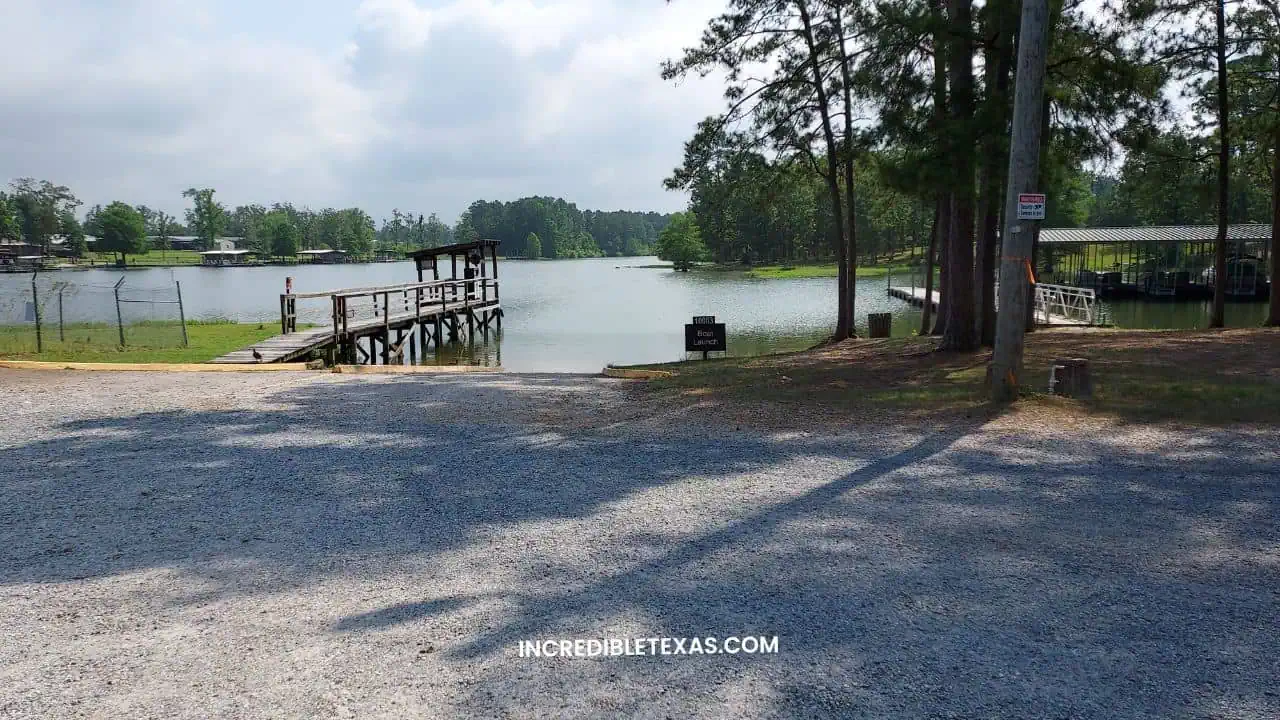
Toledo Bend Reservoir straddles the Texas-Louisiana state border along the Sabine River, encompassing roughly 185,000 surface acres and over 1,200 miles of wooded shoreline. Formed in 1969 for flood control and hydroelectric generation, it ranks as the largest man-made body of water in the South.
Trophy Bass Fishing and Boating Marinas
Toledo Bend is globally recognized among the best lakes in east texas for tournament bass fishing. Bassmaster Magazine has ranked Toledo Bend as the nation’s top bass fishery multiple times, driven by its expansive hydrilla beds, submerged timber, and deep creek channels.
Anglers routinely land largemouth bass weighing eight pounds or more, with double-digit lunkers recorded every spring. The Sabine River Authority of Texas and Louisiana maintain reciprocal fishing agreements, allowing anglers with a valid license from either state to fish the open reservoir by boat without buying dual permits.
Public Parks and Shoreline Camping
Public access along the Texas bank is provided through multiple Sabine River Authority parks, national forest recreation areas, and commercial marinas. Indian Mounds Recreation Area and Lakeview Park offer boat launches, shaded picnic tables, and primitive camping along the water.
Visitors can rent pontoon boats, hire experienced local fishing guides, or kayak through sheltered inlets near Huxley Bay. Shoreline campgrounds provide panoramic sunset views across miles of open water, making Toledo Bend a favorite destination for self-contained RV travelers and boat campers. Anglers can check current fishing regulations on the Texas Parks and Wildlife Toledo Bend Resource Page.
- Location: Sabine and Shelby Counties, Texas (bordering Louisiana)
- Daily Admission: Free public access; select county and SRA boat launches charge $3 to $5
- Signature Experience: Competitive largemouth bass fishing and boating across 185,000 surface acres
- Camping Options: Developed marina RV parks, USFS recreation areas, and primitive shoreline campsites
5. Big Thicket National Preserve
Big Thicket National Preserve protects over 113,000 acres of wilderness north of Beaumont in Hardin, Tyler, and Polk counties. Established by Congress in 1974 as America’s first national preserve, it is recognized globally as an ecological crossroads where Southeastern swamps, Eastern hardwood forests, Central plains, and Gulf coastal plains converge.
Nine Converging Ecosystems and Carnivorous Plants
The preserve encompasses nine distinct ecological habitats ranging from bald cypress sloughs and tupelo swamps to arid sandhill pine forests. Botanists and naturalists travel here to study four of North America’s five groups of carnivorous plants: pitcher plants, sundews, bladderworts, and butterworts.
The 1.5-mile Pitcher Plant Trail features an accessible wooden boardwalk leading directly into a bog filled with thousands of carnivorous pale pitcher plants. Along upland paths, towering loblolly pines give way to flowering magnolias, sweetgums, and wild orchids that bloom from April through June.
Paddling Trails, Backcountry Hiking, and Permits
The National Park Service maintains over 40 miles of hiking paths across separate management units. The 2.4-mile Kirby Nature Trail is ideal for families, while the 15-mile Turkey Creek Trail offers rugged backpacking through dense river bottoms. Paddlers can navigate official state paddling trails along Village Creek and the Neches River, paddling past sandbars and cypress knees.
According to the National Park Service Big Thicket Preserve Guide, entrance to Big Thicket is completely free. Backcountry camping is allowed across designated units with a free permit obtained from the visitor center on FM 420 near Kountze.
- Location: 6102 FM 420, Kountze, TX 77625 (Visitor Center)
- Daily Admission: Free entrance year-round
- Signature Experience: Walking the Pitcher Plant Trail boardwalk and paddling Village Creek sandbars
- Camping Options: Free backcountry tent camping by permit; no developed RV campgrounds on-site
6. Sam Rayburn Reservoir
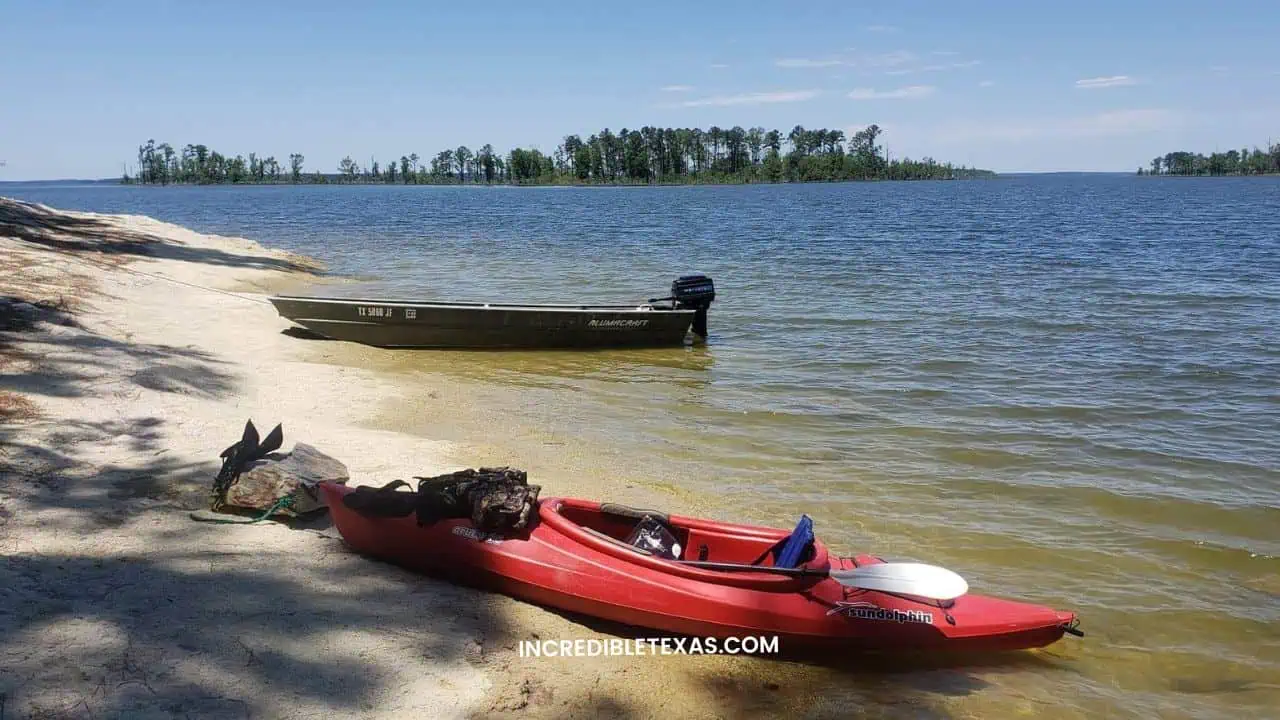
Sam Rayburn Reservoir covers 114,500 surface acres on the Angelina River, holding the distinction of being the largest body of water located entirely within Texas borders. Managed by the U.S. Army Corps of Engineers, this massive impoundment sits between Lufkin and Jasper, bordered by the Angelina and Sabine national forests.
Tournament Bass Waters and Boating Facilities
Big Sam is renowned nationwide for its exceptional largemouth bass fishery, hosting hundreds of regional and national bass tournaments every year. Submerged timber fields, shallow hydrilla flats, and expansive river channels provide outstanding cover for trophy bass, crappie, and channel catfish.
The reservoir offers dozens of public boat ramps and full-service commercial marinas, including Powell Park Marina and Jackson Hill Park. Boaters find vast open water for wakeboarding, water skiing, and sailing, alongside countless secluded coves that shelter paddlers and bank fishermen.
Lakeside Parks, Camping, and Forest Access
The Army Corps of Engineers operates multiple developed recreation parks along the shoreline, such as Twin Dikes Park, Ebenezer Park, and San Augustine Park. These campgrounds feature paved RV pads with electrical hookups, boat launch ramps, swim beaches, and clean bathhouses.
Surrounding national forest lands offer opportunities for wildlife photography, horseback riding, and seasonal deer hunting. Shoreline birding is rewarding in winter when American white pelicans, bald eagles, and double-crested cormorants gather in large feeding flocks on the open water.
- Location: Jasper, Angelina, San Augustine, and Sabine Counties, Texas
- Daily Admission: Free public access; USACE day-use boat launch fee is $5 per vehicle
- Signature Experience: Trophy bass angling and expansive lake boating along deep forest shorelines
- Camping Options: USACE developed campgrounds, private marina RV resorts, and primitive shoreline sites
7. Martin Dies, Jr. State Park
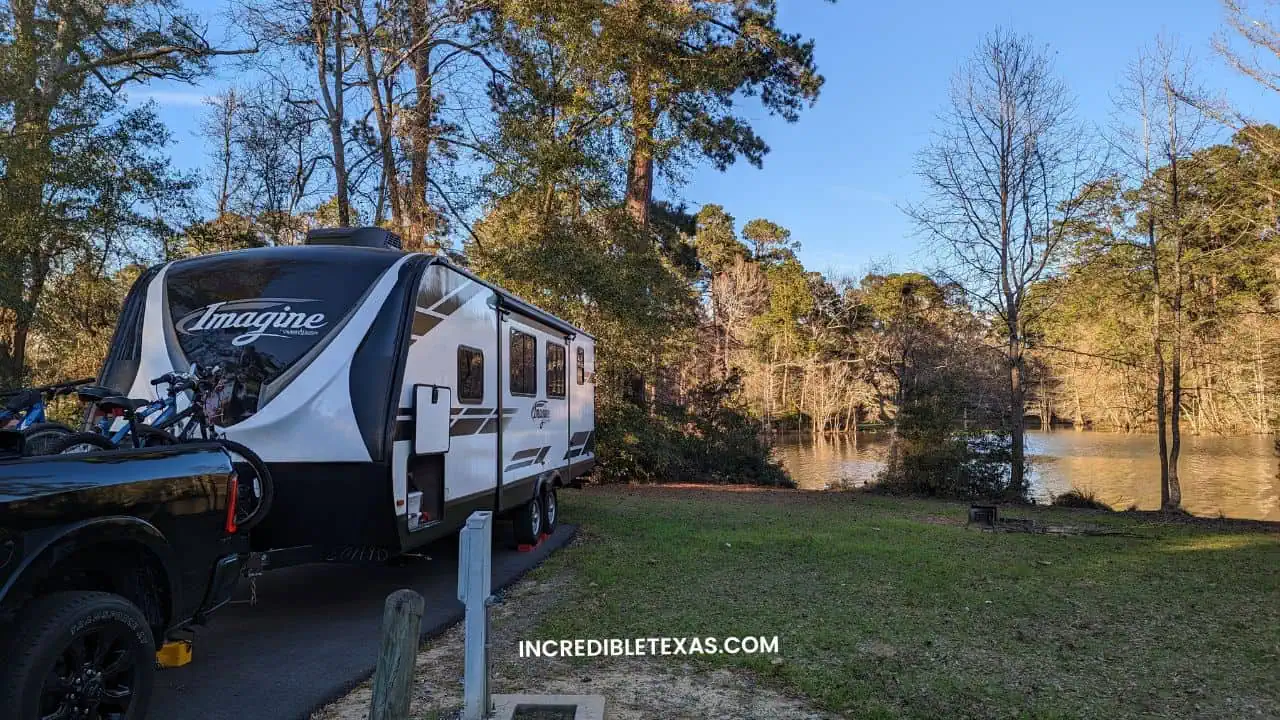
Martin Dies, Jr. State Park occupies 705 forested acres along the shores of B.A. Steinhagen Reservoir and the Neches and Angelina rivers in Jasper County. Positioned at the edge of the Big Thicket, the park provides an intimate connection to coastal plain wetlands, river sloughs, and dense hardwood canopies.
Neches River Paddling and Cypress Sloughs
The park is recognized as one of the most celebrated paddling destinations among state parks in east texas. Four designated paddling trails, including the 2.2-mile Walnut Slough Trail and the 4.2-mile Sandy Creek Trail, guide canoeists through quiet backwaters beneath Spanish moss and bald cypress canopies.
Visitors can rent single and tandem kayaks at the park headquarters or bring their own canoes to launch from shoreline ramps. Wildlife sightings are common along the quiet sloughs, where paddlers frequently spot river otters, barred owls, anhingas, and American alligators basking on mud flats.
Camping Options and Wildlife Safety
The park is divided into three distinct units: the Hen House Ridge Unit, the Walnut Ridge Unit, and the Cherokee Unit. Overnight visitors can choose from over 200 campsites ranging from waterfront tent spots to 50-amp full-hookup RV sites, along with screened shelters and rustic lakeside cabins.
Adult admission is $4 daily, with children 12 and under admitted free. Because the park supports healthy populations of native alligators, swimmers should use designated beach areas and keep pets on a six-foot leash at all times. For detailed unit maps and trail navigation, consult our comprehensive Martin Dies, Jr. State Park guide.
- Location: 6333 US Highway 190 West, Jasper, TX 75951
- Daily Admission: $4 per adult (13 and older); free for children 12 and under
- Signature Experience: Navigating marked cypress slough canoe trails and viewing swamp wildlife
- Camping Options: Full hookup RV sites, water/electric campsites, screened shelters, and rustic cabins
8. Sabine Pass Battleground State Historic Site
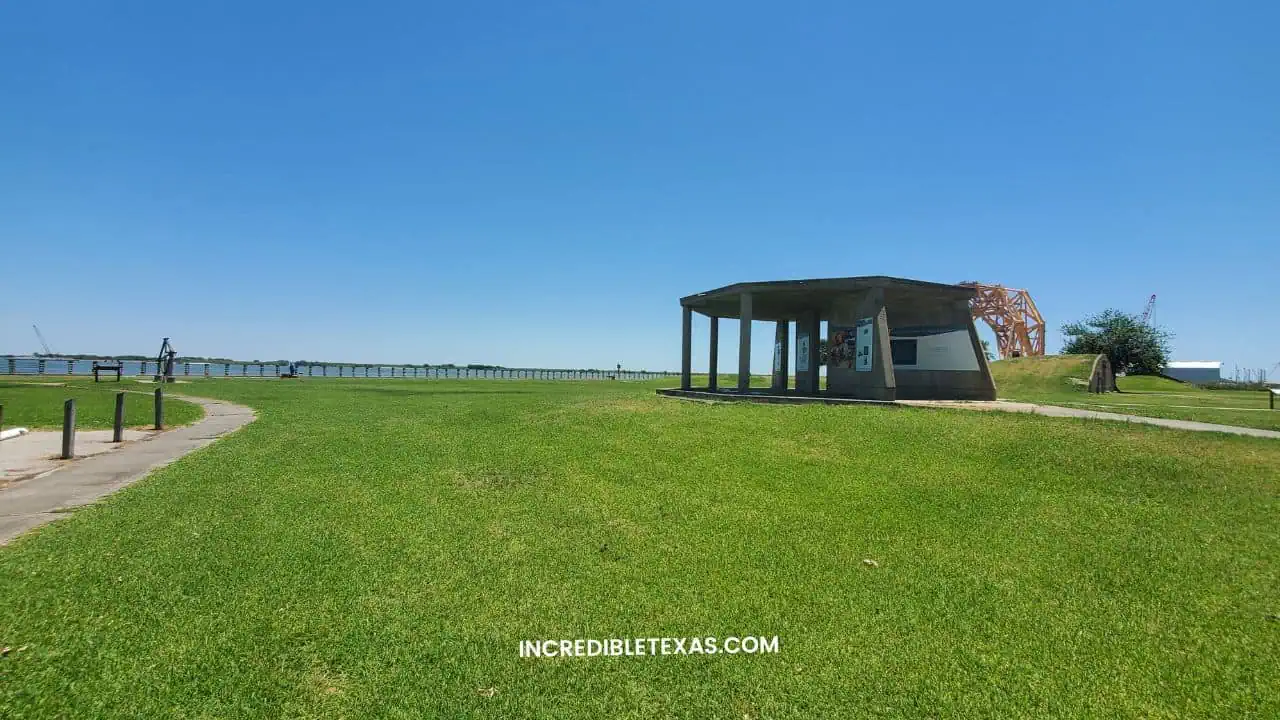
Sabine Pass Battleground State Historic Site protects 58 coastal acres where the Sabine River flows into the Gulf of Mexico in Jefferson County. Transferred to the Texas Historical Commission in 2008, the property commemorates an extraordinary Civil War naval battle fought on September 8, 1863.
Civil War History and Fort Griffin Remains
During the Battle of Sabine Pass, Confederate Lieutenant Richard “Dick” Dowling and 46 men stationed at Fort Griffin successfully repelled a Union invasion fleet of four gunboats and nearly 5,000 troops. Dowling’s artillery captured two gunboats and took over 300 prisoners without losing a single Confederate soldier.
Today, visitors can view the prominent bronze statue of Lieutenant Dowling, inspect the earthen berm remains of historic Fort Griffin, and study detailed interpretive panels detailing 19th-century coastal military fortifications. The open pavilion houses educational displays explaining the strategic significance of the Sabine shipping corridor.
Visitor Amenities, Fishing, and Boat Ramp Access
The historic site features a public boat ramp that provides direct access to the Sabine Pass channel and the Gulf of Mexico. Anglers frequently cast from the shoreline and bulkhead for red drum, flounder, and speckled trout, benefiting from strong tidal currents.
According to the Texas Historical Commission Sabine Pass Historic Site, admission to the grounds and visitor pavilion is completely free. The park includes shaded picnic pavilions with charcoal grills, modern restrooms, and a paved walkway overlooking passing commercial ships and maritime birdlife.
- Location: 6100 Dowling Road, Port Arthur, TX 77642
- Daily Admission: Free public admission year-round
- Signature Experience: Touring the 1863 coastal battlefield and launching boats into the Sabine Pass channel
- Camping Options: Day-use only; camping available at nearby Sea Rim State Park
9. Sea Rim State Park
Sea Rim State Park sits at the remote southeastern tip of Texas in Jefferson County, preserving 5.2 miles of natural Gulf Coast shoreline and over 4,000 acres of marshlands. This unique coastal state park allows visitors to experience where the Pineywoods freshwater river systems meet the salt tides of the Gulf of Mexico.
Gulf Shoreline Beach and Marsh Boardwalks
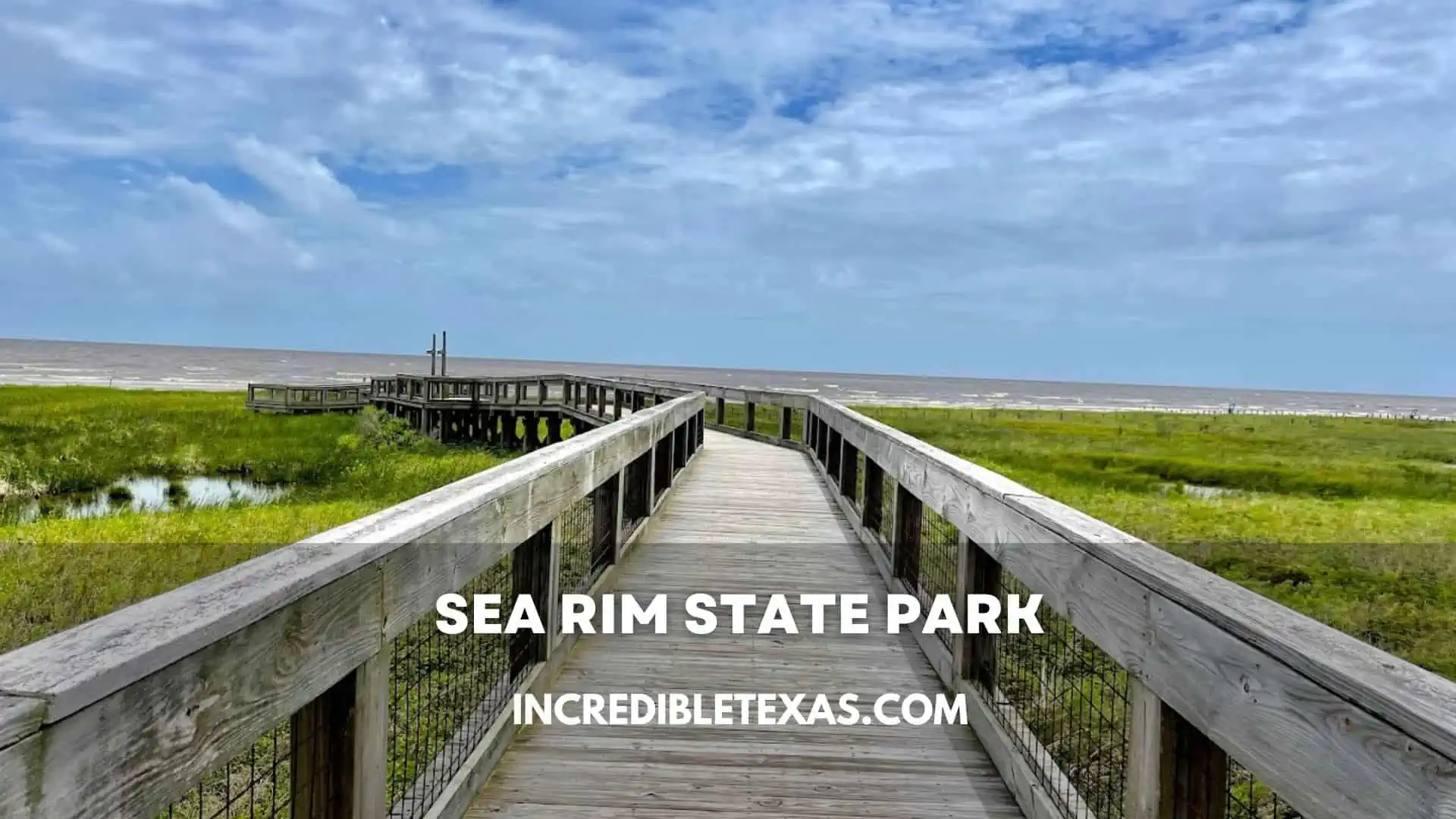
The park offers 5.2 miles of wide, driveable Gulf beach suitable for beachcombing, shell hunting, surf fishing, and primitive coastal camping. Because waves bring sediment from the Mississippi and Sabine rivers, the beach exhibits a natural, unmanicured coastal dynamic lined with sea oats and coastal dunes.
On the marsh side of Highway 87, the 0.75-mile Gambusia Nature Trail boardwalk guides visitors across shallow coastal wetlands. This elevated path provides exceptional views of aquatic marsh plants, fiddler crabs, water snakes, and wading birds without requiring rubber boots.
Coastal Birding, Paddling Trails, and Cabin Rentals
Sea Rim serves as a critical landfall for migratory birds crossing the Gulf during spring and fall migrations. Birders regularly spot roseate spoonbills, clapper rails, reddish egrets, and dozens of warbler species in the maritime shrubs. The park also maintains three marked marsh paddling trails ranging from 1.7 to 9.9 miles.
Daily entry is $4 for adults, as listed on the Texas Parks and Wildlife Sea Rim State Park Portal. Overnight accommodations include 15 developed RV campsites with electricity and water, primitive beachfront camping, and a modern cabin overlooking the marsh. Explore our Sea Rim State Park visitor guide for paddling trail navigation and beach driving guidelines.
- Location: 19335 State Highway 87, Sabine Pass, TX 77655
- Daily Admission: $4 per adult (13 and older); free for children 12 and under
- Signature Experience: Walking the Gambusia boardwalk and paddling through protected coastal marshways
- Camping Options: Water and electric RV campsites, primitive beach camping, and a waterfront cabin
10. Mineola Nature Preserve
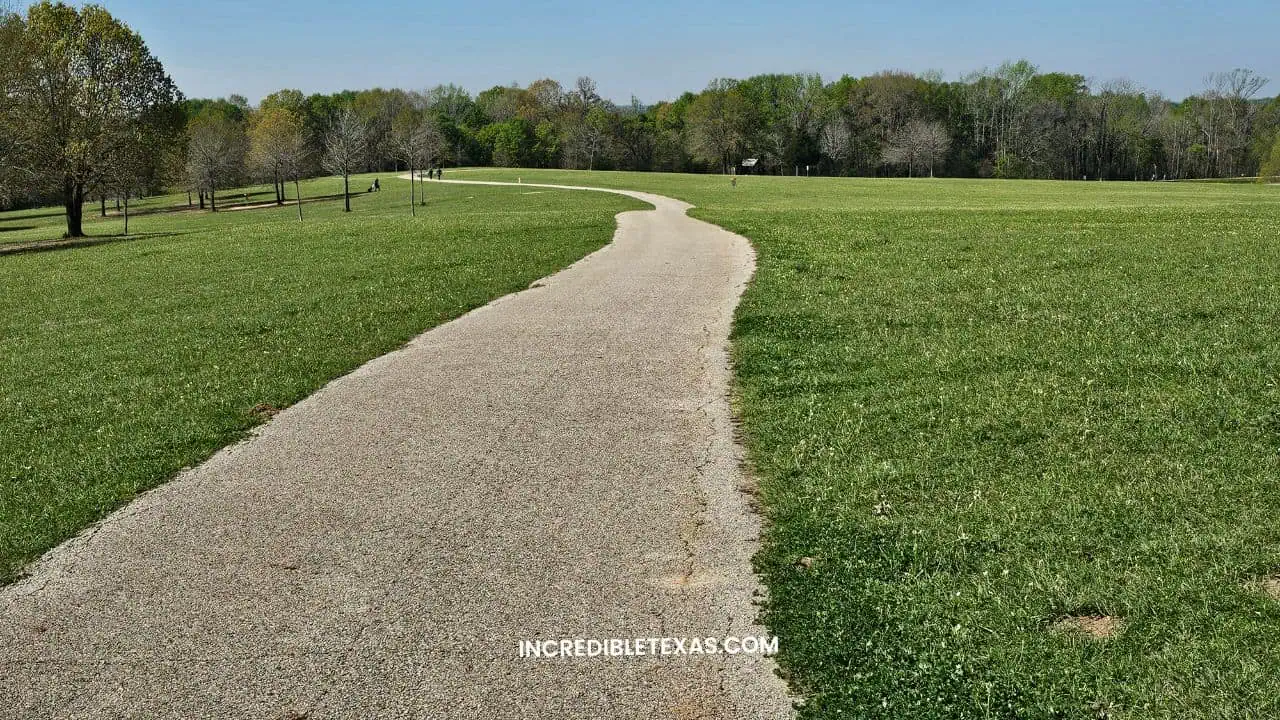
Mineola Nature Preserve encompasses nearly 3,000 acres along the Sabine River basin just south of Mineola in Wood County. Owned and operated by the City of Mineola, this sprawling municipal preserve offers an extensive trail network and thriving wildlife habitats completely free to the public. For outdoor travelers looking for east texas nature reserves, this location delivers unmatched trail diversity.
Extensive Hiking, Equestrian, and Bike Trails
The preserve features more than 20 miles of dedicated trails catering to hikers, trail runners, mountain bikers, and horseback riders. The Appaloosa Trail and Railroad Bed Trail cross varied landscapes of bottomland hardwoods, native prairies, and reclaimed wetlands along the Sabine River.
Equestrian visitors will find dedicated horse trailer parking, hitching posts, and watering stations near the main trailhead pavilion. Mountain bikers can test their skills on natural singletrack routes that wind across wooded ridges and gentle floodplains.
Wetland Birding Platforms and Free Public Access
With over 193 documented bird species, the preserve is a popular birding destination in Northeast Texas. Dedicated observation pavilions and elevated platforms provide quiet vantage points for watching nesting wood ducks, great blue herons, and migrating songbirds across shallow wetland ponds.
The property also includes a disc golf course, a playground, primitive hike-in campsites, and RV sites with electrical connections. Open daily from 7:30 AM until sunset, the preserve charges no entrance fee, making it one of the most accessible nature reserves in the state.
- Location: 1860 County Road 2724, Mineola, TX 75773
- Daily Admission: Free public admission daily from 7:30 AM to sunset
- Signature Experience: Horseback riding and birdwatching across 20+ miles of multi-use trails
- Camping Options: Primitive tent camping areas and RV utility hookups available through city reservation
11. Sabine National Forest
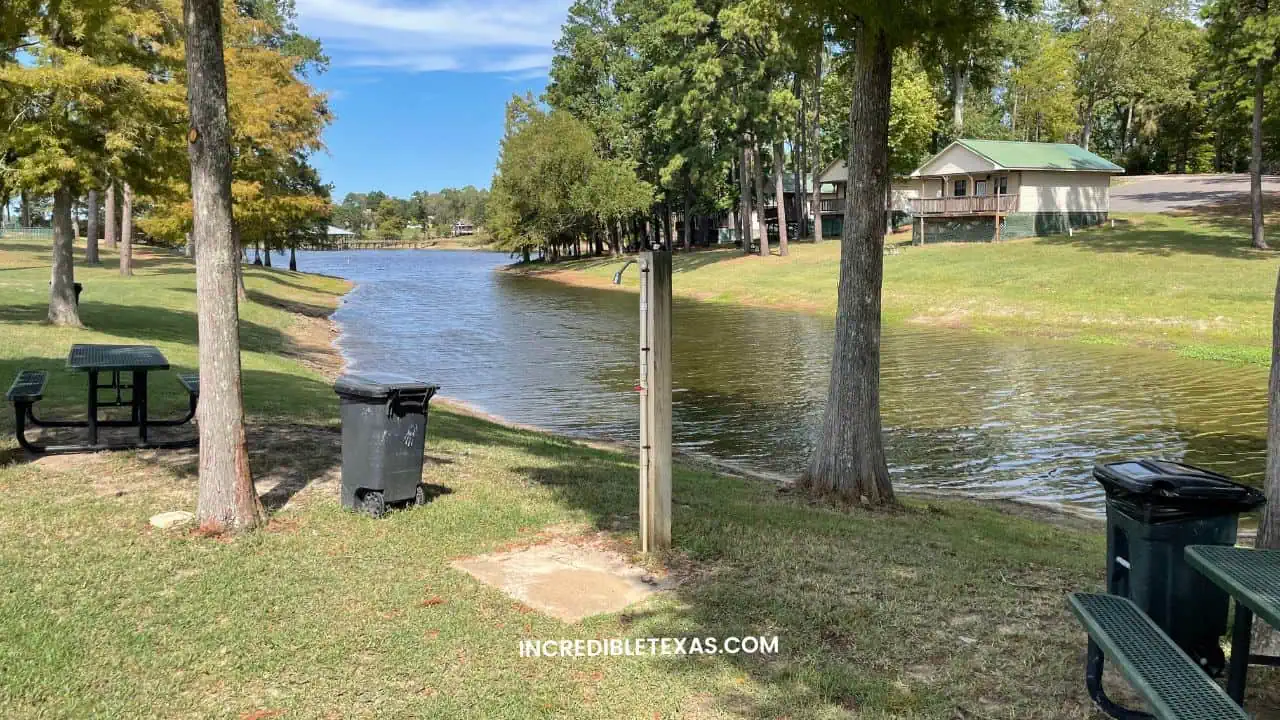
Sabine National Forest encompasses over 160,000 acres of Pineywoods recreation land across Sabine, San Augustine, Shelby, and Newton counties. As the easternmost of the four national forests in Texas, it borders the western shoreline of Toledo Bend Reservoir along the Louisiana boundary.
Trail Between the Lakes and Wilderness Recreation
The forest’s signature trail destination is the 28-mile Trail Between the Lakes, a designated National Recreation Trail that connects Lakeview Recreation Area on Toledo Bend Reservoir to Highway 96 near Sam Rayburn Reservoir. The footpath traverses upland pine ridges, beech-magnolia ravines, and hardwood stream bottoms.
Backpackers can hike the full 28 miles over a multi-day journey, pitching primitive camp anywhere along the corridor outside designated hunting seasons. Day hikers can tackle shorter out-and-back segments from several trailheads along state and county highways.
Dispersed Camping, Hunting, and Boating Access
According to regional historical archives maintained by the Texas State Historical Association Sabine National Forest History, the federal government established this protected forest reserve during the Great Depression to rehabilitate logged Pineywoods acreage. Developed recreation sites like Red Hills Lake offer designated campsites, swimming beaches, and picnic areas for modest overnight fees.
The forest allows seasonal hunting for whitetail deer, wild turkey, and waterfowl in accordance with Texas wildlife regulations. Dispersed camping is permitted throughout general forest management zones, offering wilderness solitude for self-reliant campers. Travelers heading west through the Pineywoods can consult our Angelina National Forest camping and hiking guide to discover additional national forest trails.
- Location: Hemphill, TX 75948 (Ranger District Headquarters)
- Daily Admission: Free forest entry; developed day-use and boat ramps charge $2 to $5
- Signature Experience: Backpacking the 28-mile Trail Between the Lakes through old-growth pine ridges
- Camping Options: Developed USFS campgrounds (Red Hills Lake, Indian Mounds) and dispersed backcountry camping
12. Ratcliff Lake Recreation Area
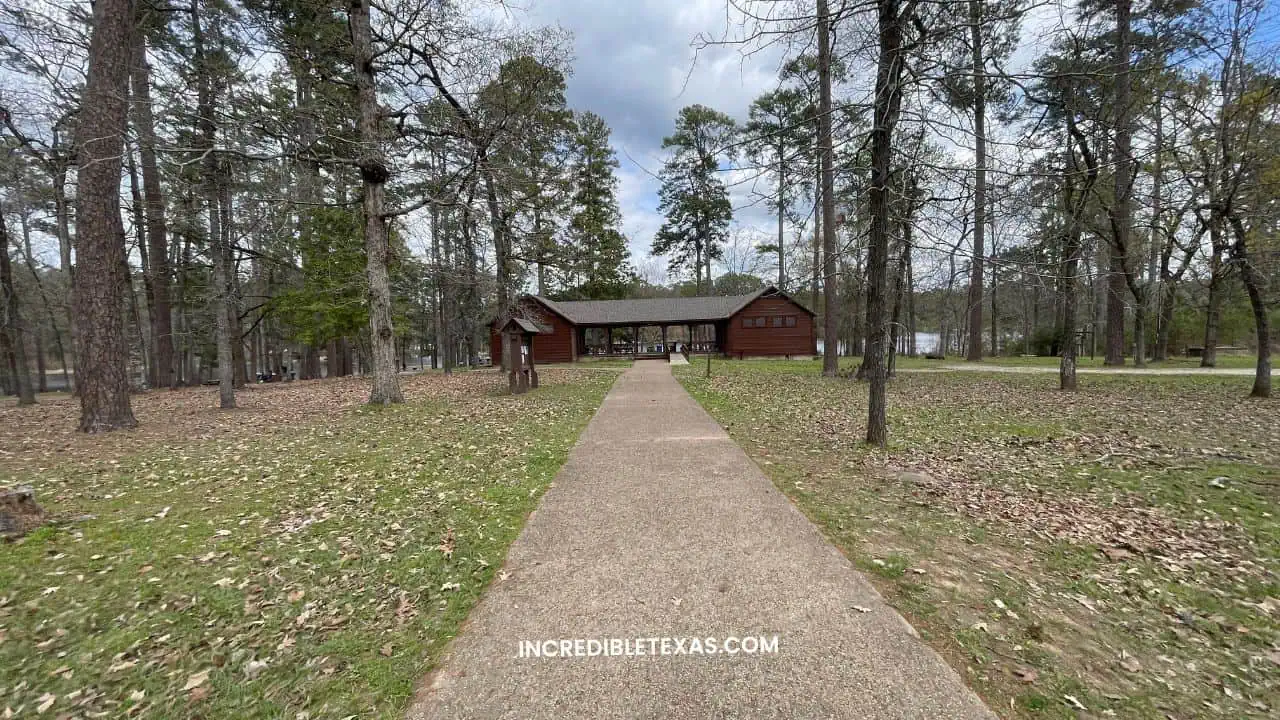
Ratcliff Lake Recreation Area sits within the Davy Crockett National Forest in Houston County, located off State Highway 7 between Crockett and Kennard. Built in 1936 by the Civilian Conservation Corps on the former site of the Central Coal and Coke Company sawmill, the park surrounds a quiet 45-acre lake.
CCC Heritage and 45-Acre Spring Lake Recreation
The recreation area centers on a historic 45-acre spring-fed lake that restricts watercraft to electric motors and paddle power. Visitors can swim in the marked swimming beach, fish from timber piers for largemouth bass and bream, or paddle canoes along shaded shoreline coves.
Original CCC stone and timber bathhouses, picnic pavilions, and lakeside trails reflect classic 1930s craftsmanship. Interpretive signage near the lake entrance details the rise and fall of the historic 1902 lumber sawmill town that once processed timber on this exact site.
Four C National Recreation Trail and Campground Amenities
Ratcliff Lake serves as the southern terminus for the 20-mile Four C National Recreation Trail. This historic hiking trail winds north through Davy Crockett National Forest to the Neches Bluff Overlook, passing through upland pine stands, sloughs, and hardwood flats. Shorter local loops include the 1.5-mile Tall Pines Trail and the 0.75-mile Trail Tamers Trail.
The developed campground provides 56 campsites, including RV sites with electrical hookups, tent pads, picnic tables, and fire rings. Flush toilets, hot showers, and a public dump station are open year-round, with campsite reservations available online through Recreation.gov. Travelers seeking nearby historical attractions and dogwood groves can also explore things to do in Anderson County, located just northwest along US-287 and Highway 84.
- Location: 21451 State Highway 7 East, Kennard, TX 75847
- Daily Admission: $5 day-use fee per vehicle; camping fees vary from $15 to $20 per night
- Signature Experience: Hiking the southern terminus of the 20-mile Four C Trail and swimming in the spring lake
- Camping Options: 56 developed campsites with electric hookups and tent sites, reserved via Recreation.gov
Planning Your East Texas Parks Trip: Passes, Seasons, and Packing
East Texas preserves range from the 113,000-acre Big Thicket National Preserve to Toledo Bend Reservoir’s 185,000 surface acres with 1,200 miles of shoreline. Across all piney woods state parks texas manages, visitors find accessible outdoor adventures. Planning ahead ensures you take full advantage of state park pass savings, weather windows, and comfortable lodging options.
Texas State Parks Pass Savings and Reservation Windows
Travelers visiting multiple state parks in east texas should consider investing in an annual Texas State Parks Pass. For $70 per year, the pass covers daily entrance fees for the pass holder and all guests in their personal vehicle at over 80 Texas state parks. Because adult day-use fees at regional parks range from $4 to $6, visiting just three parks with a family of four recovers the pass investment.
State park day passes open for online booking 30 days in advance, while overnight campsites and cabins can be reserved five months ahead. High-demand spring weekends at Tyler and Daingerfield often fill weeks in advance. Families seeking solid-wall lodging can browse our directory of Texas state parks with cabins to compare floor plans and amenities across the state.
Best Seasons for Dogwood Blooms, Fall Foliage, and Mild Weather
Spring (March through May) and autumn (October through November) offer the most pleasant weather for camping in east texas state parks. In March and April, dogwood blooms and wild azaleas create white and pink flower canopies beneath towering pines. Daytime temperatures hover between 65 and 78 degrees Fahrenheit, ideal for long trail hikes.
Fall brings crisp morning air and striking autumn foliage, especially at Daingerfield and Tyler state parks where sweetgums and red maples turn brilliant red and gold. Summer visits require early morning activity before midday humidity and temperatures climb into the mid-90s. When packing for east texas hiking trails, bring tick and chigger repellent, plenty of drinking water, and footwear suited for damp bottomland terrain.
Frequently Asked Questions
What is the most scenic state park in East Texas?
Daingerfield State Park and Tyler State Park are widely considered the most scenic public parks in the region due to their spring-fed lakes surrounded by towering pines and flowering dogwoods. Daingerfield is especially famous for its brilliant autumn foliage and historic Civilian Conservation Corps stone cabins.
Do you need a fishing license to fish in East Texas state parks?
No fishing license is required when fishing from the bank or piers within Texas state parks, including Tyler, Daingerfield, and Lake Livingston. However, fishing on open public reservoirs such as Toledo Bend or Sam Rayburn outside state park boundaries requires a valid Texas freshwater fishing license.
Which East Texas parks and preserves offer free admission?
Big Thicket National Preserve, Mineola Nature Preserve, and Sabine Pass Battleground State Historic Site offer completely free admission year-round. General access to Sabine National Forest is also free, though select developed campgrounds and boat launches charge modest day-use fees.
What is the best time of year to visit East Texas state parks?
Spring and autumn are the best seasons to visit Pineywoods parks due to comfortable daytime temperatures, low humidity, and blooming dogwoods or colorful fall foliage. Summer brings hot and humid weather, making shaded swimming lakes and early morning hikes essential.
Are dogs allowed in East Texas state parks and nature reserves?
Yes, leashed dogs are permitted on trails and in outdoor picnic and camping areas across most regional public park properties. Pets must remain on a leash no longer than six feet and are prohibited inside state park buildings, cabins, and designated swim areas.