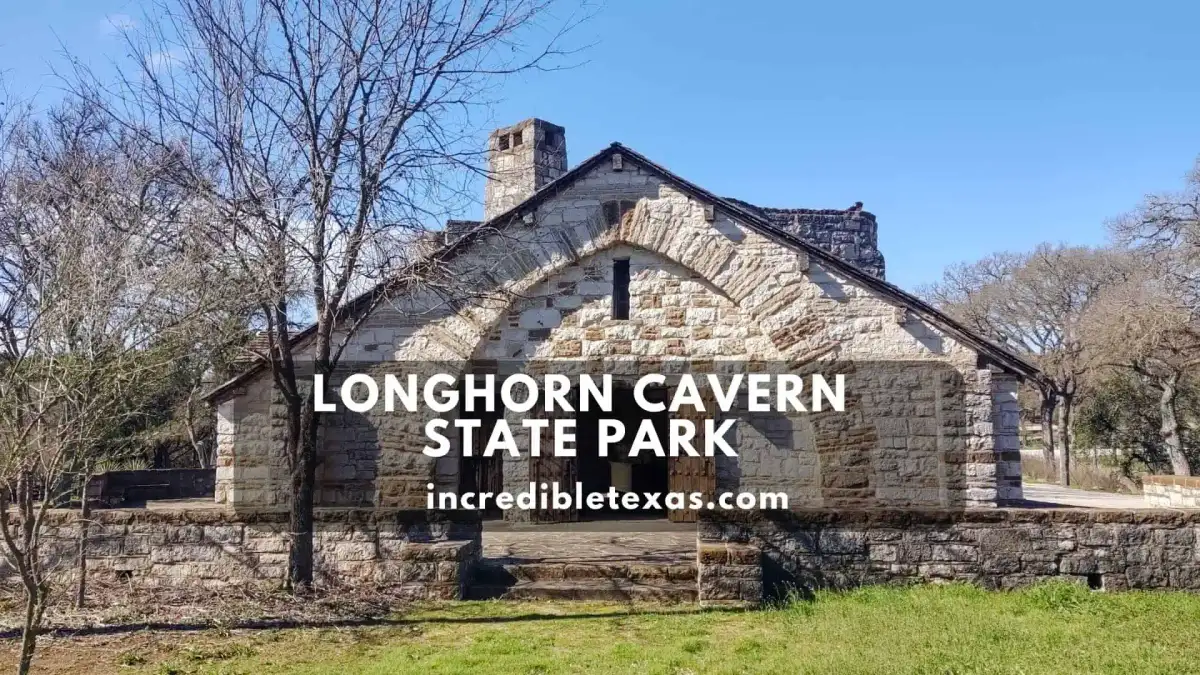
Longhorn Cavern State Park protects a rare river-carved limestone cave system located 65 miles northwest of Austin in Burnet County. While visitors pay a $0 longhorn cavern state park entry fee to access the 645-acre surface grounds and historic stone pavilions, purchasing longhorn cavern state park tickets in advance is mandatory to tour the underground corridors.
Key takeaways
- Longhorn Cavern State Park provides free $0 admission to its surface grounds, hiking trails, and historic stone picnic pavilions, while subterranean cave access requires a paid guided tour ticket.
- The standard 90-minute Walking Tour navigates 1.1 miles of subterranean trail and 52 entrance steps, with off-peak ticket rates starting at $24 for adults and $17 for children ages 4 to 11.
- Subterranean passages maintain a constant 68°F (20°C) temperature and 60% relative humidity year-round, requiring sturdy closed-toe walking shoes with non-slip traction.
- Longhorn Cavern is a day-use park without on-site campgrounds; overnight visitors reserve campsites and cabins at nearby Inks Lake State Park, located six miles north.
- Civilian Conservation Corps Company 854 excavated 2.5 million pounds of sediment by hand between 1934 and 1942, constructing the park’s iconic rustic limestone administration building and observation tower.
The park remains one of the most rewarding day trips from Austin for outdoor travelers. Below is your complete logistical breakdown of current tour schedules, underground formations, trail routes, and nearby Hill Country campsites.
What to Expect at Longhorn Cavern State Park
Longhorn Cavern State Park provides a subterranean geological journey through smooth, river-carved limestone corridors 130 feet below ground, combined with free surface hiking trails and historic Great Depression-era stone architecture across 645 protected Hill Country acres in Burnet County.
Unlike typical Texas solution caves such as Natural Bridge Caverns that formed through slow mineral water dripping from above, Longhorn Cavern was excavated by an ancient rushing river. This forceful hydrodynamic scouring produced smooth, polished corridors and arched solution domes rather than dense forests of stalactites.
Among all burnet county texas caves, Longhorn Cavern is the only developed commercial cavern offering public walking paths. Outdoor enthusiasts frequently pair their cave exploration with excursions to Marble Falls state parks and outdoor getaways across the Highland Lakes chain.
The site is managed cooperatively as documented in the Texas Parks and Wildlife Longhorn Cavern Park Overview. TPWD oversees the surrounding parkland, while private concessionaire partners manage the subterranean cave tour concessions and visitor gift shop.
River-Formed Cave Geology and Phreatic Dissolution
Geologists classify Longhorn Cavern as a phreatic river-carved cave hollowed out of Ordovician Ellenburger Group limestone roughly 450 million years old. Ancient subterranean tributaries of the Colorado River surged through underground fault lines under intense hydraulic pressure, dissolving and sanding the rock walls into sweeping oval chambers.
As regional water tables dropped over prehistoric millennia, the underground river drained away completely. This drainage exposed massive subterranean corridors, smooth calcite crystal deposits, and rounded ceilings that resemble sculpted architectural halls.
CCC Company 854 and Hand-Excavated Cavern Corridors
The modern walking path through Longhorn Cavern is the direct result of manual labor performed during the Great Depression. Between 1934 and 1942, Civilian Conservation Corps Company 854 lived on site and worked to make the cave accessible to the general public.
Note
Historical records from the Texas Parks and Wildlife Department confirm that CCC workers removed over 2.5 million pounds of debris, silt, and bat guano by hand. Using wheelbarrows and small buckets, young men hauled more than 3,000 dump truck loads up steep stone steps to clear the modern walking corridors.
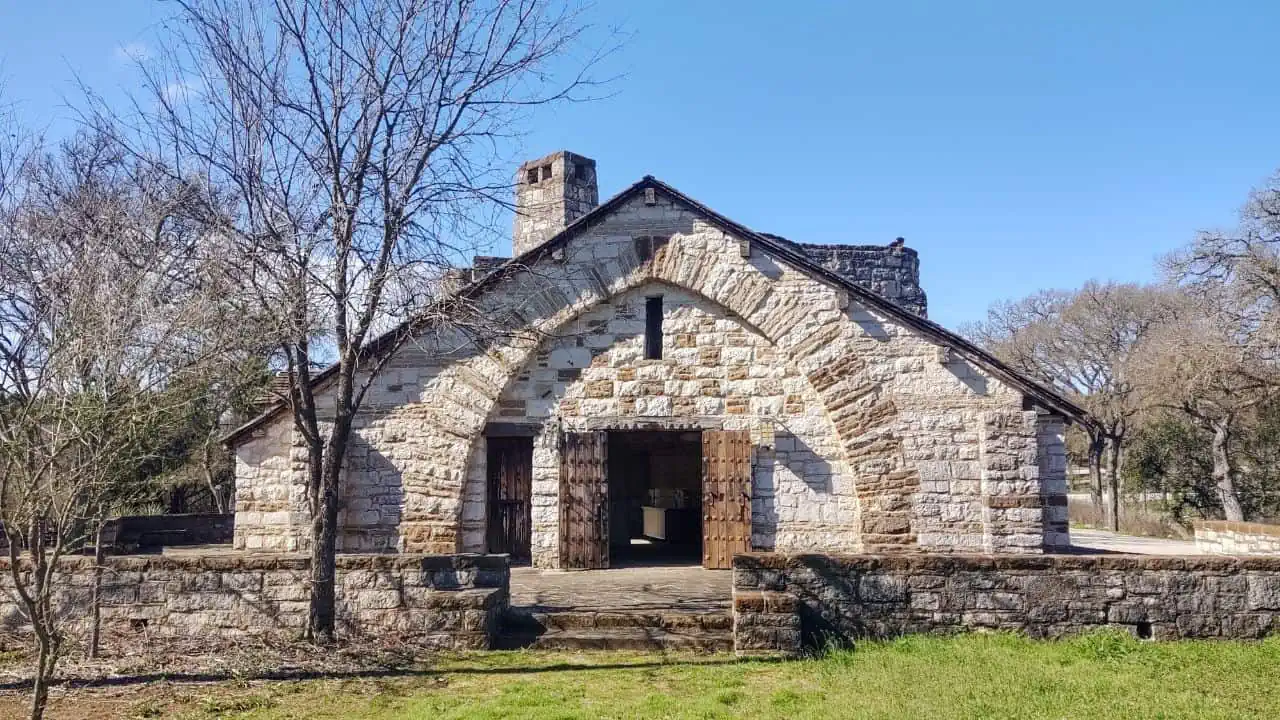
CCC craftsmen also quarried native limestone from the property to build the historic administration building and the observation tower on Backbone Ridge. These hand-chiseled structures exemplify rustic National Park Service architectural style and remain in active public use today.
How Much Do Longhorn Cavern Tour Tickets Cost?
Longhorn Cavern tour tickets range from $24.00 to $28.00 for adult walking tours and $110.00 for the wild cave adventure, while park grounds, trail access, and vehicle parking remain completely free of charge.
Because the subterranean cavern can only be entered with an official guide, visitors must purchase tour passes in advance. Guests can review real-time departure slots for all longhorn cavern state park tours and purchase confirmed admission directly through the Official Longhorn Cavern Tour Portal.
Tour Pricing and Ticket Tier Comparison
Ticket pricing varies slightly between weekday off-peak dates and busy weekend holiday periods. The table below outlines admission costs, physical intensity, and age restrictions across all cavern experiences.
| Tour / Experience | Duration | Physical Rigor | Off-Peak Cost | Advance Booking |
|---|---|---|---|---|
| Cavern Walking Tour | 90 Minutes | Moderate (52 stairs, 1.1 mi) | $24.00 adult / $17.00 child | Recommended 48h early |
| Wild Cave Tour | 3.0 Hours | Strenuous (crawling, mud) | $110.00 per person | Mandatory (min age 8) |
| Paranormal / Night Tour | 90 Minutes | Low-Moderate | $30.00 - $35.00 | Select dates online |
| Surface Park Trails | Self-Paced | Easy (1.5 mi loop) | Free ($0 park admission) | No reservation needed |
Texas State Parks passes cover admission fees at standard state parks, but they do not cover tour fees at Longhorn Cavern because the subterranean operations are managed by a specialized concessionaire. However, state park passholders do receive merchandise discounts inside the visitor center gift store.
90-Minute Walking Tour Highlights
The classic longhorn cavern walking tour remains the core attraction for first-time guests, seniors, and family groups. Naturalist guides lead groups of up to 35 visitors along a well-lit 1.1-mile path that descends 130 feet beneath the surface.
Key highlights along the walking trail include the Queen’s Throne, a massive river-carved limestone pillar, and the Hall of Diamonds, where calcite mineral deposits sparkle under pathway spotlights. Visitors also stand inside the Indian Council Room and the historic subterranean ballroom.
During the Roaring Twenties, local entrepreneurs installed wooden flooring and electric lighting inside this natural amphitheater. The cavern operated as an underground speakeasy and dance hall where Hill Country residents escaped sweltering summer afternoons in natural 68-degree comfort.
The 3-Hour Wild Cave Adventure Tour
Adventurous visitors seeking off-trail exploration can book the strenuous longhorn cavern wild cave tour. This guided caving expedition ventures beyond developed tourist pathways into dark, muddy passageways where participants crawl on hands and knees through tight limestone crevices.
The park provides protective helmets, headlamps, and knee pads for all participants. Spelunkers must supply their own sturdy lace-up boots with aggressive lug soles, heavy jeans or coveralls, and work gloves that can endure coarse rock abrasion.
Participants must be at least eight years old, and minors require an accompanying adult. Expect to get thoroughly covered in cave mud, and bring a complete change of dry clothing, fresh shoes, and a plastic trash bag for storage in your vehicle.
Specialty Photography and Paranormal Evening Tours
On select weekend evenings, the park hosts after-hours specialty excursions. Professional and amateur photographers can register for dedicated photography tours that permit tripods and monopods, which are prohibited on daytime walking tours due to corridor congestion.
Paranormal tours explore regional folklore, Confederate gunpowder manufacturing history, and outlaw tales centered on outlaw Sam Bass. Tour guides recount legends of hidden gold and historical accounts of soldiers leaching bat guano for saltpeter during the American Civil War.
Hours of Operation and Arrival Logistics
Standard longhorn cavern hours run Monday through Friday from 9:00 AM to 5:00 PM, and Saturday through Sunday from 9:00 AM to 6:00 PM, with park gates closing one hour after the final tour departs.
Planning arrival times with care guarantees a relaxed experience. Located off Park Road 4, longhorn cavern burnet tx attracts travelers exploring Highland Lakes attractions, including those staying at Lake Buchanan camping and cabin rentals just 15 minutes to the northwest.
Seasonal Operating Hours and Gate Closures
The park maintains consistent year-round hours, operating daily with the sole exception of Christmas Day. During summer breaks and holiday weekends, operating hours extend to 6:00 PM to accommodate increased tour departures.
Park gates close promptly 60 minutes after the day’s final cavern tour departs. Visitors planning late afternoon picnics or hikes on surface trails should verify the final departure time to avoid getting locked behind main park entrance gates.
Parking Capacity and Peak Weekend Arrival Strategy
Paved surface parking at Longhorn Cavern State Park is generous and completely free for personal vehicles, trucks, and large RVs. However, tour check-in procedures require punctual arrival.
Tip
Arrive at the visitor center at least 30 minutes before your scheduled tour departure. This window allows ample time to verify reservations, secure wristbands, fill water bottles, and use surface restrooms before descending underground.
Subterranean passages contain zero restrooms or running water. Once a tour group descends the entrance stairs, participants cannot leave the guide or access facilities until returning to the surface 90 minutes later.
Critical Park Rules and Cavern Regulations
Cavern regulations require all visitors to wear flat closed-toe walking shoes, prohibit outside food and sugary beverages underground, and forbid strollers or wheeled mobility equipment along the 52 entrance steps.
State park regulations protect this fragile subterranean ecosystem while ensuring guest safety along damp, uneven limestone corridors. Reviewing these ground rules in advance prevents surprises at the cave gates.
Footwear Guidelines and 52 Stone Entrance Steps
Entering the cavern requires navigating 52 steep, hand-cut stone steps built by the CCC. The cave floor contains wet bedrock, shallow ramps, and sections of steel mesh walkways that become slick from natural subterranean condensation.
Park staff strongly prohibit flip-flops, smooth-bottom dress shoes, high heels, and open sandals. Choose sturdy athletic sneakers or hiking boots with textured rubber traction soles to navigate steps and damp rock without slipping.
Because of the 52 stone steps and narrow stone archways, strollers, wheeled wagons, and wheelchairs are not allowed inside the cavern. Parents traveling with infants or small toddlers must use secure front chest carriers rather than tall metal-framed child backpacks, which risk striking low rock ceilings.
Outside Food, Beverage, and Pet Restrictions
Only plain, unflavored drinking water contained in sealable plastic or metal bottles is permitted inside Longhorn Cavern. Sugary sodas, juice boxes, snacks, chewing gum, and tobacco products are strictly barred beyond the entrance threshold.
Discarded crumbs, sugars, and foreign organic matter introduce harmful mold spores and attract non-native insects into the fragile subterranean microclimate. Guests can enjoy picnics and snacks at the shaded stone tables located across the surface park grounds.
Pets on leashes up to six feet are welcome on the surface hiking trails and around outdoor picnic areas. However, pets are strictly prohibited inside the subterranean cavern, with certified service animals being the sole exception under federal guidelines.
Tri-Colored Bat Conservation and White-Nose Syndrome Protection
Longhorn Cavern serves as a critical hibernation shelter for colonies of Tri-colored bats (Perimyotis subflavus). These miniature insect-eating mammals roost along the high ceilings of the cave during cool winter months.
Biologists monitor the cave closely, as detailed in the Texas Parks and Wildlife Longhorn Cavern Nature Guide. The species faces severe threats from White-Nose Syndrome, a deadly fungal disease caused by Pseudogymnoascus destructans that has devastated bat populations across North America.
To prevent the spread of fungal spores, visitors who have worn clothing or footwear in any other cave or abandoned mine within the past three years must inform park staff for decontamination. Tour guides instruct visitors to keep voices low and never point flashlights at roosting bats.
Above-Ground Trails and Historic CCC Architecture
Above ground, visitors can hike 1.5 miles across the Backbone Ridge Trail, climb the historic CCC observation tower for Hill Country vistas, and relax under mature live oaks at hand-chiseled stone picnic tables.
The 645-acre surface park provides an uncrowded natural setting for birdwatching, nature study, and peaceful afternoon lunches. Exploring the surface requires no paid passes, making it an excellent pairing with a Burnet County travel itinerary.
Backbone Ridge Trail and Surface Hiking
The Backbone Ridge Trail system winds 1.5 miles through native cedar, live oak groves, and exposed limestone karst outcroppings. The path connects the main visitor center to the historic CCC campground ruins and sinkhole depressions.
Surface trails are rated easy to moderate, with gentle elevation changes suitable for families and leashed dogs. Wildflower blooms peak along the trail between late March and early May, displaying Texas bluebonnets, Indian paintbrushes, and yellow coreopsis.
Carry personal water bottles and wear sunscreen during sunny days, as portions of the ridge path run across open cedar glades without canopy shade. Sturdy shoes handle the loose gravel and rocky bedrock steps with ease.
CCC Observation Tower and Shaded Oak Picnic Grounds
Adjacent to the historic administration complex stands the two-story stone observation tower. Built by CCC Company 854 from native limestone blocks, the tower offers panoramic views spanning the rolling cedar hills and granite hills of Burnet County.
Dozens of hand-hewn stone picnic tables are scattered beneath massive live oak trees surrounding the parking lot. These shaded picnic sites feature stationary charcoal grills, clean trash receptacles, and open space for children to stretch their legs after the underground walk.
The historic administration building houses the park gift shop, interpretive exhibits illustrating the Great Depression era, and a small cafe counter serving ice cream, chilled drinks, and snacks.
Where to Camp Near Longhorn Cavern State Park
Because on-site longhorn cavern camping is not permitted inside the day-use park boundaries, overnight visitors reserve campsites and cabins at nearby Inks Lake State Park six miles north.
Travelers looking for marble falls state park camping options or Highland Lakes retreats can easily reach several scenic waterfront locations within a 15-minute drive. Below are the most convenient camping, lodging, and dining options within easy reach of the cavern.
Inks Lake State Park Camping and Cabins
Inks Lake State Park is the closest and most popular camping headquarters for cavern visitors, located just six miles north along scenic Park Road 4. The park borders the calm, constant-level waters of Inks Lake and features nearly 200 developed campsites.
Campers can book water-only tent sites, 30-amp electrical sites, or full-hookup RV pads through the Texas Parks and Wildlife Inks Lake Reservation Portal. Inks Lake also rents 22 climate-controlled mini-cabins equipped with electrical outlets, bunk beds, and outdoor picnic tables.
Reservations for weekend campsites at Inks Lake fill rapidly during spring and autumn. Review our complete guide to Inks Lake State Park camping reservations to navigate site selections, Devil’s Waterhole swimming access, and kayak rentals.
Lake Buchanan RV Resorts and Lodging
Travelers seeking private waterfront RV resorts, rental cottages, or boat slip access can drive 15 minutes northwest to the eastern shores of Lake Buchanan. Big Chief RV Resort, Painted Sky Inn, and Black Rock Park offer shoreline RV hookups, kayak launches, and quiet waterfront sunsets.
The Highland Lakes chain provides extensive water recreation and seasonal bald eagle watching cruises, as documented in the Highland Lakes Visitor Directory. Regional operators provide full hookups, boat ramps, and marina slips along the lower reservoir.
For guests preferring standard hotel amenities, the nearby city of Burnet offers comfortable chain lodging along Highway 281. The Comfort Inn & Suites and Best Western Post Oak Inn provide clean rooms, complimentary breakfasts, and short ten-minute commutes to the cavern entrance.
Marble Falls and Burnet Dining Spots
After completing an underground tour and hiking the surface trails, visitors can refuel at regional eateries in nearby Marble Falls and Burnet. These two historic towns offer classic Texas comfort cuisine, fresh barbecue, and craft beverages.
In Marble Falls, the legendary Blue Bonnet Cafe serves home-style meatloaf, chicken-fried steak, and its famous daily Pie Happy Hour from 3:00 PM to 5:00 PM. In downtown Burnet, the Trailblazer Grille offers savory burgers, onion rings, and weekend live acoustic music.
Both communities offer welcoming town squares and historic architecture, making them excellent bases for continuing a weekend adventure through Central Texas.
Frequently Asked Questions About Longhorn Cavern
Find concise, verified answers below covering tour ticket prices, self-guided rules, nearby camping options, underground temperatures, and pet policies at Longhorn Cavern State Park.
How much does it cost to visit Longhorn Cavern State Park?
Surface park grounds, hiking trails, and picnic areas offer free $0 admission with no day-use fees required. Guided cavern walking tours start at $24.00 for adults and $17.00 for children ages 4 to 11.
Can you explore Longhorn Cavern without a guided tour?
No self-guided exploration is permitted inside the subterranean cavern to safeguard delicate geologic formations and hibernating bat populations. Visitors must join a scheduled tour led by an official park guide to enter the cave.
Does Longhorn Cavern State Park offer overnight camping?
Longhorn Cavern is strictly a day-use park with no overnight campgrounds, cabins, or RV hookups on-site. Campers reserve tent sites and climate-controlled cabins at Inks Lake State Park, located six miles north along Park Road 4.
What is the temperature inside Longhorn Cavern?
The cavern maintains a steady temperature of 68 degrees Fahrenheit (20 degrees Celsius) and 60% relative humidity throughout the entire year. Visitors should wear a light jacket and comfortable closed-toe walking shoes with reliable traction.
Are dogs allowed at Longhorn Cavern State Park?
Leashed dogs are welcome on surface hiking trails, in the parking areas, and around the historic stone picnic tables. Pets are strictly prohibited inside the cavern and within the visitor center gift shop.