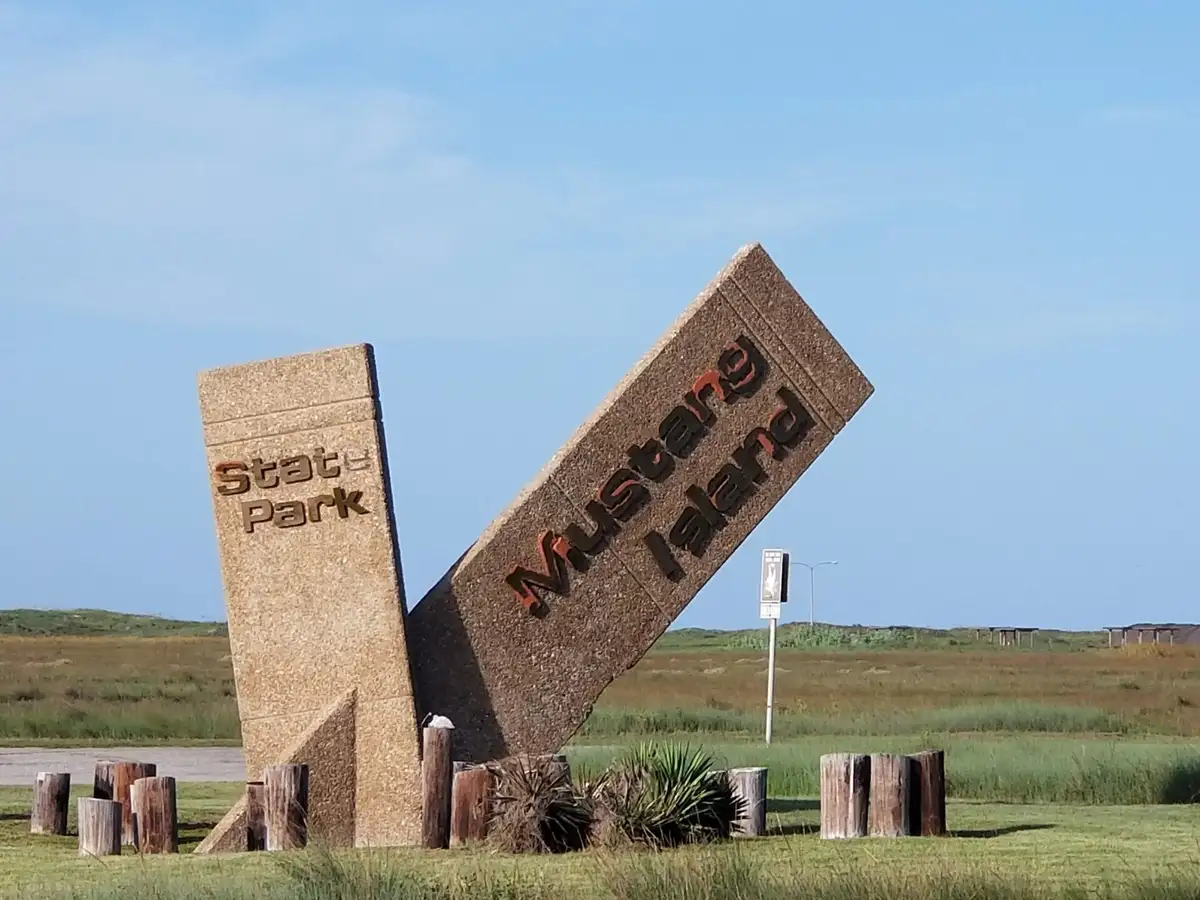
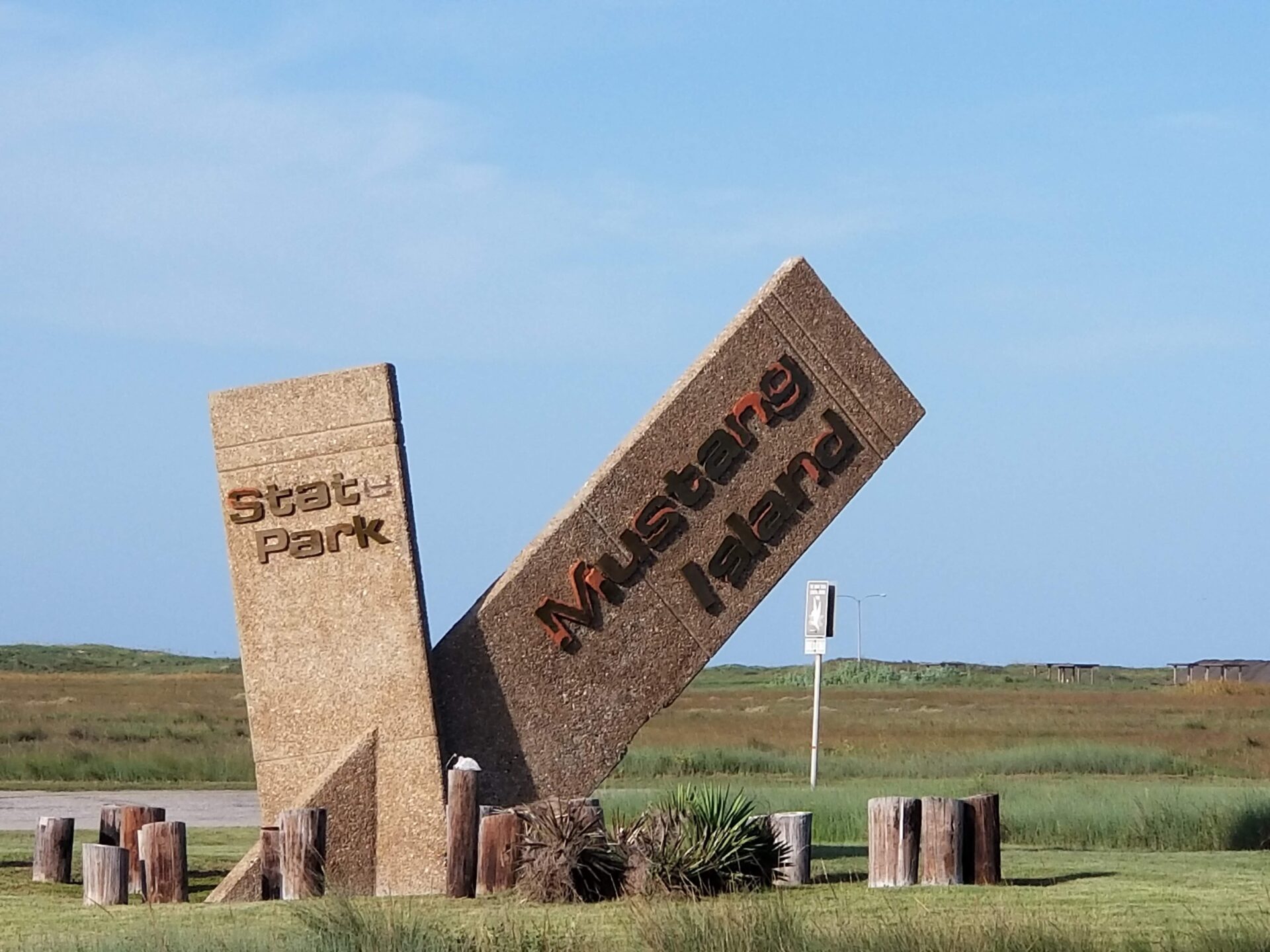
Mustang Island State Park is one of the leading Texas Gulf Coast destinations for beach camping, day trips, paddling trails, and surf fishing in one place. Texas Parks and Wildlife Department maintains a $7 daily entrance fee for visitors 13 and older, 48 water-and-electric campsites, and 50 primitive drive-up beach campsites.
Key takeaways
- Entry Fees & Hours: Daily admission is $7 for adults (13 and older) and free for children 12 and under; day-use gates operate daily from 8:00 AM to 5:00 PM.
- Campsite Choices: Offers 48 paved electric/water campsites behind the dunes ($20/night) and 50 drive-up primitive beach camping sites directly on the sand ($10/night).
- No On-Site Cabins: The park does not offer rental cabins; travelers seeking roofs and climate control book vacation rentals in Port Aransas or North Padre Island.
- Paddling & Fishing: Features 20 miles of marked saltwater paddling trails across Corpus Christi Bay, plus beachcombing, surf fishing, and birdwatching.
For most readers searching for Mustang Island State Park camping, fees, or map details, the takeaway is straightforward. The park is worth visiting if you want an outdoors-first coastal adventure rather than a built-up resort vacation. If you are comparing coastal getaways with inland destinations, our guide to the best state parks in Texas provides helpful regional context.
The park encompasses more than five miles of open coastline, shallow bay-side paddling routes, and prime birding habitats along major flyways. Camping choices appeal to both casual RV travelers wanting power hookups and rugged campers who prefer waking up beside crashing Gulf waves.
Because it is a barrier-island park, visitors should anticipate strong coastal breezes, sun exposure, and shifting weather patterns. Packing thoughtful gear and booking day-use or campsite permits in advance ensures a smooth coastal getaway.
Plan your visit
- Location
- 17042 SH 361, Port Aransas, TX 78373
- Hours
- Open daily 8:00 AM – 5:00 PM for day-use; 24/7 for registered campers
Mustang Island State Park Quick Facts
Mustang Island State Park works best for visitors who understand that this is a barrier-island park with functional facilities and direct access to both Gulf surf and bay wetlands. It is less about commercial attractions and more about having the right setup for swimming, paddling, and long coastal days.
Travelers who want additional seafood dining and off-park activities often pair their beach trip with regional stops from our things to do in Aransas County guide.
Mustang Island State Park Reservations, Day Passes, and Capacity Tips
Securing reservations is essential because visitor capacity fills quickly on sunny weekends. Many travelers searching for day passes or campground bookings want to avoid being turned away after driving to the coast.
Texas Parks and Wildlife notes that the park regularly reaches capacity during spring break, summer weekends, and holiday dates. Booking day-use entrance passes and overnight campsites weeks ahead through official state systems prevents travel disappointment.
For day visitors, a reserved pass guarantees entry even during peak noon rush hours. For overnight campers, advance reservations eliminate the anxiety of searching for sold-out lodging late in the evening.
The park gate operates daily from 8:00 AM to 5:00 PM for day-use visitors, while registered campers enjoy 24-hour gate code access. Check real-time road conditions with TxDOT Corpus Christi District road alerts before crossing the JFK Causeway or taking the Port Aransas ferry.
- Best for day-use visitors: reserve ahead during spring and summer, especially on Fridays through Sundays.
- Best for campers: book developed campsites as soon as your dates are firm.
- Best for late arrivals: call ahead before 5:00 PM so you understand the after-hours arrival process.
- Best way to avoid disappointment: do not assume a clear forecast guarantees walk-in gate availability.
Use the official TPWD Mustang Island fees and facilities portal to verify day passes, campsites, and current entrance availability before driving down Highway 361.
Mustang Island State Park Camping: Which Option Fits Your Trip?
Camping options at Mustang Island State Park cater to two distinct camping styles. Some visitors desire electric hookups, hot showers, and windbreaks behind coastal sand dunes. Others prefer rustic drive-up beach camping with crashing waves right outside their tent door.
Understanding the operational differences between developed sites and primitive beach strips ensures you select the setup that matches your gear and group preferences.
Water-and-Electric Campsites
The developed campground is the superior choice for most first-time visitors and family groups. These 48 paved sites sit roughly 400 yards behind protective sand dunes, shielding campers from severe sea spray and blowing sand.
Each site provides 50-amp electrical connections, potable water spigots, a picnic table, and a shaded shade shelter. Nearby bathhouses include private flush toilets and hot-water showers, providing welcome comfort after swimming.
This layout is ideal for travel trailers, camper vans, and family tents needing reliable power and predictable terrain. You remain only a short trail walk from the Gulf without sleeping directly in deep sand.
Primitive Beach Camping
Primitive beach camping offers an authentic coastal experience across a designated 1.5-mile strip of open Gulf sand. Campers drive vehicles directly onto hard-packed sand and pitch shelters facing the breaking waves.
Waking to coastal sunrises and fishing outside your campsite are major highlights of this rustic option. However, beach campers must contend with salt air, coastal humidity, windblown sand, and basic portable chemical toilets situated along the beach road.
- Choose developed camping if: you want hot showers, electrical hookups, and wind shelter behind dunes.
- Choose primitive camping if: you want direct surf access and bring gear built for open sand.
- Avoid primitive camping if: your group is sensitive to coastal wind, midday heat, or humid air.
- Expect more planning either way: the Texas coast always rewards thoughtful packing and preparation.
Consult the Texas Parks and Wildlife Department's official park portal for current beach conditions and seasonal campsite notes.
Current Camping Prices, Cabin Reality, and Nearby Rental Costs
Camping fees at Mustang Island State Park remain an economical option along the Texas Gulf Coast. Developed water-and-electric campsites rent for $20 nightly, while primitive beach campsites cost $10 nightly, with standard daily entrance fees charged separately.
Visitors frequently inquire about cabin accommodations on the island. Mustang Island State Park does not have rental cabins on the property, focusing exclusively on campsite infrastructure.
| Camp Type | Sites Available | Nightly Rate | Utilities | Restroom & Shower Access | Ideal Visitor |
|---|---|---|---|---|---|
| Water & Electric | 48 sites | $20 / night | 50-amp electric & water hookups | Full bathhouse with hot showers & shade shelter | RVers, travel trailers, and tent campers wanting power |
| Primitive Beach | 50 sites | $10 / night | None (drive-up on sand) | Portable toilets on beach; bathhouse 1.5 miles away | Self-contained beach campers, rooftop tents, rugged setups |
| Commercial Rentals | Area rentals | $150–$350+ / night | Full residential utilities | Private luxury bathrooms & full kitchens | Travelers seeking air conditioning and resort comfort |
Travelers seeking climate-controlled lodging with complete kitchens and private bedrooms book vacation rental houses or beachfront condos in nearby Port Aransas. Condo rates typically range between $150 and $350 nightly depending on seasonality and proximity to the water.
Nearby Rental Examples Instead of On-Site Cabins
Vacation homes in Port Aransas offer private amenities like heated pools and golf cart parking, appealing to groups who prefer not to tent camp. Nightly rates climb during summer holidays, with weekly minimums often required in July.
Commercial RV resorts along Highway 361 provide full concrete pads, clubhouse pools, and cable connections for $85 to $140 nightly. Camping inside the state park remains far more budget-friendly while immersing guests in natural coastal landscapes.
Beach Camping Rules, Facilities, and What First-Time Visitors Miss
Enjoying primitive beach camping requires understanding park rules and coastal safety practices. Primitive beach strips can close temporarily during high storm surges or extreme tides to safeguard motorists from soft mud.
Swimming occurs entirely at your own risk along the park coastline, as lifeguards are not stationed on the sand. Always check for rip currents and heed colored surf warning flags flown at park headquarters.
Small campfires are allowed directly on the open beach, provided wood is gathered legally and fires are completely extinguished with water before departure. Never bury hot coals in the sand, where unsuspecting barefoot beachgoers can step on them.
The park maintains all-terrain beach wheelchairs available for complimentary loan at the visitor center. This service enables travelers with mobility limitations to navigate soft sand and reach the shoreline comfortably.
- Small campfires: permitted on open sand; never leave hot embers buried under dry beach sand.
- Restroom planning: primitive sites rely on portable toilets; bathhouses sit near the entrance.
- Surf safety: heed water conditions and swimming flags because lifeguards are not on duty.
- Wind management: secure low-profile tents with spiral screw-in sand stakes and sturdy guylines.
- Vehicle recovery: stick to firm, hard-packed driving lanes to avoid getting stuck in soft dunes.
Mustang Island State Park Map, Beach Access, and Facilities
Reviewing the park layout before arrival helps visitors locate the day-use parking pavilions, rinsing showers, and beach access boardwalks. The barrier island grounds encompass both Gulf beachfront and bay wetlands.
Day-use amenities include shaded picnic tables, outdoor rinse showers for washing off saltwater and sand, and clean restrooms located just behind the beach boardwalk. Shade is sparse across the open coast, making personal pop-up canopies or beach umbrellas essential gear.
Download the official park map before leaving home so you have offline access while traveling along Highway 361.
Mustang Island Paddling Trail Guide
The Mustang Island Paddling Trail offers 20 miles of marked saltwater kayaking trails winding through cordgrass marshes and protected flats in Corpus Christi Bay. It is considered one of the top sea kayaking routes on the central Texas coast.
Shallow seagrass beds along the bay side provide exceptional shelter for juvenile marine life, feeding wading birds, and game fish. Kayak anglers target redfish, spotted seatrout, and flounder across these peaceful channels.
North Trail
The North Trail spans 8.5 miles and offers an open-water expedition for experienced coastal paddlers. The route follows protected barrier islands and spoil banks, providing wide panoramas across Corpus Christi Bay.
Shamrock Loop
At 5.24 miles, the Shamrock Loop winds around Shamrock Island and its famous shallow cove. This trail is ideal for intermediate kayakers looking for a protected half-day route sheltered from choppy south winds.
Ashum Trail
The 6.8-mile Ashum Trail navigates shallow marsh flats and tidal bayous teeming with birdlife. Paddlers frequently spot reddish egrets, roseate spoonbills, and feeding stingrays gliding over sandy shallows.
Launch early in the morning to avoid stiff afternoon headwinds across open bay water. Always check local wind forecasts and wear an approved personal flotation device while on the water.
- Best for anglers: shallow bayous hold thriving populations of red drum and speckled trout.
- Best for birders: spring and autumn migrations attract thousands of coastal waders.
- Best for beginners: launch in early morning calm and stick to protected marsh channels.
- Hydration essentials: carry plenty of fresh drinking water, sunscreen, and dry gear bags.
If you want another fishing-focused trip idea after the coast, our best fishing lakes in Texas guide covers freshwater destinations that attract a very different kind of angler.
Best Things to Do at Mustang Island State Park
Mustang Island offers straightforward outdoor recreation centered around the Gulf of Mexico and coastal wetlands. Visitors can craft flexible itineraries balancing relaxing beach hours with active watersports.
- Swim and beachcomb: ideal for visitors who want a straightforward Gulf Coast beach day.
- Camp overnight: best for travelers who want sunrise and sunset without leaving the park.
- Surf fish or bay fish: strong choice for anglers who want flexible water access.
- Paddle the bay side: excellent for kayakers, birders, and photographers.
- Birdwatch during migration: one of the quieter but most rewarding park experiences.
- Photograph dunes and open coastline: especially strong in morning or late-day light.
If your ideal beach trip involves crowded boardwalks and amusement piers, consider using the state park for quiet daytime recreation before dining in Port Aransas.
Best Time to Visit Mustang Island State Park by Season
Each season on Mustang Island offers distinct advantages depending on your planned activities. Summer brings classic warm-water beach conditions, while autumn and spring feature milder weather and lower crowds.
Spring
Spring brings comfortable coastal breezes and active shorebird migrations across coastal marshes. Midday temperatures remain pleasant, though spring break weeks bring heavy campground bookings.
Summer
Summer is ideal for swimming, surfing, and warm-weather family beach vacations. High temperatures and humidity require diligent sun protection, abundant hydration, and reliable shade shelters.
Fall
Autumn offers mild daytime highs, reduced coastal humidity, and calm bay waters perfect for kayaking. It is widely considered by local anglers to be the finest season for coastal fishing.
Winter
Winter brings peaceful shorelines, brisk north winds, and visiting waterfowl to coastal inlets. It serves as an uncrowded retreat for beachcombers and Winter Texans seeking mild seaside weather.
Mustang Island State Park vs Padre Island National Seashore
Travelers exploring coastal Texas often compare Mustang Island State Park with Padre Island National Seashore further south. Mustang Island offers a compact, easily accessible park with reservable campsites and convenient proximity to Port Aransas restaurants.
Padre Island National Seashore protects 66 miles of wild, undeveloped barrier island managed by the National Park Service. Camping at the National Seashore operates on a first-come, first-served basis without advance reservations.
Choose Mustang Island when you prefer structured planning, hot showers, and quick grocery access. Choose Padre Island National Seashore when you seek expansive wilderness, four-wheel-drive beach expeditions, and remote seclusion.
For travelers who like comparing water-focused Texas parks before choosing a route, our guide to Sea Rim State Park adds another coastal reference point with a different landscape and pace.
For more coastal federal planning, explore the Padre Island National Seashore official National Park Service site for turtle hatch releases and remote beach alerts.
How to Get There and What to Know Before the Drive
Mustang Island State Park sits along State Highway 361, roughly 14 miles south of Port Aransas and 20 miles east of downtown Corpus Christi. Most motorists reach the island via the JFK Memorial Causeway from Corpus Christi or by taking the free 24-hour car ferry from Aransas Pass.
Ferry wait times can exceed an hour during peak summer holiday weekends. Checking ferry traffic cameras or using the mainland causeway route through Corpus Christi can save valuable vacation time.
What to Pack for Camping, Fishing, and Paddling
Packing appropriate coastal gear makes the difference between an uncomfortable ordeal and a memorable beach excursion. Barrier island winds and salt spray require durable equipment designed for marine environments.
- Sun protection: broad-brimmed hats, polarized sunglasses, mineral sunscreen, and UPF-rated clothing.
- Sand-ready shelter: screw-style sand anchors, heavy-duty guylines, and durable shade canopies.
- Hydration essentials: large insulated water jugs with plenty of ice and electrolyte drinks.
- Sealed storage: waterproof dry bags and sealed plastic totes to protect food and electronics from sand.
- Outdoor tools: tire pressure gauges, small shovels, and tow straps for sandy beach driving.
- Camp basics: trash bags for pack-it-in pack-it-out waste management, quick-dry towels, and insect spray.
Nearby Stops and Easy Weekend Add-Ons
Mustang Island's central location makes it easy to combine state park recreation with nearby coastal attractions. Corpus Christi offers cultural stops like the Texas State Aquarium and USS Lexington aircraft carrier museum.
Port Aransas provides active marina docks, deep-sea fishing charters, casual seafood restaurants, and boutique beach shops. This balance allows you to enjoy peaceful park beaches by day and lively town dining by night.
Frequently Asked Questions
Do you need a reservation for Mustang Island State Park?
Yes, advance reservations are strongly recommended for both day-use passes and overnight camping permits. The park frequently reaches maximum vehicle capacity on weekends and holidays throughout the spring and summer seasons.
Can you camp on the beach at Mustang Island State Park?
Yes, the park provides 50 drive-up primitive campsites along a designated 1.5-mile stretch of open Gulf beach. Campers park directly on the sand and have access to portable chemical toilets, with rinse showers available near headquarters.
Does Mustang Island State Park have cabins?
No, Mustang Island State Park does not have rental cabins or screened shelters on the property. Visitors seeking roofed accommodations typically rent beachfront vacation condos or private cottages in Port Aransas.
How much does camping cost at Mustang Island State Park?
Developed water-and-electric campsites cost $20 per night, while primitive beach campsites cost $10 per night. Daily park admission of $7 for adults is charged separately, with free entry for children 12 and under.
Are there rentals near Mustang Island State Park if I do not want to camp?
Yes, numerous vacation rental homes, beachfront condominiums, and commercial RV resorts operate along Highway 361 in Port Aransas. Nightly condo rental rates generally range from $150 to $350 depending on season and unit size.
What is the best time to visit Mustang Island State Park?
Autumn offers the best overall weather with mild temperatures, lower humidity, and calm bay waters for paddling. Spring is exceptional for observing migratory birds, while summer is ideal for traditional Gulf swimming.
Is Mustang Island State Park better than Padre Island National Seashore?
Mustang Island State Park is better for travelers seeking reservable campsites, hot showers, and quick access to Port Aransas restaurants. Padre Island National Seashore is better for wilderness seekers wanting remote, four-wheel-drive coastal exploration.
Final Thoughts
Mustang Island State Park provides a classic Texas Gulf Coast experience centered around wide sandy shorelines, active surf, and peaceful bay waters. It delivers reliable camping amenities, scenic paddling trails, and outstanding saltwater fishing for coastal travelers.
Whether you pitch a tent directly on the beach or park your camper behind the dunes, advance planning ensures a stress-free getaway. If you are planning an extended tour of the Lone Star State, consult our comprehensive guide to places to visit in Texas to discover more unforgettable destinations.