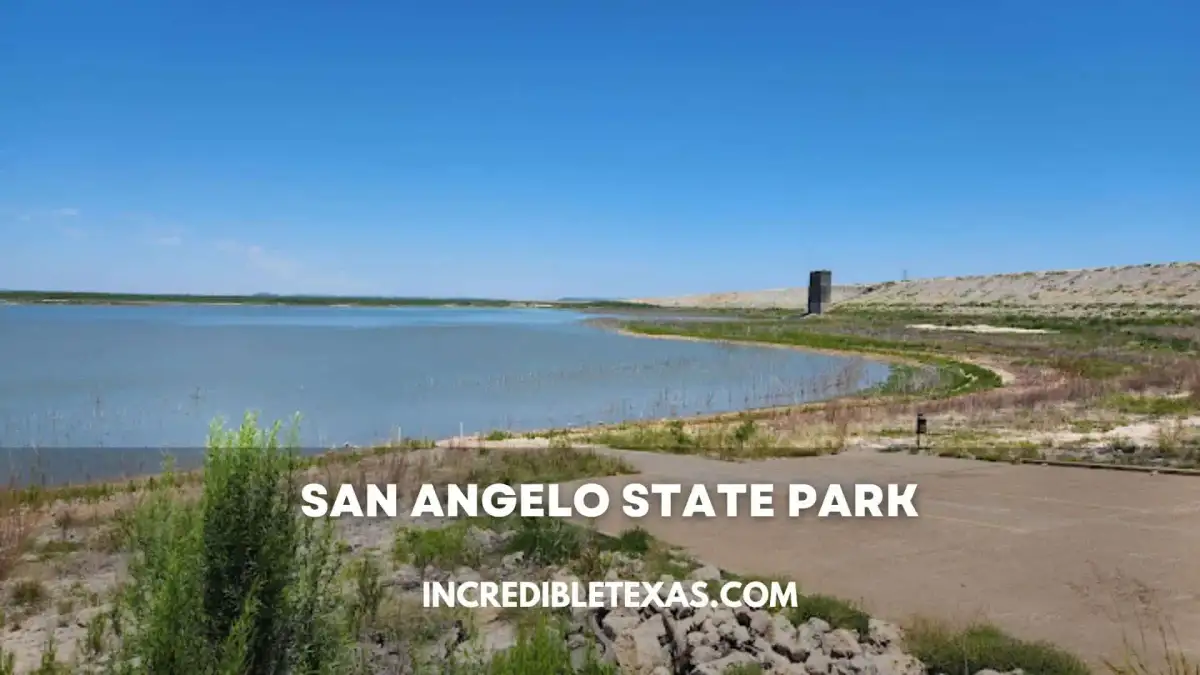
San Angelo State Park spans 7,677 acres of rolling plains on the shores of O.C. Fisher Reservoir, providing an expansive retreat just minutes from downtown San Angelo. The park stands out among the top 10 best state parks in Texas by protecting members of the official Texas State Longhorn and Bison herds alongside ancient fossil trackways.
Key takeaways
- San Angelo State Park charges a daily entry fee of $4 for adults (ages 13 and older), while children 12 and under enter free.
- Park access gates remain open daily from 6:00 AM to 10:00 PM, with the South Shore headquarters at 362 FM 2288 staffed daily from 8:30 AM to 4:30 PM.
- The park protects members of the official Texas State Longhorn and Bison herds, viewable along South Unit pastures and designated wildlife overlooks.
- Over 50 miles of multi-use trails accommodate hikers, mountain bikers, and equestrians, with the North Unit’s Dinosaur Trail showcasing ancient Permian trackways.
- Campsite rates range from $10 for primitive sites to $20 for electric hookups, alongside six air-conditioned rustic cabins for $50 per night and Macey’s Bunkhouse for $100 per night.
Park Map, Operating Hours, and Entry Fees
San Angelo State Park hours run from 6:00 AM to 10:00 PM daily at 362 FM 2288. Daily San Angelo State Park prices are set at $4 for adults (ages 13 and older) and free for children 12 and under. The South Shore visitor center operates daily from 8:30 AM to 4:30 PM.
Spanning 7,677 acres with more than 50 miles of multi-use paths, rangers provide a detailed San Angelo State Park map at the main entrance gatehouse. Visitors holding a Texas State Parks Pass receive unlimited free entry for all passengers in their vehicle.
Current entry guidelines and trail alerts are published directly on the Texas Parks and Wildlife Department San Angelo Portal. Travelers exploring wider regional options can also review the best state parks near Dallas-Fort Worth TX to compare West Texas landscapes with North Texas woodlands.
| Lodging / Amenity Type | Unit Location | Nightly Rate | Key Features | Best For |
|---|---|---|---|---|
| Primitive Tent Campsites | North & South Units | $10 | Fire ring, picnic table, pack-in water | Backpackers and minimalist campers |
| Water-Only Campsites | Chaparral & River | $15 | Potable water spigot, picnic table | Tent campers seeking basic water access |
| Water & Electric (30/50A) | Red Arroyo & Bald Eagle | $20 | 30/50-amp power, water, level parking pad | RV campers and vehicle trailers |
| Equestrian Campsites | North Unit (North Shore) | $15 - $20 | Water hookups, horse corrals, hitching rails | Trail riders traveling with horses |
| Rustic Log Cabins (6) | South Unit | $50 | Air conditioning, heating, electricity, bunk beds | Families seeking climate-controlled shelter |
| Macey’s Bunkhouse | South Unit | $100 | Full kitchen, bathroom, AC, sleeps up to 6 | Extended family retreats and small groups |
The North Unit vs. South Unit: Which Should You Visit?
The property is physically divided into two distinct operating zones: the South Unit (Red Arroyo) and the North Unit (Bald Eagle). The entrances sit roughly seven miles apart along FM 2288, and traveling by vehicle between them requires driving outside the boundary.
First-time visitors typically start at the South Unit because it houses the main visitor center, bison viewing pastures, boat ramps, and cabin rentals. The North Unit provides a quieter, more remote backcountry atmosphere favored by trail riders and fossil enthusiasts.
The North Unit: Remote Trails and Dinosaur Tracks
The North Unit protects dense hardwood bottomlands along the North Concho River and holds the celebrated Permian track sites. This section contains dedicated equestrian campgrounds with pipe corrals and direct access to expansive backcountry loops.
The North Shore gatehouse is unstaffed, requiring visitors to stop first at the South Shore headquarters to register and obtain the gate keypad code. Once inside, hikers and mountain bikers find technical trails free of heavy vehicle traffic.
The South Unit: Wildlife Observation and Lake Access
The South Unit serves as the primary operational base for the entire reserve. Visitors access the park headquarters, ranger programs, RV hookup loops, and playground facilities in this zone.
The South Shore also provides convenient access to O.C. Fisher Reservoir for shoreline fishing and kayak launches. Longhorn and bison paddocks border the main road, making wildlife spotting straightforward for visitors with limited time.
Official Texas State Longhorn and Bison Herds
The reserve is one of the few public lands in Texas entrusted with preserving members of both the official Texas State Longhorn herd and Texas State Bison herd. These animals represent vital conservation programs safeguarding the genetic lines of historic western breeds.
The bison herd preserves lineage tracing back to the legendary herd assembled by pioneer Charles Goodnight in the late 19th century. Watching these massive animals graze across the open shortgrass prairie offers an authentic glimpse of early Texas history.
Designated viewing overlooks along the South Unit perimeter road allow safe wildlife observation. Visitors must remain behind protective fences and refrain from attempting to feed or approach the herds.
Exploring Permian Tracks: The Dinosaur Trail
Fossilized trackways preserved within the grounds predate true dinosaurs by roughly 50 million years, dating back 287 million years to the early Permian Period. Prehistoric reptiles and amphibians left these clear footprints in ancient red clay mudflats that later solidified into stone.
Hiking the Dinosaur Trail San Angelo reveals Permian tracks San Angelo is renowned for among paleontologists. Interpretive trail markers explain the prehistoric wetland environment that existed long before modern scrub plains formed.
Geological details and fossil conservation efforts are documented through the Texas Parks and Wildlife San Angelo Nature and Heritage Overview. Visitors must remain on designated boardwalks and stone paths to protect these delicate impressions from accelerated erosion.
San Angelo State Park Trails: Top Paths to Explore
With more than 50 miles of marked multi-use paths, San Angelo State Park trails rank among the most extensive in the Texas state park system. Trails accommodate hikers, trail runners, mountain bikers, and horseback riders across gentle flats and rocky limestone bluffs.
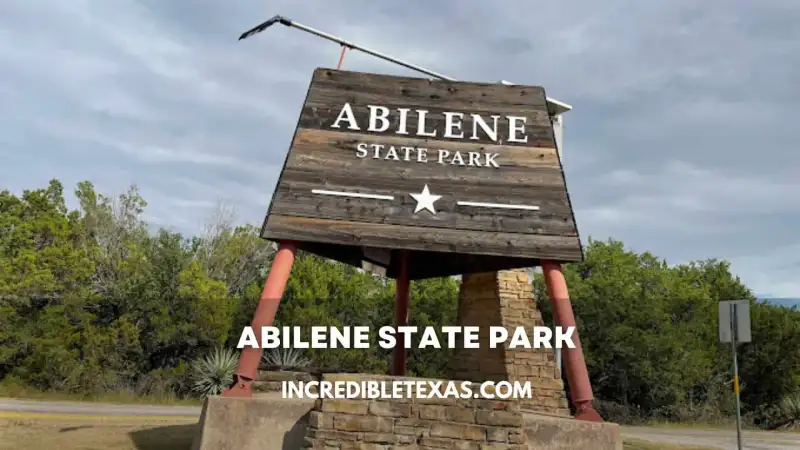
Travelers looking to explore other regional public lands can also visit Abilene State Park camping and trails to experience the oak groves of Lake Abilene. Within the reserve, trail markers use color-coded blazes to keep visitors oriented across vast open pasturelands.
Roadrunner Trail
The Roadrunner Trail provides a gentle 3-mile loop winding through open mesquite grassland in the South Unit. The flat dirt path suits families with young children and offers consistent opportunities to spot roadrunners, jackrabbits, and desert cottontails.
Benches along the route provide shaded resting spots facing the reservoir basin. Morning hikes along this loop highlight golden sunrise lighting across the Concho Valley.
Shady Trail
Shady Trail follows seasonal drainage corridors lined with mature mesquite, hackberry, and juniper trees. The dense tree canopy offers reliable shade during hot midday hours, creating a cooler microclimate for summer hikers.
The path connects several central campgrounds with South Unit scenic overlooks. Birdwatchers frequently spot migratory songbirds flitting through the riparian vegetation along the route.
Slick Rock Loop
Slick Rock Loop presents a technical challenge for experienced hikers and mountain bikers. The trail climbs over exposed limestone ledges and loose gravel grades that test traction and endurance.
The elevated vantage points along this loop deliver panoramic 360-degree views across the Concho Valley. Sturdy hiking boots with supportive ankle collars and ample water reserves are recommended.
Dinosaur Trail
Dinosaur Trail is an accessible 2-mile route in the North Unit that terminates at the fossilized Permian trackway exposures. The path consists of packed dirt and flat sandstone slabs suitable for casual walking shoes.
Interpretive panels along the route explain the anatomical structure of the ancient captorhinids and pelycosaurs that created the impressions. The trail provides an engaging outdoor science lesson for visitors of all ages.
Burkett Trail
Burkett Trail traverses the remote northern boundary of the park, winding through quiet brush country far removed from main access roads. The backcountry route offers deep solitude and reliable sightings of native wildlife like javelina and white-tailed deer.
Because this trail covers extensive open country with limited natural shade, hikers should avoid starting during peak afternoon heat. Always carry a physical trail map and check current gate access codes before setting out.
Wildlife Observation: Beyond the Herds
Beyond the prominent bison and longhorns, the area supports a resilient desert ecosystem. Active black-tailed prairie dog colonies thrive near the South Unit entrance, offering endless entertainment as sentinels chirp warnings across subterranean burrows.
Collared peccaries, commonly called javelinas, navigate brushy washes in small family groups during dawn and dusk. White-tailed deer graze quietly along campground perimeters, and northern roadrunners sprint across open caliche roads.
The park sits along the Central Flyway, attracting dozens of migratory bird species to shoreline reeds. Serious birders should pack binoculars to spot painted buntings, vermilion flycatchers, and wintering waterfowl.
Camping and Rustic Cabins at San Angelo State Park
San Angelo State Park camping options range from primitive backpack sites to full-hookup RV slips and climate-controlled San Angelo State Park cabins. Detailed site dimensions and hookup specifications are accessible through the Texas Parks and Wildlife San Angelo Campsites and Lodging Directory.
For alternate lakeside cabins and water recreation across the Hill Country, compare these accommodations with our guide to Lake Buchanan camping and cabins. At this site, six rustic log cabins rent for $50 per night and feature electric air conditioning, heating, and interior bunk frames.
Tip
The rustic cabins provide climate control and electricity, but guests must bring their own bedding, pillows, and towels. Outside restrooms with hot showers are located a short walk from each cabin door.
Water Recreation at O.C. Fisher Reservoir
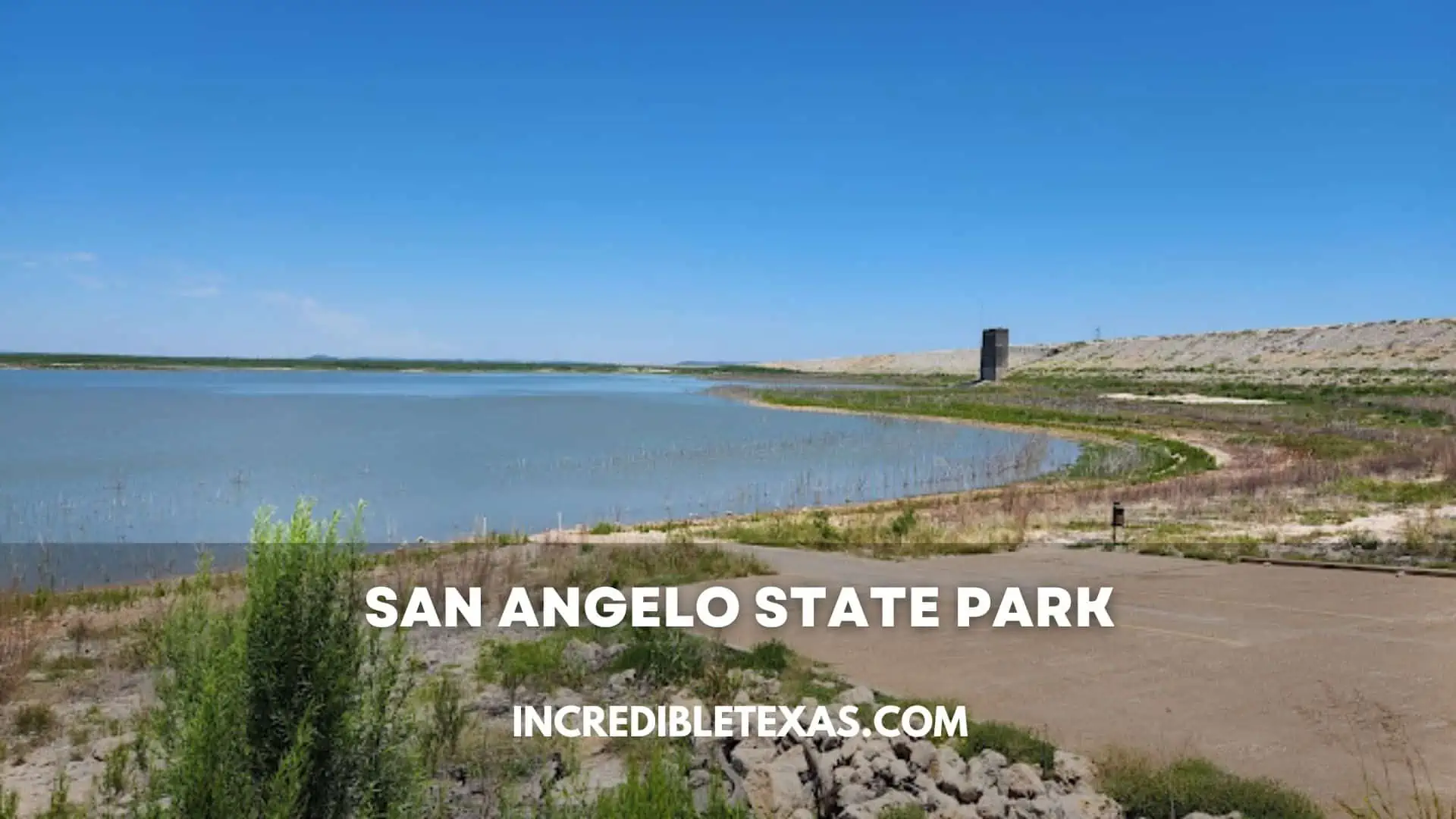
The O.C. Fisher Reservoir serves as the aquatic centerpiece of the park, though water levels fluctuate considerably depending on seasonal rainfall across the Concho River basin. O.C. Fisher Reservoir fishing yields largemouth bass, channel catfish, and white crappie from shorelines and piers without requiring a state license.
Anglers looking for deeper regional waterways can also consult our directory of the best lakes near San Antonio TX. Launch ramps allow boat access when lake levels cooperate, and kayak paddling along the coves remains a favorite morning pursuit.
Swimming is allowed at your own risk along open shorelines, though visitors should note that no lifeguards patrol the reservoir. Checking wind conditions before heading onto open water prevents exhausting return paddles.
Historic Landmarks Near the Park
Pairing an outdoor park visit with regional cultural stops provides a complete overview of Concho Valley heritage. Downtown San Angelo offers two outstanding historic and botanical institutions just 10 minutes from the park gates.
Fort Concho National Historic Landmark
Established in 1867, Fort Concho served as a major frontier military post supporting the 10th Cavalry Buffalo Soldiers. Today, 24 original limestone barracks, officers’ quarters, and hospital buildings stand fully preserved as a National Historic Landmark.
Visitors can tour museum exhibits displaying 19th-century military artifacts, uniforms, and weaponry. Tour hours and living history schedules are maintained on the Fort Concho National Historic Landmark Official Portal.
The International Waterlily Collection
Located in Civic League Park, the International Waterlily Collection displays one of the leading botanical aquatic gardens in the world. Founded by horticulturist Ken Landon, the municipal collection features rare hybrids and massive Victoria water lilies from across six continents.
Admission to the outdoor lily ponds is completely free to the public year-round. Bloom schedules and event details for the annual Lily Fest are documented on the International Waterlily Collection Official Portal.
Frequently Asked Questions About the Park
How much does it cost to enter the park?
Adult day-use admission is $4 per person, while children aged 12 and under enter completely free. Texas State Parks Pass holders receive unlimited free entry for themselves and all guests in their passenger vehicle.
Can you see bison and longhorns in the park?
Visitors can view members of the official Texas State Bison herd in designated pasture paddocks in the South Unit. Morning and late-afternoon hours provide the best opportunities to observe the animals grazing close to the park perimeter fences.
Are there dinosaur tracks on the trails?
The park preserves fossilized trackways along the Dinosaur Trail that date back 287 million years to the Permian Period. These tracks were created by prehistoric amphibians and reptiles that lived millions of years before true dinosaurs evolved.
What are the camping and cabin fees?
Nightly camping rates range from $10 for primitive backpack sites to $20 for sites equipped with 30-amp and 50-amp electricity and water. Climate-controlled rustic log cabins rent for $50 per night, and Macey’s Bunkhouse rents for $100 per night.
How many miles of trails are open?
The park features over 50 miles of marked multi-use trails open to hikers, trail runners, mountain bikers, and equestrians. Routes range from the easy 3-mile Roadrunner Loop to extensive backcountry paths connecting the North and South units.
Final Thoughts on Visiting the Park
The destination provides an exceptional blend of prehistoric paleontology, iconic Texas wildlife herds, and extensive multi-use trail mileage. Whether observing bison at sunrise or exploring 287-million-year-old Permian trackways, visitors discover a deep connection to West Texas land.
Careful trip planning, sufficient water reserves, and advance campsite reservations ensure a rewarding adventure across this 7,677-acre state park treasure.