Seminole Canyon State Park Map, Hours, Price, Trails, Camping, Cabins
Seminole Canyon State Park is home to some of the most famous ancient pictographs in North America, standing as a significant archaeological sites in North America, offering visitors a rare glimpse into ancient cultures through its world-class rock art. Located in West Texas near the confluence of the Pecos River and the Rio Grande, this historic site preserves pictographs created by the Desert Archaic people over 4,000 years ago.
Trekking along the rugged canyon rims or descending into the shelters for a guided tour provides an immersive journey through thousands of years of human history.
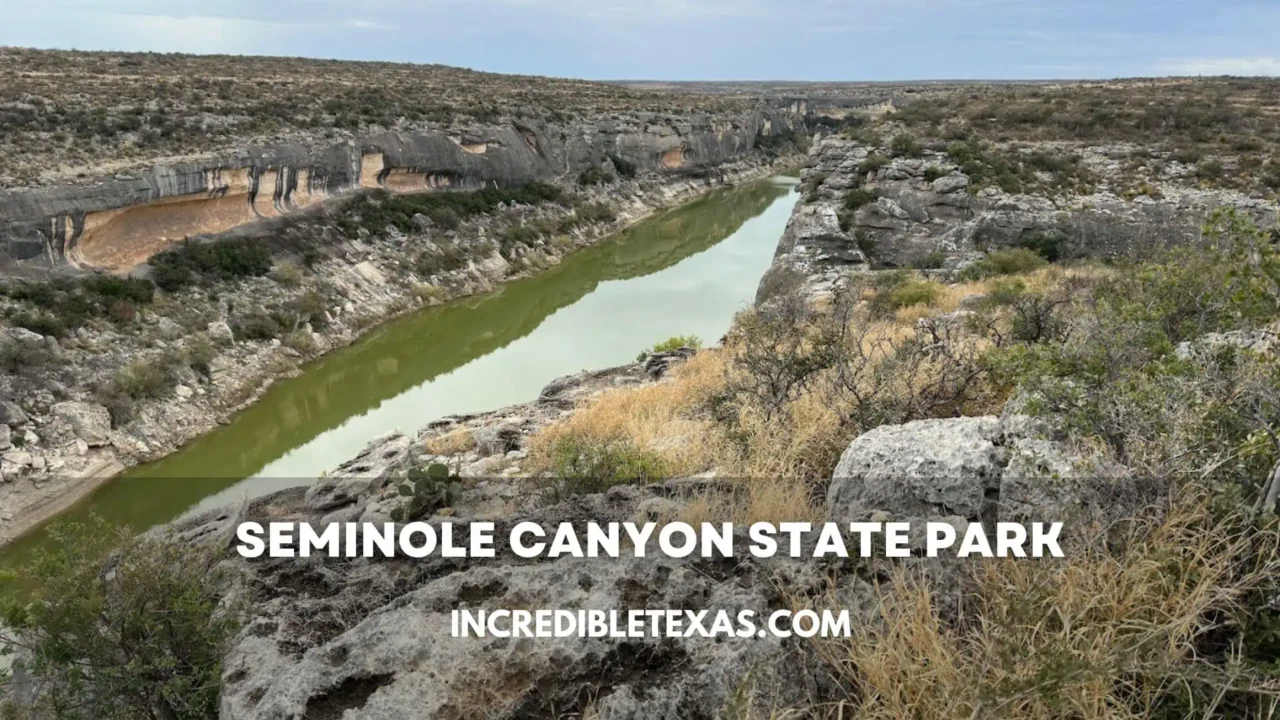
The park is famous for the Fate Bell Shelter, which contains some of the oldest and best-preserved rock art on the continent. Beyond the archaeology, Seminole Canyon offers breathtaking views of deep limestone gorges, diverse desert wildlife, and access to the waters of the Amistad Reservoir.
Visitors can explore miles of multi-use trails, enjoy primitive or electric camping, and experience the unique desert ecosystem of the Trans-Pecos region.
Seminole Canyon State Park Hours and Price
When planning a visit to Seminole Canyon State Park & Historic Site, it’s essential to be aware of the operating hours and admission fees. Here’s a breakdown for your convenience:
| Park Name | Seminole Canyon State Park |
| Days of Operation | Seven days a week |
| Operating Hours | 6:00 AM to 10:00 PM |
| Park Office Hours | 8:30 AM to 4:40 PM |
| Entry Fee (Day Use) | $4 per person |
| Entry Fee (Children 12 and under) | Free |
| Annual Park Pass Fee | $70 |
| Benefits of Annual Pass | Unlimited entry to all Texas state parks |
Top Things to Do: Hiking, Biking, and Rock Art Tours
Visiting Seminole Canyon is a highlight for anyone exploring the rugged landscapes of West Texas. While the rock art is the primary draw, the park offers a variety of outdoor activities that cater to hikers, bikers, and nature enthusiasts alike.
To make the most of your visit, it is essential to plan ahead, especially for guided tours which can sell out during peak spring and fall seasons.
Guided Rock Art Tours
Participating in a guided tour is the only way to experience the massive rock shelters up close. The Fate Bell Shelter Tour is offered Wednesday through Sunday, typically at 10:00 AM and 3:00 PM, though afternoon tours may be canceled during summer due to extreme heat.
Led by knowledgeable rangers or volunteers, these tours provide deep insights into the meaning behind the ancient murals and the archaeological significance of the sites.
For more adventurous visitors, the park occasionally offers specialty tours like the Presa Day Hike or the Upper Canyon Hike. These strenuous excursions take you to remote corners of the canyon system to see less-visited art sites and learn about the region’s military and railroad history.
Be sure to check the official TPWD website for current tour availability and to make mandatory reservations.
Hiking the Canyon Rim Trail and Mountain Biking
The park features nearly 10 miles of trails that wind through the desert upland and along the dramatic canyon rims. The Canyon Rim Trail is a popular choice for its panoramic views of the Rio Grande and the distant Mexican mountains.
This trail also leads to a scenic overlook of Panther Cave, providing a great vantage point for those who do not have boat access to the site.
If you are looking for a shorter, more educational walk, the Windmill Nature Trail offers a look at the diverse flora of the Trans-Pecos region. This trail is perfect for families and birdwatchers, as it passes through different vegetation zones where local wildlife often congregates.
Most trails are open to both hikers and mountain bikers, but the rugged, rocky terrain requires sturdy footwear and plenty of water.
Birdwatching and Wildlife Photography
Due to its location at a biological crossroads, Seminole Canyon is a prime destination for birdwatchers. Rare species like the Zone-tailed Hawk and the Varied Bunting are often spotted soaring over the canyons or nesting in the desert scrub.
Early morning is the best time for photography, as the low light highlights the deep textures of the limestone walls and the vibrant colors of the blooming desert plants.
Keep a close eye out for larger mammals such as white-tailed deer, javelinas, and the occasional mountain lion. The park’s diverse ecosystem supports a surprising array of life, from the hardy rock squirrels to the elusive roadrunners that dart across the trails.
Always maintain a respectful distance from wildlife and avoid feeding any animals you encounter within the park boundaries.
Advanced Hiking and Backcountry Excursions in 2026
For those who have already conquered the rim trails, Seminole Canyon offers several advanced backcountry hikes that provide access to remote and rarely seen areas of the park. These excursions are typically led by the Friends of Seminole Canyon and require a high level of physical fitness and preparation.
During the early months of 2026, the park has scheduled several specialized hikes, including the all-day Presa Canyon Hike. This demanding journey takes participants deep into the heart of the canyon system to view isolated rock art panels and unique geological formations that are off-limits to standard tours.
The Upper Seminole Canyon Hike
The Upper Seminole Canyon Hike is another popular option for experienced trekkers, focusing on the railroad and military history of the region. This half-day excursion explores the remnants of early infrastructure and provides a broader context for how the canyon was utilized during the late 19th and early 20th centuries.
Participants will navigate rugged terrain and steep inclines, making it essential to wear sturdy hiking boots and carry ample water supplies. These tours are offered on a limited basis during the cooler months, so it is vital to secure your tickets well in advance through the park’s official reservation system.
Best Time to Visit Seminole Canyon and Essential Gear
Planning a successful trip to West Texas requires careful consideration of the environment and seasonal changes. To help you prepare, we have compiled a list of essential gear and weather expectations for your 2026 visit to Seminole Canyon State Park.
| Recommended Gear | Why It Matters |
|---|---|
| Sturdy Hiking Boots | Protects against sharp rocks and thorny desert plants. |
| 1 Gallon of Water | Essential to prevent dehydration in the arid West Texas heat. |
| Sun Protection | Wide-brimmed hats and high-SPF sunscreen are mandatory. |
| Binoculars | Useful for viewing distant rock art and rare bird species. |
| Navigation Map | Cell service is unreliable; physical maps ensure safety. |
Best Time to Visit Seminole Canyon State Park
The best time to visit Seminole Canyon is during the cooler months, from **late October through early April**. During this period, daytime temperatures are mild, making long-distance hiking and outdoor tours much more enjoyable.
Spring is particularly beautiful as the desert comes alive with blooms from ocotillo, yucca, and various cacti species.
Summer visits should be approached with caution, as temperatures often exceed 100°F by midday. If you visit in June or July, plan all strenuous activities for the early morning and spend the hottest part of the day at the visitor center or the Amistad Reservoir.
Winter nights can be surprisingly cold, sometimes dropping below freezing, so be sure to pack layers if you are camping overnight.
Comprehensive Camping Guide for 2026
Camping at Seminole Canyon State Park provides an unparalleled opportunity to experience the vastness of the West Texas sky and the rugged beauty of the high desert. The park offers 46 single-family campsites divided into two distinct areas, catering to both RV travelers and primitive tent campers looking for a secluded escape.
Reservations for the 2026 season are highly recommended, particularly during the popular spring months from March through May. Most campsites in the primary loop feature permanent shade shelters, which are essential for blocking the intense Texas sun during midday hours.
Desert Vista Campground (Electricity and Water)
The Desert Vista loop contains 31 premium sites, with 23 offering both water and 30/50-amp electrical hookups for modern RVs. These sites are equipped with a shade shelter, picnic table, lantern post, and a fire ring with a built-in grill.
The remaining 8 sites in this loop offer water nearby and are perfectly suited for tent campers who want the convenience of a nearby restroom. All campers in this area have easy access to the park’s centralized restrooms, which feature hot showers and clean facilities.
Roadrunner Flat Primitive Area
For those seeking a more rugged experience, the Roadrunner Flat area offers 15 drive-up primitive sites with no utilities or permanent shade structures. These sites are ideal for self-contained campers or those who prefer a more traditional, minimalist camping style under the stars.
Please note that this primitive loop is scheduled for minor construction and improvements starting in mid-March 2026. Visitors should check the official park alerts for potential temporary closures during their planned travel dates.
| Campsite Type | Quantity | Amenities | Nightly Fee (2026) |
|---|---|---|---|
| Electric & Water (30/50 amp) | 23 | Shade shelter, table, lantern post, fire ring | 0 |
| Water Only Sites | 8 | Shade shelter, table, lantern post, fire ring | 5 |
| Primitive Drive-Up | 15 | Picnic table, fire ring, lantern post | 0 |
| Daily Entrance Fee (Adults) | N/A | Park access, trails, and visitor center |
Lodging and Cabin Alternatives Near the Park
It is important to clarify that Seminole Canyon State Park does not have on-site cabins or screened shelters for overnight stays. While the shade shelters in the campgrounds provide overhead cover, they are not enclosed buildings and do not offer climate control.
If you prefer a roof over your head, several lodging alternatives are available within a 30 to 45-minute drive of the park entrance. Del Rio offers a wide variety of national hotel chains, boutique motels, and private vacation rentals that serve as excellent basecamps for desert exploration.
Nearby Lodging Options
- American Campground (Del Rio): This private facility is located roughly 40 miles east and offers 9 comfortable cabins and full-service RV rentals.
- Apache Rock Wilderness Lodge (Comstock): Situated only 9 miles from the park, this small local lodge provides basic but convenient accommodations for history enthusiasts.
- Bar K Texas Ranch: For a more luxury experience, these private river cabins offer stunning views of the nearby Pecos River bluffs and canyons.
- Hotel Row (Del Rio): Most major chains like Holiday Inn and Ramada are located along Highway 90 for those seeking modern amenities and dining options.
Equipment Rentals and Water Activities
While Seminole Canyon is a desert park, its proximity to the Amistad National Recreation Area makes water-based adventures a popular addition to any itinerary. Since the park does not offer internal equipment rentals, visitors often stop in Del Rio or at the Amistad marinas to secure gear.
Exploring the confluence of the Pecos River and the Rio Grande by water provides a unique perspective of the canyon walls and the Panther Cave pictographs. Motorized boats and non-motorized craft like kayaks or paddleboards are all available for daily or hourly hire through local providers.
| Provider | Rental Types Available | Estimated 2026 Pricing |
|---|---|---|
| Southwinds Marina | Pontoons, Fishing Boats, Kayaks | 00 – 60 (Full Day) |
| Lake Amistad TCS | 7-10 Passenger Pontoons, Kayaks | 50 – 50 (Full Day) |
| Ruthie’s Rentals | Fishing Kayaks & Paddleboards | Contact for daily rates |
| Amistad Expeditions | Kayaks & River Shuttles | Custom trip pricing |
Rental and Boating Requirements
To rent a motorized boat in Texas, you must be at least 18 years old and carry a valid U.S. Boater’s Safety Certificate if born after 1993.
Most marinas require a 24-hour advance reservation for pontoons and fishing boats, especially during the busy fishing tournaments held on Lake Amistad.
If you plan to use a kayak to visit Panther Cave, ensure you have a life jacket for every passenger as required by state and federal law. Always check the current water levels and wind conditions at the Amistad Visitor Center before launching any watercraft near the canyon mouth.
West Texas Road Trip: Attractions Near Seminole Canyon
If you’re making the trek to West Texas, there are several other world-class destinations within a short drive of the park. Combining your visit with a trip to Big Bend National Park allows you to fully experience the rugged majesty of the Chihuahuan Desert.
Below are the most recommended nearby sites to round out your itinerary.
| Attraction | Distance from Park | Key Highlights |
|---|---|---|
| Amistad National Recreation Area | 15 miles | Boating, fishing, and kayaking on a massive reservoir. |
| Pecos River High Bridge | 10 miles | Tallest highway bridge in Texas with a stunning overlook. |
| Judge Roy Bean Visitor Center | 30 miles | Historic site in Langtry detailing West Texas law. |
| White Shaman Preserve | 1 mile | World-class rock art murals and guided tours. |
| Del Rio, Texas | 45 miles | Gateway city with dining, shopping, and border culture. |
Exploring Other Texas State Parks
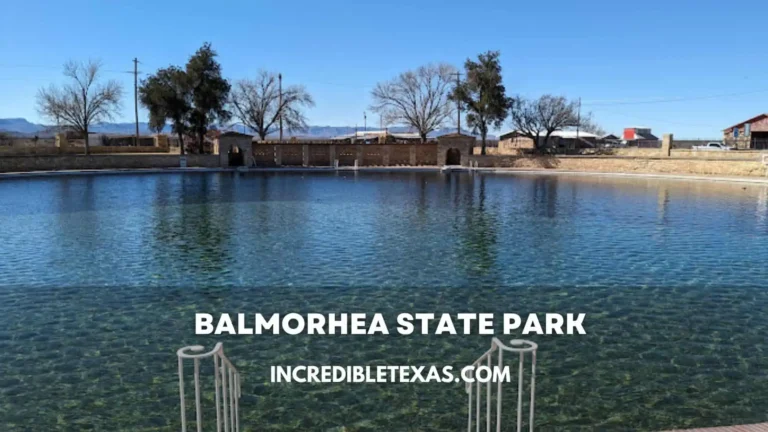
Texas is home to a massive network of outdoor spaces, each offering unique geological and historical features. For another desert oasis experience, consider a stop at Balmorhea State Park, which features one of the largest spring-fed swimming pools in the world.
Alternatively, Davis Mountains State Park provides a higher-elevation retreat with unique mountain scenery and the nearby McDonald Observatory.
Those who enjoy the desert landscapes but want a different perspective should visit Bentsen-Rio Grande Valley State Park, which offers world-class birding opportunities. If you’re planning a multi-stop road trip, check out our guide to the Top 10 best state parks in Texas to help you narrow down your choices and secure the best camping reservations.
History of Pecos River Style Pictographs and Ancient Rock Art
Exploring West Texas state parks history reveals that human occupation in Seminole Canyon dates back approximately 9,000 years, beginning with hunter-gatherers who sought refuge in the massive limestone shelters. These early inhabitants, known as the Desert Archaic people, left behind a legacy of “Pecos River Style” pictographs that continue to baffle and inspire modern archaeologists.
These multicolored murals often depict shamanistic figures, animals, and abstract symbols that represent complex spiritual beliefs and social structures.
Guided Tours of Fate Bell Shelter Seminole Canyon
Named after a former landowner, the Fate Bell Shelter remains a top destination for Seminole Canyon State Park guided tours. This massive rock overhang spans 150 yards and served as a focal point for communal life, food preparation, and ritualistic expression for millennia.
Guided tours are the only way to enter the shelter, ensuring the preservation of the delicate pigments made from minerals and animal fats.
During a tour, you can see intricate figures painted in shades of red, black, yellow, and white that have survived the elements for thousands of years. Excavations at the site have uncovered fiber sandals, baskets, and tools that provide a window into the daily survival strategies of these ancient Texans.
The shelter remains a sacred space for many, representing one of the densest concentrations of prehistoric art in the United States.
Panther Cave and the Pecos River Style
Another iconic location is Panther Cave, famous for its massive nine-foot-long depiction of a leaping mountain lion. This site is located at the confluence of Seminole Canyon and the Rio Grande, making it one of the most scenic rock art locations in the region.
While it is primarily accessible by boat from the Amistad National Recreation Area, hikers on the Canyon Rim Trail can view it from across the gorge using binoculars.
Panther Cave showcases both the monumental Pecos River Style and the later Red Linear Style, which features smaller, more narrative figures. These different styles indicate how artistic traditions and cultural focuses shifted over thousands of years of occupation.
Protecting these sites is a collaborative effort between state and federal agencies to prevent damage from fluctuating reservoir levels and environmental wear.
Archaeology and Conservation of the Lower Pecos Canyonlands
The Lower Pecos Canyonlands are recognized globally for their archaeological significance, housing one of the most important collections of prehistoric art in the world. Protecting these fragile sites is a complex task that involves continuous monitoring, research, and public education to ensure they remain intact for future generations.
Institutions like the Witte Museum play a critical role in this conservation effort through their stewardship of the White Shaman Preserve. By offering guided tours and supporting archaeological research, they provide the public with a responsible way to experience these ancient treasures without causing unintended damage to the sites.
Modern Preservation Techniques
Modern archaeologists now utilize advanced 3D scanning and high-resolution photography to document rock art panels with unprecedented precision. These digital archives serve as a safeguard against the natural erosion and environmental changes that threaten to degrade the original pigments over time.
Public awareness is equally important, as visitors are encouraged to follow “Leave No Trace” principles and report any signs of vandalism or site degradation. By fostering a culture of respect and stewardship, we can help preserve the profound cultural legacy of the Desert Archaic people for the next 2026 years and beyond.
Natural History of the Trans-Pecos Region
Seminole Canyon is situated within the Trans-Pecos region, a vast and varied landscape that forms the eastern edge of the Chihuahuan Desert. This area is characterized by its high elevation, dramatic limestone canyons, and a semi-arid climate that has shaped the evolution of its unique biological communities.
Over millions of years, the Pecos River and its tributaries have carved deep into the Edwards Plateau, creating the rugged topography that defines the park today.
The geological foundations of the canyon system are composed of massive limestone layers deposited during the Cretaceous period when a shallow sea covered much of Texas. These limestone beds are highly porous, allowing for the formation of the numerous rock shelters and caves that provided essential habitat for ancient human populations.
The presence of water, though often scarce on the surface, remained accessible through deep tinajas and springs within the canyon floors.
Flora of the Chihuahuan Desert
The vegetation at Seminole Canyon is a resilient collection of drought-adapted species that have evolved to survive the intense sun and limited rainfall of West Texas. Sotol and Lechuguilla are the dominant plants on the rocky uplands, both of which were vital resources for the Desert Archaic people.
The fibrous leaves of these plants were used to weave baskets, sandals, and mats, while the hearts of the sotol were roasted in large pits for food.
As you walk the trails, you will also encounter various species of yucca, including the iconic Torrey Yucca, which produces large clusters of white flowers in the spring. Various cacti, such as the Prickly Pear and the Strawberry Pitaya, add vibrant splashes of color to the desert landscape when they bloom.
These plants are not only beautiful but serve as a critical food source for the diverse insect and bird populations that inhabit the canyon system.
Fauna: Survival in the Canyons
The wildlife of Seminole Canyon has developed remarkable strategies for surviving in one of the most demanding environments in North America. Javelinas, or collared peccaries, are frequently seen in small family groups foraging for roots and prickly pear pads along the trail edges.
These hardy mammals are well-adapted to the arid conditions and are a common sight for early morning hikers near the campground areas.
Predators like the Bobcat and Coyote roam the canyon floors and rimrocks, though they are often elusive and primarily active during the cooler twilight hours. The park is also home to several species of rattlesnakes, including the Western Diamondback, which play a vital role in controlling the rodent populations.
Visitors are encouraged to stay on marked trails and maintain awareness of their surroundings to ensure a safe experience for both themselves and the local wildlife.
The Lower Pecos Cultural Heritage
The cultural heritage of the Lower Pecos region is one of the most intact and significant records of hunter-gatherer life in the world. For over 9,000 years, generations of indigenous groups returned to these canyons, leaving behind a stratigraphic record of their diets, technologies, and beliefs.
The dry climate of the rock shelters has preserved organic materials that would have long since decayed in other environments, providing archaeologists with unparalleled data.
Beyond the pictographs, the “middens” or ancient trash heaps found within the shelters reveal a complex relationship with the land. Analysis of these sites has shown that the Desert Archaic people had a deep knowledge of seasonal plant cycles and communal hunting techniques.
Their survival was not a desperate struggle but a highly successful adaptation to the Trans-Pecos environment that lasted for thousands of years without interruption.
Archaic Period Technologies
Innovation was key to life in the canyons, with the development of the atlatl (spear-thrower) marking a significant advancement in hunting efficiency. This tool allowed hunters to launch projectiles with greater force and distance, enabling them to pursue larger game across the rugged terrain.
Stone tool production was also highly refined, with flintknappers utilizing the local chert and flint to create precision spear points, scrapers, and knives.
The weaving traditions of the Lower Pecos are equally impressive, with intricate baskets and sandals showcasing a high level of craftsmanship and utility. These artifacts were often decorated with geometric patterns or colored dyes, indicating that even everyday items held aesthetic or symbolic value.
Modern researchers continue to study these materials to better understand the social networks and trade routes that connected these ancient Texans to groups as far away as Central Mexico.
Frequently Asked Questions (People Also Ask)
Is Seminole Canyon State Park free?
No, there is a daily entrance fee of $4 per person for adults. Children 12 and under can enter for free, and holders of the Texas State Parks Pass also receive free entry for everyone in their vehicle.
How old is the rock art in Seminole Canyon?
The oldest pictographs in the park, known as the Pecos River Style, are estimated to be between 4,000 and 5,000 years old. These murals represent some of the earliest complex artistic expressions found in North America.
Are dogs allowed in Seminole Canyon State Park?
Yes, dogs are allowed in the park but must remain on a leash at all times. Please note that pets are strictly prohibited from entering the rock shelters or joining the guided archaeological tours to protect the delicate sites.
Can you see Panther Cave without a boat?
While Panther Cave is best viewed by boat from the Rio Grande, it can be seen from a distance from a designated overlook on the Canyon Rim Trail. We recommend bringing binoculars to see the details of the nine-foot leaping panther pictograph.
Is there cell service at Seminole Canyon State Park?
Cellular service is extremely limited and unreliable throughout the park due to its remote West Texas location. It is highly recommended to download offline maps or pick up a physical trail guide at the visitor center before heading out.
Final Thoughts on Your Seminole Canyon Visit
Seminole Canyon State Park & Historic Site is more than just a place to hike; it is a sacred archive of human existence in the West Texas desert. Standing before the massive murals of the Fate Bell Shelter, one cannot help but feel a profound connection to the generations that walked these canyons thousands of years ago.
History buffs, nature lovers, and adventurers will find a deep and rewarding experience that stays with them long after they leave the desert floor.