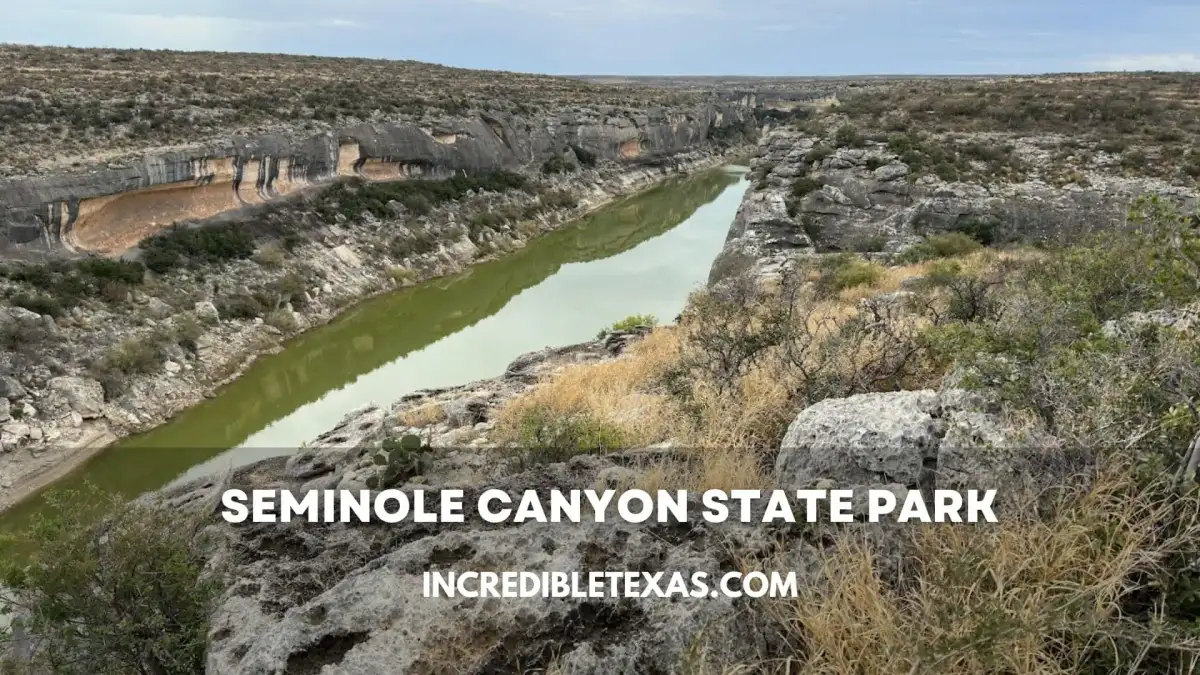
Seminole Canyon State Park & Historic Site is home to some of the most famous ancient pictographs in North America, preserving a world-class archaeological record in the Lower Pecos Canyonlands. Located in West Texas near the confluence of the Pecos River and the Rio Grande, this protected park preserves murals painted by Desert Archaic peoples more than 4,000 years ago.
Key takeaways
- Admission & Hours: Day-use admission is $4 for adults (13 and older) and free for children 12 and under; park gates operate daily from 8:00 AM to 5:00 PM.
- Prehistoric Rock Art: Preserves some of North America’s oldest pictographs, dating back over 4,000 years in the monumental Fate Bell Shelter.
- Guided Tour Required: Access into the canyon floor and rock art shelters is strictly restricted to ranger-led or docent-led guided tours for archaeological protection.
- Camping & Trails: Offers 46 campsites across Desert Vista (water/electric) and Roadrunner Flat (primitive), plus nearly 10 miles of rim trails.
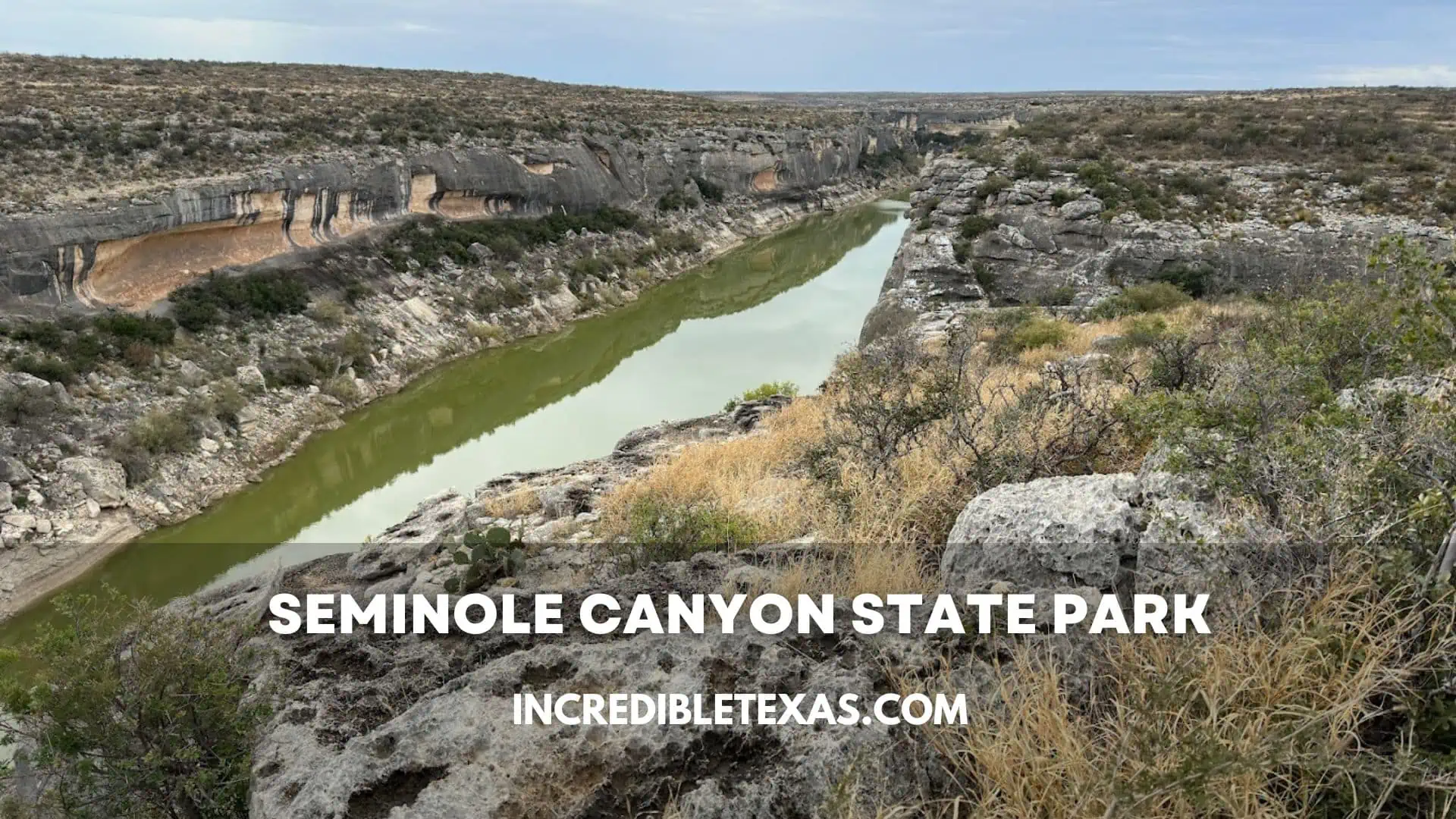
Trekking along rugged canyon rims and descending into limestone shelters on a ranger-led tour provides a rare journey through millennia of human history. Beyond the archaeology, Seminole Canyon offers panoramic views of deep limestone gorges, diverse desert wildlife, and vistas across the international waters of Amistad Reservoir.
Visitors can explore miles of multi-use trails, enjoy primitive or electric camping, and experience the rugged desert ecosystem of the Trans-Pecos region.
Plan your visit
- Location
- U.S. Hwy 90 West, Comstock, TX 78837
- Hours
- Open daily 8:00 AM – 5:00 PM; camping check-in 2:00 PM
Seminole Canyon State Park Hours and Price
When planning a visit to Seminole Canyon State Park & Historic Site, it is essential to review operating hours and entrance fees. The park gate opens daily from 8:00 AM to 5:00 PM for day-use visitors, while registered overnight campers receive an after-hours gate combination.
Daily entry costs $4 for adults aged 13 and older, while children 12 and under enter free. Texas State Parks Pass holders receive complimentary admission for themselves and their vehicle passengers. Check the TPWD fee and facility schedule before traveling to confirm specialty tour surcharges.
Top Things to Do: Hiking, Biking, and Rock Art Tours
Visiting Seminole Canyon is a highlight for anyone exploring the rugged landscapes of West Texas. While ancient rock art is the primary attraction, the park offers hiking, mountain biking, and wildlife viewing across dramatic desert plateaus.
Travelers who appreciate indigenous iconography often pair this excursion with a visit to Hueco Tanks State Park rock art further west in El Paso County.
| Trail / Tour Name | Distance / Duration | Difficulty | Access Type | Highlights |
|---|---|---|---|---|
| Fate Bell Shelter Tour | 1.0 mile / 90 mins | Moderate | Guided Tour Only | Ranger-led descent into ancient rock art alcoves and prehistoric middens |
| Canyon Rim Trail | 6.0 miles round-trip | Moderate to Challenging | Open Self-Guided | Dramatic overlooks into the Rio Grande and deep limestone canyon gorges |
| Windmill Nature Trail | 0.9 miles | Easy | Open Self-Guided | Level path exploring native desert flora, succulents, and historic windmill |
| Rio Grande Trail | 1.6 miles | Moderate | Open Self-Guided | Panoramic vistas overlooking the international border and Amistad waters |
Guided Rock Art Tours
Participating in a guided tour is the only authorized way to experience the massive rock shelters on the canyon floor. The Fate Bell Shelter Tour operates Wednesday through Sunday at 10:00 AM and 3:00 PM, though afternoon outings may be cancelled during summer due to extreme heat.
Led by knowledgeable rangers and trained docents, these interpretive hikes explain the ritualistic meaning behind the multi-colored pictographs. Be sure to check the official TPWD Seminole Canyon park portal for seasonal tour schedules and mandatory reservations.
Hiking the Canyon Rim Trail and Mountain Biking
The park features nearly 10 miles of designated multi-use trails crossing desert uplands and limestone cliff rims. The Canyon Rim Trail is the signature route, rewarding hikers with panoramic vistas overlooking the Rio Grande and northern Mexican mountain ranges.
This trail also leads to an elevated overlook opposite Panther Cave, providing a clear vantage point for visitors without watercraft access. Sturdy hiking shoes and ample drinking water are mandatory due to loose rock and direct desert sun.
Birdwatching and Wildlife Photography
Situated at an ecological crossroads between desert scrub and riparian canyons, Seminole Canyon attracts migrating songbirds and desert raptors. Rare species such as the Zone-tailed Hawk, Varied Bunting, and Black-throated Sparrow nest throughout the brush.
Early morning offers ideal lighting for landscape photography, as soft sunbeams highlight the deep textures of canyon walls and rich contrast across blooming desert succulents.
Advanced Hiking and Backcountry Excursions in 2026
Experienced hikers seeking rigorous physical challenges can participate in specialty backcountry excursions led by the Friends of Seminole Canyon. These strenuous day hikes access remote side canyons and archaeological panels closed to standard park tours.
The all-day Presa Canyon Hike explores deep boulder-strewn canyon beds to visit isolated rock art shelters. Participants must bring sufficient water and demonstrate solid endurance on rough scree.
The Upper Seminole Canyon Hike
The Upper Seminole Canyon Hike explores nineteenth-century transcontinental railroad engineering and military history. Hikers visit historic construction camps, stone culverts, and early frontier artifacts along the canyon's northern branches.
These specialty hikes operate on select weekends from late autumn through early spring when temperatures remain moderate. Reserve your tickets weeks in advance through the TPWD online reservation system.
Best Time to Visit Seminole Canyon and Essential Gear
Planning a comfortable trip to the high desert of Val Verde County requires understanding extreme seasonal temperature shifts. Pack wide-brimmed hats, polarized sunglasses, durable hiking boots, and at least one gallon of water per person per day.
Best Time to Visit Seminole Canyon State Park
The prime window to visit Seminole Canyon spans from late October through early April when daytime temperatures hover in the pleasant 60s and 70s. Spring brings desert wildflower flushes across ocotillo, yucca, and prickly pear varieties.
Summer visits require extreme caution, as afternoon canyon temperatures frequently exceed 100°F. If traveling in summer, complete all outdoor hiking by 10:00 AM and spend afternoons touring the air-conditioned visitor center.
Comprehensive Camping Guide for 2026
Camping at Seminole Canyon State Park provides an exceptional opportunity to experience unpolluted West Texas night skies and desert solitude. The park offers 46 single-family campsites split between electric and primitive loops.
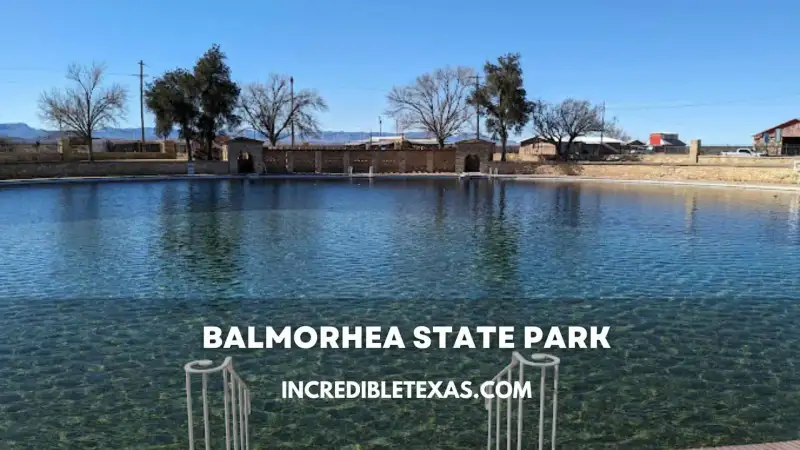
Campers exploring the region can compare these dry canyon campsites with spring-fed swimming facilities at Balmorhea State Park when plotting their West Texas road trip.
Desert Vista Campground (Electricity and Water)
The Desert Vista loop features 31 spacious sites, including 23 pull-through pads with 30-amp and 50-amp electricity and water hookups for RVs. Each campsite includes a shade shelter, picnic table, lantern post, and waist-high campfire grill.
The remaining 8 sites offer nearby potable water spigots and level tent clearings close to modern restrooms and hot showers.
Roadrunner Flat Primitive Area
The Roadrunner Flat camping section provides 15 drive-up primitive sites designed for self-contained camper vans and rustic tent campers. These secluded sites lack electric hookups, offering undisturbed stargazing under dark desert skies.
A chemical vault toilet serves the primitive loop, while full bathhouses remain accessible a short walk away in the main campground.
Lodging and Cabin Alternatives Near the Park
Seminole Canyon State Park does not have rental cabins or enclosed park motels on site. Campground shade shelters provide overhead sun protection but lack walls and climate control.
Travelers seeking traditional hotel accommodations can base themselves in Del Rio, located roughly 45 minutes east along Highway 90. Del Rio offers familiar brand hotels, lakeside rental cabins near Lake Amistad, and local restaurants.
Nearby Lodging Options
- Apache Rock Wilderness Lodge (Comstock): Located just nine miles east, offering convenient desert motel lodging.
- Lake Amistad Resort Cabins (Del Rio): Waterfront cabins with private boat trailer parking near public boat ramps.
- Del Rio Hotel Row: National brand hotels situated along U.S. 90 with full air conditioning and dining amenities.
Equipment Rentals and Water Activities
The park does not operate watercraft or mountain bike rental concessions on the grounds. Anglers and boaters exploring the lower canyon mouth and Amistad Reservoir can rent pontoons and kayaks from commercial marinas around Del Rio.
Paddling up the Pecos River gorge toward Panther Cave offers unforgettable water-level perspectives of towering limestone bluffs. Confirm safety rules on the Amistad National Recreation Area official National Park Service portal before launching.
Rental and Boating Requirements
Texas boating safety laws require operators born on or after September 1, 1993, to complete an approved Boater Education Course. Carry approved life jackets for all passengers and check reservoir wind forecasts at the marina office.
West Texas Road Trip: Attractions Near Seminole Canyon
Seminole Canyon serves as a natural gateway for travelers continuing westward across the Chihuahuan Desert toward the mountains. Combining this historic park with an expedition to Big Bend National Park delivers an unforgettable desert loop.
Before beginning your drive across remote stretches of Highway 90, verify highway work zones through TxDOT San Angelo District travel advisories.
Exploring Other Texas State Parks
West Texas state parks protect extraordinary geological variety, from limestone karst formations to volcanic mountain summits. Exploring multiple state properties allows travelers to experience contrasting desert ecosystems in a single journey.
History of Pecos River Style Pictographs and Ancient Rock Art
Archaeological surveys indicate human habitation in the Lower Pecos canyonlands began more than 9,000 years ago during the Paleo-Indian period. The region's monumental polychrome pictographs, termed Pecos River Style, flourished between 4,000 and 1,500 years ago.
These murals feature monumental shaman figures adorned with feathered headdresses, power bundles, and hunting atlatls. Artists ground natural mineral pigments like hematite, limonite, and manganese, blending them with animal fats and plant binders.
Guided Tours of Fate Bell Shelter Seminole Canyon
Fate Bell Shelter is the crown jewel of Seminole Canyon, spanning roughly 150 yards along a massive limestone overhang. Early hunter-gatherers utilized this natural alcove as a communal living space, tool workshop, and sacred mural gallery.
Ranger-guided tours lead visitors down concrete steps into the shelter to view pigment murals that have survived thousands of years in the arid microclimate.
Panther Cave and the Pecos River Style
Panther Cave sits dramatically at the mouth of Seminole Canyon overlooking the waters of Lake Amistad. The shelter displays monumental mountain lion pictographs measuring over nine feet in length alongside intricate shaman figures.
While best viewed from personal watercraft or tour boats on the lake, rim hikers can view the painted wall through high-magnification binoculars from the park's overlook deck.
Archaeology and Conservation of the Lower Pecos Canyonlands
The Lower Pecos Canyonlands hold international significance as one of the dense prehistoric rock art concentrations in the world. Archaeological foundations, universities, and state agencies partner to document these fragile murals using gigapixel photography and laser scanning.
Digital 3D modeling captures paint pigment layers before natural limestone weathering causes gradual loss, preserving cultural heritage for future researchers.
Modern Preservation Techniques
Non-destructive infrared photography and portable X-ray fluorescence allow researchers to analyze mineral pigment recipes without scraping paint samples. Public education promotes Leave No Trace ethics, ensuring visitors avoid touching fragile limestone surfaces.
Natural History of the Trans-Pecos Region
The canyon terrain at Seminole Canyon was carved over millions of years as drainage waters incised the Cretaceous limestone of the Edwards Plateau. Deep gorges and limestone caves provided vital shelter, shade, and natural water cisterns for desert wildlife and ancient peoples.
Flora of the Chihuahuan Desert
Vegetation in the park demonstrates extraordinary adaptations to arid climate extremes. Sotol and lechuguilla plants dominate the upland flats, providing fibers for ancient weaving and carbohydrate-rich bulb hearts for food.
Torrey yucca plants produce tall stalks with creamy white blossoms, while prickly pear and strawberry pitaya cacti display colorful blooms each spring.
Fauna: Survival in the Canyons
Wildlife survives the demanding climate through nocturnal foraging and water-conserving behaviors. Collared peccaries, desert cottontails, and black-tailed jackrabbits feed along washes, while coyotes and bobcats patrol the rimrocks.
The Lower Pecos Cultural Heritage
The arid climate of Lower Pecos rock shelters preserved perishable organic materials that rarely survive in open environments. Baskets, woven yucca sandals, and wooden atlatl darts provide rare scientific data regarding ancient desert hunting life.
Travelers exploring regional archaeology can also visit subterranean limestone passages at Kickapoo Cavern State Park located further east in Kinney and Edwards counties.
Archaic Period Technologies
Prehistoric hunters utilized the atlatl spear-thrower to propel heavy darts with tremendous velocity against desert game. Finely chipped chert dart points and stone scrapers illustrate sophisticated flintknapping traditions that endured for thousands of generations.
Frequently Asked Questions (People Also Ask)
Is Seminole Canyon State Park free?
Daily admission costs $4 per person for adults aged 13 and older, while children 12 and under enter free. Texas State Parks Pass holders and their vehicle passengers receive complimentary day-use entry.
How old is the rock art in Seminole Canyon?
The oldest pictographs in the park date back more than 4,000 years to the Desert Archaic culture. These polychrome murals represent some of the earliest complex religious iconography created in North America.
Are dogs allowed in Seminole Canyon State Park?
Leashed pets are permitted in campgrounds and along above-ground rim hiking trails. Pets are strictly prohibited from descending into the canyon floor or joining guided rock art tours to protect delicate archaeological sites.
Can you see Panther Cave without a boat?
Yes, hikers on the Canyon Rim Trail can view Panther Cave across the gorge using an observation deck and spotting binoculars. Boaters launching on Lake Amistad can access the alcove directly from the water.
Is there cell service at Seminole Canyon State Park?
Cellular reception is extremely limited and spotty across this remote canyon terrain. Travelers should download offline driving directions and topographic trail maps before departing Del Rio or Sanderson.
Final Thoughts on Your Seminole Canyon Visit
Seminole Canyon State Park & Historic Site offers a profound journey into North American prehistory, combining ancient pictograph murals with dramatic desert scenery. Ranger-led tours into Fate Bell Shelter provide an irreplaceable window into ancient human creativity.
Travelers exploring the Trans-Pecos region can continue their high-desert exploration at Davis Mountains State Park to experience cool mountain breezes and historic frontier outposts.