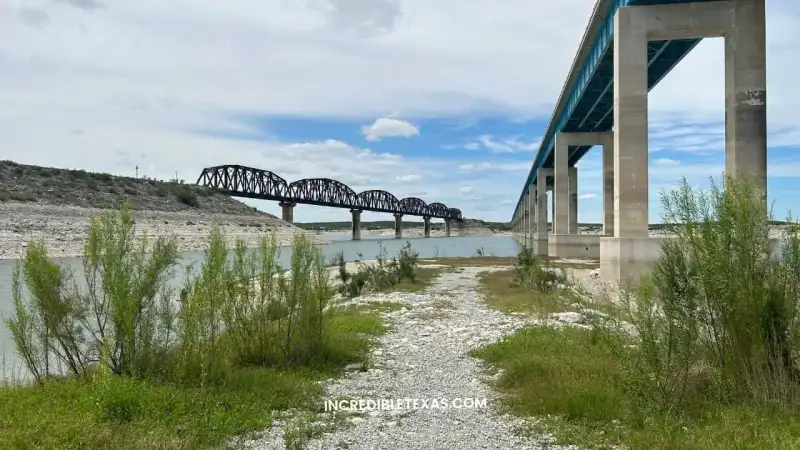
Texas holds thousands of public reservoirs, making the top fishing lakes in Texas highly sought after by anglers seeking big bites and scenic waters. Exploring the most productive freshwater fishing lakes in Texas requires matching your trip to your target species.
While O.H. Ivie and Lake Fork command national attention for trophy largemouth bass, Lake Texoma provides the leading self-sustaining striped bass fishery in the southwest. Accessible impoundments like Lake Conroe and Lake Buchanan offer dependable ramps and family recreation.
Every freshwater reservoir offers a distinct angling environment. Success depends on understanding seasonal spawn patterns, local lake regulations, and boat ramp availability before towing your rig to the water.
Key takeaways
- Lake Fork and O.H. Ivie lead the state for trophy largemouth bass, with Lake Fork holding the 18.18-pound state record and O.H. Ivie producing a 17.06-pound lake record alongside numerous ShareLunker catches.
- Lake Texoma delivers Texas’s foremost freshwater striped bass fishery, managed under a 10-fish daily bag limit with a dedicated $12 border license covering both Texas and Oklahoma waters.
- Anglers fishing inside Texas state park boundaries can fish from the bank, pier, or enclosed waters without a state fishing license or stamp under the TPWD Free Fishing in State Parks program.
- Sam Rayburn Reservoir spans 114,500 surface acres and hosts more than 400 bass tournaments annually, making it the most proven tournament bass fishery in East Texas.
- Lake Conroe and Lake Buchanan provide the easiest logistics for families and beginners due to full-service marinas, accessible parks, and dependable multi-species catches.
How to Choose the Right Texas Fishing Lake
Selecting the right Texas fishing lake depends on matching your targeted species to water type, structure, and logistical complexity. Trophy bass hunters should prioritize Lake Fork or O.H. Ivie, striper anglers should target Lake Texoma, and families should choose amenity-rich waters like Lake Conroe.
Angling style dictates your destination. Evaluating the best lakes in Texas for fishing involves assessing structure, ramp access, and seasonal weather. A reservoir known for producing 15-pound bass often requires hundreds of casts between bites, whereas family outings succeed on high-frequency crappie and catfish waters. Travelers can compare regional water bodies across our wider guide to the best lakes in Texas before locking in their route.
| Lake / Reservoir | Nearest City / Region | Primary Target Species | Ramp & Marina Access | Best For |
|---|---|---|---|---|
| O.H. Ivie Lake | San Angelo / West Central | Largemouth Bass, Crappie | Multiple public ramps & marinas | Trophy bass & ShareLunker hunters |
| Lake Fork | Emory / East Texas | Largemouth Bass, Crappie, Catfish | Public boat ramps & full marinas | Historic trophy bass & guided charters |
| Sam Rayburn Reservoir | Jasper / East Texas | Largemouth Bass, Crappie, Catfish | Extensive USACE ramps & parks | Big-water tournament competition |
| Toledo Bend Reservoir | Hemphill / Texas-Louisiana Border | Bass, Crappie, Striped Bass | High-density ramps & private docks | Expansive multi-day fishing trips |
| Lake Texoma | Denison / North Texas | Striped Bass, Smallmouth Bass | Marinas, state parks & USACE ramps | Self-sustaining striped bass fishing |
| Caddo Lake | Uncertain / Piney Woods | Largemouth Bass, Crappie, Bream | State park launch & bayou ramps | Scenic cypress bayou casting |
| Lake Conroe | Conroe / Greater Houston | Catfish, Bass, Hybrid Stripers | Full-service marinas & public parks | Convenient metro day trips |
| Lake Buchanan | Burnet / Central Texas | Striped Bass, Catfish, White Bass | County parks & private resorts | Mixed family camping & striper runs |
| Lake Palestine | Tyler / East Texas | Largemouth Bass, Catfish, Crappie | Multiple marina basins & parks | Relaxed multi-species fishing |
| Alan Henry Reservoir | Post / Panhandle Plains | Largemouth Bass, Spotted Bass | Single city park ramp & permit gate | Technical deep-structure angling |
| Granger Lake | Taylor / Central Texas | Crappie, White Bass, Catfish | USACE developed ramps & parks | Spring white bass & crappie runs |
| Lake O’ The Pines | Jefferson / East Texas | Crappie, Catfish, Bass | 16 public and campground ramps | Quiet family camping & crappie beds |
| Lake Amistad | Del Rio / South Texas Border | Largemouth Bass, Smallmouth Bass | National Park Service ramps | Deep clear-water canyon casting |
13 Best Fishing Lakes in Texas
The 13 best fishing lakes in Texas span historic trophy bass impoundments like Lake Fork and O.H. Ivie, massive border reservoirs like Toledo Bend and Lake Texoma, and scenic cypress fisheries like Caddo Lake. Each body of water provides distinct habitats, structural cover, and seasonal patterns for visiting anglers.
1. O.H. Ivie Lake
O.H. Ivie Lake has earned nationwide acclaim as a flagship trophy largemouth bass fishery in the United States over recent seasons. Situated on the Colorado and Concho rivers near San Angelo, this 19,149-acre reservoir features flooded saltcedar, river channels, and submerged rock piles.
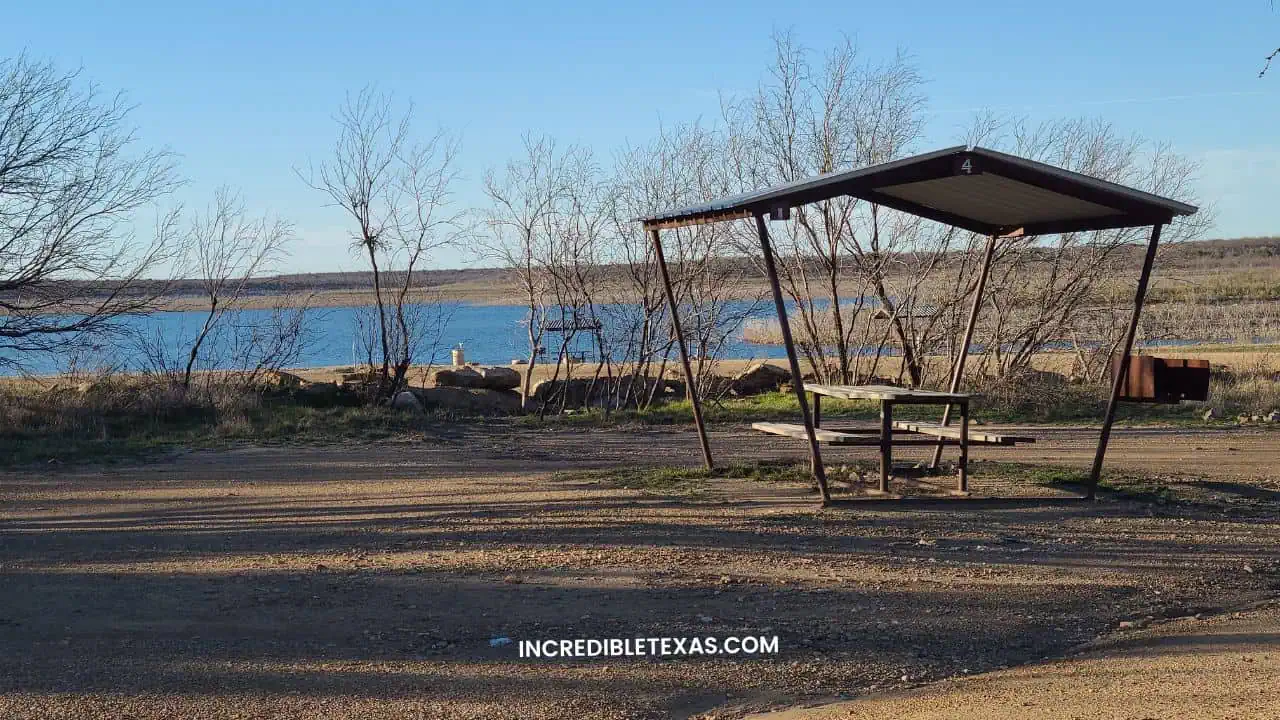
The reservoir produced an astounding lake record largemouth bass weighing 17.06 pounds during Brodey Davis's record-setting catch. Anglers flock here between January and April using forward-facing sonar to track giant bass suspending in offshore timber.
- Location: Concho, Coleman, and Runnels counties near San Angelo
- Surface Area: 19,149 acres at conservation pool
- Target Species: Largemouth bass, white crappie, channel catfish, white bass
- Ramp Access: Concho Park Marina, Elm Creek Marina, and Kennedy Park
- Regulations: Statewide 14-inch minimum length limit and 5-fish daily bag limit on largemouth bass
Tip
Water levels fluctuate substantially at O.H. Ivie. Confirm ramp open status at Elm Creek or Concho Park before traveling, particularly during dry West Texas summers.
2. Lake Fork
Lake Fork remains Texas's most celebrated trophy bass destination, spanning 27,264 acres across Wood, Rains, and Hopkins counties. Engineered specifically as a top-tier bass fishery prior to impoundment in 1980, the reservoir preserved dense stands of timber and rich hydrilla beds.
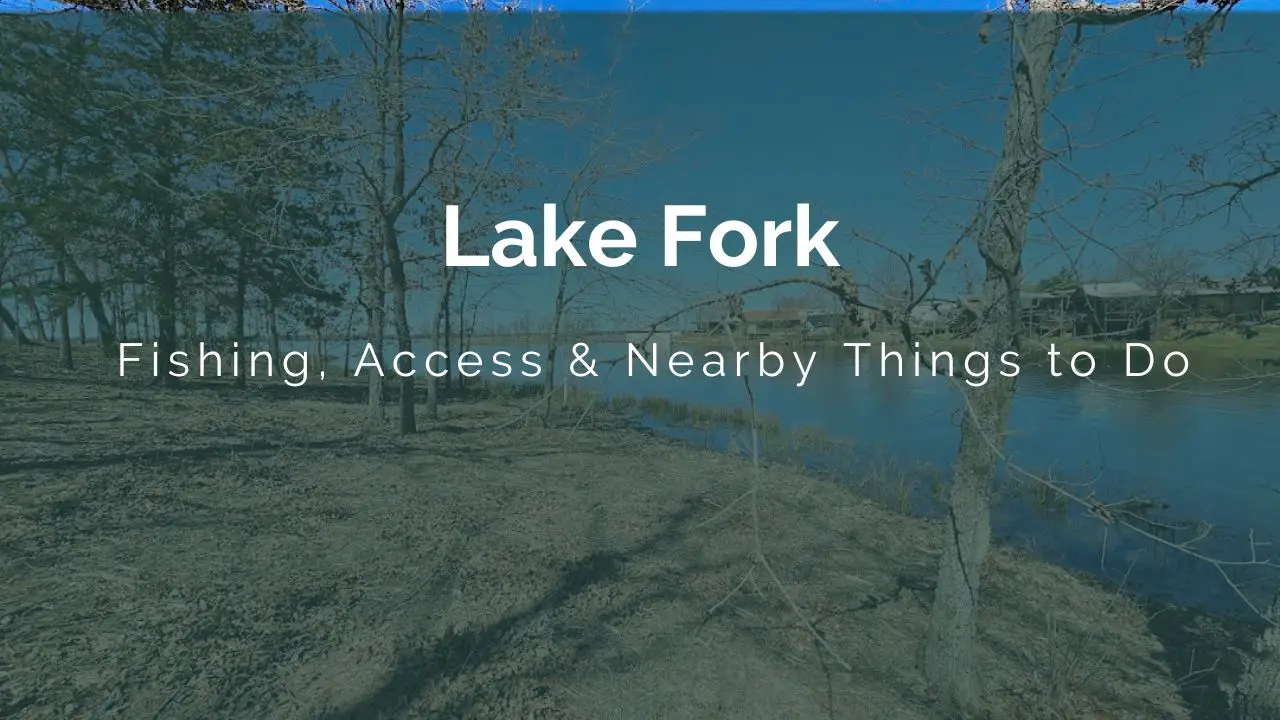
Navigating Lake Fork requires caution due to thousands of submerged stumps lining main creek channels. Visiting anglers often book professional Lake Fork fishing guides to locate deep brush piles, navigate boat lanes safely, and pattern fish across changing seasons.
- Location: 80 miles east of Dallas near Quitman and Emory
- Surface Area: 27,264 acres
- Target Species: Largemouth bass, black and white crappie, channel catfish
- Ramp Access: Lake Fork Marina, Minnow Bucket Marina, and multiple public county ramps
- Regulations: Strict 16-to-24 inch protected slot limit on largemouth bass; only 1 bass over 24 inches permitted daily
3. Sam Rayburn Reservoir
Sam Rayburn Reservoir is the largest impoundment entirely within the state of Texas, covering 114,500 surface acres on the Angelina River. Known locally as "Big Sam," this massive reservoir combines expansive grass flats, flooded timber, and offshore humps.
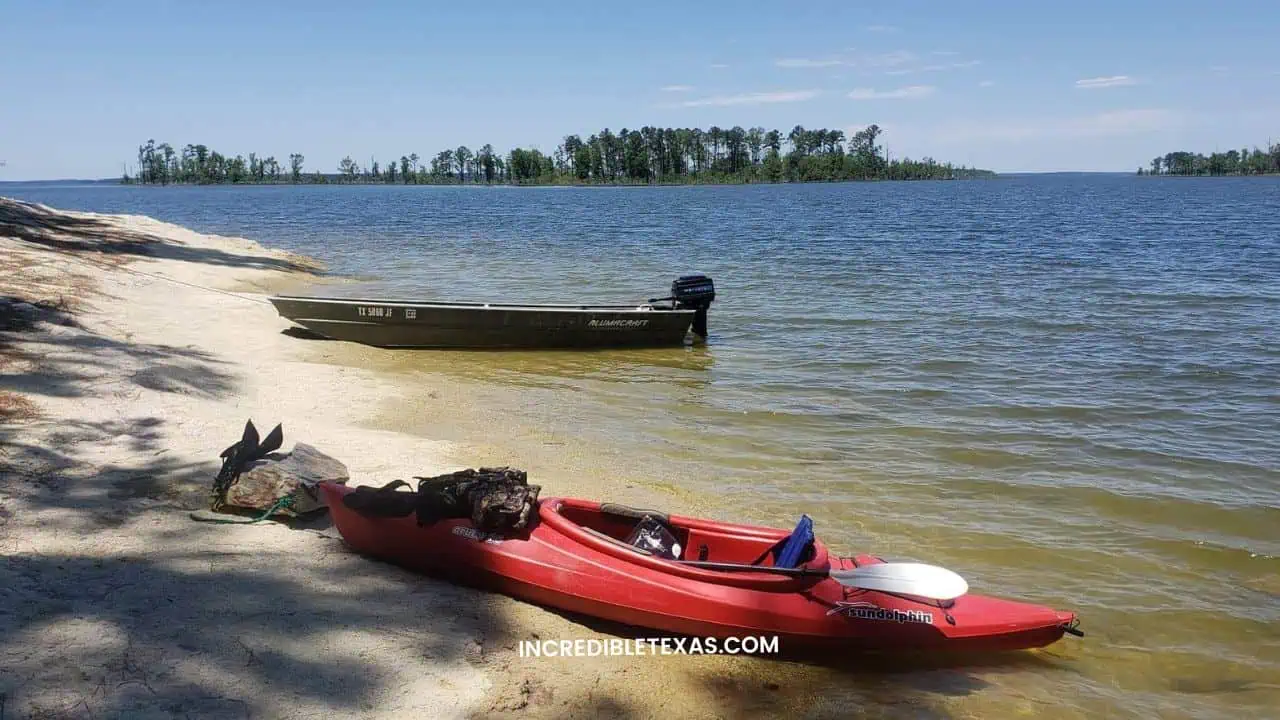
Big Sam is renowned for healthy numbers of five-pound bass alongside frequent double-digit catches. In addition to tournament bass fishing, the lake supports excellent winter and spring crappie fishing around brush piles and bridge pilings.
- Location: Jasper, Sabine, San Augustine, and Angelina counties
- Surface Area: 114,500 acres
- Target Species: Largemouth bass, crappie, channel catfish, blue catfish
- Ramp Access: Jackson Hill Marina, Twin Dikes Park, and Umphrey Family Pavilion
- Regulations: Statewide 14-inch minimum length limit and 5-fish daily bag limit on largemouth bass
4. Toledo Bend Reservoir
Toledo Bend Reservoir straddles the Texas-Louisiana border and forms the largest body of water in the American South, spanning 185,000 acres. Its immense size offers diverse fishing environments ranging from open deep water near the dam to vast timber flats upriver.
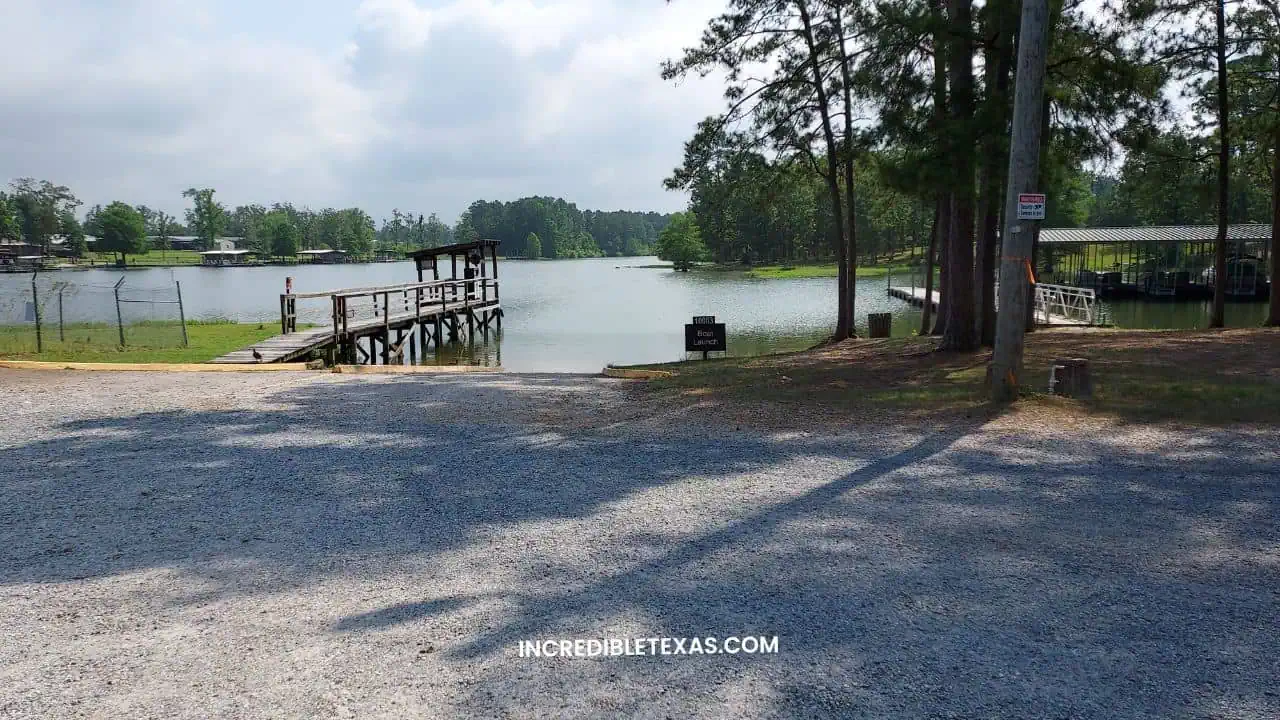
Anglers target hydrilla edges in the spring and deep creek bends during late summer. Crappie fishing is equally productive here, with local guides guiding anglers to submerged brush piles and artificial fish attractors.
- Location: Newton, Sabine, and Shelby counties along the Louisiana line
- Surface Area: 185,000 acres
- Target Species: Largemouth bass, crappie, white bass, striped bass, catfish
- Ramp Access: Fin and Feather Resort, Toledo Bend Marina, and North Toledo Bend State Park
- Regulations: Reciprocal licensing agreement allows Texas or Louisiana license holders to fish open waters from a boat
For complete boat ramp access, reciprocal license details, and camping options, explore our in-depth [Toledo Bend Reservoir Texas guide](/toledo-bend-reservoir-texas/).
5. Lake Texoma
Lake Texoma is one of the top striped bass fisheries in North America, covering 89,000 acres along the Red River on the Texas-Oklahoma border. Unlike most inland reservoirs that require artificial hatchery stocking, Texoma supports natural striper reproduction.
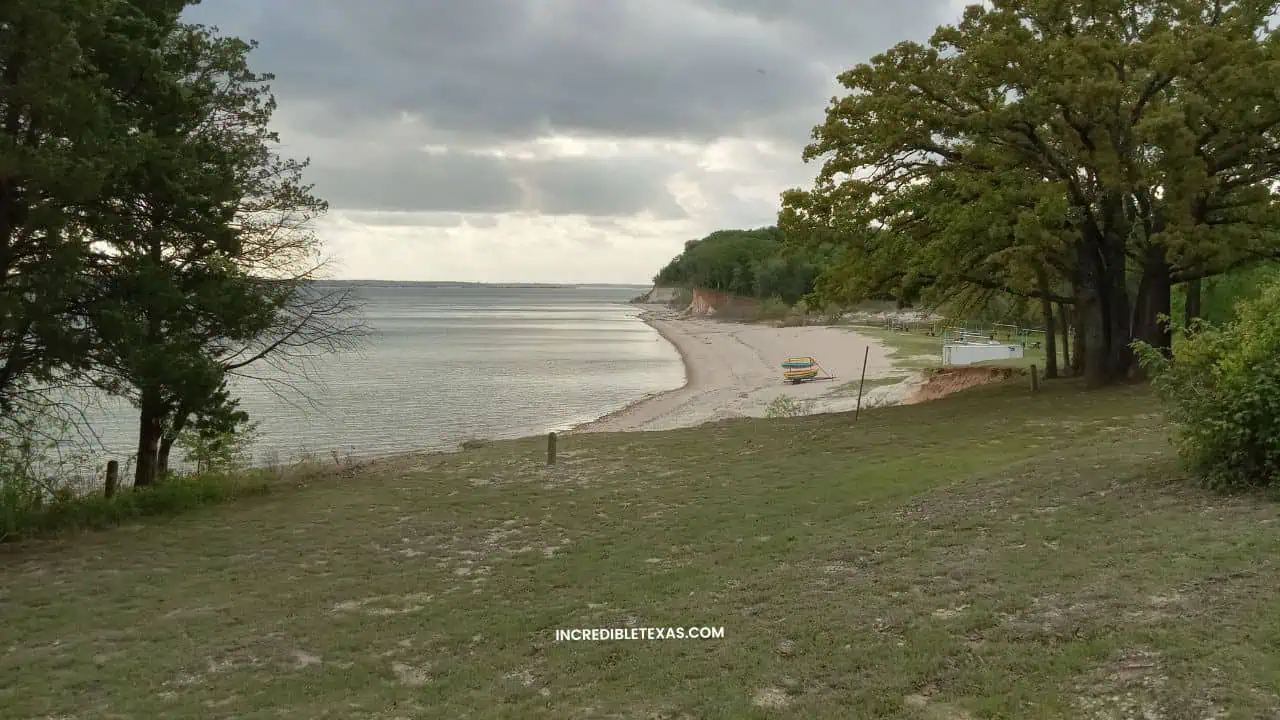
Striper schooling activity peaks in early summer and late autumn when topwater plugs trigger explosive strikes. Anglers enjoying Lake Texoma fishing also target smallmouth bass along rocky bluffs near Eisenhower State Park and trophy blue catfish in deep river channels.
- Location: Grayson and Cooke counties near Denison
- Surface Area: 89,000 acres
- Target Species: Striped bass, smallmouth bass, blue catfish, channel catfish
- Ramp Access: Highport Marina, Eisenhower State Park, and Grandpappy Point Marina
- Regulations: Daily bag limit of 10 striped bass/hybrids; only 2 may be 20 inches or longer; culling prohibited
Tip
Purchase the $12 Lake Texoma Fishing License (Type 208) if you plan to navigate into Oklahoma waters by boat to avoid crossing unmarked border lines without proper licensing.
6. Caddo Lake
Caddo Lake offers a distinctive freshwater angling experience across 25,400 acres of sprawling cypress bayous and shallow wetlands. Spanish moss drapes ancient trees, providing shade and complex cover for ambush-feeding game fish.
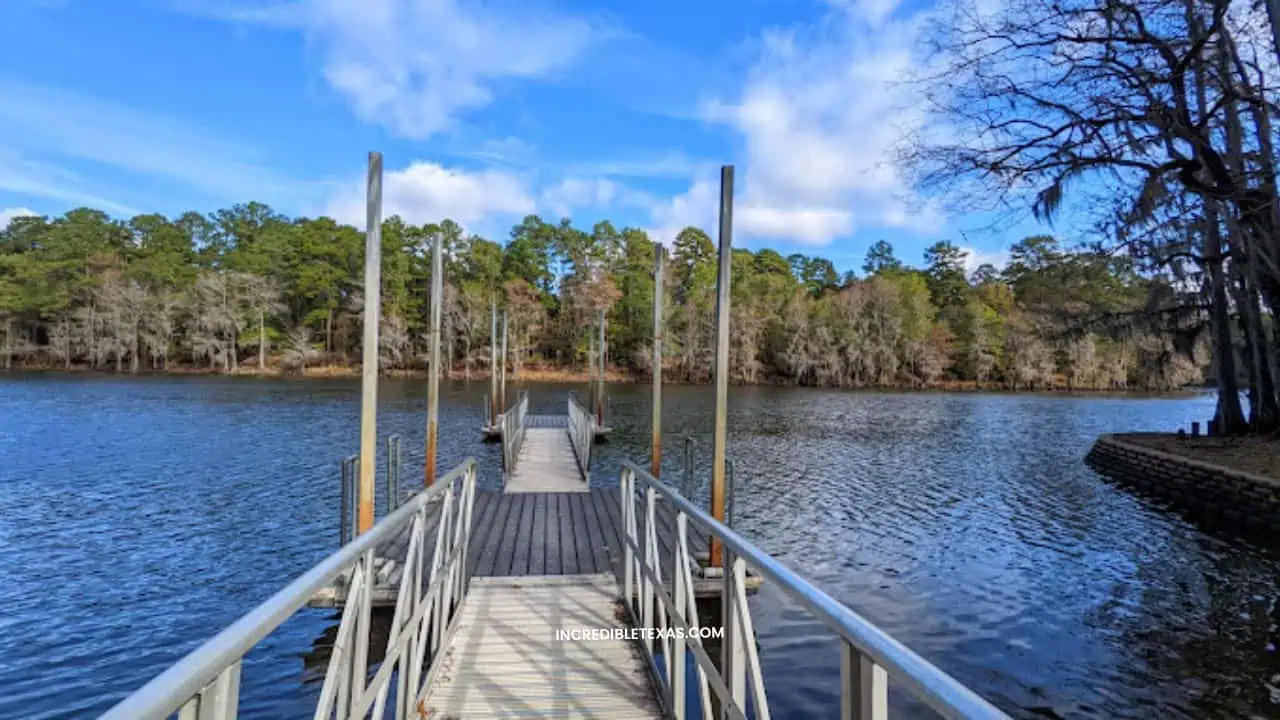
Caddo is tailored for kayak anglers and shallow-draft bass boats. Pitching soft plastics and weedless frogs into lily pads and cypress knees produces high-energy strikes from largemouth bass and chain pickerel.
- Location: Harrison and Marion counties near Karnack and Uncertain
- Surface Area: 25,400 acres (Texas and Louisiana portions)
- Target Species: Largemouth bass, white crappie, bluegill, chain pickerel, catfish
- Ramp Access: Caddo Lake State Park, Johnson's Ranch Marina, and Shady Glade Marina
- Regulations: 14-to-18 inch slot limit on largemouth bass; bass within slot must be released
7. Lake Conroe
Lake Conroe spans 20,118 acres on the West Fork of the San Jacinto River, located just 45 miles north of Houston. Its proximity to the metropolitan area makes it one of Southeast Texas's most accessible multi-species fishing lakes.
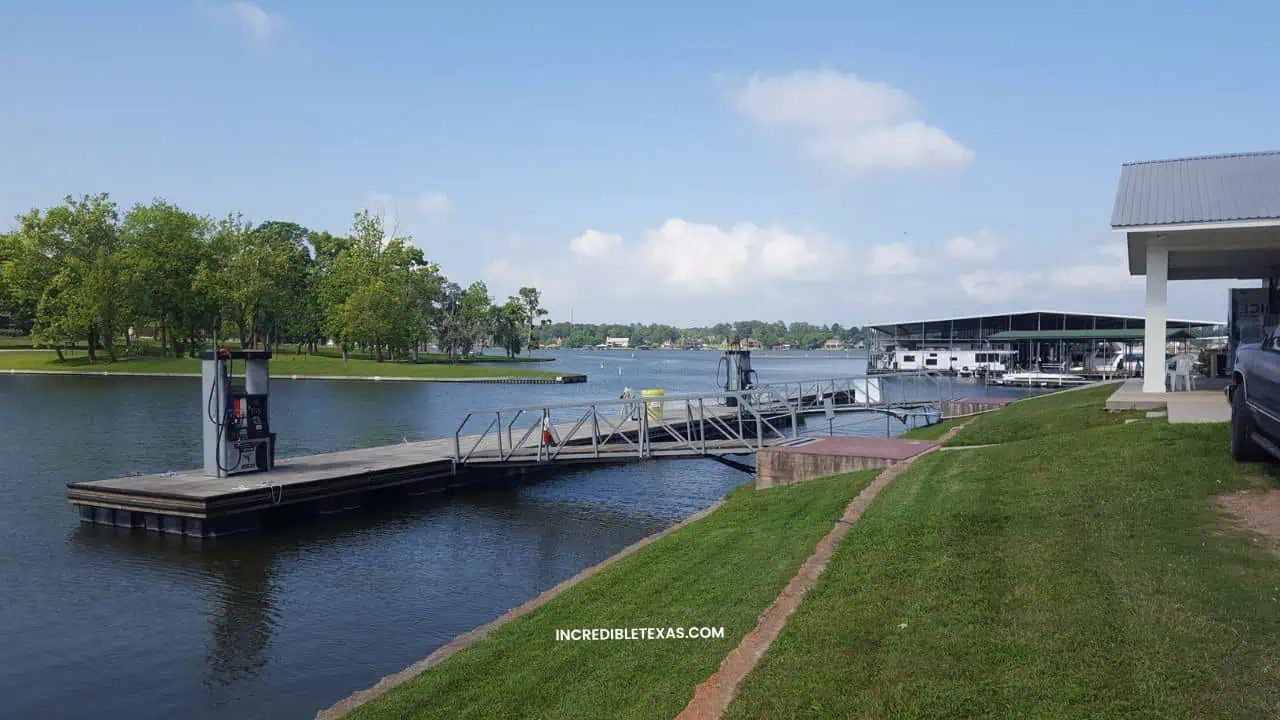
The reservoir features bulkheads, private docks, and submerged bridge pilings that hold substantial populations of catfish and largemouth bass. Shoreline anglers frequently utilize Lake Conroe Park fishing piers and bulkheads for quick family outings. Early mornings are best during summer months before recreational boaters arrive.
- Location: Montgomery and Walker counties near Conroe
- Surface Area: 20,118 acres
- Target Species: Channel catfish, blue catfish, largemouth bass, hybrid striped bass
- Ramp Access: Lake Conroe Park, April Plaza Marina, and Stowaway Marina
- Regulations: 16-inch minimum length limit and 5-fish daily bag limit on largemouth bass
8. Lake Buchanan
Lake Buchanan is the northernmost and largest of the Highland Lakes chain, covering 22,211 acres in the Texas Hill Country. Formed by the longest multi-arch dam in the world, it is characterized by granite bluffs, gravel beds, and wide open waters.
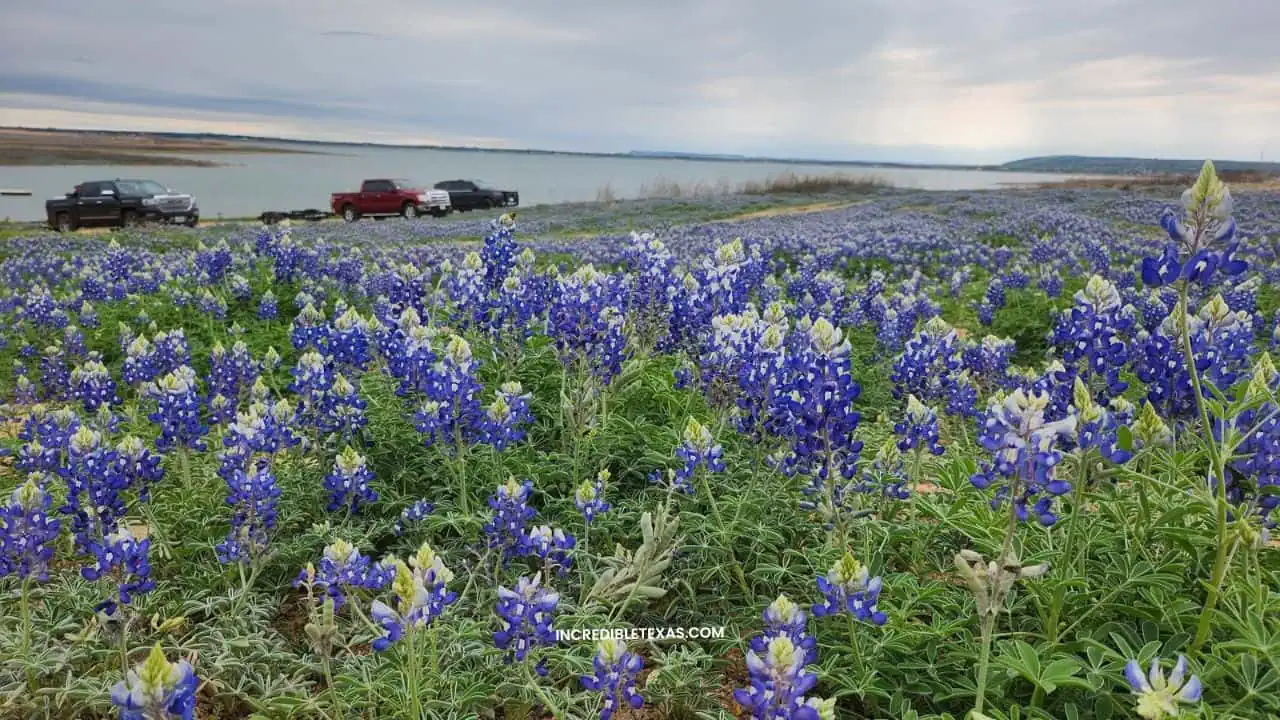
Buchanan is celebrated for strong striped bass and hybrid striper runs, along with excellent white bass and blue catfish fishing. Drift-fishing live shad across deep flats near the dam yields heavy stringers throughout the year.
- Location: Burnet and Llano counties near Burnet
- Surface Area: 22,211 acres
- Target Species: Striped bass, hybrid striped bass, white bass, channel and blue catfish
- Ramp Access: Llano County Park, Cedar Point Recreation Area, and Buchanan Dam public ramp
- Regulations: Striped bass and hybrid stripers have an 18-inch minimum length limit and 5-fish combined daily limit
9. Lake Palestine
Lake Palestine covers 25,560 acres on the Neches River southwest of Tyler. Surrounded by rolling Piney Woods hills, the lake provides diverse fishing structure including submerged roadbeds, bridge riprap, and timbered creeks.
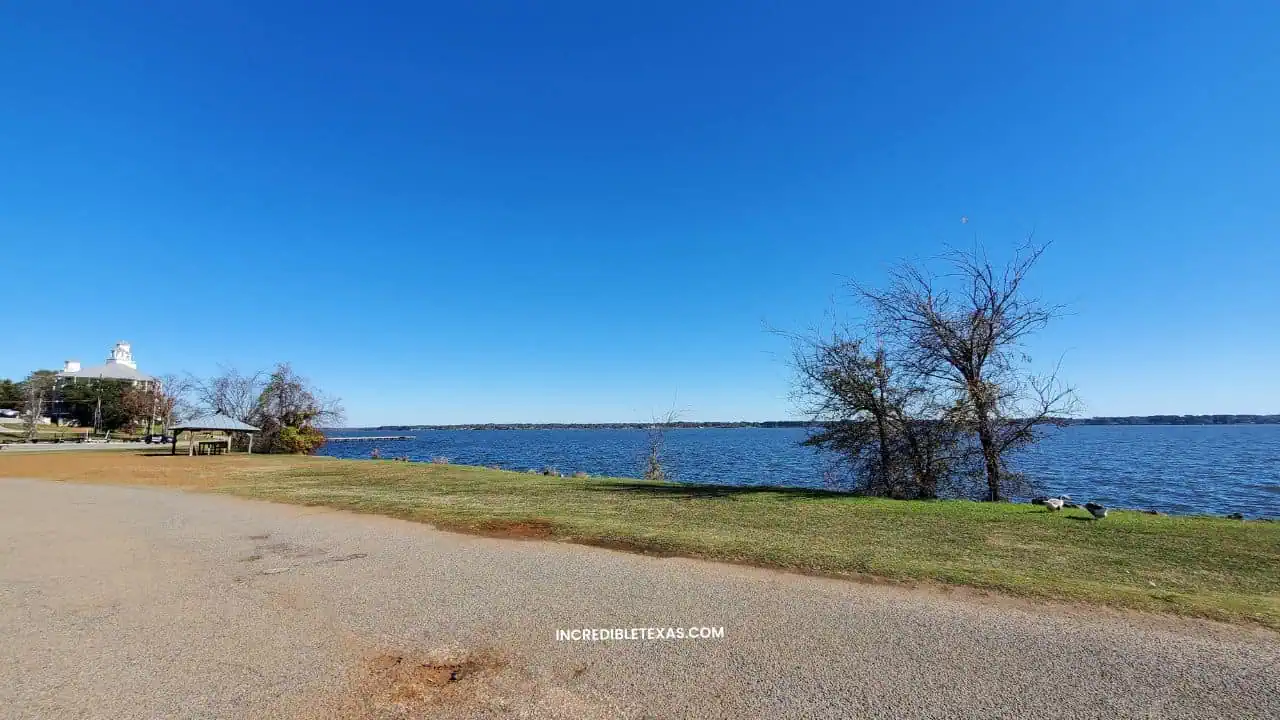
Anglers appreciate Palestine for its balanced fishing pressure compared to neighboring Lake Fork. It supports strong populations of largemouth bass, white bass, and channel catfish, making it an excellent weekend getaway choice.
- Location: Smith, Henderson, Cherokee, and Anderson counties
- Surface Area: 25,560 acres
- Target Species: Largemouth bass, white bass, hybrid stripers, channel catfish, crappie
- Ramp Access: Lake Palestine Resort, The Villages Marina, and River Run Park
- Regulations: Statewide freshwater harvest rules apply across all major game species
10. Alan Henry Reservoir
Alan Henry Reservoir is an oasis in the West Texas plains, situated 45 miles south of Lubbock on the Double Mountain Fork of the Brazos River. This 2,880-acre impoundment features clear water, steep canyon rock walls, and flooded timber.
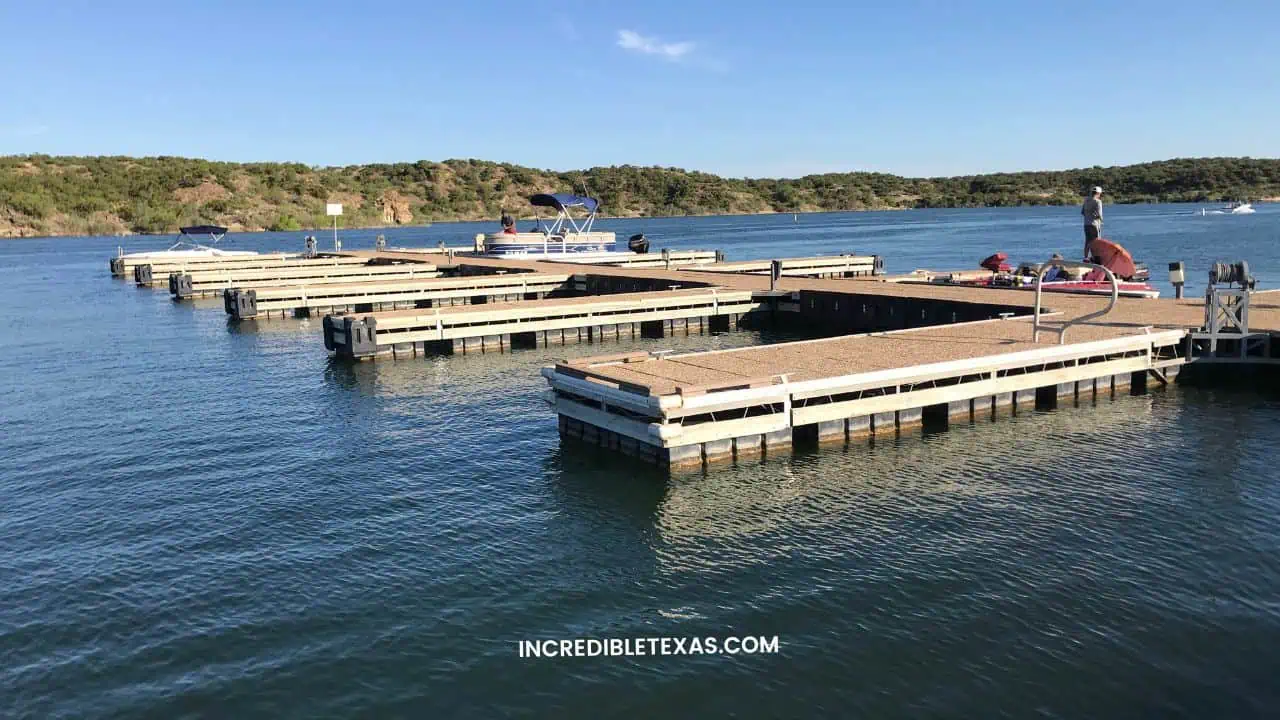
Alan Henry holds a reputation for producing trophy largemouth bass, Alabama bass, and quality crappie. Its deep, clear water requires finesse presentations like drop-shots and deep-diving crankbaits around vertical structure.
- Location: Garza and Kent counties near Post
- Surface Area: 2,880 acres
- Target Species: Largemouth bass, Alabama bass, crappie, channel catfish
- Ramp Access: Sam Wahl Recreation Area (managed by the City of Lubbock)
- Regulations: City of Lubbock daily permit required; special bass length limits apply
11. Granger Lake
Granger Lake spans 4,064 acres on the San Gabriel River in eastern Williamson County, approximately 40 miles northeast of Austin. The reservoir is known for productive crappie fishing and spring white bass runs.
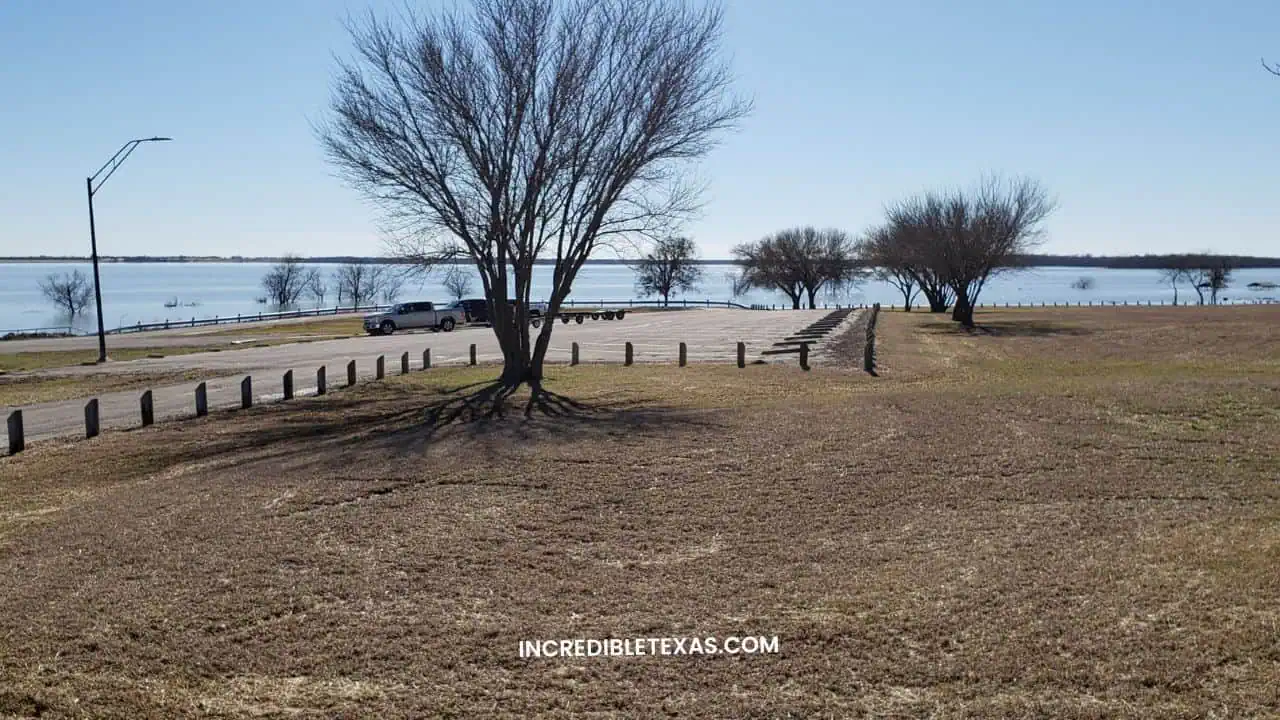
Granger's shallow, fertile waters support extensive willow flats and submerged brush piles that attract crappie schools. During February and March, white bass migrate up the San Gabriel River, providing bank and boat anglers with fast action.
- Location: Williamson County near Taylor and Granger
- Surface Area: 4,064 acres
- Target Species: White crappie, white bass, channel catfish, blue catfish
- Ramp Access: Wilson H. Fox Park, Taylor Park, and Friendship Park
- Regulations: Standard statewide harvest limits apply; USACE day-use parking fees required
12. Lake O' The Pines
Lake O' The Pines covers 19,780 acres along Big Cypress Bayou in Marion, Upshur, and Morris counties. Framed by tall pines and hardwood forests, it offers some of the most scenic camping and fishing in East Texas.
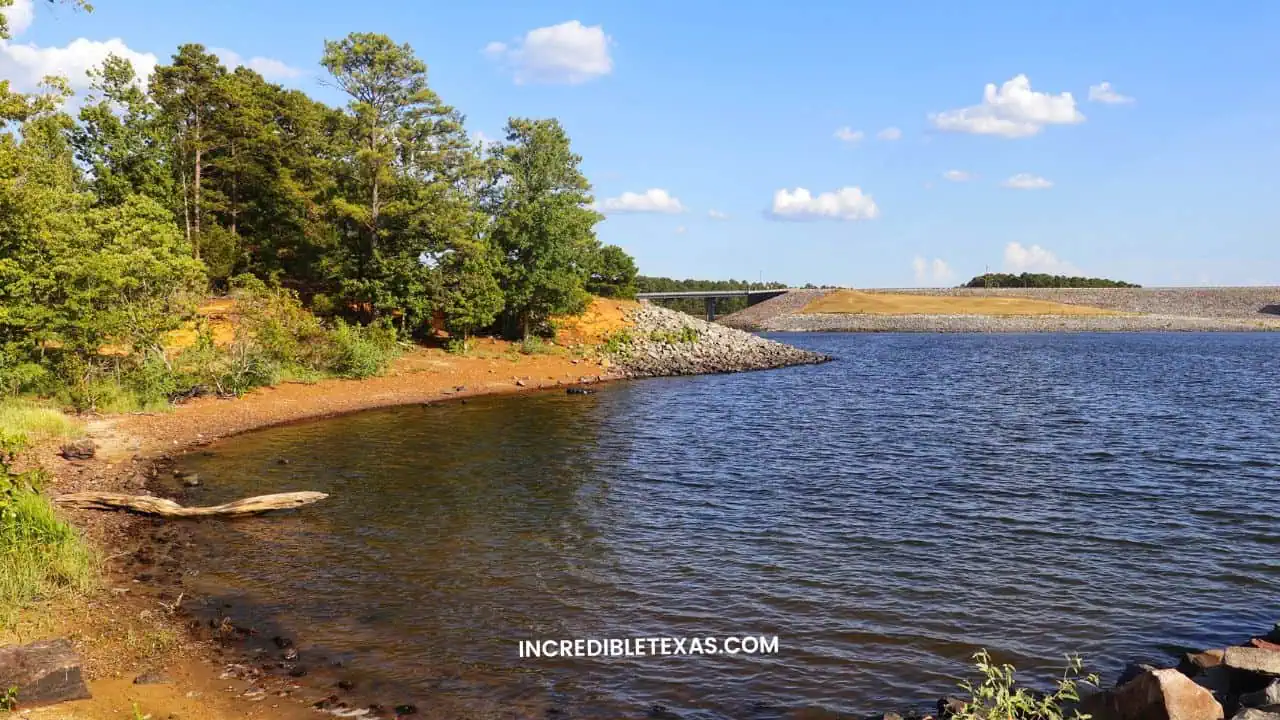
The reservoir features sunken timber, brush piles, and shallow weed beds where crappie and bass congregate. Its numerous Army Corps of Engineers campgrounds make it an ideal spot for family fishing weekends.
- Location: Near Jefferson and Longview in Northeast Texas
- Surface Area: 19,780 acres
- Target Species: Crappie, largemouth bass, channel catfish, white bass
- Ramp Access: Lakeside Park, Alley Creek Camp, and Johnson Creek Park
- Regulations: Standard statewide harvest limits apply
13. Lake Amistad
Lake Amistad spans 64,900 acres along the Rio Grande on the United States and Mexico border near Del Rio. Renowned for cobalt-blue water and dramatic limestone canyons, it provides a unique desert fishing experience.
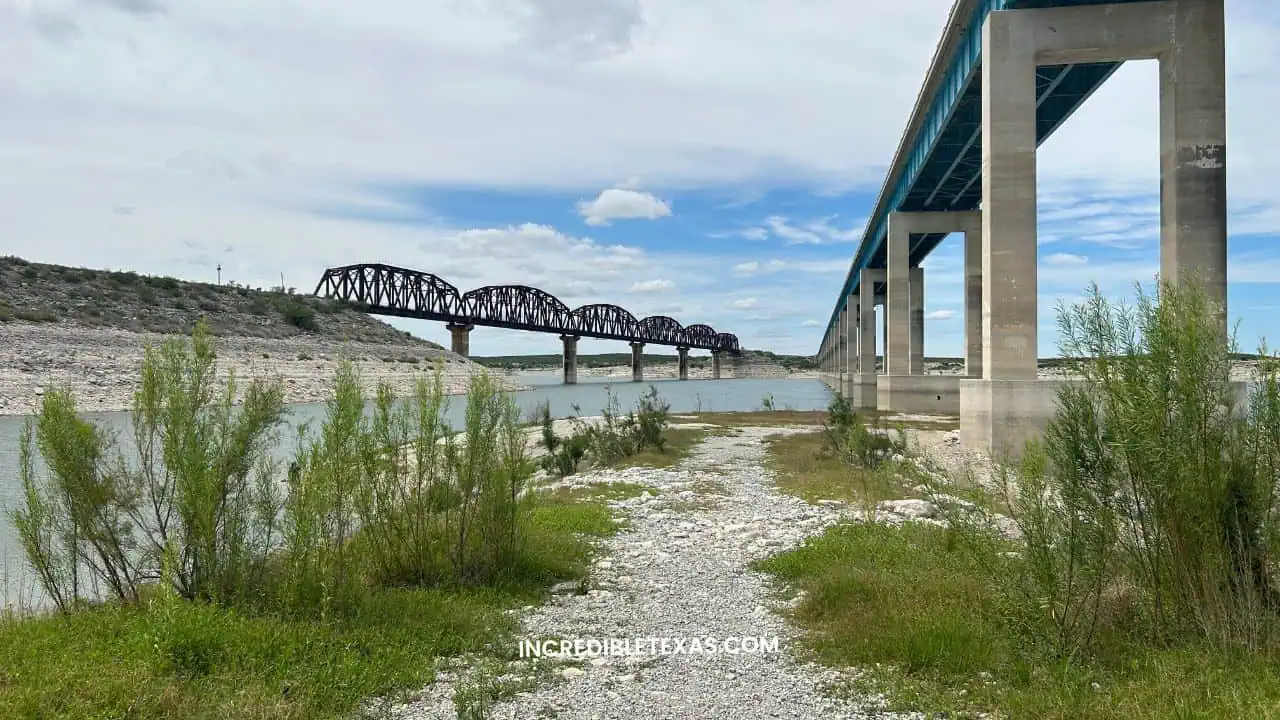
Amistad is a world-class fishery for both largemouth and smallmouth bass, with fish holding on steep ledges, hydrilla lines, and submerged caves. Anglers must check local boundary markers when navigating near Mexican waters.
- Location: Val Verde County near Del Rio
- Surface Area: 64,900 acres (at conservation pool)
- Target Species: Largemouth bass, smallmouth bass, striped bass, channel catfish
- Ramp Access: Diablo East, Rough Canyon, and Box Canyon public ramps
- Regulations: National Park Service Lake Use Pass required; Mexican fishing permit needed if crossing international channel markers
Best Texas Fishing Lakes by Angling Goal
Anglers should select water bodies based on specific trip objectives rather than broad popularity. Grouping destinations by species and trip style ensures realistic expectations and higher catch rates.
- Trophy Largemouth Bass: Lake Fork and O.H. Ivie provide the highest statistical probability of landing an eight-pound-plus fish.
- Open-Water Striped Bass: Lake Texoma leads the state in self-sustaining striper action, followed by Lake Buchanan.
- Heavy-Yield Crappie: Toledo Bend, Granger Lake, and Lake O' The Pines offer dense brush piles and consistent spring slab action.
- Relaxed Family Outings: Lake Conroe and Lake Palestine provide calm shoreline access, full-service marinas, and nearby lodging.
- Unique Wilderness Scenery: Caddo Lake and Lake Amistad feature dramatic cypress sloughs and limestone canyon vistas.
Where Is the Best Bass Fishing in Texas?
The best bass lakes in Texas center on Lake Fork, O.H. Ivie, Sam Rayburn Reservoir, and Toledo Bend, which collectively account for the vast majority of 13-pound-plus ShareLunker entries. These lakes provide thick submerged hydrilla, timber creek beds, and Florida-strain genetics.
Official records from the Texas Parks and Wildlife Department State Fish Records and Awards reveal that more than 65% of the 50 largest bass in state history were landed at Lake Fork, including Barry St. Clair's 18.18-pound state record. Meanwhile, Sam Rayburn Reservoir hosts over 400 bass tournaments annually across 114,500 surface acres, proving its consistent fishery health.
O.H. Ivie has emerged as the contemporary giant in trophy production, contributing over thirty 13-pound-plus bass to the Toyota ShareLunker program in recent seasons. Selecting among these four top-ranked lakes depends on an angler's choice between fishing deep West Texas structure or East Texas pine forests.
Top Texas Lakes for Crappie Fishing
Anglers researching the best crappie lakes in Texas consistently target Toledo Bend, Lake Fork, Granger Lake, and Lake O' The Pines. These impoundments stand out due to abundant sunken timber, bridge pilings, and dedicated fish attractors.
Springtime brings crappie into shallow shoreline brush and reeds in four to eight feet of water as water temperatures reach 60 to 65 degrees. During summer and winter, targeting submerged brush piles in 15 to 25 feet of water with live minnows and small jigs produces full livewells.
Top Texas Lakes for Catfish Action
The best catfish lakes in Texas include Lake Texoma, Lake Conroe, Lake Buchanan, and Toledo Bend. These expansive reservoirs sustain massive populations of channel catfish, blue catfish, and flathead catfish.
Lake Texoma is famous for monster blue catfish exceeding 50 pounds in deep river channels during winter. For family anglers, Lake Conroe and Lake Buchanan provide easy bank access and dependable channel catfish action using prepared stink baits, cut shad, and nightcrawlers around baited holes.
What Texas Lake Is Best for Striped Bass?
Anglers evaluating the best striped bass lakes in Texas begin with Lake Texoma along the Red River. Texoma sustains the state's only self-supporting wild reproduction run, offering a generous 10-fish daily bag limit and thriving guide fleets around Denison and Pottsboro.
Harvest rules on Lake Texoma differ from standard statewide regulations. Under Texas Parks and Wildlife Department Lake Texoma Regulations and Fishery Overview, anglers may keep up to 10 striped bass daily, but only two fish may measure 20 inches or longer, and culling is strictly prohibited.
Lake Buchanan serves as Central Texas's top striped bass alternative. The Lower Colorado River Authority stocks Buchanan regularly, creating productive trolling and drift-fishing opportunities across open flats near the dam.
Best Fishing Lakes in Texas for Beginners and Families
Selecting family friendly fishing lakes in Texas means prioritizing calm coves, playground facilities, and reliable boat ramps over technical big-bass impoundments. Navigating extensive standing timber or deep offshore ledges can be frustrating for novice boaters.
Lake Conroe is ideal for families because developed marinas and shoreline parks offer rental pontoon boats, tackle shops, and clean restrooms. Visitors can explore full-service amenities across our guide to Lake Conroe marinas before planning their weekend launch. Lake Palestine and Lake O' The Pines similarly offer sheltered coves and straightforward fishing for sunfish, catfish, and crappie.
Best Texas Fishing Lakes by Region
Anglers often plan trips based on travel distance from major Texas metropolitan centers. Each geographical region features flagship reservoirs suited for weekend getaways.
North Texas anglers gravitate toward Lake Texoma for stripers and Lake Fork for trophy bass. Houston-area residents have quick access to Lake Conroe and Lake Livingston, while Central Texas fishermen can easily explore diverse fishing lakes near Austin including Granger Lake and Lake Buchanan.
Best Time to Fish Texas Lakes by Season
Seasonal weather transitions dramatically alter fish behavior in Texas reservoirs. Understanding temperature thresholds helps anglers schedule trips during peak feeding windows.
- Spring (March to May): The top season for largemouth bass and crappie as warming water triggers shallow spawning movements.
- Summer (June to August): Best for early-morning topwater bass, nighttime catfishing, and deep-water striper schooling.
- Fall (September to November): Excellent for aggressive schooling bass and active feeding as fish fatten up before winter.
- Winter (December to February): The top season for trophy largemouth bass at O.H. Ivie and monster blue catfish at Lake Texoma.
Texas Fishing License Requirements and Regulations
Texas resident freshwater anglers require a $30 annual Freshwater Fishing Package, while non-residents require a $58 package from the Texas Parks and Wildlife Department. No license is required when fishing from shoreline or piers entirely within Texas state parks, such as the productive largemouth and catfish waters at Falcon State Park.
Under the official Texas Parks and Wildlife Department Free Fishing in State Parks Program, all visitors can fish without a license from the bank, pier, or enclosed water bodies located completely within park boundaries. Families can pair fishing outings with overnight camping at top Texas state parks for camping and fishing without incurring separate licensing fees.
When fishing public reservoirs outside state park boundaries, anglers must review the Texas Parks and Wildlife Department Statewide Freshwater Fishing Regulations to verify lake-specific length and bag limits. Anglers must also practice Clean, Drain, and Dry boat protocols to prevent the spread of invasive zebra mussels and giant salvinia.
What to Pack for a Texas Freshwater Fishing Trip
Preparation prevents logistical delays once you reach remote boat ramps. Packing the right safety and angling gear ensures an efficient outing.
- Digital or Paper Licenses: Carry your active TPWD fishing license and required endorsements on your mobile device or printed on paper.
- PFDs and Boat Safety Equipment: US Coast Guard approved life jackets, sounding devices, throwable cushions, and an operable fire extinguisher.
- Sun and Heat Protection: Polarized sunglasses for spotting underwater structure, high-SPF sunscreen, and wide-brim sun hats.
- Species-Targeted Tackle: Heavy fluorocarbon and braided line for timber lakes like Fork, and lighter monofilament setups for crappie.
- Water and Hydration: Pack at least one gallon of fresh water per angler during warm-weather outings.
Final Verdict: Selecting Your Texas Fishing Destination
Texas provides diverse freshwater angling opportunities found in few other states. Anglers pursuing historic trophy largemouth bass should head to Lake Fork or O.H. Ivie, while those seeking tournament-scale water will find Sam Rayburn and Toledo Bend unmatched.
If striped bass is your target, Lake Texoma offers self-sustaining action and seasoned charter fleets. Match your personal fishing goals, equipment, and travel preferences to the right body of water to guarantee a productive adventure.
Frequently Asked Questions About Texas Fishing Lakes
What is the best fishing lake in Texas?
Lake Fork and O.H. Ivie rank as the best overall fishing lakes in Texas for trophy largemouth bass due to unmatched record production. Lake Texoma stands as the foremost destination for striped bass, while Sam Rayburn Reservoir offers the highest tournament quality.
Where is the best bass fishing in Texas?
The best bass fishing in Texas is found in East Texas reservoirs including Lake Fork, Sam Rayburn, and Toledo Bend, alongside O.H. Ivie in West Central Texas. These water bodies offer deep hydrilla, standing timber, and proven Florida-strain genetics that produce double-digit bass.
What lake in Texas has the biggest bass?
Lake Fork holds the Texas state record with an 18.18-pound largemouth bass caught in 1992 and accounts for over 65% of the state's top 50 bass. In recent years, O.H. Ivie has produced numerous 14- to 17-pound ShareLunker bass, making both lakes top contenders.
What Texas lake is best for striped bass?
Lake Texoma is the undisputed top striped bass lake in Texas because it supports a naturally reproducing, self-sustaining population. Anglers can harvest up to 10 stripers daily, with charter captains operating throughout both Texas and Oklahoma waters.
What are the best fishing lakes in Texas for beginners?
Lake Conroe, Lake Buchanan, and Lake Palestine are the best choices for beginners because they provide protected coves, accessible public parks, and extensive marina services. These lakes offer high catch rates for catfish, crappie, and white bass without demanding specialized tournament gear.
Do you need a fishing license for Texas lakes?
Yes, all anglers aged 17 and older require a valid Texas freshwater fishing package when fishing on public waters. Licenses can be purchased online or via mobile app from the Texas Parks and Wildlife Department before launching.
Can you fish in Texas state parks without a license?
Yes, Texas Parks and Wildlife permits free fishing without a license from the bank, pier, or enclosed waters within Texas state park boundaries. Standard daily park entry fees still apply, but anglers do not need state licenses or freshwater stamps.
What is the best month for bass fishing in Texas?
March and April are the best months for bass fishing across Texas as warming waters trigger the annual spring spawn. During this window, trophy female bass move into shallow flats and shoreline brush, providing peak sight-fishing and staging opportunities.
In the Texas Panhandle near Lubbock, [Buffalo Springs Lake](/buffalo-springs-lake-hours-fees-fishing/) provides dependable crappie, bass, and catfish angling alongside lakefront campsites.
Known as the premier trophy bass reservoir in Texas, [Lake Fork](/lake-fork-tx-guide/) produces a vast majority of the state record largemouth bass catches.