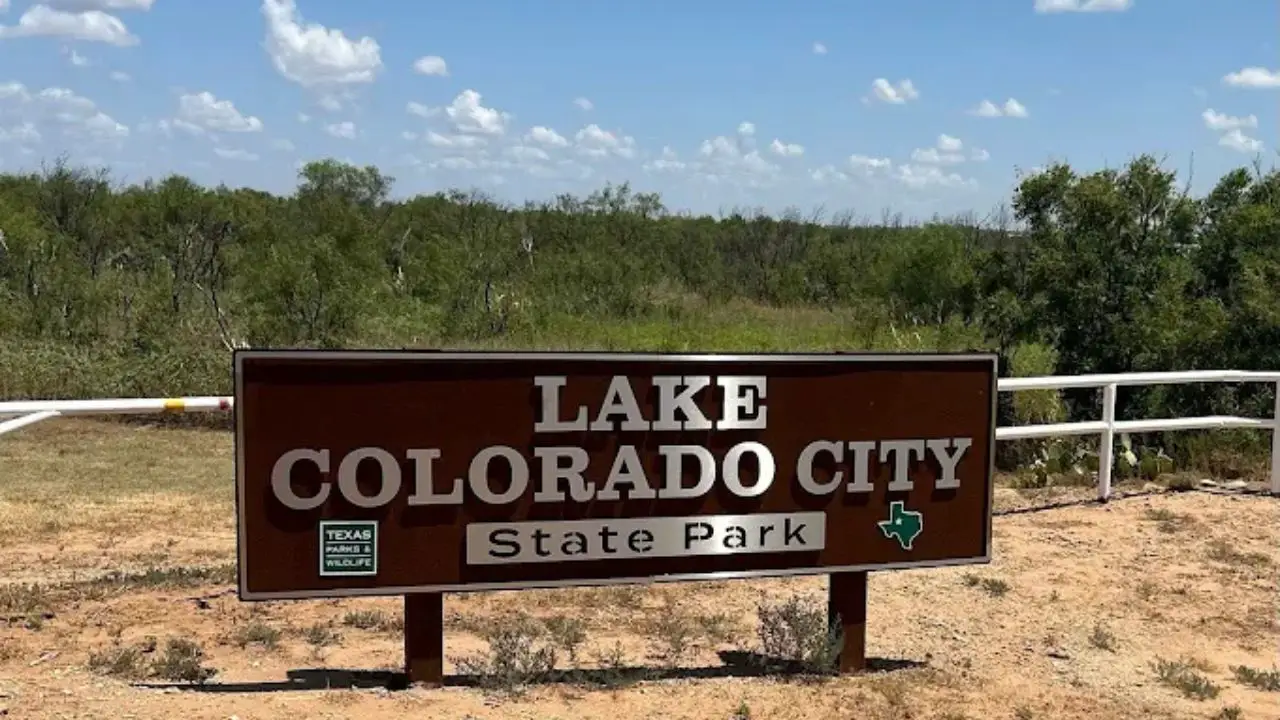
Lake Colorado City State Park: The Ultimate Visitor’s Guide to West Texas Solitude

You can hear the dry rustle of honey mesquite leaves long before you see the shimmer of the water at Lake Colorado City State Park; situated just off I-20, this 500-acre desert oasis offers a rare, quiet solitude that contrasts sharply with the buzz of the nearby highway.

Lake Colorado City State Park

Lake Colorado City State Park is open daily from 6 a.m. to 10 p.m., with a $4 daily entrance fee and zero fishing license requirements. This resource provides the tactical details you need for shaded camping, the most productive fishing piers, and the rugged terrain of the Rolling Plains.

Arriving with the right expectations at Lake Colorado City State Park is the first step toward a successful West Texas state parks journey. Proper planning ensures that your Lake Colorado City State Park visit remains efficient and focused on the recreational opportunities available in this desert oasis.

Camping at Lake Colorado City State Park: Cabins, Sites and Amenities

Securing a spot at Lake Colorado City State Park requires early planning, as the 110 available campsites frequently reach capacity during peak seasons. If you are bringing a heavy-duty RV or a simple tent, the landscape demands a specific strategy to handle the West Texas sun.

For more regional options, see our Lake Meredith guide. This ensures that you have alternative destinations in mind during peak travel periods.

The park offers 11 air-conditioned cabins and 110 developed campsites, ranging from water-only connections to full 50-amp electrical hookups for large-scale travelers. This capacity ensures that Mitchell County and Lake Colorado City State Park remain a viable destination for everything from primitive scouting trips to luxury motorhome retreats.

Every developed site provides access to centrally located restrooms featuring hot showers, which are meticulously maintained by the Texas Parks and Wildlife Department staff. The diversity of sites allows you to choose between the rugged limestone flats near the shore or the more protected mesquite loops further inland.

These facilities serve as the primary infrastructure for the park’s 500-acre footprint, providing a stable home base for multi-day fishing or birding excursions. Understanding the layout of these 110 sites is the key to managing the environmental challenges of the West Texas high-desert ecosystem.

Quick Tip: If you are planning a Tuesday or Wednesday visit in 2026, be prepared to pay your fees at the self-pay station or online, as the headquarters office is currently closed on those days. Proper management ensures the park remains accessible to the public even during mid-week administrative breaks.

Choosing the Best Shaded Campsites for West Texas Summers

In the high-desert climate of Mitchell County, shade is more than a luxury; it is a necessity for a comfortable afternoon. You should prioritize sites in the Rolling Plains and Mesquite camping loops, where the density of honey mesquite trees provides a natural canopy that can lower localized temperatures by several degrees.

When selecting your site on the TPWD reservation portal, look for “premium” water and electric sites that are positioned furthest from the rocky shoreline. These inland spots typically benefit from deeper soil that supports larger, more established trees compared to the sun-exposed limestone flats near the water’s edge.

You must also account for the prevailing West Texas winds when setting up your tent or awning. Orienting your camp toward the southeast allows for maximum airflow while the mesquite trees act as a natural windbreak against the dustier gusts coming off the plains.

If you enjoy unique desert landscapes, you may also want to explore Hueco Tanks State Park for more West Texas terrain. This provides a broader context for the geological diversity found across the Mitchell County region.

Lake Colorado City Cabin Rentals: Air-Conditioned Comfort

If you prefer a roof over your head, the park’s 11 air-conditioned cabins offer a significant upgrade in comfort without sacrificing the “oasis” experience. Each cabin is designed to accommodate small families or groups, providing a cool sanctuary from the midday heat while remaining within walking distance of the lake.

Reservations for these cabins are the most competitive in the park, often filling up months in advance during holiday weekends. [CONTACT PARK HEADQUARTERS FOR LATEST CABIN CONDITIONS: 325-728-3931] to ensure the specific unit you are booking meets your currently expected needs for accessibility and proximity to showers.

Staying in a cabin also grants you closer access to the group recreation hall, which features a commercial kitchen. Proper management makes the cabin loop at Lake Colorado City State Park an ideal base of operations for family reunions or larger fishing expeditions that require more extensive meal preparation space than a standard campfire allows.

Fishing Lake Colorado City: No-License Piers and Best Bass Spots

Anglers flock to this 1,618-acre reservoir because of its unique “no license” policy, which applies to any fishing done from the shore or the park’s fishing piers.

If you are exploring regional water-focused recreation, check our Cagle Recreation Area guide for more West Texas angling tips. This ensures that your fishing trips are paired with the best regional knowledge available.

The state’s policy allows you to fish within park boundaries without the overhead of a state fishing license, provided you remain on the bank or the designated piers. This creates a significant cost-saving opportunity for families who want to introduce children to the sport without committing to a full-year permit.

The lake itself was created in 1949 by damming Morgan Creek, originally serving as a vital cooling source for a nearby industrial power plant. This history at Lake Colorado City State Park has resulted in unique thermal patterns in the water that support a diverse population of largemouth bass, channel catfish, and sunfish year-round.

Lake Colorado City State Park Pier Fishing and Shore Options

By understanding these 1,618 acres of water, you can target specific species based on the season and the localized temperature fluctuations. Tactical depth is needed to exploit these conditions, from pier-based tactics to shore fishing strategies along the rocky Cactus Cut coastline.

For more planning tips on similar water-focused recreation, the Cagle Recreation Area provides a stable home base for multi-day fishing or birding excursions. This ensures that your fishing trips are paired with the best regional knowledge available.

Target Species: Largemouth Bass, Channel Catfish, Sunfish

Shore Fishing Strategies for Largemouth Bass and Catfish

Your best chance for catching largemouth bass is early in the morning when they move toward the shallow, rocky banks to feed on smaller sunfish. Focus your efforts near the stone slabs found along the shorelines of the Cactus Cut Trail, where the underwater structure provides perfect hiding spots for predatory fish.

For channel catfish, deep-water fishing near the dam or the southern end of the lake is typically more productive. Using stinkbaits or cut bait during the evening hours can lead to significant hauls, particularly during the warmer months when catfish are most active in the reservoir’s deeper pockets.

You should always check for golden alga updates before you cast your first line. TPWD monitors these blooms because they can occasionally impact the fish population between November and April each year.

Essential Gear for Fishing Morgan Creek Reservoir

While the state park offers a fishing equipment loaner program, bringing your own gear allows for more specialized tactics on this rugged water. Medium-action rods are versatile enough to handle both the heavier catfish and the more aggressive bass you will encounter near the piers.

Because of the rocky bottom near the shore, you should consider using weedless lures or topwater plugs to avoid snagging on submerged stone slabs. If you are fishing from the pier, bring a collapsible chair and a sturdy net, as the height of the pier makes landing a larger bass difficult without assistance.

Don’t forget to pack plenty of sun protection and water, even if you are only planning a short session. The reflective glare off Lake Colorado City State Park combined with the West Texas heat can lead to dehydration faster than many expected, especially when the breeze dies down in the afternoon.

Wildlife Viewing and Birding at Lake Colorado City State Park

For more planning tips on similar water-focused recreation, check our Cagle Recreation Area guide. Proper hydration and shade mapping are essential for any successful West Texas outing.

Lake Colorado City State Park Trail Maps and Navigation

Exploring the 500 acres of Lake Colorado City State Park requires a keen eye for the subtle beauty of the Rolling Plains ecoregion. The park’s trail system is designed to take you through different habitats, ranging from the open mesquite flats to the rugged shorelines of the Morgan Creek arm.

For more birding inspiration, see our Aransas National Wildlife Refuge guide. This helps you identify migratory patterns across the various Texas ecoregions and provides context for the species you will encounter.

These trails provide more than just a place to walk; they are a direct line to the region’s geological and biological history. By traversing the 500-acre footprint, you get to experience the transition between the high-desert plains and the oasis-like environment created by the reservoir’s 1,618 acres of water.

You should begin your navigation by picking up a physical trail map at the park headquarters or downloading a digital version prior to arrival. Planning ahead allows you to route your trip around current closures and the path most likely to provide the wildlife encounters you are seeking.

Focusing on birding hotspots or geological landmarks ensures that you make the most of your time in the Rolling Plains. Always check for trail alerts at the visitor center to avoid any unexpected detours in the northern sections of the park.

If you are a serious hiker or a casual birder, the park’s terrain offers a unique look at the Permian Basin’s stone history. The following breakdown covers the specific paths and viewing locations that make Lake Colorado City a vital stop on any West Texas nature tour.

Hiking the Cactus Cut Trail: Geological Wonders and Stone Slabs

The Cactus Cut Trail is the park’s signature route, offering an immersive look at the “stone slab” geology that defines this part of Texas. As you hike, you will traverse large, flat stones that tell the story of a region shaped by wind and ancient water flows.

This trail is particularly vibrant in the spring when native wildflowers emerge from the sandy soil between the rocks. You should wear sturdy, closed-toe shoes to protect against the prickly pear cactus and the occasional loose stone that can make for uneven footing during the steeper sections of the loop.

Be aware that as of early 2026, the Roadrunner Loop Trail remains closed for ongoing utility maintenance. Always check the official TPWD alerts before you start your hike to avoid any unexpected detours or dead-ends in the park’s northern trail network.

Birding on the Central Migratory Flyway: What Species to Spot

You should keep your binoculars ready for sightings of the colorful Painted Bunting or the striking Scissortail Flycatcher during the spring and summer months. The park’s quiet environment and water source attract a density of avian life that you won’t find in the surrounding agricultural lands.

Winter visitors will find a different but equally impressive cast of characters, including numerous waterfowl species that congregate on the lake. The reservoir provides a stable habitat for grebes, gulls, and various duck species that rely on Morgan Creek for survival.

This biological diversity makes the park a bucket-list destination for anyone interested in birding in Texas. You can see similar avian populations in our Aransas National Wildlife Refuge guide.

The 2024 Ownership Milestone: What Visitors Need to Know

December 19, 2024, marked a pivotal moment for Lake Colorado City State Park when the Texas Parks and Wildlife Department officially completed the purchase of the land from Vistra Corp. This $4 million acquisition ensures that this desert oasis remains open for public use forever.

For more state history, you might also enjoy visiting Palo Duro Canyon State Park. This canyon system offers a unique perspective on the geological and cultural history of the Texas Panhandle, much like the heritage preserved at Lake Colorado City State Park.

For over 50 years, the park had operated under a lease agreement, which created uncertainty about its long-term future. With the land now under state ownership, visitors can expect to see gradual improvements in infrastructure and conservation efforts that were previously restricted by the lease terms.

Why the TPWD Purchase from Vistra Corp is a Win for Travelers

Lake Colorado City State Park Property Ownership Details

The purchase of the 500-acre park land represents a significant investment in West Texas tourism and recreation. It protects the park from industrial development or private closure, guaranteeing that future generations will have a place to fish, swim, and camp in Mitchell County.

While TPWD now owns the park property, Vistra Corp retains ownership of the water in Lake Colorado City. This partnership remains intact, with an easement allowing continued public access to the lake for all recreational activities.

The easement ensures the park’s status as a top-tier fishing destination is preserved for travelers. Tactical awareness of these water rights helps visitors plan their boating routes without concern for private boundary changes.

For more state history, you might also enjoy visiting Palo Duro Canyon State Park. This canyon system offers a unique perspective on the geological and cultural history of the Texas Panhandle, much like the heritage preserved at Lake Colorado City State Park.

History of the “Mother City”: A Quick Guide to Colorado City, Texas

To truly appreciate the park, you must understand the history of Colorado City, known as the “Mother City of West Texas.” Founded in 1881 with the arrival of the Texas & Pacific Railway, it quickly became a massive cattle shipping hub that rivaled the biggest cities in the state.

The city’s heritage is still visible today in the local architecture and at the Heart of West Texas Museum. A visit to the park isn’t complete without a stop in town to see how the rail and cattle industry shaped the very landscape you now enjoy for recreation.

Booking Your Trip: Reservations, Fees and Visitor Guidelines

Entry into Lake Colorado City State Park is straightforward, but adhering to the current fee structure and reservation guidelines is essential for a stress-free arrival. Because the park often reaches capacity, showing up without a reservation can lead to being turned away at the gate.

The daily entrance fee is $4 for adults aged 13 and older, while children 12 and under are admitted free of charge. If you are traveling with a large group, you may be eligible for the adult group entrance fee of $2 per person.

Please coordinate your visit in advance to take advantage of these group rates. You can find similar fee structures and booking tips in our Balmorhea State Park guide.

Fee TypeCost (per person/day)
Adult (13+)$4.00
Child (12 and under)Free
Adult Group Rate$2.00

How to Secure Your Lake Colorado City State Park Reservations

The most efficient way to book your visit is through the official Texas State Parks online reservation system. Following these steps ensures your spot is guaranteed before you make the drive out to Mitchell County:

  1. Navigate to the official TPWD reservation portal up to five months in advance.
  2. Select your specific entry date and choose between day-use or overnight camping options.
  3. Specify your vehicle type and the total number of people in your party to calculate final fees.
  4. Complete the online payment and save your digital confirmation for presentation at the gate.

Current 2026 Park Fees and Entrance Requirements

As of April 2026, the park gate is open daily from 6 a.m. to 10 p.m. If you are planning a late arrival after 10 p.m., you must contact the park office at 325-728-3931 during regular business hours before your arrival date to receive specific entry instructions.

Remember that the park headquarters is currently closed on Tuesdays and Wednesdays. During these days, you must use the self-pay station near the visitor center or ensure your reservation was made online to guarantee your entrance without staff assistance.

Planning Your Lake Colorado City Visit: Safety, Shade and Best Times to Go

A successful trip to Lake Colorado City State Park depends heavily on your preparedness for the West Texas elements. The region’s beauty comes with certain environmental realities that require your attention to ensure the safety of your family and the preservation of the park.

From managing the extreme summer heat to staying informed about local lake alerts, a few proactive steps can prevent common mishaps. This is the final checklist you should review before heading out to the Mitchell County desert.

Surviving the Heat: West Texas Summer Safety Tips

Summer temperatures at Lake Colorado City regularly exceed 100 degrees, making hydration your top priority. You should carry at least one gallon of water per person per day and avoid strenuous hiking during the peak sun hours between 1 p.m. and 5 p.m.

Utilizing the park’s air-conditioned cabins or the shaded mesquite camping loops for afternoon breaks is a smart strategy. Always wear light-colored, breathable clothing and a wide-brimmed hat to minimize sun exposure while you are out by the water.

Proper gear ensures that you can safely enjoy the trails regardless of the localized seasonal temperatures. You can also consult our Goose Island State Park planning guide for more state park travel tips.

Critical Alerts: Understanding Burn Bans and Golden Alga Levels

As of April 2026, a strict burn ban is in effect throughout Mitchell County, meaning no wood or charcoal fires are permitted within the state park. You may still use containerized fuel stoves, such as propane grills, for cooking at your campsite or in the picnic areas.

You should also stay informed about current lake levels, which are monitored daily. These levels are typically more consistent between November and April each year, but checking the latest reports will help you manage your fishing expectations for the trip.

Lake Colorado City State Park offers a unique blend of historical significance and desert tranquility that few other Texas destinations can match. By following these tactical guidelines, you are ready to experience the quiet beauty of one of West Texas’s most resilient state parks.

Frequently Asked Questions

Is Lake Colorado City State Park open year-round?

Yes, Lake Colorado City State Park is open every day of the year. The park gates remain open from 6 a.m. to 10 p.m., though the headquarters may have variable hours on certain weekdays.

For more regional travel planning, you can also view our Cleburne State Park visitor guide. Proper planning ensures that your visit remains efficient regardless of the seasonal fluctuations.

Do you need a fishing license at Lake Colorado City State Park?

No, you do not need a fishing license to fish from the shore or the park’s fishing pier. This “Free Fishing in State Parks” policy allows all visitors to enjoy angling without a permit within park boundaries.

Are dogs allowed at Lake Colorado City State Park?

Yes, pets are welcome at the park but must be kept on a leash no longer than six feet at all times. Pets are prohibited inside park buildings and within designated swimming areas for safety and sanitation.

What are the current entrance fees for 2026?

Entrance fees are $4 for adults (13+) and free for children 12 and under. If you have a Texas State Parks Pass, entrance fees are waived for everyone in your vehicle.

Are there boat rentals available at the lake?

Yes, the park typically offers kayak and paddleboard rentals through the park store or headquarters. It is recommended to contact the park directly at 325-728-3931 to confirm current seasonal availability.

Is swimming allowed at Lake Colorado City State Park?

Yes, swimming is permitted in the designated swim area, though there is no lifeguard on duty. You should always check for current water quality alerts or golden alga blooms before entering the water.

Similar Posts

Leave a Reply

Your email address will not be published. Required fields are marked *