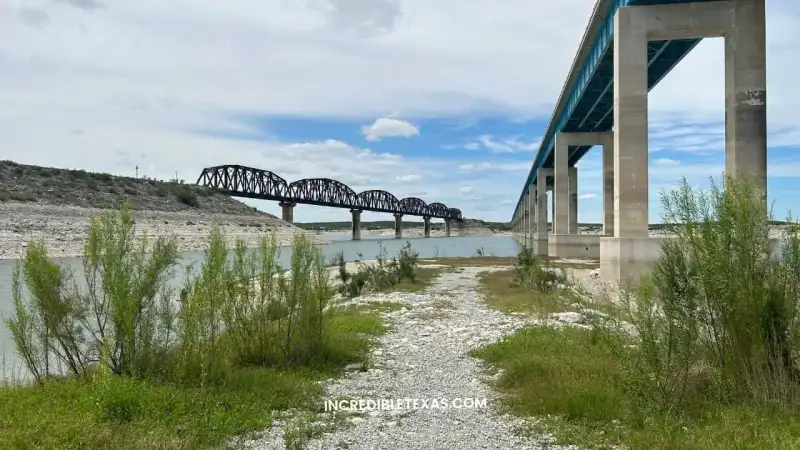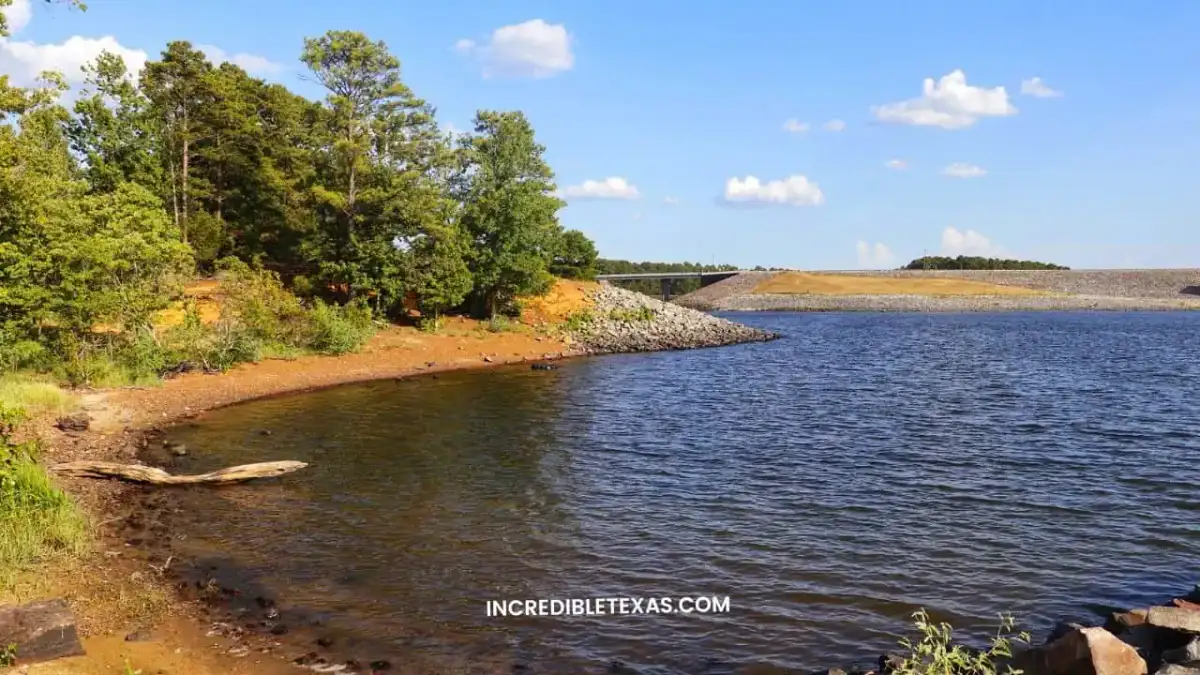
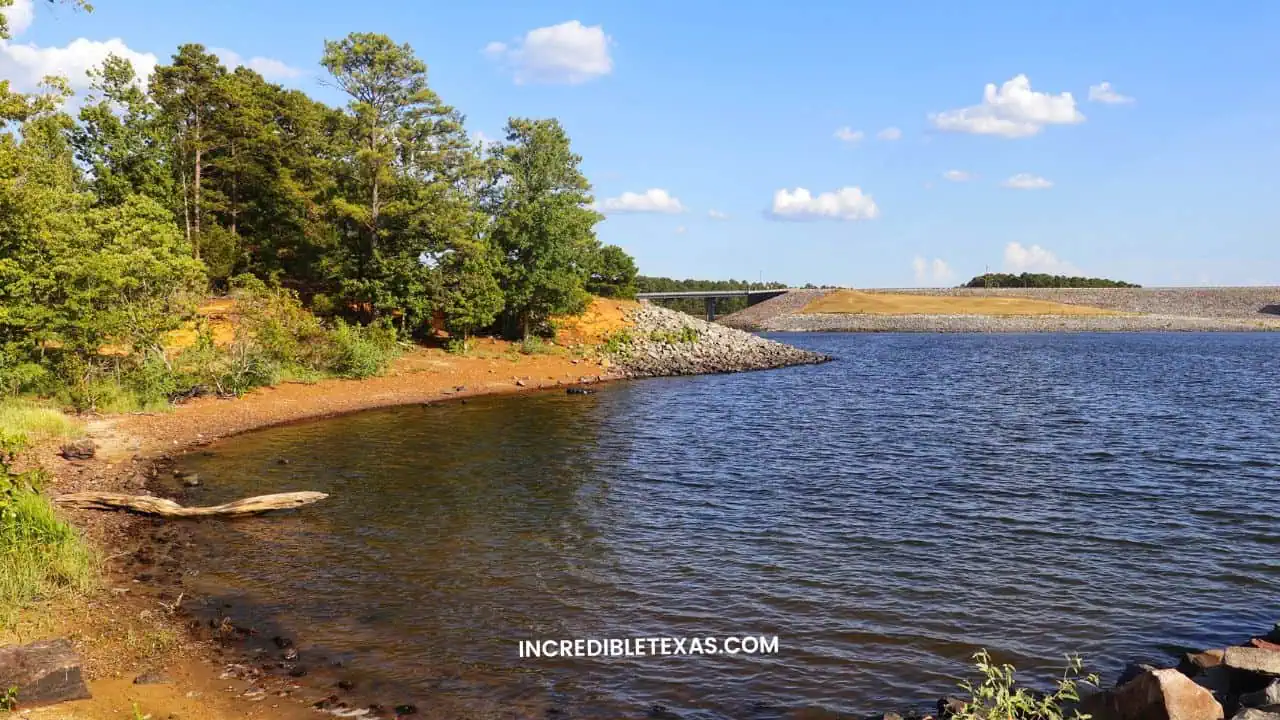
Lake O’ the Pines is an expansive pine-shaded reservoir in Northeast Texas for travelers seeking quiet water, expansive Corps of Engineers campgrounds, and exceptional bass and crappie fishing. Located just eight miles west of Jefferson and 25 miles northeast of Longview, this impoundment combines protected public coves with convenient access to historic Pineywoods communities.
Key takeaways
- Lake O’ the Pines covers 16,919 surface acres across Marion, Morris, Upshur, and Camp counties, impounded by Ferrell’s Bridge Dam on Big Cypress Creek.
- The U.S. Army Corps of Engineers operates four major developed campgrounds, with standard electric and water RV sites priced between $18 and $44 per night on Recreation.gov.
- Boaters can access Lake O’ the Pines through 16 public boat ramps, including 12 day-use facilities with a $3 launch fee and five free Corps-maintained launch sites.
- Anglers must follow a mandatory winter crappie retention rule from December 1 through the last day of February, requiring the first 25 fish caught to be kept regardless of size.
Successful trips require matching your specific recreation goals with the proper shoreline park. Because the reservoir stretches across four counties, driving between opposite shores can take more than 30 minutes. Choosing the right park entrance before setting out saves valuable recreation time on the water.
What Is Lake O’ the Pines and Where Is It Located?
Lake O’ the Pines is a 16,919-acre federal reservoir located eight miles west of Jefferson and 25 miles northeast of Longview in Northeast Texas. Impounded by Ferrell’s Bridge Dam along Big Cypress Creek, the lake features 144 miles of pine-fringed shoreline across four East Texas counties.
According to the official Water Data for Texas Lake O’ the Pines Reservoir Status, the impoundment maintains a conservation storage capacity of 241,363 acre-feet at a normal pool elevation of 228.5 feet above mean sea level. The U.S. Army Corps of Engineers Fort Worth District completed construction on Ferrell’s Bridge Dam in 1959 to provide flood risk management, regional municipal water supply, and public recreation.
The lake spreads across Marion, Morris, Upshur, and Camp counties. Unlike commercialized urban reservoirs bordered by private residential bulkheads, Lake O the Pines Texas retains a heavily forested shoreline managed under federal park guidelines. Loblolly pines, sweetgums, and water oaks frame quiet coves where migratory waterfowl and bald eagles winter.
Visitors can easily combine an outdoor weekend on the water with visits to charming historic East Texas towns like Jefferson and Marshall. For travelers mapping an extended tour of Lake O’ the Pines East Texas, this Pineywoods setting offers an appealing alternative to more crowded Central Texas destinations.
Lake O’ the Pines Campgrounds at a Glance
Choosing among Lake O’ the Pines campgrounds depends on whether your group needs full 50-amp electrical hookups for large trailers, isolated tent sites beneath the trees, or direct waterfront swim beaches. The following comparison highlights the primary federal recreation areas operated around the reservoir.
| Campground / Recreation Area | Shoreline Location | Site Types & Hookups | Nightly Fee Range | Boat Ramp & Beach | Best For |
|---|---|---|---|---|---|
| Johnson Creek Park | Northwest Shore (FM 726) | 50-Amp RV, Screened Shelters | $18 – $44 ($150 Group) | 2-Lane Ramp, Swim Beach | Large RVs & Family Reunions |
| Brushy Creek Park | North Central Shore (FM 726) | 30/50-Amp RV & Tent Sites | $18 – $44 | 2-Lane Ramp, Swim Beach | Shaded Waterfront Camping |
| Alley Creek Park | South Shore (FM 729) | Water/Electric & Primitive Sites | $18 – $44 ($150 Group) | 2-Lane Ramp, Swim Beach | Quiet Angler Campsites |
| Buckhorn Creek Park | South Shore near Dam | Water/Electric RV & Tent Sites | $18 – $44 | 2-Lane Ramp, Courtesy Dock | Protected Cove Mooring |
| Lakeside Day Use Park | Southern Dam Embankment | Day-Use Pavilions & Tables | $1 – $4 (Day Use Only) | Multi-Lane Ramp, Swim Beach | Afternoon Picnics & Swimming |
Best Campgrounds at Lake O’ the Pines: RV Sites and Tent Camping
Campers at Lake O’ the Pines can choose from four developed federal campgrounds operated by the U.S. Army Corps of Engineers, offering 30-amp and 50-amp electrical hookups, potable water, modern shower facilities, and lakefront campsites starting at $18 per night on Recreation.gov.
All overnight camping at Lake O’ the Pines Texas requires advance booking through the Recreation.gov Lake O’ the Pines Campground Reservation Portal. The reservation window opens six months ahead of your planned arrival date, and prime waterfront sites regularly book out months in advance for holiday weekends.
Johnson Creek Campground: Full RV Hookups and Group Shelters
Johnson Creek Lake O’ the Pines functions as the flagship destination for RV campers on the northwest shoreline. It features the highest proportion of 50-amp electrical pads, making it the top choice among Lake O’ the Pines RV parks for fifth wheels and motorhomes.
The facility contains paved loop roads, modern restrooms with hot showers, two dump stations, and a dedicated swimming beach. Screened shelters and a private group camping area accommodate multi-family gatherings with dedicated picnic pavilions and charcoal grills.
- Hookups: 30-amp and 50-amp electric with pressurized municipal water at individual pads.
- Amenities: Flush toilets, hot showers, dump station, playground, and designated swimming area.
- Launch Access: Lighted concrete boat ramp with courtesy dock and dedicated boat trailer parking.
- Reservation Note: Standard sites cost $18 to $44 per night; group areas rent for $150 per night.
Brushy Creek Campground: Deep Pine Shade and Waterfront Campsites
Brushy Creek Lake O’ the Pines provides exceptional pine shade along the northern perimeter of the reservoir off FM 726. The park offers both developed RV pads and shoreline tent sites set against quiet backwater coves.
Many sites in loop B and loop C feature direct shoreline access where campers can tie off bass boats or kayaks overnight within sight of their picnic tables. The campground remains quieter than Johnson Creek during peak summer months.
- Hookups: 30-amp electric connections with water spigots shared between adjacent sites.
- Amenities: Restroom facilities with private shower stalls, fish cleaning station, and playground.
- Day-Use Area: Separate day-use zone with covered picnic tables and a protected swim beach.
- Ideal Rig Size: Well-suited for pop-ups, travel trailers under 32 feet, and tent campers.
Alley Creek and Buckhorn Creek: Quiet Coves and Tent-Friendly Loops
Anglers seeking quick water access often favor Alley Creek Campground on the southern shore off FM 729. Its position along mid-lake points allows bass fishermen to reach primary creek channels within minutes of launching.
Buckhorn Creek Campground sits on a protected cove near the dam. The park offers secluded shoreline sites surrounded by dense pine timber, providing an unhurried atmosphere for travelers comparing Corps parks to state facilities like Lake Bob Sandlin State Park.
Tip
Campers with America the Beautiful Senior or Access passes receive an automatic 50 percent discount on camping fees when booking federal sites through Recreation.gov.
Lake O’ the Pines Boat Ramps: Launch Locations and Fee Schedules
Boaters have access to 16 Lake O’ the Pines boat ramps distributed around the perimeter, including 12 day-use facilities charging a $3 launch fee and five free Corps-maintained launch sites. Most developed ramps feature courtesy docks, paved parking, and protective breakwaters.
Boaters can verify real-time ramp status, courtesy dock conditions, and ramp closures directly through the Texas Parks and Wildlife Lake O’ the Pines Public Boat Ramp Directory. Launching conditions remain reliable at primary Corps parks even when seasonal lake fluctuations impact shallower municipal ramps.
Fee vs. Free Public Launch Ramps
Developed parks charge a $3 daily boat launch fee payable at automated credit card pay stations or iron fee tubes near the ramp gate. These facilities provide paved turnaround loops, lighted parking spaces, and courtesy docks for boarding passengers safely.
Budget-conscious boaters can take advantage of five completely free public launch ramps maintained by the Corps and Marion County:
- Free Public Ramps: Cedar Springs, Hurricane Creek Ramp, Oak Ridge, Woodie’s Ramp, and Copeland Creek.
- Fee Parks ($3 Launch): Johnson Creek, Brushy Creek, Alley Creek, Buckhorn Creek, and Lakeside Day Use.
- Private Marinas: Island View Marina and Big Cypress Marina charge private launching fees and offer non-ethanol marine fuel.
Navigating Timber Hazards and Submerged Channels
Navigating the reservoir requires caution once boaters travel north of the FM 726 bridge or enter backwater tributary arms. The Corps intentionally left extensive stands of standing timber and stump fields submerged when Ferrell’s Bridge Dam was completed in 1959.
Boaters should remain inside marked navigation buoys when running on plane along the main river channel. Trimming down the outboard motor and idling is recommended when venturing into shallow coves or crossing submerged creek beds.
Under Texas state law, all watercraft operators must drain all water from livewells, bilges, and engine cooling systems before entering or departing public waters to stop the spread of invasive zebra mussels and giant salvinia.
Fishing Lake O’ the Pines: Species, Structure, and Winter Crappie Rules
Anglers should study Lake O’ the Pines fishing regulations before targeting largemouth bass, crappie, and channel catfish around the reservoir’s extensive hydrilla beds and deep timber channels. Under Texas Parks and Wildlife regulations, anglers must keep the first 25 crappie caught between December 1 and February 28/29 regardless of length.
The reservoir’s diverse aquatic vegetation covers roughly 15 to 20 percent of the lake surface during late spring and summer. Hydrilla, coontail, American lotus, and buttonbush provide cover for baitfish and game species across both shallow flats and deep creek contours.
Before heading out onto the water, anglers must confirm their Texas freshwater fishing license requirements and purchase an endorsement unless qualifying for age-based resident exemptions.
Bass and Catfish Tactics by Seasonal Structure
Largemouth bass fishing peaks in spring when fish move onto shallow sandbars and secondary points in three to eight feet of water. Anglers throw spinnerbaits, chatterbaits, and soft-plastic lizards around shoreline cypress knees and submerged hydrilla edges.
During summer, largemouth bass relocate to deep timber contours, humps, and submerged roadbeds in 15 to 25 feet of water. Football jigs, deep-diving crankbaits, and Texas-rigged ten-inch worms produce consistent bites along the inundated Big Cypress river channel.
Catfish anglers find productive action drifting live shad or prepared stinkbait along flat points near the dam. Blue catfish and channel catfish remain active year-round, while flathead catfish are frequently taken on live sunfish set lines in creek timber.
Winter Crappie Harvest and Live Bait Transport Rules
According to the official Texas Parks and Wildlife Lake O’ the Pines Fishery Profile, the reservoir operates under a special mandatory winter crappie harvest rule to reduce discard mortality:
- Special Winter Rule (Dec 1 – Feb 28/29): There is no minimum length limit for black or white crappie. Anglers must keep the first 25 crappie they catch each day, regardless of size.
- Standard Season (March 1 – Nov 30): The standard statewide crappie regulation applies with a 10-inch minimum length and a 25-fish daily bag limit.
- Largemouth Bass Regulation: Statewide harvest rules apply with a 14-inch minimum length limit and a 5-fish daily bag limit.
- Nongame Transport Restriction: In Big Cypress Bayou downstream from Ferrell’s Bridge Dam, possession and transport of live nongame fish is strictly prohibited to protect downstream Caddo Lake waterways.
Tip
Deep-water crappie caught from depths exceeding 20 feet frequently suffer fatal barotrauma. The mandatory winter retention regulation ensures these caught fish count toward daily table harvest rather than dying upon release.
Swimming Beaches, Lakeside Day Use, and Park Pass Discounts
Visitors looking for a Lake O’ the Pines swim beach can head to designated sandy shorelines at Johnson Creek, Brushy Creek, Alley Creek, or Lakeside Day Use Park. Lake O’ the Pines day use vehicle admission costs between $1 and $4, with America the Beautiful pass holders receiving a 50 percent fee reduction.
Swimmers should be aware that all designated beaches operate under swim-at-your-own-risk guidelines without lifeguards present. Wearing coast-guard-approved life jackets is strongly encouraged for children and weak swimmers due to sudden drop-offs near old creek banks.
Lakeside Day Use Park and Beach Amenities
Lakeside Day Use Park sits on the southern shoreline adjacent to Ferrell’s Bridge Dam. It serves as the primary day-use recreation facility on the lake for visitors not staying overnight in a campground.
The park offers large covered group picnic pavilions, individual shaded tables with charcoal grills, modern restrooms, a sand volleyball court, and an expansive swim beach. Paved parking spaces provide direct access to the courtesy docks and multi-lane boat launch ramp.
Park Gate Schedules and America the Beautiful Pass Discounts
Recreation gates at developed Corps parks operate under set seasonal hours to maintain public safety and minimize nighttime campground disturbance. Park staff lock entrance gates at 10:00 PM nightly, reopening them at 6:00 AM each morning.
Visitors can confirm current park hours and gate operational updates through the US Army Corps of Engineers Lake O’ the Pines Project Office at (903) 665-2336.
Standard day-use entry fees are set at $1 per pedestrian or bicycle and a maximum of $4 per private passenger vehicle. Holders of an America the Beautiful Senior, Access, or Military Pass receive a 50 percent discount on both day-use entry fees and overnight campsite rentals.
Water Levels, Weather Seasons, and Reservoir Safety
The reservoir maintains a normal conservation pool of 228.5 feet above mean sea level, but spring storms and summer droughts can alter shoreline access, ramp usability, and submerged hazard visibility. Checking real-time water data before launching ensures boat props remain clear of stump fields.
Spring brings mild weather and prime spawning conditions for bass and crappie, but severe thunderstorms can cause rapid water level rises along Big Cypress Creek. During periods of heavy inflow, the Corps may release high volumes of water through Ferrell’s Bridge Dam, generating strong currents near the spillway intake.
Summer temperatures routinely exceed 95 degrees from late June through August. Boaters and paddlers must bring plenty of fresh drinking water, broad-spectrum sun protection, and breathable shade tarps. Pine pollen blankets the lake surface in early April, while autumn offers cool nights, clear skies, and stable lake elevations.
Winter water temperatures drop into the upper 40s and low 50s. Cold-water shock poses a serious hypothermia risk to anglers in small watercraft, making life jackets essential gear whenever boats are underway.
Easy East Texas Itineraries from Jefferson, Longview, and Marshall
Combining an outdoor retreat with nearby Pineywoods towns creates a well-rounded getaway, pairing morning lake recreation with afternoon shopping in historic Jefferson, dining in Longview, or pottery tours in Marshall just 20 to 30 minutes away.
The reservoir’s location makes Lake O the Pines Jefferson TX routes a versatile hub for weekend road trips originating anywhere in the Dallas-Fort Worth metroplex or Shreveport area.
The Historic Jefferson and Lake Weekend Route
Historic Jefferson lies just eight miles east along FM 729 and Highway 49. In the mid-19th century, Jefferson served as a major inland riverboat port connecting East Texas agriculture to New Orleans via Big Cypress Bayou.
Today, brick-paved streets, historic bed-and-breakfast inns, antique shops, and local barbecue smokehouses offer a relaxing change of pace after a morning on the water. Visitors can tour the Jefferson Historical Museum or board a narrated steamboat cruise along Big Cypress Bayou.
- Friday Afternoon: Arrive at Johnson Creek or Brushy Creek, set up camp, and launch boats for a sunset crappie session around the timber coves.
- Saturday Morning: Early morning bass fishing along the submerged river channel, followed by swimming and picnicking at Lakeside Day Use Park.
- Saturday Afternoon: Drive 15 minutes into Jefferson for lunch, antique shopping, and walking tours of Victorian historic homes.
- Sunday Morning: Cook breakfast under the pine canopy, pack up camp, and take a scenic return drive along the Texas Wildflower Trail routes toward Marshall.
Regional State Park Day Trips
Travelers spending an extended week in the Pineywoods can easily use the reservoir as a comfortable base camp while visiting other public parklands in the Cypress Basin.
Located 35 minutes southeast, Caddo Lake State Park features ancient bald cypress swamps draped in Spanish moss, providing a striking contrast to the open pine-lined waters here. Paddling the marked canoe trails of Caddo Lake offers an unforgettable day trip before returning to your Corps campsite.
When Lake O’ the Pines Is the Right Pick
This pine-bordered waterway is the ideal destination for travelers who want uncrowded Pineywoods waters, affordable federal campgrounds, and diverse boat launch access. It satisfies groups seeking a relaxed blend of angling, lake swimming, and quiet pine forest scenery without commercial noise.
Choose this lake if:
- You want clean federal RV campsites with 50-amp power and hot showers starting under $30 per night.
- You enjoy fishing for largemouth bass, channel catfish, and crappie around submerged timber and hydrilla beds.
- You prefer launching from uncrowded public ramps rather than crowded marina docks.
- You want to pair lake outings with antique shopping and dining in historic Jefferson.
Choose a different lake if:
- You require crowded lakefront restaurants, live music marinas, and nightlife.
- You plan to run high-speed wake boats in wide open, timber-free basins.
The reservoir remains one of East Texas’s most reliable freshwater resources. Anglers comparing Pineywoods fisheries can benchmark this reservoir against other celebrated impoundments in our comprehensive guide to the best fishing lakes in Texas.
Frequently Asked Questions About Lake O’ the Pines
Is Lake O’ the Pines good for swimming?
Lake O’ the Pines offers designated swimming beaches with sandy shorelines and buoyed swimming boundaries at Johnson Creek, Brushy Creek, Alley Creek, and Lakeside Day Use Park. Swimmers should note that lifeguards are not on duty and swimming conditions vary with seasonal reservoir elevations.
Do you need reservations for camping at Lake O’ the Pines?
Reservations are required for standard campsites at all U.S. Army Corps of Engineers campgrounds around the lake and must be booked online through Recreation.gov. While unreserved sites can occasionally be booked upon arrival if vacant, weekend slots from spring through autumn typically sell out weeks in advance.
How many boat ramps are at Lake O’ the Pines?
The lake features 16 public boat ramps, consisting of 12 day-use launch facilities and four dedicated campground ramps operated by the U.S. Army Corps of Engineers and local marinas. Five of these public launch ramps are completely free to use, while developed parks charge a modest three-dollar daily launch fee.
What fish are in Lake O’ the Pines?
Lake O’ the Pines supports abundant populations of largemouth bass, spotted bass, black and white crappie, channel catfish, blue catfish, and chain pickerel. Anglers target submerged timber, hydrilla beds, and bridge pilings across the mid-lake and upper creek arms.
Where is Lake O’ the Pines located in Texas?
Lake O’ the Pines is located in Northeast Texas roughly eight miles west of historic Jefferson and 25 miles northeast of Longview. The reservoir sits along Big Cypress Creek and spans portions of Marion, Morris, Upshur, and Camp counties.