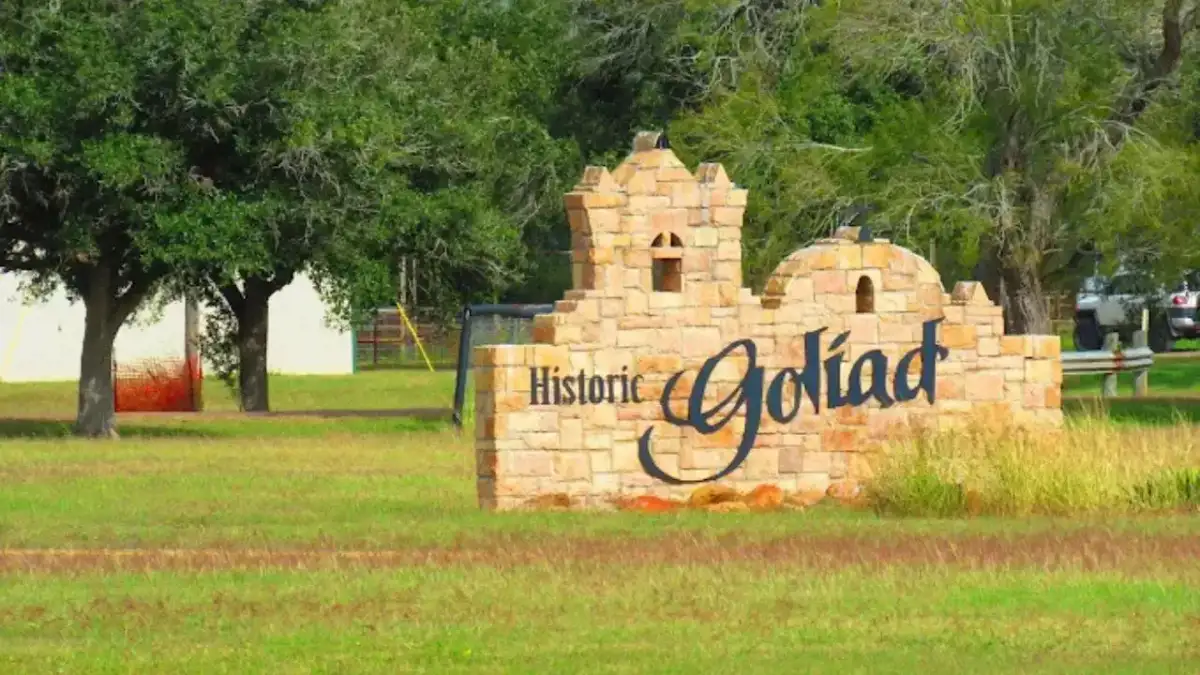
Goliad State Park & Historic Site: History, Camping, and River Adventure
The limestone walls of Mission Espíritu Santo glow with a stark, bone-white intensity against the South Texas sky, a monument to a 1749 relocation that changed the course of Texas ranching forever. Goliad State Park & Historic Site offers daily tours of this restored 18th-century mission, with entrance fees set at $4 for adults and campsites ranging from full-hookup RV loops to river-side tent spots.

You will find everything needed for a perfect visit below: campsite rankings, paddling trail logistics, the history of the Goliad Massacre, and how to hike the Angel of Goliad trail. While the Goliad missions are iconic, you can find a similar colonial atmosphere by exploring Mission San Jose in San Antonio for a broader look at mission life.
Plan Your Visit: Goliad State Park Reservations, Fees, and Hours
You can access Goliad State Park & Historic Site gates daily from 8 a.m. to 10 p.m., while the primary mission complex and headquarters follow a traditional 8:30 a.m. to 4:30 p.m. schedule. Entrance fees are strictly $4 for adults aged 13 and older, with children 12 and under entering for free, making it a highly accessible destination for families and budget-conscious travelers.
You should secure your day-use passes or overnight camping slots through the Texas Parks and Wildlife Department online portal to avoid being denied entry during high-capacity weekends. The park frequently hits maximum visitor counts during the mild South Texas winters, particularly when historical commemorative events draw larger crowds to the Goliad historic district.
You pay this flat daily rate even if you are staying in a paid overnight campsite, as the historical site and recreational day-use fees are bundled into a single entry pass. If you carry a Texas State Park Pass, you can bypass these daily entry costs for your entire vehicle, providing significant savings for frequent visitors of the state park system.
| Visitor Group | Daily Entrance Fee |
|---|---|
| Adults (13+) | $4.00 |
| Children (12 and under) | Free |
| Texas State Park Pass Holders | Free |
How to Secure Goliad State Park Reservations During Peak Season
You must plan your trip at least three to five months in advance if you intend to visit between December and March, which is the undeniable peak season for South Texas. The cooling temperatures draw thousands of RV travelers and history buffs who fill the Karankawa and Jacales camping loops long before the arrival dates.
You can check for last-minute cancellations on the TPWD portal, but relying on walk-in availability is risky and often results in a “Park at Capacity” sign. If you are traveling as part of a group larger than 10 people, contact the park headquarters directly at 361-645-3405 to coordinate your entry and ensure the mission museum is prepared for your party.
Current 2026 Entrance Fees and State Park Pass Savings
You pay a flat $4 daily rate which grants you access to both the recreational side of the park and the historic Mission Espíritu Santo grounds. This fee applies to every member of your party 13 and older, and you will need to pay it even if you are already paying for an overnight campsite.
You will save significantly if you carry a Texas State Park Pass, which waives the daily entry fee for everyone in your vehicle at Goliad and every other state park for a full year. If you plan on visiting more than two or three parks in a single season, the $70 annual pass pays for itself through eliminated entrance fees and a 50% discount on your second night of camping.
The History and Restoration of Mission Espíritu Santo
Mission Nuestra Señora del Espíritu Santo de Zúñiga settled at its current Goliad location in 1749 after two previous attempts to establish a permanent presence near Matagorda Bay and the Guadalupe River. You are exploring the final and most successful iteration of a Spanish mission designed to Christianize local Indigenous groups while securing the Spanish claim to the Texas frontier.
You will see some of the finest examples of colonial reconstruction in the United States here, as the mission fell into complete stone ruin following the mission secularization movement of the 1830s. Every stone wall and hand-forged gate you see today was painstakingly restored by the Civilian Conservation Corps (CCC) between 1935 and 1941 to preserve the site’s historical integrity.
This level of preservation is comparable to other coastal heritage sites like the Fulton Mansion State Historic Site, which also captures a specific era of South Texas architectural growth. You can tour the interior of the mission chapel and the granary to see original artifacts and learn about the daily routines of the friars and Indigenous residents.
Quick Tip: Attend a ranger-led tour of the mission chapel to hear the acoustics that Spanish friars designed specifically for liturgical chants in the 1700s.
Why Goliad is the True Birthplace of Texas Ranching
You are standing on the ground where the modern Texas cattle industry was effectively born, as Mission Espíritu Santo managed the largest cattle operation in the entire Spanish colonial frontier. At its administrative peak in 1778, the mission’s Indigenous vaqueros supervised a staggering 40,000 head of free-roaming cattle across the South Texas brush, a figure verified by the National Park Service records.
You can trace the roots of the American cowboy directly to these mission-trained vaqueros who developed the roping, riding, and branding techniques that would eventually define the Lone Star State. The mission served as a vital supply hub, sending beef and livestock as far east as Louisiana and supporting the burgeoning Spanish settlements across San Antonio.
Exploring the CCC Craftsman Legacy in Goliad Architecture
You will notice a distinct level of detail in the mission’s stonework and iron fixtures that reflects the incredible craftsmanship of the Civilian Conservation Corps workers during the Great Depression. These men worked for six years to restore the mission, often quarrying local limestone and forging hand-crafted hinges to ensure the aesthetic remained historically accurate.
You should take a moment to look at the museum displays inside the mission, where you can see photos of the original ruins before the CCC began their monumental task. The restoration was so successful that the site was elevated to a State Historic Site, preserving the legacy of both the Spanish colonizers and the 20th-century workers who saved the walls from vanishing.
Camping at Goliad State Park: Karankawa vs. Jacales Loops
You have 188.5 acres of recreational space to explore at Goliad, divided primarily between the Karankawa and Jacales camping loops that overlook the San Antonio River valley. Each loop offers a distinct lodging experience, ranging from full-hookup RV pads designed for large motorhomes to secluded tent sites surrounded by ancient South Texas oak and Pecan trees.
You will find that the facilities at Goliad represent a high standard for the state park system, with multiple modern restroom and shower stations located within walking distance of all major campsites. This infrastructure allows you to enjoy the wilderness and historical atmosphere of the park without sacrificing the basic comforts required for a multi-day family camping getaway.
You are experiencing a standard of care and historical preservation similar to the Lake Brownwood State Park visitor experience, often noted for its excellent CCC-built facilities and clean grounds. Whether you are hauling a 40-foot trailer or pitching a single tent, you should prepare for the unique high-bank river environment that defines Goliad’s geography.
| Camping Area | Hookups Available | Best For |
|---|---|---|
| Karankawa Loop | Full (Water, Electric, Sewer) | Large RVs and Motorhomes |
| Jacales Loop | Water & Electric (30-amp) | Tent Camping & Travel Trailers |
| Screened Shelters | Electric | Group Stays & Comfort Camping |
Best RV Campsites in the Karankawa Loop
You should prioritize the Karankawa loop if you are driving a motorhome that requires 50-amp power and full sewer connections, which are surprisingly rare in parks of this size. These sites are mostly pull-throughs, making them the preferred choice for beginner RVers who want a stress-free parking experience without compromising on modern amenities.
You will find that sites 1 through 10 offer the best shade from ancient South Texas oaks, while the outer edge of the loop provides more privacy from your neighbors. The proximity to the park headquarters makes this area the most convenient for checking in and out, but it can be noisier during the day when sightseeing traffic is at its highest.
Tent Camping and Screened Shelters near the San Antonio River
You will find the Jacales loop to be much quieter and more immersive for tent camping, with several sites offering direct views and access to the river’s high banks. These sites include water and 30-amp electric hookups, providing a “best of both worlds” scenario for those who want a primitive feel with the luxury of a powered campsite.
You can also book one of the five screened shelters if you want protection from South Texas insects without the hassle of a traditional tent setup. These shelters are extremely popular during the muggy transition months of spring and fall, so you should check their availability on the TPWD portal as early as possible before your arrival.
Outdoor Adventure: Paddling the Goliad Trail and the San Antonio River
The San Antonio River flows directly through Goliad State Park, offering a quiet and scenic corridor for kayaking, canoeing, and shore fishing away from the mission’s bustling historical center. This section of the river is known for its steady, moderate flow, making it an ideal environment for families and novice paddlers who aren’t looking for whitewater thrills.
You can launch your own watercraft from the designated concrete ramps within the park, or use Goliad as a primary take-out point for longer excursions from upstream bridge crossings. The high banks provide a unique perspective on the South Texas brush country, with several miles of tree-lined water that feels worlds away from the nearby highways and city centers.
You should check current river conditions before you put in by verifying San Antonio River flow rates at waterdata.usgs.gov to ensure the water is at a safe and navigable level for your specific equipment. If you enjoy river environments, you might also find the Falcon State Park fishing and paddling options worth a visit on your next trip south.
Kayaking and Canoeing the Goliad Paddling Trail
You will find the Goliad Paddling Trail to be one of the most accessible river runs in the state, offering several miles of tree-lined water that feels worlds away from the nearby highways. The trail is marked with GPS-friendly signs and provides ample opportunities to spot local wildlife, including river turtles and occasionally alligators along the muddy banks.
- Launch your kayak at a designated upstream point such as the US 59 bridge or a private livery.
- Paddle downstream toward the state park, keeping an eye out for the historic mission tower visible above the treeline.
- Use the park’s concrete take-out ramp to safely exit the water and return to your campsite.
Fishing the San Antonio River: No License Required Rules
You do not need a fishing license to cast a line from the shore within Goliad State Park, as the site participates in the “Free Fishing in State Parks” program. This makes it an excellent place to introduce children to the sport without the overhead cost of multiple annual licenses or expensive permits.
You can even borrow rods, reels, and tackle boxes from the park headquarters through the Texas Tackle Loaner Program if you didn’t bring your own gear. The river is home to various catfish species, sunfish, and occasionally bass, providing plenty of action for those willing to spend a quiet afternoon on the riverbank.
Hiking and Nature: The Angel of Goliad and Park Nature Trails
You will explore a diverse South Texas landscape of brush country and river bottomland across the park’s multiple hiking and biking trails that connect the wilderness to the town. The trails are mostly flat and well-maintained, but you should always bring plenty of water, as the South Texas sun can be unforgiving even during the winter months.
| Trail Name | Length | Type | Key Feature |
|---|---|---|---|
| Angel of Goliad Trail | 2.5 Miles | Hike & Bike | Statue & Connection to Downtown |
| Aranama Nature Trail | 0.5 Miles | Hike | South Texas Brush & Bird Blind |
| River Trail | 0.7 Miles | Hike | San Antonio River Overlooks |
You can choose between focused nature walks near the campgrounds or more expansive historical treks that lead you outside the park’s main gates toward the historic Goliad square. The 188.5-acre property provides enough variety to keep you active for a full weekend, offering sightings of local wildlife such as armadillos and white-tailed deer along the river banks.
You will find the trails here are designed to highlight both the ecological and historical significance of the region, ensuring that every hike provides an educational experience alongside the physical activity. Whether you are a dedicated birdwatcher or a casual walker, the path system at Goliad provides a seamless transition between the mission’s stone walls and the natural scrubland.
A Walker’s Guide to the Angel of Goliad Hike and Bike Trail
You will find the 2.5-mile Angel of Goliad Hike and Bike Trail to be the park’s most versatile path, as it connects the state park directly to the town’s historic district. The trail passes by the Angel of Goliad statue, a monument dedicated to Francita Alavez, who heroically saved the lives of several Texian prisoners during the 1836 massacre.
You can walk or ride your bike from your campsite all the way to the Goliad courthouse square, which is filled with local shops and restaurants for a midday break. This connection makes the park feel like a seamless part of the community, similar to how the Goose Island State Park trail system connects visitors to unique coastal landmarks. This setup allows you to experience both the wilderness of the state park and the charm of small-town Texas in a single afternoon.
Birding and Wildlife Sightings in the South Texas Brush
You should pack your binoculars if you are an avid birder, as Goliad sits in a prime migratory corridor where Central Flyway species overlap with coastal varieties. The park features a dedicated bird blind that offers a quiet space to observe painted buntings, various woodpeckers, and several types of South Texas hawks without disturbing their natural habitat.
You might also encounter white-tailed deer, armadillos, and the occasional feral hog while exploring the deeper sections of the river trails. Always keep your distance from the wildlife, especially if you are traveling with pets, as the South Texas brush is home to several venomous snake species that are more active during the warmer months of the year.
Nearby Historical Landmarks: Presidio La Bahía and Zaragoza’s Birthplace
You are located in the heart of what many historians call the most significant square mile in Texas, with major revolution-era landmarks just a short distance from the park’s entrance. While the state park manages the Mission Espíritu Santo, you shouldn’t overlook the Presidio La Bahía, which is located just south of the park road and operated by the Catholic Diocese of Victoria.
You will also find the Birthplace of General Ignacio Zaragoza adjacent to the Presidio, a reconstructed site that commemorates the 1829 birth of the Mexican hero who defeated the French. This site provides a fascinating look at the Spanish colonial residential architecture that once dominated the region before the arrival of Anglo-American settlers during the revolution.
You must also pay your respects at the Fannin Memorial Monument, which marks the common burial site of Colonel James Fannin and nearly 400 of his soldiers executed in 1836. These sites collectively tell the brutal and inspiring story of the Texas Revolution, offering you a deeper understanding of the events that occurred just outside the mission’s defensive walls.
Checklist for Your Goliad Getaway: What to Bring and When to Go
You will have the best experience if you time your visit to avoid the sweltering South Texas humidity that typically peaks during the months of July and August. The most pleasant months for hiking and mission tours are October through April, when the temperatures are mild and the park’s ancient oak trees provide a welcome respite from the sun.
You should pack sturdy walking shoes for the mission’s uneven stone floors and a light jacket for the cool evenings that frequently settle over the San Antonio River valley. Don’t forget to include high-quality insect repellent in your gear bag, as the proximity to the river means that South Texas mosquitoes can be particularly aggressive following heavy rains.
You are now ready to experience the perfect blend of Texas history and outdoor recreation at Goliad State Park & Historic Site. After you finish exploring the Goliad Massacre sites and the restored mission chapel, you can find more excellent South Texas exploration tips in our Lake Casa Blanca State Park guide as you continue your journey through the diverse landscape of Lone Star State parks.
Frequently Asked Questions
What is Goliad State Park famous for?
Goliad State Park is primarily famous for the beautifully restored Mission Espíritu Santo, which was once the largest cattle ranching operation in Spanish colonial Texas. The site is also renowned for its proximity to major Texas Revolution landmarks, including the location of the 1836 Goliad Massacre. Today, it serves as a unique destination where you can combine a deep dive into 18th-century Spanish culture with modern outdoor recreation like river paddling and RV camping.
Is Mission Espíritu Santo inside the park?
Yes, Mission Espíritu Santo is located entirely within the boundaries of Goliad State Park and is the centerpiece of the park’s historic site designation. You can walk to the mission from both the Karankawa and Jacales camping loops via a short, paved trail system. Your daily park entrance fee covers access to the mission grounds, the restored chapel, and the on-site museum, so you do not need to pay a separate admission to explore the historical buildings.
Do I need a reservation for Goliad State Park?
You should make a reservation for both day-use passes and overnight campsites, as the park frequently reaches its maximum capacity on weekends and throughout the peak winter season. Reservations can be made up to five months in advance through the official Texas Parks and Wildlife Department online portal or by calling their customer service center. While walk-in entry is occasionally available on weekdays, reaching the park without a pre-booked pass often results in being turned away during busy holidays or reenactment weekends.
Can you kayak at Goliad State Park?
You can kayak and canoe at Goliad State Park, which serves as a primary take-out point for the Goliad Paddling Trail on the San Antonio River. The park features a concrete ramp specifically designed for small watercraft, allowing you to easily exit the river and return to your campsite. Note that the park does not currently provide on-site kayak rentals, so you must bring your own watercraft or coordinate a drop-off with a private local livery in the town of Goliad before your arrival.
Are dogs allowed at Goliad State Park historic sites?
You may bring your dog to Goliad State Park, but they must remain on a leash no longer than six feet at all times for the safety of wildlife and other visitors. While pets are welcome on the hiking trails and in the camping areas, they are strictly prohibited from entering the interior of the Mission Espíritu Santo chapel and museum buildings. If you are traveling with a pet, you should plan to have a member of your party stay outside with them while others tour the historic interiors to ensure you stay compliant with park rules.
Is the park open for the Goliad Massacre reenactments?
Goliad State Park remains open during the annual Goliad Massacre reenactment events, which typically take place in late March at the nearby Presidio La Bahía. While the actual reenactment occurs on the Presidio grounds just across the highway, the state park acts as the primary lodging hub for visitors and participants. You should book your campsite at least six months in advance if you plan to visit during this specific weekend, as the park’s Karankawa and Jacales loops are guaranteed to sell out completely during the commemoration.