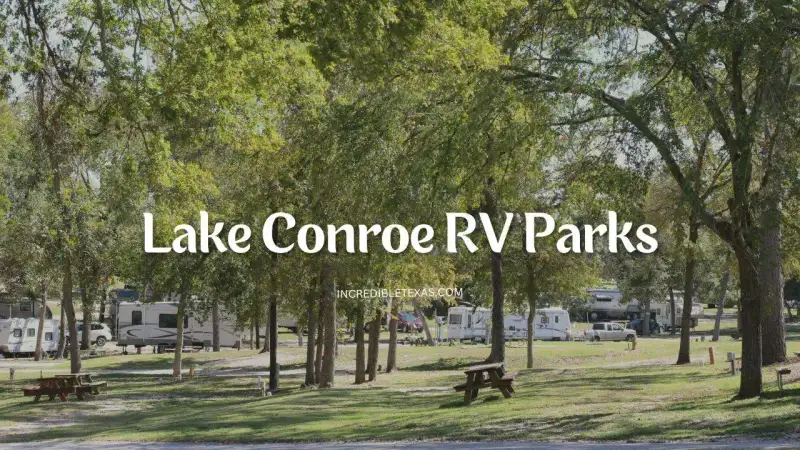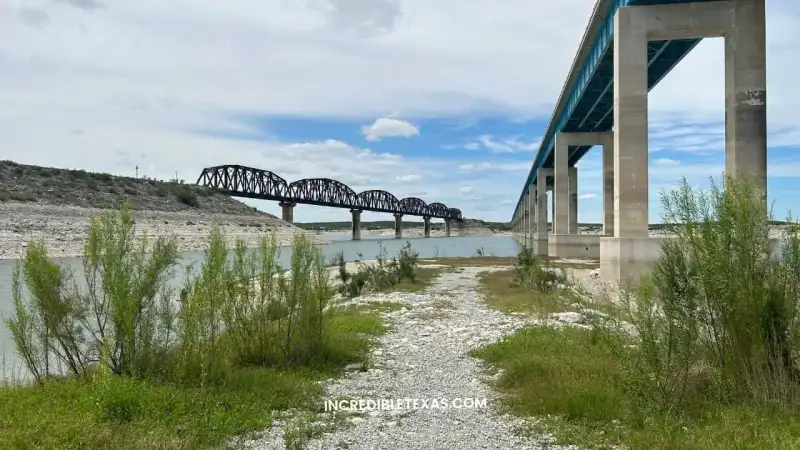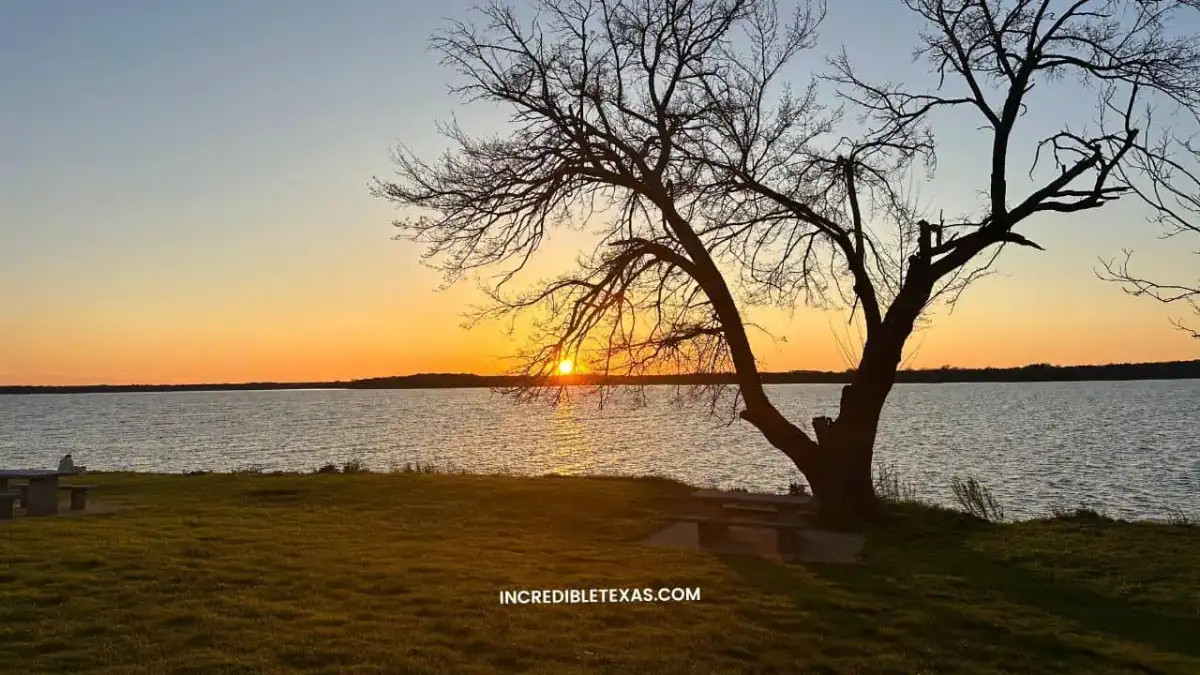
Lake Waco provides Central Texas travelers with direct reservoir access located on the Bosque River inside the city limits of Waco. Managed by the U.S. Army Corps of Engineers, this 8,465-acre freshwater impoundment combines multi-lane boat ramps, scenic limestone points, and four developed public campgrounds.
Visitors can combine lake recreation with historic downtown dining, Baylor University attractions, and the things to do in Waco TX this weekend without extended highway driving. Planning your visit by geographic shoreline zone ensures direct access to campgrounds, day-use beaches, and wildlife areas.
Key takeaways
- Lake Waco spans 8,465 surface acres on the Bosque River within Waco city limits under U.S. Army Corps of Engineers management.
- Boaters can access 11 public boat ramps around the shoreline, with USACE parks charging a $5 daily launch fee while Flat Rock and Koehne remain free.
- Campers can choose between year-round sites at Airport Park and Midway Park, alongside seasonal loops at Reynolds Creek and Speegleville Park.
- All USACE gatehouses and day-use fee booths operate strictly cashless, requiring credit or debit cards for boat launch and day permits.
What is the Lake Waco Experience and Reservoir Layout?
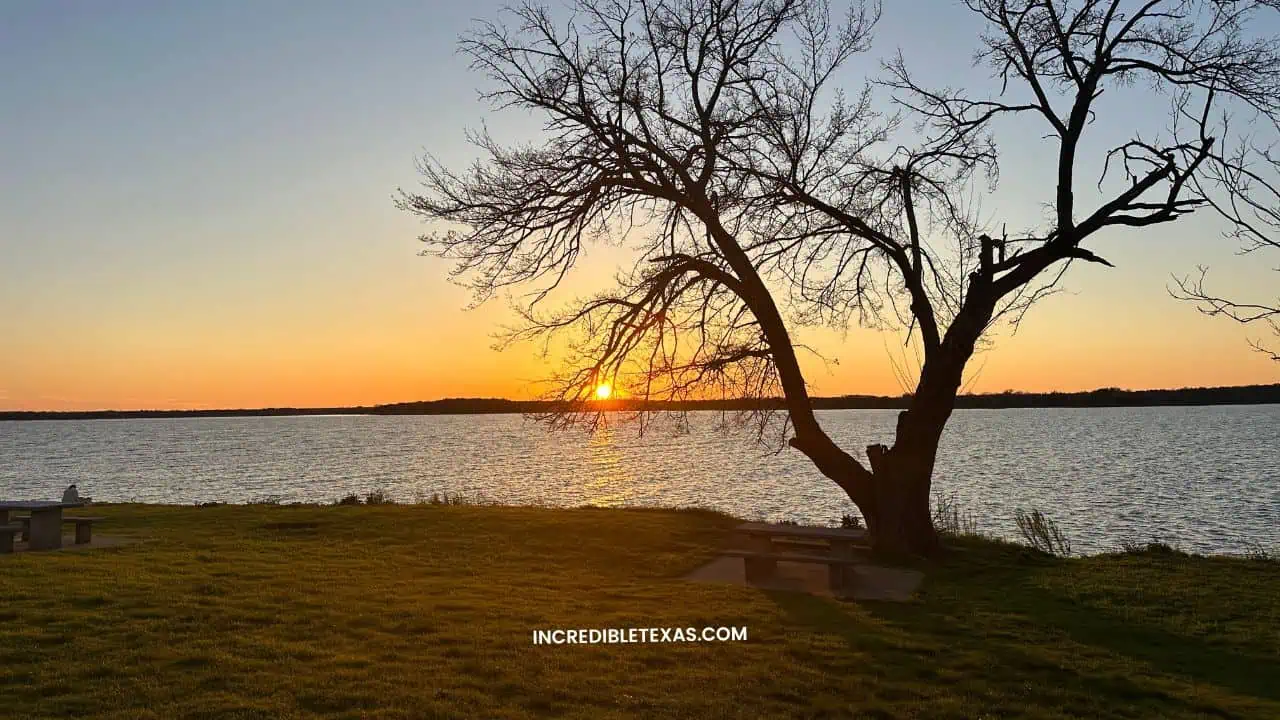
Lake Waco is an 8,465-acre multipurpose reservoir located on the Bosque River within Waco, offering urban convenience paired with four developed campgrounds, scenic limestone bluffs, 11 boat ramps, and 180 acres of protected wetlands. The lake functions as a critical flood-control and water-supply reservoir for the Brazos River basin.
According to the Texas Parks and Wildlife Lake Waco Fishery Overview, the reservoir reaches a maximum depth of 90 feet near the earthen dam structure. Texas State Highway 6 crosses directly over the lake, naturally dividing the water into northern Bosque River arms and expansive southern recreation basins.
Travelers comparing Central Texas water destinations will find a contrast between this municipal Corps impoundment and state-managed parks. For a rugged canyon alternative with tall limestone cliffs, review our guide to Lake Whitney State Park.
Where are the Best Campgrounds at Lake Waco?
The best campgrounds at Lake Waco include Airport Park and Midway Park for year-round RV and tent sites with full hookups, alongside Reynolds Creek for equestrian trails and Speegleville Park for seasonal spring and summer camping. Each park provides direct water access and dedicated boat launch facilities.
Travelers researching lake waco camping at the north end can book sites through the Recreation.gov Airport Park Campground Portal. The airport park lake waco facility offers 50-amp electrical hookups, shaded screened shelters, hot shower stations, and a multi-lane launch ramp.
Midway park lake waco provides 37 developed campsites positioned on the eastern shoreline of the South Bosque River arm. The campground includes hot shower facilities, an accessible playground, and a dedicated concrete boat ramp.
On the western shore, reynolds creek lake waco caters to horse owners with dedicated equestrian corrals and lakeside riding trails. Further northwest, speegleville park lake waco offers quiet camping loops and a four-lane launch ramp open from March through October.
For campers seeking quiet woodland trails and historic Civilian Conservation Corps stone structures nearby, browse our companion guide to Mother Neff State Park.
| Campground | Location / Shore | Operating Season | Hookups & Site Types | Key Amenities |
|---|---|---|---|---|
| Airport Park | North Shore off Skeet Eason Rd | Year-Round | RV electric/water, sewer, tent, screened shelters | Boat ramp, hot showers, dump station, swim beach |
| Midway Park | East Shore off TX-6 | Year-Round | 37 campsites, 50-amp electric, water hookups | Multi-lane boat ramp, playground, hot showers |
| Reynolds Creek | West Shore off Speegleville Rd | Seasonal / Equestrian Year-Round | Equestrian hookup sites, primitive tent areas | Horse trails, boat ramp, group pavilion |
| Speegleville Park | West Shore off Overflow Rd | March through October | Water & 30/50-amp electric RV sites | 4-lane launch ramp, picnic tables, shoreline access |
Boat Ramp Locations, Day-Use Parks, and Launch Fees
Lake Waco features 11 public boat ramps and six dedicated day-use parks, with gated USACE launch facilities requiring a $5 daily card payment while Flat Rock, Koehne, and Lacy Point provide free launch access. Gated facilities open at sunrise and close promptly at 10:00 PM for day users.
Boaters consulting the Texas Parks and Wildlife Lake Waco Public Access Directory can locate concrete multi-lane ramps distributed around the perimeter. The Corps maintains nine of these launch ramps, while private concession marinas handle commercial slips and fuel docks.
Note
According to regulatory updates from the USACE Fort Worth District Waco Lake Project Office, all lake waco boat ramps inside gated parks charge a $5.00 daily launch fee. USACE gates operate entirely cashless, requiring debit cards, credit cards, or an active $40 annual USACE pass.
For beachgoers interested in lake waco swimming, designated buoyed areas at Airport Beach and Twin Bridges provide clean sand entries away from powerboat traffic. These lake waco parks offer shaded picnic tables, charcoal barbecue grills, and vault restrooms for family day trips.
If you enjoy exploring federal Corps-managed impoundments across Central Texas, compare these boat launch facilities with our comprehensive guide to Lake Belton TX.
Lake Waco Fishing Tactics and Seasonal Patterns
Lake Waco fishing yields excellent results for largemouth bass, channel catfish, and crappie by targeting submerged river channel timber, riprap bridge embankments, and shallow shoreline brush according to seasonal temperature shifts. Structure along the drowned Bosque River channel provides prime cover.
During spring spawning runs from March through April, largemouth bass move into shallow coves and flooded willow flats. Anglers cast spinnerbaits, Texas-rigged soft plastics, and shallow squarebill crankbaits around secondary points.
Summer crappie fishing centers on bridge pilings beneath Highway 6 and deep brush piles positioned in 15 to 25 feet of water. Anglers vertical-jig minnows or small tube jigs to trigger bites during hot afternoons.
Catfish remain active throughout the reservoir during spring and early summer. Drift-fishing cut shad across open main-lake flats produces solid channel and blue catfish. To benchmark this fishery against other celebrated destinations, consult our curated guide to the best fishing lakes in Texas.
Exploring the Lake Waco Wetlands and Nature Trails
The Lake Waco Wetlands encompass 180 acres of created shallow-water marsh featuring a 2.5-mile gravel walking trail, an ADA-accessible boardwalk overlook, and a Research and Education Center designed for wildlife watching and birding. The habitat was constructed to mitigate acreage lost when the lake pool was raised seven feet.
The lake waco wetlands support over 185 bird species throughout the year, including great blue herons, egrets, roseate spoonbills, and migratory waterfowl. Gravel footpaths lead visitors through submerged aquatic plants, cattail stands, and bald cypress groves.
The wetland complex is strictly dedicated to non-motorized nature viewing, conservation education, and walking. Boat launching, motorized vehicles, and fishing are prohibited within the wetland boundary fences.
Practical Tips for Planning Your Lake Waco Outing
Planning an outing to Lake Waco requires selecting an access zone based on your activity, carrying credit cards for cashless park fees, booking campsites in advance on Recreation.gov, and preparing for intense midday sun on unshaded shorelines. Organizing gear ahead saves transit time across bridges.
Because Texas summer temperatures frequently exceed 95 degrees, bring portable pop-up canopies and generous drinking water supplies. Shaded picnic pavilions at Midway Park and Airport Park fill quickly on holiday weekends.
Boaters should exercise caution when navigating outside marked river channels. Submerged roadbeds and remnants of the original low dam create shallow hazards when reservoir elevation drops below conservation pool.
Tip
Purchase your USACE day-use pass or camping permit on Recreation.gov before driving to the park entrance. Cell reception can fluctuate near lakeside limestone bluffs, and gate attendants cannot accept cash payments.
Frequently Asked Questions
Can you swim at Lake Waco?
Yes, visitors can swim at designated buoyed swim beaches including Airport Beach and Twin Bridges when seasonal water conditions permit. Swimmers should avoid launching near active boat ramps and must note that no lifeguards are stationed on duty.
How many public boat ramps does Lake Waco have?
Lake Waco provides 11 public boat ramps positioned around its northern, western, and southern shores. Nine ramps are operated by the U.S. Army Corps of Engineers with a $5 daily fee, while select locations like Flat Rock and Koehne Park offer free access.
Where is the best place to camp at Lake Waco?
Airport Park and Midway Park offer the top year-round camping options with 50-amp electrical hookups, hot showers, and waterfront sites. Reynolds Creek provides dedicated equestrian camping, while Speegleville Park offers quiet seasonal RV camping from March through October.
Is Lake Waco good for fishing?
Yes, Lake Waco is an excellent Central Texas fishery known for trophy largemouth bass, channel catfish, blue catfish, and white crappie. The lake features extensive submerged timber along the old Bosque River channel and riprap structure near highway bridges.
Do Lake Waco boat ramps take cash?
No, all U.S. Army Corps of Engineers fee booths at Lake Waco operate under a strict cashless payment policy. Boaters must pay the $5 launch fee using a credit card, debit card, or an active USACE annual day-use pass.