Caprock Canyons State Park & Tailway: Ultimate 2026 Visitor’s Guide
Caprock Canyons State Park serves as the premier destination for witnessing the rugged beauty of the Texas Panhandle’s red rock landscapes. This 15,313-acre sanctuary preserves the official Texas State Bison Herd and offers over 90 miles of multi-use trails for adventure seekers.
As of 2026, the park remains a critical ecological stronghold, protecting genetically unique bison and a massive colony of Mexican free-tailed bats. This guide provides the essential facts for those planning backcountry expeditions or family camping trips.
Caprock Canyons State Park Address, Timings, Tickets
Planning your trip to Caprock Canyons requires early coordination, especially for popular camping sites and seasonal bat tours. The park operates daily, providing a wild contrast to the nearby urban centers of Amarillo and Lubbock.
| Detail | Information |
|---|---|
| Address | 850 Caprock Canyons Park Road, Quitaque, TX 79255 |
| Park Hours | Daily, 8:00 AM to 10:00 PM |
| Office Hours | 8:30 AM to 5:30 PM |
| Entrance Fee | $5 per adult (13+); Children 12 and under are Free |
| Bison Herd | Official Texas State Bison Herd (Roaming) |
| Trail Mileage | 90+ miles (including 64.2-mile Trailway) |
| Reservations | Highly recommended via TPWD Official Portal |
This park is recognized as one of the top 10 best state parks in Texas due to its unique wildlife and dramatic topography. Visitors should prepare for a remote experience where natural rhythms dictate the pace of the day.
The Official Texas State Bison Herd: A Living Legacy
The most significant feature of Caprock Canyons is the presence of the official Texas State Bison Herd. These animals represent the final remnants of the Southern Plains bison that once spanned millions of acres.
History of the Goodnight Bison Herd
In 1878, Mary Ann Goodnight recognized the impending extinction of the Southern Plains bison and encouraged her husband, Charles Goodnight, to rescue several calves. This small group on the JA Ranch became the foundation for the genetically distinct herd we see today.
According to the Texas Parks and Wildlife Department, these bison were moved to the park in 1997. In 2011, they were officially designated by the Texas Legislature as the State Bison Herd of Texas.
Genetic Significance and Conservation
Research by Halbert et al. identifies the herd as a critical genetic reservoir for the Southern Plains lineage. However, chronically small population sizes have historically led to dangerously low genetic diversity within this specific group.
Conservation efforts focus on maintaining a healthy population while allowing the animals to roam freely across 12,000 acres of the park. This freedom allows them to fulfill their role as a keystone species, shaping the prairie ecosystem through grazing and wallowing.
Bison Safety and Viewing in 2026
Bison roam freely across approximately 12,000 acres of the park, frequently crossing main roads and occupying designated camping areas. While they may appear peaceful, they are massive wild animals capable of incredible speeds and unpredictable behavior.
The park enforces a strict 50-yard safety rule for all visitors to prevent dangerous encounters. If a bison stops its activity to look at you, or if it raises its tail, you have intruded upon its space and must retreat immediately.
The Geological Evolution of the Caprock Escarpment
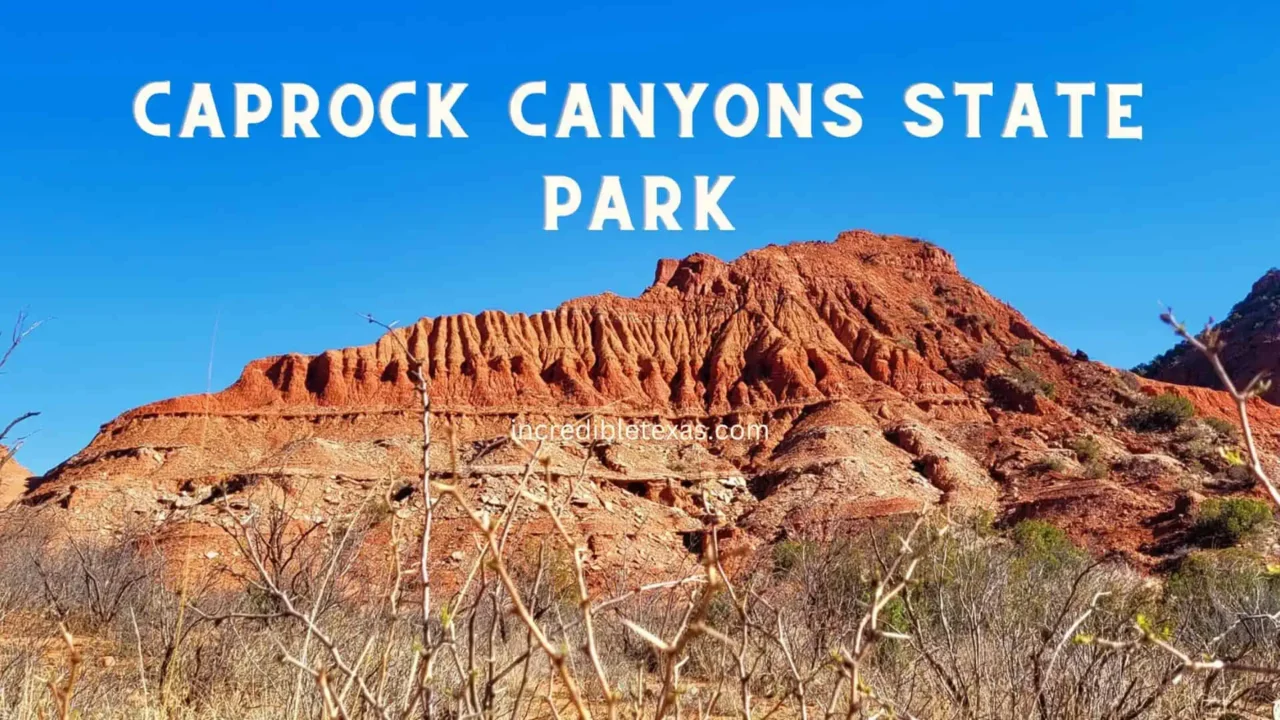
The red walls of Caprock Canyons tell a geological story spanning over 250 million years. The park sits at the edge of the Llano Estacado, a massive plateau that defines the high plains of the Texas Panhandle.
Rock Layers and Formations
Visitors walking the canyon floors are traveling through ancient time periods as they observe the exposed strata. The deep red sandstones and shales belong to the Quartermaster Formation, dating back to the Permian Period.
The Bureau of Economic Geology at UT Austin has documented the intense erosion rates that shape these Panhandle canyons. These layers are part of the famous landmarks in Texas that showcase the state’s diverse environmental history.
Sedimentary Rocks and Hoodoos
The dramatic canyons were primarily carved by the Little Red River and its tributaries over several million years. This process of erosion continues today, slowly expanding the canyons and revealing new geological features.
Wind and seasonal flash floods act as secondary erosive forces, shaping the iconic hoodoos and spires found throughout the park. These sedimentary formations are fragile, and visitors are encouraged to stay on marked trails to prevent accelerated soil loss.
Flora and Plant Adaptations in a Semi-Arid Land
The plants found in Caprock Canyons have developed remarkable adaptations to survive extreme Panhandle weather. From deep taproots to water-storing leaves, each species plays a role in stabilizing the canyon ecosystem.
Iconic Trees and Shrubs
Honey Mesquite is a dominant species in the park, known for its ability to thrive in poor soils and drought conditions. Its deep roots can reach water tables dozens of feet below the surface.
One-Seed Juniper clings to the canyon rims, providing essential nesting sites for birds and cover for small mammals. These hardy evergreens can live for centuries, slowly growing in the cracks of the red rock.
Cacti and Wildflowers
Prickly Pear and Cholla cacti are common throughout the upland prairies and canyon slopes. Their spines provide protection from grazers, while their flowers attract a variety of pollinators in the spring.
After seasonal rains, the park can experience a vibrant bloom of wildflowers, including Indian Blanket and Desert Marigold. For more on Texas floral displays, explore our guide on Texas traditions.
Wildlife Biodiversity Beyond the Bison
While bison are the main attraction, Caprock Canyons supports a complex ecosystem filled with diverse predators, prey, and migratory birds. The variety of habitats ensures a rich viewing experience for dedicated naturalists.
The Bats of Clarity Tunnel
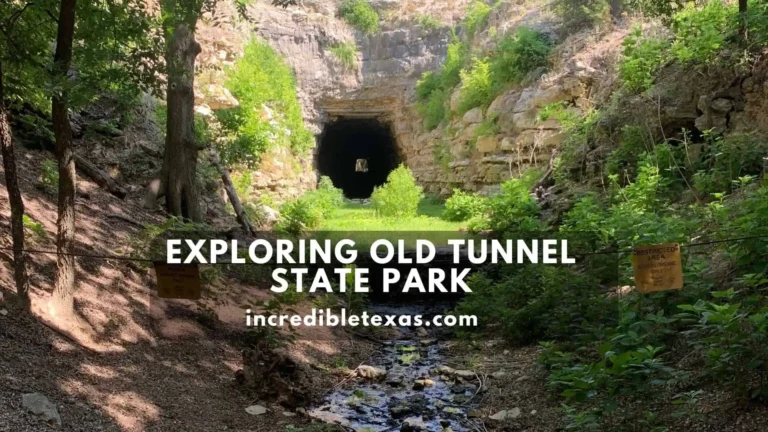
Clarity Tunnel serves as a vital summer roost for up to half a million Mexican free-tailed bats. These bats migrate from Mexico annually to inhabit this historic 528-foot railroad tunnel between April and October.
The evening emergence is a spectacular event where thousands of bats fly out to forage for insects. This natural pest control is invaluable to the surrounding agricultural communities in the Panhandle.
Predators and Prey Relationships
Mule deer are frequently spotted in the early morning hours grazing near the park’s water sources. Their presence attracts large predators, including coyotes and the occasional elusive mountain lion.
Reports from the Austin Chronicle highlight the Trailway as a premier destination for observing these remote wildlife interactions. Bobcats also inhabit the more remote sections of the park’s rugged backcountry and brushy draws.
A Birder’s Paradise
Birders can expect to see Golden Eagles soaring above the canyon rims, using the thermal updrafts to hunt. Roadrunners are also common, often seen darting through the brush in search of lizards and insects.
During the summer months, Painted Buntings add vibrant splashes of color to the park’s desert shrublands. The park’s checklists include over 175 species, making it a premier birding destination in North Texas.
Comprehensive Hiking Trail Guide
Caprock Canyons provides nearly 90 miles of trails, ranging from easy prairie walks to grueling ridge climbs. Each trail offers a unique perspective on the red rock geology and the park’s resident wildlife.
| Trail Name | Distance | Difficulty | Top Highlights |
|---|---|---|---|
| Eagle Point Trail | 2.0 miles | Moderate | Natural Bridge, Scenic Overlooks |
| Haynes Ridge Overlook | 2.3 miles | Strenuous | Highest Point, 360-degree Views |
| Canyon Rim Trail | 3.0 miles | Moderate | Bird Watching, Panoramic Rim Views |
| Upper North Prong | 4.6 miles | Strenuous | Fern Cave, Rugged Backcountry |
| Wild Horse Draw | 1.1 miles | Easy | Bison Sightings, Prairie Dog Town |
Haynes Ridge Overlook Trail
The Haynes Ridge Overlook Trail is widely considered the most rewarding hike in the park. It features a steep, rocky ascent that leads to the highest elevation point available to visitors.
From the top, you can see the vastness of the Llano Estacado meeting the canyon floor in a dramatic drop. This vista is often compared to the scenery at Palo Duro Canyon State Park, though visitors here enjoy a fraction of the crowds found at its more famous neighbor.
Eagle Point Trail and the Natural Bridge
Eagle Point is a favorite for families and casual hikers due to its relatively level terrain. The trail leads to a stunning natural stone bridge, a unique geological arch formed by centuries of erosion.
Along the way, you’ll pass several overlooks that provide excellent views of the red sandstone walls. The trail also winds through a small canyon where the temperature can be several degrees cooler than the exposed ridges.
Upper North Prong and Fern Cave
For those seeking a more remote experience, the Upper North Prong Trail leads to the hidden Fern Cave. This geological anomaly features lush ferns growing in a moisture-rich rock seep surrounded by arid desert.
The trail is rocky and requires careful navigation, especially during the peak heat of the afternoon. Always bring extra water and a map when venturing into these deeper canyon sections.
Wild Horse Draw and Prairie Dog Town
Wild Horse Draw is perfect for a quick scenic walk near the park’s main entrance. It is one of the best spots to see the bison and the social prairie dog town.
The trail is mostly flat and follows a small draw that provides some shade during the late afternoon. It is an ideal choice for visitors with limited time who still want to experience the park’s beauty.
The Caprock Canyons Trailway: A 64-Mile Journey
The Caprock Canyons Trailway is a multi-use path that follows an abandoned railway line across three Texas counties. It offers a relatively flat grade that is perfect for long-distance mountain biking and horseback riding.
Trailway Segments and Logistics
The Trailway is divided into several sections, with the Quitaque to Clarity Tunnel segment being the most popular. This 13-mile stretch takes you through scenic bridges and the historic railroad tunnel.
As noted by travel experts at Lost with Lydia, the trail is unpaved and can be rocky in several sections. You must carry a minimum of one gallon of water per person per day to ensure safety in the remote terrain.
Equestrian Use on the Trailway
The Trailway is a premier destination for horseback riders who want to experience the open plains of Texas. Several trailheads provide easy access for horse trailers and include primitive corrals for overnight stays.
Riders should be aware that some sections of the trail can be rocky and may require hoof protection for their animals. Always check current trail conditions with the park office before departing on a long ride.
Camping at Caprock Canyons State Park
Staying overnight allows you to experience the park’s transition from the heat of the day to the brilliant starlit nights. The park offers several distinct camping environments to suit different needs and experience levels.
2026 Camping and Entry Fees
Understanding the cost structure of Caprock Canyons is essential for budgeting your 2026 outdoor adventure. Fees are divided between daily entrance permits and nightly camping rates for specific locations.
| Fee Type | Age or Site Category | Cost (per day/night) |
|---|---|---|
| Daily Entrance | Adults (13 years and older) | $5.00 per person |
| Daily Entrance | Children (12 and under) | FREE |
| Group Entrance | Groups of 16 or more adults | $3.00 per person |
| Honey Flat (Electric) | 30-amp site with water | $17.00 per night |
| Little Red (Walk-in) | Tent site with water nearby | $14.00 per night |
| Wild Horse (Equestrian) | Primitive site with corrals | $14.00 per night |
| Backcountry (Primitive) | Hike-in site (no facilities) | $12.00 per night |
Caprock Canyons Camping Reservations 2026
Please remember that nightly camping fees are in addition to the mandatory daily entrance fee for each member of your group. These prices are subject to seasonal adjustments, so always verify the total during your online reservation process.
If you plan to visit multiple parks this year, a Texas State Park Pass is highly recommended for cost savings. This $70 annual pass provides unlimited free entry to over 80 state parks for one year.
Camper’s Planning Guide and Logistics
Success in the Caprock Canyons campgrounds requires understanding the specific logistics and rules enforced by the park staff. This section covers the essential details for planning your 2026 overnight stay.
| Category | Requirement or Specification |
|---|---|
| Check-in Time | 2:00 PM for all campsites and shelters |
| Check-out Time | 12:00 PM (Noon) |
| Honey Flat Max Length | Accommodates RVs and trailers up to 40 feet |
| Wild Horse Max Length | Accommodates trailers and motorhomes up to 50 feet |
| Hammock Rules | Two-inch wide straps required; Trees must be 8″+ diameter |
| Quiet Hours | 10:00 PM to 6:00 AM daily |
Hammock and Equipment Regulations
Texas State Parks have specific rules for hammock use to protect the fragile bark of local trees. You must use straps at least two inches wide and ensure the tree is at least eight inches in diameter.
Never use permanent anchors like screws or nails when setting up your sleeping or lounge area. These regulations help preserve the Honey Mesquite and One-Seed Juniper trees for future generations of campers.
Wild Horse Equestrian Camping Details
The Wild Horse Camping Area is a premier destination for riders exploring the 64-mile Trailway. Each of the 12 sites includes two 10×20 horse corrals and access to water for your animals.
Riders must present a negative Coggins test from the last 12 months at the park headquarters upon arrival. This area is remote and does not offer modern restrooms, so come prepared for a rustic experience.
Activities at Lake Theo: A Desert Oasis
Lake Theo provides a refreshing contrast to the arid canyon landscape and serves as the center for water-based recreation. It is named after a local rancher who once owned the land where the park stands today.
Fishing Opportunities
Anglers can fish for largemouth bass, catfish, and crappie in the calm waters of the lake. In all Texas State Parks, a fishing license is not required if you are fishing from the shore or a park pier.
For more information on the rules and seasonal regulations, consult our Texas fishing permits guide. The lake is regularly stocked to ensure a productive experience for visitors of all ages.
Boating and Swimming
Non-motorized boating is a peaceful way to see the park from a different perspective. Kayaks and canoes are often available for rent during the peak spring and summer seasons.
A designated swimming area is available for those who want to cool off during the hot Panhandle afternoons. There are no lifeguards on duty, so all swimmers should use caution and supervise children at all times.
Accessibility and ADA Features
Caprock Canyons State Park provides several accessible facilities to ensure all visitors can enjoy the Panhandle landscapes. The Visitors Center and Lake Theo pavilions feature wheelchair-accessible ramps and restrooms.
The park’s Amphitheater is also designed for accessibility, providing a space for educational programs and stargazing events. While many canyon trails are rugged, the Mesa Trail offers sections with relatively level, hard-packed earth suitable for some mobility devices.
Drone Rules and Regulations
The use of drones is generally prohibited within Caprock Canyons State Park to protect the resident wildlife and maintain the tranquility of the area. Launching or landing a drone from within the park boundaries is a violation of park rules.
Professional photographers or researchers may apply for a filming permit several weeks in advance through the park’s administrative office. Unauthorized drone use can disturb the official Texas State Bison Herd and the nesting raptors along the canyon rims.
Nearby Dining and Essential Supplies
The town of Quitaque serves as the gateway to the park and provides essential services for travelers. For a local meal, the Coffee Mill and Mercantile offers breakfast and gourmet sandwiches between 8:00 AM and 5:00 PM.
Allsup’s Convenience Store provides 24-hour access to gasoline and basic travel supplies at the corner of Main Street. Visitors should fuel their vehicles in Quitaque before entering the park, as gas is not available within the canyon boundaries.
2026 Visitor Itineraries: 1 to 3 Days
Planning your time effectively is essential due to the park’s large size and the distance between attractions. These itineraries help you maximize your 2026 visit based on your available time.
1-Day Highlights Itinerary
Start your morning at sunrise to catch the bison moving through the Honey Flat area before the heat increases. After breakfast, hike the Eagle Point Trail to see the Natural Bridge geological formation.
Spend the afternoon cooling off at Lake Theo or taking a short walk through the Prairie Dog Town near the entrance. Finish your day with a spectacular sunset view from the Canyon Rim Trail.
3-Day Ultimate Exploration
Day one and two should focus on the main canyon floor and the challenging Haynes Ridge Overlook. Dedicate your third day to a long-distance bike ride or hike on the Caprock Canyons Trailway to Clarity Tunnel.
If visiting between April and October, ensure you are near the tunnel at dusk for the incredible bat emergence. This three-day plan ensures you experience every major ecological and geological feature the park offers.
Seasonal Weather and Safety Guide
The Texas Panhandle is known for its extreme weather conditions, which can change rapidly throughout the day. Visitors must be prepared for everything from intense heat to sudden freezing temperatures and high winds.
Summer Safety and Flash Flood Warning
Summer temperatures in the canyons frequently exceed 100 degrees Fahrenheit, making midday hiking extremely dangerous. Flash floods are a secondary risk, as rain in distant upstream areas can send a torrent of water through the canyon floor without warning.
Never camp in low-lying canyon bottoms or deep arroyos where water levels can rise rapidly during your sleep. If you notice rapid water increases or heavy upstream clouds, immediately move to higher ground on the canyon walls.
The Human History of Caprock Canyons
The canyons have provided essential resources for human survival for over 10,000 years. From ancient Paleo-Indian hunters to modern-day ranchers, the land has a deep and storied history.
Indigenous Cultures
The Texas State Historical Association has documented over 10,000 years of human history within the park boundaries. Evidence of the Folsom culture, including early bison-kill sites near Lake Theo, confirms the region’s ancient significance.
Comanche and Kiowa tribes later used the canyons as winter retreats to escape the harsh winds of the high plains. Visitors should respect all archaeological sites and never touch or disturb any artifacts discovered within the park.
The Ranching Era and Conservation
In the late 19th century, the era of the great cattle drives transformed the Panhandle landscape. Charles Goodnight established the JA Ranch, and his vision for conservation eventually led to the preservation of the bison herd.
Today, the park honors this heritage by maintaining the bison as a living symbol of the Old West. The transition from a working ranch to a state park has ensured that this unique landscape remains open for all to enjoy.
Photography and Stargazing Tips
The red rocks of Caprock Canyons are most photogenic during the “golden hour” just after sunrise and before sunset. The low light angle emphasizes the deep textures and rich colors of the canyon walls.
For wildlife photography, use a telephoto lens to capture the bison from the mandatory 50-yard safety distance. This ensures you get high-quality images without stressing the animals or putting yourself in danger.
Capturing the Night Sky
Because the park is far from major light pollution, it offers some of the best stargazing in the United States. On clear nights, the Milky Way is visible to the naked eye with startling clarity and detail.
To photograph the stars, use a sturdy tripod and a wide-angle lens with a fast aperture (f/2.8 or lower). Long exposures of 20 to 30 seconds will reveal thousands of stars that are invisible to the naked eye.
Frequently Asked Questions (FAQ)
Visitors often have specific questions regarding the logistics and safety rules of Caprock Canyons State Park. These answers reflect the current 2026 guidelines for visiting the Texas Panhandle.
Are dogs allowed in Caprock Canyons State Park?
Yes, dogs are allowed in the park but must remain on a leash at all times. Owners must ensure their pets do not antagonize the bison and always stay on designated trails.
What is the safest distance for viewing bison?
The park enforces a strict 50-yard safety rule for viewing the official Texas State Bison Herd. If you encounter bison on a trail, you should wait for them to move or slowly backtrack to a safe location.
Do I need a reservation to visit?
Reservations are highly recommended for both day use and overnight camping, as the park frequently reaches capacity. You can secure your entry through the TPWD online reservation system up to five months in advance.
When is the best time to see the bats?
Mexican free-tailed bats typically inhabit Clarity Tunnel from April through October each year. The largest populations and most impressive emergences usually occur during the late summer and early autumn months.
Can I fish at Lake Theo without a license?
Yes, as with all Texas State Parks, you do not need a fishing license to fish from the shore or a pier. Lake Theo is regularly stocked with catfish and bass for a productive angling experience.
How difficult is the Haynes Ridge Overlook Trail?
The Haynes Ridge Overlook Trail is rated as strenuous due to its steep, rocky ascent and exposed ridges. It provides the highest panoramic views in the park but requires significant physical effort and plenty of water.
Essential Packing List for the Panhandle
The dry air and extreme temperatures of the Panhandle can be dangerous if you are unprepared. Always carry more supplies than you think you will need for your planned activities.
- Water: At least one gallon per person per day is the absolute minimum for safety.
- Sun Protection: A wide-brimmed hat, polarized sunglasses, and high-SPF sunscreen are essential.
- Sturdy Footwear: Hiking boots with ankle support are necessary for the rocky and often slippery clay trails.
- Navigation: Download offline maps as cell service is extremely spotty within the canyon walls.
- Emergency Gear: A basic first-aid kit, a whistle, and a signal mirror are recommended for backcountry hikers.
Caprock Canyons State Park & Tailway remains a sanctuary for Texas heritage and wild landscapes. Those visiting for the bison or the stars will find this park is easily one of the 23 best places to visit in Texas for a deep appreciation of the Lone Star State’s wild heart.