Texas traditions are the unique cultural signatures of the Lone Star State, ranging from the slow-smoked brisket of Central Texas to the spirited accordion-led rhythms of Tejano music. These heritage practices have evolved from regional customs into a global cultural export, defining how the world perceives American hospitality and independence.
Key takeaways
- Multicultural Heritage: Texas customs merge sovereign republic history, Spanish mission roots, Mexican ranching, and German-Czech settlements.
- Distinctive Foodways: Celebrated through four regional barbecue methods, combination-plate Tex-Mex, San Saba pecans, and Czech fruit kolaches.
- Signature Celebrations: Anchored by the State Fair of Texas, Fiesta San Antonio, Galveston Juneteenth, and the Houston Livestock Show and Rodeo.
- Living Social Rituals: Historic wooden dance hall two-stepping, multi-pound high school homecoming mums, and traditional quinceañeras endure across generations.
The state’s identity is anchored in its history as a sovereign republic from 1836 to 1845, a fact that remains a primary driver of modern Texas pride. This era of independence shaped a distinct set of Texas traditions that blend Native American, Spanish, Mexican, African American, and European immigrant influences into a single, cohesive narrative.
Those seeking the heart of Texas culture will discover it in the annual State Fair of Texas, the massive Houston Livestock Show and Rodeo, and the historic streets of San Antonio during Fiesta. These events are not just celebrations; they are living records of the state's agricultural, military, and social milestones over the last two centuries.
From the $100 million homecoming mum industry to creative fried food winners at the Big Tex Choice Awards, Texas traditions are constantly adapting to the modern era. While the techniques for smoking a beef rib or the steps of a two-step dance may evolve, the underlying spirit of community and grit remains constant.
Exploring these definitive Texas traditions provides a deeper understanding of life in the Lone Star State today. Lifelong Texans and first-time travelers alike will find that understanding these customs is essential for experiencing the true essence of this vast state.
For more on the state’s most iconic celebrations, see our curated list of the 23 Best Places to Visit in Texas. If you are planning an itinerary to see these customs firsthand, exploring regional festivals provides an authentic window into Lone Star life.
The 2026 Texas Tradition Bucket List
The Lone Star State serves as a prominent stage for several once-in-a-century events that merge modern excitement with deep-seated Texas traditions. The 100th anniversary of Route 66, known as the Centennial, brings celebrations to the Texas Panhandle cities of Amarillo and Shamrock.
This historic milestone honors "Mother Road" heritage through vintage car rallies, neon light restorations, and community gatherings at landmarks like the U-Drop Inn. For road trip enthusiasts, the Centennial highlights the state's mid-century travel culture.
The FIFA World Cup matches introduce international fans to the unique tradition of Texas hospitality and tailgating. Major matches in Dallas and Houston transform AT&T Stadium and NRG Stadium into global hubs of cultural exchange and soccer camaraderie.
Additionally, Austin marks significant milestones for South by Southwest (SXSW), a gathering that has redefined the intersection of technology, film, and live music. This legacy reinforces the capital city's role as a creative crossroads for independent artists.
What Makes Texas Traditions Distinct
Texas traditions are not one single culture. They are a blend of regional histories, frontier life, ranching, border influences, coastal communities, and urban growth, which is why Texas can feel both deeply local and broadly diverse at the same time.
That mix shows up in food, music, holidays, and even the way people talk about pride, hospitality, and independence. According to the Texas State Historical Association’s research on Tex-Mex, these traditions developed through centuries of cultural exchange rather than from one single source.
Historical Roots of Texas Traditions
Native American Foundations and Frontier Life
Texas history began with the complex societies of Native American tribes like the Caddo in the East and the Comanche in the West. The Caddo, known as "Tejas" (the Caddo word for friends), gave the state its name and established the initial agricultural traditions that still persist today.
The Comanche mastered horse culture and shaped the rugged, independent spirit that defines West Texas. These indigenous groups established the earliest trade routes and seasonal migration patterns that Spanish explorers would later follow to settle the region.
Spanish Missions and the Republic of Texas
In the late 17th century, Spanish friars and soldiers began establishing missions like the Alamo to convert indigenous populations and secure the territory for Spain. This era introduced the first European livestock, including the ancestors of the iconic Texas Longhorn, and the vaquero cowboy tradition that became a cornerstone of the state's economy.
Following the 1836 Texas Revolution, the Lone Star State spent nearly a decade as a sovereign republic, reinforcing a unique sense of national identity. This period of independence remains a primary source of modern Texas traditions, including Texas Independence Day celebrations held every March 2nd.
European Immigrant Waves and Cultural Blending
In the mid-19th century, waves of German, Czech, and Polish immigrants arrived in Central Texas, bringing their architectural styles, music, and culinary habits. German settlers in the Hill Country established the "Sunday House" custom and the communal brewery culture that remains central to cities like New Braunfels and Fredericksburg.
Czech immigrants, primarily in towns like West and Schulenburg, introduced the kolache, a fruit-filled pastry that has since become a mandatory road trip snack for every Texan. This layer of European heritage merged with existing Mexican and Anglo customs to create a multifaceted cultural landscape that distinguishes Texas from its neighbors.
Texas Food Traditions: Best BBQ and Tex-Mex 2026
Barbecue Regionalism: The Four Distinct Styles
Texas barbecue is not a monolithic cuisine; it is a collection of four distinct regional traditions that reflect the state's diverse immigrant and agricultural history. Central Texas focuses on dry-rubbed meats smoked over post oak wood without any sauce. Alongside barbecue meats, classic cold sides like Texas Caviar illustrate how local cooks combined black-eyed peas, peppers, and vinaigrette into enduring party staples.
| Region | Primary Meat | Wood Smoke | Seasoning & Sauce | Defining Technique |
|---|---|---|---|---|
| Central Texas | Beef brisket & beef ribs | Post oak | Salt and coarse black pepper rub, no sauce | Slow-smoked indirect heat over open brick pits |
| East Texas | Pork ribs & chopped beef | Hickory & oak | Sweet, tomato-based marinades and sauces | Smoked until meat falls off the bone |
| South Texas (Barbacoa) | Beef cheek & head | Mesquite | Thick molasses-based glazes or light citrus marinades | Slow pit-steaming underground or heavily sealed smokers |
| West Texas (Cowboy Style) | Beef cuts & mutton | Mesquite coals | Simple dry spices cooked directly over open mesquite wood | Direct heat grilling over open wood fires |
In contrast, East Texas barbecue is characterized by tender pork ribs and sweet, tomato-based sauces influenced by Southern culinary roots. South Texas style, or Barbacoa, involves slow-cooking beef cuts in underground pits, a tradition brought by Spanish and Mexican ranchers. Visitors can explore these culinary roots alongside preserved heritage at Texas Historical Commission state historic sites across the state.
Tex-Mex and the Evolution of the Combination Plate
Tex-Mex is a centuries-old fusion that began as the home cooking of Tejanos (Texans of Mexican descent) before evolving into a commercial powerhouse. The 19th-century Chili Queens of San Antonio were the first to popularize dishes like chili con carne for the general public.
In the mid-20th century, Otis Farnsworth’s Original Mexican Restaurant introduced the combination plate, a tradition of serving multiple dishes together that remains a staple of every Texas menu. Modern additions like breakfast tacos and cheese-laden enchiladas demonstrate the continuous evolution of this beloved border cuisine.
State Fair of Texas: The Global Capital of Fried Foods
Each autumn, the State Fair of Texas becomes a laboratory for culinary experimentation through the Big Tex Choice Awards. According to the official State Fair winners list, recent seasons celebrated innovative dishes like the Crab and Mozzarella Arancini.
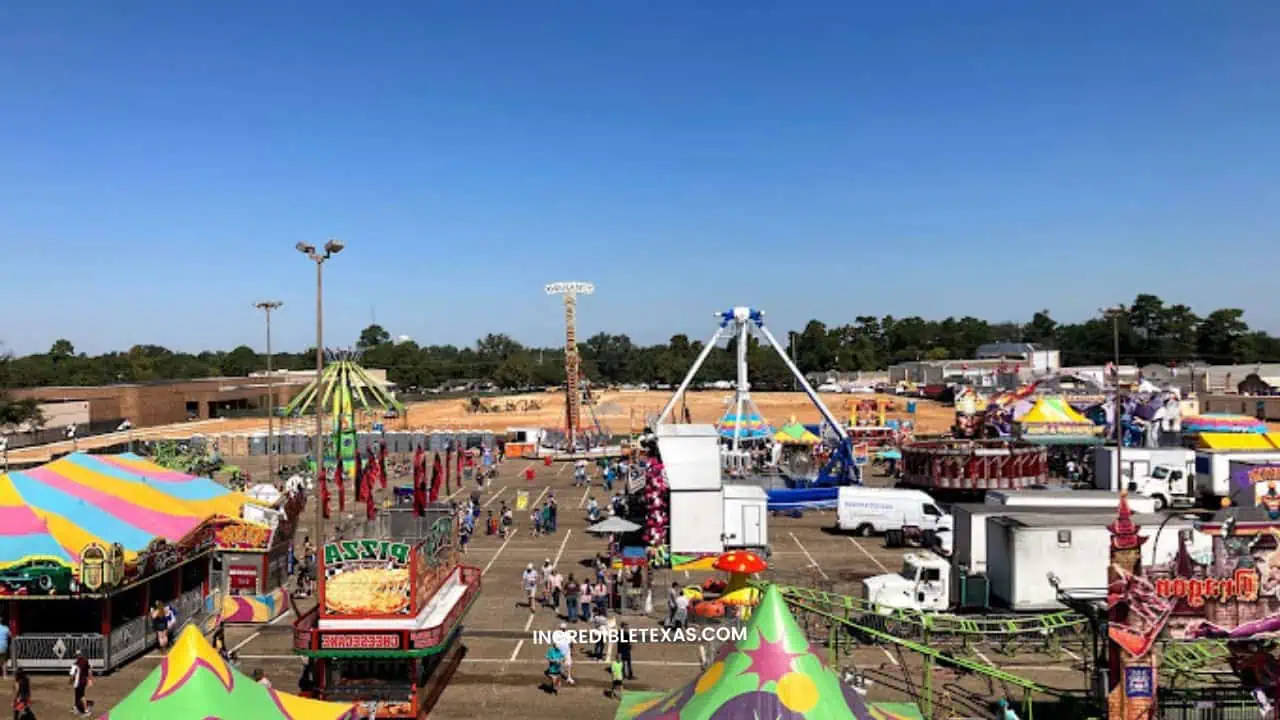
Modern culinary trends focus on heritage fats like beef tallow and balanced sweet-and-spicy profiles, reflecting refined craft among concessionaires. These Texas traditions in creative frying have made the fair an essential annual stop for food lovers worldwide.
Pecans, San Saba, and the Official State Pie
The pecan is the only nut native to Texas and has been a vital food source since Native American times. San Saba, known as the Pecan Capital of the World, serves as the epicenter of this $100 million annual industry.
Pecan pie was officially designated the State Pie of Texas in 2013, reinforcing its status as a cornerstone of the state's culinary identity. Whether it is a holiday dessert or a roadside snack, the pecan remains a symbol of Texas's agricultural resilience.
European Bakeries: From Kolaches to Strudels
The Czech Stop in West and Hruska's in Ellinger are legendary stops for the kolache, a tradition that has become synonymous with Texas highway travel. Originally brought by 19th-century immigrants, these fruit-filled pastries have evolved to include savory klobasneks filled with jalapeño sausage and cheddar cheese.
In the Hill Country, German bakeries in Fredericksburg and New Braunfels continue to serve traditional apple strudels and pumpernickel breads. These baking customs preserve the legacy of European settlers while satisfying the modern Texan’s appetite for handmade comfort food.
Music, Dance, and Community Celebration
Tejano and Conjunto: The Accordion Roots
Tejano music is one of Texas’s clearest cultural signatures, blending Mexican folk music with the polka rhythms of German and Czech immigrants. This fusion, characterized by the prominent use of the button accordion, remains a vital part of the South Texas and San Antonio social fabric.
Modern Tejano continues to evolve, incorporating pop, rock, and country influences while maintaining its regional soul. Fans can experience this sound live at major community gatherings like the Tejano Music Awards Fan Fair in downtown San Antonio.
The Zydeco Corridor: Houston and Southeast Texas
The Zydeco Corridor stretching from Beaumont to Houston represents a rich French-Creole tradition that has thrived in Texas since the mid-20th century. Zydeco blends traditional Louisiana accordion music with rhythm and blues, creating a high-energy sound perfect for trail rides and community festivals.
Annual events like the Texas Zydeco Fest in Houston and parish crawfish boils continue to draw thousands of two-stepping and line-dancing enthusiasts. These gatherings reinforce the deep cultural ties between the Creole community and the broader Texas Gulf Coast.
Western Swing and Outlaw Country
Western Swing, officially designated the State Music of Texas, was pioneered by icons like Bob Wills and Milton Brown in the 1930s. This genre combined jazz, blues, and country to create a dance-ready sound that filled legendary venues like Gruene Hall.
The Outlaw Country movement of the 1970s, led by Willie Nelson and Waylon Jennings, further cemented Austin's reputation as a rebel music hub. According to the Texas Music Office, community music initiatives statewide continue to protect and nurture this live performance heritage.
The Texas Two-Step and Dance Hall Culture
The Texas Two-Step is more than just a dance; it is a fundamental social ritual that takes place in hundreds of historic dance halls across the state. These halls, many built by German and Czech singing societies in the 19th century, serve as community anchors where generations gather to socialize.
Dancing the two-step to a live band remains a customary Texas tradition for weddings, festivals, and weekend nights out. The preservation of these historic wooden floors ensures that the state's communal spirit remains physically grounded in its past.
Most Famous Texas Traditions and Festivals in 2026
State Fair of Texas and the Legend of Big Tex
The State Fair of Texas, held annually at Fair Park in Dallas, is the largest and longest-running fair in the United States. Welcoming visitors since 1886, the fair is famous for its 55-foot talking mascot, Big Tex, who has greeted fairgoers since 1952.
The fair runs every autumn from late September through mid-October, featuring signature Fletcher’s Corny Dogs and thrilling livestock exhibits. For those planning seasonal trips across the state, these multi-week events anchor annual fall itineraries.
Fiesta San Antonio and the Battle of Flowers
Fiesta San Antonio began in 1891 with a flower parade to honor the heroes of the Alamo and San Jacinto. Today, this 11-day spring festival has evolved into a massive citywide celebration featuring over 100 events that celebrate San Antonio's deep multicultural heritage.
The Battle of Flowers Parade, uniquely organized entirely by women, remains the crown jewel of the festival. For full event schedules and medal-collecting customs, review our comprehensive Fiesta San Antonio guide before attending.
Charro Days and the Poteet Strawberry Festival
In Brownsville, Charro Days has celebrated the bi-national friendship between the United States and Mexico since 1938. This international event features traditional Grito ceremonies, street dances, and colorful costumes that highlight the shared cultural identity of the Rio Grande Valley.
Further north, the Poteet Strawberry Festival honors regional agricultural bounty every April. Established in 1948 to encourage local farmers, it has grown into a major South Texas gathering featuring concerts, rodeos, and fresh locally picked strawberries.
Juneteenth in Texas
Juneteenth is one of the most important Texas traditions because it marks a historic turning point in American freedom. On June 19, 1865, Union General Gordon Granger announced emancipation in Galveston, and the official TSHA entry on Juneteenth notes that the date became an official state holiday in 1979.
Today, Juneteenth celebrations include parades, blues concerts, barbecue cook-offs, and family reunions, keeping the tradition both historic and personal. Celebrations across Galveston and metropolitan areas honor the long road to freedom through active remembrance.
Cowboy Culture, Ranching, and Rodeos
King Ranch: The Birthplace of American Ranching
The King Ranch, spanning over 825,000 acres across four counties in South Texas, is a global icon of agricultural heritage and livestock management. Established in 1853 by Captain Richard King, it pioneered the development of the Santa Gertrudis cattle breed, the first official beef breed created in the United States.
The ranch continues to offer historical tours and educational programs that highlight its essential role in shaping modern Texas traditions of open-range ranching. Its famous Running W brand remains a worldwide symbol of Texas's enduring connection to working lands and cattle.
The Houston Livestock Show and Rodeo (HLSR)
The Houston Livestock Show and Rodeo is the world's largest event of its kind, attracting over 2.5 million visitors annually to NRG Park. Since its inception in 1932, it has evolved into a massive 20-day celebration that combines championship rodeo competitions with superstar concerts. Check out our complete Houston Livestock Show and Rodeo guide for ticket strategies and concert lineups.
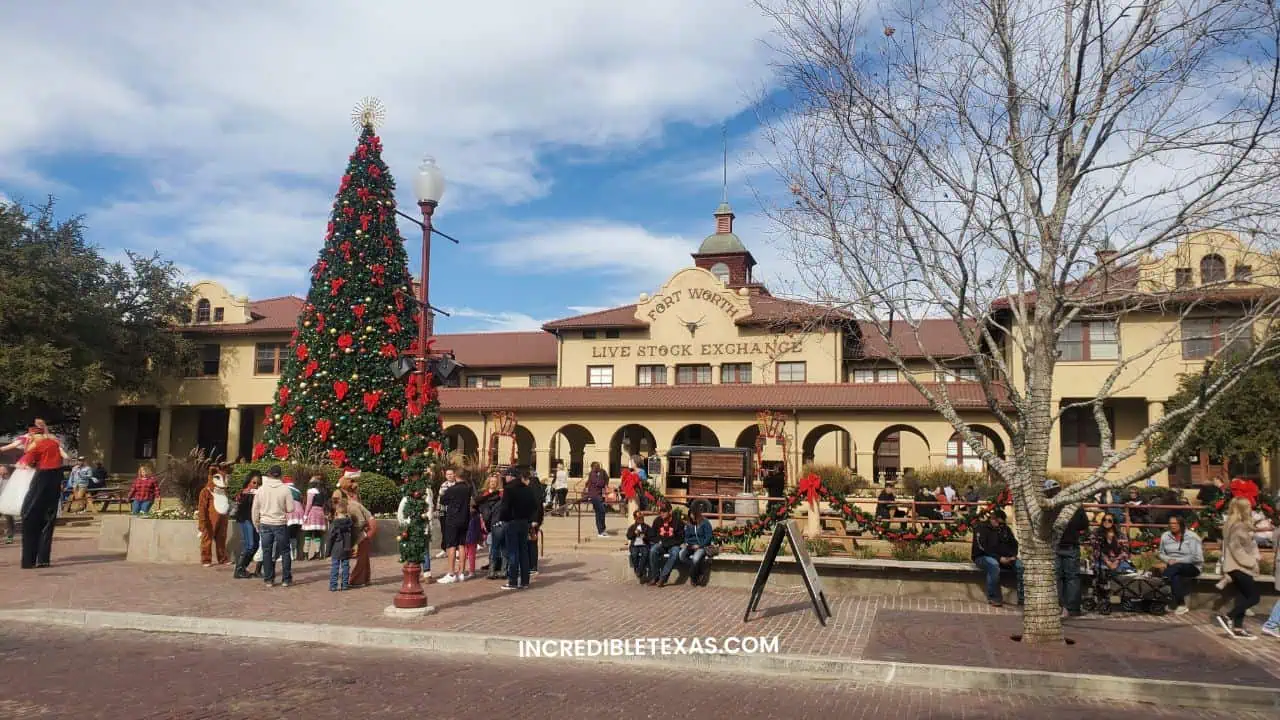
The HLSR scholarship program has awarded hundreds of millions of dollars to Texas students, demonstrating how these traditions support future generations. Nearby in North Texas, the Fort Worth Stock Show and Rodeo has preserved authentic cowboy arena sports continuously since 1896.
Homecoming Mums: A Multi-Million Dollar Tradition
One of the most unique modern Texas traditions is the homecoming mum, which has evolved from a simple 1930s chrysanthemum corsage into a massive, wearable art form. Today, the mum industry is a $100 million seasonal economy that sees students wearing elaborate arrangements of silk flowers, ribbons, and trinkets that can weigh up to 20 pounds.
Modern additions include integrated LED lighting, musical chimes, and mini-mums designed to decorate backpacks or travel tumblers. This high school rite of passage symbolizes school spirit and community pride across public and private campuses statewide.
Quinceañeras and Shared Heritage
The Quinceañera is a deeply significant Texas tradition that marks a young woman's transition into adulthood at the age of 15. This cultural milestone, rooted in the state's Mexican heritage, involves religious mass services, formal court presentations, and celebratory banquets that bring entire communities together.
In Texas, the Quinceañera integrates traditional Mexican customs with modern dance elements, reflecting the state's diverse multicultural fabric. These milestone events remain central to family unity and cultural continuity across Texas towns and cities.
How Texas Traditions Vary by Region
Texas traditions do not look identical everywhere, and that regional variety is one of the state’s greatest strengths. South Texas reflects deep Tejano, vaquero, and border influences, the Hill Country preserves German and Czech baking, and ranching heritage remains prominent in West Texas and the High Plains.
Urban centers introduce fresh layers by combining historic customs with international culinary influences, innovative craft brewing, and large outdoor festivals. Contemporary gatherings like the Tacos and Tequila Festival in Texas demonstrate how modern celebrations blend street cuisine with live throwback entertainment across sports complexes. By learning from living communities, visitors discover that Lone Star culture is a rich regional landscape rather than a single statewide script.
Why Texas Traditions Still Matter
Texas traditions still matter because they give people a tangible way to connect history with everyday life. A long wooden picnic table at a barbecue pit, a parade route along the San Antonio River, a dance hall floor in New Braunfels, or a Juneteenth gathering carries living memories across families.
That shared connection explains why Texas customs continue to thrive rather than fade away. New residents and younger generations embrace regional food, music, and gatherings, ensuring that Lone Star heritage remains dynamic and welcoming.
Frequently Asked Questions About Texas Traditions
What are the 2026 fried food trends at the State Fair of Texas?
The latest trends emphasize heritage cooking fats like beef tallow alongside balanced sweet-and-spicy flavor combinations. These creative recipes build on past Big Tex Choice Award winners including crab-stuffed arancini and candied bacon treats.
Why do Texans wear massive homecoming mums?
Homecoming mums began in the 1930s as simple fresh flower corsages before transforming into elaborate, personalized ribbon arrangements. They represent school pride, athletic traditions, and high school friendships throughout the autumn football season.
How many different barbecue styles are found in Texas?
Texas officially celebrates four distinct regional barbecue traditions: Central Texas, East Texas, South Texas Barbacoa, and West Texas open-pit cooking. Each regional style uses specific hardwoods, seasonings, and cooking temperatures to achieve its signature profile.
What is the best time to visit the King Ranch for a tour?
Spring and autumn offer the most pleasant weather for exploring working pastures and historic ranch outposts in Kingsville. Guided tours operate year-round, but reservations should be made well in advance during peak travel weeks.
What is the 100th anniversary of Route 66 in Texas?
The Route 66 Centennial celebrates one hundred years since the founding of America's most famous highway across the Panhandle. Texas cities including Amarillo and Shamrock host classic car cruises, neon lighting exhibits, and historical museum tributes.
Are there special Texas traditions for the 2026 World Cup?
International tournament matches hosted in Arlington and Houston pair global soccer excitement with legendary Lone Star tailgating hospitality. Fans can expect extensive outdoor food cook-offs, live roots music stages, and cultural exhibitions outside the stadiums.
Is Tex-Mex different from authentic Mexican food?
Tex-Mex developed as a distinct regional American cuisine created by generations of Tejanos using local beef, yellow cheeses, cumin, and wheat flour. To explore local expressions used across regional diners, consult our guide to Texas Slangs before ordering your next meal.