South Llano River State Park: Ultimate 2026 Visitor’s Guide
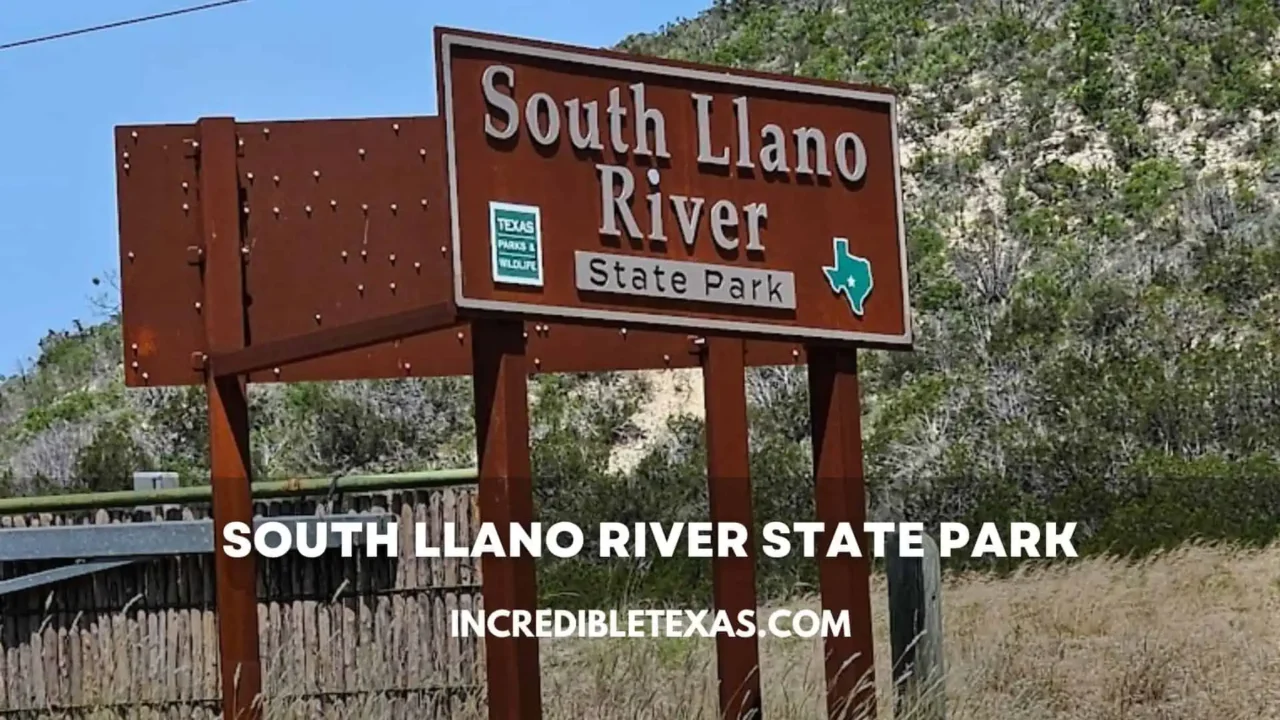
South Llano River State Park, established in 1990 near the small town of Junction, Texas, serves as a lush, spring-fed sanctuary where the arid landscapes of West Texas meet the rolling hills of the Lone Star State’s famous Hill Country. This 2,600-acre park is far more than just a place to pitch a tent; it is an International Dark Sky Park, a Bird City Texas destination, and home to one of the largest Rio Grande wild turkey roosts in the state.
For travelers seeking a combination of Texas Hill Country river tubing and rugged backcountry exploration, this park offers a unique dual experience that few other Texas state parks can match. This comprehensive South Llano River camping guide highlights everything you need to know for a successful visit.
As we enter 2026, visitors should be aware of several critical updates, including ongoing facility renovations and specific seasonal hour restrictions designed to protect the park’s wildlife. Coming for the 22.7 miles of multi-use trails, the cool waters of the South Llano River, or the chance to witness the Milky Way in a Gold-tier dark sky environment?
This guide provides current 2026 fees, South Llano River State Park trails map and descriptions, and essential advice for navigating the park’s unique ecosystems and engaging in the best Junction Texas outdoor activities.
Comparing South Llano River to Other Hill Country Parks
When planning a trip to the Texas Hill Country, many travelers instinctively look toward the “Big Three”: Garner State Park, Enchanted Rock State Natural Area, and Lost Maples. While these destinations are undeniably iconic, they often suffer from extreme crowding, requiring day-use reservations weeks or even months in advance. South Llano River State Park offers a refreshing alternative, providing the same rugged beauty and spring-fed waters without the overwhelming foot traffic found at Garner State Park.
Unlike the high-energy, social atmosphere of Garner’s summer dances, South Llano prioritizes solitude and nature observation. It is a destination for those who prefer the sound of the wind through the pecans over the sound of a neighboring campsite’s radio. While Enchanted Rock offers world-class granite climbing, South Llano provides 22.7 miles of multi-use trails that offer a much higher degree of solitude and wildlife viewing opportunities than the heavily-trafficked Summit Trail at the Rock.
For those seeking the “real” Texas Hill Country—the one of quiet rivers, ancient trees, and expansive night skies—South Llano is often the superior choice. It serves as a middle ground between the lush, humid river parks of the east and the high-desert landscapes found further west. This makes it an ideal “base camp” for travelers who want to experience the transition of Texas ecosystems in a single location.
2026 Visitor Essentials: Hours, Fees, and Alerts
For most of the year, South Llano River State Park is open daily from 6:00 AM to 10:00 PM. However, between October 1 and March 31, the park implements restricted hours for its day-use area (the river front) to protect roosting Rio Grande wild turkeys.
During these months, the river-adjacent day-use area is strictly open from 10:00 AM to 3:00 PM only. Knowing the best time to visit South Llano River for turkeys is crucial for birders, but respecting these boundaries is equally vital for the continued success of the turkey population, which has called this river bottom home for generations.
| Detail | 2026 Requirement / Info |
|---|---|
| Adult Entrance Fee | $5 daily |
| Children (12 & under) | Free |
| Night Activity Fee | $5 (required if staying past 10 PM for stargazing) |
| Office Hours (Winter) | 8:30 AM – 4:30 PM (Daily) |
| Office Hours (Summer) | 8:30 AM – 4:30 PM (Sat–Thu); 8:30 AM – 7:00 PM (Fri) |
| Current 2026 Status | Boil Water Notice & Burn Ban in effect (Feb 2026) |
🚨 2026 Construction Alert: As of early 2026, the park is undergoing significant renovations. All water/electric campsites, walk-in sites, and the shower facilities are currently closed for upgrades.
While the primitive hike-in sites remain open, campers should verify current availability through the Texas Parks and Wildlife Department official reservation portal before traveling. Additionally, parking for the Juniper Bird Blind is currently inaccessible due to construction, though other birding stations remain operational.
The History and Heritage of South Llano River
The land that comprises South Llano River State Park was once the private property of Buck and Fayette Guyton. In the mid-20th century, the Guyton family recognized the exceptional value of the river bottomlands and the unique turkey roosting habitat found on their ranch.
In 1977, the family donated the initial 2,123 acres to the state, with the vision of preserving the land for future generations of Texans. The park finally opened to the public in 1990, followed by the addition of the 500-acre Walter Buck Wildlife Management Area, creating a massive protected corridor along the river.
Before it was a park, this region was a vital crossroads for Native American tribes, including the Lipan Apache and Comanche, who relied on the reliable spring-fed waters of the South Llano. Evidence of prehistoric hunter-gatherers can still be found throughout the park in the form of burned rock middens and stone tool remnants, though these cultural resources are strictly protected.
Today, the park stands as a testament to the Texas Hill Country‘s rugged ranching history and the spirit of conservation that saved this river stretch from development.
Birding Paradise: Home of the Rio Grande Turkey
South Llano River State Park is a cornerstone of the Bird City Texas program, a designation earned through its commitment to habitat restoration and community engagement. It is often cited as offering some of the best birding in Texas State Parks, particularly for those interested in riparian and Hill Country species.
The park is world-renowned among ornithologists as one of the most consistent roosting sites for Rio Grande wild turkeys in the United States. During the winter months, hundreds of these massive birds gather in the tall pecans along the riverbanks.
Beyond the turkeys, the park is home to over 250 species of birds throughout the year. In the spring and early summer, birders flock here to see the endangered Black-capped Vireo and the Golden-cheeked Warbler, the only bird species that breeds exclusively in Texas.
If you are wondering where to see Golden-cheeked Warbler in Texas, the park’s rugged backcountry provides ideal nesting grounds. According to reports from the Audubon Society, the park serves as a critical “Important Bird Area” due to its varied habitats, ranging from lush river bottoms to dry, scrubby plateaus.
- The Bird Blinds: The park features four specialized bird blinds—Juniper, Acorn, Agarita, and Lora’s—each equipped with water features and feed stations. These blinds provide exceptional “up-close” photography opportunities for species like the Painted Bunting and Vermilion Flycatcher.
- The Fawn Trail: For those looking to spot the Golden-cheeked Warbler, the Fawn Trail is your best bet. This moderate trail transitions into the juniper-oak woodlands that these rare birds require for nesting.
- River Bank Birding: The pecan groves near the park entrance are ideal for spotting Summer Tanagers, Yellow-billed Cuckoos, and various raptors circling the canyon walls.
Stargazing in a Gold-Tier International Dark Sky Park
While many visitors come for the river, others arrive only as the sun begins to set to experience some of the best Texas dark sky park stargazing available. In 2017, South Llano River State Park was officially designated as an International Dark Sky Park by the International Dark-Sky Association.
It holds a “Gold-tier” status, which is the highest ranking possible, indicating a near-pristine night sky with minimal light pollution.
On a clear night, the Milky Way is not just visible; it is strikingly bright, casting a subtle glow over the canyon walls. The park uses a Sky Quality Meter (SQM) to monitor the darkness levels, which typically hover around a 21.5 on the magnitude scale, placing it firmly in the Bortle Class 3 category.
These conditions are perfect for those seeking dark sky photography tips South Llano River as a baseline for capturing deep-sky objects like the Andromeda Galaxy and various nebulae with the naked eye or basic binoculars.
- Best Viewing Spots: The backcountry parking area and the trailhead near the windmill offer the most unobstructed horizons for stargazing.
- Stargazing Etiquette: To preserve the night vision of other visitors, the park requires the use of red-filtered flashlights only. Standard white lights are discouraged in the stargazing areas.
- Night Activity Pass: If you are not camping but wish to stay past 10:00 PM for astronomical observation, you must purchase a $5 night activity pass at the self-pay station or the front office.
Paddling and Swimming the South Llano River
The South Llano River is the lifeblood of the park. Unlike many other Texas rivers that can turn murky or dry up during summer droughts, the South Llano is primarily spring-fed, ensuring a steady flow of clear, cool water even in the hottest months.
The river is relatively shallow and slow-moving through the park, making it an ideal destination for families with children and first-time paddlers.
Swimming is permitted anywhere along the river, but the most popular spot is the “Beach” area near the day-use parking. Here, the river widens, and the gravel bottom provides a comfortable place to lounge in the water.
For those who prefer moving at a faster pace, tubing is a local tradition. Most visitors start at the “put-in” point at the upstream end of the park and float approximately 1.5 miles down to the “take-out” point near the bridge, a journey that typically takes 1 to 2 hours depending on the water levels.
Kayaking and canoeing are also popular, though the river’s shallows often require portaging during periods of low rain. For a longer adventure, experienced paddlers can start outside the park at the US-377 bridge and paddle into the park grounds.
Always check the current river flow rates via the TPWD website, as heavy rains in the watershed can lead to rapid rises and dangerous currents.
2026 Pricing Guide: Camping, Cabins, and Rentals
Planning a trip to South Llano River State Park requires a clear understanding of the current costs and facility availability, especially given the significant infrastructure upgrades occurring in 2026. While the park is exceptionally affordable, many visitors choose to combine state park activities with private lodging in nearby Junction to enjoy modern amenities while the park’s primary sites undergo renovation.
Below is the comprehensive breakdown of expected costs for your 2026 visit.
| Accommodation Type | Estimated Nightly Rate | Key Features |
|---|---|---|
| Campsite (Electric/Water) | $20.00 | 30-amp hookups, shaded pads (Check 2026 closure status) |
| Walk-in Campsite | $15.00 | Water at site, near parking, more privacy |
| Primitive Hike-in | $10.00 | 1.5–2 mile hike, no water/electricity, ultimate solitude |
| Screened Shelter | $30.00 | Concrete floor, roof, electric outlet, near river |
| Private Cabin (Economy) | $55.00 – $65.00 | North Llano River RV Park (Junction), basic amenities |
| Private Cabin (Premium) | $175.00+ | Hill Terrace (Junction), historic rock cabins, river access |
🚨 Important Note on Park Lodging: As of early 2026, the shower facilities and electric campsites at South Llano River State Park are under construction. If these amenities are essential for your trip, consider booking a cabin at North Llano River RV Park or Hill Terrace in Junction.
These private options offer a comfortable “base camp” just five miles from the state park gates.
River Rental and Shuttle Pricing
Experiencing the South Llano River is easy whether you bring your own gear or rely on local outfitters. For those looking for a quick float within the park, tube rentals are the most cost-effective option.
However, if you plan to explore longer stretches of the river or fish for Guadalupe Bass in remote sections, a full-day kayak or canoe rental from a Junction-based outfitter is recommended.
| Rental Item / Service | Approximate 2026 Rate | Provider Type |
|---|---|---|
| Inner Tube Rental | $8.00 per day | In-Park Concession |
| Single Kayak Rental | $50.00 – $65.00 per day | Local Junction Outfitter |
| Canoe Rental | $75.00 per day | Local Junction Outfitter |
| Shuttle Service | $40.00+ per trip | Local Junction Outfitter |
| Group Kayak Package (4) | $240.00 (includes shuttle) | Bloody Bucket Kayaks |
Local providers like Bloody Bucket Kayaks and South Llano River Canoes & Kayaks offer comprehensive packages that include paddles, life jackets (PFDs), and dry bags. Most outfitters also provide shuttle services to various drop-off points, allowing you to float back to your vehicle at the state park or a designated take-out spot in Junction.
Reservations are strongly encouraged during the peak summer season (May–September).
Tube and Kayak Rentals: Planning Your Trip
While South Llano River State Park is a fantastic destination for river recreation, the park itself does not always offer onsite equipment rentals. For those who don’t bring their own gear, several local businesses in Junction, Texas provide tubes, kayaks, canoes, and shuttle services to ensure you spend more time on the water and less time worrying about logistics. These local outfitters are the backbone of the region’s river tourism and are excellent sources of current water level information.
- Junction Kayak Rentals: A reliable local provider offering a range of single and tandem kayaks. They frequently provide shuttle services to multiple drop-off points both inside and outside the park.
- South Llano River Canoes & Kayaks: Specializing in longer river trips, this outfitter can help you plan an all-day excursion that starts upstream of the park and floats through the state lands.
- General Logistics: If you are planning a self-shuttle, ensure you have two vehicles and a clear understanding of the “put-in” and “take-out” points. The park’s primary tubing run is 1.5 miles, but longer runs of 6 to 10 miles are possible with local shuttle assistance.
Comprehensive Guide to the South Llano River Trails
With 22.7 miles of multi-use trails, South Llano River State Park offers some of the best hiking and mountain biking in the Texas wildflower regions. The trail system is divided into two distinct zones: the lush river bottomlands and the rugged upland plateaus.
For those used to the flat trails of coastal parks, the elevation gains in the backcountry can be surprisingly challenging.
| Trail Name | Length | Difficulty | Key Highlights |
|---|---|---|---|
| Interpretive Trail | 0.4 mi | Easy | Pecan groves, shaded walk, perfect for families. |
| Buck Lake Trail | 1.6 mi | Easy | Oxbow lake views, beaver activity, bird blinds. |
| River Trail | 1.6 mi | Easy | Follows the riverbank, easy access to swimming spots. |
| Overlook Trail | 0.9 mi | Moderate | Steep climb, panoramic vistas (No bikes allowed). |
| Fawn Trail | 1.3 mi | Moderate | Transitions to uplands, warbler habitat. |
| Mid-Canyon Trail | 2.5 mi | Moderate | Backcountry solitude, porcupine sightings. |
| East Ridge Trail | 2.8 mi | Moderate | Great for mountain biking, follows park boundary. |
| Frontera Trail | 4.0 mi | Difficult | Most rugged terrain, highest elevation points. |
The Overlook Trail: A Must-Do for Vistas
If you only have time for one hike, make it the Overlook Trail. This 0.9-mile trek is short but packs a punch with its steep, rocky ascent.
Once you reach the summit, you are rewarded with a 360-degree view of the South Llano River valley. From this vantage point, you can truly appreciate the “oasis” nature of the park, as the green ribbon of the river cuts through the arid brown hills of the surrounding cattle country.
Note that bicycles are strictly prohibited on this trail due to the potential for erosion and the extreme grade.
Backcountry Loops for Solitude
For those seeking to escape the crowds, head to the trailhead near the windmill. From here, you can link the Windmill Hill, Mid-Canyon, and West Canyon trails to create a 6-to-8-mile loop through the park’s most remote sections.
These trails lead you up onto the plateaus, where the vegetation shifts to stunted juniper, prickly pear cactus, and sotol. In these higher elevations, you are likely to encounter porcupines resting in the trees or axis deer bounding across the rocky flats.
Edwards Plateau Geology: The Science of the Oasis
The “oasis” feel of South Llano River State Park is a direct result of its unique geology. The park is situated on the southwestern edge of the Edwards Plateau, a massive limestone uplift that covers much of Central Texas. This karst limestone acts like a giant sponge, absorbing rainwater and releasing it slowly through hundreds of springs. These springs provide the constant, clear flow of the South Llano River even during extreme droughts that dry up other regional waterways.
Over millions of years, the river has carved deep into the limestone, creating the dramatic canyon walls that define the park’s topography. This process has also created a varied soil profile: deep, rich alluvial soils in the river bottomlands that support massive pecan trees, and thin, rocky soils on the plateaus that support desert-hardy species. Understanding this geological foundation helps visitors appreciate why the park is such a vital refuge for wildlife in an otherwise semi-arid region.
Camping and Accommodations: 2026 Construction Updates
In recent years, South Llano River State Park has seen a surge in popularity, leading to a much-needed reinvestment in its infrastructure. As of early 2026, many of the park’s primary camping facilities are undergoing a complete overhaul.
While this means some short-term inconvenience for visitors, the result will be modern, more resilient sites that can handle the increased traffic this “hidden gem” now attracts. Securing South Llano River State Park camping reservations 2026 requires earlier planning than in previous years due to these temporary capacity limits.
The 56 campsites with water and electricity (30-amp) are currently offline for renovation. These sites, located in the wooded bottomlands near the park entrance, are being upgraded with new pedestals, leveled pads, and improved drainage.
Similarly, the six walk-in campsites and the central restroom and shower facilities are also closed. For those looking for more established camping experiences, we recommend checking out the facilities at McKinney Falls State Park while the South Llano upgrades are finalized.
- Primitive Hike-in Sites: For the adventurous, the five primitive sites located approximately 1.5 to 2 miles from the trailhead remain open. These sites offer true solitude, though you must carry in all your own water. There are no fires allowed in the backcountry, and a composting toilet is available in the general vicinity.
- Screened Shelters: The park’s screened shelters are also part of the renovation project. These shelters have historically been popular for families who want a roof over their heads without the full enclosure of a cabin.
- Reservations: Because of the reduced capacity during construction, reservations are filling up months in advance. The TPWD reservation system allows you to book up to five months out, and for 2026, we highly recommend booking the moment your window opens.
Beyond Birds: Wildlife and Flora of the South Llano
While the turkeys and warblers get the headlines, the biodiversity of South Llano River State Park extends far beyond its avian residents. The park sits in a transition zone, where the moist river bottomland supports towering pecans, walnuts, and oaks, while the dry uplands are dominated by Ashe juniper, live oak, and mesquite.
This mix of habitats supports an remarkable array of mammals and reptiles.
One of the most unique sights in the park is the North American Porcupine. While common in the western US, South Llano is one of the easternmost points in Texas where they are frequently spotted.
Look for them high in the branches of the pecan trees during the day, where they often sleep in plain sight. You may also encounter white-tailed deer, axis deer (an exotic species common in the Hill Country), armadillos, and the occasionally elusive bobcat or grey fox.
The flora is equally fascinating. In the spring, the park’s fields are carpeted with bluebonnets, Indian blankets, and Mexican hats.
In the rocky backcountry, keep an eye out for the Texas Sotol and Twisted-leaf Yucca, which are perfectly adapted to the thin, limestone-rich soils of the Edwards Plateau. These plants provided vital fiber for Native American tribes who inhabited this region for thousands of years.
The Pecan Bottomlands: An Endangered Ecosystem
One of the most biologically important features of the park is its expansive **pecan bottomland forest**. These forests, dominated by massive, centuries-old pecan trees (the state tree of Texas), were once common across Central Texas but have largely disappeared due to agriculture and development. South Llano River State Park protects one of the last remaining large-scale examples of this ecosystem on the Edwards Plateau.
These forests are not just beautiful; they are critical for the survival of the park’s famous wild turkey population. The pecans provide both a food source and the high, sturdy roosting branches the birds require for protection from predators at night. Beyond the turkeys, the bottomland supports a diverse understory of American elderberry, frostweed, and wild grape, which in turn supports hundreds of species of pollinators and songbirds. This “green corridor” acts as a vital highway for wildlife moving through the drier Hill Country uplands.
South Llano River Seasonal Visitor Calendar
Timing your visit to South Llano River State Park can dramatically change your experience. From the monarch migrations in the fall to the peak of the Texas wildflower season in the spring, the park’s character shifts with the weather. Use this monthly guide to plan your ideal trip based on your interests.
- January – February: The quietest months in the park. Ideal for winter birding and peaceful hiking. The turkeys are firmly established in their roosts, and the day-use area hours are restricted to 10 AM – 3 PM.
- March – April: Peak wildflower season. The park’s fields explode with bluebonnets and Indian blankets. This is also the start of the spring bird migration, making it a high-traffic time for photographers.
- May – June: The river begins to warm up, and the first tubers arrive. This is the best time to see the endangered Black-capped Vireo and Golden-cheeked Warbler on the upland trails.
- July – August: Peak river season. Families flock to the park for swimming and tubing. Expect daytime temperatures to exceed 95°F, making the spring-fed river a necessary refuge.
- September – October: The return of the turkeys (starting Oct 1) and the peak of the monarch butterfly migration. The park serves as a vital stopover on the monarch’s journey to Mexico.
- November – December: Crisp mornings and beautiful fall foliage in the pecan groves. The night skies are exceptionally clear, offering the year’s best stargazing conditions.
Photography Tips for South Llano River
For photographers, South Llano River State Park is a target-rich environment. To capture the best images, timing and position are everything.
The clear river water creates beautiful reflections of the surrounding trees and limestone bluffs, particularly during the “golden hour” just after sunrise and before sunset. Engaging in South Llano River State Park bird blind photography is a specialized way to capture remarkable shots of the park’s 250+ avian residents.
Bird photographers should spend several hours in the blinds. Using a lens with a focal length of at least 400mm is recommended, as it allows you to fill the frame without disturbing the birds.
The Acorn and Agarita blinds are particularly good for morning light. For wide-angle landscape shots, the Overlook Trail at sunset provides the best perspective of the winding river valley below.
Astrophotography is another major draw. With its Bortle 3 status, you can capture detailed images of the Milky Way with relatively short exposures.
A tripod and a fast, wide-angle lens (f/2.8 or wider) are necessary. Aim your camera toward the south during the summer months to capture the galactic core rising over the river basin.
Remember to use a red light while setting up to avoid ruining your long exposures and the night vision of others.
Nearby Attractions: Exploring Junction, Texas
If you need a break from the park or need to restock supplies, the nearby town of Junction is just five miles away. Known as the “Land of Eleven Rivers,” Junction is a classic Texas town that serves as the Kimble County seat.
It is a popular stopping point for travelers on I-10 and offers several unique local experiences.
- Dearborn’s BBQ: A local favorite for those who haven’t quite had their fill of smoked meats. Their brisket and sausage are highly regarded by locals and travelers alike.
- Junction City Park: Located at the confluence of the North and South Llano Rivers, this city park offers additional swimming and fishing opportunities, along with a large, shaded playground.
- Easter Pageant: If you happen to visit during the Easter season, Junction is famous for its massive outdoor “Hill Country Easter Pageant,” which has been a local tradition for over 70 years.
Fishing for the Guadalupe Bass: A Guide for Anglers
One of the primary draws for many visitors is the chance to catch the Guadalupe Bass, the official state fish of Texas. According to the Texas Parks and Wildlife Department’s species profile, this species is endemic to the streams of the Edwards Plateau and is prized by light-tackle and fly-fishing enthusiasts for its feisty nature and beautiful markings. The South Llano River within the park is prime habitat for these fish, which prefer the faster-moving, oxygen-rich waters near the river’s riffles and limestone outcrops.
Anglers at South Llano River State Park enjoy a unique benefit: no fishing license is required when fishing from the bank or a pier within the boundaries of a Texas state park. This rule makes the park an excellent place for families to introduce children to the sport without the added cost of permits. However, all other state fishing regulations, including size and bag limits, still apply to ensure the health of the river’s populations.
| Species | Best Lures / Baits | Preferred Habitat |
|---|---|---|
| Guadalupe Bass | Small crawfish mimics, Wooly Buggers (Fly), inline spinners | Riffles, current breaks, submerged rocks |
| Largemouth Bass | Soft plastic worms, topwater poppers | Slower pools, submerged logs, overhanging brush |
| Rio Grande Cichlid | Small nymphs, earthworms | Rocky crevices, shallow edges with cover |
| Channel Catfish | Stink bait, nightcrawlers | Deep holes, undercut banks |
For fly fishers, the South Llano is a dream destination. The clear water allows for “sight casting,” where you can actually see the fish before you make your presentation. During the summer months, terrestrials like grasshopper and ant patterns are highly effective along the shaded banks. In the cooler months, subsurface nymphs and small streamers worked slowly through the deeper pools will often yield larger largemouth bass and various sunfish species.
Helpful Tips for Your 2026 Visit
To ensure you have a safe and enjoyable trip to South Llano River State Park, keep these practical tips in mind:
- Bring Your Own Water: Due to the current boil water notice in early 2026, we recommend bringing several gallons of drinking water per person, especially if you plan on hiking in the backcountry.
- Cell Service is Unreliable: Do not rely on your phone for navigation within the park. Download the official South Llano River State Park Map and trail guides before you arrive.
- Check for Burn Bans: Much of the Hill Country experiences drought conditions. Always check the park’s social media or call the front office at (325) 446-3994 to see if charcoal or wood fires are currently permitted.
- River Gear: If you plan to tube, bring your own sturdy tubes. While the park sometimes has a concessionaire, availability is not guaranteed. Closed-toe water shoes are highly recommended to protect your feet from the rocky river bottom.
- Wildlife Safety: This is rattlesnake country. While they generally avoid humans, always stay on the designated trails and watch where you step, especially in the rocky upland sections.
FAQs on South Llano River State Park
Can you swim and tube in the South Llano River?
Yes, the spring-fed river within the park is ideal for swimming, tubing, and paddling. The park features two miles of river frontage with multiple easy-access points for families.
Does South Llano River State Park rent tubes or kayaks?
The park concession typically rents inner tubes for approximately $10 per day. For kayak and canoe rentals, most visitors use local outfitters in Junction who also provide shuttle services.
Do I need a fishing license at South Llano River State Park?
No, you do not need a fishing license to fish from the bank or a pier within the boundaries of a Texas State Park. The park even offers a tackle loaner program for those who don’t have their own gear.
When is the best time to see the wild turkeys at the park?
The famous Rio Grande wild turkeys roost in the park from October 1 through March 31. This site is one of the largest and oldest roosting colonies in the United States.
Are there trail restrictions during the turkey roosting season?
Yes, to protect the birds, the river bottom area is only open from 10:00 AM to 3:00 PM during the roosting months. These seasonal restrictions help ensure the turkeys are not disturbed while entering or leaving their roosts.
Are there venomous snakes at South Llano River State Park?
Western Diamondback Rattlesnakes and Coral Snakes are native to the Texas Hill Country and can be found in the park. Always stay on marked trails and keep a safe distance if you encounter any wildlife.
What types of campsites are available at the park?
The park features 58 campsites with 30-amp electricity and water hookups. Additionally, there are 6 walk-in tent sites and 5 primitive hike-in sites located about 1.5 miles from the trailhead.
Is South Llano River State Park an International Dark Sky Park?
Yes, it is an officially designated International Dark Sky Park with Gold-tier status. This makes it one of the premier locations in Central Texas for stargazing and astrophotography.
Is there a gate closure at South Llano River State Park?
The main gate does not close, allowing 24-hour access for campers and late arrivals. If you arrive after office hours, you should use the self-pay station located at the park headquarters.
What are the current 2026 alerts for the park?
As of early 2026, the park is under a boil water notice and is undergoing major renovations to its camping facilities. Visitors are encouraged to bring their own drinking water and check for burn bans before arrival.
Final Thoughts on South Llano River State Park
South Llano River State Park remains one of the most compelling destinations in the Texas state park system. Its unique ability to offer both a refreshing river experience and a true backcountry adventure makes it a favorite for outdoor enthusiasts of all stripes.
While the 2026 construction projects may require a bit of flexibility, the long-term benefits to the park’s infrastructure will ensure it remains a premier destination for decades to come.
Serious birders looking for that elusive warbler, families wanting to cool off in the spring-fed waters, and stargazers seeking the quiet beauty of the night sky all find an authentic Texas experience at South Llano River. Plan your visit, respect the seasonal turkey roosting hours, and prepare to be amazed by this vibrant Hill Country oasis.