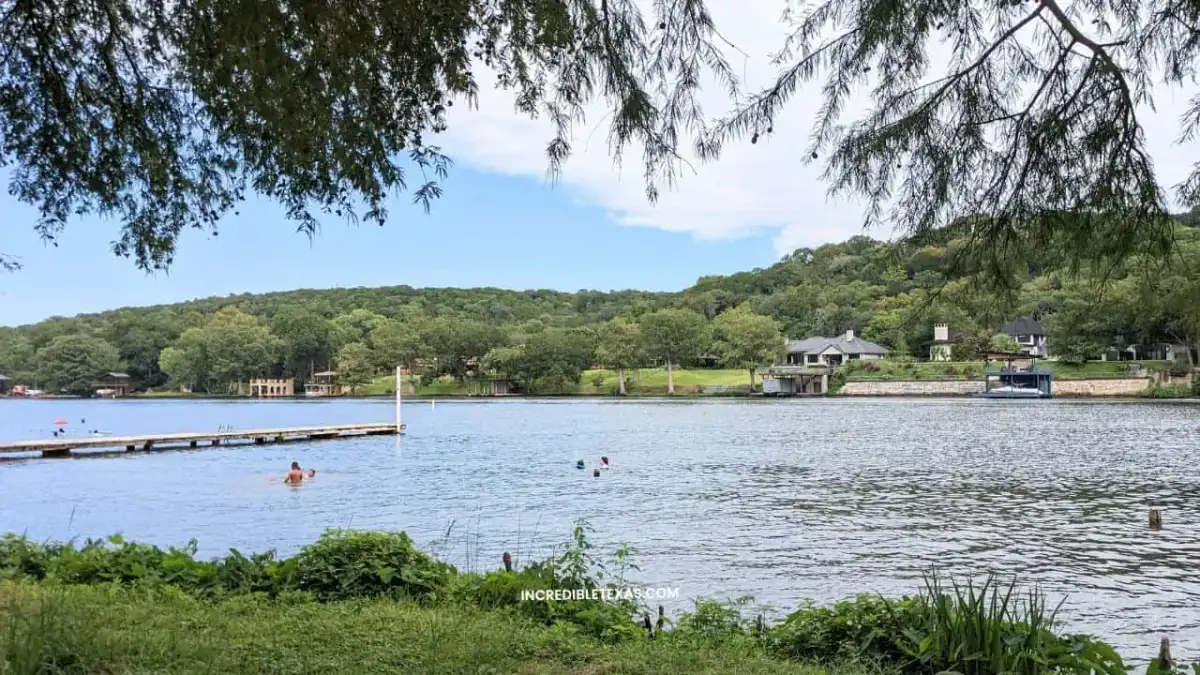
Lake Austin TX is a 1,599-acre reservoir on the lower Colorado River within the city limits of Austin. Because private residential estates border most of the waterfront, accessing the water requires planning around public boat ramps, county parks, and designated shoreline access sites.
Key takeaways
- Water Management: Managed as a pass-through reservoir by the Lower Colorado River Authority, Lake Austin maintains a constant pool level year-round.
- Top Boat Launches: Walsh Boat Landing and Loop 360 Ramp offer the closest access to central Austin, while Mary Quinlan Park serves the upper river.
- Camping and Day Use: Emma Long Metropolitan Park provides the only public waterfront camping, shoreline swim beaches, and shaded day-use sites.
- Boating Regulations: The City of Austin enforces personal watercraft bans on holiday weekends from Memorial Day to Labor Day.
- Angling Potential: Clear waters, hydrilla beds, and private boat docks provide excellent habitat for trophy largemouth bass and catfish.
What Lake Austin TX Is and Why It Matters
Lake Austin forms a vital link in the Texas Highland Lakes system. Impounded in 1939 by Tom Miller Dam, the reservoir snakes 21 miles along the Balcones Fault, bounded by limestone hills, upscale neighborhoods, and steep canyon bluffs.
According to the Lower Colorado River Authority River Operations division, the reservoir functions as a constant-level pass-through system. Water released from upstream Mansfield Dam moves steadily through Lake Austin before flowing into Lady Bird Lake and serving downstream municipal water supplies.
Because the lake water level fluctuates only slightly during normal hydroelectric operations, boat docks and ramps remain usable throughout the year. Daily reservoir data monitored by the Texas Water Development Board shows a normal conservation pool elevation of 492.8 feet above mean sea level. Travelers exploring regional waterways will find Lake Austin a unique entry among the top lakes near Austin.
The reservoir caters to wakeboarders, pontoon boaters, kayak paddlers, and competitive bass fishermen. Understanding how public access points connect to the water helps visitors avoid private property trespass while exploring this Hill Country waterway.
Best Things to Do on Lake Austin
Motorized boating dominates daytime recreation across Lake Austin. Ski boats, pontoons, and wake-surfing vessels travel the deep river channel between Mansfield Dam and Tom Miller Dam, enjoying calm waters sheltered by surrounding limestone canyon walls.
Anglers target largemouth bass, channel catfish, and bluegill around boat docks, rock ledges, and submerged weed lines. Biological surveys from the Texas Parks and Wildlife Department highlight a productive fishery where bass frequently weigh over eight pounds. Heavy summer boat traffic prompts many experienced anglers to fish during early morning or night hours.
Paddlers explore calm tributaries such as Bull Creek, Bee Creek, and the shallow shoreline flats around Commons Ford Ranch. These quieter side channels allow canoeists and stand-up paddleboarders to avoid large boat wakes while viewing native herons, turtles, and bald eagles.
Waterfront dining adds an enjoyable social component to an outing on the water. Casual lakeside restaurants like Ski Shores Cafe and Mozart's Coffee Roasters feature private boat slips where boaters can tie up for snacks, coffee, or burgers before resuming their trip.
Where Lake Austin Access Is Easiest
Public entry points on Lake Austin are divided between City of Austin parks and Travis County recreational facilities. Knowing the amenities and fee requirements of each site makes launching trailers or finding shoreline bank spots straightforward.
Walsh Boat Landing
Walsh Boat Landing serves as the primary municipal boat launch near central Austin, located at 1600 Scenic Drive. The site features two concrete launch lanes, courtesy docks, and paved vehicle-trailer parking spaces.
The City of Austin Walsh Boat Landing office assesses a 10 dollar boat launch fee, payable via automated credit card kiosks. The ramp sits directly adjacent to commercial concessions and residential streets, so arrive before 8:00 a.m. on weekends to secure parking.
Loop 360 Ramp
The Loop 360 Boat Ramp sits directly underneath the iconic Pennybacker Bridge off Capital of Texas Highway. This three-lane concrete boat ramp handles heavy motorized traffic and offers expansive paved parking areas operated by Travis County.
Visitors who launch here enjoy immediate mid-lake access with scenic vistas of steep cliff bands. After launching or paddling, outdoor enthusiasts often hike the adjacent bluff trail up to Pennybacker Bridge Overlook for panoramic views of the water channel below.
Emma Long Metropolitan Park
Emma Long Metropolitan Park, situated at 1600 City Park Road, is the largest public recreational site on Lake Austin. The facility provides a concrete boat launch, open sandy swim areas, picnic pavilions, and waterfront tent and RV campsites.
City Park Road winds through scenic cedar hills before reaching the shoreline gate. Advance day-pass reservations are required on Fridays, weekends, and holidays from spring through early autumn.
Mary Quinlan Park
Mary Quinlan Park is a quieter public park managed by Travis County, located on the upper end of the lake at 16010 Quinlan Park Road. The park features a single-lane concrete ramp, short courtesy docks, and bank fishing access with no launch fee required.
Because the park sits far upstream near the tailrace of Mansfield Dam, water temperatures here remain noticeably cooler than downstream basins. The ramp offers an ideal launch site for exploring scenic wilderness bluffs away from downtown boat crowds.
Fritz Hughes Park
Fritz Hughes Park occupies a peaceful wooded parcel at 3100 Fritz Hughes Park Road, just below Mansfield Dam. While this county park does not have a boat ramp, it provides excellent shoreline bank fishing, picnic tables, and shaded grassy lawns.
Shoreline anglers target rainbow trout in winter and catfish year-round from the calm banks. Entry is free, and operating hours run daily from sunrise until 10:00 p.m.
Commons Ford Park
Commons Ford Ranch Metropolitan Park encompasses 215 acres of restored tallgrass prairie and riparian woodlands along the southern shore. Located at 6111 Commons Ford Road, the park features a historic barn, foot trails, and public shoreline access.
Motorized boat launches are prohibited, but visitors can hand-carry kayaks and paddleboards down to the water. The park serves as a prime birdwatching destination, attracting over 200 recorded avian species throughout the year.
How to Choose the Right Access Point
Selecting the best Lake Austin access point depends on your planned recreational activity and gear. Motorized watercraft operators should choose Walsh Boat Landing for proximity to town or Loop 360 Ramp for wider parking and central lake navigation.
Families wanting open picnic spaces, playground structures, and safe designated swimming areas should head directly to Emma Long Metropolitan Park. Kayakers and shore anglers seeking peaceful water without wake turbulence will find Mary Quinlan Park, Fritz Hughes Park, and Commons Ford far more rewarding.
Lake Austin Public Access Points Comparison
Use the comparison table below to review launch types, lane capacities, entry costs, and management jurisdictions across all public Lake Austin access locations.
| Access Point | Location | Ramp Lanes | Fee Required | Primary Management | Best Suited For |
|---|---|---|---|---|---|
| Walsh Boat Landing | 1600 Scenic Dr | 2 Concrete | Yes ($10 kiosk) | City of Austin | Central boat launch, quick city access |
| Loop 360 Boat Ramp | 5019 Loop 360 N | 3 Concrete | Yes (Travis Co. fee) | Travis County | Mid-lake access, scenic bridge views |
| Emma Long Metro Park | 1600 City Park Rd | 1 Concrete | Yes (Park entry fee) | City of Austin | Camping, swimming beach, family days |
| Mary Quinlan Park | 16010 Quinlan Park Rd | 1 Concrete | No fee | Travis County | Upper lake launch, quiet scenic cruising |
| Fritz Hughes Park | 3100 Fritz Hughes Rd | Shoreline only | No fee | Travis County | Bank fishing, quiet picnics, dam views |
| Commons Ford Ranch | 6111 Commons Ford Rd | Hand-launch only | No fee | City of Austin | Kayak paddling, birding, nature walks |
Official coordinates, water depth advisories, and navigational safety notices for each site are listed on the Texas Parks and Wildlife Department Public Access Directory.
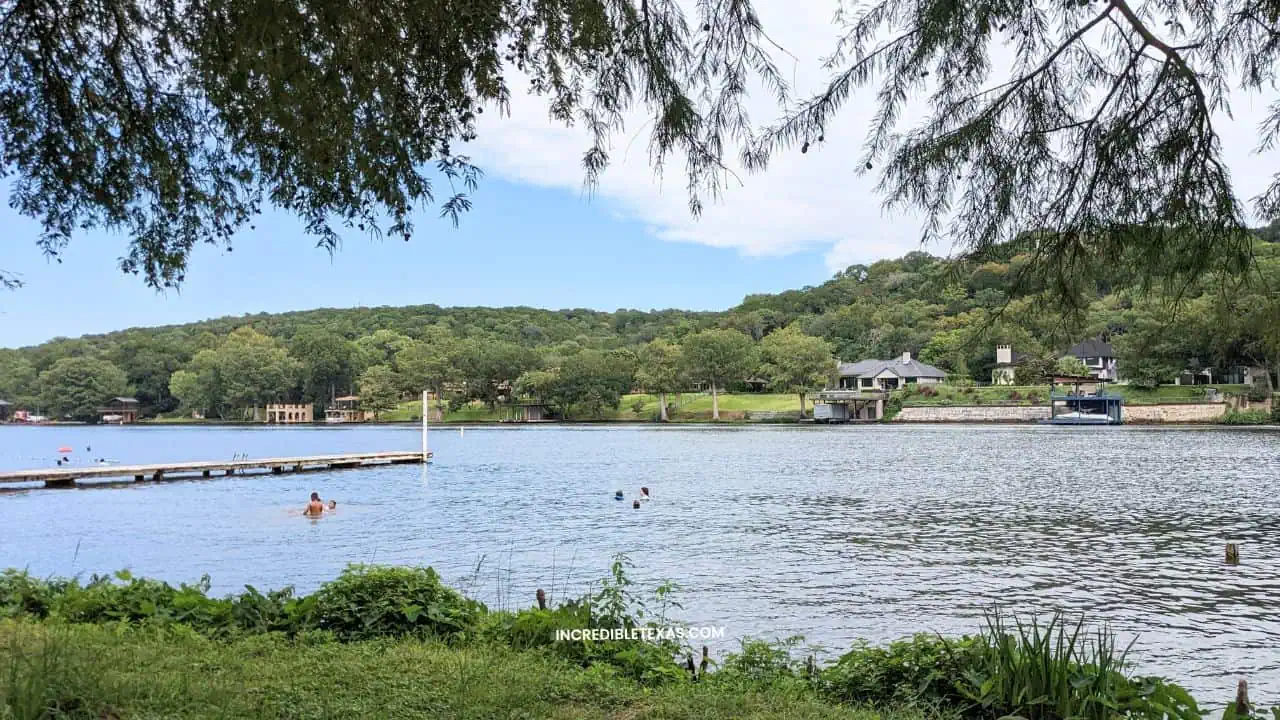
Lake Austin Boating Rules, Fishing Notes, and Park Details
Boating safely on Lake Austin requires adhering to municipal watercraft codes and state navigational laws. Because the lake stays narrow, all vessels must maintain a controlled no-wake speed within 100 feet of shorelines, docks, swimmers, and bridge pilings.
The City of Austin enforces an annual holiday curfew on personal watercraft, including jet skis and wet bikes. Personal watercraft are prohibited from operating on Lake Austin beginning at sunset on the Friday before Memorial Day, Independence Day, and Labor Day through sunrise on the following Tuesday.
State environmental biosecurity laws require boaters to clean, drain, and dry all watercraft, motors, and livewells before entering or leaving the reservoir. This protocol prevents the spread of invasive zebra mussels and foreign aquatic vegetation to neighboring river systems.
Travelers planning overnight trips should consult our guide to Emma Long Metropolitan Park for campsite check-in schedules and shoreline rules. Bass fishing follows statewide freshwater limits, requiring a minimum length of 14 inches with a daily bag limit of five fish.
What to Bring to a Lake Austin Day
Preparing essential gear ensures a smooth outing on Lake Austin. Pack the following items before departing home:
- Coast Guard Approved Life Jackets: Texas law requires one properly fitted wearable life jacket for every person on board, with children under thirteen required to wear them while underway.
- Credit or Debit Card: Parking meters at Walsh Boat Landing and county fee machines at Loop 360 do not accept cash.
- Water and Sun Protection: Sunscreen, polarized sunglasses, wide-brim hats, and ample drinking water are essential during hot Texas summers.
- Dry Bag and Navigation Lights: Protect mobile phones in waterproof cases, and verify working boat bow and stern lights if staying past dusk.
- Valid Texas Fishing License: Anglers aged seventeen and older must carry a valid resident or non-resident fishing license with a freshwater stamp endorsement.
A Simple First Visit Plan to Lake Austin
Planning your first trip to Lake Austin is straightforward when following an organized sequence. Start by checking wind forecasts, water levels, and launch ramp status online before leaving home.
Arrive at your chosen boat ramp early in the morning to beat recreational boat crowds and claim trailer parking. Boaters seeking massive open water expanses can compare this river run with our guide to Lake Travis for open sailing basins.
Schedule a mid-day rest by docking at a waterfront restaurant or anchoring in a sheltered cove for a swim. Conclude your day before sunset to reload your watercraft easily, or stay past dusk to enjoy tranquil night bass fishing along shaded residential docks.
Lake Austin vs. Lady Bird Lake and Lake Travis
Understanding how Lake Austin differs from neighboring waterways helps travelers pick the right destination for their trip. Downstream lies Lady Bird Lake, an urban reservoir where motorized boats are banned, leaving the surface exclusively to kayakers, paddleboarders, and rowing sculls.
In contrast, Lake Austin allows motorized watercraft, jet skiing, wakeboarding, and water skiing along its 21-mile canyon corridor. The river-like layout offers wind-protected waters flanked by limestone bluffs.
Lake Austin provides a balanced middle ground, combining the motorized recreation of larger reservoirs with the constant pool levels of a sheltered river channel. This constant level makes it dependable when larger flood control basins face drought restrictions.
Best Time to Visit Lake Austin
Spring and autumn provide the finest weather conditions for visiting Lake Austin. Moderate temperatures in April, May, October, and November allow boaters and hikers to enjoy the water without extreme summer heat.
Summer brings steady wakeboarding and pleasure boating, but weekend boat traffic can generate choppy wake turbulence in narrow channels. Visiting on weekday mornings offers glassy water surfaces, quiet coves, and uncrowded launch ramps.
Winter provides peaceful solitude for anglers targeting cold-water bass and shoreline trout below Mansfield Dam. Mild Central Texas winters make paddling and nature photography enjoyable even during January and February.
Frequently Asked Questions
Can you swim in Lake Austin?
Swimming is permitted in Lake Austin, but safety guidelines urge visitors to use designated park swim beaches like Emma Long Metropolitan Park. Heavy motorized boat traffic and private docks make open-channel swimming dangerous in narrow sections.
Is Lake Austin public or private?
The lake waters and bed are public, managed by the Lower Colorado River Authority and the City of Austin. However, the vast majority of shoreline property is privately owned, meaning recreational visitors must enter through designated public boat ramps and parks.
Where can you access Lake Austin for boating?
Public motorized boat ramps are located at Walsh Boat Landing, Loop 360 Ramp below Pennybacker Bridge, Emma Long Metropolitan Park, and Mary Quinlan Park. Each access point features distinct parking spaces, lane counts, and county or municipal fee schedules.
Is there a fee for Walsh Boat Landing?
Yes, the City of Austin charges a 10 dollar boat launch fee at Walsh Boat Landing. Boaters must pay by credit card at the automated parking lot kiosks before launching.
How far is Lake Austin from downtown Austin?
The lower end of Lake Austin at Walsh Boat Landing is roughly four miles west of downtown Austin, taking about ten to fifteen minutes by car. Upper access points like Mary Quinlan Park sit approximately twenty miles northwest and require thirty to forty minutes of travel.