Sea Rim State Park: Ultimate 2026 Visitor’s Guide to Map, Hours & Camping
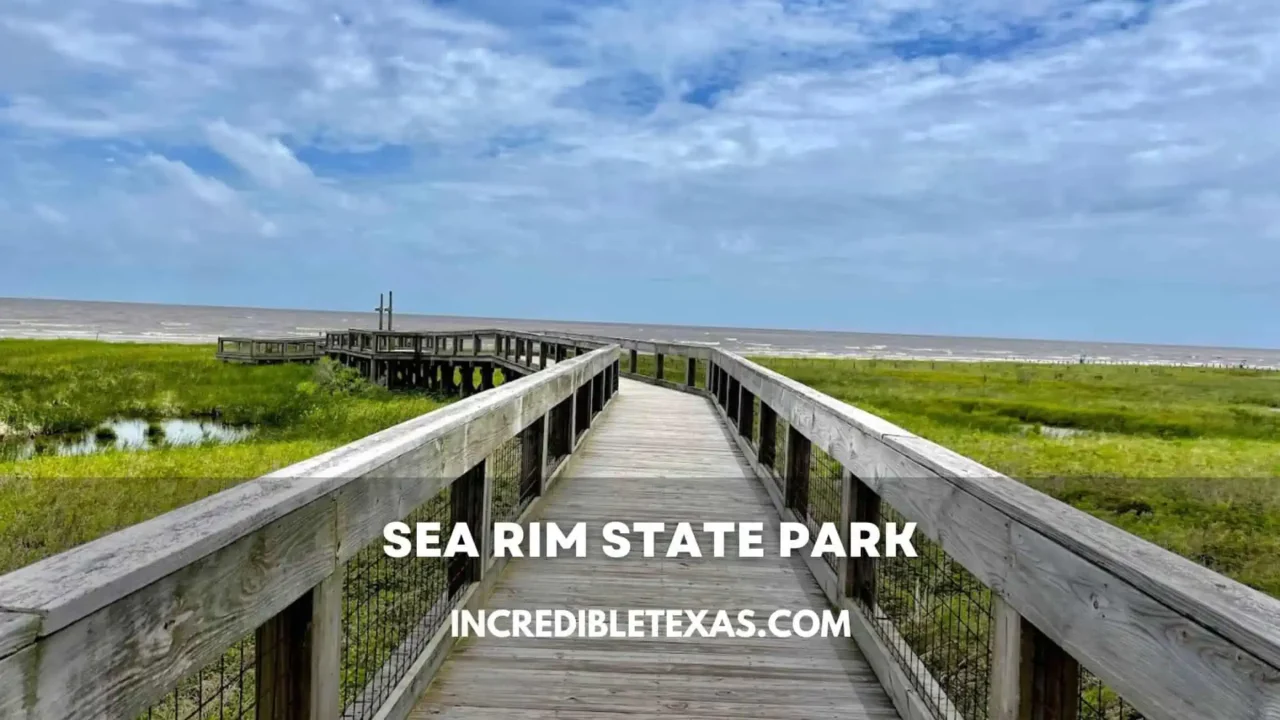
Sea Rim State Park stands as one of the most unique coastal destinations in the Lone Star State, where 5,000 acres of brackish marshlands meet five miles of pristine Gulf of Mexico shoreline. According to the Texas Parks and Wildlife Department, the park is a vital component of the Chenier Plain, a geologically significant region where marsh grass literally meets the sea. This area is recognized by Audubon Texas as a core component of the Chenier Plain Important Bird Area (IBA), hosting some of the largest colonies of Reddish Egret and Roseate Spoonbill in North America.
Located in the far southeast corner of Texas near Port Arthur, this coastal gem offers a rare opportunity to experience two distinct ecosystems—the expansive salt marsh and the sandy dunes—within a single visit. Whether you are looking for world-class birding along the Central Flyway, primitive beach camping in Texas under the stars, or challenging Sea Rim State Park paddling trails through the marsh, Sea Rim provides a rugged and beautiful escape from the city.
For visitors traveling from Houston or Beaumont, Sea Rim State Park serves as the ultimate gateway to the “Sea Rim” of Texas. Much like the distinct landscapes found at Abilene State Park, this coastal unit offers a diverse range of terrain that changes with every mile. The park’s name perfectly describes its location at the edge of the sea, where the marsh grass literally meets the surf.
Unlike many developed Texas beaches, Sea Rim offers a more natural, undisturbed environment that appeals to nature enthusiasts, anglers, and photographers looking for authentic things to do in Sea Rim State Park.
Sea Rim State Park: Quick Reference Guide
| Category | Details |
|---|---|
| Location | 19335 TX-87, Sabine Pass, TX 77655 |
| Day Use Hours | 6:00 AM – 10:00 PM Daily |
| Office Hours | 8:30 AM – 4:30 PM Daily |
| Adult Entry Fee | $3 per person (13 and older) |
| Child Entry Fee | Free (12 and under) |
| Total Area | 5,217 Acres |
| Shoreline | 5.2 Miles of Gulf Beach |
| Paddling Trails | Over 15 miles of mapped trails |
Understanding the layout of Sea Rim State Park is key to a successful trip, as the park is divided into two main sections: the Beach Side and the Marsh Side. The Beach Side features the dunes, boardwalks, and camping areas, while the Marsh Side offers boat ramps and the famous Gambusia Nature Trail boardwalk.
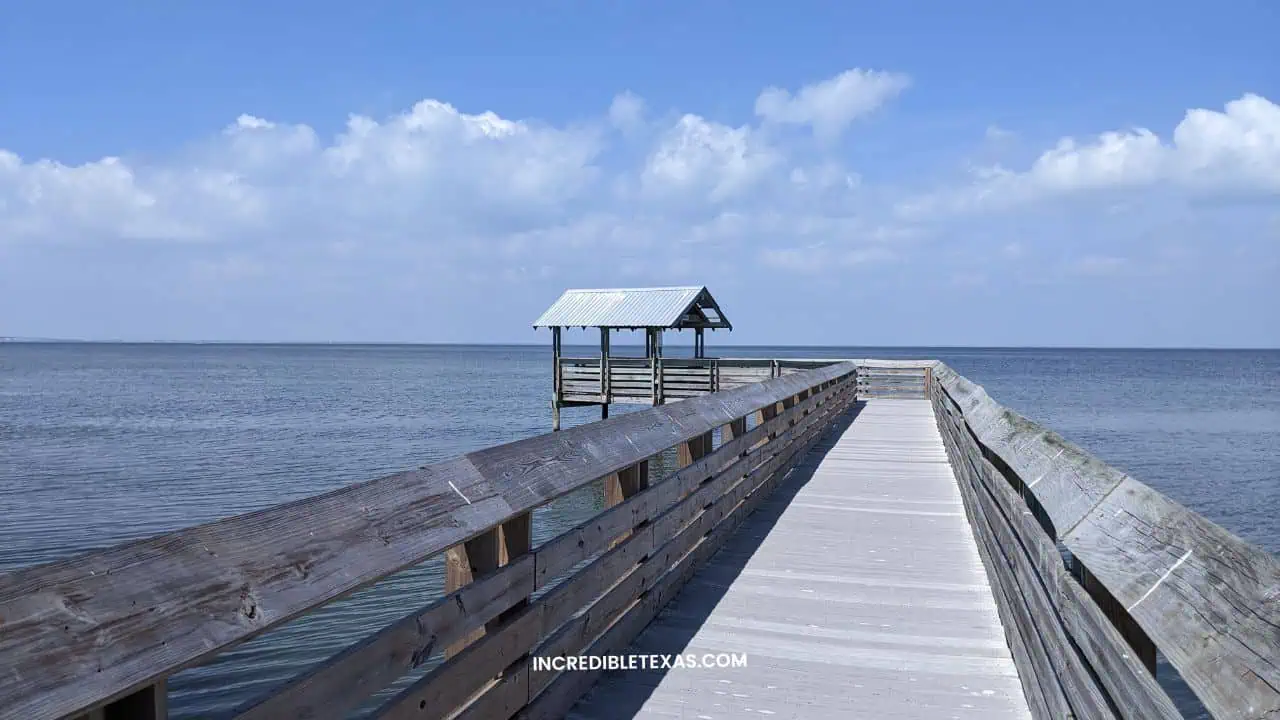
Both areas are easily accessible via Highway 87, providing a complete coastal experience for every type of traveler looking for a Sea Rim State Park map and directions.
Sea Rim State Park Hours and Admission Prices
Planning your visit starts with knowing when to arrive. Sea Rim State Park is open every day of the year, but the experience changes significantly between sunrise and sunset. While the park is open for day use from 6:00 AM to 10:00 PM, overnight visitors can enjoy 24-hour access to their campsites or the Sea Rim State Park cabin.
The admission fee for Sea Rim State Park is remarkably affordable at just $3 for adults. This fee covers access to all park amenities, including the beach, the nature trails, and the boat ramps. If you plan on visiting multiple Texas State Parks within a 12-month period, we highly recommend purchasing the Texas State Parks Pass for $70, which covers entry fees for everyone in your vehicle at over 80 state parks.
| Visitor Type | Fee Structure |
|---|---|
| Adult (Day Use) | $3 per person |
| Child (12 and Under) | FREE |
| Texas State Parks Pass Holder | FREE |
| Group Entry (School/Non-profit) | Contact Park Office |
It is important to note that Sea Rim can reach capacity on busy holiday weekends, such as Memorial Day or the Fourth of July. During these peak times, the Texas Parks and Wildlife Department encourages visitors to make day-use reservations online in advance to guarantee entry. Without a reservation, you may be turned away if the parking areas reach their limit.
Sea Rim State Park Camping: Beach vs. Inland
One of the biggest draws to Sea Rim is the variety of Sea Rim State Park camping experiences available. Unlike many other coastal parks that restrict camping to designated RV pads, Sea Rim offers a “wild” experience on the beach alongside modern hookups inland. This diversity makes it a top destination for both luxury RV travelers and minimalist tent campers looking for primitive beach camping in Texas.
The park offers 15 full-utility sites located behind the dunes in the Piping Plover Loop, providing protection from the coastal winds while remaining just a short walk from the surf. These sites include water, 30/50-amp electricity, and a nearby bathhouse.
For those who want to wake up to the sound of waves hitting the shore, the primitive beach camping area allows for driving on the beach at Sea Rim State Park, letting you park your vehicle directly onto the sand and set up camp anywhere along the designated five-mile stretch.
| Campsite Type | Availability | Amenities Provided | Price per Night |
|---|---|---|---|
| Improved Sites | 15 Sites | Water, Electric (30/50), Picnic Table, Fire Ring | $20 – $25 |
| Primitive Beach | 75+ Sites | Open Sand, No Hookups, Ocean View | $10 |
| Marsh Sites | Limited | Water Hookup, Near Boat Ramp | $15 |
Primitive camping on the beach requires a “self-pay” permit if you arrive after office hours, but it is always best to check in at the headquarters first. While beach camping offers incredible views, campers must be aware of the tides. High tides can occasionally reach the dunes, so it is vital to park your vehicle and pitch your tent on higher ground to avoid being caught in the rising Gulf waters.
The Floating Campsite: A Unique Paddle-In Experience
For the truly adventurous, the Sea Rim State Park floating campsite offers an experience unlike any other in the Texas State Park system. Located roughly two miles into the marsh via the paddling trails, this wooden platform allows campers to spend the night surrounded by nothing but water and wildlife. It is a “paddle-in” only site, meaning you must carry all your gear in a kayak or canoe.
The floating campsite features a small wooden deck with a post for a lantern and a nearby composting toilet. Because it is located in the heart of the marsh, you will be sharing the evening with the park’s healthy population of alligators and migratory birds.
While this offers a rugged “wild” experience, those looking for more established oasis-style retreats might enjoy the unique desert spring waters of Balmorhea State Park. It is essential to book this site well in advance and check with park rangers regarding the current water levels and condition of the platform before heading out.
| Requirement | Floating Campsite Detail |
|---|---|
| Access | Kayak or Canoe Only (2-mile paddle) |
| Capacity | Up to 4 People |
| Facilities | Wooden Platform, Composting Toilet |
| Gear Needed | Everything (Water, Food, Tent, Lighting) |
| Safety | High Mosquito Density; Alligator Activity |
Survival Guide: Handling the “Mosquito Coast”
If there is one thing that appears in every review of Sea Rim, it is the mosquitoes. The park’s location between the Gulf and thousands of acres of standing marsh water makes it a breeding ground for insects. To have a successful trip, you must be prepared for what locals call the “Mosquito Coast” experience. Without proper preparation, the bugs can quickly turn a fun outing into a miserable one.
The mosquitoes at Sea Rim State Park are most active during the “golden hours” of dawn and dusk, especially on the marsh side of the park where there is less wind. On the beach side, the constant sea breeze often keeps the bugs at bay, but if the wind dies down, they will quickly move toward the shore. We recommend using high-DEET repellents and wearing long-sleeved, lightweight clothing to minimize exposed skin.
- Timing Matters: Plan your marsh hikes (like the Gambusia Trail) for the middle of the day when the sun is high and bugs are less active.
- The Breeze is Your Friend: When beach camping, set up your tent closer to the waterline where the wind is strongest to avoid the “no-see-ums” that cluster near the dunes.
- Thermacell & Coils: Many frequent visitors swear by Thermacell devices or traditional mosquito coils placed around the campsite.
- Vehicle Entry: Be extremely quick when opening car doors; hundreds of mosquitoes can enter your vehicle in just a few seconds.
Ultimate Shelling and Beachcombing
While many Texas beaches are known for their crowds, Sea Rim is known for its shells. It is widely considered the best shelling in Texas due to the way the Gulf currents deposit debris along this specific stretch of shoreline. Because the park is remote, there are fewer people picking over the treasures that wash up after high tide or a storm.
Serious beachcombers can find a variety of intact shells that are rare on more populated beaches. Look for the “wrack line”—the line of seaweed and debris left by the receding tide—to find the best specimens. Common finds include Tiger Eye (Shark’s Eye), Angel’s Wing, and various conch shells. The best time for shelling is early in the morning, immediately after a high tide, or following a significant Gulf storm.
| Shell Type | Rarity at Sea Rim | Identification Tip |
|---|---|---|
| Tiger Eye (Shark’s Eye) | Common | Round, smooth shell with a blue “eye” swirl |
| Angel’s Wing | Moderate | Elongated, white, and fragile; looks like a wing |
| Fighting Conch | Moderate | Thick, heavy shell with a flared lip |
| Lightning Whelk | Rare | The Texas State Shell; opens on the left side |
Sea Rim State Park Paddling Trails: Exploring the Wetlands
While hiking is popular, the true heart of Sea Rim is found on the water. The park boasts an impressive system of Sea Rim State Park paddling trails that wind through the brackish marshes, offering a perspective of the Texas coast that you simply cannot get from land. These trails are divided by length and difficulty, ensuring that both novice paddlers and seasoned kayakers can find a route that suits their skills.
The paddling trails at Sea Rim are tidal, meaning the water levels and current can change depending on the Gulf tides. It is highly recommended to check the tide charts and wind speeds at the visitor center before launching. Research from the Texas A&M University at Galveston Coastal Engineering Lab indicates that the park’s marshes are a primary study site for understanding how “beneficial use of dredged material” can protect these fragile paddling ecosystems from sea-level rise.
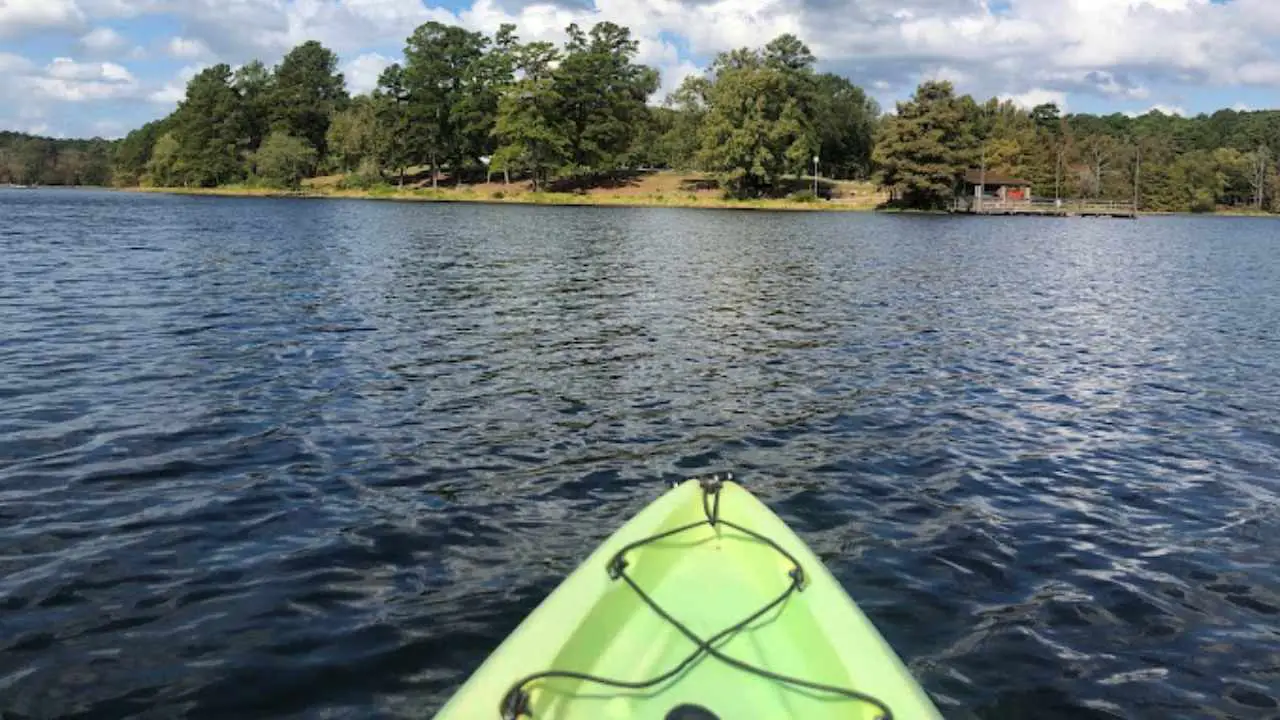
For those without gear, Sea Rim State Park kayak rentals are available through a self-service kiosk near the boat ramp. Strong north winds can make the return trip much more difficult, so planning your route with the wind in mind is a hallmark of an experienced coastal explorer.
| Trail Name | Distance (Round Trip) | Difficulty | Average Time |
|---|---|---|---|
| Easy Trail | 1.7 Miles | Beginner | 1 – 1.5 Hours |
| Moderate Trail | 5.9 Miles | Intermediate | 3 – 4 Hours |
| Advanced Trail | 9.9 Miles | Expert | 6+ Hours |
The Advanced Paddling Trail is a nearly 10-mile loop that takes you deep into the heart of the marsh, where you are likely to see alligators, blue crabs, and dozens of species of waterfowl. This makes it incredibly easy for day-trippers to get out on the water without hauling heavy gear from home by utilizing the on-site Sea Rim State Park kayak rentals.
For birders who enjoy this coastal environment, the world-famous Bentsen-Rio Grande Valley State Park offers a similar level of avian diversity further south along the border.
Tide Safety for Beach Drivers and Campers
One of the unique features of this park is the ability to engage in driving on the beach at Sea Rim State Park. While the sand is generally hard-packed and accessible for most two-wheel-drive vehicles, there is one major danger: the tide. Every year, several vehicles are lost to the Gulf because drivers parked too close to the water and were unable to move before the tide came in.
If you are planning on primitive beach camping in Texas, always park your vehicle as close to the dunes or the marsh grass as possible. During high tide events or storm surges, the water can reach all the way to the base of the dunes.
We strongly recommend checking the NOAA Tide Predictions for Sabine Pass before your trip. If the sand looks dark or wet, the tide has recently been there, and it is not a safe place to park long-term.
Sabine Pass: Nearby Support and History
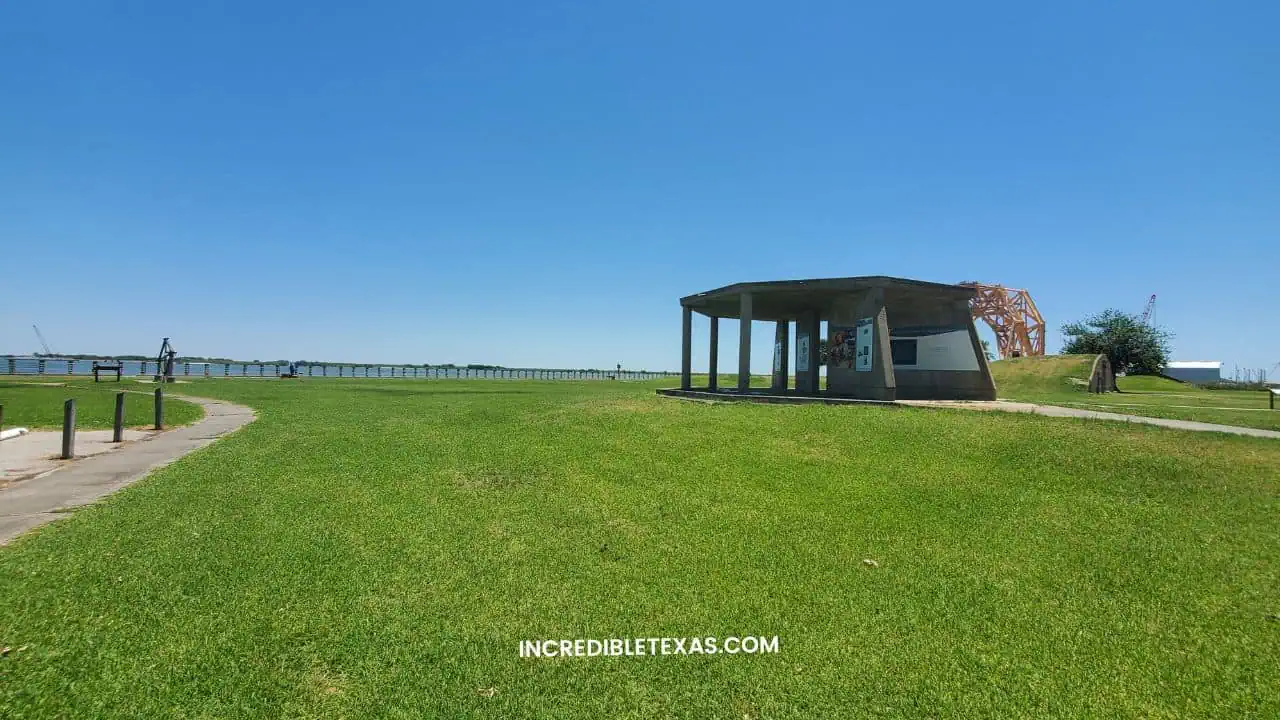
The history of Sea Rim State Park is a testament to the power of nature and the resilience of the Texas coast. Data from the Texas State Historical Association reveals that the state purchased this land in 1972 from the Planet Oil and Mineral Corporation for $2 million, officially opening it to the public in 1977.
However, human presence here dates back much further; archaeological evidence indicates that Atakapa Indians inhabited these marshlands over 2,000 years ago.
Because Sea Rim is a remote park, there are no grocery stores or gas stations on the property. For supplies, you will need to head 10 miles east to the town of Sabine Pass. This small coastal community is the lifeline for park visitors. Most anglers stop at Sportsman Supply in Sabine Pass to pick up live bait (mullet or shrimp), ice, and snacks before heading into the park.
While you are in the area, a visit to the Sabine Pass Battleground State Historic Site is highly recommended. According to Official Visit Port Arthur tourism records, this site marks the location of a significant Civil War battle where a small group of Confederate soldiers famously held off a massive Union naval invasion.
It provides a fascinating historical context to the rugged landscape you are exploring at Sea Rim. The site features a monument, interpretive panels, and a boat ramp, making it a great secondary stop on your coastal journey.
Horseback Riding on West Beach
Sea Rim is one of the few state parks that permits horseback riding on the beach. Specifically, riders are allowed on the West Beach area of the park. This is a “bring your own horse” experience, as the park does not provide rentals or stable facilities. Riders must check in at the park headquarters and pay the daily entry fees for both the rider and the animal.
Riding along the five-mile stretch of shoreline provides a sense of freedom and a perspective of the Gulf that is truly unique. To protect the park’s fragile ecosystem, horses are not allowed on the dunes or the marsh side of the park. Additionally, riders are responsible for cleaning up after their animals in the parking areas and along the beach to ensure the environment remains pristine for all visitors.
Wildlife and Birding: A Central Flyway Sanctuary
Sea Rim State Park is a critical stop for millions of birds migrating along the Central Flyway. As documented by the Gulf Coast Bird Observatory, over 300 unique species of birds have been recorded within the park boundaries, making it one of the premier birding destinations on the Upper Texas Coast. The park directly borders the U.S. Fish and Wildlife Service McFaddin National Wildlife Refuge, creating a massive contiguous protected area that serves as a vital staging ground for neotropical migrants.
Recent restoration efforts, funded by the NOAA Sea Rim State Park Improvements Project, have added wildlife viewing platforms at Fence Lake and Willow Pond, allowing visitors unprecedented access to these sensitive avian habitats. During the spring migration, birders flock to the park for a Sea Rim State Park bird watching guide experience to spot colorful warblers, buntings, and orioles as they make their first landfall after crossing the Gulf of Mexico.
The marsh areas are permanent homes to year-round residents like the Great Blue Heron, Roseate Spoonbill, and Snowy Egret. If you are lucky, you might even spot a Crested Caracara—often called the “Mexican Eagle”—soaring over the dunes. The park is part of the Great Texas Coastal Birding Trail, cementing its status as a world-class destination for bird enthusiasts.
| Bird Species | Best Season to View | Habitat in Park |
|---|---|---|
| Roseate Spoonbill | Year-Round | Marshland Shallows |
| Northern Harrier | Winter | Open Marsh/Grassy Fields |
| Brown Pelican | Year-Round | Gulf Shoreline/Dunes |
| Indigo Bunting | Spring (Migration) | Vegetated Dune Areas |
| Snowy Egret | Year-Round | Marsh and Pond Edges |
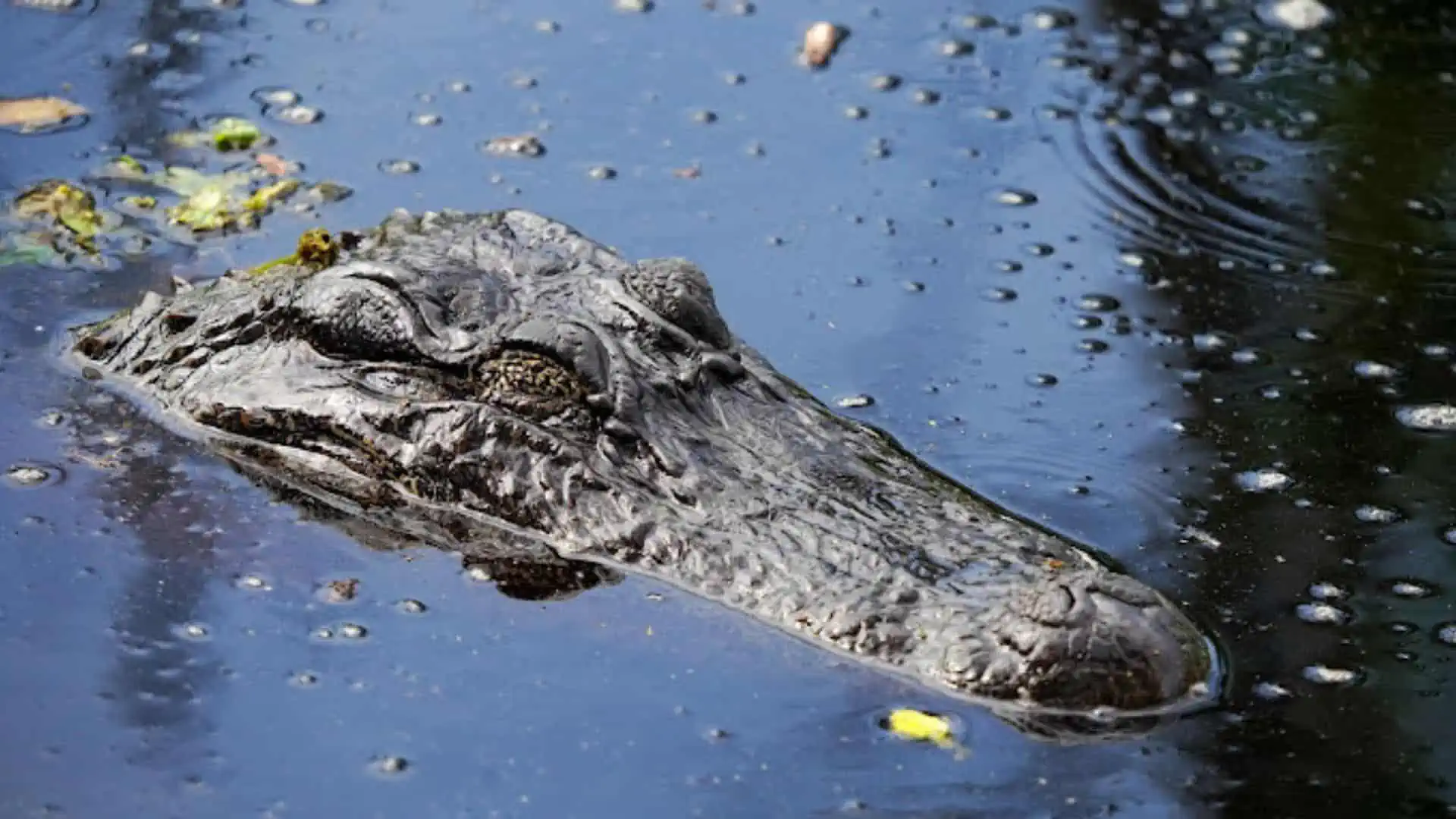
It isn’t just about the birds, though. Sea Rim is also home to a healthy population of American Alligators. While these reptiles are generally shy, they can often be seen floating in the marsh channels or sunning themselves on the banks. Visitors are reminded to follow Sea Rim State Park alligator safety protocols by maintaining a safe distance (at least 30 feet) and never feeding the alligators, as this can lead to dangerous human-wildlife interactions.
Fishing the Brackish Marsh Nursery
The marshlands of Sea Rim are more than just a scenic backdrop; they are a vital nursery for the entire Gulf of Mexico. According to NOAA Fisheries, every 2.7 miles of emergent marsh in the Chenier Plain provides a critical habitat for juvenile white shrimp, blue crab, and red drum, making this a premiere location for coastal angling.
Sea Rim State Park Hunting: A Marshland Tradition
Hunting at Sea Rim State Park is a premier experience for waterfowl enthusiasts, offering access to 4,000 acres of prime coastal marshland. Specifically designated as Public Hunting Unit #1055, the park provides a rugged and authentic environment for duck hunting at Sea Rim State Park. This tradition is a major draw during the fall and winter months, attracting hunters from across the Gulf Coast who are looking for diverse species like teal, mallards, and pintails.
Success in the marsh requires careful planning and adherence to strict state regulations. Whether you are navigating the “No Prop” zones in a shallow-draft boat or embarking on a mile-long walk into the primitive marsh units, the park offers a rewarding challenge for those prepared for the coastal elements.
Remember, safety is paramount—alligators remain active in the marsh even during the cooler hunting months, and hunters must maintain awareness of their surroundings at all times.
Sea Rim Hunting Seasons and Regulations
The Sea Rim State Park hunting season follows the Jefferson County waterfowl dates established by the Texas Parks and Wildlife Department. It is important to note that hunting is not permitted every day. During the regular duck season, hunts are typically restricted to Tuesdays, Thursdays, and Saturdays. Additionally, the park is closed to hunting on major holidays, including Thanksgiving, Christmas, and New Year’s Day.
| Hunt Type | Permitted Days | Hours of Operation |
|---|---|---|
| Early Teal Season | Daily (during season) | 4:30 AM – 12:00 PM |
| Regular Duck Season | Tue, Thu, Sat Only | 4:30 AM – 12:00 PM |
| Special Youth/Veteran | Consult TPWD Calendar | 4:30 AM – 12:00 PM |
| Registration (OSR) | Required Daily | On-Site Self-Registration |
Hunters must participate in a first-come, first-served queue system on Highway 87. No reservations are available, and the park limits the number of hunting parties to eight per day to prevent overcrowding and ensure a high-quality experience. Each party is limited to four hunters, and all hunters must check in and out using the On-Site Registration (OSR) system at the designated kiosk.
Essential Gear and Requirements
To participate in waterfowl hunting at Sea Rim, you must possess a valid Texas hunting license along with the required Migratory Game Bird Endorsement and a Federal Duck Stamp. The park strictly enforces the use of non-toxic shot only. Given the coastal environment, we recommend bringing a shallow-water boat with a mud motor or being prepared for a strenuous walk through thick marsh mud if you choose the walk-in units.
- Portable Blinds: Hunters must bring their own temporary blinds and remove them by noon each day.
- Decoys and Retrievers: Use of decoys and well-trained hunting dogs is encouraged to improve success and recovery.
- Waders and Gear: High-quality chest waders and waterproof gear are essential for navigating the wet, brackish environment.
- Shotgun Restrictions: Ensure your firearm is plugged and capable of holding no more than three shells. Much like the specialized gear required for the rugged trails at Palo Duro Canyon State Park, hunting at Sea Rim requires specific preparations for success.
Frequently Asked Questions (FAQs)
Do I need a reservation for Sea Rim State Park?
Yes, reservations are highly recommended for both day use and camping, as the park often reaches capacity, especially on weekends and during hunting seasons. You can book through the Texas Parks and Wildlife website up to five months in advance for camping and 30 days in advance for day use.
Is there a gate code for after-hours arrival?
If you have a valid reservation and plan to arrive after the park office closes at 4:30 p.m., you must contact the park headquarters during business hours to receive the current gate code. This code is necessary to access the Piping Plover Loop and other restricted areas of the park overnight.
What is the entry fee for Sea Rim State Park?
The daily entry fee is $4 for adults (ages 13 and older), while children 12 and under are free. If you are a Texas State Parks Pass holder, the entry fee is waived for everyone in your vehicle. This daily fee is separate from any overnight camping or cabin rental costs.
Can you drive on the beach at Sea Rim?
Driving is permitted on certain sections of the beach, specifically the West Beach area, provided the sand conditions are stable. However, as of early 2026, the East Beach is closed to vehicles and camping due to a significant wash-out. Always check current conditions at the visitor center before driving onto the sand.
Is the water clear at Sea Rim State Park?
No, the water at Sea Rim is typically silty and brown. This color is a natural result of the nutrient-rich runoff from the surrounding marshlands and the influence of the Mississippi River. While it lacks the clarity of deep-sea water, it is a very productive environment for local marine life and shorebirds.
Are there indoor showers at the park?
Sea Rim State Park offers outdoor rinse-off showers located near the beach boardwalks to help visitors remove sand and salt. However, the park does not currently provide full indoor shower facilities or heated bathhouses. Campers should be prepared for a more primitive cleaning experience.
Do I need a fishing license to fish at Sea Rim?
A fishing license is not required if you are fishing from the shore, the beach, or a pier within the boundaries of a Texas state park. This “Free Fishing in State Parks” rule makes Sea Rim an excellent and affordable spot for anglers to target Redfish, Trout, and Flounder.
Where is the nearest place to buy bait and supplies?
The nearest location for bait and essential supplies is Sportsman Supply in Sabine Pass, located approximately 10 miles east of the park. It is highly recommended to stock up on ice, snacks, and live bait here, as the park office has very limited retail options.
Can I bring my horse to Sea Rim State Park?
Yes, horseback riding is permitted on the West Beach shoreline. You must bring your own horse as there are no on-site rentals, and you must present proof of a negative Coggins test. Horses are strictly prohibited from the marsh units, the dunes, and the boardwalks to protect the ecosystem.
Are alligators a danger at Sea Rim?
American alligators are common residents of the park’s marsh unit. While they are naturally shy of humans, they should always be treated with respect. If you are interested in seeing more of these ancient reptiles, Brazos Bend State Park is another top Texas destination known for its massive alligator population. Always maintain a minimum distance of 30 feet, never feed them, and keep your pets on a leash and away from the water’s edge in the marsh area.