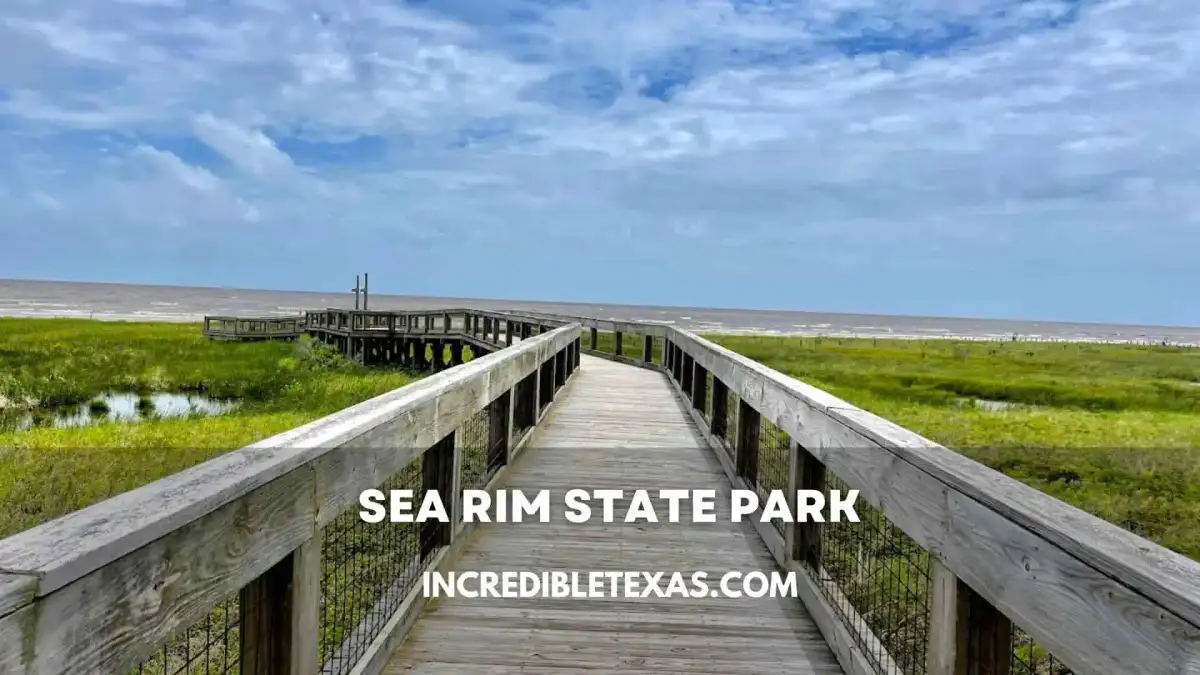
Sea Rim State Park Texas preserves 4,141 acres of coastal wetlands and 5.2 miles of Gulf shoreline on the far southeast tip of Texas. Located south of Port Arthur along Highway 87, this remote setting marks where the Chenier Plain directly meets ocean surf. Along this stretch of the Sea Rim State Park Gulf Coast shoreline, brackish marsh directly borders salt spray.
Visitors travel here for primitive beach camping in Texas, utility RV loops, and over 16 miles of marsh paddling trails. As one of the most distinctive Upper Texas Coast state parks, the area provides natural sand dunes and wetlands for rich wildlife viewing along the Central Flyway. Travelers mapping out popular day trips from Houston can reach this wild coast in just under two hours.
Key takeaways
- Sea Rim State Park encompasses 4,141 acres of Chenier Plain marsh and 5.2 miles of Gulf shoreline, charging a daily entrance fee of $4 for adults while children 12 and under enter free.
- Overnight accommodations include 15 utility campsites in the Piping Plover Loop with water and 50/30-amp electric hookups ($20 per night), alongside primitive drive-up camping directly on West Beach ($10 per night).
- Paddlers can access over 16 miles of designated water trails through the brackish marsh, complemented by canoe and kayak rentals available at the boat ramp kiosk.
- The wheelchair-accessible Gambusia Nature Trail boardwalk extends 0.9 miles through salt marsh habitat, offering prime birding along the Central Flyway.
- Beach driving is permitted on hard-packed sand along West Beach, though drivers must consult Sabine Pass tide tables to prevent vehicle loss during high tide surges.
Park Overview & Quick Reference
This coastal preserve in Jefferson County features brackish marsh alongside five miles of Gulf beach. State Highway 87 bisects the property into two distinct zones: the Beach Unit and the Marsh Unit. Each side provides specialized recreational facilities tailored to coastal exploration.
The Beach Unit contains the headquarters, day-use parking lots, dune walkover boardwalks, and all drive-up campsites. Across the roadway, the Marsh Unit features an improved boat launch, kayak rental lockers, wildlife observation decks, and nature trails. Carrying a reliable Sea Rim State Park map helps first-time visitors navigate between these separate trailheads efficiently.
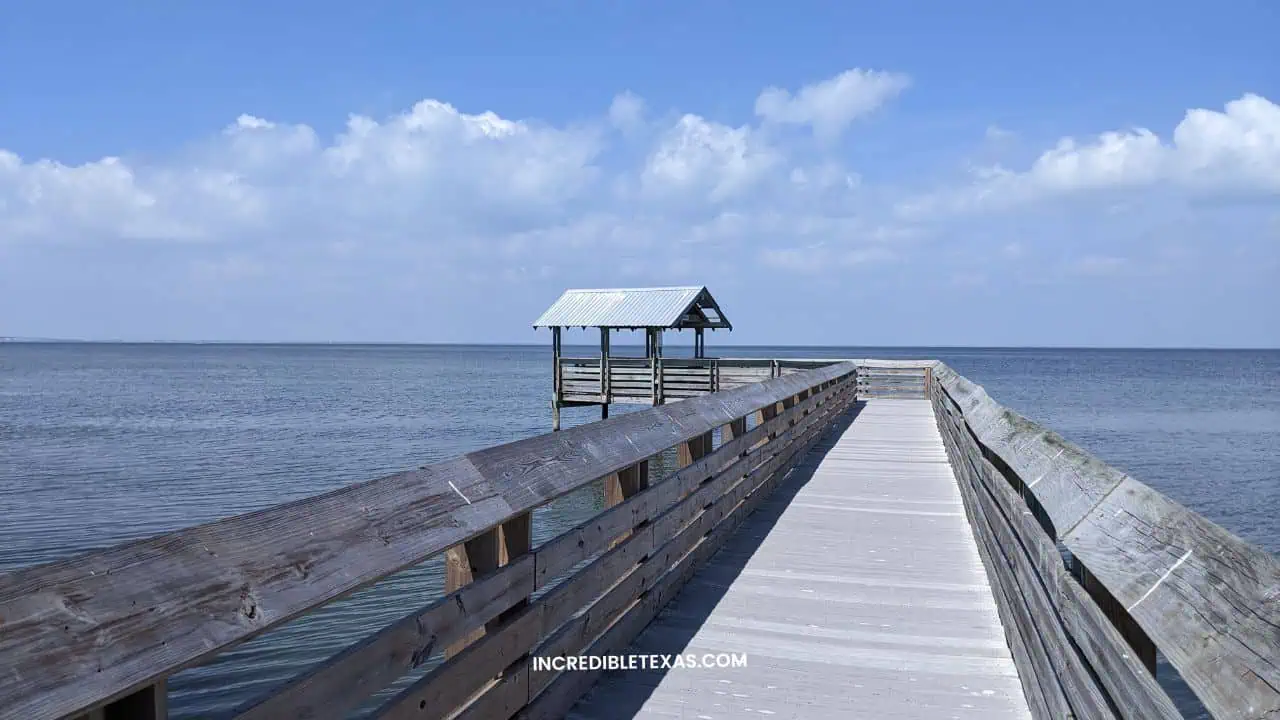
Visitors should note that this property offers a self-contained wilderness atmosphere without commercial concessions. Fuel, groceries, and fresh ice are not sold on site. Planning ahead and securing provisions in advance guarantees a comfortable stay on the coast.
Operating Hours and Admission Prices
The grounds open for daily public recreation from 6:00 AM to 10:00 PM year-round, with adult entry costing $4 while children 12 and under enter free. Registered overnight campers enjoy continuous 24-hour access using automated keypad security gates. Day-use visitors must exit the grounds promptly by 10:00 PM unless they hold an active camping permit.
Checking daily Sea Rim State Park hours helps day-trippers maximize daylight along the trails and beach. The standard Sea Rim State Park entrance fee is $4 per person per day for guests 13 years of age and older. Travelers who hold an active Texas State Parks Pass receive free entry for everyone traveling in their personal vehicle.
Official fee structures and campsite availability are published on the Texas Parks and Wildlife Department Sea Rim Camping and Fees Schedule. The park office operates on seasonal schedules: Mondays from 8:30 AM to 2:00 PM, Tuesdays through Thursdays from 8:30 AM to 3:30 PM, and Fridays through Sundays from 8:30 AM to 4:30 PM. A self-pay kiosk is located outside the visitor center for arrivals after normal business hours.
Tip
Campers arriving after 4:30 PM should telephone park staff earlier that afternoon to collect the current entrance gate access code.
Campground Options: Beach vs. Inland Sites
Finding the right spot for Sea Rim State Park camping depends on your preferred balance between amenities and adventure. The park provides four distinct camping styles: 15 utility sites behind the dunes, 75 unreserved primitive drive-up sites along West Beach, a remote paddle-in floating platform, and an air-conditioned marsh cabin. Comparing their features allows travelers to choose the ideal overnight experience.
For visitors exploring diverse places for camping near Houston, this coast delivers open-water scenery at budget rates. The $10 primitive beach camping rate provides more than 60% savings compared to standard private RV resorts across the upper coast. Review the table below for rate and facility comparisons.
| Accommodation Type | Location | Nightly Rate | Utilities & Amenities | Best For |
|---|---|---|---|---|
| Piping Plover Loop | Behind beach dunes | $20 | 50/30-amp electric, water, grill, bathhouse | RVs, travel trailers, tenters needing power |
| West Beach Primitive | Directly on Gulf sand | $10 | Drive-up beach parking, chemical toilets | Self-contained vehicles, stargazing, surf anglers |
| Cabin Rental | Marsh unit edge | $120 (+$50 deposit) | Bunk beds, AC/heat, deck, microwave, mini-fridge | Families seeking solid walls and climate control |
| Floating Campsite | 2 miles into marsh | $15 | Wooden platform, tie-offs, composting toilet | Adventurous kayakers and backcountry anglers |
Piping Plover Campground Utilities and Amenities
The Piping Plover Loop features 15 paved camping spaces situated immediately behind the coastal primary dunes. Each campsite provides dedicated 30-amp and 50-amp electrical service, potable water hookups, an upright barbecue grill, and a heavy wooden picnic table. These sites offer moderate shelter from stiff ocean gusts thanks to the natural dune ridge.
A heated restroom facility with outdoor rinse showers is located within easy walking distance of the loop. Because 15 spaces fill rapidly, campers should book reservations through the state park portal up to five months in advance. Piping Plover Loop camping provides the closest developed RV experience to the surf on the Upper Texas Coast.
West Beach Primitive Camping and Sand Driving
West Beach primitive camping delivers an authentic sleep-on-the-sand outing where visitors pitch tents right beside their parked vehicles. The park designates a continuous five-mile coastal strip for primitive overnight use. Campers must register at headquarters or pay the $10 nightly vehicle fee at the after-hours self-pay deposit box.
Chemical portable toilets and outdoor rinse showers are positioned near the primary dune crossover boardwalk. Campers must bring their own drinking water, trash bags, and shade canopies. Building campfires on the open beach is permitted using clean firewood, but burning dune vegetation or wooden pallets is prohibited.
The Floating Campsite Paddle-In Platform
The Sea Rim State Park floating campsite provides an isolated backcountry overnight stay deep inside the brackish wetland. Anchored roughly two miles north of the boat ramp, this 13-foot by 20-foot wooden platform floats on pontoon supports. Campers must transport all sleep gear, food, fresh water, and waste out in kayaks or canoes.
The platform features sturdy corner cleats for securing boats, safety railings, a lantern hanger post, and an adjacent enclosed composting toilet boat. Paddlers share the quiet marsh waters with wading herons, blue crabs, and resident alligators. Travelers must reserve this singular platform well in advance through the central state reservation system.
Park Marsh Cabin Rental
The Sea Rim State Park cabin sits on the marsh side of Highway 87, overlooking open wetlands and shallow fishing canals. This climate-controlled unit sleeps up to six guests across two sets of sturdy bunk beds with twin and full mattresses. It includes an electric cooktop, microwave, mini-refrigerator, ceiling fan, and heating and air conditioning units.
Guests must supply their own bed linens, pillows, towels, and cooking utensils. The cabin does not have interior plumbing, but an accessible chemical toilet stands adjacent, and full bathhouse facilities are a short drive across Highway 87. A refundable $50 cleaning deposit is collected at registration.
Surviving Mosquitoes and Coastal Insects
Mosquito survival on the Upper Texas Coast marsh requires high-strength repellent, physical barriers, and wind positioning to avoid severe insect bites. The vast expanses of standing brackish water and salt meadow create prime breeding environments for salt marsh mosquitoes and biting midges. Being prepared separates an enjoyable coastal retreat from an uncomfortable ordeal.
The steady onshore Gulf breeze creates an insect-free corridor directly along the wet surf line. However, dropping behind the primary dunes into the Piping Plover loop or heading inland onto marsh boardwalks exposes visitors to biting insects. Packing high-concentration DEET, picaridin spray, and permethrin-treated clothing is essential for warm-season visits.
- Time Outdoor Activity Carefully: Schedule marsh walks and nature photography during midday when direct sun and heat suppress mosquito flights.
- Pitch Tents Near the Waterline: Position primitive beach camps as close to the breezy surf wash as high-tide safety permits to stay in moving air.
- Seal Vehicles Quickly: Open car doors for only a couple seconds, as interior vehicle lights attract swarms of biting midges at dusk.
- Pack Screened Shelters: Bring a heavy-duty mesh screen tent to cook meals and relax comfortably behind the dune line.
Marsh Paddling Trails and Water Access
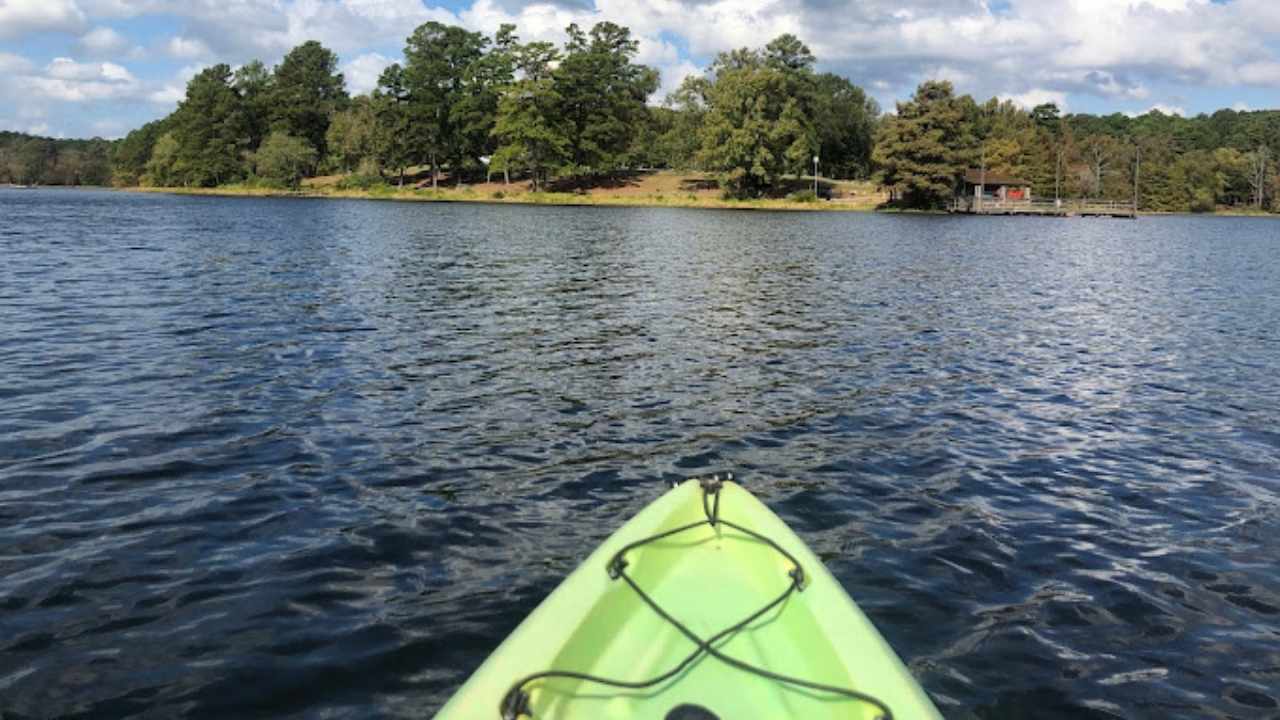
The park features three mapped paddling routes totaling over 16 miles across shallow coastal wetlands, ranging from a 1.8-mile beginner loop to an 11.7-mile wilderness circuit to Fence Lake. On-site rental kiosks provide kayaks and canoes. Paddlers glide through quiet saltwater channels fringed with smooth cordgrass and black mangroves.
Paddlers who enjoy exploring protected waters like the Village Creek State Park paddling trail in the nearby Big Thicket will appreciate the contrast of Sea Rim's wide coastal horizon. Paddlers navigating Sea Rim State Park paddling trails can rent sit-on-top kayaks, paddles, and life vests directly at the boat ramp kiosk.
Gambusia Nature Trail Boardwalk and Birding
The Gambusia Nature Trail boardwalk is a 0.9-mile elevated wooden pathway that winds over shallow marsh pools and salt meadows. Designed to full ADA accessibility standards, the trail features guardrails, passing pullouts, and educational interpretive signs explaining coastal wetland ecology. Walking the entire loop takes roughly 25 to 35 minutes at a relaxed birding pace.
Birders consider this boardwalk one of the top migration stops on the upper coast. The area borders more than 58,000 contiguous wetland acres protected by the U.S. Fish and Wildlife Service McFaddin National Wildlife Refuge Overview. During spring and fall migration along the Central Flyway, birders spot roseate spoonbills, reddish egrets, clapper rails, and colorful seasonal warblers.
Three Marsh Paddling Routes and Kayak Rentals
Three official marked paddling trails accommodate various skill levels and timelines. Each route begins at the concrete boat ramp on the marsh side of Highway 87, equipped with trail markers and water depth gauges.
- Easy Paddling Trail (1.8 miles round trip): Follows sheltered interior channels for an easy one-hour paddle suitable for families and first-time kayakers.
- Moderate Paddling Trail (4.7 miles round trip): Leads through intermediate bayous and shallow lakes, requiring approximately two to three hours of paddling.
- Advanced Paddling Trail (11.7 miles round trip): Journeys deep into open marsh country toward Fence Lake, requiring four to five hours and strong navigation skills.
Warning
Marsh waters are tidal. Strong incoming tides or sudden northern cold fronts can create challenging head currents on return legs, so check wind forecasts before launching.
Beach Driving, Shelling, and Tide Safety Rules
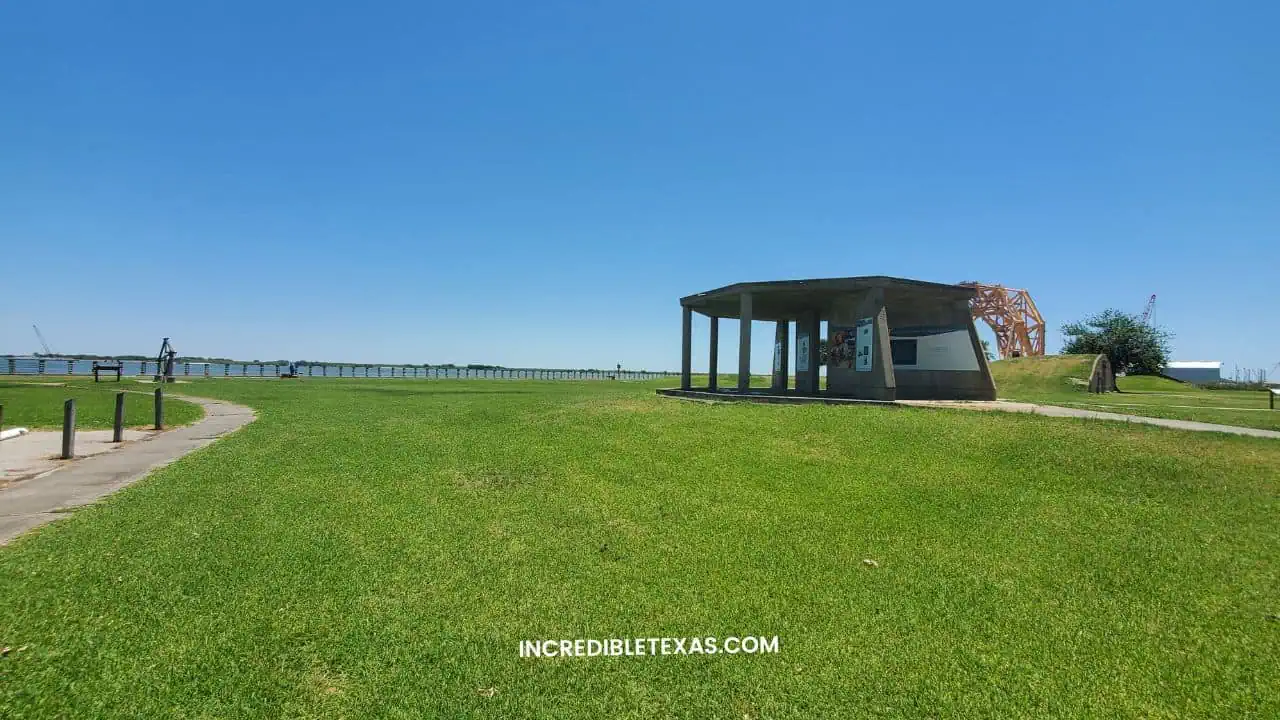
Driving is permitted on hard-packed sand along West Beach, offering exceptional beachcombing for lightning whelks and angel wings along the natural wrack line. When driving on the beach at Sea Rim State Park, visitors must maintain slow speeds and stay aware of soft sugar sand. State Highway 87 dead-ends directly at the beach entry ramp.
Before driving onto the beach, drivers should consult the NOAA Sabine Pass Tide Predictions for daily tidal shifts and current water levels. High tides push seawater directly against the base of the sand dunes, compressing the drivable beach into a narrow ribbon of saturated sand. Parking too close to the waterline risks vehicle submersion as the tide advances.
Travelers familiar with barrier island driving at Mustang Island State Park beach camping will find similar conditions here, though Sea Rim receives less vehicular traffic. The park preserves natural wrack lines where seaweed deposits intact shells, sea glass, and driftwood. Beachcombers regularly uncover intact lightning whelks, shark eyes, angel wings, and coquina clams along early morning tides.
Saltwater Fishing and Waterfowl Hunting Regulations
Anglers enjoy free license-free fishing from the shore, beach, and marsh banks within park boundaries, targeting red drum and speckled trout. During autumn and winter, Public Hunting Unit 1055 permits managed waterfowl hunting on designated days. The intersection of salt marsh and open Gulf produces rich feeding zones for prized game fish.
Understanding specific seasonal hunting dates and shoreline fishing regulations protects both visitors and local wildlife. Review the subsections below for state park sporting rules.
Free Fishing from Shore and Brackish Marsh Nursery
Under Texas state park regulations, anyone may fish without a state fishing license or saltwater endorsement when fishing from the shoreline, beach, or piers inside park boundaries. Anglers regularly catch red drum, speckled seatrout, black drum, flounder, and croaker from the surf and marsh waterways. Standard statewide daily bag and minimum length limits remain in effect.
Because the marsh serves as a nursery for shrimp, blue crabs, and juvenile fish, artificial soft plastics and fresh cut mullet work well throughout the year. Anglers should carry heavy rod holders for surf casting and maintain alligator awareness when fishing marsh banks. Reviewing the Brazos Bend State Park alligator safety guidelines provides practical habits for sharing coastal waterways with large reptiles.
Public Hunting Unit 1055 Waterfowl Guidelines
Waterfowl hunting at the park takes place across 4,000 acres of marsh designated as Public Hunting Unit 1055. Hunts are permitted exclusively during the regular duck season on Tuesdays, Thursdays, and Saturdays until noon. The park caps hunting pressure at eight parties per hunt day to maintain safety and high-quality field experiences.
Hunters must possess an Annual Public Hunting Permit, a valid Texas hunting license with migratory bird endorsement, and a federal duck stamp. Detailed regulations and quota procedures are outlined in the Texas Parks and Wildlife Department Public Hunting Unit 1055 Regulations. Hunters must sign in at the on-site registration kiosk and remove all temporary blinds and spent shells by 12:00 PM.
Nearby Supplies, History, and Sabine Pass Access
Because the park contains no on-site camp store or fuel station, travelers must purchase ice, bait, and provisions in Sabine Pass 10 miles east. Nearby Sabine Pass Battleground State Historic Site offers complementary Civil War coastal history. Highway 87 provides the sole overland roadway linking the park to the regional highway network.
The historical significance of this coastal wetland is documented in the Texas State Historical Association Sea Rim State Park Record. Texas acquired the land in 1972 and opened the park in 1977, preserving ancient Atakapa shell middens and protecting the Chenier Plain from industrial development. Rebuilding efforts after hurricanes Rita and Ike created the resilient modern boardwalks and elevated headquarters seen today.
Before entering the park, stop at Sportsman Supply in Sabine Pass to purchase live shrimp, cut mullet, tackle, bagged ice, and insect repellent. At Sea Rim State Park Sabine Pass serves as the essential gateway community for grocery staples, marine supplies, and fuel.
Visiting Sabine Pass Battleground State Historic Site adds rich perspective to the trip, commemorating an 1863 coastal naval clash on the ship channel. The historic grounds offer shaded picnic tables, monuments, and a public boat ramp.
Frequently Asked Questions
What are the day-use hours and admission fees for the park?
The park is open for day use daily from 6:00 AM to 10:00 PM. Admission costs $4 for adults ages 13 and older, while children 12 and under enter free.
Can visitors drive and camp on the beach at Sea Rim?
Driving and primitive camping are permitted along the hard-packed sand of West Beach on a first-come, first-served basis for $10 per night. Drivers must monitor daily Sabine Pass tide forecasts because high tides can submerge driving lanes up to the dunes.
How severe are mosquitoes, and how should campers prepare?
Mosquitoes and biting gnats are intense in the marsh and protected dune hollows, especially during calm wind conditions at dawn and dusk. Campers should pack high-concentration DEET or picaridin repellent, wear treated long sleeves, and set tents near the breezy surf line.
Do you need a Texas fishing license to fish at the park?
Anglers do not need a Texas fishing license or saltwater stamp when fishing from the beach, boardwalks, or bank within park boundaries. Normal statewide bag and length limits still apply to all caught fish.
Are alligators present in the park, and what safety rules apply?
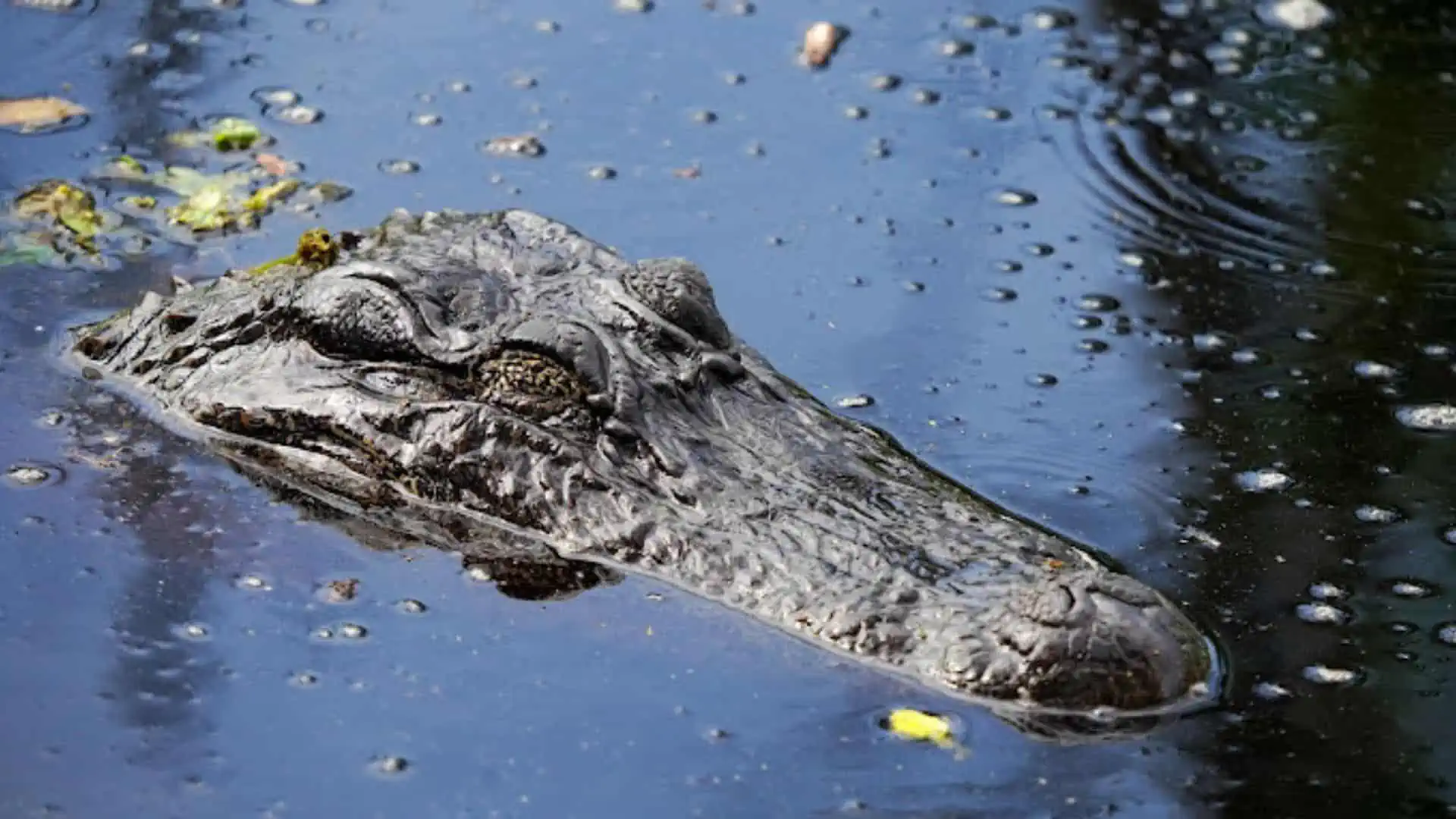
American alligators reside throughout the freshwater and brackish marsh canals, occasionally wandering across coastal flats. Visitors must stay at least 30 feet away, keep all pets on leashes, and never feed or approach any reptile.