Goose Island State Park: Hours, Camping, Birding & Big Tree
Goose Island State Park is a coastal Texas park north of Corpus Christi. You can camp under live oaks, fish from a 1,620-foot pier, watch birds in the bays and marshes, and stand under the Big Tree without rushing the day. If you want one park that feels like Rockport, the bays, and the Gulf Coast all in one stop, Goose Island makes that easy.
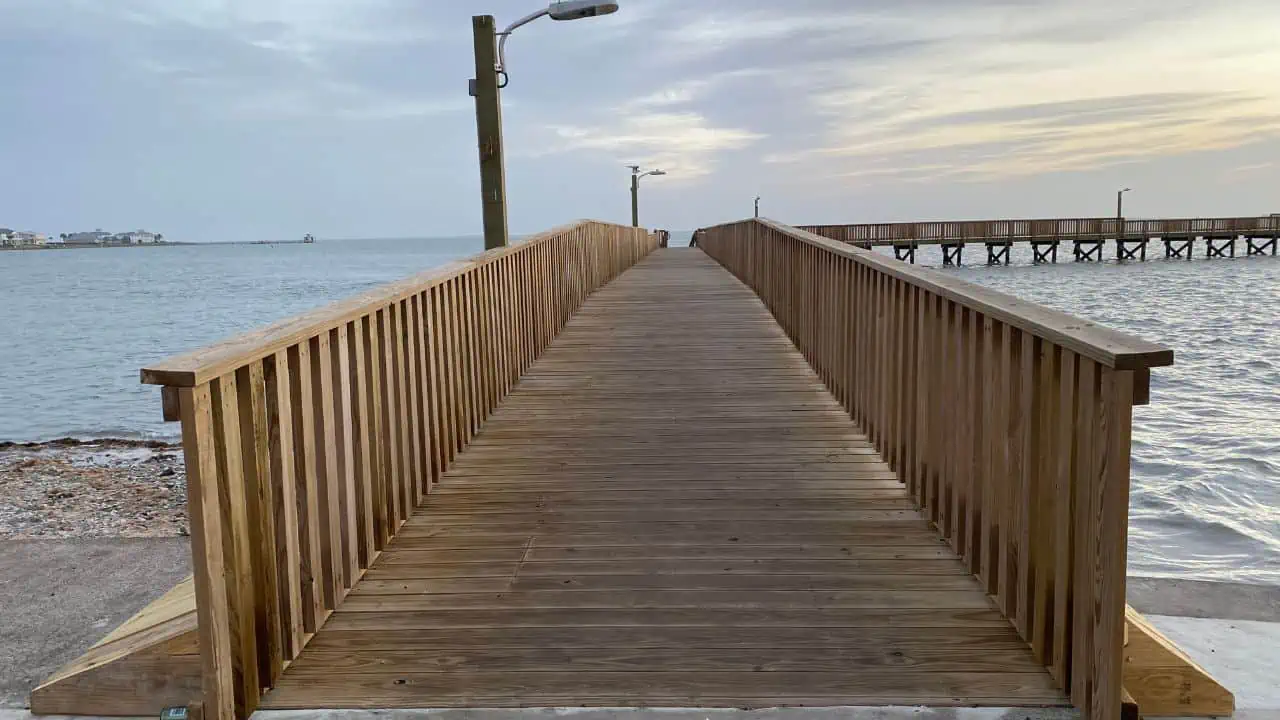
If this is your first visit, start with the Big Tree, then walk the pier, then choose one short birding loop. That order gives you the core park experience without overplanning.
The park is open daily from 6 AM to 10 PM, admission is $5 for adults, and reservations are smart because the park often fills up. You also get a clear coastal tradeoff here: the camping, fishing, and birding are the headline, while swimming is not the main reason to come.
You can keep the visit simple or stretch it into a full coastal weekend. A short stay works well if you want the Big Tree and a pier session, while a longer stay gives you time for a bayfront campsite, a birding walk, and a side trip into Rockport or Port Aransas.
Goose Island also fits travelers who want a low-drama Texas coast day. You are close to Rockport, you are not far from Corpus Christi, and you can build the whole plan around one parking lot, one loop, and one shoreline instead of bouncing around all day.
| Quick fact | Current detail | Source |
|---|---|---|
| Address | 202 S Palmetto St, Rockport, TX 78382-7965 | Park map |
| Hours | Open daily, 6 AM to 10 PM | Park overview |
| Admission | $5 for adults; children 12 and under are free | Park overview |
| Reservations | Reserve online or by phone; TPWD recommends booking ahead | Park map |
| Nearest major city | Corpus Christi, about 30 miles south | Drive planning note |
| Pet rule | Pets can visit most state parks, but they must stay leashed and out of park buildings | State park FAQ |
Goose Island State Park at a Glance
The park sits in Aransas County on Saint Charles and Aransas bays, and the setting is part of the appeal from the first minute. You get bayside scenery, sheltered oak shade, and a layout that feels coastal without forcing a long drive between each part of the visit.
That matters when you only have a day. You can arrive, check in, pick your loop, and spend the rest of the time on the water, on the pier, or under the trees instead of trying to solve a complicated route plan.
Busy-season traffic is the main reason to reserve ahead. The official park page flags Memorial Day through Labor Day, October through Thanksgiving, and January through April as the busiest stretches, so a same-day gamble is a weaker bet during those windows.
Always check the live park page before you go, especially if you are visiting after a storm or during a holiday weekend. Coastal parks change fast, and a quick check saves you from surprises at the gate.
Goose Island is open daily year-round, so you can plan it in any season. The park is about 30 miles from Corpus Christi, which keeps the drive simple for a same-day trip.
Goose Island also works well if you want a park that is easy to explain to the rest of your group. The Big Tree, birding, fishing, and camping all give you a clean reason to go, and nobody has to pretend the park is something it is not.
If you want a fuller Aransas County outing, pair it with things to do in Aransas County so you can make the coast day feel broader without overloading the schedule.
The park history page explains how the CCC helped shape the buildings, trails, and shoreline setting. That background gives the Big Tree and the rest of the park a stronger story when you are walking the grounds.
What Goose Island State Park Is Known For
Goose Island State Park is known for three things first: the Big Tree, coastal birding, and camping close to the bays. The park also gives you fishing, paddling, hiking, and a strong sense of place, but the Big Tree and the birdlife are the signatures that make the park memorable.
The Big Tree is one of the largest live oaks in Texas and in the nation, and TPWD describes its exact age as unknown but centuries old. The tree has a huge trunk, a wide crown, and enough presence that it works as the emotional center of the park rather than just another photo stop.
The coastal setting matters just as much. The park sits along Saint Charles and Aransas bays, north of Corpus Christi, and that location keeps the air, light, and wildlife tied to the water instead of a generic inland campground feel.
Birding is not an add-on here. More than 300 bird varieties are documented in the park, and the coastal wetlands bring in whooping cranes, shorebirds, and the kind of wildlife movement that makes a short walk feel richer than the mileage suggests.
The nature page is the best quick reference if you want the birds, habitat, and coastal setting in one place. It gives you a better sense of why a simple walk can feel rewarding here even before you add the pier or the Big Tree.
Swim lovers need a different expectation. The shoreline is bulkhead, oyster shell, mudflat, and marsh grass territory, so the park is better for viewing and paddling than for a classic beach dip.
Goose Island feels most rewarding when you let it be a park for watching, not forcing. If you want more sand-and-surf energy later, another beach-first state park gives you a different version of the coast.
Goose Island State Park Hours, Fees, Address, and Reservations
The Goose Island State Park opens daily from 6 AM to 10 PM. You have plenty of daylight margin for an early start or a late return, and that schedule makes it easier to split the day between Goose Island and a Rockport meal or a Corpus Christi stop without feeling squeezed.
Admission is straightforward. Adults pay $5 per day, and children 12 and under enter free, which keeps the park affordable for families, anglers, birders, and weekend campers alike.
The address is 202 S Palmetto St in Rockport, and the park entrance sits about 10 miles northeast of town.
If you are driving in from Corpus Christi, plan on about a 30-mile trip north to reach the park area. The short drive keeps the park easy to fold into a same-day coast plan without turning the trip into a project.
Reservations matter more here than at many small parks because the park often reaches capacity. You can reserve passes online or by phone through the Texas State Parks system, and that step is worth taking before a holiday weekend or a busy spring trip.
That same habit helps with camping. If you want a bayfront site or a shaded oak loop, do not count on a walk-up spot during the busiest months unless your plans are flexible enough to change at the last minute.
Pet owners should plan ahead too. Texas state parks generally allow pets on leash, but pets cannot enter park buildings, so a store stop, a ranger program, or a restroom break may require a quick handoff or a short pause outside.
For the cleanest planning source, keep the park map and directions page open before you leave. It carries the current hours, reservation reminder, and the basic arrival details in one place.
Goose Island State Park Camping, Fishing, and Paddling
Camping is one of the easiest reasons to stay overnight at Goose Island State Park. The park has 44 bayfront campsites, 57 sites under oak trees, 25 walk-in tent sites without electricity, and a youth group camp, so you can match the stay to your style instead of settling for a one-size-fits-all setup.
If you want the easiest campsite choice, use the bayfront loop for water views and quick access to the coast. If you want shade and a quieter feel, the wooded sites under the oaks are the better fit, while the walk-in tent sites work best when you want a lighter, less vehicle-centered night.
Every camping loop has restrooms with showers, which keeps the overnight stay practical even if you pack light. Humid coastal nights are easier when you do not need to haul extra supplies across the campground.
| Camping choice | Best for | What it feels like |
|---|---|---|
| Bayfront campsites | Water views and easy access to the bay | Most coastal and open |
| Wooded campsites | More shade and a calmer camp feel | Shadier and more tucked away |
| Walk-in tent sites | Travelers who want a lighter tent setup | Simple and less vehicle-heavy |
| Youth group camp | Group trips and organized outings | Built for larger plans |
Fishing is one of the park’s best day-use anchors. You can fish from shore, by boat, or from the 1,620-foot pier, and the park also has a regular boat launch, a kayak and canoe launch, a fish cleaning station, and a tackle loaner program for borrowed rods, reels, and tackle boxes.
You do not need a fishing license to fish from shore or pier in a Texas state park. If you want to keep the day simple, that rule makes it easy to show up with snacks, sunscreen, and a small cooler instead of building the trip around a licensing errand.
That same shoreline is also where you should stay alert. Alligators show up occasionally in the park, so the smart move is to keep distance from the water edge, stay aware near marshy areas, and avoid treating the banks like a place to linger casually.
Paddling works well when you want a slower look at the bays. You can bring your own kayak or canoe, use the launch area, or time your outing around one of the park’s programs if you want a ranger-led version of the experience.
If fishing is your main goal, the park fits naturally with Texas fishing license rules, especially if you plan to fish outside the state-park shoreline or mix the trip with other saltwater spots later in the weekend.
The campsites page is worth opening before you book. It shows current prices and availability for the bayfront, wooded, overflow, and premium hookup options, which helps you decide whether the best fit is a simple tent night or a more settled RV-style stay.
Goose Island State Park: The Big Tree, Birding, and Wildlife
The Big Tree is the park’s most famous landmark, and it deserves the top spot on your walking list. It is a centuries-old coastal live oak with a huge trunk and crown, and it has the kind of scale that makes even a quick visit feel important.
TPWD lists the tree’s trunk circumference at 35 feet 1.75 inches, its crown spread at about 89 feet, and its height at 44 feet. You do not need to memorize the numbers to appreciate the tree, but those numbers help explain why it feels larger than the rest of the park around it.
The tree also ties the park’s history and nature together. It is part of the same coastal live oak story that shaped the early park landscape, and it gives you a real reason to stop, look up, and slow the pace for a few minutes.
Birding is the other major reason to slow down here. The park sits amid bays and estuaries in the Texas Gulf Coastal Bend, and the habitat supports more than 300 bird varieties along with shorebirds, wetland species, and winter whooping cranes across Saint Charles Bay.
The bird checklist and nature guide are worth using if you are serious about the visit. A short early-morning walk can turn up more than a fast drive-through glance ever will, especially when the bays are calm and the light is soft.
Ranger programs add another layer if you want a structured visit. The park calendar regularly includes bird walks, animal tracking, nature hikes, and kids programs, which gives you a reason to check the schedule before you arrive rather than hoping something lines up by chance.
The best birding time is usually early morning or the cooler edge of the day. That is when movement around the marsh and tree line tends to be easier to pick out, and it is also when the park feels quiet enough to notice the small sounds instead of just the big landmarks.
If coastal birding is your main goal, save a second day for a beach stop on the Texas coast. Goose Island gives you wetlands, oak shade, and marsh birds, while a separate beach day gives you a different pace and a different view.
The park history page is also worth a look if you want context for the CCC work, the bay setting, and the tree’s place in the park’s story. That background does not change the practical trip, but it gives the visit a stronger sense of why the place matters.
Nearby Coastal Day Trips and Planning Tips
Goose Island works best when you treat it as the center of a wider coast plan. You are close enough to Rockport for a meal or a beach break, and you can extend the day toward Mustang Island, Port Aransas, or Corpus Christi if you want more sand after the bays.
For a simple two-stop day, start early at the park, then head into Rockport for lunch or a second walk by the water. If you want a stronger beach finish, shift toward Mustang Island or one of the Corpus Christi beaches after you finish the park side of the day.
If you want to keep the whole trip compact, stick with one park and one town. A coast day feels better when you leave enough room for wind, parking, and a slow lunch instead of forcing four destinations into a single afternoon.
A Goose Island plus Rockport plan works well. You can see the Big Tree, fish or paddle for a while, then finish with dinner or a sunset stop without turning the day into a marathon drive.
If you want a nearby park comparison, Mustang Island State Park gives you a more beach-centered barrier-island feel, while Goose Island stays more focused on bays, birds, and oak shade. That contrast helps when you are choosing between a camping trip and a beach trip.
For a broader coastal planning list, the park also pairs naturally with other Aransas County stops. If you need one more town-based stop, Port Aransas weekend ideas can fill the rest of the day without making the schedule feel crowded.
A weekday morning is the calmest window for a first visit. If birding matters most, get there at sunrise; if fishing matters most, aim for the cooler edge of the day.
The best visit strategy depends on your goal. Go early for birding and the Big Tree, go later for a relaxed pier session, and go overnight if you want the park to feel quiet after the day crowd leaves.
If you are traveling with kids, the easiest win is a short loop, a look at the tree, and time at the water edge. If you are traveling with anglers, the pier and launch areas give you a more productive day, and the free shoreline fishing rule keeps the logistics light.
For a beach-and-bird combo, keep your plans flexible. Morning at Goose Island, lunch in Rockport, and a later stop at Mustang Island or Port Aransas gives you the best chance of staying ahead of the heat and the crowds.
If you are deciding between a day trip and an overnight, pick the overnight if you want the pier after sunset and the quieter side of the park. Pick the day trip if you mainly want the Big Tree, a few hours of birding, and an easy lunch in Rockport.
Before you drive, check the current park page, especially during the busy seasons and after bad weather. Coastal parks reward a little extra planning, and the payoff is a calmer day from the moment you turn off the highway.
Goose Island State Park FAQ
What is Goose Island State Park known for?
Goose Island State Park is known for the Big Tree, birding, and camping along the bays near Rockport. The park also has a long fishing pier, paddling access, and a coastal setting that feels very different from inland Texas parks.
If you only have time for one loop, start with the tree and the shoreline. Those two stops tell you more about the park than a quick drive-through ever will.
Can you swim at Goose Island State Park?
You should not plan Goose Island around swimming. The shoreline is made up of concrete bulkheads, oyster shells, mud flats, and marsh grass, so the park is much better for viewing, fishing, and paddling than for a beach swim.
If you want a more swim-friendly coast stop, save your beach time for another nearby destination and keep Goose Island focused on the bay and the bird life.
Do you need reservations for Goose Island State Park?
Yes, reservations are a smart move here. The park often reaches capacity, and TPWD recommends booking ahead for both camping and day use so you are not stuck hoping for a spot at the gate.
That advice matters most during the listed busy seasons and on holiday weekends, when the coast fills up faster than people expect.
Do you need a fishing license at Goose Island State Park?
You do not need a fishing license to fish from shore or the pier in a Texas state park. Goose Island works well for a casual cast, a family fishing stop, or a simple saltwater outing without extra paperwork.
If you fish beyond the shoreline or mix in other spots later, check the broader state rules before you head out.
How old is the Big Tree at Goose Island State Park?
The exact age is unknown, but TPWD describes the Big Tree as centuries old. Those measurements help explain why the tree stands out so strongly on the Texas coast even without pinning down a single birth year.
If you want the useful numbers, the tree’s huge trunk and broad crown are the details that help explain why it stands out so strongly in person.
How far is Goose Island State Park from Rockport?
The park entrance is about 10 miles northeast of Rockport. If you are already in town, the drive is short enough that you can treat Goose Island as part of the same day instead of a separate long trip.
That close distance is one reason the park works so well for a half-day stop, a sunset visit, or an overnight plan that includes Rockport meals and shopping.
Can you bring pets to Goose Island State Park?
Pets are allowed in most Texas state parks, but they need to stay leashed and with you at all times, and they cannot enter park buildings. If your day includes a ranger program, store stop, or indoor break, plan around that rule before you arrive.
That is a good reason to keep water, shade, and a short leash plan ready for a coastal trip.
Goose Island State Park is easiest to enjoy when you let the coast set the pace. If you want birds, bay water, oak shade, and a landmark tree without a complicated schedule, the park gives you exactly that mix in one compact visit.
If you are planning the rest of the coast day, use the nearby Rockport, Mustang Island, and Corpus Christi stops to add variety after the park has done its job. The result is a simple Texas coastal itinerary that still feels complete.