Amistad Reservoir and Lake TX Guide: Fees, Camping, and Fishing
Amistad Reservoir TX is a free border lake near Del Rio that gives you boating, fishing, swimming, paddling, and primitive camping in one place. If you want a trip where the water matters as much as the shoreline, Amistad Reservoir TX is worth planning around, but you should also plan for a lake use pass on motorized craft, first-come campsites, no lifeguards, and very limited cell service.
If you are comparing it with other Texas water destinations, keep the big-picture list of lake options in mind while you decide whether you want a quick outing, an overnight stay, or a fishing run with enough time built in for the drive from San Antonio and the stop in Del Rio.
Where Amistad Reservoir TX Is and Why It Matters
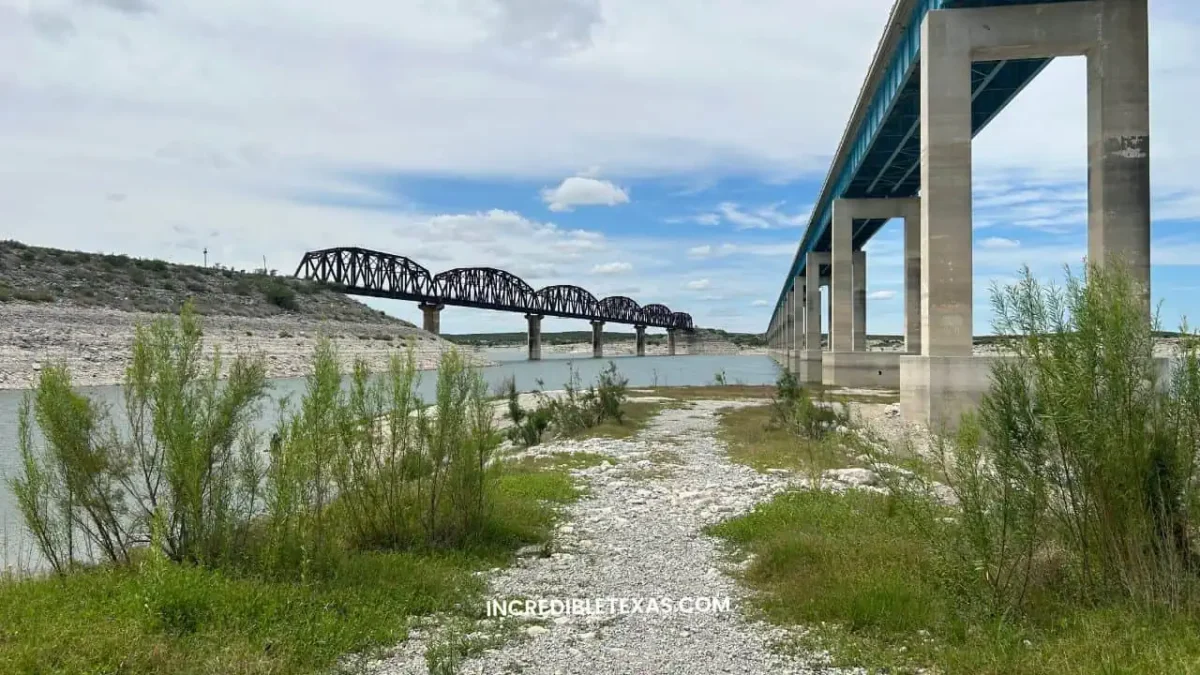
The reservoir sits on the Rio Grande in Val Verde County, 12 miles northwest of Del Rio, and TPWD lists it at 64,900 acres with a maximum depth of 217 feet. It was impounded in 1969, so this is not a small roadside lake; it is a border reservoir with real scale, changing water conditions, and enough room to make your choice of access point matter.
The lake works best when you decide what you want the shoreline to do for you, because a shallow cove can make a swim or kayak stop easy while a bigger open-water launch makes more sense if your day revolves around boating or chasing bass. Amistad’s size and rocky edges reward a specific plan more than a vague one, especially if you want your first stop to feel calm rather than improvised.
The park’s official directions put Amistad on US 90 near Del Rio, about 160 miles west of San Antonio. That distance is useful to know because a short errand turns into a real outing once you add the drive, the stop for a pass, and the time you need to pick the right place to launch or swim.
If you are building a Texas trip around big water, keep best lakes in Texas and best fishing lakes in Texas on your list. Amistad works as both a scenic day trip and a serious fishing destination.
If you want the simplest first visit, treat Del Rio as your base and plan the lake as the main event. That approach keeps the drive, the pass stop, and the launch decision in the right order instead of turning the reservoir into a rushed side trip.
Amistad Reservoir also has a distinct identity because it sits right on the international boundary. The result is a reservoir with wide open water, rocky shoreline, and a lot of room for boating and shoreline exploration.
If you only have time for one planning decision, start with the access point that matches the activity you care about. The border setting is part of the experience, but it also asks you to pay attention to which side of the lake you are on and which rules apply.
The border setting matters in a practical way too, because you are not just choosing a pretty shoreline. You are choosing a route that should line up with your time, your gear, and how far you want to travel once you are inside the park.
If you are coming from San Antonio, make the lake your destination rather than a spur-of-the-moment stop. The drive and the size of the reservoir make early arrival a better choice than trying to squeeze Amistad into the end of a crowded day.
Amistad Reservoir Fees, Hours, and How to Get There
Amistad National Recreation Area does not charge an entrance fee, and no entrance pass is required. The park’s fees and passes page is the place to check for current fee details, and the mailing address is 10477 Highway 90 West, Del Rio, TX 78840.
- Entrance fee: Free.
- Mailing address: 10477 Highway 90 West, Del Rio, TX 78840.
- Visitor center pass window: Daily from 8:00 a.m. to 4:30 p.m.
- Weekend lunch closure: Saturday and Sunday from 11:30 a.m. to 12:00 p.m.
The schedule matters because that pass window is easy to miss. If you need to buy a lake use pass or ask a ranger a question, do not plan your stop right at the weekend lunch closure, and do not assume the lake itself is the same thing as the visitor center counter.
Amistad is a year-round recreation area, so your timing is more about heat, wind, and the visitor center than about a hard seasonal opening date. A morning arrival usually gives you the cleanest start and leaves more room in the day for the water itself.
The park is simple to reach once you are on US 90, but the trip still rewards a little patience. If you are arriving from farther away, plan your fuel, water, and food before you leave Del Rio so you are not making extra runs after you get close to the reservoir.
If you need ice, snacks, or another small supply before you get back on the road, handle that in Del Rio. Once you are on the lake side of the day, turning around for a forgotten item burns more time than many first trips expect.
For the official drive details, use the park’s directions page and keep the fees page open on your phone until you park. That small step saves you from guessing at the basics and gives you a cleaner first hour at the lake.
The visitor center is also the place to reset your plan if you arrive with a vague idea and want a more exact one. You can confirm current conditions there, then decide whether the rest of the day belongs on the water, on shore, or in camp.
Weekdays tend to feel easier if your schedule gives you any flexibility. A quieter morning makes the pass stop less stressful and gives you more daylight to spend on the reservoir instead of on errands.
Amistad Reservoir Boating, Launch Ramps, and Lake Use Passes
Boating is the easiest way to see how broad Amistad feels, and a Lake Use Pass is required for motorized craft that need state registration. The current pass fees are $4 for 1 day, $10 for 3 days, and $50 for a year, and you can buy the pass at the Amistad Visitor Center.
If you are trailering a boat, the pass belongs on your pre-drive checklist rather than on a note you remember at the ramp. Buy it before you reach the water, keep the receipt handy, and treat that stop as part of the launch rather than an extra errand.
That is the first thing to sort out if you are trailering a boat. You do not want to arrive at the water, realize you still need paperwork, and then spend your first hour solving a problem that should have been finished before you left town.
Amistad also rewards slower water travel. The park points to unmarked paddle routes, and the lake’s rocky coves and wide open water make it easy to misjudge distance if you rush the first launch.
If you are bringing a kayak, canoe, ski boat, or family pontoon, pick your access point based on how much time you actually have on the water rather than on the distance you think you can cover. A short loop that feels easy on the map is usually the smarter first move here.
A cautious first loop is better than an ambitious one, especially if you are learning the lake. Keep the route short, watch the weather, and save the bigger water for a second visit when you know how the wind behaves.
The visitor center sells the pass, so plan on stopping there before launch. If your boat day depends on the pass, buy it before you launch and keep the receipt with your launch paperwork.
The pass details matter because the lake feels casual until the logistics catch up with you. Once those basics are handled, you can spend your attention on ramps, shoreline shape, and how far you want to run before heading back in.
If your trip is mostly shoreline time, the same pass still helps keep the day simple. A quick stop at the visitor center can turn an uncertain morning into a clear plan before you head toward the water.
If you want a calmer first visit, stay close to the main access areas and keep your route simple. The lake looks forgiving from shore, but the size of the reservoir makes a conservative plan the smarter one.
Amistad Reservoir Camping and Overnight Planning
If you want to stay overnight, Amistad offers five primitive campgrounds, no hookups, and first-come, first-served campsites. The park’s eating and sleeping page is the place to check for current camping details, and the setup works well if you are comfortable packing light and moving at the pace of the lake instead of the pace of a full-service resort.
Standard sites fit a simple first-come arrival, while group campsites make sense when you need a reservation and a specific date. Backcountry camping by boat gives you extra flexibility, and it works well when you already know how to keep your gear light and your route simple.
- Standard campsites: First-come, first-served.
- Reservations: Not available for standard sites.
- Group campsites: May be reserved up to 180 days in advance.
- Backcountry camping: Allowed by boat on undeveloped shorelines.
- Utilities: No water or sewer hookups at designated sites.
That means your overnight plan should be simple and realistic. If you need a fixed date and a reserved place, use a group campsite or pick a different lake style; if you are fine with flexibility, Amistad gives you a straightforward primitive setup that rewards early arrival and light packing.
Because no hookups are available, your packing list matters more than it would at a full-service campground. Bring more water than you think you need, a clear meal plan, and lighting that lets you handle the evening without hunting for a store.
If you are camping with a larger group, reserve the group site and keep the rest of the plan simple. That is the easiest way to match Amistad’s stripped-down setup with a trip that still feels organized.
If you prefer a different overnight pattern, compare this reservoir with Sam Rayburn Reservoir before you book your Texas trip. Amistad is a better fit when the lake itself is the reason you are staying, not when you want a full list of resort-style extras.
Sam Rayburn gives you a useful contrast if you want a different style of freshwater weekend, while Amistad stays more stripped-down and flexible. If you like a simple campground and a big reservoir view, that contrast makes the choice easier.
The biggest camping mistake here is assuming the lake will carry all the logistics for you. Bring your own food, water, and a plan for the night, then pick the site that matches the amount of comfort you actually want.
Amistad Reservoir Swimming, Paddling, and Shoreline Access
Open-water swimming works well here, but you still need to stay clear of mooring locations, designated fishing spots, and boat ramps. No lifeguards work anywhere in the park, so your entry point and your comfort with open water matter more than they would at a pool.
Swimming stays popular in the hot months, and the safest approach is to treat every swim like a self-managed outing. If you are with kids or a mixed-experience group, start near a calm shoreline, keep the session short, and do not use the lake as if it were a guarded pool.
A calm shoreline is a good place to start if you are with kids or if your group has mixed confidence in the water. A short swim that ends while everyone still feels fresh is a better choice than trying to turn the reservoir into a long beach day.
Paddling is also a good fit here, but the lake asks you to think ahead. Cell phone coverage is very limited, and park rangers cannot respond if you get stranded on the Mexico side of the reservoir, so you should make conservative decisions before you leave shore and keep your turnaround plan simple.
Paddling and swimming can work together if you keep the paddle close to shore and the swim on the shallow side. Limited cell service means you should think through the return before you leave land, not after you are already tired.
That is especially important if you are exploring a longer shoreline or trying to combine paddling with swimming. The lake feels open and easy from land, but the border setting makes common-sense safety planning more important than trying to squeeze in extra distance.
The wide water can make the lake look easier than it is. Treat distance as part of the plan, not as an extra you add when the mood changes.
Cell service is limited enough that you should treat your phone as a convenience, not as your safety plan. A short route and a clear return point matter more here than they would on a smaller inland lake.
If you want a first-time water plan that stays manageable, keep your swim shallow, your paddle route short, and your launch point close to help. The safest version of Amistad is the one where you leave enough energy to get back before the heat and wind wear you down.
Amistad Reservoir Fishing Rules and What the Lake Is Known For
Fishing is the reason a lot of people make the drive, and Amistad’s Amistad Reservoir fishing page gives you the current species and structure details. The lake sits on rocky structure, and largemouth bass lead the fishery in the reservoir, with smallmouth bass, catfish, white bass, and striped bass also present.
The fishery is strongest where rock meets depth, so points, ledges, and steep drop-offs deserve more attention than smooth bank stretches. A map or GPS waypoint can save you from guessing once you get on the water, especially when you want to spend your time fishing instead of searching.
That structure matters because it shapes where the fish hold and where you should start looking. The reservoir has steep rocky drop-offs, ledges, and points, so the easy shoreline cast is not always productive, and a little mapping work before you launch can save a lot of blind searching later.
Texas rules apply on the U.S. side of the lake, and if you fish Mexican waters, every person in the boat needs a Mexico fishing license.
A quick check before launch is easier than sorting out a license mismatch after you have already found fish. Keeping the license decision out of the last-minute scramble helps the day stay focused on water, structure, and your first good cast.
Mexico boat permits are no longer required, which simplifies the paperwork a little if you are planning to cross the line for a day on the water. The side of the lake matters because the licensing rules change with the water, so keep that boundary in mind before you cast.
If you want a broader rules refresher, keep Texas fishing permits and rules open while you plan the trip. If you like comparing big reservoirs, Toledo Bend Reservoir gives you another high-capacity fishing option to stack against Amistad before you decide where to spend your next weekend.
Toledo Bend gives you a second big-water comparison point if you want to match a trip to your style. Amistad stays a strong pick when you want border-country scenery and rocky structure in the same place.
For shore fishing, stay outside harbors and designated swim areas, and remember that a courtesy fishing dock is available at Rough Canyon camping area only by boat.
If you want the cleanest first cast, focus on the U.S. side, keep your license ready, and let the rock structure guide your day rather than the clock. The easiest shore-fishing day is the one where you spend less time improvising and more time fishing the points that matter.
Shore fishing works best when your access plan is simple and your gear is ready before you leave the truck. The cleaner your setup, the more time you get on the cast and the less time you spend walking around the reservoir looking for the right place to start.
Amistad Reservoir and Lake FAQ
Is Amistad Reservoir free?
Yes. Amistad National Recreation Area does not charge an entrance fee, and you do not need an entrance pass to get in.
You may still need to pay for camping or a lake use pass if your trip includes those activities. Camping and lake use passes are the common costs on a basic visit, while entry itself stays free.
Can you swim in Amistad Reservoir?
Yes, you can swim in much of the lake. The main exceptions are mooring locations, designated fishing areas, and boat ramps, and no lifeguards work anywhere in the park.
Do you need a boat pass for Amistad Reservoir?
If you are launching motorized craft that need state registration, yes. The current Lake Use Pass costs $4 for 1 day, $10 for 3 days, and $50 for a year, and you can buy it at the Amistad Visitor Center.
Can you camp at Amistad Reservoir?
The park has five primitive campgrounds, no hookups, and standard sites are first-come, first-served. If you need a reserved spot, the group campsites are the option that can be booked in advance.
How far is Amistad Reservoir from Del Rio?
TPWD places the reservoir 12 miles northwest of Del Rio in Val Verde County. That is close enough for a day trip, but the drive still deserves enough time for fuel, food, and a proper launch plan.
Are pets allowed at Amistad Reservoir?
Pets are allowed in many parts of the recreation area as long as they stay on a leash no longer than six feet. Keep them away from boat ramps, hot rocks, and busy swim areas.
If you want the cleanest first visit, start at the visitor center, check the pass window, and decide whether your day is better spent on the water, on shore, or in camp. Amistad rewards a plan that matches the lake’s size instead of treating it like a quick roadside stop.
If you are pairing the lake with a longer West Texas drive, keep the reservoir at the center and let everything else orbit around it. A narrow plan makes the pass stop, the launch, and the return trip easier to manage, especially when wind or heat changes the pace.
That approach also gives you room to choose between swimming, boating, camping, and fishing without forcing all four into one rushed block. If you decide early which one matters most, you can pack lighter, move faster, and spend more of the day on the water you came to see.
If the weather shifts, simplify the day and protect your return time. Amistad gives you plenty of room, but the better trip is the one where you leave before the lake turns the day into a chore.