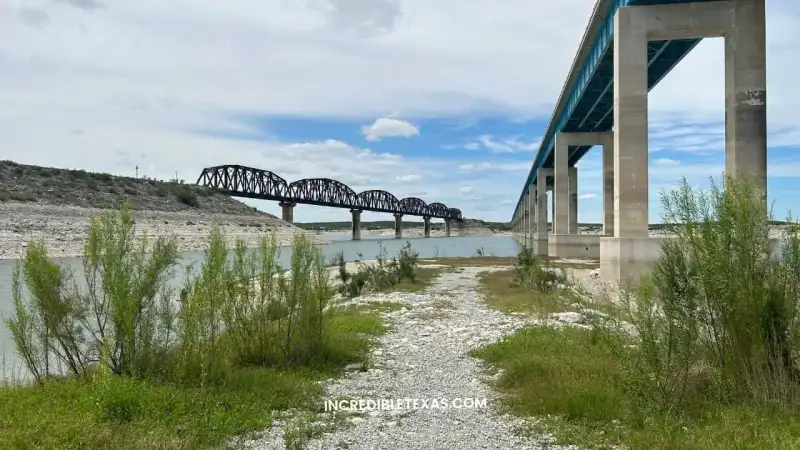
Texas is home to hundreds of reservoirs and freshwater impoundments spanning over 1.2 million surface acres. The best lakes in Texas deliver distinct advantages for every travel style, from limestone cliffs and shaded paddle trails to waterfront campgrounds and productive bass fisheries. Deciding where to spend a weekend on the water comes down to water clarity, boat ramp accessibility, and drive time from major metropolitan areas.
From the clear spring-fed swimming coves of the Texas Hill Country to the deep pine timber of East Texas and the sprawling open bays along the Oklahoma border, each reservoir offers unique recreational assets.
Whether travelers are planning memorable texas lake getaways or a quick Saturday boating trip, this comprehensive guide reviews the top 17 Texas lakes for boating, swimming, camping, and angling. It provides verified acreage, park amenities, and critical logistical planning advice.
Anglers planning a dedicated fishing expedition can also explore our companion guide to the best fishing lakes in Texas for trophy largemouth and striped bass tactics.
At-a-Glance: Comparing the Best Lakes in Texas
The best lakes in Texas vary significantly in size, water clarity, and recreational character. The comparison table below summarizes the top 17 destinations across the state to help travelers match their outdoor preferences with the right waterway.
| Lake | Region & Drive Time | Surface Acres | Best For | Key Attraction |
|---|---|---|---|---|
| Canyon Lake | Hill Country (1 hr from San Antonio) | 8,230 | Clear water swimming & boating | Limestone bluffs & scuba diving |
| Lake Whitney | Central Texas (1 hr from Fort Worth) | 23,500 | Striped bass fishing & cliff views | Lake Whitney State Park camping |
| Lake Livingston | Piney Woods (1.5 hrs from Houston) | 83,000 | Family camping & white bass | State park marina & equestrian trails |
| Cedar Creek Lake | Prairies & Lakes (1 hr from Dallas) | 32,623 | Lakehouse rentals & water sports | 320 miles of shoreline |
| Lake Travis | Highland Lakes (35 min from Austin) | 18,622 | Sailing, marinas & lakeside dining | Devil's Cove & deep water channels |
| Lake Conroe | Piney Woods (1 hr from Houston) | 21,000 | Resort getaways & boat slips | Margaritaville Resort & national forest |
| Caddo Lake | Deep East Texas (3 hrs from Dallas) | 26,810 | Canoeing & swamp photography | Old-growth bald cypress bayous |
| Lake Texoma | North Texas (1.5 hrs from Dallas) | 89,000 | Trophy striper fishing & sailing | Sandy islands & Cross Timbers trail |
| Lake Marble Falls | Highland Lakes (1 hr from Austin) | 611 | Constant-level paddling & wake sports | Downtown park access & calm water |
| Lewisville Lake | DFW Metroplex (30 min from Dallas) | 29,592 | Day boating & sandy swim beaches | Party Cove & lakeside RV parks |
| Lake Palestine | East Texas (25 min from Tyler) | 25,500 | Tournament bass angling & quiet coves | Dogwood Springs & marina camping |
| Lake Cypress Springs | Northeast Texas (2 hrs from Dallas) | 3,460 | Clean water swimming & cabin retreats | Dense pine forests & peaceful shores |
| Lake Granbury | Brazos Valley (50 min from Fort Worth) | 8,300 | Town square dining & wakeboarding | City Beach Park & river navigation |
| Inks Lake | Highland Lakes (1 hr from Austin) | 831 | Granite rock jumping & kayak camping | Devil's Waterhole swimming cove |
| Lady Bird Lake | Central Austin (Downtown) | 416 | Stand-up paddleboarding & urban trails | Ann and Roy Butler Hike-and-Bike Trail |
| Possum Kingdom Lake | Palo Pinto County (1.5 hrs from Fort Worth) | 17,700 | Cliff scenery & deep water recreation | Hell's Gate sheer rock formation |
| Lake Buchanan | Highland Lakes (1.5 hrs from Austin) | 22,211 | Wilderness paddling & winter eagles | Granite pebble shores & river cruises |
Canyon Lake
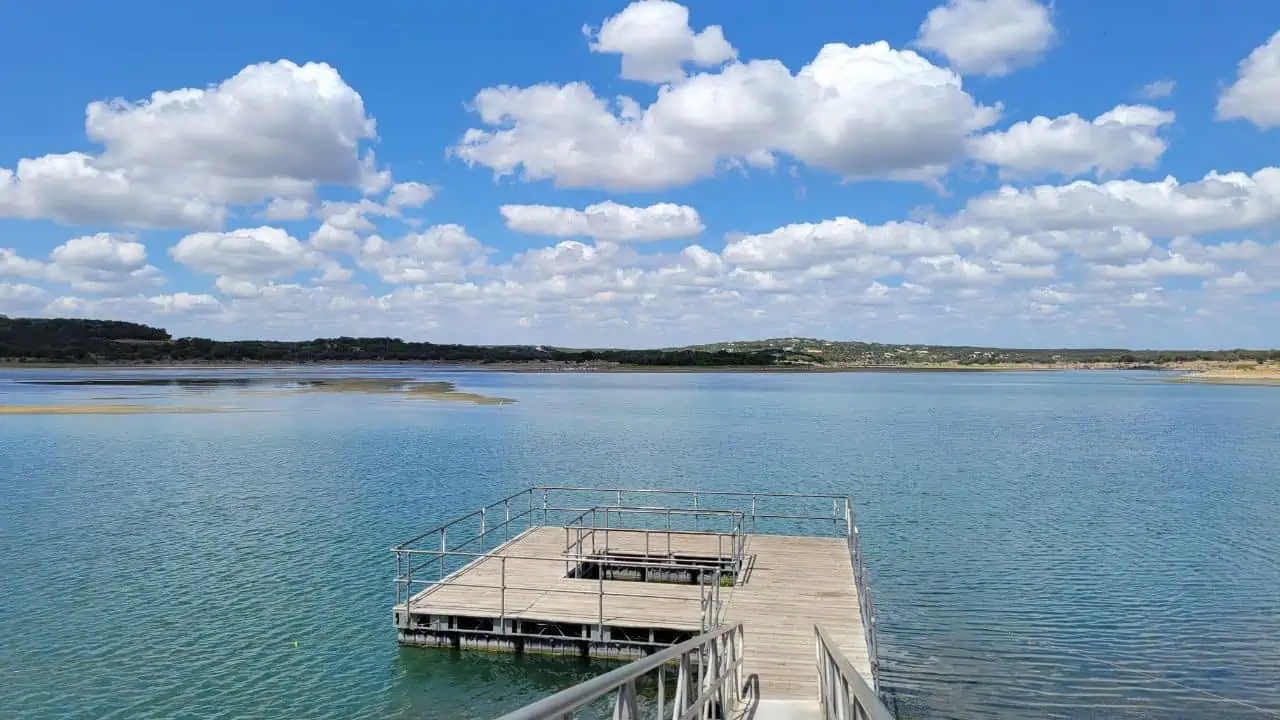
Canyon Lake is widely considered one of the top destinations in the Texas Hill Country. Located on the Guadalupe River in Comal County, this 8,230-acre reservoir features translucent turquoise water, steep limestone bluffs, and an active recreational boating community.
Why Visit Canyon Lake
Positioned just 45 miles north of San Antonio and 55 miles southwest of Austin, Canyon Lake provides an accessible waterfront retreat. While several smaller reservoirs surround Bexar County, travelers searching for lakes in san antonio often drive 45 minutes north to Canyon Lake. Among all regional san antonio lakes, this reservoir provides the deepest water, clearest visibility, and most expansive boat ramps.
Detailed depth charts and fish distribution statistics can be verified through the Texas Parks and Wildlife Department Canyon Lake Profile. The lake features 80 miles of scenic shoreline dotted with public access points.
Boating and Water Sports on Canyon Lake
Powerboating, wakeboarding, and sailing are the primary draws across the main basin. Two commercial marinas provide fuel docks, boat rentals, and transient slips for visitors bringing private vessels.
Scuba divers frequent the lake due to underwater visibility that can reach 15 feet during calm summer stretches. Divers explore submerged rock formations and historical foundations near the dam.
Camping and Shoreline Parks
The U.S. Army Corps of Engineers operates eight public parks around the reservoir, offering boat ramps, shaded day-use picnic shelters, and waterfront campsites. Potters Creek Park and Cranes Mill Park provide developed RV hookups right on the shoreline.
Visitors seeking dedicated swimming beaches can head to the Comal Park swim beach on Canyon Lake, which features protected shallow water, pea-gravel shores, and playground facilities for families.
Fishing Opportunities at Canyon Lake
Canyon Lake sustains healthy populations of largemouth bass, smallmouth bass, striped bass, and channel catfish. The steep rock ledges and submerged timber near the river mouth create productive structure for reaction baits.
Anglers often target the Guadalupe River inflow during early morning hours, where cooler water temperatures generate active surface feeding throughout the warmer months.
Lake Whitney
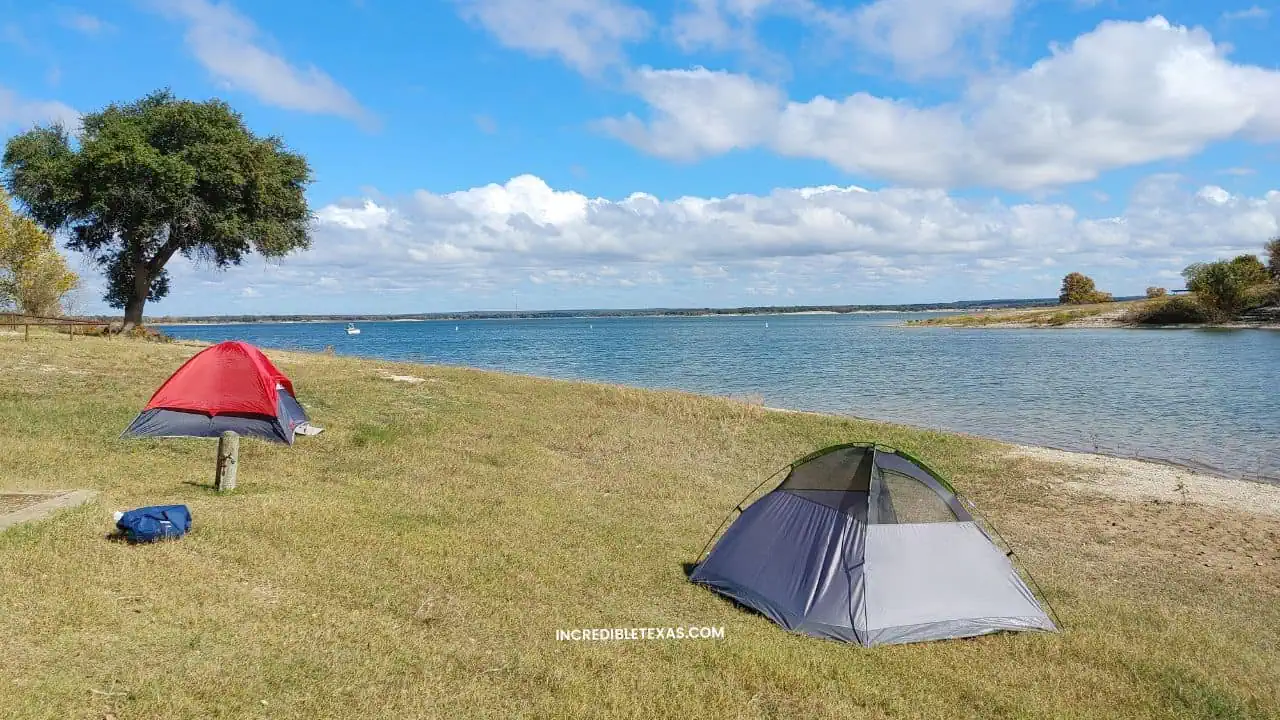
Situated roughly 60 miles south of Fort Worth on the Brazos River, Lake Whitney spans 23,500 acres of deep, clear water. The reservoir was officially designated as the Getaway Capital of Texas by the state legislature due to its rugged cliffs and outdoor amenities.
Why Visit Lake Whitney
Lake Whitney is famous for dramatic white limestone bluffs that rise up to 40 feet above the water line. It serves as a dependable destination for travelers seeking fort worth lakes that offer substantial elbow room and clean swimming.
The lake retains high clarity because it sits in a predominantly limestone river basin. Protected coves provide tranquil anchorages for houseboats and pontoons away from the main river current.
Lake Whitney State Park and Camping
Lake Whitney State Park occupies 955 acres on the eastern shore, providing 137 campsites ranging from water-only tent sites to full 50-amp RV hookups. The park also maintains a dedicated boat ramp, fish-cleaning stations, and multi-use hiking trails.
For site photos and park guidelines, consult our detailed Lake Whitney State Park camping guide before making reservations.
Boating and Limestone Bluffs
Boaters have access to numerous launch points managed by both the state and the U.S. Army Corps of Engineers. The wide lower basin offers excellent stretches for tubing, water skiing, and wake surfing.
Kayakers and canoeists prefer the sheltered coves near McCown Valley and Soldiers Bluff, where the towering canyon walls shield paddlers from strong southerly winds.
Fishing Experiences at Lake Whitney
Lake Whitney is nationally recognized for its productive striped bass and white bass fisheries. Trophy stripers exceeding 15 pounds are regularly landed along deep river channels and submerged humps.
Catfish anglers find tremendous success targeting blue and channel catfish around flooded timber and gravel bars using live shad or cut bait.
Lake Livingston
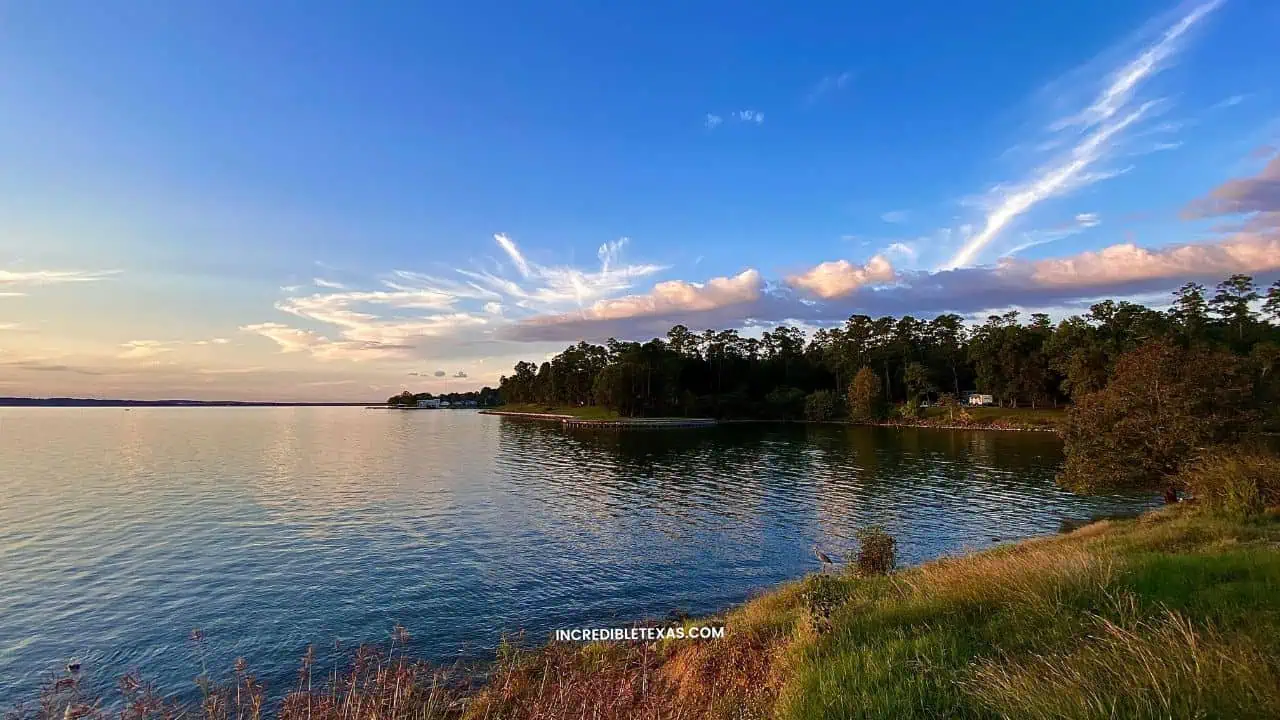
Covering 83,000 surface acres across four East Texas counties, Lake Livingston is the second largest lake located entirely within the state of Texas. Constructed on the Trinity River, it serves as the primary freshwater recreation hub for the greater Houston region.
Why Visit Lake Livingston
Located just 75 miles north of downtown Houston, Lake Livingston allows coastal residents to reach open fresh water in under 90 minutes. Its shoreline features dense pine forests, quiet backwater sloughs, and wide expanses of unobstructed boating surface.
The sheer scale of the reservoir prevents overcrowding even on peak summer holiday weekends, offering quiet anchorages for family cruisers and serious anglers alike.
Recreation and Open-Water Sports
Lake Livingston is built for serious powerboating and water sports. The vast southern half of the lake offers miles of deep, open water where wakeboarders, jet skiers, and sailors operate with plenty of clearance.
Pine Island, situated near the center of the southern basin, serves as a popular gathering spot where boaters anchor along sandy shoals to swim and socialize.
Lake Livingston State Park
The southwestern shore is anchored by Lake Livingston State Park, which offers 635 forested acres with 280 campsites, 10 rental cabins, and three boat launch ramps. For families exploring lake camping in texas, the park features screened shelters, full RV hookups, clean bathhouses, an observation tower overlooking the lake, and illuminated fishing piers.
Review our complete rundown of Lake Livingston State Park camping and trails to plan campsite selections and park activities.
White Bass and Catfish Angling
Lake Livingston holds an elite reputation for white bass schooling action from late spring through autumn. Anglers chase massive schools feeding on shad over submerged flats using silver spoons and tail-spinners.
The reservoir is equally famous for monster blue and flathead catfish, which thrive in the rich, forage-laden waters of the Trinity River channel.
Cedar Creek Lake
Cedar Creek Lake, officially known as Joe B. Hogsett Reservoir, covers 32,623 acres in Henderson and Kaufman counties. Positioned roughly 55 miles southeast of Dallas, it ranks as the fourth largest reservoir in Texas and one of the most popular weekend retreats for North Texas residents.
Why Visit Cedar Creek Lake
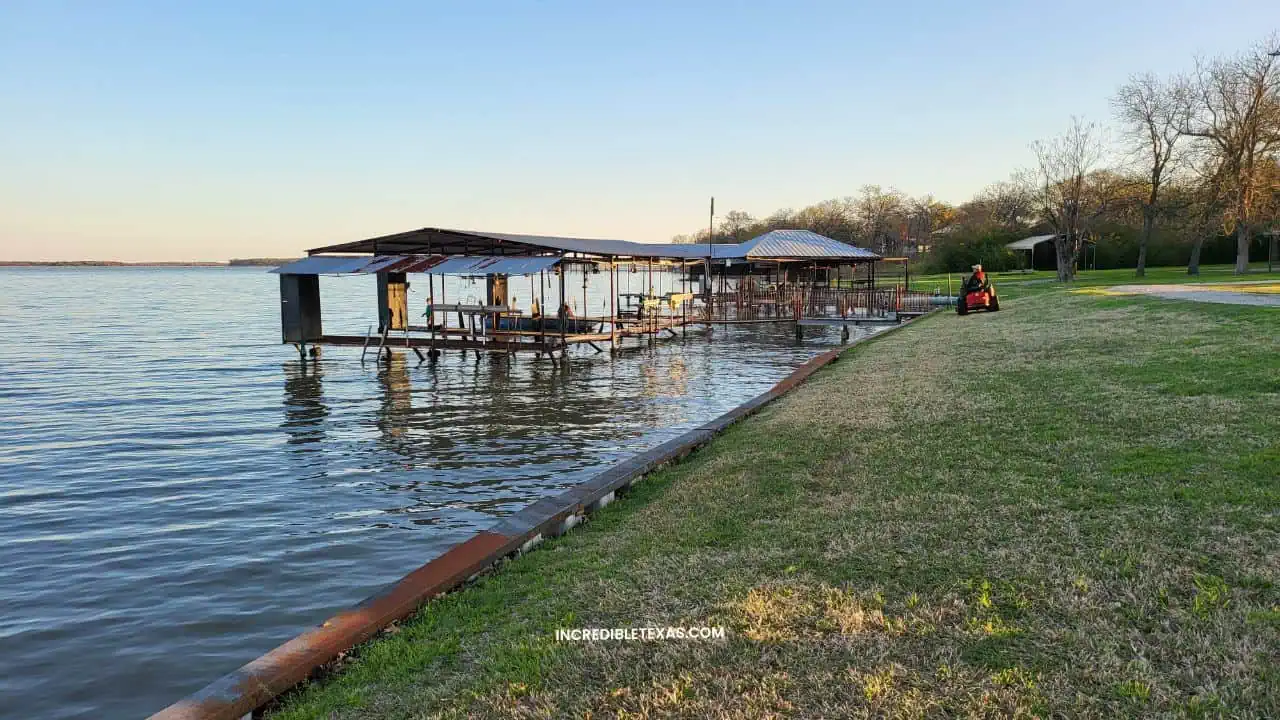
Cedar Creek Lake is a prime choice for travelers seeking lakes near Dallas that offer expansive open water without a lengthy commute. With 320 miles of shoreline, the lake is lined with vacation rentals, private boat docks, and charming small-town communities like Gun Barrel City and Mabank.
Its sprawling layout features distinct arms and coves, allowing boaters to find calm, glassy water for skiing even when main-lake winds create chop.
Lake Logistics and DFW Access
Driving to the lake takes just under an hour from downtown Dallas via US-175 East. Several full-service marinas around the perimeter offer public boat launching, ethanol-free marine fuel, and boat repair services. For marina listings and launch fee details, review our [complete Cedar Creek Lake visitor guide](/cedar-creek-lake-tx/).
Because Cedar Creek Lake allows private boat docks along its perimeter, it feels lively and community-oriented, with waterfront dining spots accessible directly by watercraft.
Boating and Waterfront Rentals
Pontoon cruising and wake sports dominate the lake's open channels. Vacation rental homes with multi-slip private docks make it easy for large groups to base their lake vacation Texas getaway right on the water.
Calm morning conditions in the northern coves provide ideal water for paddleboarding, tubing, and wakeboarding before afternoon breezes pick up.
Fishing Experiences at Cedar Creek Lake
Cedar Creek Lake offers consistent angling for largemouth bass, hybrid striped bass, crappie, and catfish. The lake's hundreds of wooden boat docks provide prime shade and ambush cover for bass during the heat of summer.
Hybrid stripers roam open-water humps and points in the lower lake, where trolling deep-diving crankbaits or jigging spoons produces heavy stringers.
Lake Travis
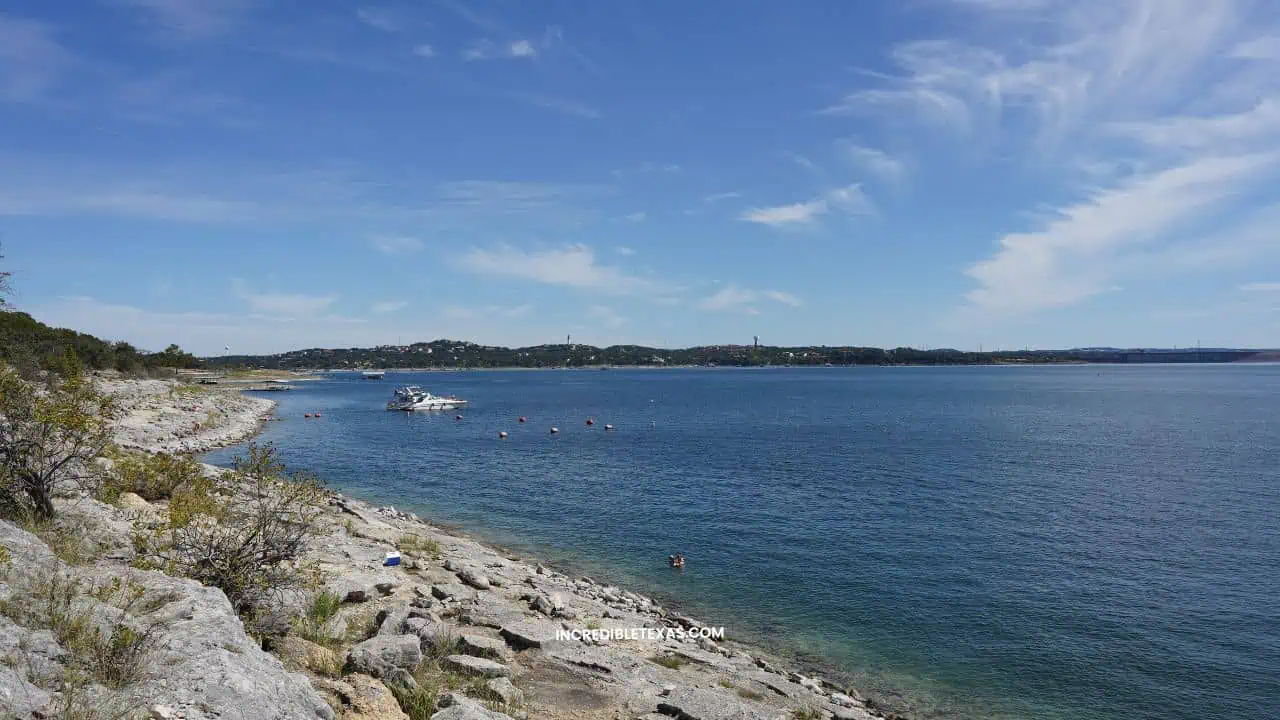
Lake Travis is the most celebrated recreational reservoir in the Texas Hill Country, stretching 63 miles along the Colorado River northwest of Austin. With 18,622 surface acres and a maximum depth exceeding 200 feet, it is a world-class destination for watercraft enthusiasts and outdoor adventurers.
Why Visit Lake Travis
Lake Travis sits only 20 miles from central Austin, making it an easy day trip or weekend escape. Its deep, clear waters are framed by dramatic limestone hills and luxury estates, creating an energetic resort atmosphere unmatched in the state.
Public access, park maps, and lake elevation advisories are maintained on the Lower Colorado River Authority Lake Travis Recreation Portal. Visitors should check current water level reports prior to trailering large boats.
Boating, Marinas, and Watersports
The reservoir is known for lively party coves like Devil's Cove, where hundreds of vessels raft up on summer afternoons. Deep main channels provide reliable sailing conditions, and full-service marinas rent everything from double-decker pontoons to ski boats.
Thrills extend above the water as well, with Lake Travis Zipline Adventures offering the longest zipline canopy tours in Texas over shoreline canyons.
Parks and Shoreline Access
More than a dozen public parks managed by Travis County and the LCRA border Lake Travis. Pace Bend Park provides nine miles of shoreline with rugged cliff formations, primitive campsites, and dedicated boat ramps.
Mansfield Dam Park near the southern end offers developed swim areas, a deep-water boat launch, and an underwater dive park with sunken shipwrecks and training platforms for scuba divers.
Angling Profile for Lake Travis
Lake Travis supports largemouth bass, Guadalupe bass, and white bass along its steep rock drop-offs and marina docks. Guadalupe bass thrive in the cooler, flowing currents of the upper reservoir near Spicewood.
Finesse worm rigs and deep jigging around brush piles in 15 to 30 feet of water deliver dependable bass action throughout the summer.
Lake Conroe
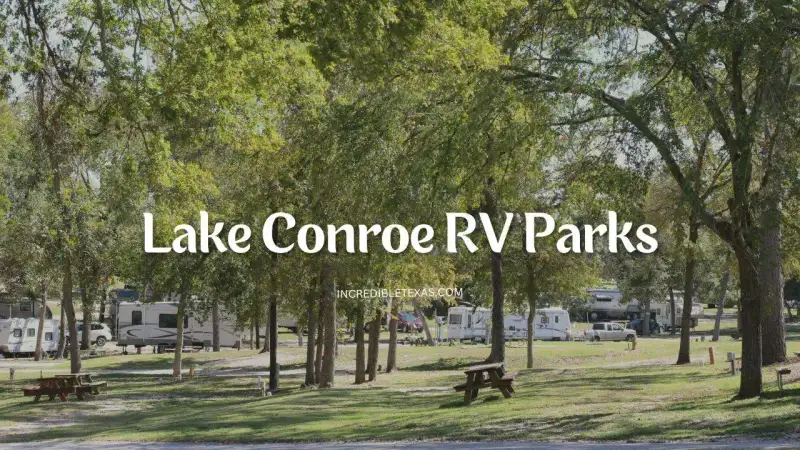
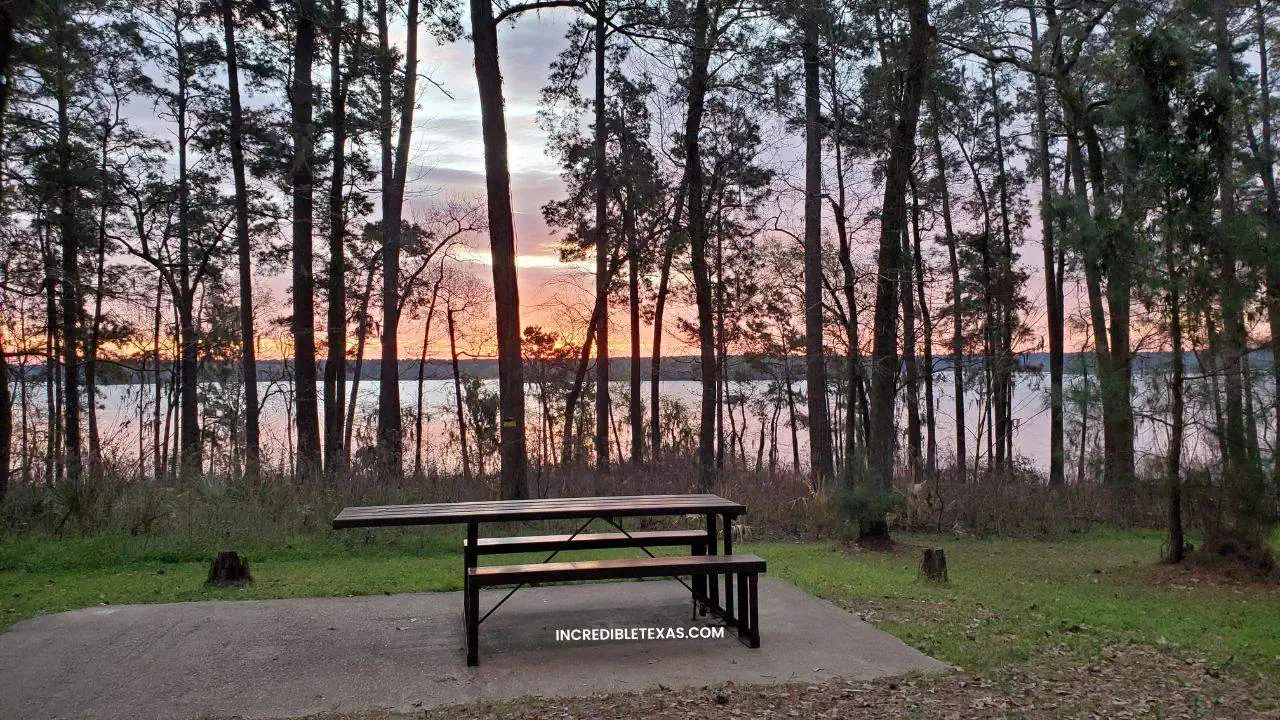
Located roughly 45 miles north of Houston on the West Fork of the San Jacinto River, Lake Conroe encompasses 21,000 surface acres. It offers an upscale combination of golf resorts, full-service marinas, waterfront dining, and peaceful national forest access.
Why Visit Lake Conroe
Lake Conroe serves as a popular weekend destination for North Houston travelers seeking water activities paired with luxury amenities. Its southern basin features waterfront resort complexes and open-air patio restaurants where boaters tie up for lunch.
The northern reach borders the Sam Houston National Forest, providing a dramatic contrast of quiet wilderness, tall pine trees, and undisturbed wildlife habitats.
Lake Conroe Marinas and Boat Slips
The reservoir features extensive marine infrastructure, including private yacht clubs and commercial marinas. For boat rentals and docking options, check our guide to the best Lake Conroe marinas and boat rentals before arriving.
Boat owners can reserve overnight slips with shore power and water hookups, while casual travelers can rent late-model tritoons and jet skis for day cruising.
Resort Amenities and Swimming
Margaritaville Lake Resort anchors the southern shore, featuring a water park, golf course, and lakeside cottages. For day visitors, Lake Conroe Park offers a manicured 13-acre day-use area with swimming beaches, barbecue grills, and fishing piers.
Cagle Recreation Area in the national forest provides quiet shoreline walking trails, shaded picnic areas, and boat launch facilities away from heavy boat traffic.
Trophy Bass and Catfish Fishing
Lake Conroe consistently produces trophy largemouth bass, with multiple ShareLunker entries weighing over 13 pounds recorded in recent years. Anglers target deep bulkhead lines, bridge pilings, and offshore brush piles.
The lake also supports an exceptional catfish fishery, with channel, blue, and flathead catfish readily caught around baited holes and marina breakwaters.
Caddo Lake
Spanning 26,810 acres along the Texas-Louisiana border, Caddo Lake is unlike any other freshwater body in the Lone Star State. It is the only naturally formed large lake in Texas, consisting of a sprawling maze of shallow cypress bayous, baygalls, and Spanish moss.
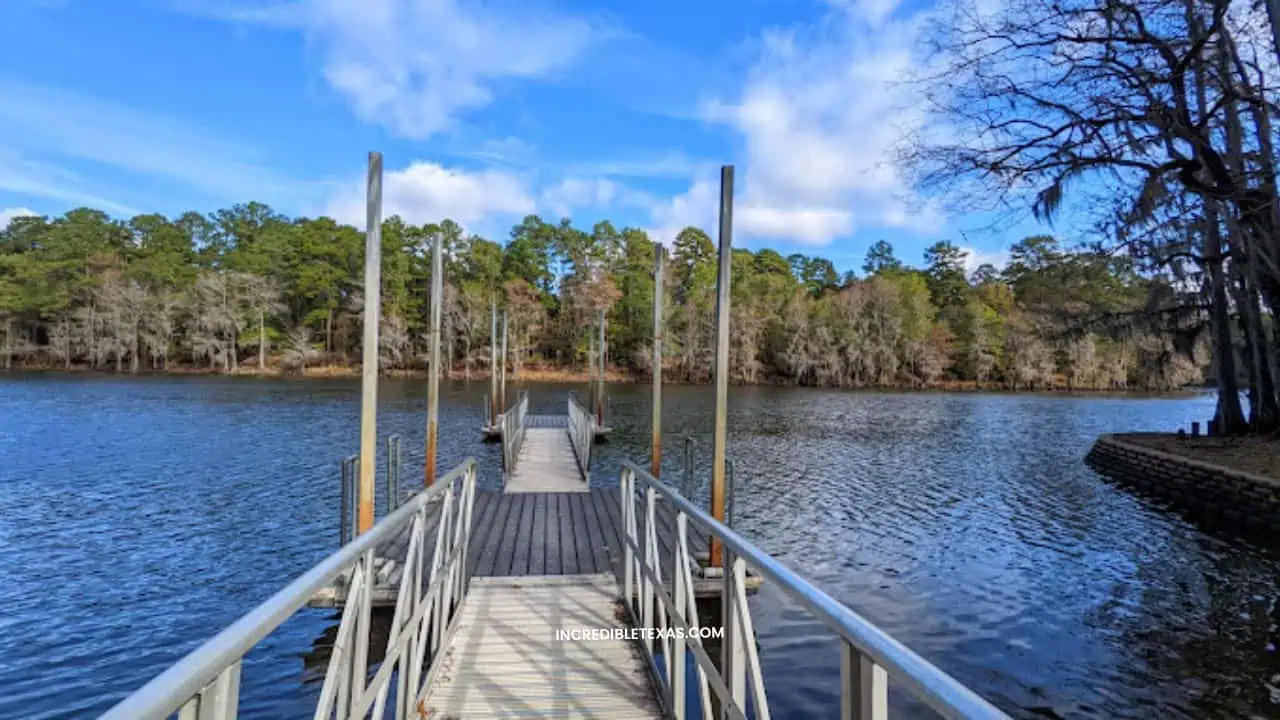
Why Visit Caddo Lake
Caddo Lake offers a mystical, primeval atmosphere found nowhere else in Texas. Massive bald cypress trees over 400 years old grow directly out of the shallow water, draped in heavy gray Spanish moss that reflects off glassy blackwater bayous.
Paddlers and photographers from around the world visit this internationally protected Ramsar wetland to view more than 200 bird species and rare plant life.
Paddling Marked Boat Roads
Because Caddo Lake is a labyrinth of interconnected sloughs and islands, navigating requires following designated boat roads marked with color-coded reflective trail markers. Over 50 miles of official paddling trails wind through the bayous.
Outfitters in Uncertain and Karnack rent canoes, touring kayaks, and offer guided pontoon boat tours that explain the lake's rich Caddo Indian and steamboat history.
Caddo Lake State Park
Caddo Lake State Park provides the primary gateway on the Texas side, featuring 480 acres of upland forest with historic CCC-built cabins, screened shelters, and tent campsites. The park also maintains an ADA-accessible fishing pier and canoe launch.
Explore our complete review of Caddo Lake State Park paddling trails for gear checklists and trail maps.
Official park rules, cabin rental rates, and boat road trail guides are accessible through the Texas Parks and Wildlife Department Caddo Lake State Park Guide.
Fishing Among the Cypress
Caddo Lake is an angler's paradise, home to 86 different fish species. Largemouth bass fishermen use hollow-body frogs and weedless soft plastics over thick lily pad fields and around cypress knees.
White and black crappie cluster around submerged cypress roots throughout spring and fall, providing fast-paced action on minnows and micro-jigs.
Lake Texoma
Covering 89,000 surface acres on the Red River along the Texas-Oklahoma border, Lake Texoma is one of the largest reservoirs in the United States. It attracts roughly 6 million visitors annually and is celebrated worldwide as the Striped Bass Capital of the Southwest.
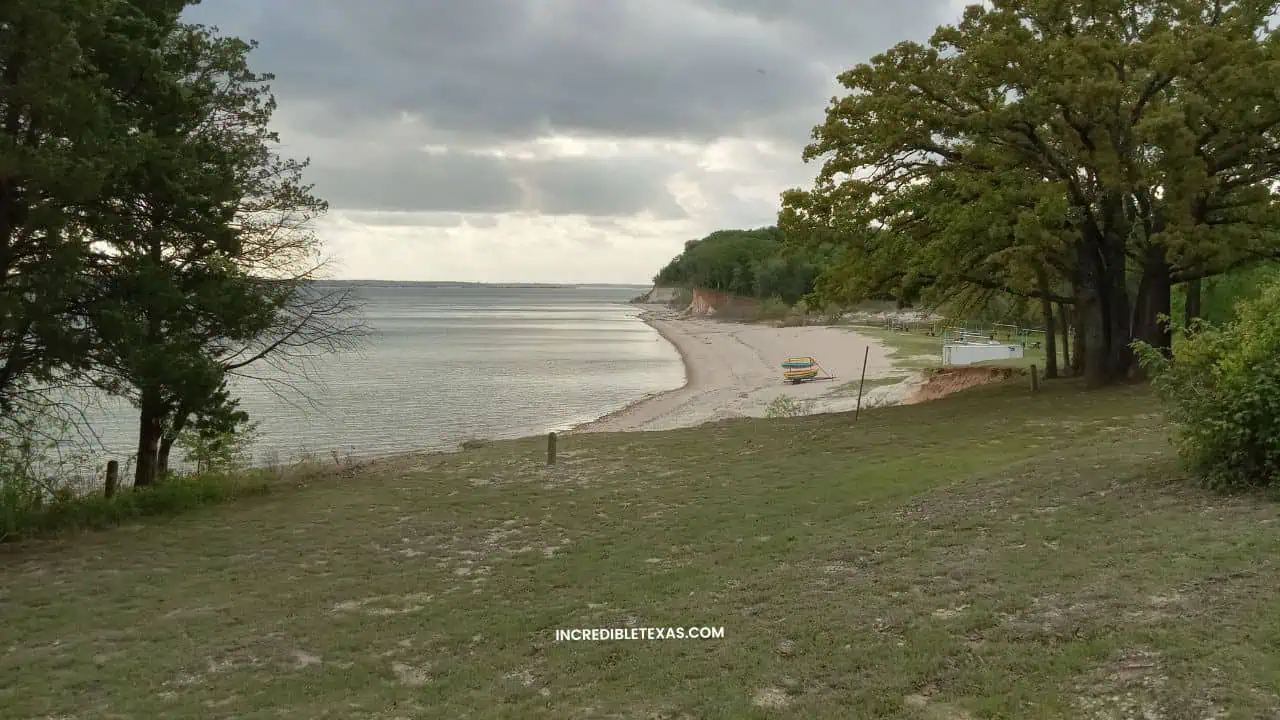
Why Visit Lake Texoma
Located 75 miles north of Dallas, Lake Texoma offers a massive scale that gives boaters true blue-water freedom. Its shoreline features white sandy islands, tall clay bluffs, and hundreds of secluded coves.
Detailed fishery reports and cross-border licensing regulations are outlined in the Texas Parks and Wildlife Department Lake Texoma Fishery Guide. Anglers can purchase a special Lake Texoma license to fish both state zones seamlessly.
World-Class Striped Bass Fishing
Lake Texoma is one of the few inland reservoirs in North America where striped bass reproduce naturally, supported by high saline levels in the Red and Washita river arms. Guided striper fishing trips are a major regional industry.
During late spring and early summer, topwater striper boils create thrilling fishing where 10-to-20-pound fish smash plugs right at the surface.
Island Hopping and Sandy Beaches
A signature experience on Lake Texoma is island hopping. Islands such as Wood Island and North Island feature expansive white sand beaches where hundreds of boats anchor in shallow water to swim, grill, and sunbathe.
Campers can pitch tents directly on the sandy shoreline of designated islands, enjoying starlit waterfront nights with campfire breezes.
Marinas and Lakeside Lodging
Texoma features massive commercial marinas with thousands of wet slips, marine service centers, and waterfront cabin communities. Highport Marina and Eisenhower Yacht Club provide full amenities for transient and seasonal boaters.
Eisenhower State Park on the Texas shoreline offers high limestone bluff trails, primitive campsites, and sheltered cove swimming. Consult our Lake Texoma camping and fishing guide for full logistical details.
Lake Marble Falls
Lake Marble Falls is a 611-acre constant-level reservoir situated on the Colorado River in Burnet County. Flowing directly past downtown Marble Falls, it provides a charming, intimate lake setting within the Highland Lakes chain.
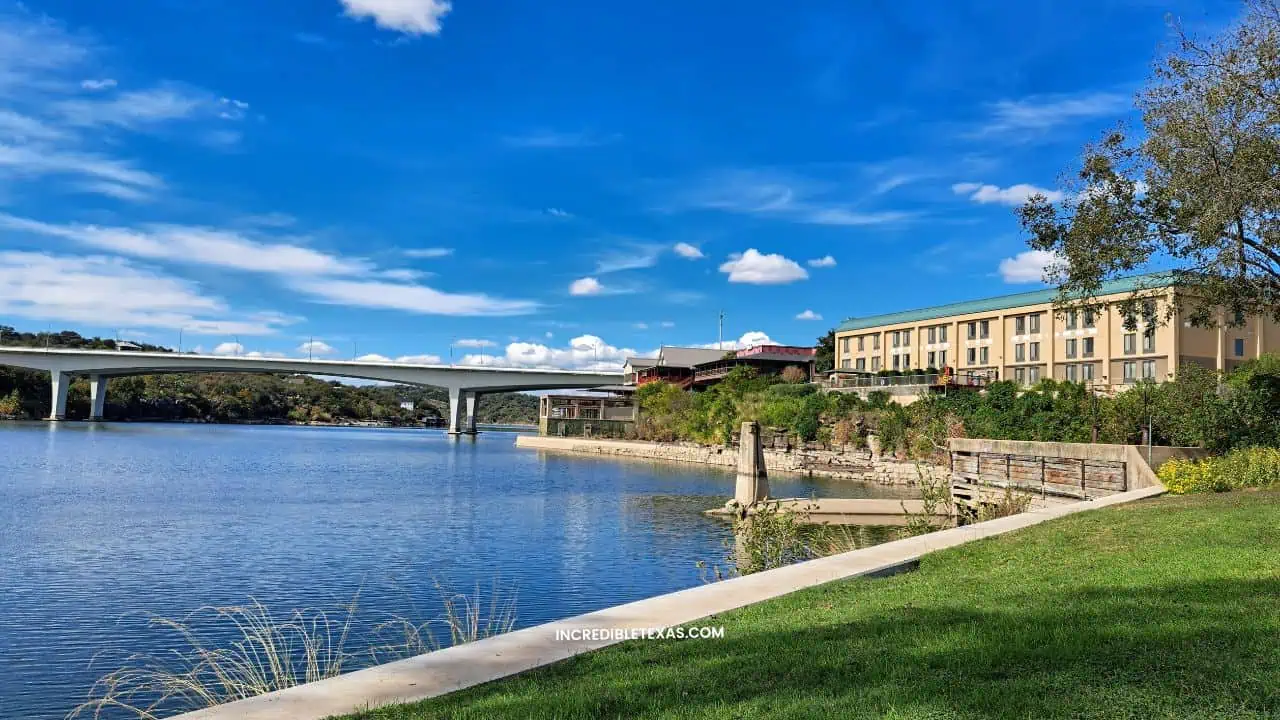
Why Visit Lake Marble Falls
Unlike larger reservoirs that fluctuate during dry weather, Lake Marble Falls maintains a virtually constant water level year-round. This stability makes it one of the most reliable water destinations for consistent boat ramp access and dock fishing.
Located just 45 miles northwest of Austin, the lake combines tranquil water recreation with direct walking access to historic downtown boutiques, craft breweries, and bakeries.
Constant-Level Advantage
The LCRA regulates the water level of Lake Marble Falls via Max Starcke Dam and Alvin Wirtz Dam, ensuring boat docks and public ramps stay fully functional in all seasons. Boaters never have to worry about submerged rock hazards emerging unexpectedly from dropping pool levels.
The relatively narrow, winding basin keeps open-water chop to a minimum, creating glassy conditions favored by competitive water skiers and wakeboarders.
Water Sports and Paddling
Kayaking and stand-up paddleboarding thrive on Lake Marble Falls. Paddlers can launch directly from Lakeside Park and explore calm shoreline coves or cruise beneath the US-281 bridge.
Boat rentals are readily available in town, allowing visitors to spend the day tubing or wakeboarding without bringing their own gear.
Lakeside Dining and Parks
Lakeside Park features paved walking paths, shaded picnic tables, a public swimming pool, and concrete boat ramps. Johnson Park, situated along Backbone Creek where it meets the lake, offers covered pavilions and dog-friendly open green space.
After a day on the water, visitors can stroll to the legendary Blue Bonnet Cafe for homestyle Texas cooking and world-famous pie.
Lewisville Lake
Spanning 29,592 surface acres in Denton County, Lewisville Lake is one of the most accessible recreational destinations in the Dallas-Fort Worth metroplex. Located just 15 minutes north of DFW International Airport, it serves millions of urban residents seeking outdoor relaxation.
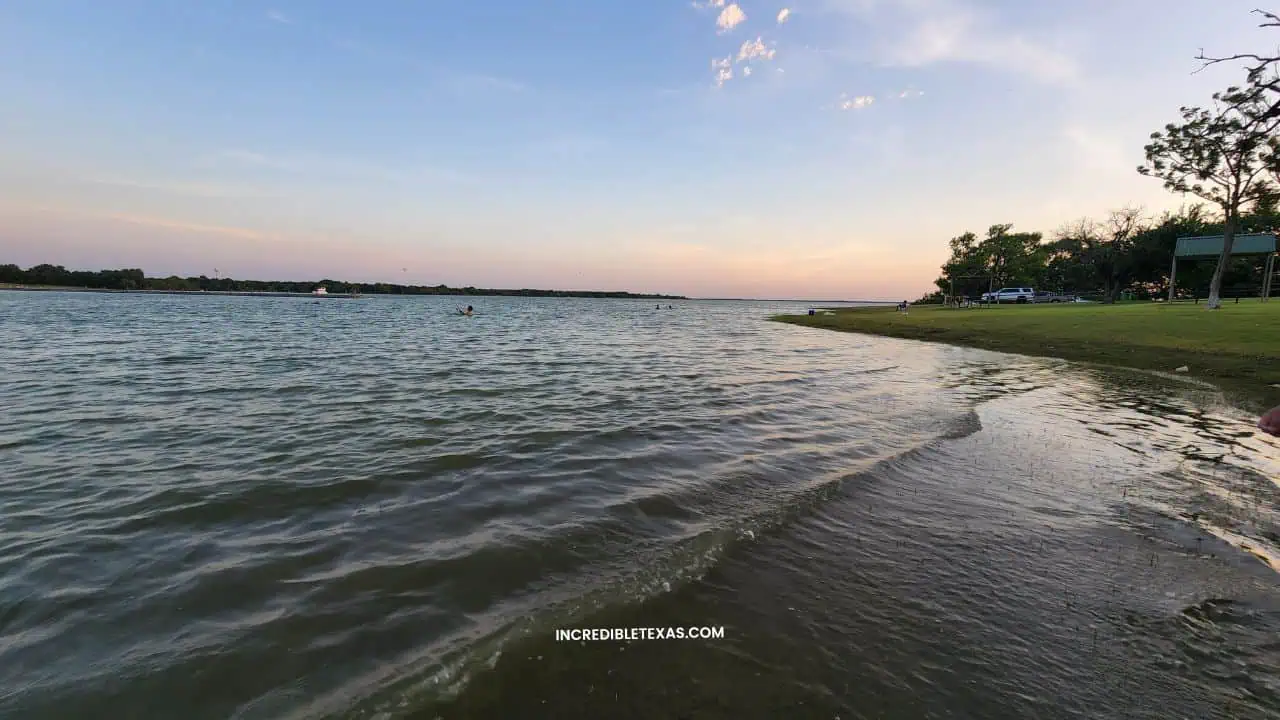
Why Visit Lewisville Lake
When ranking the best lakes in dfw, Lewisville Lake delivers unmatched convenience and diverse public parks. For outdoor enthusiasts comparing lakes in dfw, its central location makes it easy to enjoy an afternoon cruise, bank fishing trip, or beach picnic without an overnight commitment.
The lake features deep-water channels, broad swimming shallows, and extensive parkland leased by local municipalities from the U.S. Army Corps of Engineers.
DFW Access and Boat Ramps
With dozens of public boat ramps positioned around the shoreline, launching a vessel is fast and reliable. Full-service marinas like Pier 121 and Sneaky Pete's offer extensive wet slip rentals, live music decks, and fuel stations.
Jet ski and pontoon boat rental operations operate out of major marinas, allowing travelers without boats to get out onto the water within minutes.
Party Cove and Swimming Parks
Lewisville Lake's Party Cove, located near the center of the lake, is a well-known gathering spot where boats raft together on warm summer weekends. Those seeking quieter recreation can visit family-friendly day parks.
Lake Park in Lewisville and Stewart Creek Park in The Colony feature designated swimming beaches, disc golf courses, and shaded picnic pavilions. Browse our guide to Lewisville Lake parks for camping and fishing for entry fees and park hours.
Fishing and Wildlife Viewing
Anglers target largemouth bass, spotted bass, hybrid stripers, and crappie around bridge riprap and standing timber. The Old Lake Dallas area and northern arms provide productive marsh habitat for shallow-water bass fishing.
Birdwatchers can visit the Lewisville Lake Environmental Learning Area (LLELA) below the dam to observe migrating waterfowl, bald eagles, and native prairie wildlife.
Lake Palestine
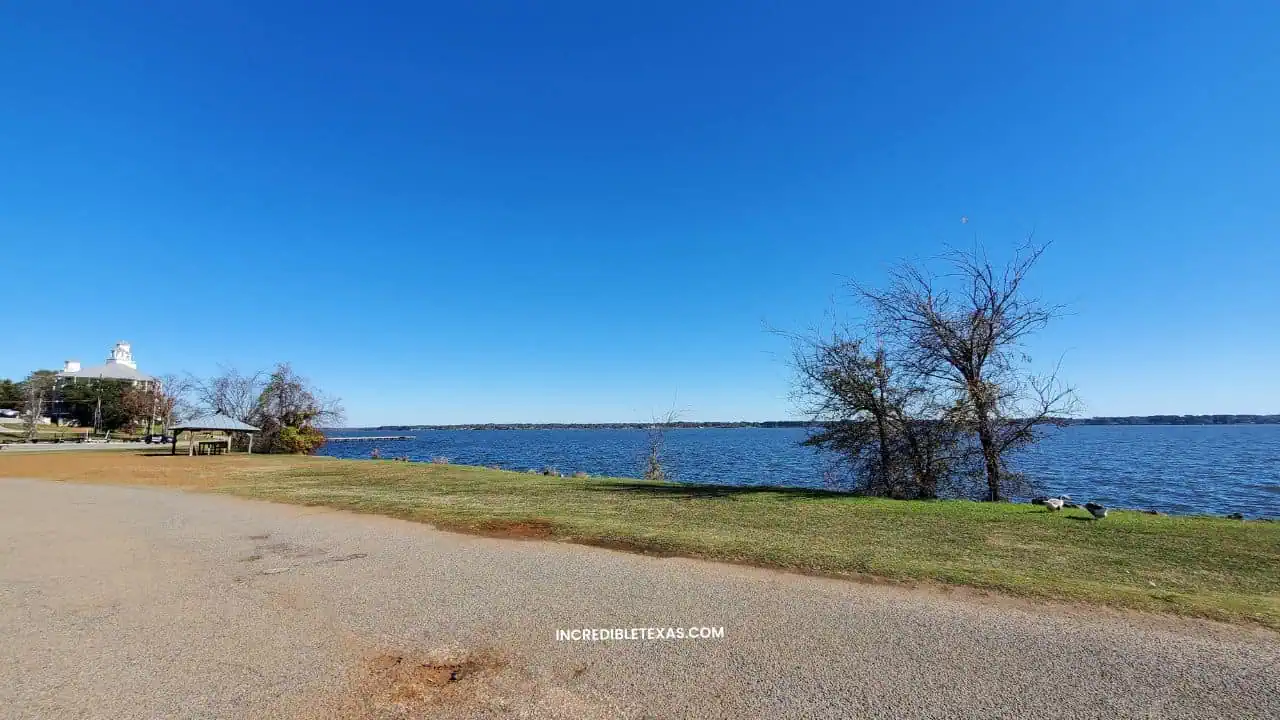
Lake Palestine covers 25,500 surface acres on the Neches River roughly 15 miles southwest of Tyler. Surrounded by rolling East Texas pine hills and dogwood groves, it is renowned for its tranquil environment and competitive bass tournaments.
Why Visit Lake Palestine
Lake Palestine is an ideal pick for travelers who want the natural beauty of East Texas without the heavy boat congestion seen on lakes closer to major metros. Its shoreline is peaceful, with towering pines extending down to sandy coves.
The 18-mile length of the reservoir provides plenty of room for recreational water sports, quiet kayak excursions, and relaxed pontoon cruising.
Scenic Piney Woods Atmosphere
The lake's setting in the Piney Woods region makes it especially appealing during spring when dogwoods and azaleas bloom along the shore. Autumn brings rich hardwood foliage that reflects across the calm water.
Because shoreline development is less dense than on urban reservoirs, visitors enjoy clean stargazing and quiet evenings around lakeside campfires.
Tournament Bass Fishing
Lake Palestine is a regular host of regional bass tournaments. The lake features extensive submerged structure, including creek channels, bridge pilings, and flooded timber in the northern half that hold heavy largemouth bass.
In addition to largemouth, the lake supports strong populations of white bass, hybrid stripers, and black crappie, which bite aggressively around docks and brush piles.
Campgrounds and Marinas
Multiple commercial marinas and public access parks line the reservoir. Lake Palestine Resort offers waterfront cabins, an RV campground, a private boat ramp, and on-site dining on the southern end.
Villages Marina on the western shore rents pontoons, paddleboards, and kayaks, serving as a convenient base for day visitors exploring the central basin.
Lake Cypress Springs
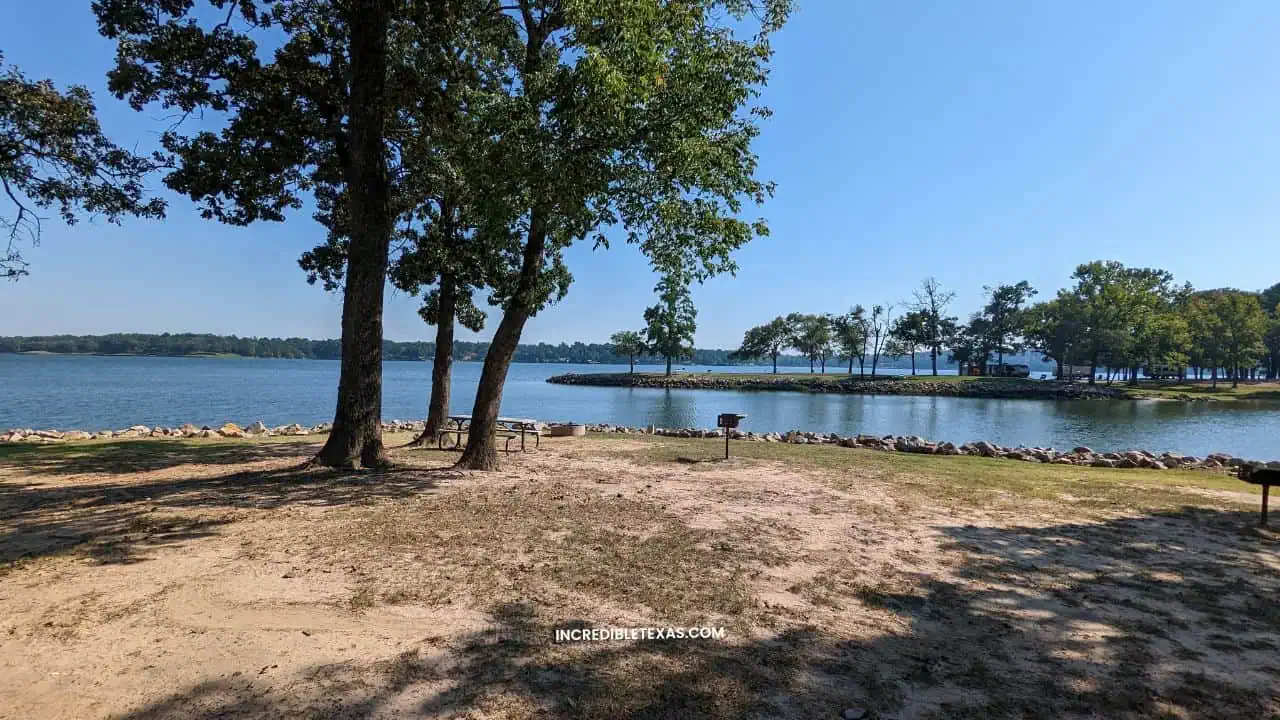
Encompassing 3,460 acres in Franklin County, Lake Cypress Springs is widely recognized as one of the prettiest lakes in Texas. Located approximately 100 miles east of Dallas, this spring-fed reservoir offers crystal-clear water bordered by thick pine and hardwood forests.
Why Visit Lake Cypress Springs
Lake Cypress Springs consistently earns accolades from travel publications as one of the cleanest lakes in Texas. Its spring-fed tributaries and strictly regulated shoreline preserve outstanding water clarity that makes swimming exceptionally pleasant.
The intimate size of the reservoir ensures that water conditions remain calm and manageable for family boating, wakeboarding, and kayaking.
Water Clarity and Scenic Shores
Unlike shallow reservoirs with silty bottoms, Cypress Springs features deep, spring-nourished water with a sandy, rocky bed. The forested shoreline creates windbreaks that protect the water from rough wave chop.
Scenic residential architecture blends into the pine trees along the perimeter, giving the lake an exclusive, peaceful retreat character.
Water Sports and Swimming
Glassy morning water makes Lake Cypress Springs a favorite destination for wakeboarders, water skiers, and tubers. The calm surface allows riders to carve smooth wakes throughout the central channels.
Swimmers can safely enjoy the water at designated public parks featuring sandy swimming beaches and shallow wading zones separated from boat traffic.
Recreational Facilities and Camping
The Franklin County Water District manages several public parks around the lake, including Guthrie Park, Walleye Park, and Mary King Park. These facilities provide boat ramps, illuminated fishing piers, tent camping, and RV sites.
Vacation rental cabins tucked into the woods provide cozy accommodations for couples and families seeking quiet weekend lake getaways.
Lake Granbury
Formed by the damming of the Brazos River in Hood County, Lake Granbury covers 8,300 surface acres and stretches 33 miles in a winding, serpentine channel. Located only 40 miles southwest of Fort Worth, it seamlessly links outdoor river recreation with historic small-town charm.
Why Visit Lake Granbury
Lake Granbury is unique because it flows right to the edge of the historic Granbury town square. Travelers can spend the morning wakeboarding or paddling and then dock their boat to walk to historic boutiques, wineries, and restaurants.
Its location makes it one of the most accessible fort worth lakes for a quick weekend day trip or a relaxing multi-day bed-and-breakfast stay.
City Beach Park and Historic Square
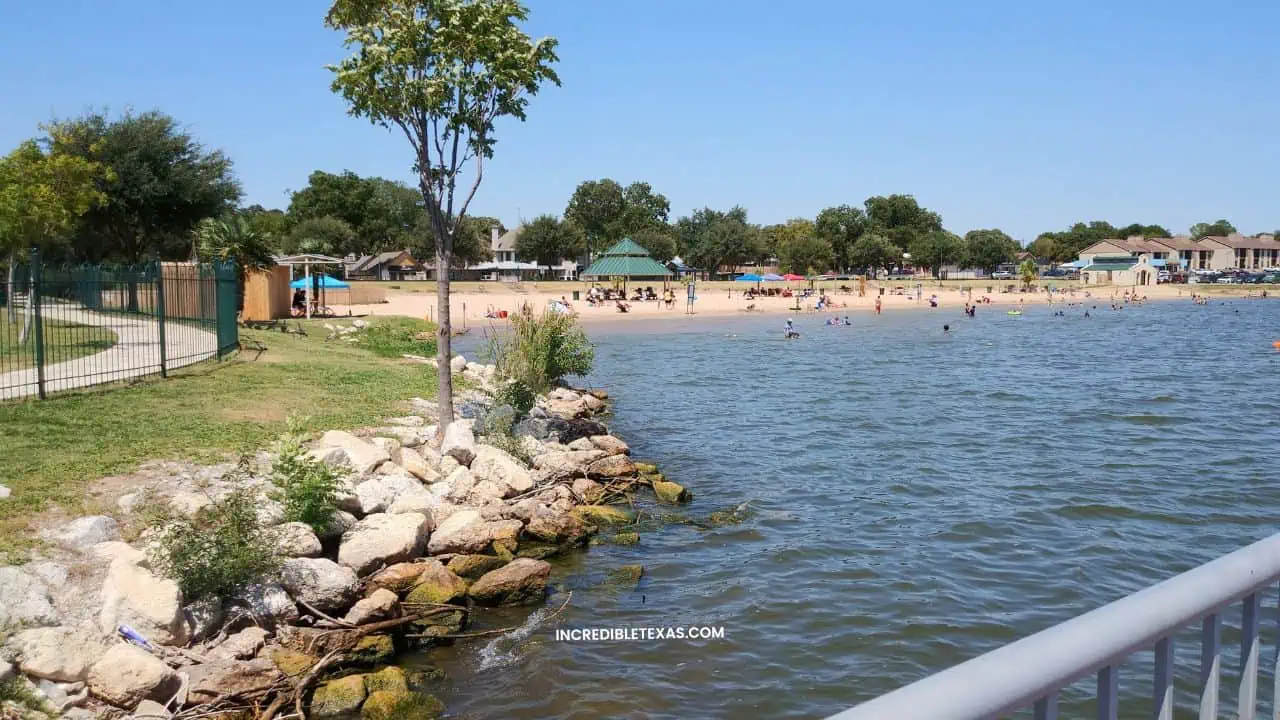
City Beach Park is a major civic highlight, offering a sandy swimming beach, splash pad, kayak and paddleboard rentals, and a scenic boardwalk along the water. The beach sits within easy walking distance of the historic Hood County Courthouse.
The park provides clean public restrooms, shaded pavilions, and free parking, making it an ideal day-use base for families traveling with children.
Boating and Water Sports
Because the lake is a river impoundment, its long, sheltered channel creates excellent conditions for wakeboarding, water skiing, and cruising. Five public boat ramps operated by the Brazos River Authority provide convenient access points.
Marinas like Lake Granbury Marina offer boat slips, boat rentals, and waterfront fuel to keep watercraft running smoothly all weekend.
Fishing on the Brazos
Lake Granbury offers diverse angling for largemouth bass, striped bass, white bass, and channel catfish. The lake's countless wooden boat docks and shoreline bulkheads provide prime shallow cover for bass.
The deeper river channel near the dam produces solid striped bass action, especially in early spring and late fall when water temperatures cool.
Inks Lake
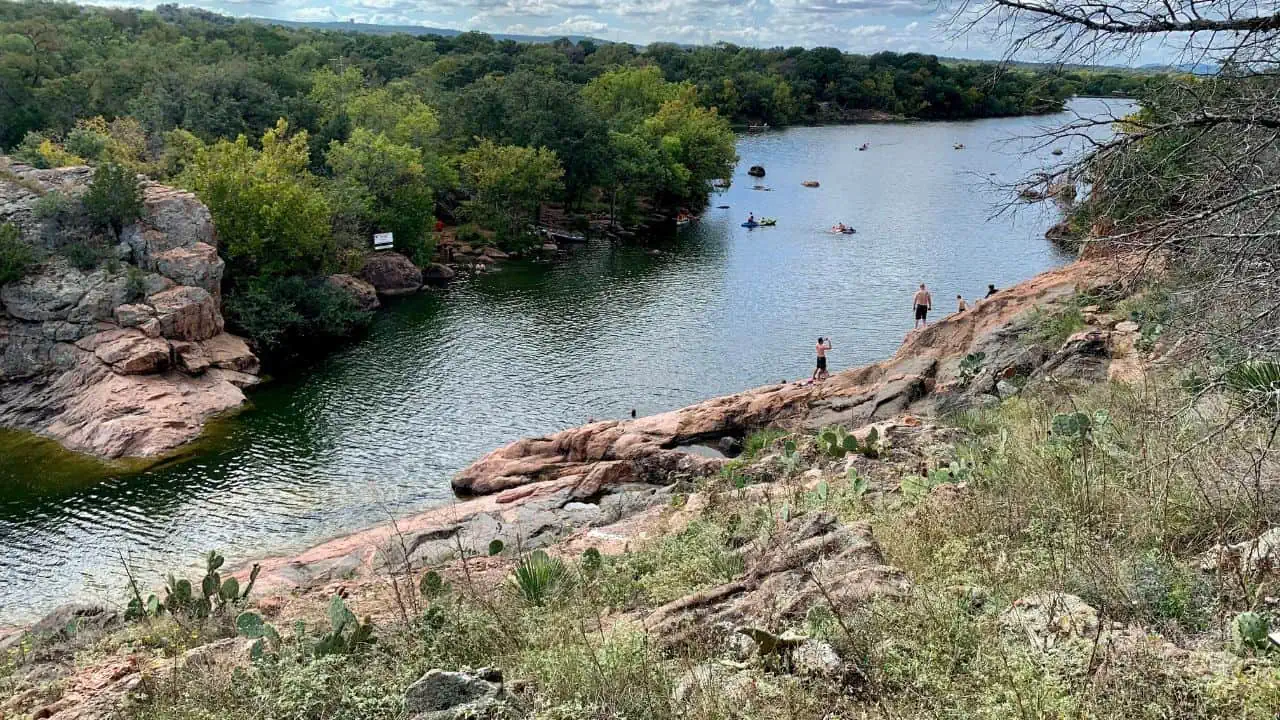
Inks Lake is an 831-acre constant-level jewel in the Highland Lakes chain, located on the Colorado River in Burnet County just 55 miles northwest of Austin. Famed for its pink granite outcroppings, clear spring water, and iconic swimming cove, it is one of the most popular state park lakes in Texas.
Why Visit Inks Lake
Inks Lake maintains a constant water level year-round, meaning visitors never encounter mud flats or closed boat ramps due to regional drought conditions. The striking pink gneiss rock formations that line the shore provide a rugged, scenic setting that feels worlds away from the city.
Entrance fees ($7 daily for adults, free for kids 12 and under) and camping details are verified on the Texas Parks and Wildlife Department Inks Lake State Park Portal. Advance day-pass reservations are strongly recommended for weekend visits.
Inks Lake State Park and Devil's Waterhole
Inks Lake State Park protects over 1,200 acres along the eastern shore. Its most famous natural feature is Devil's Waterhole, a protected swimming cove bounded by granite cliffs rising up to 40 feet above the water.
Motorized boat traffic is prohibited inside Devil's Waterhole, ensuring calm, safe conditions for swimmers, cliff-jumpers, and kayakers exploring the canyon.
Inks Lake Cabins and Campsites
The park offers nearly 200 campsites with water and electric hookups, along with 22 primitive backpack sites. Inks lake cabins are popular waterfront rentals, providing nine climate-controlled mini-cabins with lake views and covered porches.
Visitors should study the official inks lake campsite map before booking to target shaded spots near the water. Campsites and cabins sell out months in advance for spring and summer weekends. Review our guide to Inks Lake State Park cabins and campsites for campsite maps and reservation strategies.
Fishing and Quiet Paddling
Because Inks Lake is a smaller reservoir, boat speeds are moderate, making it an exceptional destination for canoeing and kayak fishing. The state park store rents paddleboards, kayaks, and life jackets by the hour.
Anglers catch largemouth bass, Guadalupe bass, and catfish around rocky points and two lighted public fishing piers located inside the park.
Lady Bird Lake
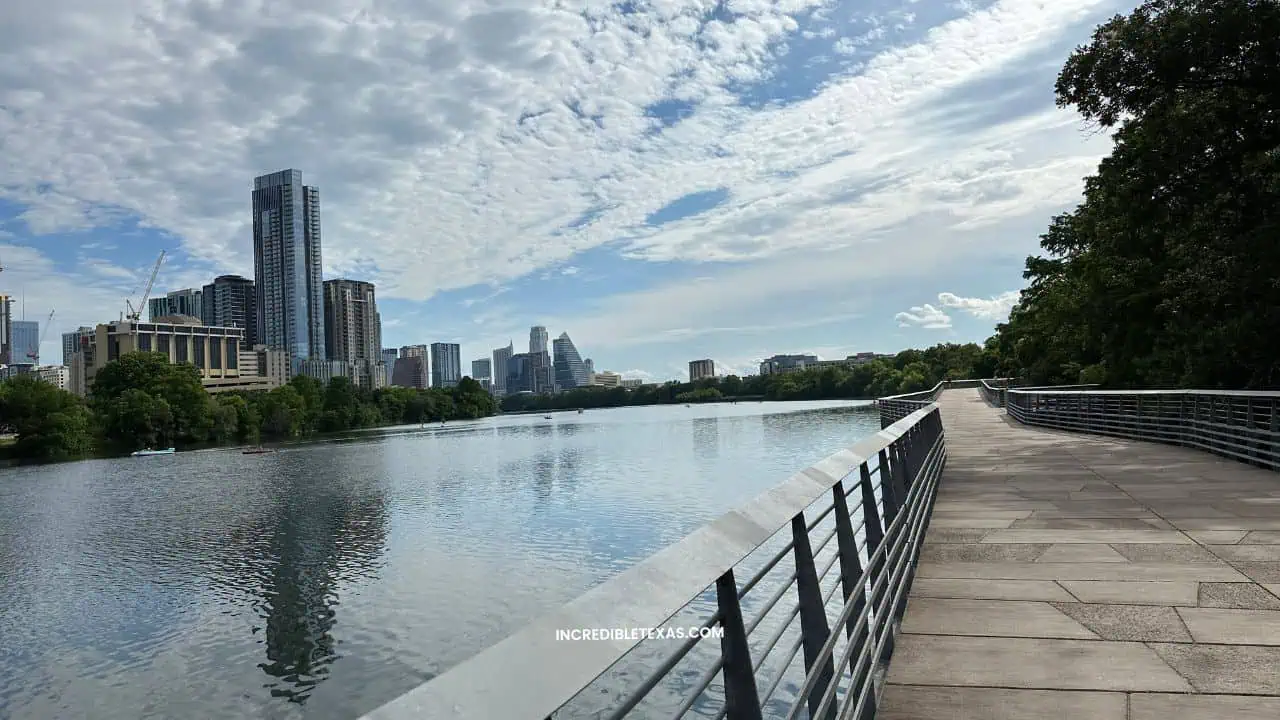
Lady Bird Lake is a 416-acre river reservoir on the Colorado River running directly through the heart of downtown Austin. Dedicated entirely to non-motorized recreation, it serves as the city's active outdoor living room and primary urban paddling destination.
Why Visit Lady Bird Lake
For visitors exploring lakes near austin, Lady Bird Lake offers immediate water access without leaving the urban core. The glassy surface reflects Austin's modern downtown skyscrapers, providing a dramatic urban paddling experience.
Motorized watercraft are strictly prohibited on the reservoir, ensuring calm, tranquil water ideal for beginners, fitness paddlers, and sunset cruisers.
Non-Motorized Paddling Rules
The lake is open to canoes, kayaks, rowing shells, and stand-up paddleboards. Swimming directly from the shore is restricted by city ordinance to protect water quality and public safety, but paddlers are free to enjoy the water from their craft.
Electric trolling motors and official safety patrol vessels are the only motorized craft permitted on the water, keeping noise and wake turbulence nonexistent.
Skyline Views and Ann and Roy Butler Trail
Circling the lake is the 10-mile Ann and Roy Butler Hike-and-Bike Trail, the most popular recreational trail in Central Texas. The pathway features scenic boardwalk bridges suspended over the water, shaded park benches, and lush riparian landscapes.
In the evening, paddlers gather near the Ann W. Richards Congress Avenue Bridge to watch North America's largest urban bat colony emerge at sunset from spring through autumn.
Urban Kayak and Paddleboard Rentals
Multiple rental outfitters operate along the shoreline, including the Rowing Dock, Texas Rowing Center, and Austin Rowing Club. Visitors can rent stand-up paddleboards, single and tandem kayaks, or giant paddlecraft by the hour.
Bank anglers also fish the shoreline near Red Bud Isle and Barton Creek inflow, where trophy-sized common carp and largemouth bass are frequently caught on fly tackle.
Possum Kingdom Lake
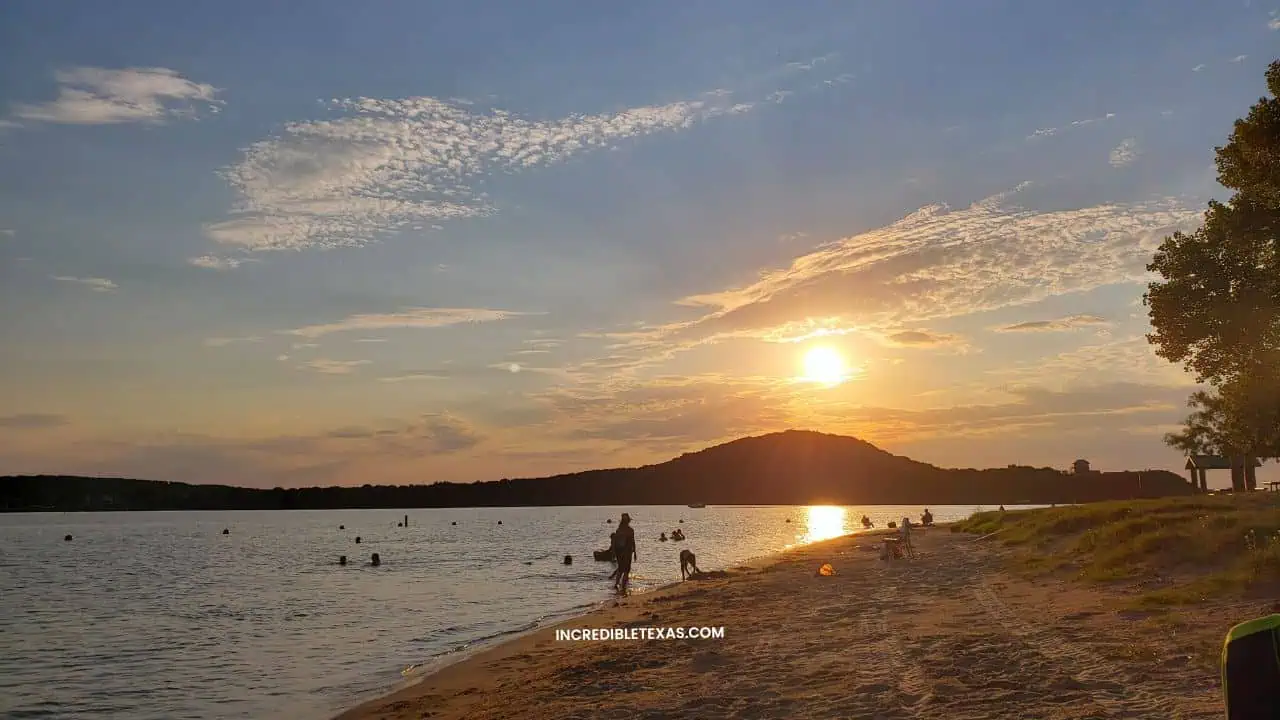
Situated in Palo Pinto, Stephens, and Young counties roughly 90 miles west of Fort Worth, Possum Kingdom Lake covers 17,700 surface acres on the Brazos River. Famous for the sheer 90-foot cliffs of Hell's Gate and deep cobalt waters, it is a legendary destination for luxury boating and cliff diving.
Why Visit Possum Kingdom Lake
Possum Kingdom Lake is renowned for dramatic topography that rivals mountain lakes in the American West. Towering canyon walls rise abruptly from deep, clear water, creating awe-inspiring scenery throughout the central basin.
Water level reports, public boat ramps, and cove safety regulations are managed by the Brazos River Authority Possum Kingdom Reservoir Operations.
Hell's Gate and Dramatic Cliffs
Hell's Gate is the lake's iconic landmark, formed by two massive rock bluffs standing as sentinels at the entrance to a sheltered cove. On summer weekends, hundreds of boats gather in the cove to socialize and watch daredevil cliff divers.
The annual Hell's Gate Fireworks Show on the Fourth of July draws tens of thousands of spectators, creating one of the largest on-water holiday celebrations in the Southwest.
Scuba Diving and Deep-Water Sports
With depths reaching 145 feet and exceptional underwater clarity, Possum Kingdom is a leading destination for inland scuba diving. Scuba Point on the south shore provides diver training platforms, gear rentals, and air fills.
Open-water boaters enjoy expansive stretches for wake surfing and high-speed cruising, with full-service marinas providing fuel and slips around the lake.
Possum Kingdom State Park Camping
Possum Kingdom State Park occupies 1,528 acres on the southwestern shoreline, offering 116 campsites, air-conditioned cabins, boat launch facilities, and panoramic hiking trails overlooking the canyon.
For seasonal hours and trail maps, check our comprehensive Possum Kingdom Lake travel guide before booking your site.
Lake Buchanan
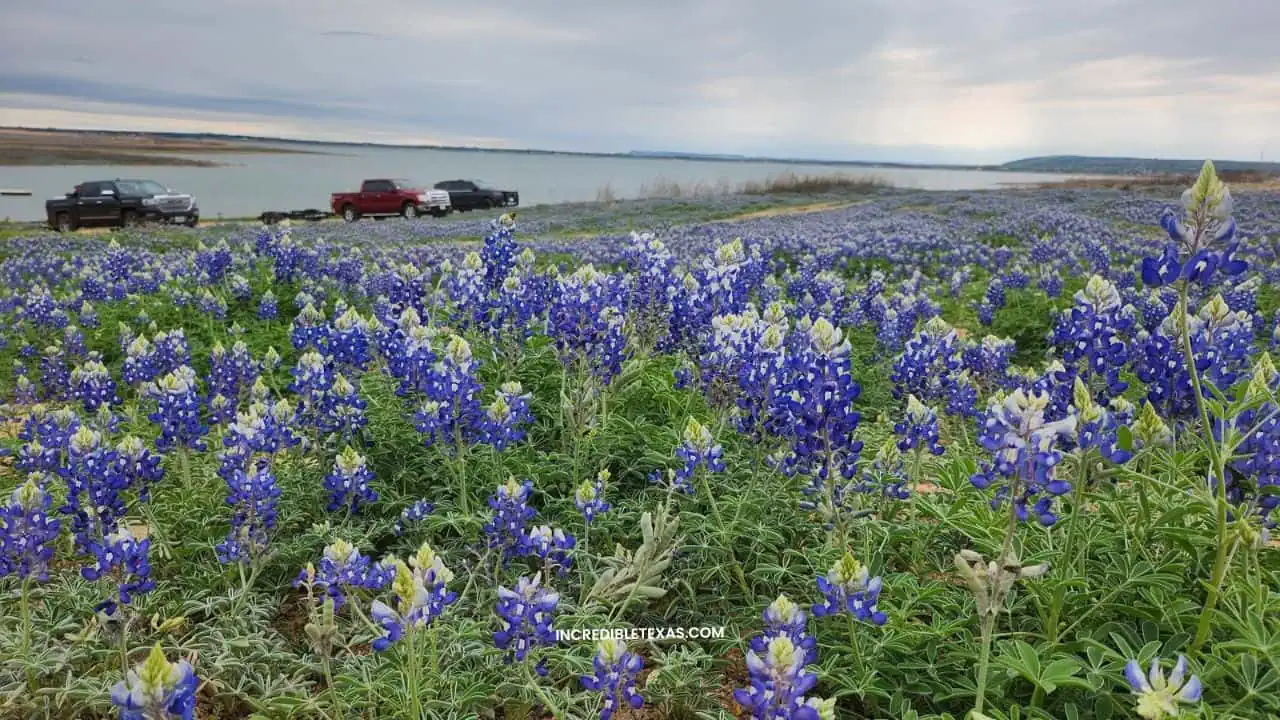
Lake Buchanan is the first and largest of the Highland Lakes chain, covering 22,211 surface acres in Burnet and Llano counties. Located 65 miles northwest of Austin, it is famous for rugged granite gravel shores, tranquil open water, and winter bald eagle cruises.
Why Visit Lake Buchanan
Lake Buchanan offers a wilder, less developed experience than Lake Travis or Lake Conroe. Spanning five miles across at its widest point, it provides vast open horizons where boaters can cruise for miles without seeing dense commercial developments.
Its western and northern shores feature distinctive red and pink granite pebble beaches that invite visitors to pull up their boats and relax along the water.
Granite Beaches and Open Water
The pink granite gravel shores at Black Rock Park and Shaw Island provide clean, sand-like lounging areas that do not turn to mud. The shallow drop-offs create safe, family-friendly wading zones during warm summer months.
The massive open basin produces steady thermal winds, making Buchanan a favorite destination for inland sailors and windsurfers.
Winter Eagle Cruises and Waterfalls
From November through March, American bald eagles migrate to the Colorado River canyon at the headwaters of Lake Buchanan to nest. The Vanishing Texas River Cruise operates guided tours taking visitors up the scenic canyon to spot nesting eagles and cascading waterfalls.
Fall Creek Falls, an active 30-foot spring-fed waterfall, cascades directly into the lake canyon, creating an impressive visual stop for winter boaters.
Lake Buchanan Cabins and RV Resorts
Lake Buchanan cabins and waterfront RV parks provide peaceful lodging for families and anglers. Resorts along the western shore feature private boat docks, covered porches, and sandy swim coves.
Explore our complete directory of Lake Buchanan cabins and RV parks for resort amenities and booking windows.
Practical Tips for Planning a Texas Lake Vacation
Planning a successful trip to any of the best lakes in Texas requires preparation. Weather conditions, lake elevations, and biological regulations all impact your time on the water.
Monitoring Lake Levels and Boat Ramp Status
Texas reservoirs that serve flood control and water supply purposes, like Lake Travis and Canyon Lake, experience water level fluctuations during dry summer spells. Low pool elevations can force river authorities to close certain public boat ramps for safety.
Before hitching your boat trailer, check the Texas Water Development Board Water Data for Texas website to confirm current reservoir levels and verify which boat ramps are actively operating.
Clean, Drain, and Dry Regulations
Invasive zebra mussels have spread to several major Texas reservoirs. Under state law enforced by Texas Parks and Wildlife game wardens, all boaters must clean, drain, and dry their boats and gear before leaving any freshwater body.
Drain plugs must be pulled from bilges, livewells, and ballasts before driving on public roadways. Failure to comply can result in Class C misdemeanor citations.
Booking State Park Passes in Advance
State parks located on popular lakes frequently hit capacity limits on summer weekends and holidays. Parks like Inks Lake State Park and Caddo Lake State Park turn away walk-up day visitors once capacity thresholds are reached.
Reserve your day-use entry pass online up to 30 days in advance through the TPWD reservation portal to guarantee park entrance.
Frequently Asked Questions
What is the most beautiful lake in Texas?
Canyon Lake is widely considered the most beautiful lake in Texas thanks to its clear turquoise waters and towering limestone cliffs. Caddo Lake rivals it with moss-draped bald cypress bayous that offer a distinct swamp landscape found nowhere else in the state.
Possum Kingdom Lake also ranks among the prettiest lakes in Texas due to the dramatic 90-foot sheer rock walls of Hell's Gate rising directly out of deep blue waters.
What is the cleanest lake in Texas?
Brandy Branch Reservoir and Lake Amistad rank among the cleanest and clearest lakes in Texas based on Secchi depth transparency readings. In Central Texas, Canyon Lake, Inks Lake, and Lake Cypress Springs maintain exceptional clarity due to limestone riverbeds and spring-fed inflows.
Water clarity remains highest in reservoirs with rocky or sandy bottoms, whereas shallow lakes with silty clay basins tend to exhibit more suspended sediment.
Where is the best lake to live on in Texas?
Lake Travis, Lake Conroe, and Lake Granbury are consistently rated the best lakes to live on in Texas. They offer prime waterfront real estate, full-service marinas, established lakefront communities, and short commutes to major metropolitan job centers in Austin, Houston, and Fort Worth.
Cedar Creek Lake is also a top choice for Dallas-area homeowners seeking affordable weekend lakehouse properties within an hour's drive of the city.
What is the second biggest lake in Texas?
Sam Rayburn Reservoir is the second biggest lake in Texas, spanning over 114,500 surface acres across Jasper, Sabine, and San Augustine counties in deep East Texas. It is the largest reservoir situated entirely within the state's geographic boundaries.
For anglers and boaters heading to the state line, our [Toledo Bend Reservoir Texas guide](/toledo-bend-reservoir-texas/) covers the only impoundment larger in Texas, spanning over 181,600 acres along the Louisiana border.
Which Texas lake has the clearest water for swimming?
Canyon Lake and Inks Lake offer the clearest water for swimming in Texas. At Inks Lake State Park, Devil's Waterhole features protected, spring-fed water surrounded by pink granite cliffs where motorized boat traffic is prohibited, ensuring calm, crystalline swimming conditions.
Lake Cypress Springs in Northeast Texas is another top swimming lake, celebrated for its spring-fed clarity and sandy shoreline beaches.
Are Texas lakes natural or man-made?
Almost all of the hundreds of lakes in Texas are man-made reservoirs created by damming rivers for flood control, municipal water storage, and hydroelectric power. Caddo Lake is the only naturally formed large lake in Texas, originally created centuries ago by a natural log jam on the Red River.
Other natural freshwater bodies in Texas consist of small oxbow lakes, playa lakes in the High Plains, and spring-fed sinkholes.
Near Temple and Killeen, [Lake Belton](/lake-belton-tx/) features clear limestone bluffs, shoreline parks, and prime striped bass fishing.