Toledo Bend Reservoir Texas Guide: Fishing, Camping, and Access
Toledo Bend Reservoir Texas sits on the Sabine River along the Texas-Louisiana state line and stands as the largest reservoir in Texas. The lake covers 181,600 acres, supports strong bass, crappie, catfish, white bass, and striped bass fishing, and gives visitors one of the most distinctive border-water trips in East Texas.
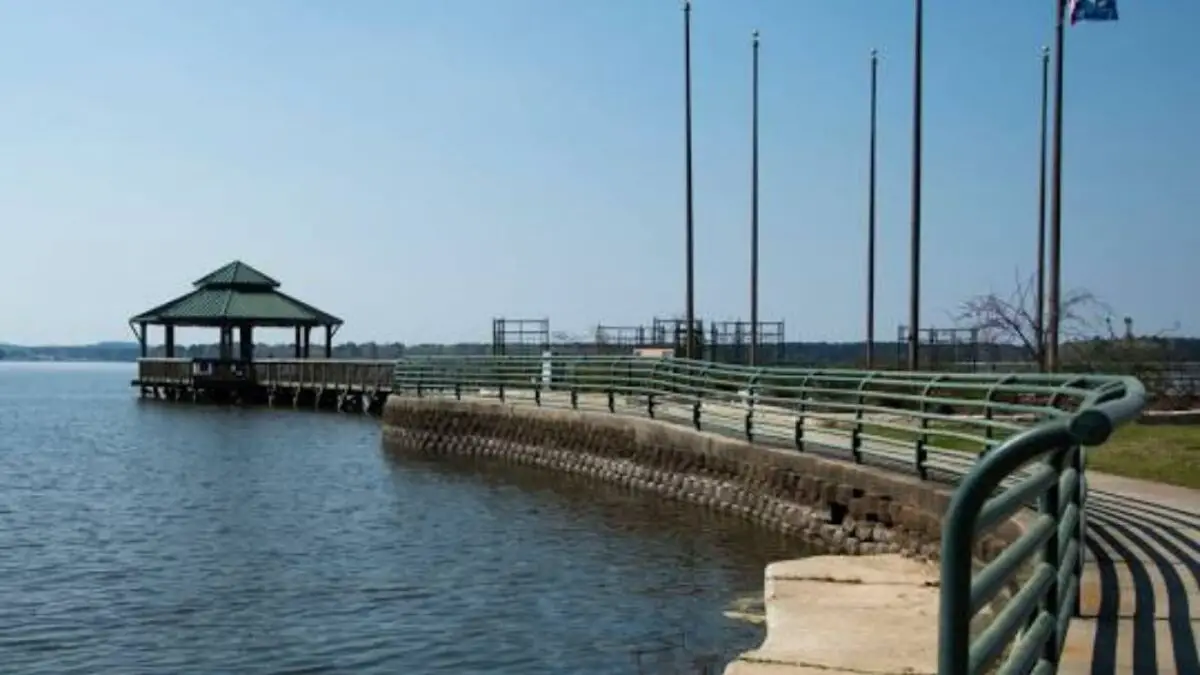
The reservoir works well for anglers, boaters, and travelers who want a lake that feels big enough for a full weekend and varied enough for repeat visits. TPWD lists public access in the north, central, and south sections, while the North Toledo Bend Wildlife Management Area adds primitive camping and year-round access on the Texas side.
Toledo Bend Reservoir Texas at a Glance
TWDB describes Toledo Bend Reservoir as the largest reservoir in Texas and notes that the dam and reservoir were built to serve municipal, industrial, agricultural, and recreational needs.
| Quick Fact | Details |
|---|---|
| Location | On the Sabine River along the Texas-Louisiana state line |
| Texas access note | Public access is listed in the north, central, and south sections |
| Surface area | 181,600 acres |
| Maximum depth | 110 feet |
| Impounded | 1967 |
| Dam completed | 1969 |
| Primary sport fish | Largemouth bass, crappie, catfish, white bass, striped bass |
| Visitor profile | Anglers, boaters, primitive campers, and weekend travelers |
For readers comparing major Texas lakes, Toledo Bend belongs near the top of the list. The lake is large enough to spread out traffic, and its mix of timber, vegetation, creek channels, humps, and flats gives anglers a wide set of water to work.
Best fishing lakes in Texas coverage usually includes Toledo Bend for that reason.
The official Texas Water Development Board reservoir page keeps the technical history, reservoir size, and dam details in one place.
Why Toledo Bend Draws Anglers and Weekend Visitors
The Toledo Bend Reservoir is best known for largemouth bass, and TPWD says the fishery stays strong through the year.
Toledo Bend keeps drawing boaters and bank anglers when conditions shift from spring to summer and from summer to fall.
TPWD also lists crappie and catfish as strong year-round fisheries, with white bass, striped bass, and sunfish adding more variety. Visitors who want a simple day of casting can fish shallow cover, while anglers chasing bigger bites can move between vegetation edges, creek channels, and deeper structure.
The reservoir is also a good fit for travelers who want a lake with room to move. It is big enough for boat ramps, marinas, and longer runs between fishing spots, but it still feels like a single destination rather than a chain of disconnected coves.
For readers building a Texas lake shortlist, Toledo Bend often sits alongside familiar names such as Lake Fork and Sam Rayburn Reservoir. It earns that place because the lake supports serious bass fishing without losing the slower pace that makes a weekend on the water feel restorative.
Toledo Bend Reservoir Fishing Rules, Species, and Border-Water Basics
TPWD posts specific fishing regulations for Toledo Bend Reservoir, and the black bass rules are the first ones most anglers should know. Largemouth and smallmouth bass carry a 14-inch minimum length limit, an 8-fish daily bag limit in any combination of black bass species, and a 10-fish possession limit.
Crappie, catfish, white bass, and striped bass also have posted limits for the reservoir. Those limits make it easier to plan a full day on the lake without guessing at statewide rules that may not match this border water exactly.
The TPWD Toledo Bend fishing page lists the lake profile, species mix, and access map, while the TPWD Toledo Bend regulations page shows the posted bag and size limits for the reservoir.
| Species | Toledo Bend limit | Planning note |
|---|---|---|
| Largemouth and smallmouth bass | 14-inch minimum; 8 per day in any combination; 10 possession | Best-known target species on the lake |
| Black and white crappie | 25 per day in combination | Good year-round fishery |
| Blue and channel catfish | No minimum; 50 per day in combination; no more than 5 may be 30 inches or longer | Useful for family and bank fishing |
| Flathead catfish | 18-inch minimum; 10 per day | Rules differ from blue and channel catfish |
| White bass | 25 per day | Often available in mixed catches |
| Striped bass and hybrids | 5 per day; only 2 may be 30 inches or longer | Stocked fish with strong fight |
TPWD also notes that a fish consumption advisory is in effect for Toledo Bend. Anyone planning to keep fish should check the current advisory before eating a catch, especially if the trip includes multiple meals from the lake.
TPWD says properly licensed Texas or Louisiana anglers may fish the shared boundary waters.
Harvest rules can differ for some species between Texas and Louisiana, so anglers should check the posted limits before crossing from a general freshwater plan into Toledo Bend specifically.
TPWD also flags a zebra mussel precaution for the reservoir. Boats and onboard receptacles should be drained when leaving or approaching public fresh waters, so a clean boat matters as much as a good tackle box.
Texas fishing permits and regulations give broader statewide context for the license baseline and seasonal rules that sit behind the Toledo Bend specifics.
TPWD recommends reading the current outdoor annual before each trip because freshwater rules can change, and border waters can include exceptions that do not apply elsewhere in the state.
Toledo Bend Reservoir Access, Launches, and Texas-Side Camping
TPWD lists public access facilities in the north, central, and south sections of the reservoir, which gives visitors multiple entry points instead of a single crowded launch area. That spread helps anglers choose water based on fish location, wind, and travel time from the Texas side.
The North Toledo Bend Wildlife Management Area adds one of the most useful Texas-side entry options. TPWD says the area is open year-round, covers 3,650 acres, and sits adjacent to the reservoir in Shelby County under a license agreement with the Sabine River Authority of Texas.
The North Toledo Bend WMA page lists the access details, the year-round status, and the primitive camping notes for the Texas side.
Primitive camping is available at the North Toledo Bend WMA, but the tradeoff is basic facilities. TPWD says there are no restroom facilities, the area is not wheelchair accessible, visitors should bring their own drinking water, and insect repellent is recommended because of mosquitoes.
Visitors who want a pull-through RV site, full hookups, or resort-style lodging will usually do better at nearby private campgrounds or marinas rather than a primitive wildlife area.
- Best fit: anglers who want direct lake access.
- Expect: heat, humidity, and basic facilities on the wildlife area.
- Bring: drinking water, bug spray, sunscreen, and a plan for waste and waste-water handling.
- Check first: road conditions, ramp status, and any local weather or water advisories before leaving.
TPWD’s reservoir page also points readers to nearby state parks such as Martin Creek Lake and Martin Dies, Jr. for broader trip planning.
Those park options can help turn a fishing day into a longer East Texas outing without losing the lake-centered focus of the trip.
When to Visit and What Conditions to Expect
TPWD says largemouth bass fishing is strongest in the fall, winter, and spring months, when cooler water keeps fish active for longer parts of the day. That pattern gives Toledo Bend a strong shoulder-season advantage compared with lakes that fade hard in summer.
The lake’s water clarity also changes by area. TPWD describes the middle and lower lake as clear, with the upper region trending slightly turbid, so anglers can adjust lure choice, line choice, and target depth based on which part of the reservoir they fish.
Seasonal weather matters as much as fish behavior. Summer heat and humidity can make a full-day trip tiring, especially on the Texas-side primitive areas.
Spring and fall usually deliver the most comfortable blend of weather and fishing activity.
According to TPWD, water and weather checks matter before every launch because conditions can change across a lake this large. A quick look at wind direction, storm timing, and the planned exit ramp helps the day stay simple.
Visitors who want a quiet day should also watch wind and traffic patterns. The reservoir is large enough that boaters can often find water with less pressure, but the most productive areas can still get busy on good weather weekends and holiday periods.
The current lake level and other water conditions are posted by TPWD through linked water-resources pages, so anglers who care about exact conditions should check those numbers shortly before leaving home.
Planning a Toledo Bend Reservoir Weekend
A Toledo Bend trip works best when the plan starts with water access instead of a restaurant stop or a town name. The reservoir is large, the Texas side is spread out, and a simple launch plan usually saves more time than a loose arrival time.
Boat anglers often get the most out of the lake by choosing one launch for the morning and a second launch as a backup. That approach keeps the trip flexible when wind, traffic, or water color changes the plan.
- Check ramp access: Confirm the launch point before leaving home so the first stop fits the day’s wind and target water.
- Pack extra water: Heat and humidity can run high on the Texas side, especially during summer and early fall.
- Bring a simple map setup: Offline directions or a printed map help when cell service weakens near the shoreline.
- Match tackle to water color: Clear water often rewards subtler presentations, while slightly turbid water can call for louder colors and stronger vibration.
- Store fish responsibly: A cooler, ice, and a plan for the current consumption advisory keep the trip organized from the start.
The best planning days usually include a backup idea for the afternoon. A short shoreline break, a second launch, or a nearby park stop can keep the trip moving without turning it into a rushed drive.
Top state parks in Texas works well as a second-stop idea when a Toledo Bend trip turns into a longer outdoor loop across the state.
A backup fuel stop matters on a reservoir this large, especially when the day starts on one end of the lake and ends on another.
Visitors who want a simple shoreline strategy usually get better results by keeping one clear target area, one backup ramp, and one easy exit plan.
A first-day launch plan
A first Toledo Bend day usually works better when the morning target and the afternoon backup are both chosen before leaving home. The reservoir’s size rewards anglers who pick one water color and one depth range instead of trying to cover every cove.
Shallow flats, creek mouths, timber edges, and vegetation lines are the most common starting points for a simple plan. Those areas give a first-time visitor a clean way to read the lake without spending the day chasing a moving map of hotspots.
What non-boating visitors can do
Bank anglers can focus on access points, bridge areas, and shoreline cover near public launches. Those spots do not always hold the biggest water, but they do give visitors a workable way to fish without a boat.
Families often do better when the trip includes a lunch break, a cooler of water, and a simple plan for shade. A short park stop or an early return to camp can keep the day comfortable without cutting the lake time short.
Creek mouths and protected coves are often the easiest places to start when the wind rises. Those spots can hold bait, soften the chop, and give a visiting angler a more controlled first look at the lake.
A simple packing list
- Maps or offline directions: Helpful when cell coverage weakens near the shoreline.
- Ice and a cooler: Useful for fish storage, drinks, and lunch items.
- Sun protection: Sunscreen, a hat, and polarized sunglasses make long days easier.
- Bug spray: Important near the WMA and other lower-lying areas.
- Paper towels and trash bags: Keep the truck, boat, and campsite easier to manage.
Daingerfield State Park also fits the pattern for travelers who want a compact East Texas detour with a different feel from the reservoir itself.
Fishing the Toledo Bend Lake by Trip Type
Toledo Bend works for more than tournament boats and serious bass anglers. The lake also gives bank fishermen, family groups, and casual weekend travelers enough structure to build a useful day around the water.
Boat anglers usually get the widest range of choices because the reservoir is large and the habitat changes from one stretch to the next. Humps, creek mouths, submerged timber, and vegetation edges all matter, and the best spot on one day can be different from the best spot the next day.
Bank anglers can still make a solid day out of the lake by focusing on public access points, protected coves, and shoreline cover near ramps. Those areas may produce fewer total casts than a boat day, but they often give a first-time visitor a clearer way to learn the lake’s rhythm.
Family groups often do best with a short morning fishing window, a break for food and shade, and a second, smaller outing after the heat starts to build. That kind of rhythm keeps the lake trip manageable for kids and adults who do not want a full-day tournament schedule.
Weekend travelers who want a slower pace can split the trip into a fishing session, a campground check-in, and a second day that focuses on a side trip or a relaxed shoreline stop. Toledo Bend gives enough room for that approach because the lake does not force every visitor into the same pattern.
- Boat trip: best for anglers who want mobility and multiple depth ranges.
- Bank trip: best for a short, simple outing that stays close to access points.
- Family trip: best when the schedule includes shade, food, and a clear end time.
- Weekend trip: best when the first day is about fishing and the second day is about recovery or exploration.
Nearby East Texas Parks and Side Trips
Toledo Bend Reservoir works well as the center of a wider East Texas road trip. Travelers who want to pair lake time with a short park visit can keep the trip outdoors-focused without forcing the itinerary into one long fishing day.
Tyler State Park gives visitors classic East Texas trees, water, and camping options. It is a strong extension for travelers who want a second overnight stop after time on Toledo Bend.
Atlanta State Park is another useful East Texas option, especially for visitors who like quiet shoreline settings and a simpler park day after a more active lake trip.
Those stops make sense for families, anglers traveling from farther away, and road-trippers who want more than one outdoor experience on the same route.
Daingerfield State Park also fits the pattern for travelers who want a compact East Texas detour with a different feel from the reservoir itself.
Tyler and Atlanta also work as easy schedule fillers when the lake day ends earlier than expected. A second campground or a quieter shoreline stop can keep the trip useful even if the fishing window changes.
At the Ramp and On the Water
A Toledo Bend morning usually starts with a weather check, a ramp check, and a quick look at where the wind is blowing. The reservoir is big enough that a calm launch point on one side can feel very different from a rough launch point on another.
Boat staging works best when coolers, rods, and tackle are organized before the truck reaches the ramp. That small bit of order keeps the launch area open for the next boater and leaves the trip feeling less rushed.
Once on the water, the lake rewards anglers who stay patient with the first few casts and adjust to the day’s wind, clarity, and temperature. Shallow cover, creek mouths, and protected edges are often easier to read than open water when conditions change quickly.
A life jacket, a charged phone, and a little extra fuel matter because Toledo Bend is large enough for long runs between spots. A simple water-first plan keeps the day safe and prevents a short detour from turning into an all-afternoon chase.
Toledo Bend Reservoir FAQ
Where is Toledo Bend Reservoir located?
Toledo Bend Reservoir sits on the Sabine River along the Texas-Louisiana state line.
TPWD places the dam in Newton County about 24 miles northeast of Jasper, and the reservoir stretches across a large border-water corridor rather than a single county or town.
How big is Toledo Bend Reservoir?
TWDB and TPWD both list Toledo Bend at 181,600 acres.
TWDB also notes that it is the largest reservoir in Texas and one of the largest man-made bodies of water in the South by surface area.
What fish are common in Toledo Bend Reservoir?
TPWD lists largemouth bass, crappie, catfish, white bass, striped bass, and sunfish.
Largemouth bass is the signature target, but the mix of species gives the lake strong appeal for mixed-bag fishing and family outings.
Do anglers need a Texas fishing license at Toledo Bend Reservoir?
TPWD says properly licensed Texas or Louisiana anglers may fish the shared boundary waters.
That border-water setup keeps the lake straightforward for many visitors while still leaving room for species-specific rules that differ from one side to the other.
Is Toledo Bend Reservoir good for bass fishing?
Yes. TPWD calls Toledo Bend a strong year-round fishery for largemouth bass.
The best fishing often comes in the fall, winter, and spring months.
The lake’s vegetation, timber, flats, and creek channels give bass plenty of cover and movement.
Can visitors camp on the Texas side of Toledo Bend Reservoir?
Yes. According to TPWD, primitive camping is available at the North Toledo Bend WMA.
Visitors should expect basic conditions, bring their own water, and plan for no restroom facilities at that site.
Toledo Bend Reservoir rewards visitors who plan for both the water and the border-water rules. The lake’s size, fish variety, and Texas-side access make it one of the strongest outdoor destinations in East Texas for anglers who want more than a quick stop.