San Antonio sits at the meeting point of South Texas brush plains and the rolling limestone ridges of the Texas Hill Country. This geographic position places a remarkably diverse network of freshwater reservoirs within an hour of the city center.
Anglers, boaters, and families researching the best lakes near San Antonio discover everything from inland power plant cooling ponds stocked with Gulf Coast red drum to deep turquoise river impoundments built for high-speed wakeboarding. This verified regional guide reviews the 10 best lakes near San Antonio TX for boating, bank fishing, scenic paddling, and shoreline relaxation.
Key takeaways
- Calaveras Lake and Victor Braunig Lake sit 20 minutes south of downtown San Antonio, providing rare inland freshwater red drum and hybrid striped bass fishing supported by annual state hatchery stockings.
- Canyon Lake spans 8,200 surface acres on the Guadalupe River in Comal County, serving as the region’s largest deep-water hub for motorized boating, sailing, scuba diving, and lakefront camping.
- Boerne City Lake Park strictly prohibits gasoline-powered engines across its 100-acre reservoir, making it the top destination for peaceful kayaking and paddleboarding in the Hill Country.
- The Guadalupe-Blanco River Authority completed hydraulic crest gate replacements on Lake Dunlap, Lake McQueeney, and Lake Placid, restoring all three river impoundments to normal pool elevations.
- Choke Canyon Reservoir, situated 80 miles south near Three Rivers, anchors world-class trophy largemouth bass fishing and native wildlife viewing inside Choke Canyon State Park.
Top Lakes Near San Antonio at a Glance
The San Antonio area features 10 distinct freshwater reservoirs within an 80-mile radius, ranging from urban cooling lakes stocked with redfish to deep Hill Country boating hubs and quiet non-motorized paddling parks. Driving times vary from 20 minutes to an hour and a half depending on regional traffic along Interstate 35, Interstate 37, and US Highway 281.
When comparing various San Antonio lakes for family lake day trips from San Antonio, water clarity and management rules differ substantially. Selecting the right lake depends on whether your priority is towing a ski boat, casting for stocked redfish, or securing overnight waterfront camping spots near San Antonio.
| Lake | Distance from Downtown | Governing Agency | Motorized Boats? | Best For |
|---|---|---|---|---|
| Calaveras Lake | 20 miles SE | CPS Energy / Thousand Trails | Yes | Red drum & blue catfish fishing |
| Victor Braunig Lake | 17 miles S | CPS Energy / Thousand Trails | Yes | Hybrid striped bass & warm-water angling |
| Canyon Lake | 42 miles NE | USACE / Comal County WORD | Yes | Deep-water boating, sailing & camping |
| Boerne City Lake | 35 miles NW | City of Boerne Parks | No (Electric/Paddles only) | Kayaking, paddleboarding & quiet swimming |
| Lake Dunlap | 35 miles NE | GBRA / Lake Dunlap WCID | Yes | Wakeboarding & revitalized bass coves |
| Lake McQueeney | 36 miles E | GBRA / Lake McQueeney WCID | Yes | Water skiing & residential shoreline cruising |
| Lake Placid | 38 miles E | GBRA / Lake Placid WCID | Yes | Low-key boating & river channel angling |
| Medina Lake | 40 miles NW | Bandera County / Medina County | Yes (Subject to pool level) | Dramatic limestone cliffs & canyon scenery |
| Choke Canyon Reservoir | 80 miles S | TPWD / Bureau of Reclamation | Yes | Trophy largemouth bass & bird watching |
| Mitchell Lake | 12 miles S | Audubon Center / SAWS | No (Paddles/Motors banned) | Wetland birding & nature photography |
What Are the Best Cooling Reservoirs for Freshwater Redfish Near San Antonio?
Calaveras Lake and Victor Braunig Lake are San Antonio's leading cooling reservoirs, renowned for warm water discharges that allow saltwater red drum and hybrid striped bass to thrive inland year-round. These twin power plant lakes are managed for recreation by CPS Energy and provide exceptional year-round angling that ranks among the best fishing lakes in Texas.
Because power generation warms the water, predatory game fish feed aggressively even during the coldest winter cold fronts. Calaveras Lake and Victor Braunig Lake rank among the best fishing lakes near San Antonio due to these active winter feeding lanes.
Note
Annual Hatchery Stocking Data: According to official records from the Texas Parks and Wildlife Department Calaveras Lake Fishery Profile, state hatcheries release approximately 1 million red drum fingerlings annually into Calaveras and Victor Braunig lakes combined. Because red drum cannot reproduce in freshwater, this consistent freshwater red drum stocking preserves a thriving inland fishery where fish routinely reach 30 to 40 inches in length.
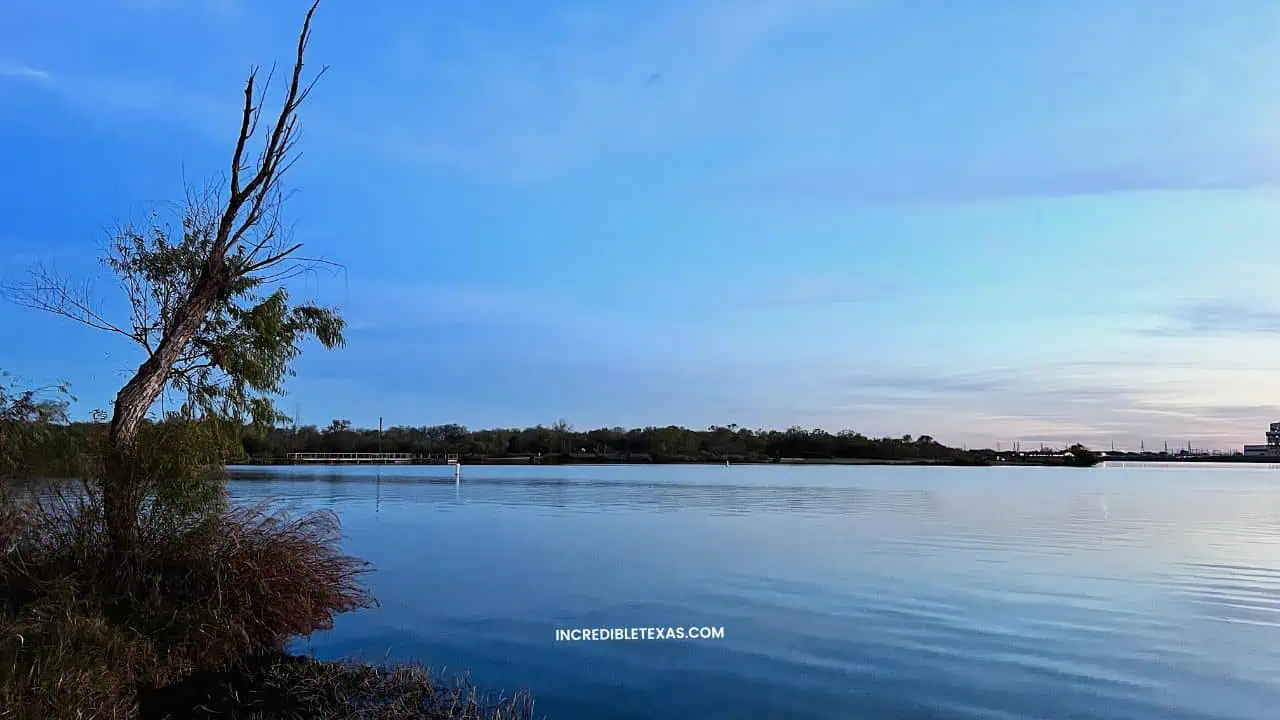
Calaveras Lake: Year-Round Red Drum and Catfish Shoreline
Calaveras Lake covers 3,624 surface acres southeast of San Antonio and stands out for its extensive shoreline fishing access and deep open coves. Dedicated anglers know that Calaveras Lake fishing is particularly productive around the warm-water discharge canal and rock riprap embankments.
In addition to red drum, Calaveras holds thriving populations of channel catfish and trophy blue catfish that respond well to cut shad, carp, and prepared stinkbaits. Visitors purchasing a CPS Energy lake day pass gain access to lighted fishing piers, fish cleaning tables, paved launch ramps, and shaded picnic sites.
- Driving Distance: 20 miles southeast of downtown San Antonio via US Highway 181.
- Admission & Launch: $12 per adult (ages 16 to 64), $10 for youth (ages 6 to 15), $8 for seniors (65+), and $12 per boat launch; same-day receipt permits entry to Victor Braunig Lake.
- Operating Hours: Open 6:00 AM to 10:00 PM from March 15 to September 15; 6:00 AM to 8:00 PM from September 16 to March 14. Overnight camping requires a separate fee.
- Target Fish Species: Red drum (redfish), blue catfish, channel catfish, and hybrid striped bass.
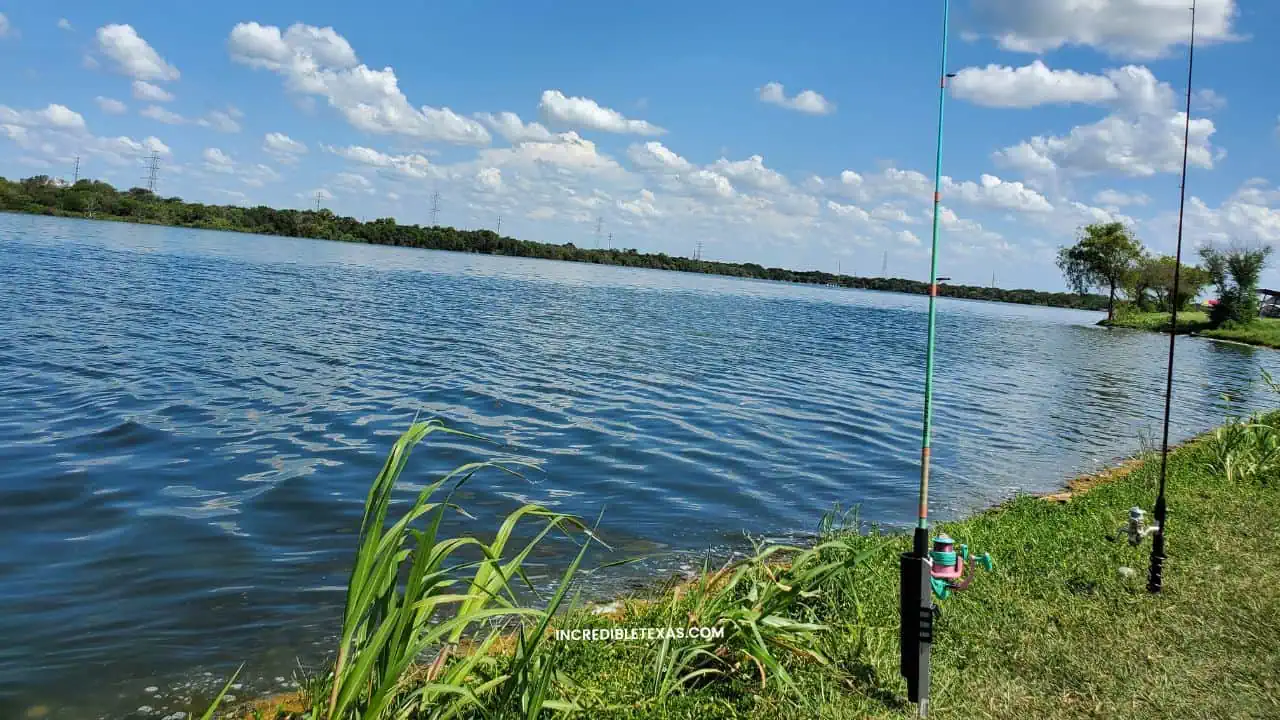
Victor Braunig Lake: Warm-Water Discharges and Trophy Hybrid Bass
Victor Braunig Lake spans 1,350 surface acres just south of Interstate 37, serving as an intimate and highly productive cooling reservoir. Its smaller surface acreage makes navigating the water manageable for center consoles, aluminum bass rigs, and pedal-drive fishing kayaks.
Targeting Braunig Lake red drum with silver spoons, rattle traps, and live tilapia along the reeds yields explosive strikes. This cooling reservoir fishing environment stays active through mid-winter, providing reliable surface schooling when nearby natural lakes turn sluggish.
- Driving Distance: 17 miles south of downtown San Antonio off Interstate 37 South.
- Amenities: Multi-lane boat ramp, shoreline picnic palapas, restroom facilities, and bank fishing lanes.
- Water Temperature Impact: Surface temperatures remain elevated throughout winter, keeping warm-water sportfish feeding aggressively when nearby hill reservoirs turn dormant.
- Regulations: Standard Texas freshwater bag and length limits apply; state fishing licenses with freshwater endorsements are mandatory for anglers 17 and older.
How Do Boating and Day Use Work at Canyon Lake?
Canyon Lake covers 8,200 surface acres on the Guadalupe River in Comal County, providing San Antonio's flagship venue for high-speed boating, sailing, scuba diving, and lakefront camping. Known locally as the Jewel of the Texas Hill Country, Canyon Lake features 80 miles of scenic shoreline bordered by rugged limestone bluffs and live oak forests.
Among the most popular boating lakes near San Antonio, Canyon Lake provides expansive open water and numerous public parks. Anglers and boaters should consult the Texas Parks and Wildlife Department Canyon Lake Access Guide for facility descriptions and species reports.
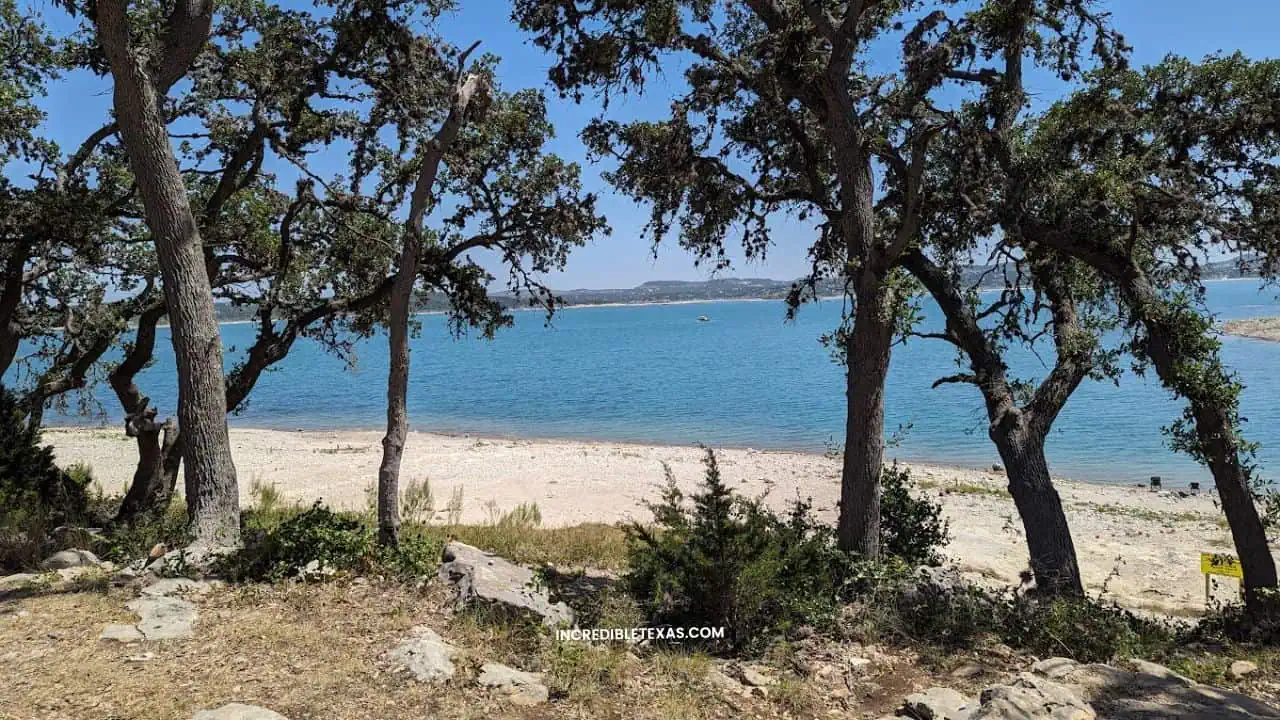
U.S. Army Corps of Engineers Parks and Ramp Status
The federal government operates eight designated recreation areas around Canyon Lake, with popular options including Potter's Creek Park and Cranes Mill Park. Waterfront camping near San Antonio lakes is well supported here, offering both shaded tent pads and full-hookup RV sites.
USACE cash-free boat ramps and fee booths require card payments or digital reservation passes. Before heading out, boaters should verify open Canyon Lake boat ramps because water level shifts during dry summers can cause temporary boat ramp closures on shallower launch lanes.
- Driving Distance: Approximately 42 miles north of downtown San Antonio via Interstate 35 North and FM 306.
- Fee Structures: Cashless payments only; camping fees range from $20 to $35 per night via Recreation.gov. County-managed day-use parks charge $5 for Comal County residents and up to $20 for non-resident vehicles.
- Key Parks: Potter's Creek Park, Cranes Mill Park, Canyon Park, and Comal Park. Explore our complete guide to parks and campgrounds around Canyon Lake for detailed site maps.
Deep-Water Boating, Scenic Overlooks, and Clear Swim Coves
Canyon Lake's average depth of 43 feet and maximum depth exceeding 125 feet keep the main basin clear, cool, and ideal for powerboating. Sailing clubs base their fleets along the southern shore, taking advantage of consistent prevailing winds across the wide main pool.
Swimmers gather at designated shoreline parks featuring pea-gravel beaches and shallow cordoned-off coves. Comal Park offers a 1,500-foot swim beach day use area protected from motorized boat traffic, complete with picnic tables and playground equipment.
Tip
Arrive before 9:30 AM on Saturdays between Memorial Day and Labor Day when visiting Comal Park or Canyon Park; vehicle gates regularly shut when parking plazas reach capacity before noon.
Where Can You Find Calm, Non-Motorized Water Near San Antonio?
Boerne City Lake Park provides the region's top non-motorized paddling escape, enforcing a total ban on motorized combustion engines across its 100-acre reservoir to protect municipal drinking water. This regulation eliminates boat exhaust, roaring outboards, and turbulent wakes, creating an exceptionally peaceful environment for stand-up paddleboarders, canoeists, and open-water swimmers.
Because the lake serves as a primary reservoir for the City of Boerne, municipal park rangers maintain strict environmental and recreation standards across the property. Visitors enjoy calm surface water framed by low-lying limestone hills.
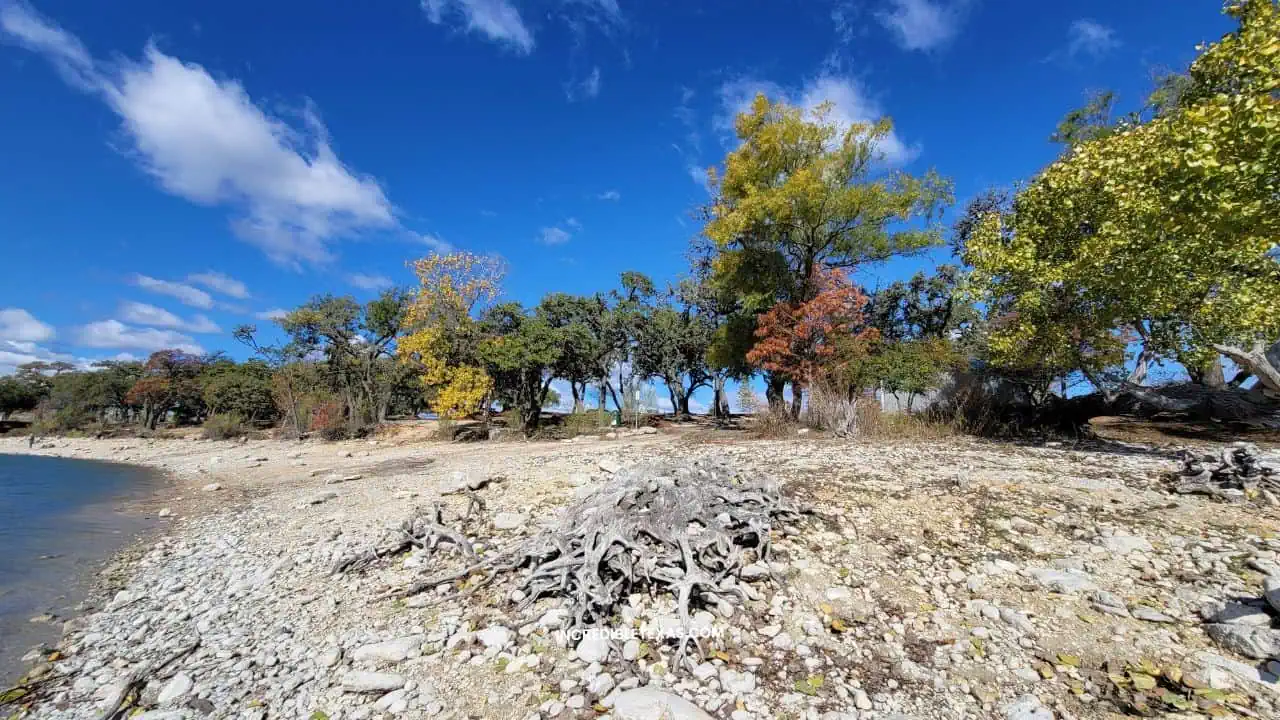
Boerne City Lake Park: Quiet Kayaking and Paddleboarding in the Hill Country
Boerne City Lake Park features a gentle sloping shoreline, shaded lakeside pavilions, a designated swim beach, and a concrete boat ramp designed for trolling motors and paddle craft. Boerne City Lake paddleboarding provides paddleboarders in hill country waters with glassy conditions rarely found on large motorized reservoirs.
Anglers fish from kayaks or the public pier for largemouth bass, channel catfish, and sunfish without competing against powerboats. This non-motorized lake park is an ideal venue for kayaking for beginners, and visitors should review the City of Boerne Parks Boerne City Lake Park Rules and Regulations regarding alcohol bans before planning a trip.
- Driving Distance: 35 miles northwest of downtown San Antonio via Interstate 10 West.
- Vehicle Entry Fees: Free for Boerne city residents with proof of municipal utility billing. The standard Boerne non-resident vehicle fee is $10 Monday through Thursday, $15 Friday through Sunday, and $20 on recognized holidays.
- Vessel Regulations: Non-motorized craft (kayaks, canoes, paddleboards) and electric trolling motors only. Gasoline engines are strictly barred from the water.
- Gear Rentals: On-site rental vendors provide stand-up paddleboards and single or tandem kayaks during spring and summer weekends.
What Is the Current Water and Boating Status of the Guadalupe River Lakes?
Lake Dunlap, Lake McQueeney, and Lake Placid have returned to normal pool elevations following comprehensive spillgate reconstruction overseen by the Guadalupe-Blanco River Authority. These downstream hydroelectric impoundments along the Guadalupe River suffered prolonged dewatering after aging mid-century spillgates failed over the past decade.
Through innovative partnerships between property owners and river authority engineers, new hydraulically actuated steel crest gates were installed at each dam. Information on public boat launches and water operations is maintained on the Texas Parks and Wildlife Department Lake Dunlap Fishery and Access Portal.
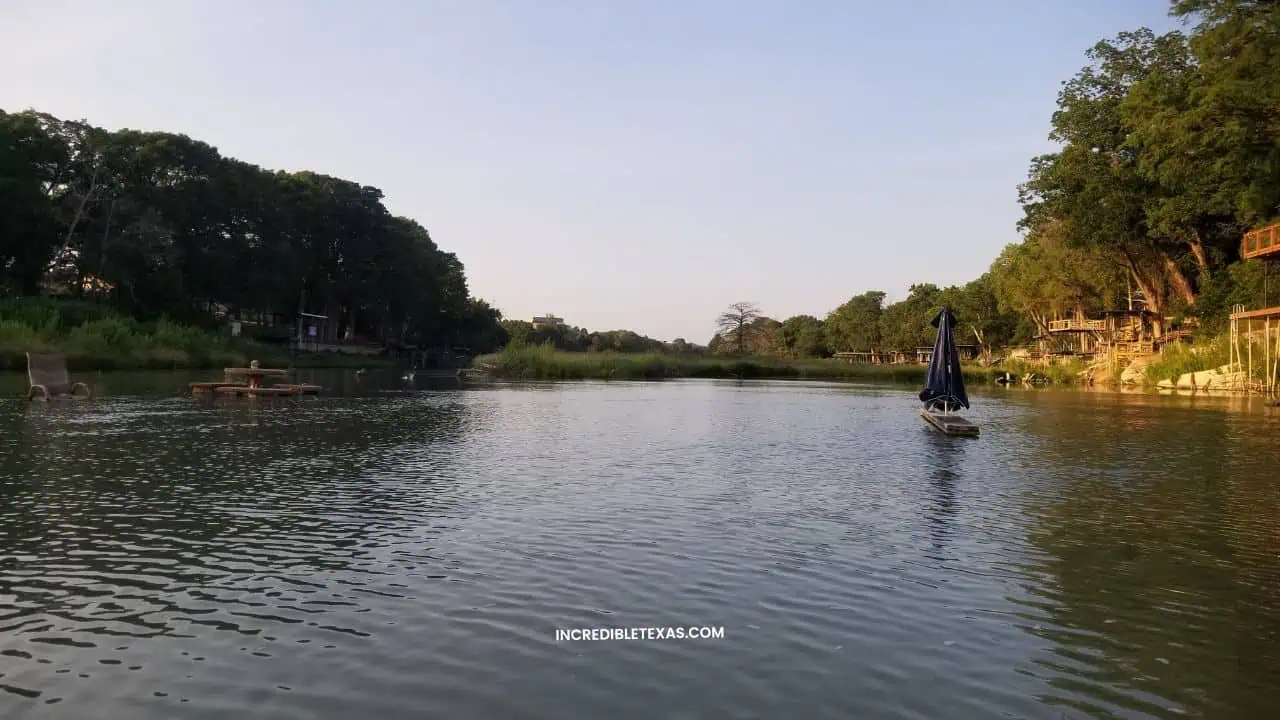
Lake Dunlap: Rebuilt Crest Gates and Revitalized Bass Coves
Lake Dunlap stretches across 410 surface acres in New Braunfels and Guadalupe County, serving as the first of the GBRA impoundments to complete full dam replacement. Stable Lake Dunlap water levels have revitalized shoreline cypress stands and rejuvenated local fish populations.
Anglers target largemouth bass around newly submerged docks and submerged vegetation, while water sport enthusiasts utilize the long riverine channel for wake surfing. Public access is available via the Texas Parks and Wildlife Department boat ramp located beneath the Interstate 35 overpass.
- Driving Distance: 35 miles northeast of downtown San Antonio via Interstate 35 North.
- Water Dynamics: A riverine impoundment with consistent river current and shaded shorelines lined by bald cypress trees.
- Public Access: Free public concrete ramp under Interstate 35 in New Braunfels with paved vehicle parking.
Lake McQueeney: Return of the Historic Water Skiing Hub
Lake McQueeney covers 400 surface acres near Seguin and has long been celebrated as the Water Skiing Capital of Texas. Following the completion of its modern hydraulic crest gate system, the lake has refilled to its normal pool elevation of 528 feet above mean sea level.
Private boathouses and tree-canopied residential lots line the water, but boaters can access the reservoir through commercial marina launches or local clubs. The protected river channel provides exceptionally smooth glass conditions favored by competitive water skiers and wakeboarders.
- Driving Distance: 36 miles east of San Antonio via Interstate 10 East and FM 78.
- Signature Experience: Deep-water slalom skiing, wakeboarding, and sunset cruising along historic river estates.
- Visitor Logistics: Shoreline access is predominantly residential; boaters without private dock rights should confirm ramp access with local outfitters in McQueeney before traveling.
Lake Placid: Low-Key Wakeboarding and River Cruising
Lake Placid spans 248 surface acres along the Guadalupe River just south of Interstate 10 in Seguin. With dam construction finalized and pool elevation fully restored, Placid offers a more relaxed, less congested alternative to larger boating hubs.
A free public boat launch operated by the City of Seguin sits directly under Interstate 10, granting immediate access to the river channel. Anglers work shoreline reeds for largemouth bass, Guadalupe bass, and channel catfish during early morning hours before boat traffic builds.
- Driving Distance: 38 miles east of San Antonio along Interstate 10 East.
- Public Launch: Free city-maintained boat ramp located on the south side of Interstate 10 at the river bridge.
- Best For: Casual morning fishing trips, recreational kayaking along the riverbanks, and uncrowded midday boat cruises.
Which Lakes Offer Hill Country Canyons and South Texas Wilderness?
Medina Lake, Choke Canyon Reservoir, and Mitchell Lake offer distinct outdoor settings ranging from rugged limestone canyon bluffs and bass fisheries to protected urban bird sanctuaries. These water destinations feature the dramatic geographic transitions that make the San Antonio region unique.
Travelers can explore ancient limestone bluffs, observe American alligators in South Texas marshes, or view migratory shorebirds across these three distinct landscapes. Each provides a memorable outdoor experience suited to different recreational goals.
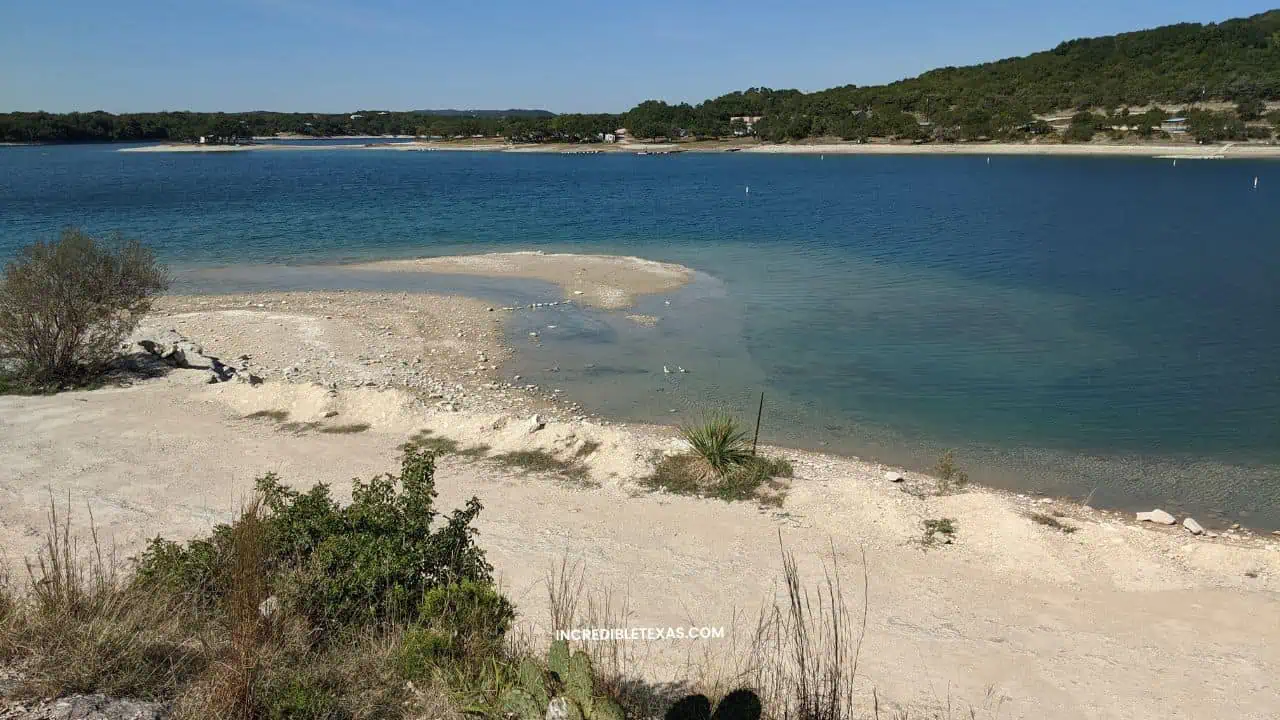
Medina Lake and Paradise Canyon: Limestone Cliffs and River Seclusion
Medina Lake spans over 5,400 surface acres at full conservation pool, enclosed by sheer limestone bluffs in Bandera and Medina counties. The reservoir was created in 1913 by an ambitious private irrigation dam project, producing dramatic canyon vistas that resemble mountain lakes.
Natural water level fluctuations at Medina Lake occur during prolonged drought cycles, which can temporarily close public boat launches. Downstream along the Medina River, Paradise Canyon provides reliable year-round river swimming, shaded picnic grounds, and primitive tent sites along spring-fed clear water.
- Driving Distance: 40 miles northwest of San Antonio via State Highway 16 and Park Road 37.
- Ground Reality Warning: Check current reservoir storage percentages through the Texas Water Development Board before trailering powerboats to Medina Lake; ramp operations depend entirely on current pool elevation.
- Paradise Canyon Highlights: Natural swimming holes, kayak rentals, limestone bluff jumping points, and shaded day-use pavilions along the river channel.
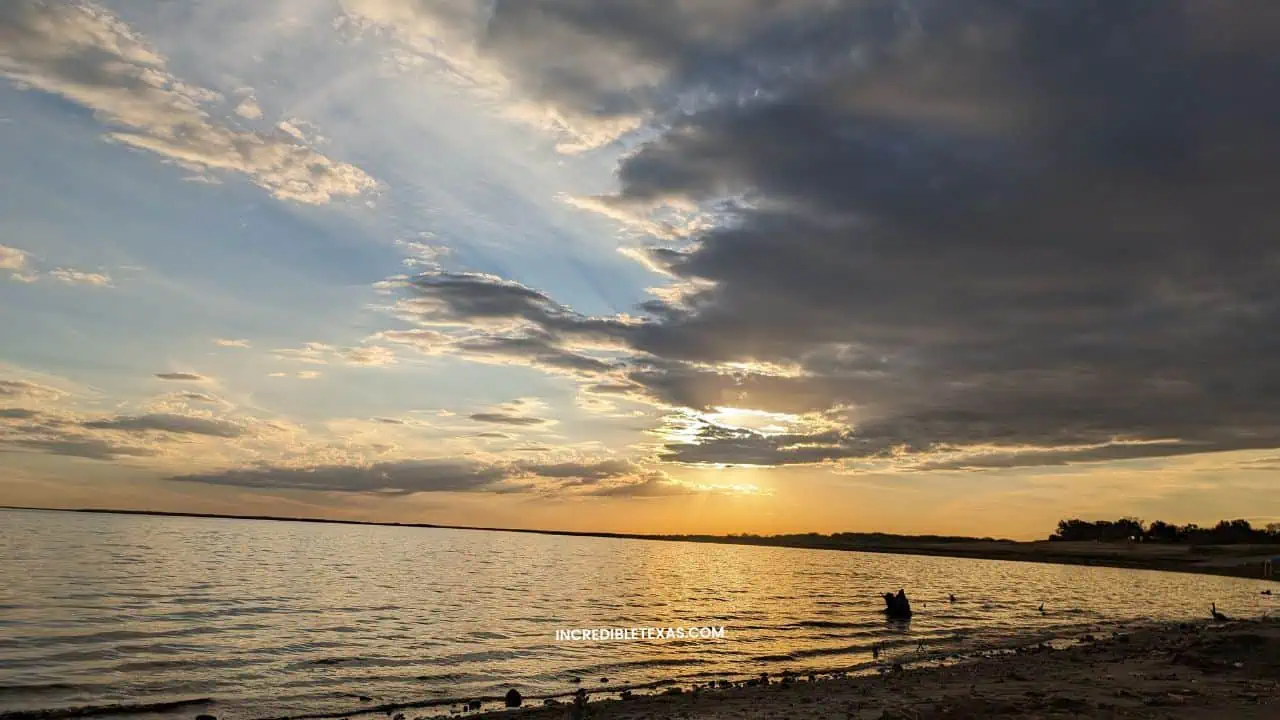
Choke Canyon Reservoir: South Texas Bass Fishery and Alligator Habitats
Choke Canyon Reservoir covers 25,690 surface acres on the Frio River near Three Rivers, serving as a renowned trophy largemouth bass fishery in South Texas. The reservoir supplies municipal water to Corpus Christi while providing extensive state park recreation across the Calliham and South Shore units.
Serious trophy bass anglers pursue Choke Canyon Reservoir bass fishing for the chance to land double-digit largemouth bass among flooded timber and hydrilla flats. Detailed park maps and camping reservations are available via the Texas Parks and Wildlife Department Choke Canyon State Park Portal.
- Driving Distance: 80 miles south of downtown San Antonio via Interstate 37 South.
- Day-Use Entry: $5 per person aged 13 and older; children 12 and under enter free. Completing a Choke Canyon Calliham day pass reservation online guarantees vehicle entry during peak weekends.
- Wildlife Notice: Choke Canyon is a natural habitat for American alligators; visitors must supervise pets on six-foot leashes and avoid wading in shallow marsh vegetation at dusk.
- Park Facilities: Concrete boat ramps with handling docks, lighted fish cleaning pavilions, screened shelters, and air-conditioned park cabins.
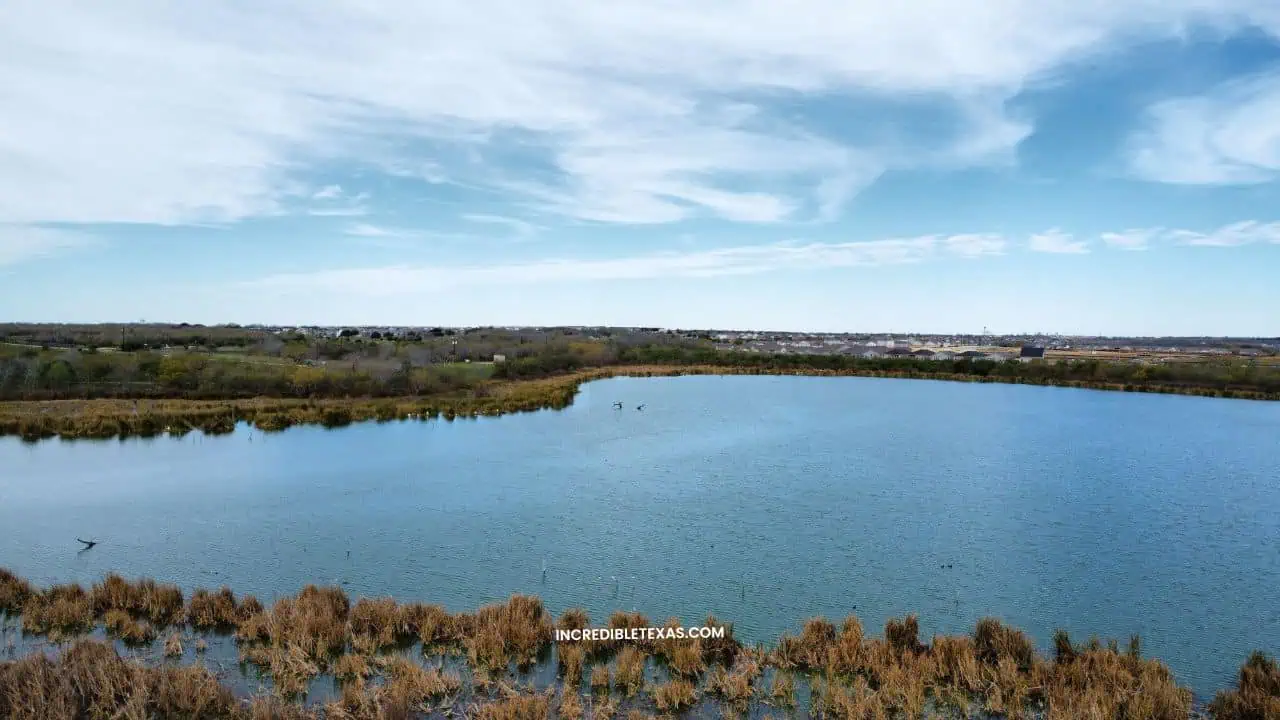
Mitchell Lake Audubon Center: Urban Wetland Birding Sanctuary
Mitchell Lake spans 600 surface acres within a broader 1,200-acre wildlife refuge located 12 miles south of downtown San Antonio. While natural freshwater lakes in San Antonio proper are rare, urban reservoirs and protected wetlands like Mitchell Lake preserve vital open water.
Travelers searching for a scenic lake in San Antonio often visit Mitchell Lake for birdwatching, hiking along 7.5 miles of trails and boardwalks to observe pelicans, roseate spoonbills, and waterfowl. This protected refuge is a standout pick among nature-focused top parks in San Antonio, though fishing and watercraft are strictly prohibited.
- Driving Distance: 12 miles south of downtown San Antonio off Interstate 37 at Pleasanton Road.
- Operating Hours: Tuesday through Sunday from 7:00 AM to 3:00 PM; closed on Mondays.
- Entry Regulations: Admission tickets must be secured online or at the visitor center; pets and bicycles are prohibited on walking trails to safeguard nesting birds.
- Best For: Professional wildlife photography, guided birding walks, and peaceful self-guided wetland hikes.
Frequently Asked Questions About San Antonio Lakes
What is the closest lake to downtown San Antonio?
Mitchell Lake sits roughly 12 miles south of downtown San Antonio, providing an urban birding sanctuary managed by the Audubon Center. For boating and fishing, Victor Braunig Lake is the closest accessible reservoir at 17 miles south.
Can you swim in area reservoirs around San Antonio?
Yes, swimming is popular at Canyon Lake designated park beaches, Boerne City Lake Park, and Paradise Canyon along the Medina River. Swimming is prohibited in power plant discharge zones at Calaveras and Braunig lakes and across Mitchell Lake protected wildlife refuge.
Where can you catch freshwater red drum in Bexar County?
Anglers catch red drum at Calaveras Lake and Victor Braunig Lake, two power plant cooling reservoirs located southeast of San Antonio. Both lakes receive approximately 1 million fingerlings annually from the Texas Parks and Wildlife Department.
Which regional reservoirs allow motorboats and jet skis?
Canyon Lake, Lake Dunlap, Lake McQueeney, Lake Placid, Calaveras Lake, and Victor Braunig Lake all permit motorized powerboats, wakeboarding rigs, and personal watercraft. In contrast, Boerne City Lake strictly restricts all combustion engines to maintain water quality.
Do you need reservations to visit state parks and reservoirs near San Antonio?
Reservations are recommended for day use at Choke Canyon State Park through Texas Parks and Wildlife, especially during holiday weekends and fishing tournaments. Federal campgrounds at Canyon Lake also mandate advance bookings via Recreation.gov. If you are planning an extended getaway across the state, explore our guide to the top-rated lakes across Texas.