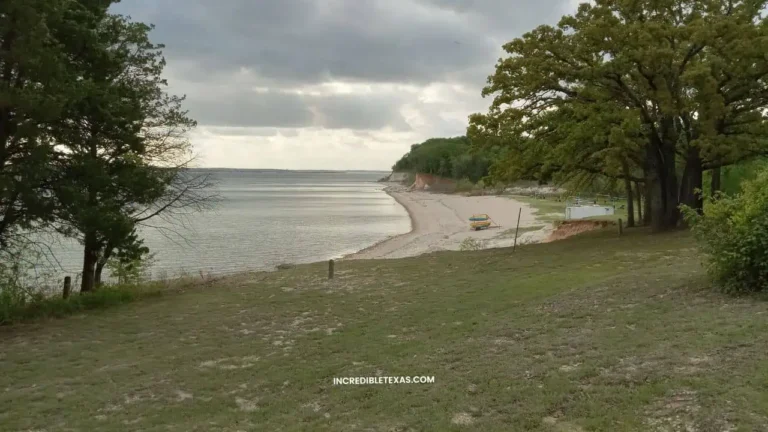
Sam Rayburn Reservoir Texas: Fishing, Camping, and Access
Sam Rayburn Reservoir Texas is the East Texas reservoir most visitors choose for largemouth bass fishing, camping, and straightforward boat access. TPWD places it on the Angelina River with the dam in Jasper County, and Recreation.gov describes it as the largest man-made lake completely within Texas.
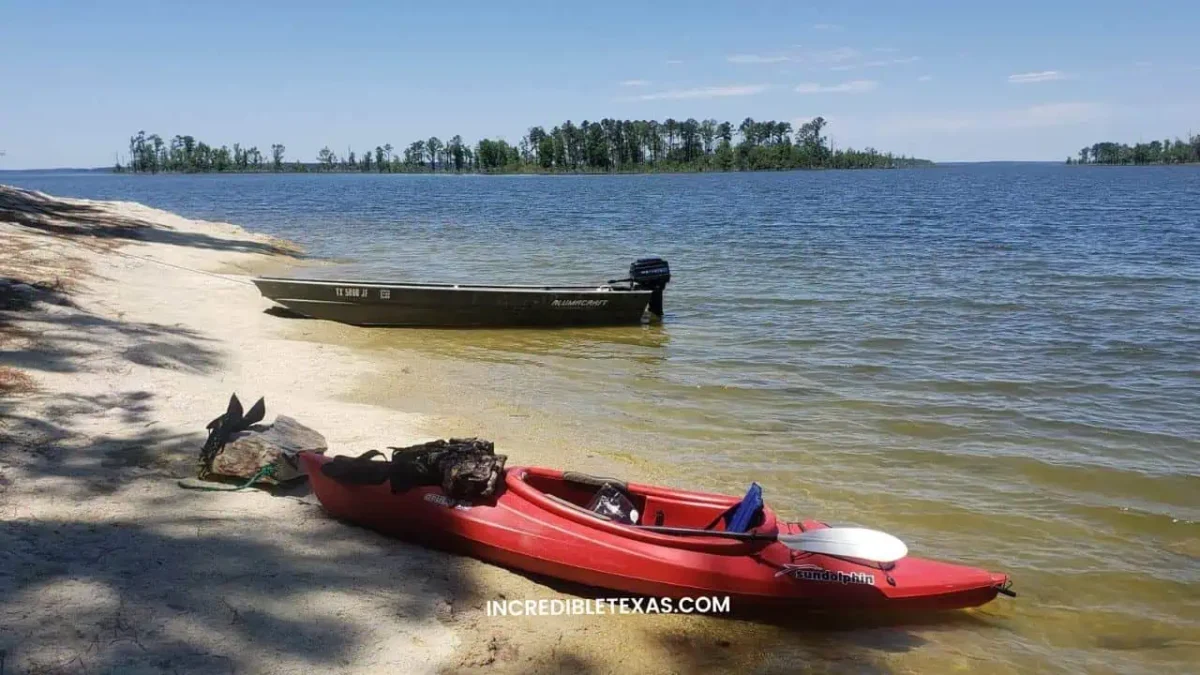
The reservoir works best as a fishing lake first, but it also fits birding, weekend camping, and relaxed shoreline time in the Piney Woods. Visitors comparing Texas lakes can also use the site’s best fishing lakes in Texas roundup to place Sam Rayburn alongside other major water destinations.
TPWD’s Sam Rayburn Reservoir fishing page is the clearest official starting point because it covers the lake’s size, the controlling authority, the main fish species, current water conditions, and the special regulations that apply to some fish.
| Quick fact | Sam Rayburn Reservoir Texas |
|---|---|
| Location | On the Angelina River in East Texas; dam in Jasper County, about 15 miles north of Jasper |
| Surface area | 114,500 acres |
| Maximum depth | 80 feet |
| Impounded | 1965 |
| Controlling authority | U.S. Army Corps of Engineers |
| Best known for | Largemouth bass, crappie, catfish, white bass, boating, and tournaments |
| Current water note | Average fluctuation of about 7 feet annually; lower lake is clearer than the upper lake |
| Safety note | Fish consumption advisory in effect |
What Sam Rayburn Reservoir Is
Sam Rayburn Reservoir is a Corps of Engineers reservoir that sits on the Angelina River in East Texas. The shoreline, the access points, and the fish habitat are shaped by flood-control and water-management decisions rather than by a fixed natural basin.
The lake is large enough to feel like a destination rather than a side stop. According to TPWD, the reservoir sits at 114,500 acres with a maximum depth of 80 feet, and the same page notes that the lake level fluctuates by an average of about 7 feet each year.
That annual fluctuation changes ramp conditions, shoreline visibility, and the amount of usable cover for fish. Visitors who are planning around a trailer, a shallow cove, or a shoreline launch should check the current access page before leaving home.
The reservoir also has a clear regional identity. It sits in the Piney Woods, draws traffic from Jasper, Lufkin, Nacogdoches, and the surrounding East Texas counties, and gives anglers a lake that feels wooded and water-rich instead of open and barren.
Our Texas fishing permits, regulations, costs, and rules page is the best companion for anyone planning to keep fish, because the lake has special regulations on some species and the broader Texas license rules still apply.
Recreation.gov also places Sam Rayburn in a useful planning lane for travelers who want a reservoir with actual campground infrastructure rather than a simple boat launch. That makes it one of the easier East Texas waters to turn into a full weekend.
C
What Sam Rayburn Reservoir Is Known For
Sam Rayburn Reservoir is best known for largemouth bass, and that single reputation explains a lot of the traffic the lake receives. Recreation.gov and TPWD both place bass fishing at the center of the reservoir’s identity, and the lake has enough cover, size, and habitat variation to support both casual anglers and tournament boats.
The reservoir is also a major tournament lake. Recreation.gov says the lake hosts more than 500 annual tournaments, which gives it a steady reputation among serious anglers instead of a one-season boom.
Birding matters here too. The north shore and surrounding Angelina National Forest create winter habitat for bald eagles, and the lake’s piney woods setting gives the water a different feel from the drier reservoirs farther west in Texas.
For visitors who want a broader outdoor plan, the reservoir pairs naturally with the site’s things to do in Angelina County guide and with Angelina National Forest. Those nearby pages help turn a lake day into a fuller East Texas trip without drifting far from the reservoir.
Sam Rayburn also has the feel of a lake with depth, not just acreage. The surface is broad enough for boating and fishing tournaments, but the shoreline remains tied to timber, vegetation, and older East Texas river country rather than a suburban lakefront pattern.
- Largemouth bass fishing gives the reservoir its headline identity.
- Tournaments keep the lake busy through much of the year.
- Piney Woods scenery gives the reservoir a wooded, East Texas feel.
- Bald eagle habitat adds a winter birding angle.
- Campground access makes the reservoir useful for weekends, not just day trips.
Sam Rayburn Reservoir combines fishing, camping, boating, and multiple access points in one East Texas reservoir. Visitors can use different campgrounds and launch points without leaving the lake system.
Fishing at Sam Rayburn Reservoir
Fishing is the clearest reason people plan a trip to Sam Rayburn Reservoir. TPWD calls largemouth bass the most popular game fish on the lake and says an excellent year-round fishery exists, with strong crappie and catfish action and good spring white bass opportunities.
TPWD also notes that bluegill and redear sunfish are present in high numbers, which makes the lake useful for youth anglers and for families that want easy action instead of a tournament-only experience. The lake’s cover consists mainly of submerged vegetation, standing timber, and flooded terrestrial vegetation, so fish often hold along vegetation edges, flats, humps, brush, and creek channels.
That structure matters because Sam Rayburn does not fish like a bare, open reservoir. The most productive water often sits where timber meets cover, where creek channels cut through vegetation, and where bass can shift from deeper to shallow water as the season changes.
| Species | What TPWD says | How anglers use it |
|---|---|---|
| Largemouth bass | The most popular game fish and an excellent year-round fishery | Primary target for tournaments and casual trips alike |
| Crappie | Excellent year-round fishery | Good for brush, timber, and cooler-season trips |
| Catfish | Excellent year-round fishery | Reliable for bait fishing and family outings |
| White bass | Numbers are limited but spring fishing is good | Useful when anglers want fast action in seasonal runs |
| Sunfish | Bluegill and redear sunfish occur in high numbers | Best for youth anglers and simple shoreline fishing |
TPWD’s fishing page says the reservoir has special regulations on some fishes. The current Sam Rayburn fishing regulations page lists the current bag and size limits, so anglers should check it before deciding what to keep.
| Fish rule | Current TPWD regulation |
|---|---|
| Largemouth and smallmouth bass | 14-inch minimum length; 5 per day in any combination of black bass species |
| Alabama, Guadalupe, and spotted bass | No minimum length limit |
| Blue and channel catfish | No minimum length; 50 per day in any combination, with no more than 5 fish 30 inches or longer |
| Crappie | 10-inch minimum length; 25 per day in any combination |
| White bass | 10-inch minimum length; 25 per day |
| Striped and hybrid striped bass | 18-inch minimum length; 5 per day in any combination |
| Gar | Alligator gar bag limit is 1 fish of any size; no bag limit on other gar species |
Those rules matter because Sam Rayburn attracts anglers who keep fish as well as anglers who release everything. The lake is productive enough that the safest approach is to check the current limits before the first cast rather than assume the statewide default applies to every species.
The lake’s day-of conditions also deserve attention. TPWD’s current fishing page includes the latest report and water notes, which helps anglers decide whether to work points, pockets, brush, or deeper channel edges.
For a broader statewide primer on license basics, the site’s Texas fishing permits and regulations page is the right companion read. It helps separate Texas-wide rules from the lake-specific regulations that apply at Sam Rayburn.
Fishing tactics at Sam Rayburn usually reward patience and structure rather than a single magic lure. TPWD notes that vegetation edges, flats, humps, and creek channels are productive, and anglers often do well when they match lure choice to the season and the amount of cover in front of them.
- Spring: White bass begin to improve and bass move shallower in many parts of the reservoir.
- Summer: Vegetation edges, deeper timber, and channel swings become more important.
- Fall: Moving bait, topwater, and edge fishing often fit the shifting baitfish patterns.
- Winter: Crappie and bass remain fishable, and the lake can still support quality trips.
- Family trips: Sunfish and catfish give the reservoir a lower-stress backup plan.
The lake’s fish consumption advisory should stay part of the fishing plan as well. The current DSHS advisory map for Sam Rayburn Reservoir names dioxins and mercury as contaminants of concern, so anglers who plan to eat their catch should check the advisory before keeping fish.
That advisory does not erase the fishing value of the reservoir, but it does make the catch-and-keep decision more deliberate. Anglers who plan to cook fish should confirm the current advisory, and anglers who plan to release fish can focus more directly on the lake’s bass and crappie potential.
Sam Rayburn Reservoir Camping, Parks, and Boat Ramps
TPWD says the Sam Rayburn Reservoir has twenty-two maintained access areas, and all of them include boat ramps, although some ramps may be unusable when the lake is low.
That access network makes the reservoir practical for boaters, campers, and families who want a choice of launch points. It also means the best access plan depends on the trip’s exact goal, because one park may work better for a swim beach while another is better for a two-lane ramp or a quiet overnight site.
The official TPWD Sam Rayburn access page is the best place to check which ramps are open, which parks charge a fee, and which access areas offer camping, drinking water, showers, or other basic amenities.
| Access area | What it offers | Best fit |
|---|---|---|
| Rayburn Park | Open year-round; 16 campsites with water and 50 amp electric hookups, 9 non-electric sites, two boat ramps, swim beach, and a playground | Camp-first visitors who want the most complete overnight setup |
| San Augustine Park | 100 sites with electric and water hookups, a group shelter, designated swim beach open Apr-Sep, volleyball, boat ramp, and interpretive trail | Families who want camping, swimming, and a more developed recreation base |
| Hanks Creek Park | Two-lane ramps and camping access on the reservoir’s eastern side; TPWD lists it as a maintained access area | Boaters who want another public launch and a different shoreline zone |
Rayburn Park is the clearest campground for visitors who want to stay near the water and keep the plan simple. Recreation.gov says it sits on the north shore, and the same page notes that the lake and the surrounding Angelina National Forest provide winter habitat for bald eagles.
San Augustine Park is the better fit for families who want a swim beach and a larger campground footprint. Recreation.gov says the park has 100 sites, water and electric service, a boat ramp, and a designated swim beach that runs from April through September.
Hanks Creek adds another useful access point for boaters and anglers who want to spread out around the reservoir. It sits within the official TPWD access network, which matters because the lake is large enough that different ramps can save a lot of drive time on a weekend trip.
The reservoir is also easy to pair with a forest stop. Visitors who want a broader East Texas camping and trail plan can connect the lake with Angelina National Forest, which gives the trip a woods-and-water mix that fits the region well.
For anglers and boaters, low water is the biggest practical issue. TPWD notes that some ramps may not be usable when the lake is low, so a trailer trip should always start with a look at the current access page rather than a memory of how the ramp worked on a previous visit.
- Rayburn Park is the best all-around overnight base.
- San Augustine Park is the strongest family-camping option with a swim beach.
- Hanks Creek gives boaters another public access point on the reservoir.
- Low water can change whether a ramp is usable.
- Camping fees and site rules should be checked before arrival.
Campers who want a more wooded weekend can also use the reservoir as a starting point for a longer East Texas route. The lake and the piney woods together give the region a quieter feel than the better-known hill country reservoirs farther west.
Nearby Towns and Side Trips
Sam Rayburn Reservoir works well because the surrounding towns give visitors a practical place to eat, refuel, and restock without turning the trip into a long urban drive. Jasper is the most obvious anchor town, but Lufkin, Pineland, San Augustine, and nearby East Texas communities all support reservoir weekends in different ways.
Visitors who want more than lake access can also use the reservoir as a base for a broader East Texas loop. That is where the site’s Tyler State Park TX guide becomes useful, because Tyler gives travelers another wooded lake-and-trails stop without changing the region’s basic pace.
The lake also sits close enough to other East Texas outdoor pages on the site that one weekend can cover more than one destination. Travelers comparing county-level stops can use things to do in Angelina County to add a town meal, a park stop, or a short side trip without losing the reservoir as the main destination.
That kind of add-on planning works especially well for visitors who are not only fishing. A day that starts on the water can still leave room for a forest drive, a dinner stop in Jasper or Lufkin, or a slower evening back at camp.
- Jasper is the nearest practical town anchor for many visitors.
- Lufkin works well for groceries, dining, and a larger supply stop.
- San Augustine adds a historic East Texas town stop to a lake weekend.
- Angelina National Forest gives the trip a wooded side-by-side with the reservoir.
- Tyler State Park is a good comparison stop for travelers building a longer East Texas loop.
Sam Rayburn’s location also helps it stay relevant for repeat trips. The reservoir is large enough that a visitor can come back with a different plan each time, then use a different access point, campground, or town stop without repeating the same exact weekend.
Sam Rayburn Reservoir Trip Planning Tips
The best Sam Rayburn Reservoir trip starts with a clear goal. Anglers usually do best when they plan around fish movement and structure, campers do best when they pick the right access area first, and mixed groups do best when they decide whether the day is centered on boating, fishing, or a campground base.
Spring and fall are often the easiest seasons for mixed-use trips because bass activity, comfortable temperatures, and outdoor camping conditions line up more naturally. Summer can still work well, but the lake’s size and East Texas heat make it more important to plan around mornings, shade, and access to water.
Winter has its own value. The bald eagle habitat around the reservoir and Angelina National Forest gives the lake a birding angle, and the lower crowds can make shoreline access feel less compressed than it does in the busiest warm-weather months.
Boaters should treat low water as a regular planning issue rather than a rare surprise. TPWD says some ramps may be unusable when the lake is low, so trailer users should check conditions, pick a backup ramp, and avoid assuming every launch lane will be open.
Anglers should also separate the fishing question from the eating question. The reservoir’s fishing value is strong, but the current consumption advisory means keeping fish is a different decision from catching them, and the advisory should be reviewed before planning a fish fry.
The easiest preparation list is simple: bring a current fishing license if needed, check the access page for the ramp, verify the campground reservation, and review the advisory if the plan includes keeping fish. That sequence removes most of the common surprises that turn a good lake day into a rushed one.
- Check the access page first if the trip includes a boat trailer.
- Choose the campground first if the trip includes an overnight stay.
- Review the fishing rules first if the trip includes keepers for dinner.
- Use the morning hours when the plan depends on fishing pressure being lighter.
- Keep a backup access point in mind because low water can change the day.
Sam Rayburn Reservoir combines serious bass fishing, campground choice, and enough access points to support both short and long visits. It stays useful for anglers, campers, and families who want one trip to cover several outdoor goals.
Check out: Lake Texoma Texas: Fishing, Camping, and Things to Do
Sam Rayburn Reservoir FAQ
What is Sam Rayburn Reservoir known for?
Sam Rayburn Reservoir is best known for largemouth bass fishing, year-round angling, and tournament traffic. The lake also supports strong crappie and catfish fisheries, plus birding and camping in the surrounding Piney Woods.
Is Sam Rayburn Reservoir the largest lake in Texas?
Sam Rayburn Reservoir is described by Recreation.gov as the largest man-made lake completely within Texas. That wording is important because it identifies the reservoir as the largest man-made lake fully inside the state rather than making a broader claim about every lake in Texas.
Is swimming available at Sam Rayburn Reservoir?
Some access areas include designated swim beaches, including Rayburn Park and San Augustine Park. Swimming should stay tied to the current park rules and conditions because not every access point is set up for the same type of water use.
What fish are in Sam Rayburn Reservoir?
TPWD lists largemouth bass, crappie, catfish, white bass, and sunfish as the main fish groups in the reservoir. The regulations page also includes striped and hybrid striped bass, along with gar, carp, and other species that help make the lake productive for a wide range of anglers.
Is a fishing license required at Sam Rayburn Reservoir?
Yes, anglers generally need a valid Texas fishing license to fish public waters at Sam Rayburn Reservoir.
What is the best time to visit Sam Rayburn Reservoir?
Spring and fall usually offer the easiest mix of fishing conditions and comfortable weather, while winter can be strong for birding and quieter shoreline visits. Summer still works well for camping and boating, but it usually rewards early starts and extra attention to heat and ramp conditions.
Sam Rayburn Reservoir stays relevant because it works for more than one kind of visitor. Anglers can focus on bass and crappie, campers can choose from several access areas, and travelers who want a slower East Texas weekend can build the lake into a broader Piney Woods route.