Waterfront recreation around Greater Houston spans from massive open reservoirs with full RV hookups to peaceful piney woods lakes tucked inside national forests. Finding the best lakes in Houston for camping and fishing requires balancing drive times, boat ramp infrastructure, campsite utilities, and angling regulations.
Key takeaways
- Lake Livingston State Park provides the leading overnight camping destination with full-hookup RV loops, screened shelters, and license-free bank fishing across an 83,000-acre reservoir.
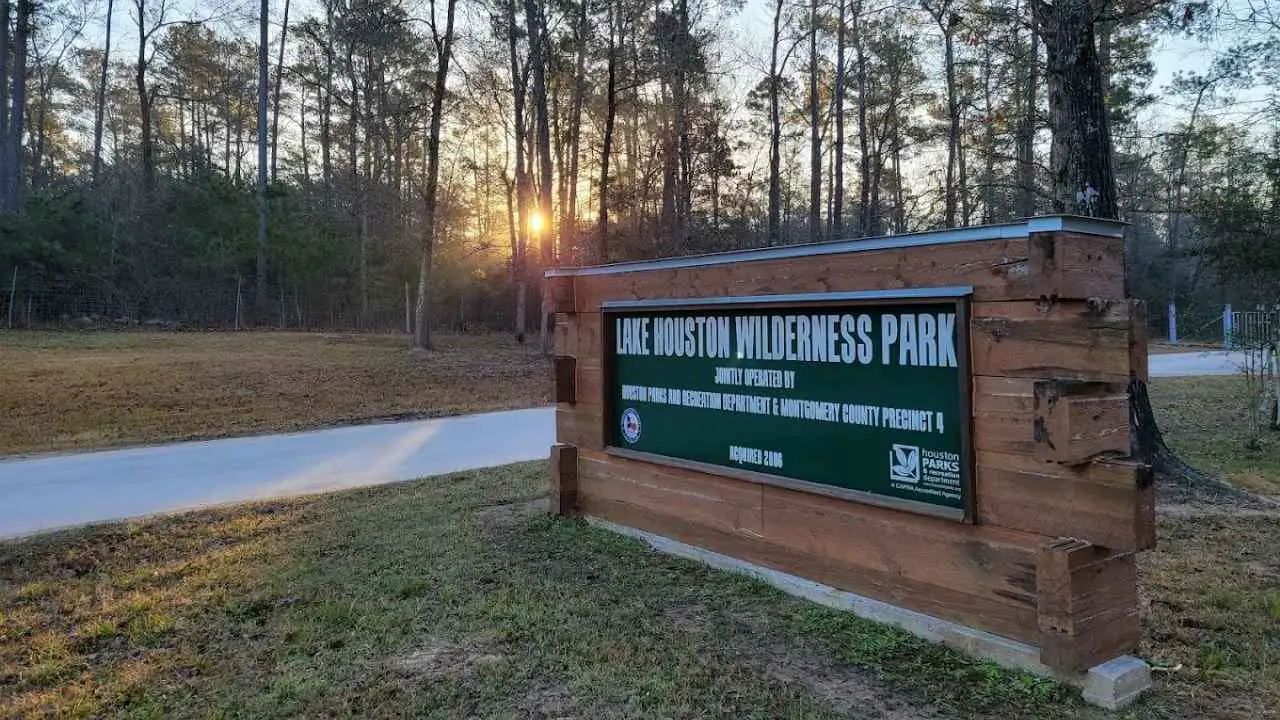
- Lake Houston Wilderness Park is the only City of Houston municipal property offering overnight camping and cabins, located 30 miles northeast of downtown with a $3 entry fee.
- Sheldon Lake State Park delivers the fastest day-use fishing escape just 15 minutes from the city center, featuring free admission and two designated fishing piers.
- Anglers fishing from the bank or pier inside Texas state park boundaries do not need a state fishing license, whereas boat fishing on public open waters requires a standard license.
- Sam Houston National Forest hosts three prime woodland lake getaways at Cagle Recreation Area, Double Lake, and Stubblefield Lake, providing quiet pine forest camping within an hour of Houston.
Anglers and campers traveling across Southeast Texas encounter two distinct categories of waterfront destinations. Overnight campgrounds offer utility hookups, hot showers, and shaded tent pads. In contrast, daytime fishing reservoirs deliver quick boat launches and bank access for anglers on tight schedules.
Exploring lakes near Houston for camping reveals quiet forest settings in the Piney Woods alongside open, breeze-swept reservoirs. Meanwhile, scouting lakes near Houston for fishing opens access to largemouth bass, channel catfish, crappie, and schooling white bass.
Best Lakes in Houston for Camping and Fishing At a Glance
The best lakes near Houston offer diverse recreational options, from large state-managed impoundments to historic Civilian Conservation Corps timber lakes. Selecting the ideal destination depends on whether you plan a weekend RV stay or a quick morning boat launch.
Budget-conscious outdoor travelers can also review our guide to free things to do in Houston to discover complimentary nature preserves and municipal parks across the region.
The comparison table below details driving distances from downtown Houston, entrance costs, overnight accommodations, and dominant fish species for each destination.
| Lake / Park | Distance from Downtown | Day-Use Entry Fee | Overnight Camping | Primary Fish Species | Best For |
|---|---|---|---|---|---|
| Lake Livingston State Park | 75 miles north | $6 adults (13+) | Full hookups, water/electric, screened shelters | White bass, catfish, crappie | Full-facility family camping weekends |
| Lake Houston Wilderness Park | 32 miles northeast | $3 adults (13-64) | Cabins, walk-in tent sites, group lodges | Bass, catfish, perch (catch-and-release) | Forested cabin retreats and creek paddling |
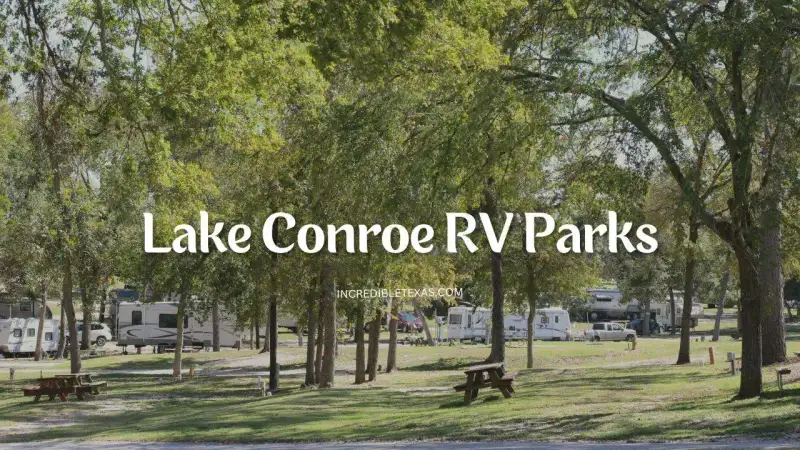
| Cagle Recreation Area (Lake Conroe) | 55 miles north | $7 per vehicle | 47 full-hookup RV sites, tent pads | Largemouth bass, channel catfish, crappie | Lake Conroe boat launches with full RV utilities |
| Double Lake Recreation Area | 60 miles north | $7 per vehicle | Tent sites, water/electric hookups | Largemouth bass, bream, channel catfish | Quiet woodland paddling and mountain biking |
| Stubblefield Lake Recreation Area | 58 miles north | $7 per vehicle | Developed and primitive tent sites | Catfish, crappie, white bass | Remote forest camping and Lone Star Trail access |
| Sheldon Lake State Park | 16 miles northeast | Free | Day-use only (no camping) | Largemouth bass, bluegill, channel catfish | Free close-in bank fishing and birdwatching |
| Lake Houston (Public Parks) | 20 miles northeast | Free (Harris County parks) | Commercial marinas nearby | Blue catfish, largemouth bass, crappie | Urban reservoir boating and catfish angling |
| Scott’s Ridge Boat Ramp (Lake Conroe) | 50 miles north | $5 day-use fee | Day-use only (no camping) | Hybrid striped bass, largemouth bass | Quick morning boat launches on western Lake Conroe |
| Lake Somerville (Birch Creek) | 90 miles northwest | $4 adults (13+) | Electric/water campsites, group sites | White bass, crappie, largemouth bass | Classic state park shoreline camping and trail hiking |
| Lake Somerville (Nails Creek) | 95 miles northwest | $4 adults (13+) | Tent sites, equestrian sites, water hookups | Catfish, crappie, largemouth bass | Peaceful equestrian camping and trailway access |
Best Overnight Lake Camping Destinations Near Houston
The top destinations for lake camping near Houston combine shaded campsites, convenient boat ramps, and reliable restrooms within 90 minutes of the city center. Campers can choose between state parks with modern facilities and secluded federal forest recreation areas.
Note
Lake Livingston spans 83,000 surface acres with over 450 miles of shoreline and hosts more than 5,000 peak weekend boaters, while Lake Houston Wilderness Park preserves 4,786 heavily wooded acres with over 20 miles of hiking trails for a $3 daily entry fee.
1. Lake Livingston State Park
Lake Livingston State Park provides the flagship overnight lakefront camping experience within easy reach of the Houston metroplex. Located along the eastern shore of an 83,000-acre reservoir, the park features multiple camping loops equipped with full sewer, water, and 50-amp electrical hookups.
Families seeking lake livingston camping options can reserve screened shelters overlooking the water or pitch tents in shaded wooded cul-de-sacs. The park contains two lighted fishing piers, dedicated fish cleaning pavilions, and three dual-lane boat ramps capable of handling powerboats and bass rigs.
Bank anglers do not need a state fishing license when casting lines from the park piers or shoreline. White bass generate heavy seasonal spring runs up the Trinity River basin, while blue catfish and crappie provide steady action throughout the warmer months.
Detailed facility rules and reservation schedules are published on the Texas Parks and Wildlife Lake Livingston Fee Schedule. For comprehensive driving directions and campsite photos, check our dedicated Lake Livingston State Park guide.
- Best for: Full-service RV camping, screened shelters, and multi-day family angling trips.
- Camping options: 150+ campsites ranging from tent sites with water to 50-amp full sewer hookups, plus screened shelters.
- Fishing amenities: Two lighted fishing piers, three public boat launches, and covered fish cleaning stations.
- Logistical tip: Campsites book out 60 to 90 days in advance for peak spring and autumn holiday weekends.
2. Lake Houston Wilderness Park
Lake Houston Wilderness Park stands as the only park in the City of Houston municipal park system that permits overnight stays. Situated in New Caney approximately 30 miles northeast of downtown, the property protects 4,786 acres of dense East Texas hardwood and pine forest.
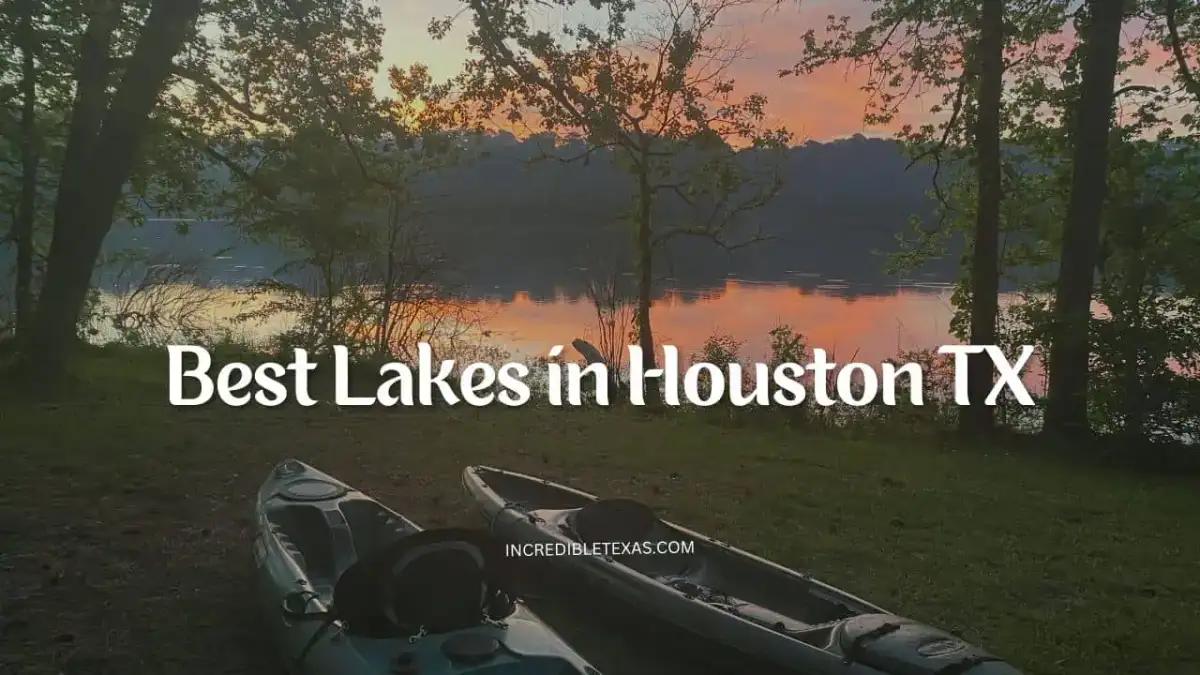
Visitors interested in lake houston wilderness park camping can choose among screened shelters, walk-in tent clearings, and climate-controlled cabins equipped with electricity. The park borders Peach Creek and the East Fork of the San Jacinto River, offering quiet creek paddling and shoreline exploration.
Water access here centers on kayaks and canoes rather than motorized watercraft. Fishing in park waters is catch-and-release only, providing excellent practice for younger anglers targeting sunfish and native bass.
Review park policies and cabin availability via the City of Houston Lake Houston Wilderness Park Portal.
- Best for: Secluded cabin rentals, walk-in tent camping, and paddling through forested creeks.
- Camping options: Lakeside A-frame cabins, group lodges, screened shelters, and primitive walk-in tent sites.
- Fishing amenities: Bank fishing along Peach Creek and the San Jacinto River; catch-and-release regulations apply.
- Logistical tip: Alcohol is strictly prohibited throughout all municipal wilderness park grounds.
3. Cagle Recreation Area on Lake Conroe
Cagle Recreation Area occupies a prime waterfront point on the western shoreline of Lake Conroe inside the Sam Houston National Forest. The site represents the top federal campground for lake conroe camping near houston, blending forest scenery with heavy-duty marine access.
The campground features 47 paved RV campsites equipped with full electrical, water, and sewer connections. A wide concrete boat ramp provides instant access to open water, making it effortless to launch bass boats or pontoon cruisers directly from the campground.
Anglers target trophy largemouth bass around submerged timber and dock structures across the northern reservoir. The developed day-use area includes shaded picnic tables, modern flush restrooms, and direct trailheads for the Lone Star Hiking Trail.
Boat ramp regulations and reservoir guidelines are detailed on the Texas Parks and Wildlife Lake Conroe Public Access Guide.
- Best for: Modern RV camping on Lake Conroe with direct deep-water ramp access.
- Camping options: 47 paved full-hookup RV sites with 30/50-amp power, water, and sewer.
- Fishing amenities: Two-lane boat launch with trailer parking, shoreline bank access, and nearby fish cleaning stations.
- Logistical tip: Day-use parking lots fill before 10:00 AM on summer Saturdays during boating season.
4. Double Lake Recreation Area
Double Lake Recreation Area sits within the gentle pine hills of Coldspring in the eastern district of the Sam Houston National Forest. Built by the Civilian Conservation Corps in 1937, this historic 24-acre lake offers a tranquil atmosphere where motorized powerboats are prohibited.
Campers can select from standard tent sites set among towering loblolly pines or utility sites with water and electrical hookups. The quiet water surface welcomes canoes, kayaks, and small electric trolling motors, making it a peaceful retreat for paddle anglers.
The lake is stocked regularly with channel catfish and supports healthy populations of largemouth bass and bluegill. In addition to water activities, campers can explore a designated swimming beach or ride the 21-mile Double Lake mountain bike trail.
- Best for: Non-motorized kayak angling, quiet tent camping, and wooded mountain biking loops.
- Camping options: 65 campsites including tent units, RV spaces with water and electric hookups, and group pavilions.
- Fishing amenities: Wooden fishing pier, gentle canoe launch beach, and concession boat rentals during spring and summer.
- Logistical tip: Gas-powered boat motors are not allowed on Double Lake, keeping surface waters calm.
5. Stubblefield Lake Recreation Area
Stubblefield Lake Recreation Area is located at the northern tip of Lake Conroe where the West Fork of the San Jacinto River enters the reservoir. This forested outpost provides prime sam houston national forest lake camping for travelers who favor rustic nature over crowded resort marinas.
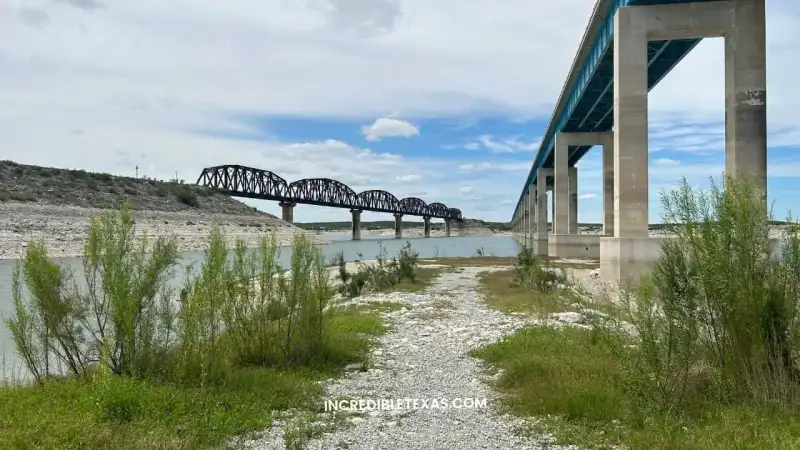
The campground offers shaded campsites equipped with picnic tables, fire rings, and lantern posts, supported by drinking water spigots and flush restrooms. The famous Stubblefield bridge spans the river narrows, serving as a renowned local hotspot for evening crappie and channel catfish anglers.
Paddlers can launch canoes and kayaks directly from the shoreline to navigate miles of sheltered backwater channels. The surrounding woods connect directly with multiple segments of the Lone Star Hiking Trail, providing endless trail mileage.
- Best for: Rustic woodland camping, bridge fishing, and peaceful backwater canoe explorations.
- Camping options: 28 shaded campsites accommodating tents, pop-ups, and small travel trailers with community water stations.
- Fishing amenities: Exceptional bank and bridge fishing access for crappie, bullhead, and blue catfish.
- Logistical tip: Water levels can drop significantly during dry summer months, so verify current river depths before paddling.
Top Day-Use Fishing Lakes Around Houston
Not every waterfront outing requires packing tents and sleeping bags. Houston fishing lakes include multiple high-yield day-use destinations featuring lighted piers, fish cleaning pavilions, and convenient concrete launch ramps.
Anglers heading out to wet a line before work or launching a bass boat for an afternoon bite will find that these spots offer rapid water access.
6. Sheldon Lake State Park & Environmental Learning Center
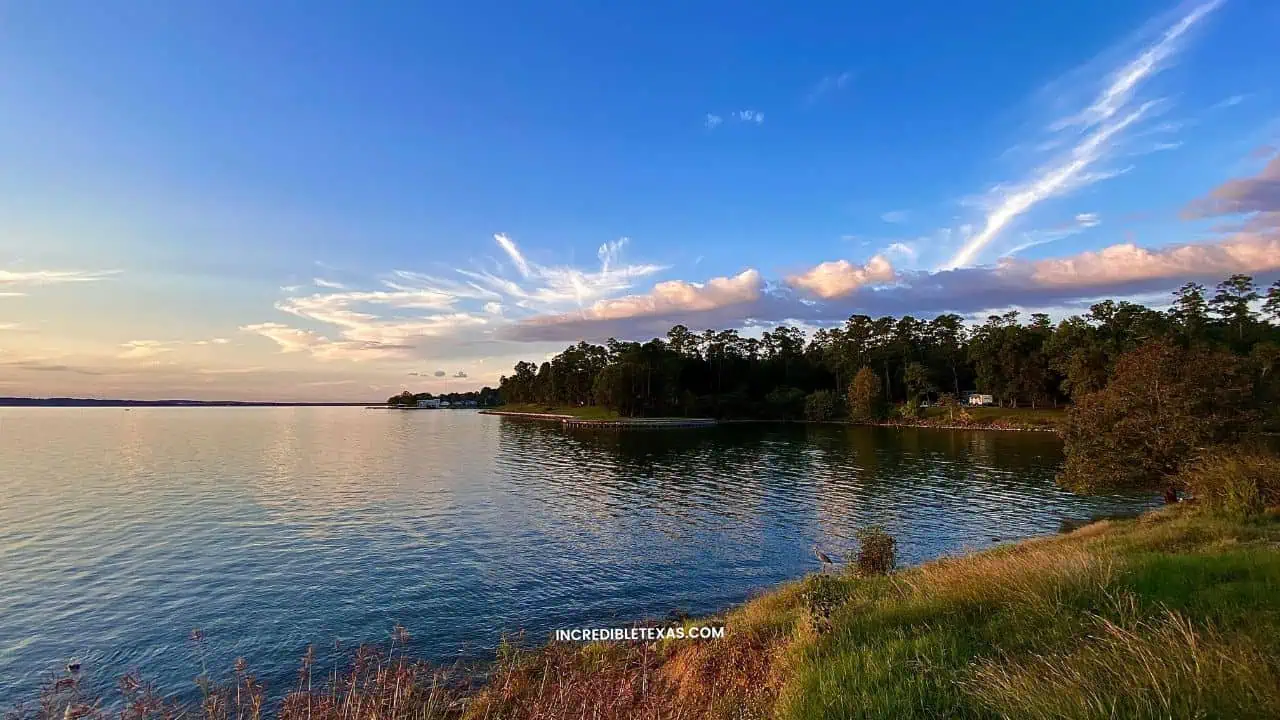
Sheldon Lake State Park delivers the most accessible freshwater angling escape in Greater Houston, located just 15 minutes east of downtown along Highway 90. Spanning 2,800 total acres, the park contains a 1,200-acre reservoir originally constructed in 1943 to supply freshwater to war industries.
Sheldon Lake ranks among the top free fishing lakes near houston, giving visitors open bank access without entrance fees. Anglers targeting sheldon lake fishing opportunities benefit from free admission and two dedicated, ADA-accessible fishing piers. Because the reservoir sits entirely within state park bounds, anglers do not need a state fishing license to fish from the piers or shoreline banks.
The lake supports robust populations of largemouth bass, channel catfish, bluegill, and black crappie among extensive lily pad fields. Visitors can also climb the 82-foot John Jacob Observation Tower to view the Houston skyline across the wetlands.
Official park guidelines and trail maps are available on the Texas Parks and Wildlife Sheldon Lake State Park Guide.
- Best for: Fast urban day trips, free bank angling, and family wildlife watching.
- Day-use hours: Open daily from 8:00 AM to 5:00 PM; admission is 100% free.
- Key species: Largemouth bass, channel catfish, warmouth, and crappie.
- Logistical tip: Watch shoreline banks carefully, as wild alligators inhabit the marsh shallows year-round.
7. Lake Houston via Deussen and Eisenhower Parks
Lake Houston serves as the primary freshwater municipal reservoir for the city, covering 11,854 acres along the San Jacinto River basin. While commercial facilities line the upper lake, two major Harris County public parks provide excellent free bank and boat ramp access along the southern rim.
Alexander Deussen Park provides multiple concrete boat launching lanes, wide trailer parking bays, lighted fishing piers, and open shoreline access. Immediately adjacent, Dwight D. Eisenhower Park offers shaded walking trails along the reservoir bank and a dedicated pedestrian bridge spanning the inlet.
The open waters of Lake Houston rank among the best fishing spots in the region for blue catfish, channel catfish, and white bass. Boaters should exercise caution in the northern shallows, where submerged timber and sandbars require cautious navigation.
- Best for: Launching powerboats, bank fishing for trophy blue catfish, and watersports.
- Park access: Free entry via Alexander Deussen Park and Dwight D. Eisenhower Park off Lake Houston Parkway.
- Key species: Blue catfish, channel catfish, white bass, and crappie.
- Logistical tip: A standard Texas freshwater fishing license is required on all public Lake Houston waters.
8. Scott’s Ridge Boat Ramp on Lake Conroe
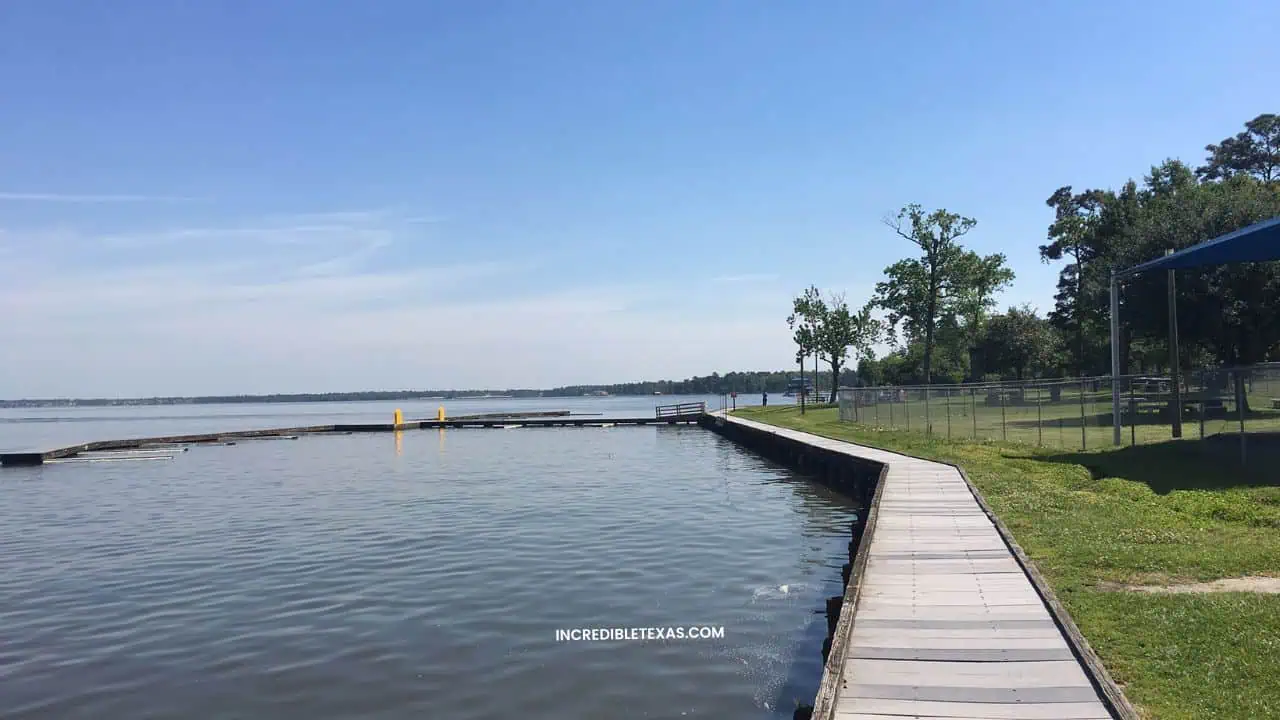
Scott’s Ridge Boat Ramp represents the most practical entry point on western Lake Conroe for anglers seeking a productive day on the water without navigating marina crowds. Managed by the U.S. Forest Service, this dedicated day-use recreation facility features a wide, multi-lane concrete ramp with paved trailer parking.
Positioned near prime mid-lake drop-offs and submerged creek channels, Scott’s Ridge lets anglers reach deep humps and brush piles within minutes of launching. The area is renowned for open-water hybrid striped bass schooling activity and early-morning largemouth bass bites along riprap banks.
Adjacent to the launch area, a seasonal swim beach provides a convenient resting spot for families. To research boat ramp locations, marinas, and park entry rules across the reservoir, explore our complete Lake Conroe visitor guide.
- Best for: Fast boat launches, hybrid striper pursuits, and kayak departures on western Lake Conroe.
- Amenities: Concrete boat ramp, large asphalt trailer parking lot, flush restrooms, and seasonal swim beach.
- Key species: Hybrid striped bass, largemouth bass, blue catfish, and black crappie.
- Logistical tip: Arrive before 6:30 AM during summer weekends to secure trailer parking before the lot reaches capacity.
9. Lake Somerville State Park (Birch Creek Unit)
Lake Somerville State Park encompasses over 11,000 surface acres situated 90 miles northwest of Houston near Brenham. The Birch Creek Unit occupies the northern shoreline, offering a comprehensive outdoor recreation base for day anglers and weekend campers alike.
Travelers planning lake somerville camping can reserve electric and water sites steps from the shoreline. The unit features multiple concrete boat ramps with sheltered breakwaters, ensuring safe boat launches during windy conditions. A lighted fishing jetty and extensive shoreline access allow bank anglers to cast into deep channels without needing a boat.
Under the state park fishing program, visitors casting from Birch Creek shores or jetties do not need a Texas fishing license. The park also serves as the northern terminus for the 13-mile Lake Somerville Trailway.
Review current entrance fees and facility alerts on the Texas Parks and Wildlife Lake Somerville State Park Overview.
- Best for: Protected boat launches, jetty fishing for crappie, and scenic multi-use hiking.
- Park admission: $4 per day for adults 13 and older; children 12 and under enter free.
- Key species: White bass, hybrid striped bass, largemouth bass, and flathead catfish.
- Logistical tip: High southern winds can create choppy open-water conditions; stay within protected coves during blustery days.
10. Lake Somerville State Park (Nails Creek Unit)
The Nails Creek Unit sits opposite Birch Creek on the southwestern shore of Lake Somerville, near the historic town of Ledbetter. This unit provides a quieter, less congested experience for travelers who prefer uncrowded shorelines and expansive nature trails.
Nails Creek provides a public boat ramp, a fish cleaning station, and miles of walkable shoreline along shallow inlets. The surrounding coves offer productive spring spawning flats where largemouth bass and white crappie congregate around submerged brush and vegetation.
Equestrian campers frequently utilize Nails Creek as their base due to its specialized horse corrals and trailer campsites. Like its sister unit, shore fishing within park borders requires no state fishing license.
- Best for: Uncrowded shoreline casting, spring crappie angling, and equestrian trail riding.
- Park admission: $4 per day for adults 13 and older; children 12 and under enter free.
- Key species: White crappie, channel catfish, largemouth bass, and sunfish.
- Logistical tip: Check trail conditions at the ranger station prior to hiking, as low-lying trailway segments flood after heavy rains.
Lake Houston vs. Lake Houston Wilderness Park
Travelers frequently confuse Lake Houston with Lake Houston Wilderness Park due to their nearly identical names, yet they serve entirely different recreational purposes. Understanding these differences ensures you book the right destination for your planned activities.
Lake Houston is an expansive 11,854-acre open-water reservoir operated by the City of Houston and surrounding county agencies. It is engineered for motorboating, watersports, and large-scale catfish angling, with public access provided through county parks like Alexander Deussen Park.
In contrast, Lake Houston Wilderness Park is a 4,786-acre heavily forested municipal nature preserve located north of the reservoir in New Caney. The wilderness park does not have a boat launch onto Lake Houston; water recreation is restricted to paddle sports and catch-and-release fishing along Peach Creek and the San Jacinto River.
When deciding where to go, evaluate your transportation and equipment:
- Choose Lake Houston if you own a motorized powerboat, plan to pull water tubes, or want to catch fish to keep for a family dinner.
- Choose Lake Houston Wilderness Park if you want to rent a climate-controlled cabin, camp under tall pines, hike 20 miles of trails, and paddle quiet creeks.
- Compare statewide destinations by reading our comprehensive guide to the best fishing lakes in Texas to see how Houston reservoirs compare with regional fisheries.
Houston Lake Camping and Fishing Regulations
Navigating recreational policies across lakes in Houston TX requires understanding the jurisdictions that oversee local waterways. Rules differ noticeably depending on whether a park is managed by Texas Parks and Wildlife, the U.S. Forest Service, or a local municipality.
Fishing License Rules
The most crucial regulation involves the Texas “Free Fishing in State Parks” policy. Anyone fishing from the shoreline, bank, or designated pier inside a Texas state park (such as Lake Livingston, Sheldon Lake, or Lake Somerville) can fish without buying a state fishing license or freshwater stamp endorsement.
However, once you leave state park boundaries or launch a boat onto open public reservoirs like Lake Houston or Lake Conroe, every angler age 17 and older must carry a valid Texas freshwater fishing license.
Campsite Reservations and Fees
Texas state park campsites and shelters must be reserved online through the Texas Parks and Wildlife reservation portal. State park camping fees include two components: the per-night campsite fee and the daily per-person entrance fee ($4 to $6 for adults).
Sam Houston National Forest campgrounds, including Cagle Recreation Area and Double Lake, can be reserved through Recreation.gov. For travelers comparing public parks with commercial RV amenities across the metro area, our guide to Houston camping grounds details resort pools and park hookups.
In municipal parks like Lake Houston Wilderness Park, reservations must be processed directly through the City of Houston Parks and Recreation system.
Water Safety and Local Hazards
Boaters and paddlers across Southeast Texas should prepare for distinct local challenges:
- Alligator Safety: American alligators inhabit freshwater wetlands across Southeast Texas, especially at Sheldon Lake and Lake Houston Wilderness Park. Never feed alligators, keep pets on leashes, and maintain at least 30 feet of distance from wildlife.
- Summer Heat and Hydration: Midday summer temperatures regularly exceed 95 degrees Fahrenheit with heavy humidity. Plan strenuous fishing or trail activities before 9:00 AM or after 6:00 PM, and pack ample drinking water.
- Submerged Hazards: Reservoirs like Lake Houston and northern Lake Conroe feature underwater stumps, timber, and shifting sandbars. Always observe marked navigation channels and wear life jackets when underway.
Frequently Asked Questions
What is the best lake near Houston for camping?
Lake Livingston State Park is the top overnight choice due to its full-hookup campsites, screened shelters, and dedicated fishing piers. Lake Houston Wilderness Park provides the closest forested cabin and tent camping just 30 miles north of downtown Houston.
What is the best lake near Houston for fishing?
Sheldon Lake State Park offers the fastest free bank and pier fishing without requiring a state fishing license. Lake Houston provides the largest open-water surface area for targeting blue catfish, white bass, and crappie from multiple public ramps.
Can you camp at Lake Houston Wilderness Park?
Yes, Lake Houston Wilderness Park is the only City of Houston municipal park that allows overnight stays in walk-in tent sites and rental cabins. Guests must reserve their accommodations in advance and pay a $3 daily entry fee for visitors ages 13 to 64.
Do you need a fishing license to fish at Texas state park lakes?
Anglers do not need a Texas fishing license or freshwater endorsement when fishing from the bank or pier inside a Texas state park like Lake Livingston or Sheldon Lake. A standard Texas fishing license is mandatory when launching a boat onto public open reservoirs outside state park boundaries.
Where can you camp on Lake Conroe?
Cagle Recreation Area in the Sam Houston National Forest offers 47 full-service RV sites and shoreline tent camping directly on Lake Conroe. Anglers seeking private luxury hookups close to the metroplex can stay at Lakeview RV Resort near Houston, where lakeview rv resort houston amenities include a stocked fishing lake and full utility connections.