Mother Neff State Park: Camping, Hiking and Hours
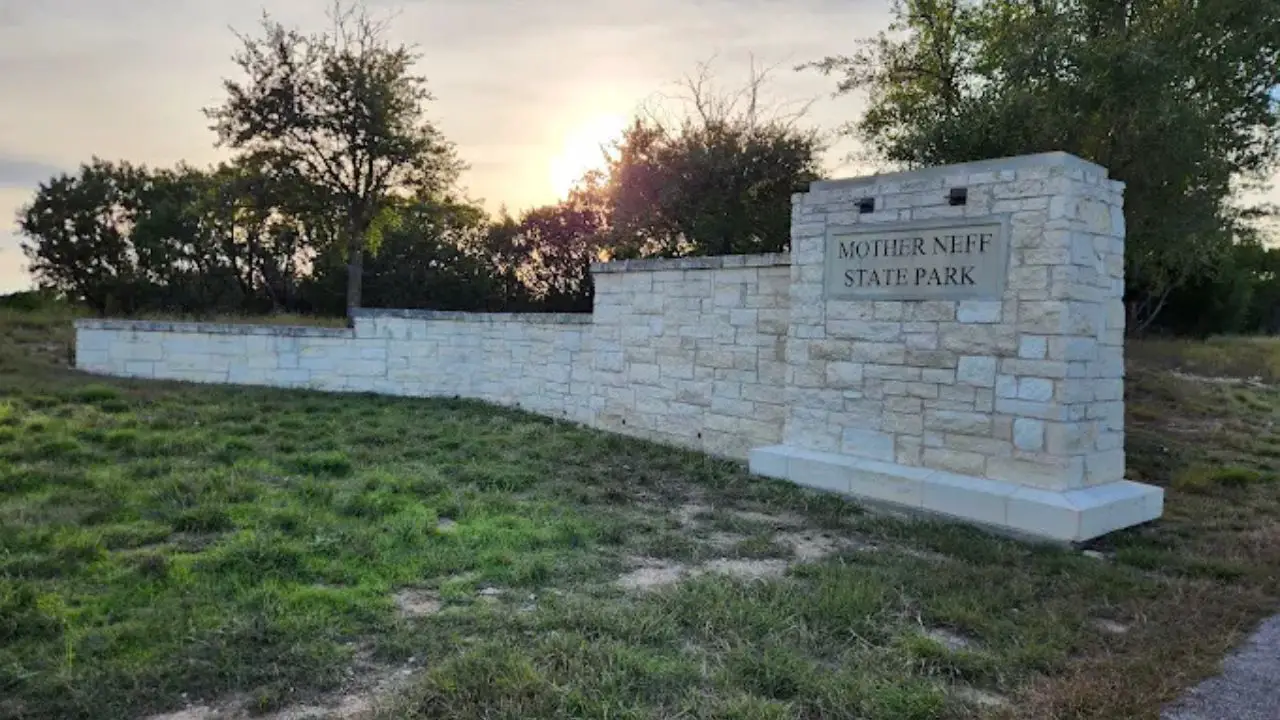
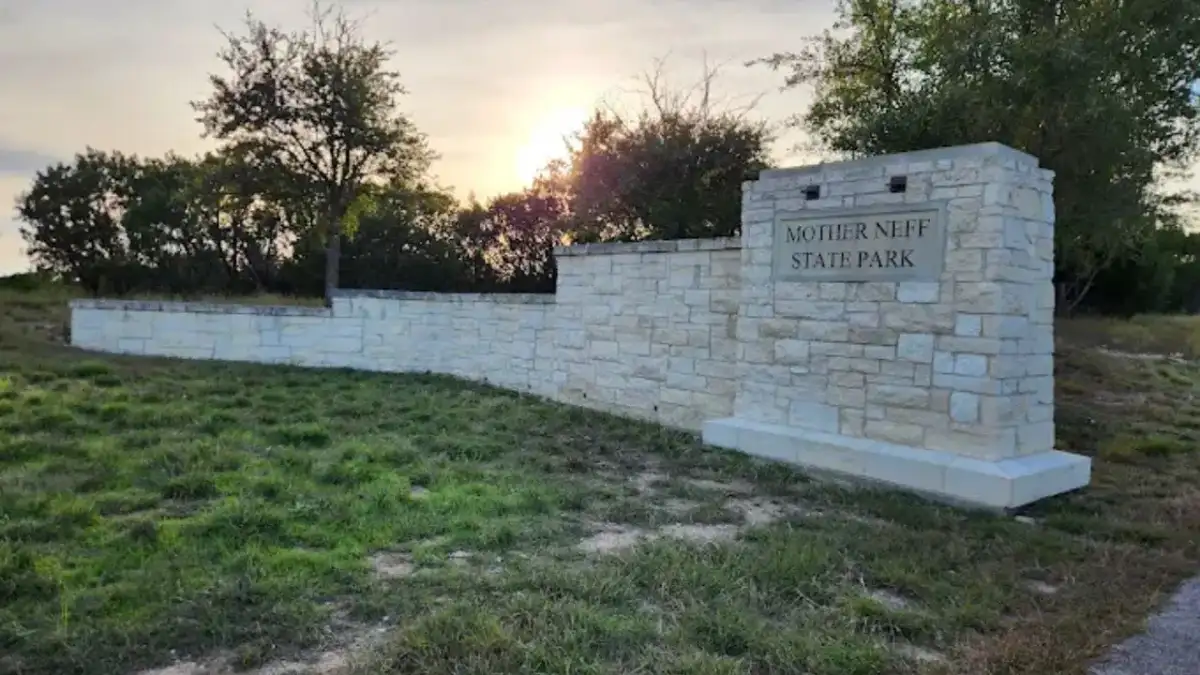
The scent of prairie grass and river silt greets you at the gate of Mother Neff State Park, a 259-acre sanctuary where Texas’ state park history actually began. This hidden gem near Moody is far more than a recreational spot; it is the legacy of Isabella Neff, whose 1921 donation sparked a movement that now spans over 80 parks across the Lone Star State.

You’ll walk through the very foundation of Texas conservation while climbing the historic stone lookout tower or exploring the limestone shelters of Tonkawa Cave.
Mother Neff State Park tours and day use are exceptionally popular, requiring daily entrance fees of just $2 for adults while offering a front-row seat to the CCC-crafted architecture and Leon River landscapes.
Below, you will find every tactical detail needed for a successful visit, from navigating the new flood-safe camping loop to discovering the “Stone Armadillo” and checking current river access restrictions. You’ll find similar adventure at Glen Rose’s famous Fossil Rim if you are planning a larger Central Texas road trip.
The Fascinating History of Mother Neff State Park
Mother Neff State Park is officially recognized as the first state park in Texas, established in 1921 on land donated by Isabella Neff. This 259-acre preserve along the Leon River served as the blueprint for the entire Texas state park system, which now includes over 80 public lands.
Isabella’s vision for a community park was realized by her son, Governor Pat Neff, and later solidified by the craftsmanship of the Civilian Conservation Corps (CCC).
To understand the park is to recognize its unique role as the “Seed of the System.” While other parks followed with larger acreages or more dramatic landscapes, Mother Neff remains the historical heart of Texas conservation. The stone architecture that defines the park today is a direct link to the 1930s era of public works and the Neff family’s commitment to preserving the riparian beauty of Coryell County.
Upon her death in 1921, Neff’s will bequeathed six acres of this riverfront property to the State of Texas, specifically for the creation of a park. At the time, the state didn’t even have a parks board to manage such a gift.
Her son, Pat Morris Neff, who would go on to serve as the 28th Governor of Texas, took up the mantle. He expanded his mother’s initial gift into what was then known as Neff Memorial Park, laboring to ensure that his mother’s love for the land became a permanent fixture for all Texans to enjoy.
This transition from a private family grove to a public treasure established the blueprint for every state park that followed in its wake.
Who was Isabella “Mother” Neff and Why Did She Donate Her Land?
Isabella Neff, affectionately known as “Mother Neff” by the residents of Coryell County, was a Virginia native who settled along the Leon River with her husband Noah in 1852. For the Neffs, the riverbank was the heart of their home, a place of shade and community in the often-harsh Central Texas climate.
Her decision to donate the land was born of a deep-seated belief that nature should be shared, especially the unique riparian corridor that provided life and relief to the local pioneer families.
When she died in 1921, her specific request to Governor Neff was to ensure the “religious, educational, and recreational” use of the site. Her son’s political influence later enabled the creation of the State Parks Board in 1923, making Mother Neff’s small riverfront parcel the “Seed of the System.”
By the time the park officially opened to the public in 1937, it had grown from her original six acres to a more robust preserve, eventually reaching its current size of 259 acres through further family and neighbor donations.
The CCC Legacy: Building a Park to Last Through the Centuries
While the Neff family gave the land its soul, the Civilian Conservation Corps (CCC) gave it its physical form. Between 1934 and 1938, Company 817—a group of over 200 young men seeking work during the Great Depression—arrived at the park.
These “Corpsmen” were tasked with building a park architecture that felt as if it had grown out of the earth itself, utilizing the “National Park Service Rustic” style that celebrates raw materials like native limestone and heavy timber.
You can still see the sweat and craftsmanship of Company 817 in the park’s most enduring features. They hand-carved the limestone blocks for the Rock Tower, a structure that once served as a water tank but now stands as a primary lookout point.
They also constructed the Rock Tabernacle, a massive open-air pavilion designed to host the community gatherings Isabella Neff loved so much. These men were often taught their trades by “Local Experienced Men” (LEMs), ensuring that the park wasn’t just built for the community, but by the community, creating a lasting monument to 1930s resilience.
Exploring Mother Neff State Park: Hiking Trails and Things to Do
Exploring Mother Neff State Park offers a mix of historic architecture and nature observation across 3.5 miles of dedicated hiking trails. The park is famous for its CCC-era stone structures, including a massive lookout tower and the Tonkawa Cave rock shelter, which was used by indigenous tribes in the 1800s.
The park’s compact size makes it possible to see every major landmark in a single afternoon, even if you are focused on birding, photography, or family play. Mother Neff might be small, but its recreational density is high.
You can spend an hour analyzing the mason’s marks on the CCC structures or sit quietly near the Wash Pond to catch a glimpse of the migratory birds that use the Leon River as a flyway. The park’s grand reopening in 2015 introduced modern facilities, including a Visitor Center that houses interactive exhibits on the Tonkawa tribe and the park’s frequent battles with the river.
You’ll find similar architectural beauty in Lake Brownwood’s historic CCC architecture if you enjoy this era of park design.
Must-See Landmarks: From the Rock Tower to Tonkawa Cave
The park’s historic landmarks are concentrated along the limestone escarpment and the higher prairie ground. These sites represent a timeline of human history in the region, from the prehistoric usage of the rock shelters to the 1930s efforts of the Civilian Conservation Corps.
Below is a quick guide to the primary landmarks you can reach via the park’s main trail spurs.
| Landmark | History & Significance | Access Difficulty |
|---|---|---|
| CCC Rock Tower | Built 1934; former water tank and current observation deck. | Easy (Short walk) |
| Tonkawa Cave | Rock shelter used by the Tonkawa tribe and prehistoric hunters. | Moderate (Uneven terrain) |
| Rock Tabernacle | Massive stone pavilion designed for community meetings. | Easy (Paved approach) |
| Stone Armadillo | Hand-carved nature play structure for children. | Easy (Near HQ) |
The defining silhouette of Mother Neff is the CCC Rock Tower. Standing on the park’s higher ground, this rugged stone skyscraper was built to endure, and its observation deck provides the primary view of the surrounding Central Texas valley.
It is a short walk from the main parking area, making it an easy first stop for anyone looking to get their bearings. Note that the tower is closed during severe weather, but on clear days, it serves as the perfect vantage point for photographers looking to capture the park’s transition from forest to prairie.
Deeper into the park’s limestone escarpment lies Tonkawa Cave. This isn’t a deep, subterranean cavern, but rather a “rock shelter”—a massive overhang that has provided refuge for humans for thousands of years.
Archaeological records indicate that the Tonkawa tribe used this specific shelter in the 1800s, but evidence of habitation here stretches back much further. Standing under the cool shade of the overhang, you can easily imagine the prehistoric hunters who once used this spot as a base for tracking bison and deer through the Leon River valley.
Hiking Mother Neff: Best Trails for Families and Nature Lovers
The park’s 3.5-mile trail system is remarkably efficient, packing a lot of scenery into a small footprint. Most trails are rated as easy to moderate, though some segments near the canyons feature steep rocky inclines and uneven footing.
If you are visiting with children, the trail leading to the “Stone Armadillo” is a mandatory stop; it’s a natural playground where kids can climb on a massive stone sculpture while learning about the park’s local fauna. For a longer trek, the Prairie Loop takes you through 20 acres of restored native grasslands that explode with color during the spring wildflower season.
The trail to the Wash Pond is another local favorite, offering a peaceful, aquatic contrast to the park’s drier uplands. This small, permanent pond was once used by early settlers for washing laundry, but today it is a critical watering hole for local wildlife.
Keep your eyes peeled for painted buntings and golden-cheeked warblers in the surrounding hardwoods, much like the birding experiences at Lake Arrowhead’s prairie landscapes. Always check the trail map at headquarters before heading out, as riverfront segments can be temporarily closed if the Leon River is running high or if recent flood cleanup is in progress.
Camping at Mother Neff State Park: Full Hookups, Cabins, and Flood-Safe Sites
Camping at Mother Neff State Park changed significantly in 2015 with the opening of 20 full hookup campsites situated high above the 100-year floodplain. These modern RV sites include water, sewer, and 50/30-amp electricity for $25 per night, ensuring a dry and safe stay even when the Leon River experiences seasonal flooding.
While the park’s original 15 tent sites in the bottomlands remain prone to closures, the upper camping loop provides a reliable hub for your overnight stays year-round.
Camping at Mother Neff State Park was transformed in 2015 when the park opened its new, modern camping loop. Historically, camping at the park was a risky proposition due to the frequent flooding of the Leon River bottomlands.
To solve this, park planners designed a new loop situated high above the 100-year floodplain. This means that even when the riverfront areas are underwater, the primary camping facilities remain open and dry, provided you are staying in the RV loop rather than the primitive bottomland sites.
You’ll find that the 20 full-hookup sites are among the highest-quality options in the Central Texas region. These sites include 30-amp and 50-amp electricity, water, and sewer connections, all on level cement pads that make setup efficient.
Each site is equipped with a fire ring and a picnic table, and the loop itself is situated near the newer restroom and shower facilities. At $25 per night, these sites represent an incredible value for you as you look for a quiet, historic basecamp between Waco and Temple.
Navigating the New Camping Loop Above the Floodplain
The high-ground RV loop is the Jewel of Mother Neff’s modern infrastructure. Because it was built with modern RV sizes in mind, the sites are spacious and easy to back into, a rarity in older CCC-era parks.
The loop also features a large communal gathering area with a fire pit, perfect for groups or families traveling together, similar to the well-organized sites at Lake Bob Sandlin’s camping facilities. Reservations for these 20 sites go fast, often months in advance for spring and fall weekends, so using the TPWD reservation portal as early as possible is essential for anyone hoping to snag a spot in this sought-after loop.
When you arrive, you will find that the hookup sites are well-distributed to provide a degree of privacy, despite the loop’s open-prairie setting. However, because the loop is on higher ground, it can be more exposed to the wind than the older, forested sites.
We recommend bringing extra stakes for your awnings and a dedicated shade tent if you plan to spend most of your day at the campsite. The nearby restroom facility also includes a dishwashing station, which is a major convenience for those who prefer to do their cooking outdoors.
Lodging Options: Cabin Stays and Group Facility Details
If you aren’t an RV traveler but still want to stay overnight, Mother Neff offers a lodge facility that includes a nearby campsite. This is a great middle-ground for families who want a solid roof over their heads but still want the outdoor campfire experience.
The lodge is a historic structure that echoes the CCC aesthetic and provides a more climate-controlled environment than a standard tent. Be sure to call the park headquarters directly to verify the current amenities and bed configurations, as these historic lodges are maintained with a focus on preserving their original character.
For larger groups, the park’s group facilities—when open—are legendary. The Rock Tabernacle and the recreation hall were designed specifically for the massive community gatherings that Isabella Neff once hosted.
As of 2026, some of these pavilions may have restricted access due to ongoing flood repairs or structural preservation work. [CHECK CURRENT PAVILION AVAILABILITY AT: https://tpwd.texas.gov/state-parks/mother-neff/fees-facilities/group-facilities].
If you are planning a family reunion or a wedding, these stone structures provide a backdrop you simply won’t find anywhere else in the Texas park system.
Flora, Fauna, and the Leon River Landscape
The Leon River is both the lifeblood and the greatest challenge of Mother Neff State Park. Flowing along the park’s south and west boundaries, the river creates a lush riparian corridor filled with ancient pecans, elms, and oaks.
This bottomland forest provides critical habitat for white-tailed deer, armadillos, and an impressive array of bird species. However, the Leon River is also notoriously dynamic; it can rise several feet in a matter of hours after a heavy rain upstream, reshaping the trails and occasionally depositing massive layers of silt across the park’s lower elevations.
Moving away from the river, the landscape transitions into the limestone escarpments that characterize the Edwards Plateau. Here, the flora becomes more arid-adapted, with juniper and scrub oak clinging to the rocky canyon walls.
Finally, the highest points of the park open up into the Washita prairie. The TPWD Nature guide confirms that park staff members are currently engaged in a massive prairie restoration project, removing invasive grasses and reintroducing native species like big bluestem and Indian grass.
Wildlife Spotting: Birds and Pollinators of the Washita Prairie
Birdwatchers often flock to Mother Neff for its unique position on the edge of the Texas Hill Country. The mix of river bottomlands and open prairie makes it a magnet for both forest-dwelling songbirds and grassland species.
If you visit in the spring, the prairie sections are teeming with pollinators, including monarch butterflies and several species of native bees. The park provides a “Bird Checklist” at headquarters, and we highly recommend downloading the digital version before your hike to help identify the 200+ species that have been recorded within the park boundaries.
Mammals are also abundant, though they are most active during the early morning and late evening hours. It is common to see raccoons, opossums, and the park’s unofficial mascot, the nine-banded armadillo, rooting through the underbrush.
While the predators like bobcats and coyotes are present, they are incredibly elusive and rarely seen by you. For the best chance at wildlife photography, head to the Wash Pond at dawn; the still water and dense cover provide the perfect stage for the park’s more secretive residents.
The Leon River: Why Swimming and Fishing Are Currently Restricted
Questions about whether you can swim or fish in the Leon River at Mother Neff are common. Traditionally, you could, but in 2026, you must act with caution.
Due to the river’s frequent flooding and the resulting accumulation of debris and hazardous silt, swimming and fishing are frequently suspended for safety reasons. The river current can also be deceptively strong, making it dangerous for those unfamiliar with the Leon’s local hydrology.
[CHECK CURRENT RIVER ACCESS ON THE ALERTS PAGE: https://tpwd.texas.gov/state-parks/mother-neff/alert].
Even when the water looks inviting, the park often keeps the riverfront closed to allow for bank stabilization and the removal of “strainers”—fallen trees that can trap swimmers and kayakers underwater. If the river is closed, don’t let it ruin your trip.
The park’s upland attractions like the Rock Tower and the prairie trails offer plenty of excitement that isn’t dependent on water access. We recommend checking the park’s Facebook page or calling headquarters on the morning of your visit for the most up-to-the-minute report on river conditions.
Planning Your Trip: Fees, Reservations, and Logistics
Planning a trip to Mother Neff State Park requires an $2 entrance fee for adults, while children 12 and under are admitted for free. Because of the park’s limited size and high demand, “Save the Day” reservations are highly recommended for both day use and camping.
These reservations guarantee entry during the busy spring and fall seasons. The park is located in Moody, Texas, approximately 35 miles southwest of Waco and 25 miles north of Temple.
Mother Neff State Park is a highly affordable day-trip option in Central Texas, but the small footprint means it reaches capacity almost every weekend from March through June. The daily entrance fee is $2 for adults (ages 13 and up), which is lower than larger parks like Garner or Enchanted Rock.
Children 12 and under are always free, making it a budget-friendly destination for young families. To guarantee entry, you must use the TPWD online reservation system to purchase a “Save the Day” pass before you arrive.
| Facility Type | Quantity | Nightly Fee |
|---|---|---|
| Full Hookup RV Site (W/E/S) | 20 | $25 |
| Tent Site (Water Only) | 15 (Often Closed) | $12 |
| State Park Admission (Adult) | N/A | $2 |
| State Park Admission (Child) | N/A | Free |
How to Secure a Mother Neff Reservation
Follow these steps to ensure you have a spot for your visit. The park’s small footprint means it often sells out weeks in advance for prime weekends.
- Visit the TPWD Online Reservation System at least 30 days before your intended visit.
- Select “Day Use” for a single-day pass or “Camping” for overnight stays.
- Enter your vehicle information and the number of people in your party.
- Print your confirmation or keep the digital PDF on your phone for check-in at the Headquarters building.
The park is located at 1921 Park Road 14 in Moody, approximately 35 minutes southwest of Waco. Navigating to the park is straightforward, but be aware that some GPS systems may try to lead you to the “South Gate,” which is currently closed indefinitely.
Stay on the main roads and follow the official brown state park signs to the main Entrance Headquarters. The Visitor Center is typically open from 9 a.m. to 4 p.m., though it often closes for an hour during lunch on weekdays.
Plan your arrival accordingly if you need to speak with a ranger or buy a souvenir. Note that headquarters staff can also provide physical paper maps if your digital connection is weak in the river bottomlands.
Entrance Fees and Park Pass Information for 2026
In addition to the standard daily fees, Mother Neff State Park is a perfect place to use your Texas State Park Pass. If you plan on visiting more than four or five state parks a year, the $70 annual pass covers entry for everyone in your vehicle for a full 12 months.
At Mother Neff, the pass holder just needs to show their digital or physical card at the headquarters to receive their entry permit. While the pass covers the entry fee, it does NOT guarantee entry if the park is at capacity, so the “Save the Day” reservation is still a recommended step during the busy spring season.
For those looking to save even more, consider visiting on a weekday. Tuesday through Thursday are often the quietest days at the park, offering a much more “private” experience of the CCC landmarks and trails.
If you are an RV camper, remember that your $25 camping fee includes the hookups but is in addition to the $2 daily entrance fee per person. However, if you have the State Park Pass, those daily entrance fees are waived for everyone in your rig, which can add up to significant savings on a multi-day camping trip.
Adaptive Accessibility: All-Terrain Wheelchair Rentals
Mother Neff State Park is a leader in the TPWD’s push for inclusivity. A dedicated service offered here is the rental of all-terrain wheelchairs, including the GRIT Freedom Chair.
These specialized chairs allow you to navigate the park’s unpaved and occasionally rugged trail system if you face mobility challenges. The park has both an adult-sized chair and a junior-sized chair available for use on a first-come, first-served basis.
The 2015 reconstruction also prioritized accessibility in the main facilities. The Park Headquarters, Visitor Center, and the campsites in the new loop meet ADA standards, with level pathways and accessible restroom facilities.
Even the “Stone Armadillo” playground and parts of the trail to the CCC Rock Tower were built with accessibility in mind. This commitment to inclusivity ensures that the legacy of “Mother Neff” remains open to every Texan, regardless of their physical ability.
Mother Neff Visitor Guide: What to Pack and When to Visit
Timing your visit to Mother Neff is all about balancing the weather and the crowds. The “Busy Season” is officially Spring (wildflowers!) and early Fall (mild temperatures).
If you can brave the July heat, you will have the park mostly to yourself, but be warned that the upland sections can be punishingly hot with limited shade. The best months for hiking are typically March, April, October, and November.
During these windows, you’ll get the best of the Washita prairie’s color and the most comfortable temperatures for climbing the Rock Tower.
When packing for your trip, think “tactical utility.” The park store has basic supplies, but you should arrive prepared with these essentials:
- Sturdy Footing: Even the easy trails have limestone steps that can be slippery when wet. Wear hiking boots with good grip.
- Hydration: There is no water on the trails. Bring at least one liter per person, especially if
heading to the Prairie Loop. - Shade: The new camping loop and prairie trails are very open. A wide-brimmed hat and sunscreen are mandatory.
- Binoculars: For birding and for the view from the top of the CCC Rock Tower.
- Insect Repellent: The river bottomlands are a haven for mosquitoes and ticks during the humid months.
Mother Neff is a small park, but its impact on the Texas spirit is massive. By planning ahead and respecting the dynamic nature of the Leon River, you’ll find that this slice of Moody is a rewarding stop on any Texas road trip.
Take your time to read the markers, climb the tower, and remember that you are standing in the very place where the story of Texas State Parks began. You can continue your historic journey by visiting Fort Parker State Park which is only a short drive away and offers even more insight into early Texas life.
Frequently Asked Questions About Mother Neff State Park
What is Mother Neff State Park most famous for?
Mother Neff is famous as the first state park in Texas, established in 1921. It is also well-known for its historic CCC architecture, particularly the stone water tower and tabernacle, which were built during the Great Depression.
The park serves as a monument to the birth of the Texas state park system and the legacy of Isabella Neff and her son, Governor Pat Neff.
Can I swim in the Leon River at Mother Neff?
As of 2026, swimming is currently unavailable at Mother Neff State Park due to river conditions and flood cleanup. The Leon River is prone to high bacteria counts and hazardous debris after rain events, making the water unsafe for recreation.
Always check the park’s official alert page before your visit for the most current updates on water access and safety restrictions.
Are dogs allowed at Mother Neff State Park?
Yes, dogs are allowed in most areas of Mother Neff State Park, provided they are on a leash no longer than six feet at all times. Pets are not permitted inside any buildings or historic lodges to preserve the integrity of the structures.
Remember to bring plenty of water for your dog, as the upland trails can be quite hot and have no natural water sources available.
Who actually owns Mother Neff State Park?
Mother Neff State Park is owned and operated by the Texas Parks and Wildlife Department (TPWD), a state agency. It was originally a private family park founded by the Neff family before being formally deeded to the State of Texas in Isabella Neff’s 1921 will.
It remains a public treasure managed under the same system it helped create over a century ago.
Is there a playground for kids at the park?
While there is no traditional metal playground, the park features a unique “Stone Armadillo” sculpture and nature-themed play area near the limestone escarpment. This area encourages children to climb and interact with natural stone elements while learning about the armor-plated mammals native to the region.
It is a popular stop that combines outdoor play with a bit of local natural history.
How far is Mother Neff State Park from Waco?
Mother Neff State Park is located approximately 32 miles southwest of Waco, Texas. The drive typically takes between 35 and 45 minutes via I-35 and local park roads, making it an easy day-trip destination.
It is also within a 30-minute drive of Temple, serving as a primary nature escape for residents across the greater Central Texas area.