Lake Somerville TX: Camping, Fishing, and Trailway Guide
Lake Somerville TX is one of the most useful Texas Parks and Wildlife lakes for a camping-and-fishing trip because the park complex combines Birch Creek, Nails Creek, the Trailway, shoreline angling, birding, and overnight stays between Houston and Austin. Current TPWD alerts include a burn ban, a closed Birch Creek fishing pier, Birch Creek pavilion closures, a closed Nails Creek boat ramp, and Trailway bridge outages, so the best visit starts with a status check.
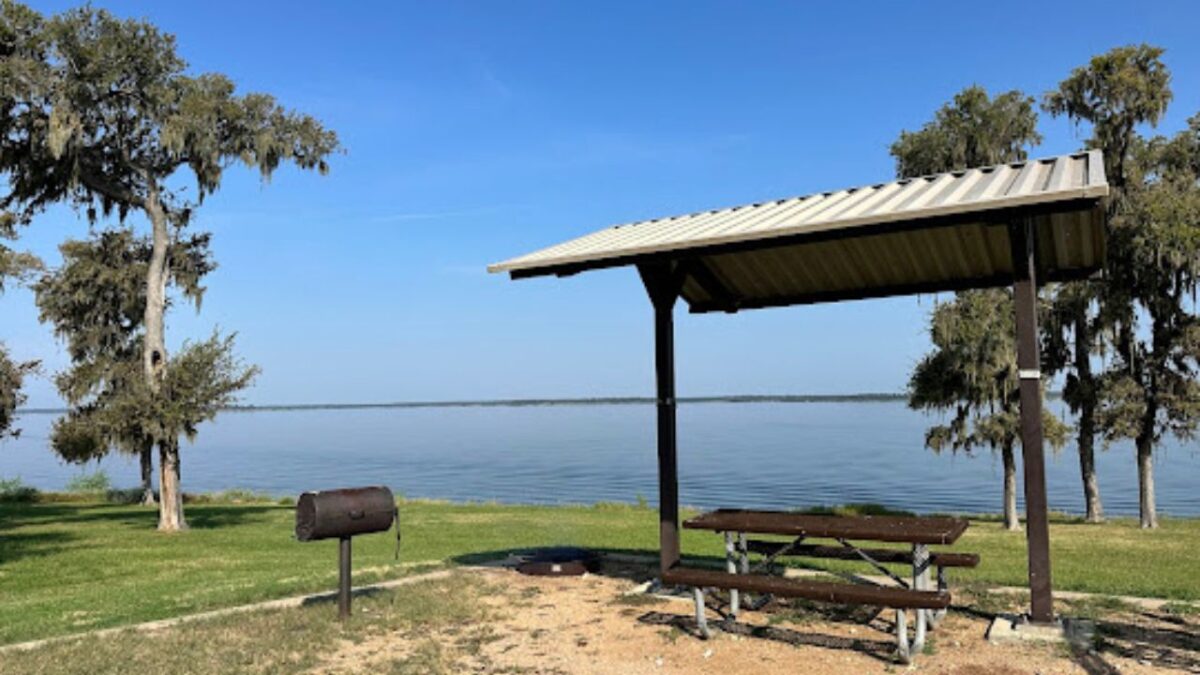
According to TPWD, the lake complex includes Birch Creek, Nails Creek, and the west-end Trailway around Yegua Creek. That layout is why the park works for camping, fishing, and trail time in one trip instead of one narrow lake activity.
The lake also works for people comparing it with other Texas water destinations. Readers who want a broader lake roundup can use the site’s best fishing lakes in Texas guide, while travelers who want a park-by-park comparison can pair this page with TPWD’s official Lake Somerville overview, fees, camping, and Trailway pages.
| Quick fact | Current Lake Somerville TX detail |
|---|---|
| Official name | Lake Somerville State Park & Trailway |
| Reservoir size | 11,456 acres |
| Maximum depth | 38 feet |
| Location | On Yegua Creek in Burleson, Lee, and Washington counties, about 25 miles southwest of Bryan/College Station |
| Main units | Birch Creek Unit and Nails Creek Unit |
| Hours | Open daily from 6 a.m. to 10 p.m. |
| Adult entry fee | $5 per person |
| Other day-use fees | Senior citizens $3; children 12 and under free; equestrians $2 |
| Busy season | First weekend in March through Fourth of July |
| Watercraft rentals | No longer available at the park |
| Fishing rule | No fishing license is needed for shore fishing inside the state park; boat fishing still requires one |
| Current alerts | Burn ban, Birch Creek pavilion closures, Birch Creek fishing pier closure, Nails Creek boat ramp closure, Trailway bridge outages |
Lake Somerville TX at a Glance
Lake Somerville sits in a practical middle ground for Texas travelers. It is close enough to Bryan/College Station for a day trip, but large enough to feel like a true reservoir outing with camping, shoreline access, and a trail system that rewards longer stays.
TPWD describes the reservoir as an impoundment of Yegua Creek. Rolling shoreline, marshes, duck ponds, and wildlife habitat ring the west end of the water.
Anglers can focus on white bass, crappie, and catfish. Campers can choose electric sites or trailway camping.
Birders can move toward Flag Pond and the wetland edges, and horseback riders can use the Trailway corridor.
For readers comparing Lake Somerville with other Texas parks, the site’s top 10 best state parks in Texas list is a useful second stop. Lake Somerville fits that broader state-park conversation because it combines water access with a stronger trail network than many simple lake parks.
TPWD’s official park overview is here: Lake Somerville State Park & Trailway overview. The alert page is also worth checking before departure because the park has active closures and maintenance-related restrictions: Lake Somerville alerts.
Things To Do at Lake Somerville
Lake Somerville works best when the trip is built around one or two clear goals instead of trying to cover every activity in a single day. The park supports fishing, boating, paddling, hiking, biking, horseback riding, birdwatching, picnicking, and camping, and that list gives the reservoir enough range for both quick visits and weekend stays.
- Fishing: Shoreline access and the spillway make short casting sessions easy to fit into a day.
- Boating: The reservoir supports motorboats and small-watercraft outings when lake conditions are favorable.
- Paddling: Calm stretches around the coves and shorelines work well for kayaks and canoes.
- Birding: TPWD lists waterfowl, quail, white-tailed deer, fox, coyote, bobcat, river otter, raccoon, and alligator in the park’s wildlife mix.
- Trail use: The Trailway adds a separate hiking, mountain biking, and horseback riding experience.
- Camping: Electric sites, trailway camps, and equestrian options turn the lake into a true overnight destination.
The wildlife and landscape combination is one of Lake Somerville’s strongest traits. Spring wildflowers are part of the park identity, and the rolling ground around the units gives visitors a more varied view than a flat shoreline park usually offers.
Readers who want a lake day centered mainly on water access can compare this park with other Texas fishing-lake guides. Lake Somerville belongs in that conversation because the reservoir supports both shoreline fishing and open-water angling without forcing the visit into one narrow activity.
TPWD’s park overview summarizes the lake, the units, and the recreation mix in one place: TPWD Lake Somerville overview.
Lake Somerville Fishing and Water Time
Fishing is one of the simplest reasons to go to Lake Somerville. TPWD identifies white bass, crappie, largemouth bass, and catfish among the park’s regular catches, and the lake’s structure supports both shoreline casting and boat-based searching for fish.
That mix matters because Lake Somerville is not a one-species reservoir. Anglers can work the shore, the spillway, or deeper water depending on season and conditions.
Birding and Wildlife at Lake Somerville
Birding is a strong second reason to visit. The wetlands, duck ponds, and pond edges around the lake create a setting where waterfowl and other wildlife are part of the normal landscape rather than an occasional surprise.
Travelers who want a quiet nature stop can use the shoreline and the Trailway as separate ways to slow the day down. That is especially useful in spring, when the park’s wildflowers and greener shoreline can make the whole reservoir feel more layered than a basic lake stop.
Birch Creek Unit vs Nails Creek Unit
Lake Somerville’s two main visitor bases feel similar at the level of scenery, but they serve different trip styles. Birch Creek usually suits visitors who want a more straightforward camping setup and closer access to the core park facilities, while Nails Creek suits visitors who want a quieter, trail-forward stay with stronger equestrian energy.
| Unit | Best fit | Practical detail |
|---|---|---|
| Birch Creek Unit | First-time Lake Somerville campers, family trips, day-use visitors | 99 electric campsites, the main easy-entry camping cluster, and the most obvious starting point for many visitors |
| Nails Creek Unit | Quieter camping, trail users, horseback riders | 20 electric campsites and stronger direct connection to the Trailway and equestrian use |
| Best for fishing | Both units work | Shore access and launch access matter more than unit identity on most days |
| Best for trail time | Nails Creek edge and the Trailway corridor | The west-end trail system links the lake experience to hiking, biking, and horses |
Birch Creek is the easier place to picture for a first Lake Somerville weekend. The unit holds the largest camping cluster, and the park’s current alert list, while important, does not change the basic fact that Birch Creek is the primary anchor for a broad mix of visitors.
Nails Creek has the smaller campsite inventory and the stronger trail and horse access. It fits visitors who want a quieter Lake Somerville base.
The unit also works well for visitors who want to start with one campground and spend most of the day outside the vehicle. The smaller scale makes it easier to keep the trip centered on the lake and the Trailway instead of on moving between busy park features.
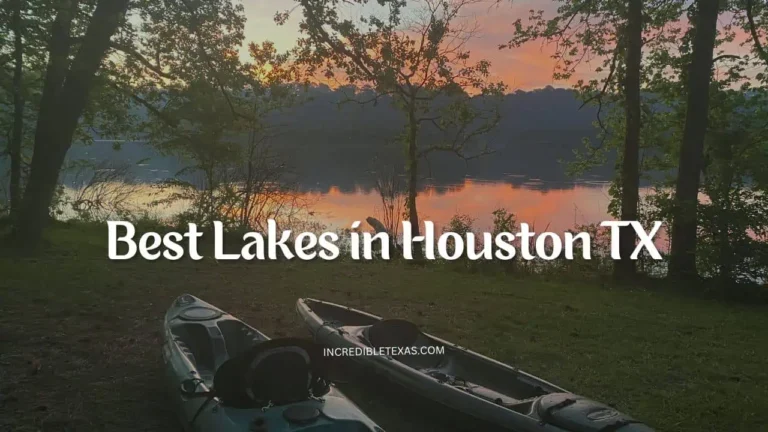
Readers comparing Lake Somerville with a different Texas lake weekend can also look at the site’s best lakes in Houston for camping and fishing coverage. That guide places Lake Somerville in the same practical travel lane as other overnighters that combine water, camping, and easy planning.
Which Unit Fits Which Trip?
- Choose Birch Creek for the easiest first visit, the largest camping inventory, and the most obvious day-use base.
- Choose Nails Creek for a quieter stay and a better trail and horse-riding orientation.
- Choose both when the trip includes one night on each side or a full Trailway-focused weekend.
That split is useful because Lake Somerville is not really a one-size-fits-all park. The two units create a small planning decision up front, and the visit usually improves when that decision matches the trip’s real pace.
Lake Somerville Camping, Hours, Fees, and Reservations
TPWD lists the park as open daily from 6 a.m. to 10 p.m., and the adult day-use fee is $5.
Seniors pay $3, children 12 and under enter free, and equestrians pay $2.
The busiest stretch runs from the first weekend in March through Fourth of July, which is a strong clue that advance reservations matter. TPWD also notes that the park often reaches capacity, so a last-minute drive-in plan can work only when availability is checked first.
| Fee or stay type | Current TPWD detail |
|---|---|
| Day use | Adults $5, seniors $3, children 12 and under free, equestrians $2 |
| Park hours | Open daily, 6 a.m. to 10 p.m. |
| Peak season | First weekend in March through Fourth of July |
| Birch Creek electric campsites | 99 sites, $20 nightly, 8 people per site, 50-amp and 30-amp hookups |
| Nails Creek electric campsites | 20 sites, $20 nightly, 8 people per site |
| Primitive trailway camp | Wolf Pond group camp, 16 people, $20 nightly, walk-up only |
| Hike-in primitive site | Trailway primitive group camping available near the lake’s west-end corridor |
Birch Creek has 99 electric sites divided among the Yaupon, Post Oak, and Old Hickory areas.
Nails Creek has 20 electric sites in the Cedar Creek camping area.
Current alerts can close specific facilities even when the park remains open.
The park also includes trailway camping. Wolf Pond Group Camp sits four miles from Birch Creek and is reached on foot, bike, or horse via the Trailway.
It cannot be reserved in advance, which makes it a simple walk-up option for a more remote setup than the main campground loops.
Two official TPWD pages are the best planning references for this section: entrance fees and campsites. The pricing and availability matter because Lake Somerville behaves more like a busy weekend park than a low-demand drive-up stop.
For statewide fishing and park access context, the site’s Texas fishing permits and regulations guide is a helpful companion because Lake Somerville allows license-free shoreline fishing inside the park but still expects anglers to follow the rest of the Texas Outdoor Annual rules.
Camping Details That Matter
- Birch Creek electric sites: The larger inventory and 50-amp options make this the easiest default campsite cluster.
- Nails Creek electric sites: A smaller and quieter alternative that still keeps standard park camping amenities.
- Trailway camping: Better for visitors who want to build the trip around hiking, biking, or horse travel.
- Reservations: Strongly recommended during the busiest travel windows and whenever holiday weekends approach.
Lake Somerville Fishing, Boating, and Shore Access
Fishing is one of the most dependable reasons to go to Lake Somerville. TPWD lists white bass, crappie, largemouth bass, and catfish among the regular catches, and the lake’s layout gives anglers several ways to work the water without making the day complicated.
Shore fishing is a major advantage here because park-bound anglers do not need a Texas fishing license while fishing inside the state park. Boat fishing is different, so anglers who plan to launch outside the park or fish beyond the park boundary still need to follow Texas licensing rules.
TPWD also notes that fishing gear is available to loan at the park. That detail makes Lake Somerville more approachable for casual anglers or families who want a simple first fishing trip without a major equipment run.
Watercraft rentals are no longer available at the park, so visitors who want to paddle or boat need to bring their own equipment or make separate plans outside the park system. That is an important change for anyone expecting an on-site kayak or canoe rental counter.
The park’s current alert list also affects water planning. The Nails Creek boat ramp is closed, the Birch Creek fishing pier is closed, and the lake is under a burn ban, so the easiest trip starts with the facilities that are still open and with a backup plan for shoreline fishing or land-based activity.
For anglers comparing water destinations across the state, Texas fishing permits and regulations still shape trip planning. Lake Somerville belongs in that mix because the reservoir offers a strong balance of shore fishing, open-water fishing, and general park access.
TPWD’s shoreline fishing guidance is built into the park overview.
What Anglers Usually Need To Know
- Shoreline fishing: Allowed inside the park without a fishing license.
- Boat fishing: Still subject to Texas fishing license rules.
- Species: White bass, crappie, largemouth bass, and catfish are regular targets.
- Gear: Park loaner fishing gear helps first-time visitors and families.
- Boat access: Use current TPWD alerts before heading to any ramp or pier.
Lake Somerville Trailway, Hiking, Biking, and Horses
The Trailway gives Lake Somerville its biggest edge over a simple lake-and-campsite stop. TPWD’s Trailway page describes the system as a connector between Birch Creek and Nails Creek with about 26 miles of interconnected trails and loops around the west end of the lake, and the trails are open to hikers, mountain bikers, and horseback riders.
That trail network changes the feel of the park. Instead of treating the lake as a single point on the map, visitors can move through woods, overlooks, and water crossings while staying inside the same park system.
TPWD also notes that permits are obtained at either unit headquarters, equestrian parking is allowed at the access gates on CR 125 and CR 140, and the Trailway supports primitive camping stops such as Wolf Pond and Flag Pond. Those details make the trail system useful for serious users as well as casual day hikers.
Flag Pond is especially useful as a planning marker. The Trailway page places it roughly 4 miles from Nails Creek and 9 miles from Birch Creek, and the observation center gives the area a defined wildlife-viewing stop instead of a vague trail segment.
Current alerts matter here too. Trailway bridges over Nails Creek and Yegua Creek near Newman Bottom are out, so travelers who want the full route need to check the latest conditions before they leave home.
The west-end trail system also links the two units into one larger recreation area. Visitors can treat the route as a single longer outing instead of several unrelated trailheads.
Flag Pond gives the trail system a second clear destination beyond the main unit headquarters. Birders and photographers can use the observation center as a fixed stop before heading back toward the campground loops.
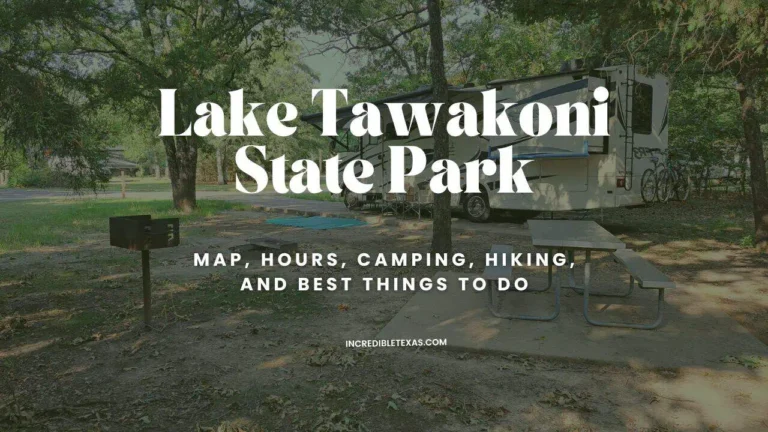
For a different Texas state-park lake weekend with a more straightforward setup, readers can compare Lake Somerville with Lake Tawakoni State Park. Lake Somerville is less about one central park building and more about the linked trail-and-lake system around its two units.
TPWD’s Trailway page covers the connector route, trail access, and trailway camping: Lake Somerville Trailway.
How The Trailway Changes a Visit
- Hikers can build a half-day route without leaving the park system.
- Mountain bikers get a longer, more varied route than a basic campground loop.
- Horseback riders have real park utility instead of a token riding area.
- Wildlife watchers can use overlooks and wetland edges as stopping points.
FAQ About Lake Somerville TX
Is Lake Somerville good for camping?
Lake Somerville is a strong camping lake because Birch Creek and Nails Creek both support electric sites, and the Trailway adds hike-in camping for visitors who want a more remote setup. Birch Creek is the easiest place to start, while Nails Creek works well for a quieter overnight stay.
Do visitors need a fishing license at Lake Somerville State Park?
Visitors do not need a fishing license for shore fishing inside the state park. Anyone fishing from a boat, or fishing beyond the park boundary, still needs to follow Texas license rules.
Which Lake Somerville unit is better, Birch Creek or Nails Creek?
Birch Creek is usually better for an easier first trip because it has the larger campsite inventory and the most direct park-style layout. Nails Creek is the better fit for visitors who want a quieter stay, more trail orientation, and a stronger connection to horseback riding.
Can visitors rent kayaks or boats at Lake Somerville?
No watercraft rentals are available at the park now, so visitors need to bring their own paddling or boating equipment. That makes planning a little simpler if the trip is centered on camping and shoreline use, but it removes the convenience of an on-site rental desk.
How long is the Lake Somerville Trailway?
TPWD’s Trailway materials describe the west-end trail system as about 26 miles of interconnected trails and loops connecting Birch Creek and Nails Creek. The main route is commonly referenced as the Lake Somerville Trailway, so visitors should plan for a longer trail system rather than a short paved loop.
What are the most important current alerts?
The biggest current planning issues are the burn ban, the Birch Creek pavilion closures, the closed Birch Creek fishing pier, the closed Nails Creek boat ramp, and the Trailway bridge outages. Those five items affect whether a trip should focus on camping, shoreline fishing, or trail use on a given day.
Final Take on Lake Somerville TX
Lake Somerville TX works best as a flexible state-park weekend rather than a one-note lake stop. The combination of camping, fishing, wildlife, and Trailway access gives the park a broader shape than a simple reservoir with a few ramps.
Birch Creek is the easier default for first-time visitors. Nails Creek is the better fit for quieter stays and trail-heavy trips.
Together, the two units make Lake Somerville one of the more complete lake-and-park options in central Texas.
Travelers who want more Texas park comparisons can keep the site’s state parks roundup and lake camping guide close by while planning. Lake Somerville belongs in both conversations because it delivers the mix of camping, fishing, and trail use that many Texas weekends are built around.