Huntsville State Park Guide: Hours, Camping, Trails & Lake Raven
Huntsville State Park is a year-round East Texas state park north of Houston, centered on 210-acre Lake Raven. The park combines pine-forest hiking, paddling, fishing, swimming, birding, camping, and a nature center, so a first visit can stay simple or turn into a full weekend.
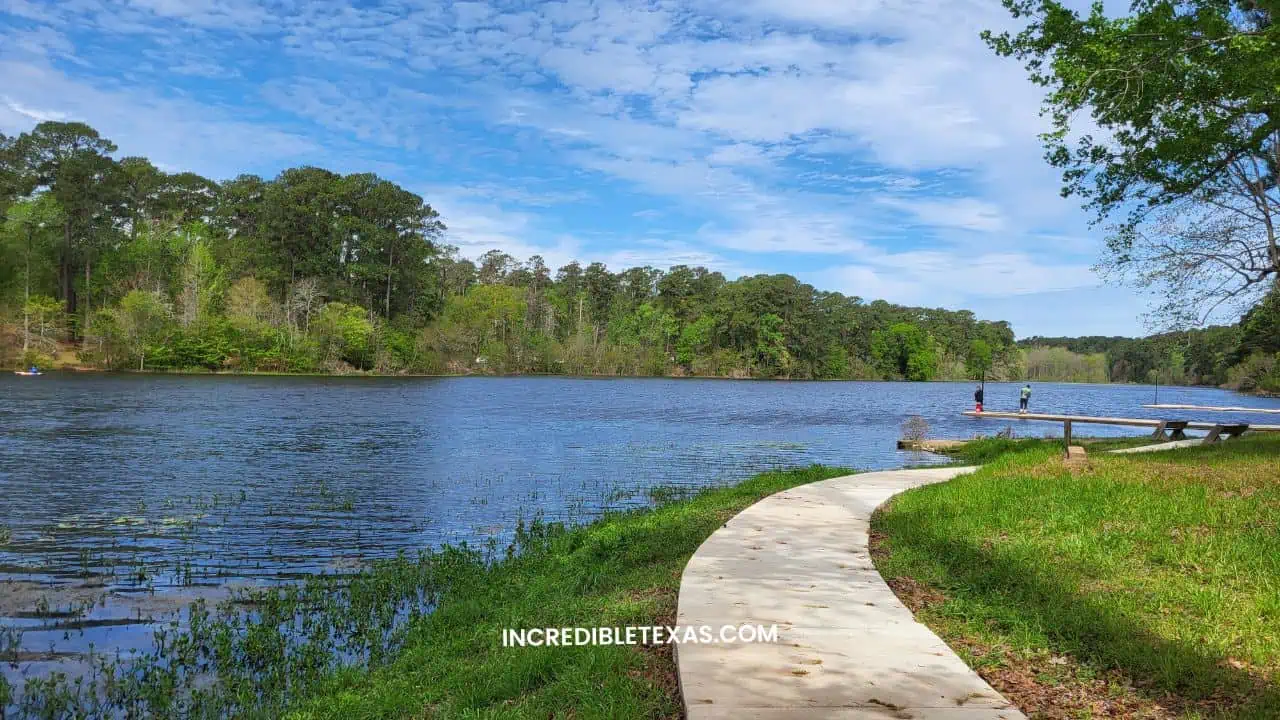
If you want a clean first-day order, start with the lake, walk a short trail, then decide whether the rest of the visit belongs to a campsite, the bird blind, or a picnic table near the water.
The park page shows active alerts, so a quick check before you leave is worth the minute. That is especially helpful on busy weekends, when the gate line and campsite demand can both rise fast.
| Quick fact | Current detail | Planning note |
|---|---|---|
| Address | 565 Park Road 40 W, Huntsville, TX 77340 | Easy to reach from the Houston side of the region |
| Hours | 6am to 10pm daily | Open year-round |
| Entry fee | $7 for ages 13+; children 12 and under free | Use the park pass if you visit often |
| Reservations | Texas State Parks reservation system online or by phone | Book early for camping and holiday weekends |
| Busy season | Mid-February to Thanksgiving | Demand rises during spring and fall |
| Nearest major city | Houston | Short drive north of the city |
| Pet policy | Leashed pets are allowed in outdoor areas | Pets are not allowed in park buildings |
The current park map lists the gate hours and entry details, and the fee page confirms the day-use price. Open the park map and directions before you drive out, then keep the entrance fees page handy if you are planning a family day or a repeat visit.
Huntsville State Park Hours, Fees, Address, and Reservations
The park opens daily from 6am to 10pm. It stays open year-round, so you can plan around weather and personal schedules without worrying about a seasonal closure getting in the way.
Admission is $7 for visitors age 13 and older, while children 12 and under enter free. The price works for a family day, an easy solo stop, or a quick overnight check-in before dinner in town.
The address is 565 Park Road 40 W in Huntsville, and the park sits as a short drive north of Houston. If you are building a weekend around the trip, the drive is short enough to leave room for a meal, a trail walk, and still have time left for sunset near the lake.
Reservations matter because the park often reaches capacity, especially during the busiest part of the season. Use the Texas State Parks reservation system online or by phone, then treat the booking as part of the plan instead of a last-minute extra.
Mid-February through Thanksgiving brings the heaviest demand, so spring weekends and fall weekends deserve extra attention. A flexible weekday visit is easier, but fixed dates are better handled with an advance booking and a backup plan.
Pets are welcome in outdoor areas if they stay leashed, but they cannot enter park buildings. A leash and water bowl help with store stops, restrooms, and ranger programs.
The park map page is the best place to confirm the current arrival details before you leave. It keeps the hours, address, and reservation reminder in one spot, which is exactly what you want when a trip starts before breakfast.
What Huntsville State Park Is Known For
Lake Raven is the center of the park experience, but the setting does more than frame a lake photo. East Texas pine trees, open water, and a steady stream of birds give the park a softer, quieter feel than a lot of roadside stops in the region.
The park page highlights 21 miles of trails, playgrounds, a bird blind, and a nature center. That mix is a big reason the park works for families, walkers, anglers, and people who just want a few hours outside without building a complicated itinerary.
Lake Raven is also useful because it gives you several trip styles in one place. You can fish, swim, paddle, or simply sit near the water, which keeps the day flexible even if the weather shifts or the group moves at different speeds.
Gator Junction adds a practical layer near the main visitor area. Camping supplies, groceries, cold drinks, ice, and basic park needs stay close at hand, which is convenient when the goal is to keep the outing low-stress.
If you want more Houston-area camping ideas after this stop, compare the park with best places for camping in Houston. Huntsville is more wooded and lake-centered than a lot of metro-area options, and that difference helps the park stand out.
The landscape also feels built for slower pacing. Pine needles, shaded trails, and water access make the park a good place to spend a morning before you decide whether to linger or move on to another stop.
That slower pace helps the park feel useful instead of busy. You can cover the core experience without turning the day into a long checklist.
Huntsville State Park Camping, Cabins, and Screened Shelters
Huntsville State Park gives campers several different choices instead of one generic loop. The full hookup sites, electric sites, water sites, screened shelters, and cabins each serve a different kind of stay.
| Stay type | Site count | Nightly rate | Best fit |
|---|---|---|---|
| Full hookup campsites | 23 | $25 | Larger rigs and longer stays |
| Campsites with electricity | 77 | $20 | Campers who want power and a lower price |
| Campsites with water | 54 | $15 | Simple tent camping with basic hookups |
| Screened shelters | 28 | $30 | A roof, airflow, and an easier setup |
| Cabins | 2 | $60 | Guests who want more comfort and less packing |
The campsite mix is useful because it lets different travelers share the same park without forcing the same setup. RV travelers can stay with hookups, tent campers can keep costs low, and mixed groups can still meet at the lake or on the trail.
Full hookup sites suit the longest stays and the largest rigs, but the smaller site types are not a downgrade. A water site or screened shelter can feel easier when the plan is one night, one trail loop, and an early exit the next morning.
Screened shelters are a practical middle ground when you want more shelter than a tent but less commitment than a cabin. They have water hookup, 30-amp and 50-amp hookup, an outdoor grill, a fire ring, and restrooms with showers nearby.
The cabins are even simpler to use. Each one has air conditioning, heat, a picnic table, an outdoor grill, a fire ring, and hookups outside, while the bathrooms stay nearby rather than inside the cabin itself.
Cabin guests should also note the deposit and pet rule. A refundable deposit is due at check-in, and pets are not allowed inside the cabins, so the stay works best for people who are fine with a more basic interior layout.
If your group is splitting between RVs and tents, the park can still work well. One side of the group can settle into hookups while the other keeps a lighter setup, and everyone can meet later at the pier or the picnic area.
Weekend campers need one more detail on the calendar. A minimum two-night stay applies to overnight facilities on Friday and Saturday nights, so a short Friday getaway may need a second night even when the plan feels simple.
If you want a different lake-camping comparison after Huntsville, compare the park with Lake Conroe parks for fishing and camping. Both areas work for water-focused weekends, but Huntsville leans more toward pine woods and a state-park feel than a resort-style setup.
Accessibility also matters for some travelers, and the park keeps that in mind. The accessibility page lists a wheelchair-accessible pier route, nature center access, and several accessible campsite options, which helps make the overnight and day-use spaces easier to use.
Huntsville State Park Trails, Lake Raven, and Water Activities
The trail and water side is where the park really starts moving. With 21 miles of trails, a lake at the center, and a shoreline setup that supports several kinds of recreation, the visit can lean active without feeling crowded or overbuilt.
A short trail loop is often enough for a first trip, especially if the goal is simply to get a feel for the woods and the water. If the weather is mild, a longer loop can stretch the day without turning the park into an all-day endurance event.
Fishing is easy to understand here. Lake Raven has a boat ramp, fishing piers, and fish cleaning stations, and the main species list includes crappie, perch, catfish, and bass.
Motor boats run at idle speed only. The slower pace keeps the water calmer for paddlers and shoreline visitors, and the park stays closer to a quiet lake experience than a busy launch ramp.
Swimming happens in a designated area from 10am to 8pm, and there are no lifeguards. The swim area works best for families who are comfortable managing their own time in the water.
Kayak rentals are available near Raven Lodge, and the self-service setup keeps the paddling plan straightforward. If you want a low-effort water day, the rental desk and the nearby launch area remove most of the friction from the outing.
The trail system gives you room to pair the water with a walk instead of treating the lake as the whole visit. Short loops are fine for a quick morning, while a longer outing can stretch from the woods to the water and back again.
Families often do well by keeping the trail goal simple and the snack bag close. A short loop, a rest at the lake, and a second stop at the playground or picnic table can feel more satisfying than trying to cover every trail on the map.
- Use the trails for a quick forest walk before lunch.
- Fish from the pier if you want the simplest water activity.
- Launch a kayak if you want a slower look at Lake Raven.
- Swim only in the designated area and plan for no lifeguards.
- Bring a boat only if idle-speed rules fit your day.
The park page is still the most useful live reference for these activities because it gathers the lake rules, trail count, and recreation options in one place. Open the main park page if you want the broad overview before you choose a trail or a launch spot.
If a forest-first stay closer to Houston is the better fit, compare the trip with Lake Houston Wilderness Park. Huntsville gives you a stronger lake-and-pine-woods blend, while Lake Houston Wilderness Park leans harder into wooded camping and city-system access.
Huntsville State Park Birding, Nature Center, Wildlife, and History
Birding is one of the park’s strongest layers, and the nature center keeps that side of the visit easy to understand. More than 250 bird species have been identified here, which is a big number for a park that still feels relaxed enough for a casual stop.
Early morning gives the birding side its best rhythm. Cooler air, softer light, and less foot traffic all make it easier to watch the shoreline and the trees without rushing through the scene.
The bird blind adds a useful target for a short walk. It sits about a half-mile down the Coloneh Trail and looks over an outlet of the lake, so even a quick outing can turn into a rewarding wildlife stop if you leave enough time for a slow look around.
The habitat matters as much as the count. Pine woods, shorelines, and wet ground give birds several places to move through, and that mix is part of why the park stays active for birdwatchers across the year.
The nature page is the best quick reference for the wildlife side, especially if you want the bird blind, habitat notes, and lake edge details in one spot. A simple morning loop can be enough to make the birding piece feel complete.
Wildlife safety still matters here, especially near the shoreline. Alligators live in the park, so the smart move is to keep kids close, stay alert at the water edge, and treat marshy areas as viewing space rather than a place to linger.
The park also has a serious history layer. CCC work began in 1937, and the park opened to the public in 1956 after an African-American CCC company helped build the dam, the group recreation hall, and the boathouse.
That history gives the park more depth than a standard camping stop. The buildings, the shoreline, and the old work projects all help the place feel like a piece of Texas history you can still walk through.
That history gives the park more depth than a standard camping stop. The buildings and structures connect the visit to a specific period of Texas park development, which makes the setting feel rooted instead of generic.
If you care about access, the park also gives you a few practical wins. The nature center, the pier route, and several campsites include accessible features, so the park can work for a wider range of visitors than the rustic setting might suggest at first glance.
Planning a Houston Day Trip to Huntsville State Park
For Houston travelers, the park works well as a day trip, an overnight reset, or a weekend that stays low-key. The drive is short enough that you can leave after breakfast, spend time on the lake or trail, and still get back without a long-night haul.
If you want more day-trip ideas from the city, start with day trips from Houston. Huntsville is a good fit when the goal is to trade traffic for trees without leaving enough time on the road to make the trip feel like work.
For nearby overnight comparisons, pair it with Lake Livingston State Park if you want a larger lake feel, or keep Lake Houston Wilderness Park in mind if your group wants a forest-heavy stay closer to the city.
If the trip is really about camping near the metro area, compare the park with the broader Houston camping roundup. Huntsville brings more wooded state-park character than many urban options, while still staying reachable in a single day.
Rockport, the coast, and the rest of the Pineywoods all fit into the same general travel pattern here. If you want a longer break from the city, Huntsville can anchor the first night and still leave room for another stop on the way home.
If you only have half a day, skip the temptation to cover everything. A trail loop, the lake edge, and one birding stop will tell you more about the park than a rushed checklist of every amenity.
If you have a full day, slow the pace and use the second half for the part of the park that feels most like your style. Some visitors end up happiest near the water, while others spend longer in the woods and never regret leaving the car parked for a while.
A simple family plan usually works best when the first stop is the lake and the second stop is a shaded picnic table. After that, a short trail loop or a stop at the bird blind gives kids a reason to keep moving without turning the day into a long hike.
Overnight visitors should try to arrive before dark, especially if the stay includes a first-time campsite choice. A daylight arrival makes it easier to see the loop layout, judge the shade, and decide whether the site feels better for a tent, an RV, or a quieter shelter stay.
If weather looks warm, keep the day tight and the goals small. One swim session, one trail loop, and one lake break is usually enough for a good visit, and the park feels better when the schedule leaves space for rest instead of constant movement.
The park also rewards repeat visits because each season shifts the feel a little. Spring brings busy weekends, summer pushes more time toward shade and water, and fall gives the clearest chance to combine camping, birds, and trail time without feeling hurried.
Mixed groups can split time between the lake, the trails, and the campsite without turning the day into a compromise.
A good Huntsville plan usually looks like this: arrive early, choose the lake or trail first, pause for lunch near the water, then save the bird blind or a second loop for the last block of daylight. The order prevents the day from feeling rushed.
Bring water, bug spray, sunscreen, and a backup plan for lunch or dinner in town. The park is easy to enjoy when the basics are covered, and the extra time goes to the parts you actually came for instead of errands.
A small cooler helps when lunch stretches into a longer lake break.
For overnight trips, book the campsite before you build the rest of the weekend. Once the reservation is set, the rest of the plan becomes a lot easier to shape around the trail, the lake, and the birding stops that fit your pace.
Huntsville State Park FAQ
How much does it cost to get into Huntsville State Park?
Adult admission is $7 per day, and children 12 and under enter free. The price fits a family outing, a solo hike, or a simple lake stop.
If you visit often, a Texas State Parks Pass can make repeat entry easier. It also helps keep the day simple when you want to stop by without thinking about admission again.
Do you need reservations for Huntsville State Park?
Reservations are smart, especially on weekends and during the busiest months. The park often reaches capacity, and the busiest stretch runs from mid-February through Thanksgiving.
If your date is fixed, book camping or day use before you leave home. A flexible plan is easier, but a sold-out weekend can change the trip faster than most people expect.
Can you swim at Huntsville State Park?
Yes, swimming is allowed in the designated area from 10am to 8pm. There are no lifeguards, so the swim area works best for visitors who are comfortable managing their own time in the water.
If your group wants a more structured water stop, plan around the swim area, the pier, or a kayak session rather than trying to turn the whole shoreline into a beach day.
Are there alligators at Huntsville State Park?
Yes, alligators live in the park. The safest approach is to stay alert near the shoreline, keep children close, and treat marshy water edges as places to watch from a distance.
That is a normal wildlife rule for Texas parks with wet habitat, and it is easy to follow once the group knows to avoid hanging out close to the water line.
What are the best trails at Huntsville State Park?
The park has 21 miles of trails, so the best route depends on how much time you have. A short first visit can stick to a simple loop near the lake, while a longer outing can use the trail network to connect woods, water, and wildlife stops.
If birding matters, start with the walk to the bird blind. If you want a fuller walk, use the trail map and pick a route with the lake in view for at least part of the outing.
A short loop can be enough for a morning visit, but the park also rewards a slower second pass. Sunrise and late light both change the lake edge, and the bird blind feels different when the pace drops.
Can you camp at Huntsville State Park?
Yes, and the park has a useful range of choices for different travel styles. You can book full hookup sites, electric sites, water sites, screened shelters, or cabins, so the overnight can stay simple or get a little more comfortable.
If you are planning a Friday or Saturday night, remember the two-night minimum on overnight facilities. Check that rule before you lock in the weekend.
The result is a park that can work for tents, RVs, and low-key cabin stays without forcing the same setup on everyone in the group.