Falcon State Park: Hours, Camping, Fishing, and Birds
Falcon State Park is a South Texas park you can use for camping, fishing, birding, and slow days on the water. You get a border-country setting on Falcon International Reservoir and daily access from 6am to 10pm.
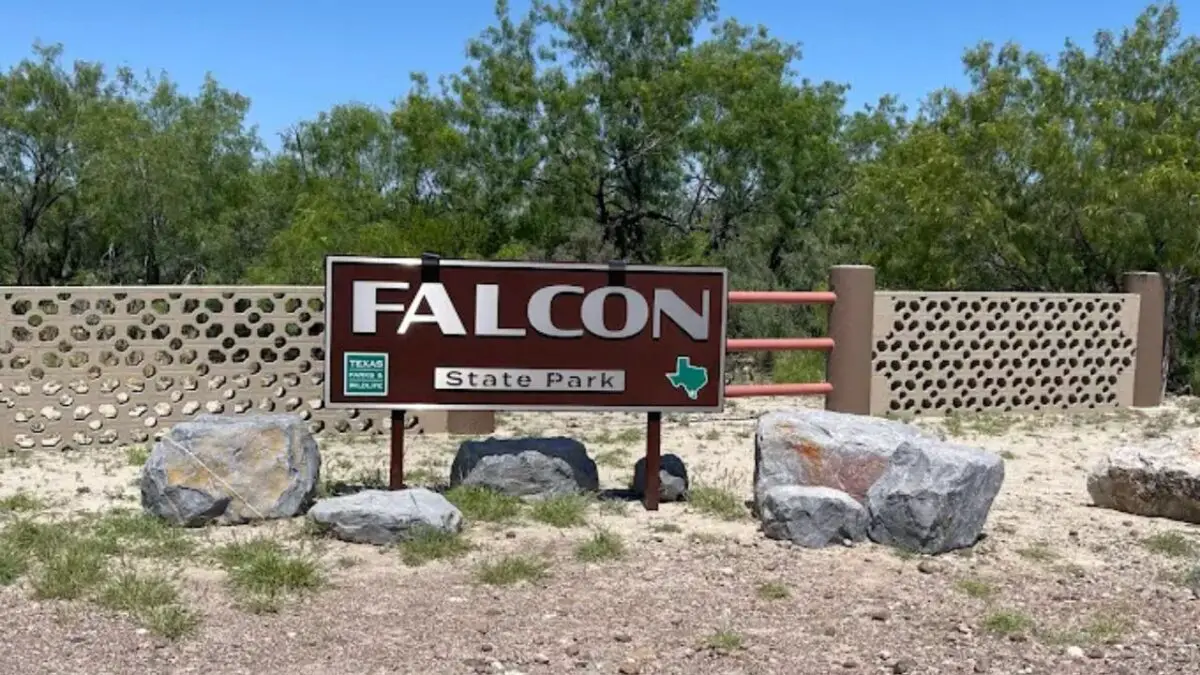
The park also gives you a mix of campsites, cabins, and screened shelters for quick visits or longer stays.
If you want the short version, this park works best when you want one place that covers the basics without a lot of friction. You can fish from shore without a fishing license, walk 2.8 miles of trails, stay in a cabin or campsite, and spend time on the Rio Grande side of Texas without needing to hop between several different stops.
| Quick fact | Details |
|---|---|
| Park name | Falcon State Park |
| Address | 146 Park Rd 46, Falcon Heights, TX 78545 |
| Nearest major city | Laredo, about 76 miles away |
| Hours | Open daily, 6 a.m. to 10 p.m. |
| Entrance fee | Adult $3 daily, holiday adult $5 daily, child 12 and under free |
| Trail mileage | 2.8 miles |
| Best uses | Camping, fishing, birding, boating, and water sports |
The park sits in the kind of landscape that rewards simple planning. If you want a broader Texas trip idea after you narrow down Falcon, the top 10 best state parks in Texas page gives you a wider shortlist without forcing you to guess what to visit next.
Falcon State Park at a Glance
Falcon State Park sits on the southwest shore of Falcon International Reservoir, and the park page leans hard into the things you can actually do there: fish, swim, camp, bird watch, water ski, boat, geocache, hike, or just slow down and enjoy the mild climate. That range makes the park useful for families, anglers, RV travelers, and birders who want a single base in South Texas.
The first thing you notice is how practical the park feels. You do not have to treat it like a one-note scenic stop, because you can stay overnight, use the reservoir, and spend time on foot without committing to a full-day hike plan.
The trails are short enough to fit around a fishing trip, yet long enough to give you a reason to stretch your legs before sunset.
Falcon State Park also gives you a clear reason to plan around weather. South Texas heat can be unforgiving, but this park works especially well when you want a milder stretch of the year, a lakeside sunrise, and a campsite that does not force you into the busiest urban park patterns.
If you want a companion article on where Falcon fits in the state-park system, the best state parks in Texas with cabins page is a useful comparison point.
Because the park combines water access, camping, and wildlife viewing, it is easy to build a trip around a single objective and still have room to improvise. You can keep the day simple with shore fishing and a picnic, or you can stretch it into an overnight stay with a cabin, a reservoir sunrise, and time on the trails before breakfast.
You are not looking at a theme-park style stop or a heavily developed urban green space. You are looking at a reservoir park with enough facilities to support a full visit, while still feeling tied to open water, brushy habitat, and wide South Texas skies.
Falcon State Park Map, Hours, Fees, and Reservations
The map page gives you the logistics you need before you leave home. Falcon State Park is open daily, the address is 146 Park Rd 46, Falcon Heights, TX 78545, and the park lists directions from both Roma and Zapata so you can choose the cleanest approach for your route.
From Roma, you head west on US Highway 83 to FM 2098 and then continue to Park Road 46.
From Zapata, you take US Highway 83 to FM 2098 and then go southwest for three miles to Park Road 46.
The distance from the major city of Laredo is roughly 76 miles south on US 83 before you turn west toward Park Road 46.
The reservation system matters here because the park can fill up. You can reserve passes online or by phone, and the reservation window reaches up to five months in advance.
If you want to guarantee your spot for camping or day use, that advance window gives you room to plan without waiting until the last minute.
Adults pay $3 daily on regular days, the holiday adult fee is $5 daily, and children 12 and under enter free.
If you are comparing it with larger day-trip stops that add parking, attraction, or timed-entry costs, Falcon stays easy to budget.
The park can reach capacity, so reservations are not just a convenience. They are the cleanest way to avoid arriving at a full day-use area or missing your preferred campsite loop.
If you want a fishing-first trip, make the reservation first and decide the rest of the itinerary after that.
You can also use the map page to confirm the exact layout before you head out, which helps when you are bringing a trailer, arriving after sunset, or trying to line up your campsite with a lake-facing view. The reservation page and the park map together answer the basic planning questions before you have to guess at anything on arrival.
If you are building a South Texas road trip, this park works well as the anchor stop rather than a standalone overnight.
Falcon is remote enough to feel like a destination, but it still fits neatly into a route that includes Rio Grande Valley birding or a border-country history stop.
Camping and Cabins at Falcon State Park
The camping setup is one of Falcon State Park’s biggest strengths. You can choose from full-hookup campsites, electric sites, water-only sites, screened shelters, and cabins, which means you do not need to force your trip into a single style of overnight stay.
If you want a broader cabins comparison after Falcon, the best state parks in Texas with cabins guide is a good follow-up.
The campsites page gives you the site mix before you book. The park has 31 full-hookup sites, 31 electric sites, and 36 water-only sites, and the full-hookup and electric areas are built for easy pull-through arrivals.
You can haul a larger rig or keep the overnight plan simple without forcing a complicated setup.
| Stay type | Count | Key details | Nightly rate |
|---|---|---|---|
| Full hookup campsites | 31 | Pull-through, water, sewer, 30 amp, 50 amp, covered picnic table | $18 |
| Electric campsites | 31 | Water and electric hookup, covered picnic table | $16 |
| Water-only campsites | 36 | Black Bass Loop sites are not reservable | $10 |
| Screened shelters | 12 | Sleeps up to 8, ceiling fan, picnic table, fire ring, water, electricity | $25 |
| Cabins | 12 | Sleeps up to 8, lakeside cabin option | $40 |
The cabins are a strong option when you want roofed lodging without leaving the park. They sleep up to eight people and give you a simpler packing list than a full tent setup, while still keeping you close to the reservoir.
If you are traveling with a mixed group, that can make the difference between a trip everyone actually agrees to take and one that gets debated for a month.
The screened shelters sit in a useful middle ground. You still get a ceiling fan, picnic table, fire ring, water, and electricity, but you do not have to bring as much gear as you would for a tent site.
You get more comfort than a tent site and more outdoor feel than a cabin.
Water-only sites are the least developed overnight option, and they are also the cheapest. The Black Bass Loop water-only sites are not reservable, so you need a little more flexibility if that is the type of stay you want. If your dates are fixed, the reservable hookup sites or cabins are the safer choices.
The lodging page keeps the cabin logistics simple: 12 cabins, sleep up to eight, and cost $40 nightly plus the daily entrance fee.
You can arrive with a trailer, stay in a shelter, or move straight into a cabin without leaving the park footprint.
Pets are allowed in most state parks, but they cannot enter Texas State Park buildings, and park-specific restrictions can still vary. If you are traveling with a dog, that matters more here than it might on a quick day trip, because your overnight plans and your activity plans need to line up before you book the stay.
The main practical choice is simple: pick the stay type that matches how much time you want to spend setting up and breaking down. If you want to spend the daylight hours fishing and birding instead of wrestling with gear, the cabins and screened shelters keep the trip lighter.
Falcon State Park Fishing, Boating, and Water Sports
Falcon State Park is built for people who want to spend real time on the water. The reservoir covers 84,000 acres on the Rio Grande, and the park page makes it clear that fishing is one of the main draws. Anglers mainly catch largemouth bass and channel catfish here, and the park’s fish cleaning station makes it easier to finish the day without adding extra stops.
You can also use the park for boating, swimming, and water skiing, which matters if your trip includes more than one person with different priorities. Some visitors come for the fishing first, while others want a lakeside day with enough room to launch a boat, cool off, and drift into a longer sunset stay.
The Falcon reservoir fishing page is the right place to start if you want deeper lake details before your visit. It gives you a more specific look at the water body behind the park, which helps if you are planning around catch targets, launch conditions, or a fishing-focused overnight trip.
One important detail makes shore fishing especially easy to understand here. You do not need a fishing license to fish from shore in a state park. That does not erase the need to plan, but it does remove a major barrier for casual anglers who want to bring a rod, a small tackle bag, and not much else.
If you want a broader fishing trip around the state, the best fishing lakes in Texas page gives you a comparison point after you decide whether Falcon fits your style. Falcon is different from a lot of Texas fishing stops because it pairs the reservoir with camping and birding instead of treating the water as the whole reason to visit.
The park also works for travelers who want a low-pressure water day rather than a technical fishing mission. You can come for a morning launch, stay through the warm part of the day, and finish with a simple shore-side dinner or campsite meal without feeling like the trip has to be planned down to the minute.
If you are visiting in a small group, the mix of boat access and shoreline access makes coordination easier. A fishing partner can stay near the launch area, another person can walk the bank, and everyone can regroup at the campsite or cabin without needing separate parking lots or a city grid in between.
Falcon State Park Birding, Wildlife, and Trails
Birding is not an afterthought at Falcon State Park. You can bird watch along the lakeshore and in the brushy areas away from shore, and the area attracts common birds of the American Southwest along with many tropical species.
That habitat mix is one reason the park fits better as a slow birding stop than as a rushed lunch-break lookout.
The trails are short enough to make birding easy to fit into a broader day. With 2.8 miles of trails, you can pair a morning walk with a fishing block or a late-afternoon sunset session without turning the visit into a full hiking day.
That balance helps if you want wildlife time without giving up the reservoir completely.
If you want to build a Rio Grande Valley birding itinerary, the nearby park pair that makes the most sense is Bentsen-Rio Grande Valley State Park and Resaca de la Palma State Park. Those two stops give you a stronger Valley-wide birding loop, while Falcon adds a reservoir setting and a different kind of South Texas habitat.
Falcon also has the kind of habitat mix that rewards unhurried observation. The brush, lakeshore, and open water create different viewing lanes, so you can change your position without changing parks.
You can move between brush, lakeshore, and open water without spending half the day in the car.
The park materials also point to ranger programs on birds, animals, and plants. If you are visiting with kids or a casual wildlife watcher, that gives you an easy way to turn a scenic stop into a learning stop without forcing the trip into a formal tour format.
Fall and winter are the busiest seasons, and they are also the most comfortable for long outdoor stays in much of South Texas. If you want the park at a slower pace, an early weekday visit gives you a better shot at calmer trails, easier parking, and more room to linger along the lakeshore.
Birding here works best when you keep your expectations practical. Bring binoculars, use the shoreline and brush edges, and let the park do the work instead of chasing a checklist pace.
Tips for Your Visit and Nearby Parks
Falcon State Park rewards simple, early planning. If you want a campsite or a cabin during fall or winter, book early because those are the busiest seasons, and the park can reach capacity.
A reservation turns the trip from a gamble into a fixed plan, which matters a lot when you are coming from several hours away.
Pack for heat even if you are visiting in the cooler season. You still want water, shade, sun protection, and shoes that can handle a bit of rough ground, because the reservoir setting is open enough that weather and wind can shape your day fast. The park is comfortable, but it is not suburban.
Fort Ringgold in Rio Grande City is a natural nearby stop if you want to add a history layer to your trip.
It gives you a straightforward way to turn Falcon into a fuller South Texas weekend without overbuilding the itinerary.
A first visit plan that works
If this is your first visit, book the reservation first and then decide whether you want a campsite, screened shelter, or cabin. Falcon State Park is open year-round, so your main choice is the style of stay rather than whether the park is in season.
That route keeps the trip simple enough to work as a first Falcon weekend instead of a complicated detour.
Bring water, shade, and binoculars, and keep the day simple enough to enjoy the reservoir instead of racing through it. A first visit usually feels better when you leave room for one slow meal, one water block, and one quiet look at the shoreline before you leave.
If you want a quieter first visit, choose a weekday arrival before lunch. You get a better shot at an easy campsite choice, more room to walk the shoreline, and less pressure to rush through the park.
If you like calmer water, add a sunset block to your plan and keep the morning open for the main fishing or birding window. Falcon rewards that slower pace because you can see the reservoir, the trails, and the campsite without feeling like you have to race the clock.
If you are deciding between a campsite and a cabin, think about how much of the trip you want to spend outside after sunset. Campsites give you the most flexible setup, while cabins and screened shelters keep the plan simpler when you are traveling with kids or a mixed group.
Either way, build one chunk of the day around the reservoir and one around the trails. That split keeps the visit relaxed and gives you time to notice the birds, the water, and the open South Texas light without rushing through the park.
If you are traveling with pets, double-check how your stay type and activity plan fit the building rule before you leave. You can bring pets to most state parks, but they cannot enter state park buildings, so a cabin or group hall visit may not work the same way as a campsite stay.
The best day-flow is usually simple: arrive early, claim your water time, take a mid-day break at camp or in the cabin, then finish with a trail walk or birding session once the light softens. That rhythm gives you a full trip without trying to squeeze every activity into the hottest part of the day.
If you want to see Falcon at its most forgiving, choose a morning arrival, keep the afternoon flexible, and leave room for the reservoir to shape the day. The park is strongest when you stop treating the schedule like a checklist and let the water, birds, and campsite do most of the work.
For travelers building a larger Texas state-park route, Falcon is a useful contrast stop rather than a duplicate of the Hill Country parks. It gives you a border-country mood, a bigger reservoir, and a stay pattern that feels more relaxed than urban sightseeing without feeling remote in a way that makes logistics painful.
FAQ About Falcon State Park
What can you do at Falcon State Park?
You can fish, swim, camp, bird watch, water ski, boat, geocache, and hike at Falcon State Park. The park also has a recreation hall, and the 2.8 miles of trails give you enough walking space to break up a water-heavy day without committing to a long hike.
How much is the entrance fee at Falcon State Park?
The regular adult entrance fee is $3 per day, the holiday adult fee is $5 per day, and children 12 and under enter free.
If you are comparing it with a longer overnight trip or a family day on the reservoir, the pricing stays easy to budget.
Are reservations required at Falcon State Park?
Reservations are not always required, but they are a smart move because the park can reach capacity. You can reserve up to five months in advance, which gives you enough time to lock in a campsite or day-use pass before your dates fill up.
Does Falcon State Park have cabins?
Yes. Falcon State Park has 12 cabins that sleep up to eight people, and they cost $40 nightly plus the daily entrance fee. That option gives you an easier overnight setup than a tent site while keeping you inside the park.
Can you fish from shore at Falcon State Park without a license?
Yes. You do not need a fishing license to fish from shore in a state park, so a casual fishing session stays simple.
What is the best time to visit Falcon State Park?
Fall and winter are the most comfortable seasons, and they are also the busiest. If you want fewer crowds, aim for a weekday visit and try to arrive early enough to give yourself time for both the water and the trails.
What birds can you see at Falcon State Park?
You can expect common birds of the American Southwest along with many tropical species that use the lakeshore and brushy areas. The exact mix changes with season and habitat, so binoculars and a little patience usually matter more than a rigid birding plan.