Texas Citrus Fiesta 2026: Ultimate Visitor’s Guide to Mission’s Ruby Red Celebration
The Texas Citrus Fiesta 2026 in Mission, Texas, celebrates the legendary Ruby Red grapefruit and the rich agricultural heritage of the Rio Grande Valley from January 24 to January 31, 2026. This vibrant festival, held in the “Citrus Capital of Texas,” features the world-famous Parade of Oranges and the unique Product Costume Style Show where garments are crafted entirely from local natural materials.
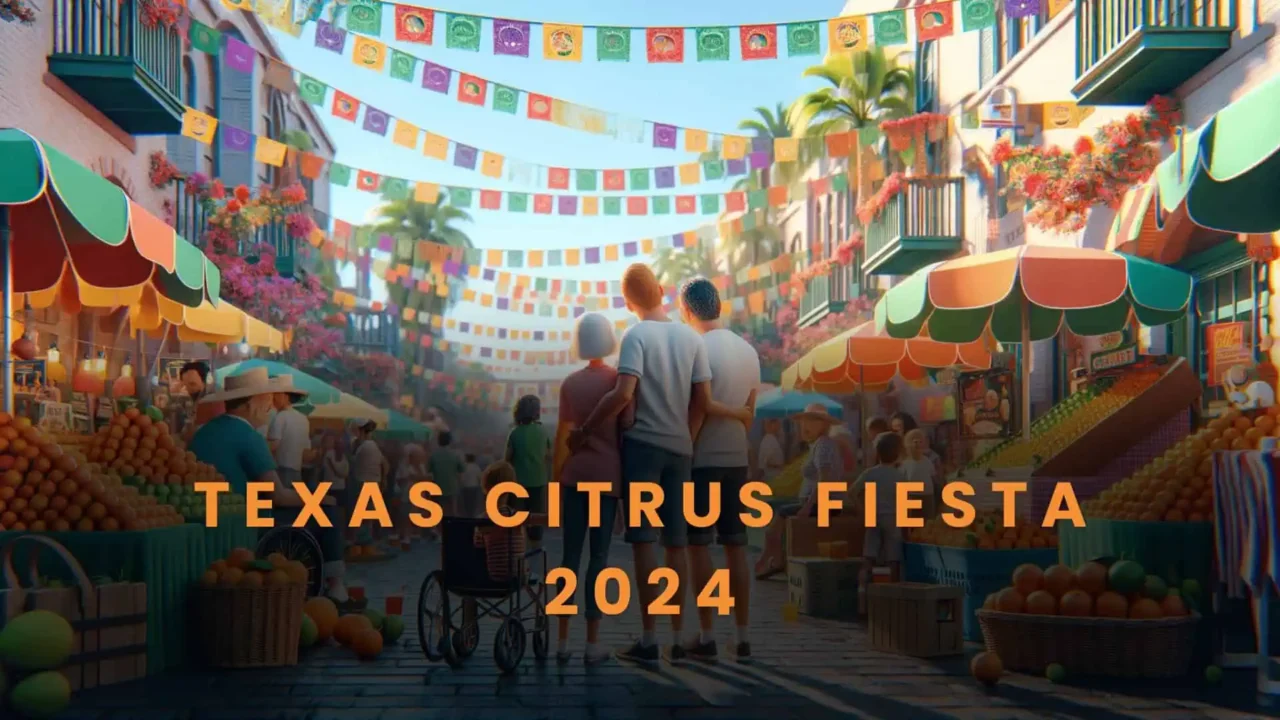
For visitors planning their trip, the most anticipated event, the Parade of Oranges, is scheduled for Saturday, January 31, 2026, at 12:00 PM along Conway Avenue. The festivities center around Leo Peña Placita Park, Bentsen Community Park (located near the world-renowned state parks in Texas such as Bentsen-Rio Grande Valley), and the Mission Event Center, offering a mix of historical pageantry, live music, and citrus-themed culinary delights that define the South Texas winter experience.
The 2026 celebration marks the 94th anniversary of this iconic tradition, with this year’s theme being “Citrus of the South.” This theme celebrates the Southern Belle aesthetic and the deep cultural roots that have tied the Rio Grande Valley to the global agricultural market for nearly a century.
Mission’s transformation into a citrus powerhouse began in the early 20th century, and the fiesta serves as a living tribute to the pioneers who turned semi-arid brushland into a lush agricultural oasis. Today, the festival draws over 100,000 spectators annually, cementing its status as one of the most significant annual festivals celebrated in Texas.
Texas Citrus Fiesta 2026 Official Schedule
The 2026 schedule is packed with events that showcase the diversity of the Rio Grande Valley’s talents and products. From the high-fashion artistry of the costume show to the competitive spirit of the Fun Fair, there is something for every visitor to enjoy during this week-long celebration.
The following table outlines the primary events for the 2026 Texas Citrus Fiesta, including times and locations. Please note that while many events are free, specific pageants and shows require tickets purchased in advance from the official festival organization.
| Event Name | Date | Time | Location |
|---|---|---|---|
| Product Costume Style Show | January 26, 2026 | 7:00 PM | Mission Event Center |
| Royal Coronation Rehearsal | January 28, 2026 | 6:00 PM | Mission Event Center |
| Royal Coronation | January 29, 2026 | 7:00 PM | Mission Event Center |
| Fun Fair (Day 1) | January 30, 2026 | 5:00 PM | Bentsen Community Park (located near the world-renowned state parks in Texas such as Bentsen-Rio Grande Valley) |
| Parade of Oranges | January 31, 2026 | 12:00 PM | Conway Avenue |
| Fun Fair (Day 2) | January 31, 2026 | 2:00 PM | Bentsen Community Park (located near the world-renowned state parks in Texas such as Bentsen-Rio Grande Valley) |
| The Royal Ball | January 31, 2026 | 7:00 PM | Mission Event Center |
Participants should plan to arrive early for the Parade of Oranges, as street closures along Conway Avenue begin several hours before the 12:00 PM start time. The Fun Fair at Bentsen Community Park (located near the world-renowned state parks in Texas such as Bentsen-Rio Grande Valley) is a new highlight for 2026, featuring a talent competition with substantial prizes and a wider array of local vendors than previous years.
The Story of the Ruby Red: Mission’s Agricultural Miracle
The Ruby Red grapefruit is not just a fruit; it is a symbol of innovation and accidental discovery that changed the course of Texas agriculture. In 1929, A.E. Henninger of McAllen noticed a red-fleshed “limb sport” growing on a Thompson pink grapefruit tree, a mutation that would eventually become the world’s most famous citrus variety.
This discovery was revolutionary because the new fruit maintained its deep red color and superior sweetness throughout the season, unlike earlier varieties that tended to fade. In 1934, the Ruby Red became the first citrus variety in history to receive a U.S. plant patent, marking a turning point for the Rio Grande Valley’s economy.
Mission, Texas, quickly embraced this miracle fruit, earning the designation of the “Home of the Ruby Red Grapefruit.” The city’s unique climate and fertile “vertisols” soil provided the perfect conditions for these trees to thrive, leading to a massive expansion of commercial orchards that still define the landscape today.
According to the Texas Department of Agriculture, the development of the Ruby Red allowed Texas to compete on a global scale. Following the success of the Henninger discovery, subsequent breeders in the 1970s and 80s developed even deeper red strains, such as the Rio Star and Rio Red, further solidifying the state’s dominance in the grapefruit market.
The impact of this agricultural breakthrough extends beyond the groves and into the very culture of South Texas. The Texas Citrus Fiesta was originally founded in 1932 specifically to market this “liquid gold” to a nation struggling through the Great Depression, proving that Mission’s farmers were as skilled at marketing as they were at cultivation.
John H. Shary and the Birth of an Industry
No history of Mission citrus is complete without mentioning John H. Shary, often called the “Father of the Texas Citrus Industry.” Shary arrived in the valley in 1912 and saw the potential for a massive irrigation system that could turn the brushland into productive farmland.
Shary’s vision was instrumental in the creation of the first commercial citrus orchards in the region. He recognized that the mild winters and proximity to water made the Rio Grande Valley an ideal location for a year-round agricultural hub that could supply the northern states during their coldest months.
In 1932, Shary served as the very first King Citrus of the Texas Citrus Fiesta, a role that acknowledged his leadership and investment in the community. His Sharyland plantation became a model for modern agricultural practices, incorporating advanced irrigation and harvesting techniques that were decades ahead of their time.
The legacy of John H. Shary is still visible today in the Sharyland Independent School District and the numerous famous landmarks in Texas that bear his name. His commitment to the valley’s growth laid the groundwork for the thousands of families who still depend on the citrus industry for their livelihoods in 2026.
The Product Costume Style Show: Fashion from the Orchard
The Product Costume Style Show is perhaps the most distinctive event of the entire fiesta, blending high-fashion design with agricultural ingenuity. Established in 1934, this competition requires participants to create elaborate garments using only natural products grown in the Rio Grande Valley.
Designers spend months preparing materials, using innovative techniques to turn citrus peels, corn husks, and onion skins into fabric-like textures. For the 2026 “Citrus of the South” theme, visitors can expect to see Southern Belle-style gowns that incorporate pulverized grapefruit skins and intricately beaded headpieces made from dried citrus seeds.
The artistry involved in these costumes has gained international attention, with features in publications such as National Geographic. Each garment is a testament to the creativity of the valley’s residents, who find beauty in the very products that sustain their economy.
Techniques for creating these costumes have evolved significantly over the decades. Modern designers often use blenders, dehydrators, and even microwaves to achieve the specific colors and flexibility needed for wearable art, ensuring that the natural materials remain vibrant throughout the show.
Winning the Product Costume Style Show is considered one of the highest honors in Mission, requiring a deep understanding of both aesthetics and the physical properties of local flora. It is a one-of-a-kind spectacle that you won’t find at any other Texas traditions celebration, making it a must-see for anyone interested in folk art and fashion.
Parade of Oranges: A Spectacular Procession of Citrus
The Parade of Oranges is the crowning jewel of the Texas Citrus Fiesta, attracting tens of thousands of spectators to the streets of Mission every year. For 2026, the parade is scheduled for Saturday, January 31, at 12:00 PM, featuring dozens of floats that must adhere to strict decoration rules. Every float in the procession must have a significant portion of its exterior covered in natural products from the Rio Grande Valley, creating a mosaic of colors and textures that is unique to this festival.
The parade route traditionally begins at the intersection of Conway Avenue and Griffin Parkway (FM 495) and travels south through the historic heart of Mission. Spectators often arrive as early as 8:00 AM to secure prime viewing spots along the curbs and in the parking lots of local businesses. The atmosphere is one of pure community joy, with local families setting up tailgating stations and sharing citrus-themed snacks while they wait for the first marching band to appear.
Marching bands from across South Texas, including the award-winning Mission High School and Sharyland High School bands, provide a lively soundtrack to the procession. Their performances are punctuated by equestrian units, local dignitary appearances, and, of course, the grand floats carrying the Royal Court of Citrus. For many local students, participating in the Parade of Oranges is a rite of passage, representing months of rehearsal and coordination.
For the best experience in 2026, visitors are encouraged to bring folding chairs, plenty of water, and high-SPF sun protection. While January temperatures in Mission are usually mild, the South Texas sun can be intense during the mid-day hours. Arriving early also allows you to explore the nearby food trucks and artisans that line the parade route, offering everything from fresh-squeezed grapefruit juice to handmade leather goods.
The Royal Court: King Citrus and Queen Citrianna
The Royal Court is the symbolic heart of the Texas Citrus Fiesta, representing the leadership and beauty of the regional citrus industry. Each year, King Citrus is selected from among the prominent leaders of the agricultural community who have made significant contributions to the industry’s growth and sustainability. It is a role that honors a lifetime of dedication to the land and the people of the Rio Grande Valley.
Queen Citrianna is chosen through a rigorous pageant process that evaluates poise, public speaking ability, and an in-depth knowledge of the citrus industry. Along with her court of duchesses, she serves as an ambassador for Mission and the valley throughout the year, traveling to other major Texas events to promote local products. The 2026 court includes representatives from across the valley, reflecting the collaborative spirit of the citrus-growing counties.
The selection of the Royal Court is a process steeped in tradition, with many participants being descendants of former kings and queens. This intergenerational connection ensures that the history of the valley’s founding families is preserved and celebrated in a modern context. For the 2026 season, the court will preside over all major fiesta events, including the Royal Coronation, the Parade of Oranges, and the grand Royal Ball.
The Royal Coronation: A State Gala in South Texas
The Royal Coronation, held at the Mission Event Center on January 29, 2026, is a formal affair that combines local tradition with the elegance of a state gala. This ticketed event is where King Citrus and Queen Citrianna are officially crowned amidst a display of pageantry that rivals any national ceremony. The stage is often decorated with elaborate citrus arrangements, providing a fragrant and colorful backdrop for the evening’s festivities.
Attendees of the coronation are treated to a series of presentations that detail the history of the citrus industry and the specific achievements of the incoming Royal Court. It is a night of recognition and celebration, where the agricultural community comes together to honor its own. The dresses worn by the queen and her duchesses are often masterpieces of design, sometimes incorporating subtle nods to the year’s citrus theme through color and embroidery.
Following the coronation, the Royal Ball on January 31 serves as the final celebration of the fiesta week. This event provides an opportunity for festival organizers, volunteers, and community leaders to celebrate the success of the season’s events. The ball is a highly anticipated social highlight in the Mission calendar, often featuring live orchestras and traditional South Texas cuisine that showcases the versatility of local citrus in high-end dining.
According to the City of Mission’s official site, these royal ceremonies are vital for maintaining the community’s identity. They serve as a reminder that behind the massive scale of the citrus industry are individual families whose hard work and vision have sustained the region for nearly a century. For visitors, attending these events offers a rare glimpse into the formal social traditions of the Rio Grande Valley.
Agricultural Science: The Tech Behind the Taste
The success of the Rio Grande Valley citrus industry is not just due to fertile soil; it is the result of decades of sophisticated agricultural science. Local research centers, including those affiliated with Texas A&M University, have worked tirelessly to develop citrus varieties that are resistant to disease and can withstand the occasional freezing temperatures of South Texas.
One of the most critical aspects of this science is the budding and grafting process. Most citrus trees in the valley are actually a combination of two different trees: a hardy rootstock that is resistant to soil-borne diseases and a “scion” or top portion that produces the desired fruit variety, such as the Ruby Red grapefruit. This technique ensures that the trees are both productive and resilient.
Irrigation management is another area where Mission’s farmers lead the way. The valley’s semi-arid climate requires a complex system of canals and pipelines to deliver water from the Rio Grande to the groves. Modern growers use soil moisture sensors and computer-controlled irrigation systems to ensure that every tree receives the exact amount of water it needs, minimizing waste and maximizing fruit quality.
During the Texas Citrus Fiesta, visitors can learn about these scientific advancements at the Citrus and Vegetable Show. The event showcases the latest research in pest control, including natural methods that reduce the need for chemical interventions. Understanding the technology behind the fruit makes every bite of a fresh Texas grapefruit even more impressive.
Fun Fair at Bentsen Community Park (located near the world-renowned state parks in Texas such as Bentsen-Rio Grande Valley): Family Fun & Community Spirit
The Fun Fair is where the community spirit of Mission truly shines, offering two days of entertainment for families and visitors of all ages, rivaling the excitement found at major amusement parks in Texas. For 2026, the fair moves to Bentsen Community Park (located near the world-renowned state parks in Texas such as Bentsen-Rio Grande Valley), providing more space for carnival rides, food vendors, and the highly anticipated talent competition. With a ,500 grand prize, the talent show attracts performers from across the valley, showcasing everything from traditional folklorico dancing to modern pop music.
The fair’s atmosphere is electric, especially in the evenings when the carnival lights illuminate the park. It is a place where friends gather to enjoy classic fair food, much of it with a local twist. Look for vendors selling citrus-infused churros or savory tacos al pastor, reflecting the multicultural culinary heritage of Mission. For children, the petting zoo and skill games offer hours of engagement and joy.
Local artisans also play a major role in the Fun Fair, setting up booths to sell handmade crafts and Texas-themed artwork. Many of these artists incorporate citrus wood or seeds into their creations, echoing the larger theme of the fiesta. It is the perfect place to find a unique souvenir that captures the essence of South Texas creativity and hospitality.
The move to Bentsen Community Park (located near the world-renowned state parks in Texas such as Bentsen-Rio Grande Valley) for the 2026 season allows for better parking and more efficient crowd management than in previous years. Visitors are encouraged to check the official schedule for specific performance times and to bring cash for some of the smaller independent vendors who may not accept digital payments. The Fun Fair remains one of the most accessible and inclusive events of the entire festival month.
Visitor Guide: Planning Your 2026 Mission Trip
Planning a trip to the Texas Citrus Fiesta requires some strategic timing to ensure you catch the marquee events. If you can only visit for a few days, the final weekend of January is the most action-packed, featuring the Parade of Oranges, the Fun Fair, and the Royal Ball. However, visiting earlier in the month allows you to enjoy the city’s citrus-themed decorations and smaller community events without the peak crowds.
Mission is well-served by the McAllen-Miller International Airport (MFE), which is just a 15-minute drive from the Mission Event Center. For those driving, the city is easily accessible via Interstate 2. Once in town, having a car is recommended, although ride-sharing services are active during the festival week. Be sure to book your lodging well in advance, as hotels near the Shary Road corridor fill up months before the fiesta begins.
When packing for your visit, remember that South Texas weather in January can be unpredictable. While daytime highs often reach the 70s, a sudden “blue norther” cold front can drop temperatures into the 40s within a few hours. Dressing in layers is the best way to stay comfortable throughout the day and into the cooler evenings.
Top Dining Spots in Mission During the Fiesta
While the festival food is excellent, Mission also offers some fantastic brick-and-mortar restaurants that shouldn’t be missed. For authentic Tex-Mex, head to local favorites that have served the community for decades. Many of these establishments feature special menu items during the fiesta, such as grapefruit-infused margaritas or citrus-glazed carnitas.
If you’re looking for a quick bite near the parade route, there are several charming cafes along Conway Avenue that offer a front-row seat to the local culture. For a more formal dining experience, the restaurants near the Mission Event Center provide a sophisticated atmosphere that is perfect for a post-coronation dinner. No matter where you eat, be sure to try a slice of local grapefruit pie, a seasonal delicacy that is a hallmark of the valley’s culinary scene.
The Future of Citrus in Texas: Challenges & Opportunities
As the Texas Citrus Fiesta approaches its centennial, the industry faces several modern challenges that will shape its future. Water rights and availability remain a primary concern, as the Rio Grande must support both a growing population and a massive agricultural footprint. Innovations in water conservation and sustainable farming practices are becoming increasingly vital for the long-term survival of the groves.
Pest management is another ongoing battle, with threats such as citrus greening requiring constant vigilance and research. However, the passion of the Mission community remains undiminished. The festival itself serves as a powerful tool for awareness, reminding the public of the importance of supporting local agriculture and the families who make it possible.
There are also significant opportunities on the horizon. The growing demand for organic and locally-sourced produce has opened new markets for valley citrus. Additionally, the rise of agritourism provides a way for farmers to diversify their income while educating the public about the food system. The Texas Citrus Fiesta is at the forefront of this movement, blending entertainment with education in a way that ensures the industry’s legacy for the next generation.
Frequently Asked Questions About Texas Citrus Fiesta
What are the dates for the Texas Citrus Fiesta 2026?
The main events for the Texas Citrus Fiesta 2026 take place from January 24 to January 31, 2026. The Parade of Oranges, the festival’s most popular event, is traditionally held on the final Saturday of the month.
Where is the Texas Citrus Fiesta located?
The festival is held in Mission, Texas, known as the “Citrus Capital of Texas.” Key venues include the Mission Event Center, Leo Peña Placita Park, and Bentsen Community Park (located near the world-renowned state parks in Texas such as Bentsen-Rio Grande Valley), which hosts the Fun Fair for the 2026 season.
Is there an entry fee for the Texas Citrus Fiesta?
Attendance at the Parade of Oranges and the community Fun Fair is free for the public. However, specialized events like the Product Costume Style Show, the Royal Coronation, and the Royal Ball require the purchase of tickets in advance.
What is the Parade of Oranges?
The Parade of Oranges is the festival’s marquee event, featuring floats that must be decorated using only natural materials grown in the Rio Grande Valley. It attracts over 100,000 spectators to the streets of Mission every January.
Can I buy fresh citrus at the festival?
Yes, fresh valley-grown citrus, including the famous Ruby Red grapefruit, is available throughout the event. You can find it at the Citrus and Vegetable Show and from various local vendor booths at Bentsen Community Park (located near the world-renowned state parks in Texas such as Bentsen-Rio Grande Valley).
What is the theme for the 2026 Texas Citrus Fiesta?
The theme for the 2026 Texas Citrus Fiesta is “Citrus of the South.” This theme celebrates the Southern Belle aesthetic and the rich agricultural history of South Texas through costume design and parade float decorations.