Juneteenth celebrations in Texas mark June 19, 1865, when Union Major General Gordon Granger landed at Galveston Island and read General Order No. 3, announcing emancipation to more than 250,000 enslaved people across Texas. As the birthplace of Freedom Day, the Lone Star State hosts historically grounded commemorations that combine solemn remembrance with lively neighborhood festivals.
Across historic cities from Galveston to Houston and Austin, communities prepare extensive Juneteenth events in Texas that honor African American resilience and heritage. Planning a summer trip to these commemorative gatherings allows travelers to experience authentic traditions at the best places to visit in Texas.
Key takeaways
- Juneteenth originated in Galveston, Texas, on June 19, 1865, when Union troops enforced the Emancipation Proclamation more than two years after its initial issuance.
- Texas became the first state in the nation to make Juneteenth an official paid state holiday on January 1, 1980, following legislation authored by Houston Representative Al Edwards.
- Signature commemorative traditions include drinking strawberry soda water, feasting on slow-smoked barbecue, participating in community freedom walks, and attending poetry readings.
- Major annual commemorations center on Galveston’s historic Ashton Villa, Houston’s Emancipation Park, East Austin’s Rosewood Park, and the Dallas Fair Park campus.
Juneteenth in Texas: Quick Facts & 2026 Overview
The deep roots of Texas Juneteenth history provide essential context for travelers planning a 2026 trip. Attending a galveston juneteenth celebration or a major metro festival connects visitors directly to living civil rights history.
| City / Metro | Signature Gathering | Historic Venue | Key Traditions & Elements | Admission |
|---|---|---|---|---|
| Galveston Island | Birthplace Proclamation & Freedom Walk | Ashton Villa & Strand District | General Order No. 3 reading, gospel music, Reedy Chapel walk | Free public admission |
| Houston | Emancipation Park Festival & Concert | Emancipation Park (Third Ward) | National R&B headliners, artisan market, historical lectures | Free ($0 tickets) |
| Austin | Central Texas Juneteenth Parade & Fest | East Austin to Rosewood Park | Marching band parade, soul food cookouts, Carver Museum talks | Free public entry |
| Dallas | Dallas Juneteenth Festival & Freedom Walk | Fair Park Cotton Bowl Plaza | Black-owned food vendor market, health expo, live hip-hop & jazz | Free ($0 general admission) |
| Fort Worth | Opal’s Walk for Freedom & Community Parade | Downtown Fort Worth & Historic Southside | Opal Lee 2.5-mile unity walk, street festival, youth performances | Free public access |
The Historical Significance of Juneteenth in Texas
Juneteenth celebrations in Texas trace directly back to the arrival of Union forces in Galveston during June 1865. President Abraham Lincoln had signed the Emancipation Proclamation in 1863, but enforcement remained absent across Texas due to minimal Union military presence.
Consequently, the state served as a remote territory where Confederate enslavers relocated enslaved laborers to avoid federal authority. The crucial turning point arrived on June 19, 1865, when Major General Gordon Granger landed at Galveston with roughly 2,000 federal soldiers.
General Granger immediately issued General Order No. 3 from his headquarters, declaring all enslaved individuals in Texas legally free. The announcement prompted spontaneous prayers, songs, and street celebrations among newly emancipated families.
According to preservation records curated by the Texas Historical Commission Historic Sites Directory, an official state marker stands at 2201 Strand in Galveston where Granger's headquarters formerly operated. Over 250,000 enslaved Texans gained their legal freedom that day, transforming June 19th into a revered regional anniversary known as Emancipation Day or Freedom Day.
The Impact of General Order No. 3
General Order No. 3 contained direct, transformative language that established total legal parity between former enslavers and the newly liberated population. The decree mandated an absolute equality of personal rights and rights of property between former masters and former enslaved persons.
Although rural plantation owners often attempted to conceal the news until crops were harvested, federal troops and freed couriers carried word of general order no 3 galveston deep into the Texas interior. By the following summer of 1866, organized emancipation gatherings were being held regularly across counties throughout East and Central Texas.
Traditional Juneteenth Celebrations in the Lone Star State
Observing juneteenth traditions texas style involves specific culinary and communal practices established during the nineteenth century. Attending an annual texas juneteenth festival offers travelers deep insight into Southern cultural heritage and living folklore.
Red foods symbolize the blood shed by enslaved ancestors along with the courage and endurance of the Black community. Strawberry soda water stands as the traditional beverage of Freedom Day, originating when bottled carbonated soda was an expensive luxury reserved for special holidays. Slices of chilled watermelon, red velvet cake, and spicy barbecue ribs round out traditional banquet tables.
Community organizers also host Miss Juneteenth pageants that celebrate scholastic achievement, leadership, and community service among young African American women. Winners act as educational ambassadors, delivering presentations on emancipation history in local schools and civic centers.
Parades and Community Gatherings
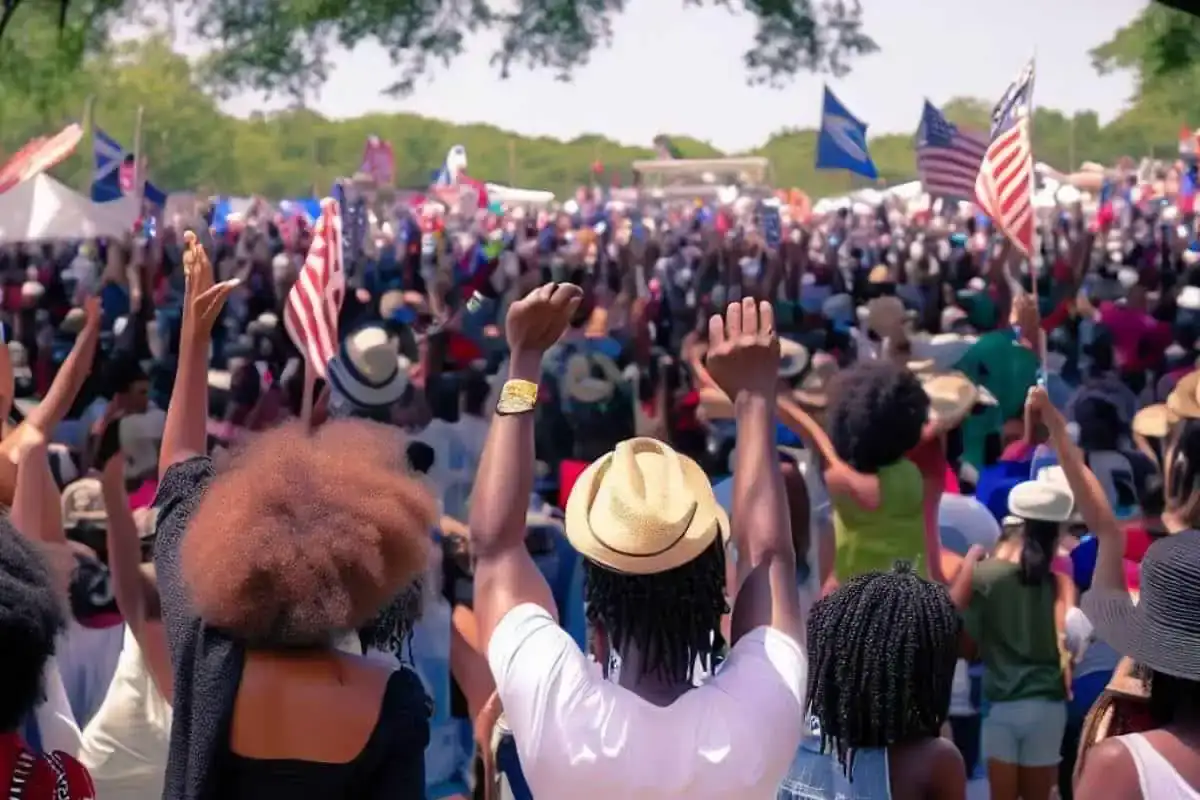
Street parades serve as an energetic anchor for Juneteenth events across major Texas municipalities. Marching bands, drill teams, decorated floats, and mounted riding clubs parade through historic Black neighborhoods to the cheers of thousands of spectators.
Following the parades, families gather in public parks for outdoor cookouts and gospel concerts. Many of these parks were originally purchased by former slaves during the Reconstruction era because segregated municipal parks barred Black visitors from celebrating emancipation.
The Role of the Buffalo Soldiers in Texas History
The Buffalo Soldiers played an influential role across the frontier following the first Juneteenth celebrations. Congress established these all-Black peacetime Army regiments in 1866, stationing units at frontier outposts like Fort Davis, Fort Concho, and Fort Clark.
These soldiers built military roads, mapped unknown desert terrain, guarded stagecoach routes, and protected telegraph lines across West Texas. Their service represented an essential transition from chattel slavery to armed federal service on behalf of the nation.
Modern reenactment brigades regularly participate in Juneteenth parades and living history exhibitions across Texas. Dressed in authentic wool cavalry uniforms and mounted on horses, they share historical narratives that educate spectators on the sacrifices of 19th-century Black soldiers.
Juneteenth Culinary Traditions: Southern Heritage
Food served during Juneteenth gatherings tells a profound story of cultural heritage and resilience. The traditional juneteenth red food tradition honors ancestors while incorporating classic Southern ingredients associated with good fortune and health.
Collard and mustard greens symbolize financial prosperity, while seasoned black-eyed peas represent luck and endurance. Slow-smoked Texas barbecue serves as the centerpiece of large family reunions, reflecting the communal fire pits constructed by freedmen in the late 1800s.
The tradition of red drinks traces back to West African hibiscus tea, commonly known as bissap or sorrel. Enslaved Africans carried the cultural knowledge of steeping hibiscus blossoms to the Caribbean and North America, eventually transforming the practice into red punch and strawberry soda.
Juneteenth and the Arts: Music and Murals
Creative expression has always accompanied the celebration of freedom across Texas. Festival stages highlight musical genres rooted in the African American experience, including spirituals, Texas blues, gospel, jazz, and contemporary hip-hop.
Public art provides another medium for honoring emancipation history. In Galveston, the 5,000-square-foot "Absolute Equality" mural covers the exterior of the historic Old Custom House on 22nd Street. Created by artist Reginald Adams, the colorful mural illustrates the historical journey from African shores to modern civil rights leadership.
Theaters and community colleges also present dramatic readings of the Emancipation Proclamation and poetry readings. These artistic expressions preserve historical memory and inspire ongoing dialogue regarding civil rights.
Major 2026 Juneteenth Events in Texas

Travelers exploring Texas during mid-June will find unique celebrations hosted in every major metropolitan area. Coordinating your travel schedule early allows you to attend morning proclamation readings in coastal towns before catching evening musical concerts in the larger cities.
Galveston: The Birthplace Celebration
As the birthplace of the holiday, Galveston hosts the most historically authentic Juneteenth schedule anywhere in the country. Planning ahead for official juneteenth galveston events ensures prime seating during morning ceremonies at historic Ashton Villa.
Visitors can consult the Galveston Island Visitors Bureau Juneteenth Schedule for detailed parade times and Menard Park festival lineups. Guided heritage tours lead visitors along the Freedom Walk, stopping at historic Reedy Chapel AME Church where newly freed people held prayer services in 1865.
Houston: Emancipation Park Traditions
Houston's largest celebration centers on Emancipation Park in the historic Third Ward neighborhood. Formerly enslaved community leaders Jack Yates, Richard Brock, Richard Allen, and Elias Dibble pooled $1,000 in 1872 to purchase the 10-acre parcel solely for annual Juneteenth celebrations.
Today, the municipal park is maintained by the City of Houston Parks and Recreation Department, serving as the setting for multi-day family festivals, gospel concerts, and cultural markets. The historic emancipation park houston juneteenth celebrations feature live concerts, lectures, and family cookouts, while juneteenth celebrations in houston also include festivities at Avenida Houston.
Austin: The Central Texas Parade
Austin commemorates Freedom Day with the annual austin juneteenth parade winding through East Austin along Chicon Street and MLK Jr. Boulevard. High school marching bands, equestrian groups, and historic car clubs lead the procession toward Rosewood Park.
According to municipal schedules published by the City of Austin Parks and Recreation Department, the Rosewood Park festival features free family entertainment, local food trucks, and educational exhibits. The nearby George Washington Carver Museum hosts lectures and art exhibits that explore African American genealogy and history.
Dallas and Fort Worth: North Texas Commemorations
The annual dallas juneteenth festival takes place on the Fair Park campus, bringing together local musicians, health screening clinics, and hundreds of Black-owned vendors. In neighboring Fort Worth, celebrations center around civic leader Opal Lee and the annual 2.5-mile Freedom Walk.
Fort Worth is also constructing the National Juneteenth Museum in the Historic Southside neighborhood. The campus will feature museum galleries, educational research facilities, and community performance spaces dedicated to emancipation history.
San Antonio: Freedom at the River Walk
San Antonio hosts festive Juneteenth celebrations centered around historic Comanche Park and the downtown River Walk. The multi-day Freedom Family Fest features gospel choirs, local soul food cooks, and veteran recognition ceremonies.
Travelers spending a long weekend in Bexar County can combine historical commemorations with attractions detailed in our guide to the 15 best things to do in San Antonio.
The Evolution of Juneteenth: State to Federal Holiday
Juneteenth's journey from a regional Texas observance to a recognized federal holiday represents decades of dedicated civic work. Texas established the template for official recognition when the state legislature passed House Bill 1016 in 1979.
The state holiday officially took effect on January 1, 1980, making Texas the first state in the union to recognize Juneteenth with paid leave for state employees. Over the following four decades, civic organizations worked tirelessly to pass similar state holiday legislation across the country.
Federal recognition was established in 2021 when the Juneteenth National Independence Day Act was signed into law. Today, all 50 states recognize the date as a federal holiday, ensuring that the legacy born in Galveston is commemorated nationwide.
Key Figures in the Juneteenth Movement
Key leaders in Texas history championed the recognition of Juneteenth on state and national stages. Houston State Representative Al Edwards earned the moniker "Father of Juneteenth" after introducing the 1979 bill that secured state holiday status in Texas.
In recent years, Fort Worth activist Opal Lee became known as the "Grandmother of Juneteenth." At age 89, she began walking 2.5 miles each day across various cities to symbolize the 2.5 years it took for emancipation news to reach Texas, successfully advocating for a federal holiday.
Historic figures like Reverend Jack Yates also deserve recognition for purchasing Emancipation Park in Houston in 1872. Their collective dedication secured public spaces where generations of Texans could assemble in freedom.
A 3-Day Juneteenth 2026 Itinerary for Texas Visitors
Experiencing the full scope of Freedom Day is easy with a coordinated 3-day itinerary through Galveston and Houston. This driving route traces the geographical path taken by Union troops and emancipation couriers in 1865.
Day 1: Galveston Island – The Emancipation Birthplace
Arrive in Galveston on June 19 to attend the 10:00 a.m. proclamation reading on the grounds of Ashton Villa. Walk along the Strand to view the Absolute Equality mural, and visit historic Reedy Chapel AME Church. Spend the evening enjoying coastal breezes and blues music at the Menard Park festival.
Day 2: Houston – Emancipation Park and Third Ward
Drive 50 miles north along Interstate 45 to Houston's historic Third Ward. Spend your afternoon at the historic Emancipation Park festival, enjoying food vendors, artisan booths, and live musical performances on the outdoor stage. In the evening, explore local dining options along Emancipation Avenue.
Day 3: Houston – Museum District and Public Art
Dedicate your third day to Houston's rich African American cultural institutions. Tour the Project Row Houses in the Third Ward to see contemporary community-focused art installations. In the afternoon, explore African and Caribbean culinary offerings at the Houston Juneteenth Culture Fest downtown.
Planning Your Juneteenth 2026 Trip to Texas
Summer in Texas brings daytime temperatures exceeding 90 degrees Fahrenheit along with high Gulf humidity. Pack lightweight, breathable clothing, broad-brimmed sun hats, and reusable water bottles to stay hydrated during outdoor parades.
Because major festivals draw thousands of visitors from across the country, reserve hotel rooms and rental cars at least three to four months in advance. Travelers wanting to extend their itinerary to North Texas can explore top attractions in our guide on best things to do in Dallas.
Supporting local Black-owned restaurants, bakeries, and bookstores along your route directly benefits historic communities. Whether sampling brisket in Houston or visiting art galleries in Austin, your patronage honors the ongoing legacy of the holiday.
Final Takeaways: The Legacy of Freedom in Texas
Juneteenth celebrations in Texas represent the triumph of human resilience over systemic oppression. What began as a joyful announcement along the docks of Galveston in 1865 has evolved into an enduring national celebration of liberty.
Visiting Texas during Juneteenth connects travelers to the living roots of American freedom. Plan your journey, engage with local communities, and celebrate the enduring spirit of emancipation across the Lone Star State.
For more summer travel inspiration, explore our guide to annual festivals celebrated in Texas.
Frequently Asked Questions
What is the primary meaning of red foods on Juneteenth?
Red foods such as strawberry soda, watermelon, red velvet cake, and barbecue sauce symbolize ancestral resilience and the bloodshed endured by enslaved people. Culinary historians trace this tradition back to West African hibiscus and kola nut beverages that represented spiritual transformation and celebration.
Is Galveston really the birthplace of Juneteenth?
Yes, Galveston is the recognized birthplace of Juneteenth because Union Major General Gordon Granger established headquarters on the island on June 19, 1865, to read General Order No. 3. This military decree enforced the Emancipation Proclamation across the westernmost Confederate territory.
Can anyone attend Juneteenth celebrations in Texas?
Yes, Juneteenth celebrations across Texas are open community events that welcome all visitors to participate in historical reflections, parades, and musical festivals. Gatherings in public parks offer inclusive spaces where travelers learn about African American heritage and civil rights milestones.
What are the best cities for a first-time Juneteenth visitor?
Galveston and Houston offer the most historically immersive experiences for first-time visitors due to their direct ties to the 1865 proclamation and the founding of Emancipation Park in 1872. Austin and Dallas also feature high-energy weekend parades, food festivals, and museum exhibitions that provide excellent cultural context.
Is Juneteenth a state holiday in Texas?
Yes, Texas was the very first state to establish Juneteenth as an official paid state holiday, passing legislation in 1979 that took effect on January 1, 1980. The observance was officially established in 2021 as a United States federal holiday.