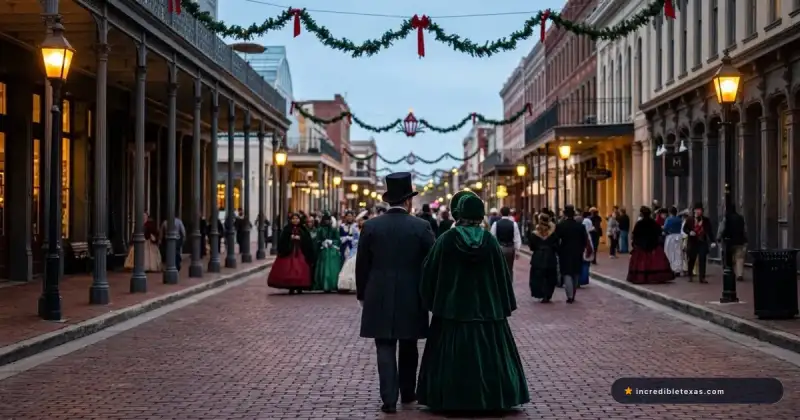

Pinpointing exactly when does fall start in Texas depends heavily on whether you follow calendar dates or actual thermometer readings. While the calendar marks the seasonal transition in September, comfortable outdoor conditions arrive gradually across the state's distinct geographical regions. Exploring the most beautiful places to visit in Texas during autumn requires understanding local cold front timing and regional weather patterns.
Key takeaways
- Astronomical fall in Texas begins around September 22 or 23, but true autumn weather rarely takes hold until the first strong cold front crosses the state in mid-October.
- The Texas Panhandle cools first in late September, whereas Central Texas, the Hill Country, and the Gulf Coast experience summer heat into mid-to-late October.
- A typical Texas cold front known as a Blue Norther drops daytime temperatures by 15°F to 25°F within 12 hours, breaking lingering summer humidity.
- Peak fall foliage in Texas occurs between late October and mid-to-late November, highlighted by bigtooth maples at Lost Maples State Natural Area and McKittrick Canyon.
- State park day-use reservations for prime foliage weekends at Lost Maples and Garner State Park routinely sell out up to 30 days in advance.
When Does Fall Officially Start vs. When Does It Feel Like Fall in Texas?
Fall officially starts in Texas with the autumnal equinox in late September, but true autumn weather with crisp mornings and comfortable afternoons rarely settles statewide until mid-October. Lingering summer heat keeps temperatures in the upper 80s across central and southern counties until polar cold fronts push through.
Travelers wondering when does fall weather start in Texas will find that comfortable daytime temperatures typically emerge around mid-October. Until that transition occurs, high-pressure systems trap warm Gulf air across the eastern half of the state.
Astronomical vs. Meteorological Fall Calendars
Meteorologists define autumn as the three-month calendar block running from September 1 through November 30. This fixed grouping allows climate scientists to track seasonal weather trends consistently year after year.
Astronomical fall begins with the autumnal equinox, which occurs annually on September 22 or September 23 when the sun crosses the celestial equator. According to climate records maintained by the Office of the Texas State Climatologist at Texas A&M University, Texas afternoon temperatures on the equinox still average 88°F in Dallas, 90°F in Austin, and 91°F in Houston.
The Reality of Texas False Fall
Texans humorously refer to early September cool snaps as false fall in Texas, because a refreshing morning is frequently followed by a rapid return to 90-degree heat. These brief cold fronts glance off North Texas, lowering humidity for 48 hours before prevailing southeasterly winds restore humid subtropical air.
A frequent question among newcomers and travelers is when does it start cooling down in Texas, especially after months of triple-digit summer heat. Sustained relief requires the polar jet stream to dip southward into the central United States, an atmospheric shift that rarely locks into place before the second week of October.
Texas Fall Weather and Temperatures by Region
Texas fall weather varies drastically by latitude and elevation, with the Panhandle feeling crisp autumn air by late September while South Texas remains warm well into November. Most major metro areas transition from humid heat to comfortable 70-degree afternoons during mid-October.
Understanding the nuances of Texas fall weather requires looking across the state's distinct geographical zones. Planning outdoor recreation, camping, or scenic Texas Hill Country getaways depends heavily on these local climate variations.
The comparison table below details regional weather milestones, average temperature ranges, and foliage windows across Texas.
| Texas Region | First Crisp Air Arrival | Average October Temperatures | Typical First Freeze Date | Peak Fall Foliage Window |
|---|---|---|---|---|
| Texas Panhandle | Late September | Highs 68°F–74°F / Lows 40°F–46°F | Late October (Oct 24–28) | Mid-to-Late October |
| North Texas (DFW) | Early-to-Mid October | Highs 76°F–82°F / Lows 52°F–58°F | Late November (Nov 20–25) | Early-to-Mid November |
| Central Texas & Hill Country | Mid-October | Highs 78°F–84°F / Lows 54°F–60°F | Late November / Early December | Late October to Mid-November |
| East Texas Piney Woods | Mid-October | Highs 77°F–83°F / Lows 51°F–57°F | Mid-to-Late November | Mid-to-Late November |
| Gulf Coast & South Texas | Late October | Highs 82°F–88°F / Lows 62°F–68°F | Mid-to-Late December (Rare) | Late November to Early December |
| West Texas Mountains | Early October | Highs 66°F–76°F / Lows 42°F–48°F | Early November (Nov 1–10) | Late October to Early November |
Texas Panhandle and High Plains
The Texas Panhandle sits at elevations exceeding 3,500 feet, making it the first region in the state to welcome autumn weather. Cold fronts sweeping out of the Rocky Mountains reach Amarillo and Lubbock by late September.
October afternoon highs in the Panhandle hover in the low 70s, with overnight lows dipping into the low 40s. Palo Duro Canyon offers excellent early fall hiking conditions during this period, free from the blistering canyon heat of midsummer.
North Texas and Dallas-Fort Worth
Dallas, Fort Worth, and surrounding North Texas communities experience an initial cooldown during the first ten days of October. Across most of the state, Texas autumn temperatures average between 75°F and 85°F during the day once polar fronts begin crossing the Red River.
North Texas falls typically feature sunny skies and comfortable humidity, making October the ideal month for patio dining and outdoor sporting events. Evening temperatures often require light jackets by the third week of the month.
Central Texas and the Hill Country
The Texas Hill Country and the Austin-San Antonio corridor maintain warm afternoons well into October, with high temperatures frequently reaching 84°F. However, lower humidity levels make outdoor exploration far more comfortable than during August.
By late October, overnight lows in Hill Country river valleys consistently drop into the low 50s. This temperature dip triggers seasonal leaf color changes along the clear waters of the Guadalupe, Frio, and Sabinal rivers.
East Texas Piney Woods
East Texas benefits from dense canopy cover and rolling terrain, transitioning into autumn by mid-October. Deciduous hardwoods mixed among loblolly pines create colorful forest scenery across Tyler, Nacogdoches, and Daingerfield.
Morning mist often settles over East Texas lakes during October, creating ideal conditions for bass fishing and camping. Afternoon highs remain mild, generally resting between 77°F and 82°F.
Gulf Coast and South Texas
The Gulf Coast and South Texas experience the slowest transition into autumn due to warm ocean waters in the Gulf of Mexico. Houston, Corpus Christi, and Galveston often record afternoon highs in the mid-80s through the end of October.
Comfortable fall conditions arrive along the coastline by early November, bringing pleasant beach-walking weather and reduced mosquito activity. Tropical moisture gradually subsides as northern fronts gain enough momentum to reach the shoreline.
West Texas and Mountain Ranges
West Texas features diverse topography ranging from the Chihuahuan Desert floor to mountain summits above 8,000 feet. Mountain regions cool rapidly by early October, while desert valleys retain daytime warmth into the afternoon.
High-altitude passes in the Davis Mountains and Guadalupe Mountains experience crisp autumn weather weeks ahead of lowland areas. Campers in these mountain parks must pack cold-weather layers to handle nighttime temperatures near freezing.
The Blue Norther: How Autumn Cold Fronts Shape Texas Weather
A Blue Norther is a rapid-moving polar cold front that drives fall weather into Texas, often plunging temperatures by 15°F to 25°F in less than 12 hours. These fast-moving continental air masses push south from Canada, sweeping away oppressive Gulf moisture.
Meteorologists track the arrival of the first cold front in Texas to signal the seasonal transition from muggy tropical air to dry northern breezes. Travelers exploring high-elevation destinations such as our Guadalupe Mountains National Park guide should note that mountain winds frequently intensify behind these fronts.
Mechanics of a Texas Polar Cold Front
A classic Blue Norther arrives with dramatic visual cues, starting with a dark, slate-blue cloud bank along the northern horizon. Within minutes of the boundary passing overhead, surface winds shift sharply to the north and gust up to 30 mph.
According to climatological records from the National Weather Service Austin/San Antonio Forecast Office, the first significant autumn front typically crosses Central Texas between October 13 and October 18. This single weather event routinely drops temperatures by 20 degrees before nightfall, delivering the crisp air that Texans associate with authentic fall.
Locals celebrate the arrival of the first Blue Norther Texas experiences each season, as the rapid temperature drop brings immediate outdoor relief. Fire pits, outdoor tailgates, and camping trips quickly ramp up once the humidity drops.
First Freeze Benchmarks Across Texas Cities
A freezing temperature of 32°F marks the boundary between autumn and winter for gardeners, farmers, and outdoor enthusiasts. Climatological data reveals a wide disparity in the date of the first freeze in Texas, ranging from late October in the High Plains to late winter along the coast.
The list below highlights average first freeze benchmarks recorded by regional National Weather Service offices:
- Amarillo (Panhandle): October 24 to October 27
- Lubbock (South Plains): October 31 to November 4
- Dallas-Fort Worth (North Texas): November 20 to November 24
- Austin-Bergstrom (Central Texas): November 26 to December 1
- San Antonio (South Central): November 28 to December 3
- Houston Intercontinental (Southeast): December 8 to December 15
- Corpus Christi (Coastal Bend): Late December or freeze-free in mild winters
Where and When to See Peak Fall Foliage in Texas
Peak fall foliage in Texas occurs from late October through late November, led by bigtooth maples, sweetgums, and bald cypresses. The most brilliant color displays center on Lost Maples State Natural Area in Central Texas and McKittrick Canyon in West Texas.
Exploring the best places to see fall foliage in Texas leads nature lovers to sheltered limestone canyons and ancient bigtooth maple groves. Outdoor enthusiasts monitoring Texas fall foliage peak dates can expect brilliant color shifts beginning in the western mountains before spreading east.
Lost Maples State Natural Area (Hill Country)
Lost Maples State Natural Area in Vanderpool preserves an isolated population of bigtooth maples left behind from the last ice age. The canyon walls along the Sabinal River protect these ancient trees from harsh summer winds, creating stunning displays of red, orange, and amber.
Foliage conditions depend on overnight temperatures dropping below 40°F, which triggers pigment breakdown in the leaves. Visitors can review our comprehensive Lost Maples State Natural Area camping and hiking guide and track weekly updates via the Texas Parks and Wildlife Department Lost Maples Foliage Reports.
Tip
Day-use entry permits at Lost Maples frequently sell out 30 days in advance for November weekends. Reserve your day pass online through Texas Parks and Wildlife as soon as reservation windows open.
McKittrick Canyon in Guadalupe Mountains National Park (West Texas)
McKittrick Canyon is often called the most dramatic hidden oasis in West Texas. Towering limestone walls shelter a lush woodland of bigtooth maples, velvet ash, and chinkapin oaks that turn brilliant shades against desert rock.
Peak color here arrives earlier than in Central Texas, typically spanning the last week of October through the first week of November. The National Park Service McKittrick Canyon Visitor Guide notes that the access gate closes strictly at 4:30 PM or 5:00 PM depending on daylight hours, requiring hikers to plan their 4.8-mile Pratt Cabin trek accordingly.
Garner State Park and the Frio River (Hill Country)
Garner State Park in Concan offers a classic autumn landscape dominated by towering bald cypress trees lining the turquoise waters of the Frio River. During November, the feathery cypress needles shift from deep green to rich copper and burnt orange.
Hiking to the summit of Old Baldy provides sweeping views of the colorful Frio River canyon below. Cool November mornings make this popular summer destination quiet and peaceful for hikers and photographers.
Daingerfield State Park (East Texas Piney Woods)
Daingerfield State Park in Northeast Texas highlights classic East Texas hardwood colors wrapped around an 80-acre spring-fed lake. Sweetgums, southern red oaks, and flowering dogwoods produce deep crimson, golden yellow, and plum foliage from early to late November.
The 2.4-mile Rustling Leaves Trail circles the lake perimeter, offering level walking paths and scenic water reflections. Renting a paddleboat or kayak allows paddlers to view the colorful shoreline from the water.
Iconic Texas Fall Festivals and Seasonal Events
Fall in Texas marks the kickoff of major outdoor festivals, harvest traditions, and college football rivalries once cooler air arrives. Key annual highlights include the State Fair of Texas in Dallas and Wurstfest along the Comal River in New Braunfels.
From massive state expositions to small-town harvest fairs, Texas fall festivals celebrate regional culture, livestock heritage, and seasonal food. Celebrating autumn traditions and fall in Texas brings communities together under pleasant open skies.
State Fair of Texas in Dallas
Running for 24 days from late September through mid-October, the State Fair of Texas in Dallas stands as the largest state fair exposition in the nation. Held at historic Fair Park, the event features Big Tex, livestock shows, live music, and creative fried food competitions.
The fair also hosts the historic Red River Rivalry football game between Texas and Oklahoma inside the Cotton Bowl. Visiting during October discount days provides cooler weather and manageable crowds on the midway.
Wurstfest in New Braunfels
Wurstfest in New Braunfels celebrates German heritage along the banks of the Comal River each November. The 10-day festival features polka music, traditional German sausage, craft beer, and carnival rides.
Because the event takes place in early November, visitors enjoy cool evening temperatures under large festival tents. Travelers can consult our complete Wurstfest visitor guide for admission schedules, shuttle routes, and German food vendors.
Floydada Punkin Days in the Panhandle
Floydada, known as the Pumpkin Capital of Texas, hosts its annual Punkin Days celebration on the second Saturday of October. The fertile soil of the High Plains produces millions of pounds of decorative pumpkins and squash shipped across the nation each year.
The festival features pumpkin carving contests, craft vendors, street games, and regional food stands on the courthouse square. It offers an authentic look at the agricultural heartbeat of the Texas Panhandle during harvest season.
Frequently Asked Questions About Fall in Texas
What months are considered fall in Texas?
Meteorological autumn across the state spans September, October, and November. However, comfortable daytime temperatures rarely arrive until mid-October and often linger into early December.
What is considered early fall across the state?
Early autumn in Texas covers September and the opening days of October, a transitional window marked by lingering 90-degree afternoons and occasional brief cool mornings. Climatologists view this stretch as an atmospheric buffer period before strong polar cold fronts arrive.
How long does the Texas autumn season last?
Comfortable fall weather typically lasts six to eight weeks, spanning mid-October through late November or early December. By mid-December, continental polar fronts establish colder winter conditions across most counties.
When does it actually start cooling down in Houston and South Texas?
Houston and South Texas generally do not experience lasting cooldowns until late October or early November. Gulf moisture keeps early October afternoons warm and humid until strong Canadian air masses push completely past the coastline.
Where can you see the best fall colors in Texas?
The most dramatic leaf displays appear at Lost Maples State Natural Area in the Hill Country and McKittrick Canyon in Guadalupe Mountains National Park. Both destinations feature brilliant red and gold bigtooth maples between late October and late November.