Longhorn Cavern State Park: Ultimate Visitor’s Guide to Tours, Tickets & Camping
Longhorn Cavern State Park, located in the heart of the Texas Hill Country, offers one of the most unique underground experiences in the Lone Star State. This premier Texas state park, this park features a rare river-formed cavern system that remains a constant 65 degrees Fahrenheit year-round.
It is one of the many best things to do near Austin for outdoor enthusiasts.
Unlike many other Texas caves formed by dripping water, Longhorn Cavern was carved by a powerful underground river, creating smooth, sculpted limestone walls. Visitors can explore this subterranean wonder through various guided tours that highlight its geological beauty and fascinating history.
For official updates, you can also visit the Texas Parks and Wildlife Department website.
As of February 2026, the park remains a major attraction in the Highland Lakes region. According to the Texas Parks and Wildlife Department (TPWD), Longhorn Cavern State Park welcomed 77,100 visitors in 2022 alone.
While the park grounds are free to enter, the cavern itself is accessible only via paid guided tours which often sell out on weekends. This high demand reflects its status as one of Texas’s most significant natural landmarks.
This 2026 update details everything you need to know about Longhorn Cavern State Park tours, ticket prices, and nearby camping options. From the history of the Civilian Conservation Corps to tips for the Wild Cave Tour, this article provides the essential details for your next Central Texas adventure.
Longhorn Cavern State Park: Key Information at a Glance
| Feature | Details |
|---|---|
| Location | 6211 Park Road 4 S, Burnet, TX 78611 |
| Park Hours | 9:00 AM – 5:00 PM (Weekdays) | 9:00 AM – 6:00 PM (Weekends) |
| Cavern Entry | Guided Tour Only (Reservations Recommended) |
| Grounds Fee | Free Entrance and Parking |
| Constant Temp | 65°F (18°C) Year-Round |
| Camping | Day-Use Only (Nearby at Inks Lake State Park) |
| Contact | (512) 715-9000 |
Longhorn Cavern State Park is situated approximately 65 miles northwest of Austin, making it an ideal day trip for those staying in the capital city. The drive through Burnet County offers scenic views of the Highland Lakes region and the rugged granite outcroppings of the Hill Country.
For more inspiration on nearby destinations, check out our guide to the best places to visit in Texas.
For those planning a longer stay, keep in mind that Longhorn Cavern is a day-use park only. For overnight stays, most visitors choose Inks Lake State Park, which is located just six miles away and offers full camping facilities.
You can also explore our list of the best state parks in Texas for more camping ideas.
Where to Eat Near Longhorn Cavern
Nearby towns of Burnet and Marble Falls offer classic Hill Country comfort food.
- Blue Bonnet Cafe (Marble Falls): World-famous for “Pie Happy Hour.”
- Trailblazer Grille (Burnet): Famous for chicken-fried steak.
History of Longhorn Cavern State Park
The history of Longhorn Cavern is as layered as the limestone it is carved from, spanning millions of years of geological change and centuries of human use. It stands as one of the most famous landmarks in Texas, having served as a shelter for prehistoric animals and early indigenous peoples.
During the mid-19th century, the cave was reportedly used by outlaws as a hideout, with legends suggesting that the famous outlaw Sam Bass stashed loot within its depths. While no treasure has ever been officially found, the stories continue to add a sense of mystery to the cavern’s legacy.
In the 1920s, before the state took ownership, the cavern even housed an underground ballroom and nightclub. The natural acoustics and cool temperatures made it a popular spot for locals to dance and socialize during the hot Texas summers.
The Role of the Civilian Conservation Corps (CCC)
Much of the infrastructure visitors see at Longhorn Cavern today is the result of tireless work by the Civilian Conservation Corps (CCC) during the Great Depression. Between 1934 and 1942, Company 854 of the CCC transformed the cavern into a public landmark.
According to TPWD historical records, these workers manually removed over 3,000 dump trucks’ worth of debris and guano from the cave. This massive effort opened up the passages that are now part of the standard walking tour.
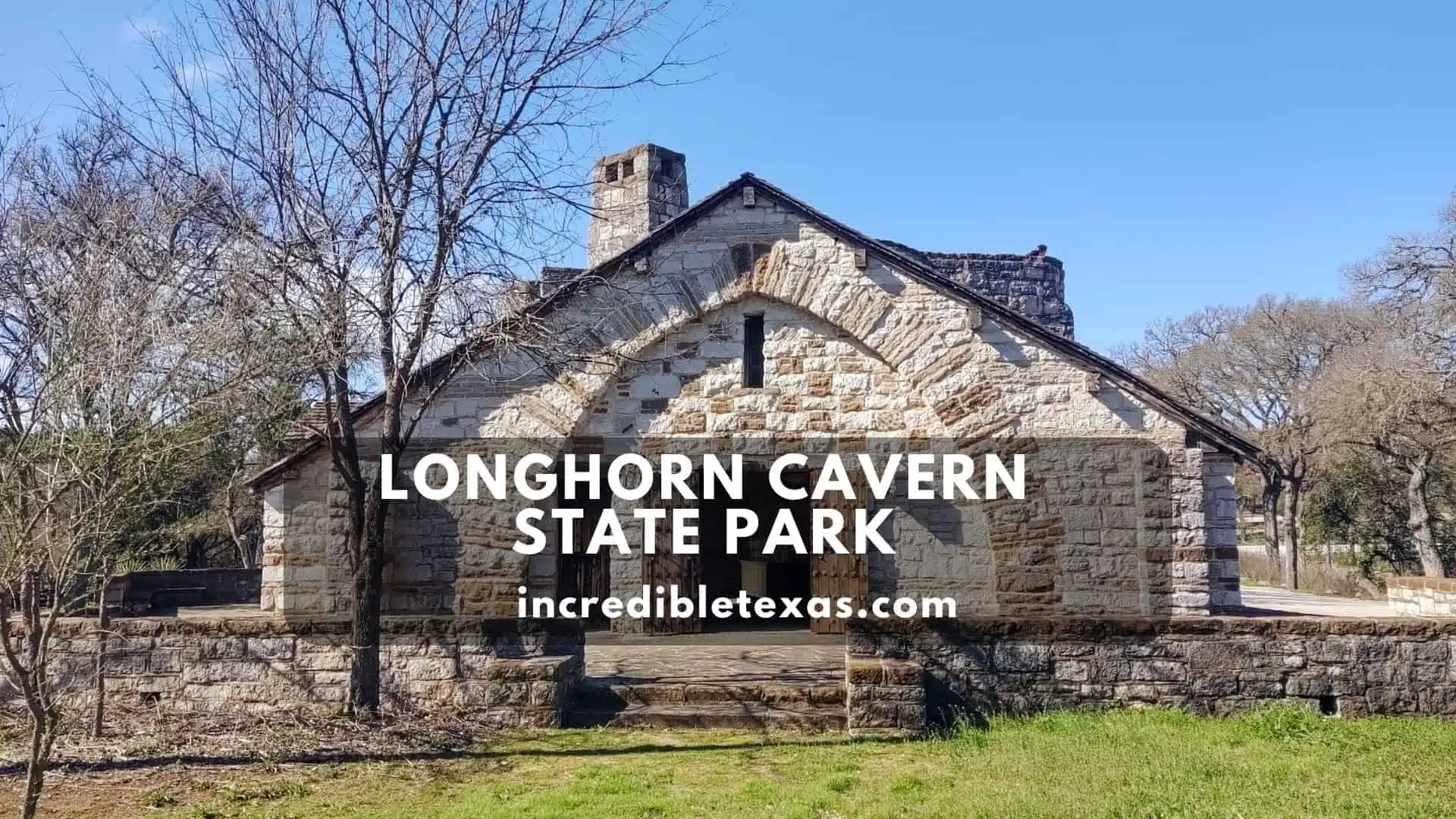
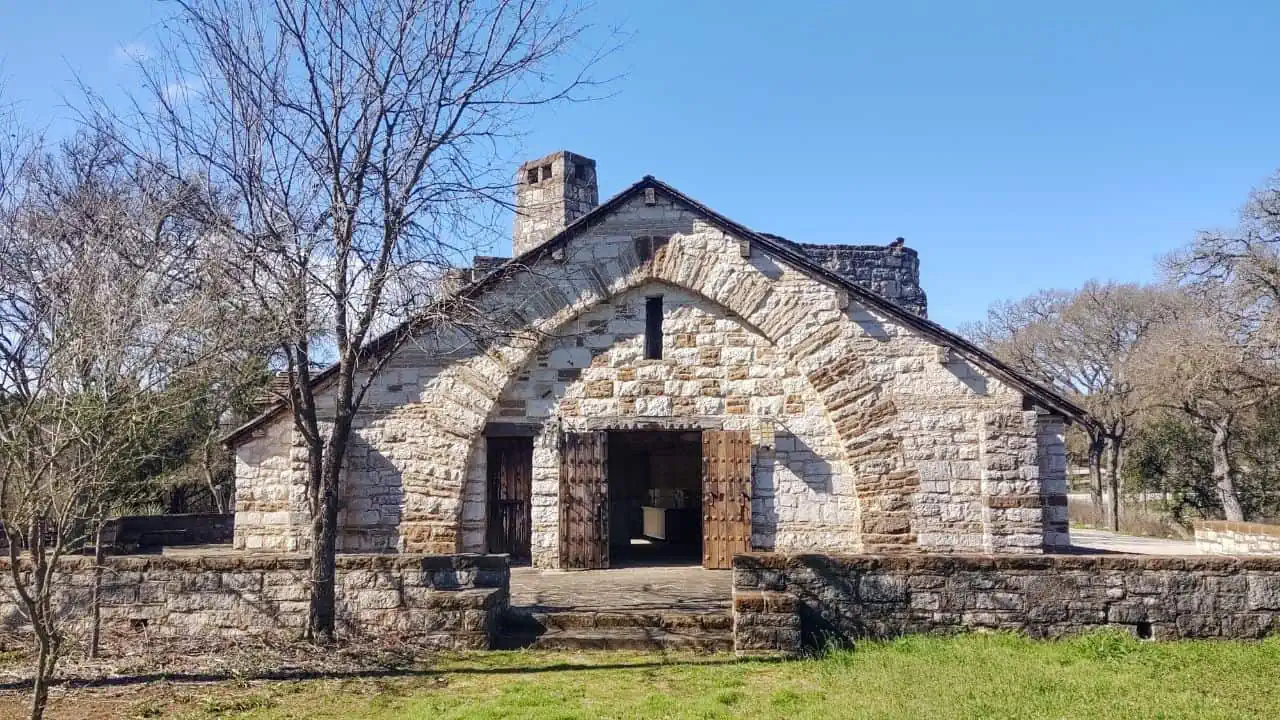
The CCC also constructed the park’s beautiful limestone buildings, which are classic examples of the ”National Park Service Rustic” architectural style. These structures remain in excellent condition today, serving as a testament to their craftsmanship.
Today, a bronze statue of a CCC worker stands at the park’s entrance, honoring the men who transformed this site into a public treasure. Their hand-built trails and structures remain in excellent condition, serving as a testament to the quality of their craftsmanship.
Guided Tours at Longhorn Cavern State Park
Because the cavern is a delicate environment, it can only be explored through official guided tours led by trained naturalists. This restricted access ensures the preservation of one of the best places to visit in Texas for future generations.
You can book your tickets directly through the official Longhorn Cavern website.
It is highly recommended to book your tickets online at least 48 hours in advance, especially during the spring and summer months. Tours often sell out by mid-morning on Saturdays and Sundays, leaving walk-in visitors without access to the cave.
The Walking Tour
The Walking Tour is the most popular option and is suitable for visitors of most ages and fitness levels. This 90-minute journey takes you 130 feet below the surface and covers approximately 1.1 miles of well-maintained pathways.
During the tour, guides share detailed information about the cavern’s geology, its human history, and the unique ecosystems found within the cave. You will see highlights like the ”Queen’s Throne,” the ”Hall of Diamonds,” and the remains of the old underground ballroom.
| Age Group | Standard Price (Mon-Thu) | Peak Price (Fri-Sun/Holidays) |
|---|---|---|
| Adults (12+) | $24.25 | $27.25 |
| Children (4-11) | $17.25 | $20.25 |
| Infants (0-3) | Free | Free |
The Walking Tour involves navigating 52 stairs down into the cavern and back out at the end of the tour. While the path is relatively flat, there are a few low-clearance areas where you may need to duck slightly to pass through.
The Wild Cave Tour
For those seeking a more physically demanding adventure, the Wild Cave Tour offers a chance to explore undeveloped sections of the cavern. This 2-to-3-hour tour requires participants to crawl, climb, and squeeze through tight, muddy passages.
Participants must be at least 8 years old and in good physical condition to handle the rigors of this expedition. The park provides knee pads and helmets, but you should bring your own well-fitting gloves and wear clothes you don’t mind getting dirty.
The Wild Cave Tour currently costs $110 per person as of 2026 and requires a signed liability waiver for all participants. This tour is limited to smaller groups, providing a more intimate and rugged experience of the cave’s natural state.
Photography and Specialty Tours
Occasionally, Longhorn Cavern State Park offers specialty tours such as photography workshops or paranormal-themed events. These tours allow for a deeper dive into specific interests and often take place during the evening hours after the park has officially closed.
Photography enthusiasts should note that tripods and monopods are generally not allowed on standard walking tours due to space constraints. If you wish to use professional equipment, look for the dedicated photography tours which allow for more setup time and better lighting control.
Longhorn Cavern vs. Other Texas Caves
| Feature | Longhorn Cavern | Natural Bridge | Inner Space |
|---|---|---|---|
| Type | River-Formed | Solutional | Solutional |
| Highlight | CCC History | Massive Size | Ice Age Bones |
Unique Geological Features
Longhorn Cavern is world-renowned for its geological rarity as a river-carved cave. Unlike most Texas caves, such as Inner Space Cavern or Natural Bridge Caverns which are formed by carbonic acid, this cave was shaped by high-velocity water flow.
This process, known as phreatic development, resulted in the smooth, rounded walls and ceiling domes that are characteristic of the cave. The sheer volume of water that once surged through these passages is evident in the massive size of the main corridors.
Incredible Formations to See
While the cave does not have the massive stalactite forests seen elsewhere, it features stunning crystalline formations. One of the most famous is the ”Diamond Room,” where the walls are covered in calcite crystals that sparkle like gems under the tour lights.
Another highlight is the ”Queen’s Throne,” a massive, naturally formed limestone seat that has become a favorite photo spot for visitors. The guide will also point out various fossils embedded in the rock, including ancient nautiloids that lived millions of years ago.
- Calcite Crystals: Massive sections of walls covered in shimmering white and clear minerals.
- Solution Domes: Large, smooth circular depressions in the ceiling carved by swirling water.
- Cave Coral: Small, bumpy formations that resemble ocean coral, found in the drier sections of the cave.
- Draperies: Thin, translucent sheets of rock that hang from the ceiling, also known as ”cave bacon.”
Above-Ground Activities at the Park
While the cavern is the main draw, this historic Texas state park offers several enjoyable above-ground activities. The park spans 645 acres of pristine Hill Country terrain, providing a peaceful escape from the bustling cities of Central Texas.
Most visitors spend between three to four hours at the park, combining a cave tour with a short hike and a picnic. The trails are relatively easy and offer a great way to experience the local ecosystem before or after your subterranean adventure.
Hiking Trails
The park features approximately 1.5 miles of hiking trails that wind through the rugged limestone landscape. These paths are well-marked and suitable for families with children, offering views of native oaks, cacti, and unique rock formations.
The most popular route is the Backbone Ridge Trail, which connects various historic CCC structures and offering scenic overlooks of the surrounding hills. During the spring months, these trails are often lined with vibrant Texas wildflowers, including bluebonnets and Indian blankets.
Always remember to bring plenty of water, even for these shorter hikes, as the Texas sun can be intense even in the shoulder seasons. Sturdy walking shoes are recommended, as the limestone paths can be uneven and occasionally slippery after rain.
Picnicking and Relaxation
The park has several designated picnic areas, many of which are located under the shade of massive live oak trees. These spots are perfect for a family lunch after a morning tour, allowing you to soak in the quiet beauty of the Hill Country.
There are also historic stone picnic tables built by the CCC, which offer a unique connection to the park’s heritage. Please remember that this is a “Leave No Trace” park, so all trash must be disposed of properly in the provided bins.
Flora and Fauna of the Cavern and Park
Despite the lack of sunlight, the cavern is home to a specialized ecosystem of creatures adapted to life in the dark. The most famous residents are the bats, which use the cave as a roosting site during various times of the year.
The cavern primarily hosts Tri-colored bats (formerly known as Eastern Pipistrelles). These small bats are often seen clinging to the ceiling in a state of torpor during the winter months, and visitors are asked to remain quiet and avoid pointing flashlights directly at them.
As of 2026, the U.S. Fish and Wildlife Service has listed these bats as an endangered species due to the spread of white-nose syndrome. This devastating fungus has reduced bat populations by over 90% in some Texas caves across Texas caves, making the colony at Longhorn Cavern vital for conservation efforts.
In addition to bats, the cave is home to cave crickets, which serve as a vital link in the subterranean food chain. These insects venture out of the cave at night to forage for food and return during the day to provide nutrients for other cave-dwelling organisms.
Surface Wildlife
On the surface, you may encounter a wide variety of Texas wildlife, especially if you visit during the early morning or late afternoon. White-tailed deer are common throughout the park, and you might also spot armadillos, foxes, or the occasional roadrunner.
Birdwatchers will find plenty to enjoy, as the park is home to numerous native species and serves as a stopover for migratory birds. Keep an eye out for Northern Cardinals, Painted Buntings, and various types of hawks soaring above the ridge.
Camping and Nearby Lodging Options
| Camping Option | Distance | Type of Sites |
|---|---|---|
| Inks Lake State Park | 6 Miles | Tent, RV, Cabins |
| Lake Buchanan RV Park | 12 Miles | RV, Cottages |
Pro-Tips for Camping Near Longhorn Cavern
- Book 5-months Out: Inks Lake State Park fills quickly.
- Check Burn Bans: Strict regulations apply in Hill Country.
As mentioned previously, Longhorn Cavern State Park does not offer overnight camping within its boundaries. However, its central location in the Highland Lakes region means there are numerous high-quality options just a short drive away.
Whether you prefer a rugged tent site, a luxury RV resort, or a cozy bed and breakfast, you will find plenty of choices in the surrounding Burnet and Kingsland areas. Below are the most recommended options for those visiting the cavern.
Inks Lake State Park
Located just six miles north, Inks Lake State Park is the primary choice for cavern visitors who want a traditional camping experience. It features nearly 200 campsites, ranging from primitive walk-in sites to full-hookup RV pads.
The park also offers several climate-controlled cabins for those who want to experience nature without the hassle of a tent. Because of its popularity, weekend reservations at Inks Lake often fill up months in advance, so plan accordingly.
Private RV Resorts and Hotels
For those who prefer more amenities, there are several private RV parks along the shores of Lake Buchanan and Inks Lake. These resorts often offer swimming pools, boat ramps, and full laundry facilities for long-term travelers.
The city of Burnet also features several well-known hotel chains and locally owned motels. Staying in Burnet provides easy access to dining and shopping, as well as other local attractions like the Delaware Springs Golf Course.
For a full list of local lodging and events, check out the Burnet Chamber of Commerce visitor guide.
Nearby Attractions to Visit
If you are making the trip to Longhorn Cavern, consider spending a full weekend in Burnet County to explore the other local gems. The region is rich in history, natural beauty, and unique Texas experiences that are often overlooked by travelers.
From world-class fishing to historic town squares, there is something for everyone within a 20-minute drive of the cavern. Here are a few top-rated stops to include in your itinerary.
- Falkenstein Castle: A stunning, privately owned castle inspired by the fairy-tale castles of Bavaria, visible from the road and available for special events.
- Historic Burnet Square: Explore the charming shops, local eateries, and the historic Fort Croghan Museum in the heart of Burnet.
- Lake Buchanan: The largest of the Highland Lakes, perfect for eagle-watching tours, boating, and fishing for striped bass.
- Perissos Vineyard and Winery: Located just down the road, this award-winning winery offers tastings of Texas-grown varietals in a beautiful farm setting.
Essential Visitor Tips for Longhorn Cavern
To make the most of your visit to Longhorn Cavern State Park, it is helpful to arrive prepared. The subterranean environment is quite different from the surface, and a few simple tips can ensure your tour is both comfortable and enjoyable.
One of the most important things to remember is the temperature. While it might be 100 degrees outside in a Texas July, it remains a cool 65 degrees inside the cave, which can feel quite chilly after an hour of walking.
What to Wear and Bring
Dressing in light layers is the best approach for any cavern visit. A light jacket or long-sleeved shirt is often enough to keep you comfortable during the 90-minute walking tour without being too bulky to carry if you get warm.
Footwear is also a critical consideration. The pathways inside the cave can be damp and occasionally slick, so avoid flip-flops or smooth-soled shoes.
Instead, choose sneakers or hiking boots with good traction to prevent slips.
- Comfortable Walking Shoes: Essential for navigating the uneven cave floors and the 52 entrance stairs.
- Light Jacket: The constant 65-degree temperature can feel cold during longer tours.
- Water Bottle: Stay hydrated, though you should finish your water before entering the delicate cavern environment.
- Camera: Photos are allowed (without tripods) on standard tours; just be sure to keep your flash off when near the bats.
- Small Daypack: Useful for carrying your layers and water while on the surface trails.
Accessibility Considerations
Unfortunately, due to the natural structure of the cave and the historic nature of the CCC-built entrance, the cavern is not wheelchair accessible. The 52 stairs required to enter and exit the cave can also be challenging for those with significant mobility issues.
However, the park grounds, the historic administration building, and the gift shop are fully accessible. The park also offers a virtual tour experience for those who are unable to enter the cavern but still wish to learn about its features and history.
The Science of a River-Formed Cave
To truly appreciate Longhorn Cavern, it helps to understand the massive forces of nature that created it. Most caves in the world are ”solutional” caves, formed by the slow dripping of acidic rainwater over millions of years.
Longhorn Cavern is a ”tectonic and phreatic” cave, meaning it was initially formed by cracks in the earth that were later widened by a raging underground river. This river acted like a giant sanding machine, carving out the massive rooms and smoothing the limestone surfaces.
As the water level in the region dropped, the river eventually drained, leaving behind the empty passages we see today. This rare formation process is why the cave has such unique ”solution domes” and rounded corridors that look almost man-made in their perfection.
Understanding the Ellenburger Group Limestone
The rock that makes up Longhorn Cavern belongs to the Ellenburger Group, a geological formation that dates back over 450 million years. This limestone was once part of an ancient seabed, filled with the remains of prehistoric marine life.
You can learn more about the Bureau of Economic Geology at UT Austin for deeper geological research in Texas.
If you look closely at the walls during your tour, you may see the faint outlines of fossils or the distinct layering of sediment that occurred eons ago. The strength and purity of this limestone are what allowed the cave to remain stable even as massive volumes of water surged through it.
A Deeper Look at the CCC Legacy
The Civilian Conservation Corps’ impact on Longhorn Cavern State Park cannot be overstated. During the height of the Depression, these young men worked for just $30 a month, sending $25 of that home to their struggling families.
At Longhorn Cavern, their work was particularly difficult. They had to haul millions of pounds of wet, sticky clay out of the cave by hand, using only wheelbarrows and small carts.
Much of this mud was dumped into a nearby sinkhole that is now part of the park’s landscape.
The CCC also built the stunning Administration Building, which now serves as the visitor center. They used local limestone quarried nearby, ensuring the building blended perfectly with the natural environment.
This philosophy of ”organic architecture” is a hallmark of the CCC’s work across the United States. In 1989, the Texas Historical Commission designated the building as a Recorded Texas Historic Landmark, acknowledging its significant contribution to the state’s heritage.
Frequently Asked Questions About Longhorn Cavern
Planning a trip to a subterranean park often leads to several common questions. Below, we have compiled the most frequently asked questions to help you prepare for your visit to this Central Texas landmark.
How long does a tour of Longhorn Cavern take?
The standard Walking Tour typically takes about 90 minutes from start to finish. This includes the time spent descending the stairs, walking through the main passages, and returning to the surface.
The Wild Cave Tour is much longer, usually lasting between two and three hours.
Can you visit Longhorn Cavern without a tour?
No, for safety reasons and the protection of the cave’s environment, visitors are not allowed to enter the cavern without a guide. However, you are free to explore the park’s surface trails, picnic areas, and historic buildings without a tour ticket.
Is Longhorn Cavern State Park pet friendly?
While leashed pets are welcome on the surface trails and in the picnic areas, they are strictly prohibited inside the cavern. If you are traveling with a pet, you will need to have someone stay above ground with them while you take your tour.
Are reservations required for the cave tours?
While not strictly required, reservations are highly recommended, especially on weekends and during school holidays. Walk-in tickets are sold on a first-come, first-served basis and often sell out early in the day during peak tourist seasons.
What is the best time of year to visit Longhorn Cavern?
Because the cave remains a constant 65 degrees, it is a fantastic destination year-round. It frequently ranks among the top 10 best state parks in Texas, providing a welcome respite from the heat in mid-summer and a scenic experience in the spring.
The Perfect Day Trip Itinerary
- 9:00 AM: Cavern Walking Tour.
- 12:30 PM: Picnic at Inks Lake State Park.
- 4:30 PM: Pie at Blue Bonnet Cafe.
Plan Your Visit to Burnet County Today
Longhorn Cavern State Park is more than just a cave; it is a monument to the power of nature and the resilience of the human spirit. Marvelling at the river-sculpted limestone or honoring the work of the CCC provides a truly memorable experience.
Combine your tour with a visit to Inks Lake State Park or a local winery for a complete Texas Hill Country weekend. With its combination of geology, history, and natural beauty, Longhorn Cavern remains one of the most rewarding state parks in the entire state of Texas.