Lake Conroe TX Guide: Parks, Fishing, and Day Trips
Lake Conroe TX is a reservoir on the West Fork of the San Jacinto River in Montgomery and Walker Counties. Visitor materials describe it as a 22,000-acre lake, while TPWD lists 20,118 acres, so plan for a large water destination rather than a small local pond.
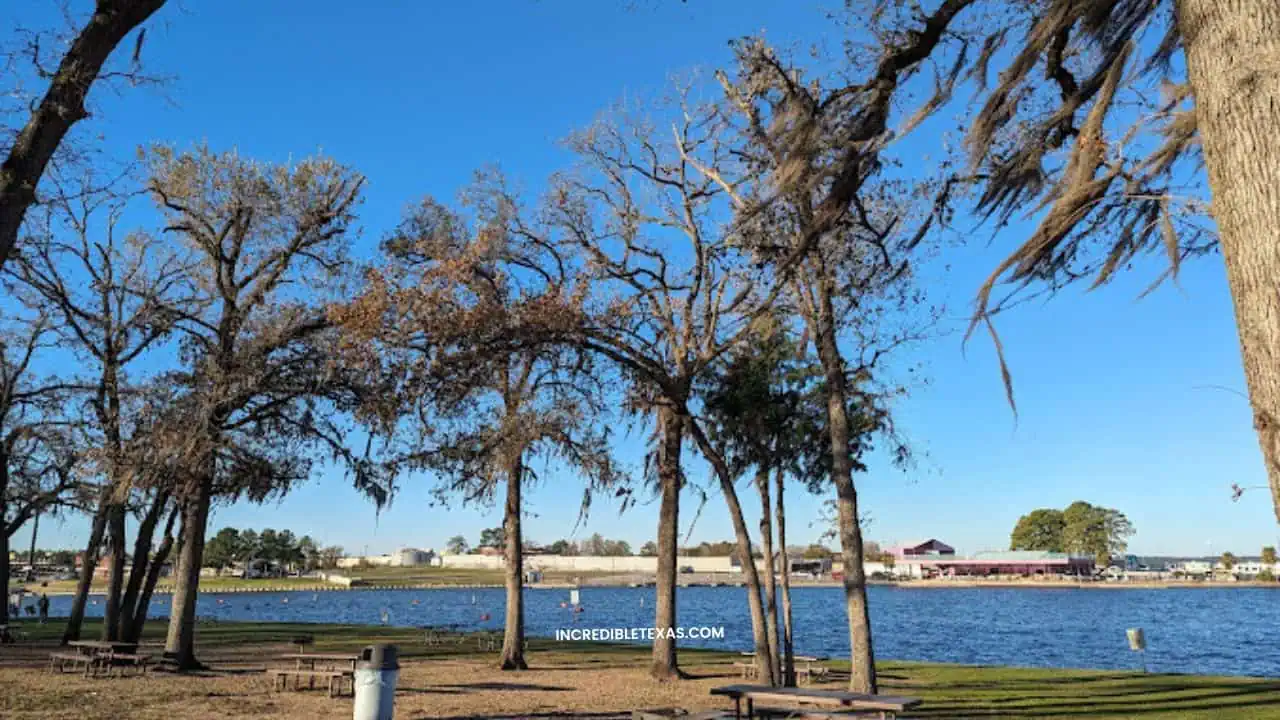
If you are comparing it with other Texas reservoirs, the broader best lakes in Texas page gives you a useful starting point for camping, fishing, and weekend travel choices. Lake Conroe stands out because you can pair the lake with Montgomery County access, shoreline parks, and year-round camping without turning the trip into a long-haul escape.
| Quick fact | Current detail |
|---|---|
| Location | West Fork of the San Jacinto River in Montgomery and Walker Counties |
| Reported size | 22,000 acres in visitor materials; 20,118 acres in TPWD records |
| Nearest major city | About 1 hour north of Houston from Cagle Recreation Area |
| Paid day-use option | Lake Conroe Beach Park, $8.40 per person with parking included |
| Camping option | Cagle Recreation Area, year-round camping and trail access |
| Fishing note | Largemouth bass, bluegill, channel catfish, and white and hybrid striped bass |
Lake Conroe TX at a Glance
Lake Conroe TX gives you a straightforward answer if you want water, space, and easy access from the Houston side of Texas. It sits on the West Fork of the San Jacinto River, and the lake works especially well when you want one place that can cover a boat day, a beach day, or a camping night without a complicated route plan.
The lake is large enough to feel like a destination, but the logistics stay manageable if you know which shore fits your trip. Cagle Recreation Area is about 1 hour north of Houston, Lake Conroe Beach Park gives you a paid beach-style day, and the official visitor overview from Visit Conroe keeps the lake on the map as a boating, fishing, swimming, and watersports spot.
The visitor and agency sources do not use the same acreage number, so the exact figure matters less than the practical reality: you are dealing with a substantial reservoir, not a neighborhood pond. That size is what makes the lake flexible enough for a beach visit, a launch day, or a camping stay without feeling repetitive.
That mix matters when you are planning a Texas weekend. You can build a short stay around shoreline access and a few hours on the water, or you can use the lake as a home base for a longer trip that also reaches downtown Conroe and the Sam Houston National Forest.
For most visitors, the useful question is not whether Lake Conroe is worth seeing. It is whether you want a paid beach day, a camping day, a boat day, or a fishing day, because the answer changes which side of the lake you should target and how much gear you need to bring.
Start with the trip style, then pick the shoreline. That sequence saves time because the lake is big enough that the wrong access point can turn a relaxed outing into extra driving and a late arrival.
If you only have a few hours, the lake still works as a useful half-day outing. You can keep the drive simple, stay close to one access point, and leave room for an unhurried meal instead of trying to squeeze the whole shoreline into one visit.
It also helps to think about the lake as a route choice rather than only a destination. A short visit and an overnight stay use different parts of the shoreline, and that is what makes the access plan matter as much as the activity itself.
What to Do on Lake Conroe
The core Lake Conroe things to do are boating, fishing, swimming, kayaking, and camping. You can also treat the lake as a slow-paced day trip and build the outing around a shoreline meal, a boat launch, or a sunset stop instead of trying to fit everything into one rushed schedule.
If you like active water time, Lake Conroe fits a boat-heavy plan better than many small Texas lakes because it has enough room for cruising, fishing runs, and general recreation. If you prefer a slower visit, the shoreline options let you park, unpack, and stay in one spot long enough to make the drive feel worthwhile.
A mixed group can use the lake in different ways without splitting up the whole day. The boater can launch, the swimmer can use a designated access point, and the camper can treat the shoreline as the base for a quiet overnight instead of a place you rush through.
If you are choosing only one activity, pick the one that matches your gear, your patience for packing, and the weather window you actually have. Boating is the most moving parts, while a shoreline stop is the easiest to keep simple.
Swimming is the most limited activity because not every access point allows it, and not every park treats it the same way. Matching your expectation to the exact site helps you avoid assuming the whole lake works like a public beach.
- Choose boating if you want the most flexible way to cover the lake and reach different coves.
- Choose fishing if you want the easiest way to turn a half-day into a full day without extra gear.
- Choose swimming if you want to focus on a specific access point with clear rules and a clear schedule.
- Choose camping if you want the lake to become the center of the whole trip instead of a one-stop attraction.
Boaters and day-trippers usually get the most reliable results when they decide on an activity first and a site second. That approach keeps you from arriving at a park that looks perfect online but does not fit the activity you actually wanted.
That same logic helps when you are choosing between a quick shoreline stop and a slower overnight stay. A few extra minutes of planning often saves you from hauling coolers, towels, or camping gear to the wrong access point for the day you had in mind.
Lake Conroe also works for a mixed plan if you want to split the day between the water and nearby Conroe stops. A morning on the lake and an evening in town is often easier than trying to force every activity into the same shoreline block of time.
Best Lake Conroe Parks and Day-Use Spots
Lake Conroe parks are not all built for the same kind of visit, so the right choice depends on whether you want a beach, a swim area, or a park that can support a longer stay. The clearest paid day-use option is Lake Conroe Beach Park at 14968 Highway 105 West, Montgomery, TX, and it charges $8.40 for daily admission with parking included.
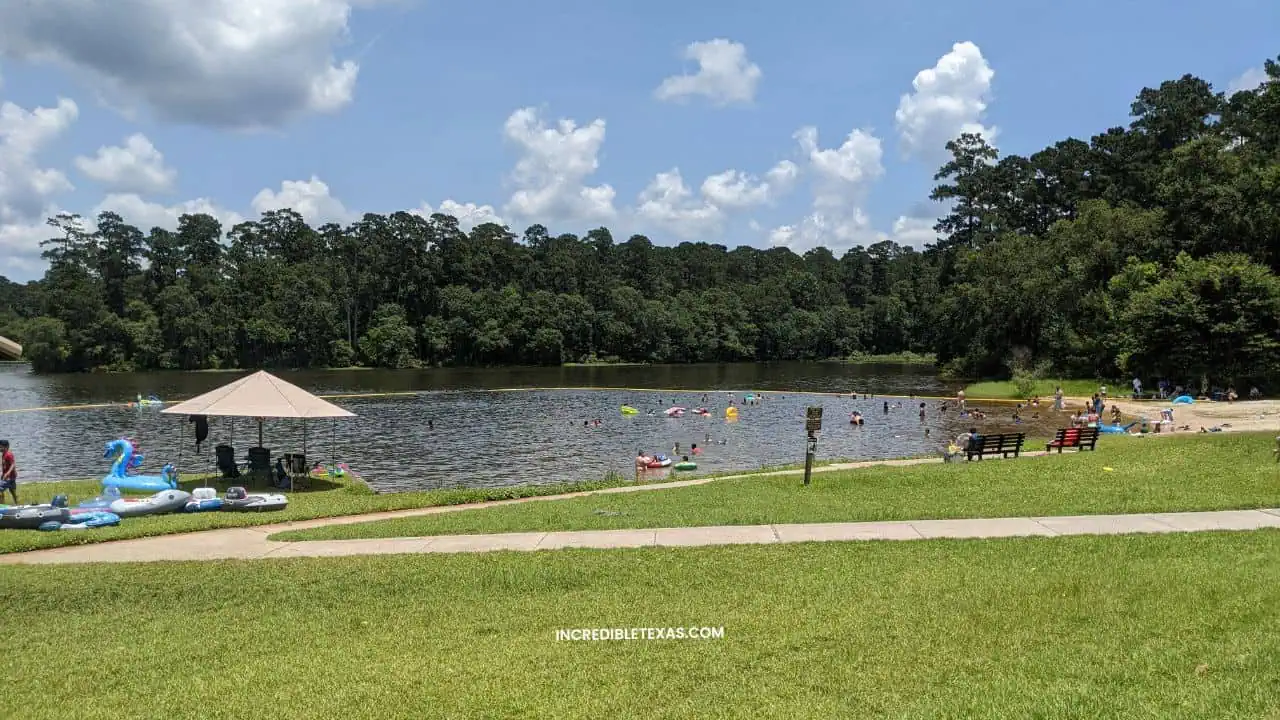
The official daily admission page at Lake Conroe Beach Park confirms the current price, hours, and entry rules. That is the page to check if you want the most current version of the policy before you load the car with food, chairs, or beach gear.
That park is open Tuesday-Friday from 9 am to 7 pm, Saturday-Sunday from 9 am to 7 pm, and Monday from 12 pm to 7 pm. Children 3 and under are free.
The on-site rules are strict: no pets, no alcohol, no glass, no boats, no jet skis, and no motorized vehicles. That is useful if you are packing for a family beach stop because it tells you exactly what to leave at home.
That setup works well if you want a simple beach day with a clear admission price and no guessing about the on-site rules. If you want a public swimming season rather than a year-round beach-passing setup, Scott’s Ridge Swim Area is the seasonal option and runs from April through September.
| Spot | Best use | Important detail |
|---|---|---|
| Lake Conroe Beach Park | Paid beach day | $8.40 admission, parking included, children 3 and under free |
| Lake Conroe Beach Park | Easy-planning day trip | Tuesday-Friday 9 a.m.-7 p.m., Saturday-Sunday 9 a.m.-7 p.m., Monday 12 p.m.-7 p.m. |
| Scott’s Ridge Swim Area | Seasonal swim stop | Open April through September |
If you want a wider park comparison, the Lake Conroe parks for fishing and camping page is the next step because it helps you see which shoreline stops fit a swim day, a fishing day, or a mixed family outing.
A park day is easier when you know the rules before you arrive. Lake Conroe Beach Park does not allow pets, alcohol, glass, boats, jet skis, or motorized vehicles, so the right packing list is smaller than a lot of visitors expect.
A practical park day starts with the details that change fastest. You should confirm hours, rules, and crowd levels before you leave, especially if you are driving in from Houston and want to avoid arriving at a site that no longer matches your plan.
If your goal is a simple beach visit, Lake Conroe Beach Park is the easiest place to read quickly and act on the same day. If your goal is a longer shoreline day with some walking or paddling, a different access point may make more sense than a beach-only stop.
That is also where the seasonality matters. Scott’s Ridge gives you a limited swim window, while the beach park gives you a paid day-use format with a fixed schedule, so you can choose between a seasonal swim stop and a more structured beach outing.
Lake Conroe Camping and RV Stays Near the Water
Cagle Recreation Area is the strongest camping starting point on Lake Conroe because it sits right along the shoreline at 394 FM 1375 West, New Waverly, TX 77358. Recreation.gov lists it as a year-round site with camping, fishing, hiking, boating, and biking, and it gives you a clear path if you want the lake to be your overnight base instead of just a day stop.
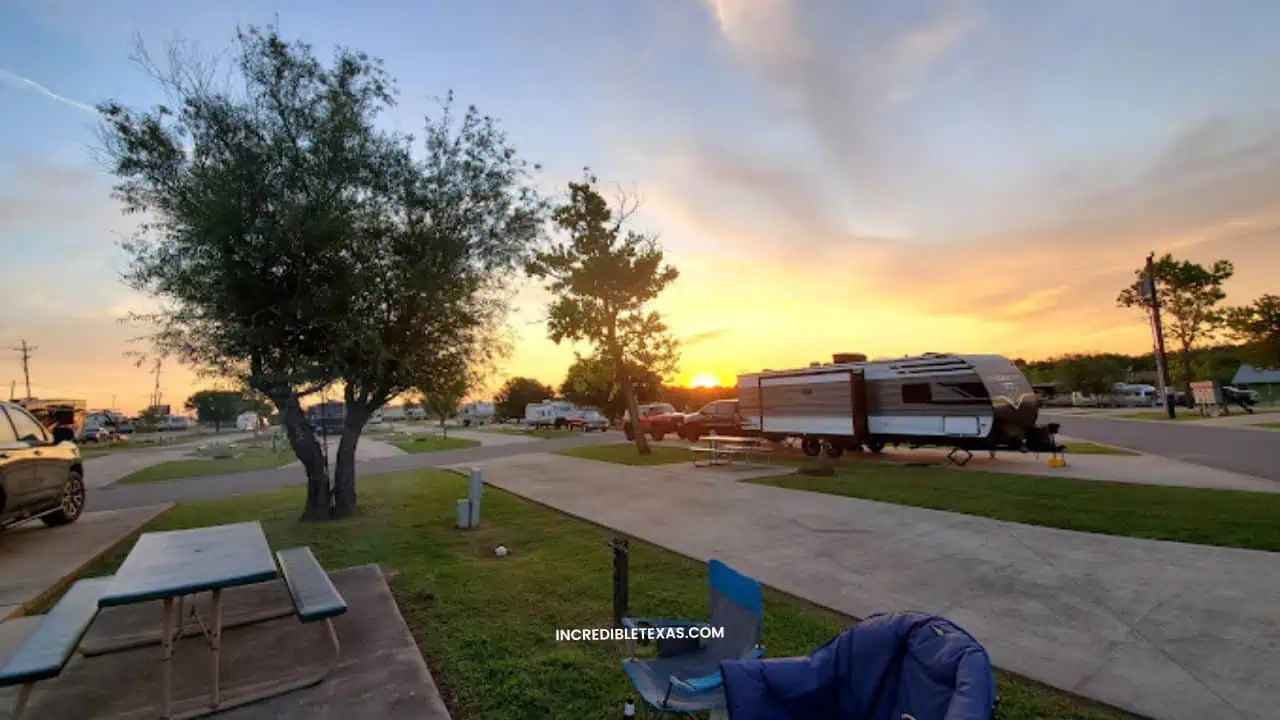
Cagle sits among pines in the Sam Houston National Forest, so the setting feels more wooded than resort-like. Recreation.gov also notes that temperatures are moderate to cool from September through May and hot and humid from June through August, which helps you decide whether you want a spring, summer, or fall overnight.
The site includes full-service hookups, two campground loops, and a 2-mile Cagle Trail, so you can mix camp time with a short walk or bike ride without leaving the area. Recreation.gov also says swimming is not allowed, which matters if you are choosing between a camping lake and a swimming lake for the same weekend.
That no-swimming rule makes Cagle a better match for campers who care more about water views, fishing, and an easy overnight than about a sand-and-splash day. It also keeps the pace calmer, which works well if your group wants a quiet shoreline base instead of a more crowded beach setting.
Cagle also has practical rules that help set expectations before you reserve. Only two tents and up to eight people are allowed at a campsite, one camping unit plus one vehicle are allowed per site, additional vehicles carry a $5 daily fee, and the site must be occupied within the first 24 hours of a reservation.
Those rules are part of why Cagle works best when you want a simple, predictable base. You know the camp size, the vehicle count, and the check-in timing before you pack, which keeps the weekend easier to manage.
- Choose Cagle if you want a real shoreline campground with a trail and full hookups.
- Choose another RV option if you want more resort-style amenities or a different lake-side setting.
- Choose a day-use park instead if you only want one shoreline day and do not need an overnight stay.
If you want a broader overnight comparison, the Lake Conroe RV parks page helps you compare more places before you lock in a campsite. That is especially useful when you are traveling with kids, a trailer, or a schedule that needs a stronger backup plan than a single park reservation.
Reservations run through Recreation.gov, so you should treat availability like any other popular outdoor booking and check it before you build the rest of the trip. That step matters most on weekends and holiday periods when the lake sees a lot more traffic than a weekday overnight.
If you want a trip that feels more like a short reset than a full resort stay, Cagle is the right scale. It gives you water, trees, and a simple overnight rhythm without asking you to plan around a long list of on-site extras.
If you want a different overnight style, the RV pages are worth a look because not every lake trip needs the same setup. Some visitors want a full hookup, some want a trail, and some only want a shoreline spot with the water in view.
Lake Conroe Marinas, Boat Rentals, and Launch Points
Lake Conroe is large enough that the side you launch from changes the feel of the day. The marina and ramp decision matters because the wrong launch can add unnecessary drive time, while the right one makes a half-day boat trip feel easy from the moment you arrive.
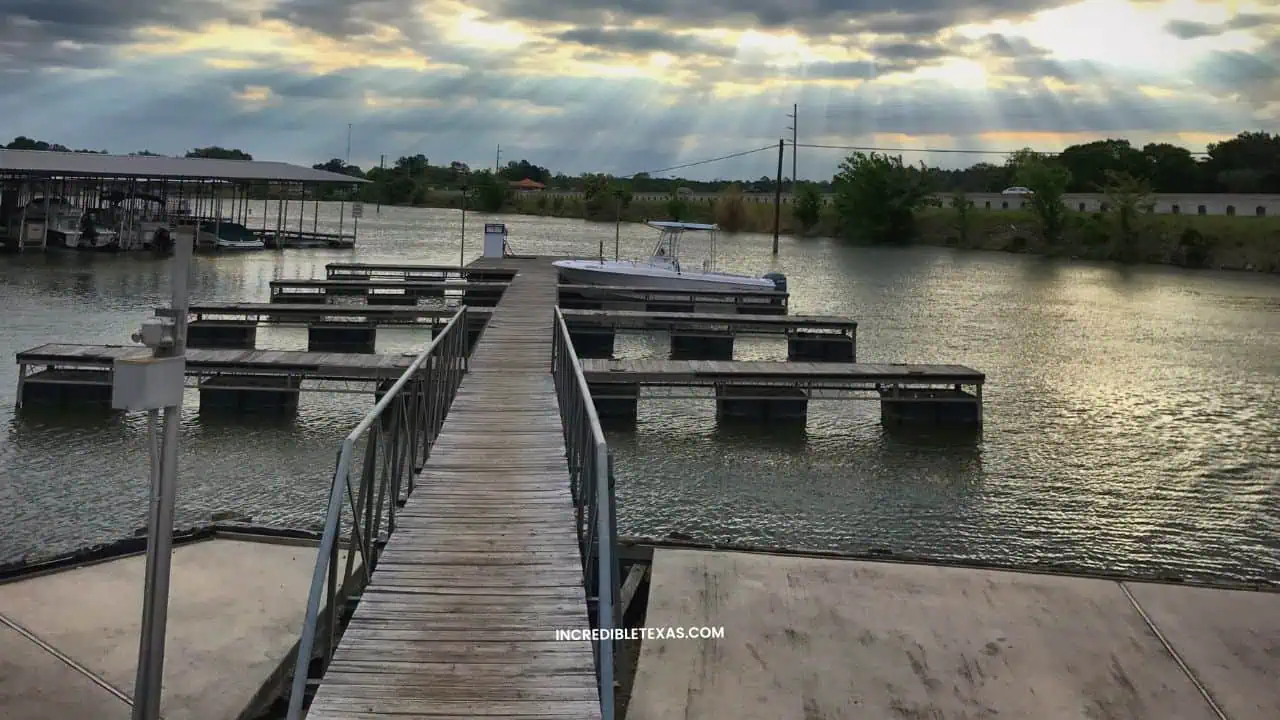
Because the lake spans multiple counties, a launch that looks close on a phone map can still feel far if you are towing a trailer or trying to meet someone on the water. Choosing the access point first keeps the rest of the route honest and gives you a better chance of arriving calm instead of rushed.
The official boat ramps page from Visit Conroe is the safest place to start if you want to sort out where to launch before you tow anything. The page exists for a reason: a lake this size needs access planning, not just a map pin.
If you are not bringing your own boat, marina directories are the next step because they help you compare rentals, slips, and on-water services. The Lake Conroe marinas page is a sensible follow-up when you want to see which shoreline option fits a boat rental, a relaxed lunch stop, or a quick launch-and-return schedule.
Marina planning also helps if you want to combine the water with a meal or a short dockside break. On a lake this size, a marina can act as a trip hub, which is useful when your group is bringing different gear or arriving from different parts of the Houston area.
That hub-style planning is useful when one part of the group wants to fish and another part wants a relaxed lunch or a dockside break. The trip feels smoother when the launch, rental, and meeting point all point to the same shore.
| Planning question | Why it matters | Lake Conroe detail |
|---|---|---|
| Where do you launch? | Launch choice changes your drive time and your first hour on the lake. | Use the official boat-ramp directory before you leave. |
| Do you need a rental? | Rental versus trailering changes your parking, towing, and timing plan. | Marina directories are the quickest way to compare services. |
| Are you staying shore-side? | Shore visits work better when the access point matches your goal. | Pair your stop with the beach park, a marina, or a campsite. |
Lake Conroe’s size makes trip style more important than brand-name familiarity. A shoreline marina, a rental dock, and a launch ramp can all be the right answer, but only when they match how you actually want to spend the day.
That is especially true if you want to blend boating with dining or a short family outing. The more you know about the access point before you arrive, the less the day feels like a scramble and the more it feels like a planned escape.
The same logic applies if you are pairing a marina stop with a campground or a beach park. A lake trip gets easier when you commit to one shoreline for most of the day instead of crisscrossing the reservoir for every stop.
Fishing on Lake Conroe
Fishing on Lake Conroe is simple to explain but worth planning correctly. TPWD lists largemouth bass, bluegill, channel catfish, and white and hybrid striped bass as the dominant species, and the lake also has special largemouth bass regulations plus a Triploid Grass Carp Permit in effect.
TPWD’s Lake Conroe page at TPWD’s Lake Conroe page is the clearest external check for current lake rules and fish notes. It is the page to review if you want to confirm species information or any regulations before you put a line in the water.
That mix gives you enough variety to build a family trip, a bass trip, or a casual bank-fishing stop. If you want one practical rule to remember, it is this: check the Texas fishing rules before you go, because Lake Conroe follows state regulations rather than a separate local fishing system.
That matters even more if you are fishing with kids or if some people in your group are new to Texas reservoirs. A clear understanding of the rules keeps the outing focused on the shoreline, the boat, or the tackle box instead of turning into a last-minute policy search.
- Largemouth bass are the headline species, so bass anglers have a real reason to plan time here.
- Bluegill and catfish give you easier options if you are bringing kids or learning the lake.
- White and hybrid striped bass add another layer if you want a trip that is not only about bass.
If you need the permit and regulation basics in one place, the Texas fishing permit rules page is the right companion read before you cast. It keeps the legal side separate from the lake-planning side, which is useful when you want a simple answer before sunrise instead of a last-minute rule search.
Fishing regulations can change more often than the lake itself, so the TPWD Lake Conroe page is the primary external reference for current rules and fish details. You should treat the official lake page as the final check before you decide on tackle, target species, and launch timing.
A relaxed fishing day on Lake Conroe works well when you bring simple expectations. The lake can support a serious bass plan, but it also works for a family day where the goal is a few hours outside, a cooler, and enough structure to keep everyone engaged.
If you want a low-stress version of the trip, start with bait, shade, and a short horizon instead of long-odds trophy chasing. That approach keeps the focus on the outing instead of the catch count, which is useful when you want the lake to feel fun even on a slow bite.
That is especially helpful for mixed groups because a fishing trip does not have to turn into a high-pressure contest. If the goal is a calm morning and a little time on the water, Lake Conroe gives you enough shoreline and species variety to keep the plan simple.
If you are splitting the trip with non-anglers, that is usually where Lake Conroe earns its keep. The lake gives the angler a reason to be there and gives everyone else a usable shoreline setting instead of a pure fishing-only destination.
Lake Conroe FAQ
What is Lake Conroe known for?
Lake Conroe is known for boating, fishing, swimming, and watersports, plus its easy role as a Houston-area getaway. You can also use it as a camping lake because Cagle Recreation Area supports year-round overnight stays on the shoreline.
Can you swim in Lake Conroe?
Yes, but only at designated access points rather than everywhere on the lake. Lake Conroe Beach Park is the most obvious paid beach-style choice, and Scott’s Ridge Swim Area is seasonal from April through September.
How far is Lake Conroe from Houston?
Cagle Recreation Area says it is about 1 hour north of Houston, and that is a fair planning reference for the lake overall. The exact drive time depends on where you start in Houston, traffic, and which shore or park you are trying to reach.
Do you need a fishing license for Lake Conroe?
Yes. A fishing license is required for anyone fishing in the public waters of Texas, and anglers under 17 are exempt from that requirement.
Where is the best place to stay near Lake Conroe?
The most practical overnight stay depends on your trip style. If you want shoreline camping, Cagle Recreation Area is the clearest starting point; if you want a different overnight setup, the Lake Conroe RV parks options are worth comparing before you book.
What are the best things to do at Lake Conroe?
The main things to do are boating, fishing, swimming, kayaking, and camping. If you want the simplest version of the trip, pick one of those activities first and let the access point, park, or marina follow from that choice.
For a first visit, that usually means a paid beach day at Lake Conroe Beach Park or an overnight at Cagle Recreation Area. If you want the widest possible plan, combine lake time with a stop in Conroe or a route through the Sam Houston National Forest.