Lake Brownwood State Park Visitor Guide: CCC History & Fishing
The morning mist hangs low over the 7,300-acre expanse of Lake Brownwood, where the rugged sandstone outcrops of the Rolling Plains meet the serene waters of Central Texas.
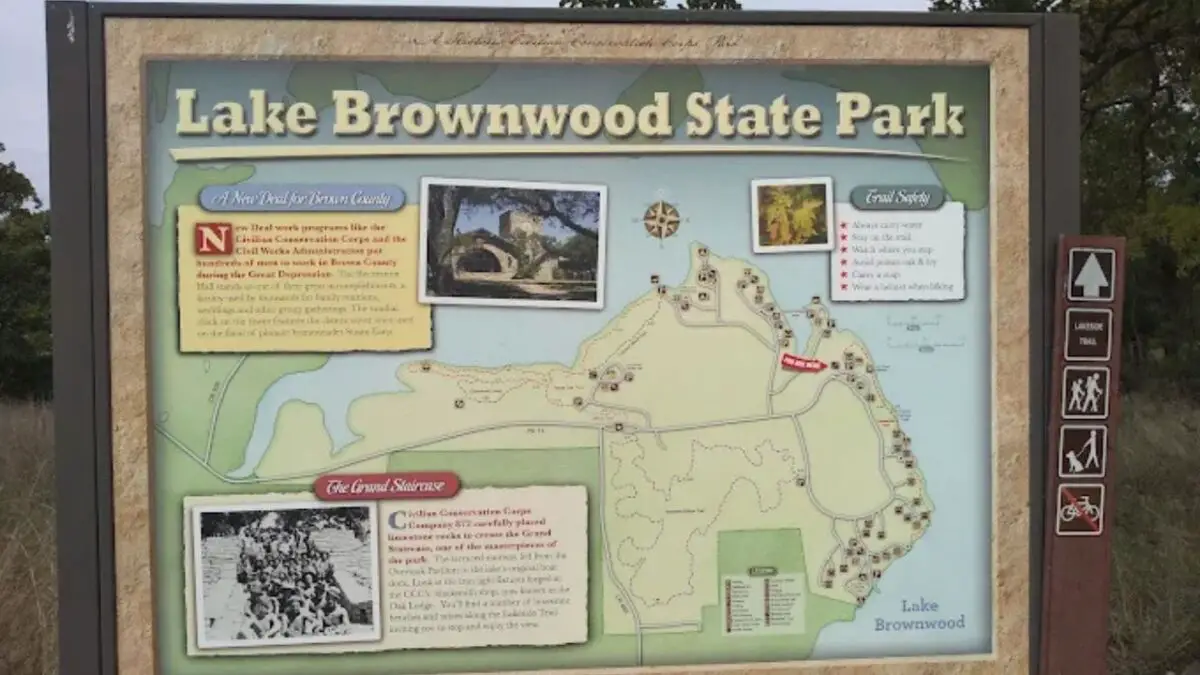
Lake Brownwood State Park offers a unique blend of water-based adventure and historic Civilian Conservation Corps (CCC) architecture. Current renovations require Huntsville State Park levels of logistical planning to ensure your visit is successful.
Historic Cabins, Lodges, and Camping at Lake Brownwood State Park
You can book screened shelters and RV sites with 30-amp or 50-amp connections through the TPWD reservation system. These sites offer a mixture of lakefront access and secluded woodland settings situated within the intersection of the Rolling Plains and Cross Timbers ecosystems.
You’ll find similar seclusion at Lake Somerville camping spots if you want to explore other lake-based options in the region.
You can stay at Lake Brownwood State Park in one of 16 historic CCC cabins, a 26-person Beach Lodge, or one of 60+ campsites ranging from full-hookup RV loops to hike-in tent sites. The park’s overnight options are currently divided between modern facilities and landmark sandstone structures that define the Central Texas aesthetic.
Understanding the layout of the Willow Point and Council Bluff loops is essential for a successful trip to these campsites. Currently, you must verify availability in advance as several historic units are undergoing restoration through early 2027.
RENOVATION ALERT: The Rec Hall, group lodges, and all historic cabins are currently closed for restoration through early 2027. Check the official TPWD alert page for reopening dates before attempting to book these historic units.
Historic CCC Cabin Rentals and the 26-Person Beach Lodge
When open, the cabins at Lake Brownwood State Park are highly sought-after in the Texas State Park system because of their original CCC-crafted furniture and masonry. These units were built using local sandstone, and many offer direct views of the lake through heavy-timbered windows.
The Beach Lodge provides a massive space that can sleep up to 26 people, making it ideal for family reunions and scout troops. During the current closure, you can still admire these buildings from the outside while walking the paved park roads.
The craftsmanship reflects the labor of Companies 849 and 874, who spent years shaping the park’s aesthetic to match the surrounding Western Cross Timbers environment. Once the renovations are complete, these lodges will feature updated climate control and restored original woodwork, significantly enhancing the comfort of your stay.
Screened Shelters and Modern Full-Hookup RV Sites
If you prefer a more traditional camping experience, the park offers several loops that cater to different levels of comfort and privacy. You can choose from 20 full-hookup RV sites that provide water, electricity, and sewer connections, which are perfect for larger rigs.
Those who want to be closer to nature without sleeping on the ground can use the 10 screened shelters. These provide a solid roof and wind protection while keeping the lake breeze flowing.
You should note that privacy varies significantly between the different camping loops. The Willow Point loop has some of the better views, while the more secluded tent sites offer more space between neighbors.
| Site Type | Number Available | Capacity | Features |
|---|---|---|---|
| Full Hookup RV | 20 | 8 People | Water, 30/50 amp, Sewer |
| Water & Electric | 30+ | 8 People | Water, 30 amp |
| Screened Shelters | 10 | 8 People | Water, Electricity, Bunks |
| Tents-Only (Water) | 20+ | 8 People | Near Lake Access |
Angler’s Guide to Lake Brownwood State Park: Fishing from the Pier, Shore, and Boat
Fishing is the primary draw for many visitors to Lake Brownwood, which is renowned for its Largemouth Bass and quality Crappie. If you are specifically chasing hybrids or striper, you might consider Lake Texoma striped bass fishing as a nearby alternative for larger trophy hauls.
The park is a top destination for both boat and shore anglers because it participates in the “Free Fishing in State Parks” program, meaning you do not need a license to fish from the bank.
Anglers typically target the rocky shorelines and submerged timber that characterize the park’s northern coves. Current fishing tactics for 2026 require adjusting for water levels that are approximately 3.7 feet below the full pool elevation of 1,425 feet.
This elevation change moves the fish toward deeper channels and away from the standard shoreline brush piles found at full pool. You’ll find success using 1/4-ounce jigs for crappie or deep-diving crankbaits to reach the larger bass holding near the sandstone drop-offs.
ACCESS ADVISORY: Due to low water levels, the boat ramp and the main fishing pier are temporarily closed to ensure public safety. You can still fish from the shore, but you should prepare for steeper access points near the rocky banks.
Check the current USGS Lake Brownwood data for real-time elevation changes.
What Fish are in Lake Brownwood? (Large Mouth Bass, Crappie, and Catfish)
The lake is a hotspot for Largemouth Bass, particularly around the northern brush piles and submerged structures. You will also find healthy numbers of White Bass and Striped Bass hybrids that roam the open waters following schools of shad.
Catfish enthusiasts can find Flathead and Channel Catfish by targeting the deeper channels and the rocky areas near the dam.
Even with the lower water levels, these fish remain active, though you may need to adjust your depth and presentation to account for the shallower shoreline. Bringing a varied tackle box with both topwater lures and deep-diving cranks provides a strong chance of landing a trophy during your trip.
Shore Fishing Rules: Why You Don’t Need a License in the Park
A primary benefit of visiting is the “Free Fishing in State Parks” program. You do not need a Texas fishing license to fish from the shore or the pier within the boundaries of a state park.
This provides an excellent location for families or beginners who want to try the sport without the overhead of purchasing permits. Shore fishing remains a highly accessible way to enjoy the lake for first-time visitors.
Keep in mind that once you leave the park boundaries or head out onto the lake in a boat, the standard state license requirements take effect immediately. You must still adhere to all length and bag limits regardless of where you are fishing from.
Be sure to check with the park rangers at the entrance for any specific daily alerts or changes to the creel limits for the current season.
Lake Brownwood Fishing Regulations and Daily Limits
You must adhere to all TPWD length and bag limits, which are posted at the park headquarters and the boat ramp access points. For most anglers, the primary targets remain the 14-inch minimum Largemouth Bass and the 10-inch White Crappie, which are plentiful in the brushy coves.
Walking through History: Civilian Conservation Corps Architecture and the Grand Staircase
The architectural legacy of Lake Brownwood State Park is a significant asset in the Texas state park system. You can see similar structural commitment at Cagle Recreation Area which also protects unique Texas geological and historical features.
The Civilian Conservation Corps (CCC) built 16 historic cabins, the Grand Staircase, and the massive sandstone Recreation Hall at Lake Brownwood State Park between 1934 and 1942. This landmark architecture is a top example of the “National Park Service Rustic” style in Texas, utilizing hand-quarried stone and timber to blend with the landscape.
You can explore these structures today to see the craftsmanship of companies 849 and 874, who shaped the park’s distinct identity during the Great Depression.
The historical significance of the park is anchored by its sandstone masonry and original hand-joined furniture found in the Rec Hall and Beach Lodge. These elements were designed to withstand the harsh Central Texas climate while providing a grand social hub for the local community.
Walking through the historic district today offers a direct connection to the labor and artistry that built the foundation of Texas’s outdoor recreation system. As you walk between the recreation hall and the camping loops, you will see the results of thousands of hours of hand-quarrying.
This “National Park Service Rustic” style was meant to inspire a sense of awe and connection to the land, a mission that still succeeds decades later.
The Grand Staircase: A Landmark Built for Boaters
The Grand Staircase is the prominent architectural feature in the park. It was originally designed to welcome visitors who arrived by boat, allowing them to climb from the water’s edge up to the recreation hall for community dances.
Even with the lake levels currently lower, the scale of the staircase is impressive and serves as a vantage point for photography during the golden hour. The Texas State Historical Association records document the site’s extensive masonry.
Standing at the top of the stairs, you can visualize the social life of the 1930s and 40s when the pavilion was the center of regional social activity.
The stairs are meticulously constructed using local sandstone, showing very few signs of wear despite nearly a century of Texas weather. You should take a moment to notice the precision of the joints and the way the stairs follow the natural curvature of the hill.
CCC Stone Structures and Original Recreation Hall Furniture
The recreation hall itself is a marvel of CCC craftsmanship, featuring massive timber trusses and large stone fireplaces. One of the “local secrets” of the park is that much of the furniture inside the cabins and lodges was also built by CCC workers.
You can still see the original hand-joined tables and chairs that were designed specifically for these spaces. Many of these items are receiving specialized care during the current renovations.
The use of local materials extended beyond just the buildings to includes benches, fire pits, and even the curbs along the park roads. You will find several CCC monuments and informational plaques scattered throughout the park that detail the life of the workers who lived in the camps here.
Here is a quick list of the must-see CCC landmarks you can visit today:
- The Recreation Hall: The social heart of the park with its famous dance pavilion.
- The Grand Staircase: The towering stone path from the lake to the pavilion.
- Historic Cabins: Individual units showing the diversity of CCC masonry work.
- Stone Benches and Bridges: Subtle integrations along the hiking trails and roads.
Hiking and Trails: Exploring the Lake Brownwood Shoreline
Hiking Routes and Lakeside Trail Detours
You can explore nearly six miles of hiking and biking trails at Lake Brownwood State Park, navigating the convergence of three distinct ecosystems. The trail layout is anchored by the 2.9-mile Nopales Ridge Trail and the 1.2-mile Lakeside Trail.
This biological crossroads ensures that you’ll spot a diversity of flora and fauna found in few other Texas state parks. The trail system is designed for different skill levels, featuring easy walks along the lake shore and more moderate loops through the rocky ridge lines.
The trail layout is anchored by the 2.9-mile Nopales Ridge Trail and the 1.2-mile Lakeside Trail, though current renovation projects may temporarily alter access to certain shoreline paths.
Hikers frequently encounter white-tailed deer and Rio Grande turkeys, while the rocky sandstone vistas provide panoramic views of the lake.
The trail system is designed for easy to moderate hiking, making it accessible for families with younger children.
However, you should be aware that the Lakeside Trail is currently affected by the ongoing renovation projects. Checking the current map at the park headquarters will help you navigate the detours and ensure you reach the viewpoints without hitting a construction fence.
Nopales Ridge Trail: The Only Mountain Bike-Friendly Loop
If you brought your mountain bike, you will need to head straight for the Nopales Ridge Trail. This 2.9-mile loop is the only trail in the park where biking is permitted, as the other paths are reserved strictly for pedestrian traffic.
You’ll find similar mixture of shoreline scenery and shaded loops when exploring the Lake Livingston State Park trails later in the season. The ridge provides excellent views of the surrounding countryside and the lake itself.
You should keep an eye out for loose limestone and cacti along the edges of the path, as the trail can be narrow in certain sections. Completing the loop takes most riders about 30 to 45 minutes, depending on your pace and how often you stop to take in the vistas from the high points of the ridge.
Birdwatching at the Convergence of Three Texas Ecosystems
The convergence of ecosystems makes the park a premier destination for birdwatching in Central Texas. You can spot species typical of the Hill Country alongside those more common in the open plains of West Texas.
Keep your binoculars ready for sightings of Painted Buntings, Rio Grande Turkeys, and various species of hummingbirds that frequent the wooded draws near the campgrounds.
Wildlife viewing is not limited to birds; you will frequently see white-tailed deer, raccoons, and armadillos throughout the park. The best time for wildlife encounters is during the early morning or the quiet hours just before sunset.
Finding a quiet spot near the water or along the less-traveled inland trails will give you the best opportunity to observe these animals in their natural habitat without disruption.
Planning Your Trip: Lake Brownwood Entrance Fees, Hours, and Reservations
Developing a flexible itinerary is essential when planning a visit to Lake Brownwood, especially during the peak summer months. You can compare these logistics with our Lake Whitney State Park guide to see how other local parks manage holiday capacity.
You should treat your day pass or camping reservation as a priority to ensure entry isn’t denied at the front gate. The park gate remains open from 6 a.m. to 10 p.m. daily, though existing camping reservations can access the park after-hours using a gate code.
Arriving early is highly recommended for day trips. The table below outlines the current fee structure for the park to help you budget for your group.
| Category | Daily Fee |
|---|---|
| Adult (13 and older) | $5 |
| Child (12 and under) | Free |
| Texas State Parks Pass | Free Entry |
| Commercial Group | Contact Park |
Daily Entrance Fees and Junior Ranger Programs
The entry fee for adults is a modest $5, which supports the ongoing maintenance and preservation of the park’s historic facilities. Admission is free for everyone 12 and under.
You can pick up a Junior Ranger activity book at the headquarters to keep kids engaged while learning about the park’s geography and history. Once your child completes the tasks in the book, they can return it to a park ranger to be sworn in and receive an official badge.
This program is free and encourages children to explore the details of the park they might otherwise miss. It provides a way to turn a simple weekend outing into an educational adventure that connects the next generation to the outdoors.
Capacity Warning: Why Online Reservations are Essential
The primary reason for frustration among new visitors is the park reaching capacity before they arrive. You should always use the TPWD online reservation system to book your day pass at least a week in advance.
Having a confirmation ensures entry is guaranteed, regardless of how many other vehicles arrive that day. If you are planning to rent a cabin or lodge (once they reopen), you may need to book as far as five to six months in advance.
The historic nature of the park means these units are in high demand and limited supply. If you find that the park is full, you can check for Lake Whitney State Park nearby for other availability.
Essential Visitor Checklist: What to Pack for your Central Texas Escape
The environment at Lake Brownwood is beautiful but can be unforgiving if you arrive unprepared for the Texas elements. Your packing list should reflect the fact that you will be spending the majority of your time outdoors on rocky, sun-exposed terrain.
Having the right gear is the key to a comfortable experience. You should prioritize sun protection and hydration above all else, especially if aiming for a full week of camping or a single afternoon of hiking.
Sun protection is essential from May through September when temperatures regularly exceed 90 degrees. Even in the winter months, the Texas sun remains strong, and the reflection off the lake can lead to unexpected burns.
Preparing for the transition between the blistering afternoon heat and the cooler evening breeze will keep you comfortable throughout your stay.
Central Texas Weather: First Freezes and Summer Highs
The weather in Brown County is characterized by sharp contrasts between the seasons. You can expect the first freeze to arrive in early November, which can catch campers off-guard if they haven’t checked for coastal alerts at Goose Island State Park.
Conversely, the spring months are pleasant, with wildflowers blooming across the Nopales Ridge Trail before the intense heat of July sets in. Checking the multi-day forecast before you leave is essential, as West Texas weather systems can move in rapidly.
High winds can make boating on the 7,300-acre lake dangerous, creating whitecaps that are difficult for smaller vessels to navigate. Always check the current wind speed at the headquarters before launching any watercraft to ensure a safe day on the reservoir.
Boating Safety and Park Access Points
With the current low water levels, you should be extremely cautious when navigating the lake. Submerged stumps and rock formations that are normally deep underwater may now be near the surface, posing a risk to your hull and motor.
You should stick to the main channels and use the park’s depth charts to avoid the shallower areas near the coves. Life jackets are mandatory for all passengers on watercraft, and the park rangers strictly enforce this rule for your protection.
Make sure all your safety equipment is up to date and easily accessible if you are bringing your own boat. Taking these precautions ensures that your time on Lake Brownwood is memorable for the right reasons.
Focusing on these details allowing you to focus on the beauty of the Central Texas landscape.
Planning Your Lake Brownwood Visit: What to Do Before You Go
Your journey to one of Texas’s most historic parks should begin with a quick look at the current facility status page. While the renovations are a temporary inconvenience, they are a vital step in ensuring the legacy of the CCC remains standing for another ninety years.
By planning around the construction and the current water levels, you can still enjoy a world-class outdoor experience in the heart of the state. Secure your reservations and check the alerts before hitting the road for Park Road 15.
Lake Brownwood State Park offers a unique perspective on the Texas outdoors that you won’t find anywhere else. Secure your reservations and check the alerts before hitting the road for Park Road 15.
Frequently Asked Questions About Lake Brownwood State Park
Do I need a fishing license at Lake Brownwood State Park?
No, you do not need a fishing license to fish from the shore or a pier within the boundaries of Lake Brownwood State Park. This is part of the Texas “Free Fishing in State Parks” program designed to encourage outdoor participation.
If you plan to fish from a boat on the lake or head outside the park’s designated boundaries, you must possess a valid Texas fishing license with the appropriate stamps. All bag and length limits still apply to all anglers regardless of license status.
Are pets allowed at Lake Brownwood State Park?
Yes, pets are welcome at Lake Brownwood State Park, provided they are kept on a leash no longer than six feet at all times. For the safety of the local wildlife and other visitors, you must not leave your pet unattended in your campsite or vehicle.
Keep in mind that pets are strictly prohibited inside any of the park’s buildings, including the historic CCC cabins, screened shelters, and the recreation hall. Always bring plenty of water for your pet, as the Central Texas heat can be intense during much of the year.
Can you swim in Lake Brownwood?
Swimming is typically permitted in Lake Brownwood, but current conditions in 2026 have led to temporary restrictions. As of April 10, 2026, the primary swimming area is closed due to low water levels, which have exposed underwater hazards.
You should check with the park rangers at the headquarters for the most current information on safe swimming spots.
When swimming is available, note that there are no lifeguards on duty, so you are responsible for your own safety.
How many miles of hiking trails are in Lake Brownwood State Park?
The park features nearly six miles of developed trails that showcase the convergence of three distinct Texas ecosystems. The popular routes include the 2.9-mile Nopales Ridge Trail, which offers rocky terrain and scenic overlooks, and the shorter 1.2-mile Lakeside Trail.
Due to ongoing multi-million dollar renovations, some sections of the Lakeside Trail may be detoured or closed. You can pick up a current trail map at the park entry or headquarters to find the best open routes for your skill level.
Does Lake Brownwood State Park have cabins?
Lake Brownwood State Park is famous for its 16 historic sandstone cabins and the massive 26-person Beach Lodge, all constructed by the Civilian Conservation Corps (CCC). These facilities are currently closed for a comprehensive restoration project and are expected to remain unavailable through early 2027.
Once they reopen, these cabins will once again be highly frequented and historically significant lodging options. For other historic stays, consider checking Copper Breaks State Park for a different era of Texas architecture.
Is there a boat ramp at Lake Brownwood State Park?
There is a public boat ramp located within the park, but it is currently closed because the lake level is approximately 3.7 feet below its full pool elevation. Low water conditions make launching larger vessels hazardous to both the boat and the trailer.
You should monitor current lake levels through the USGS monitoring station or call the park’s flood alert line at 325-784-5223 for daily updates. Once the water returns to safe levels, the ramp will reopen for standard motorized boat access and paddlecraft launching.