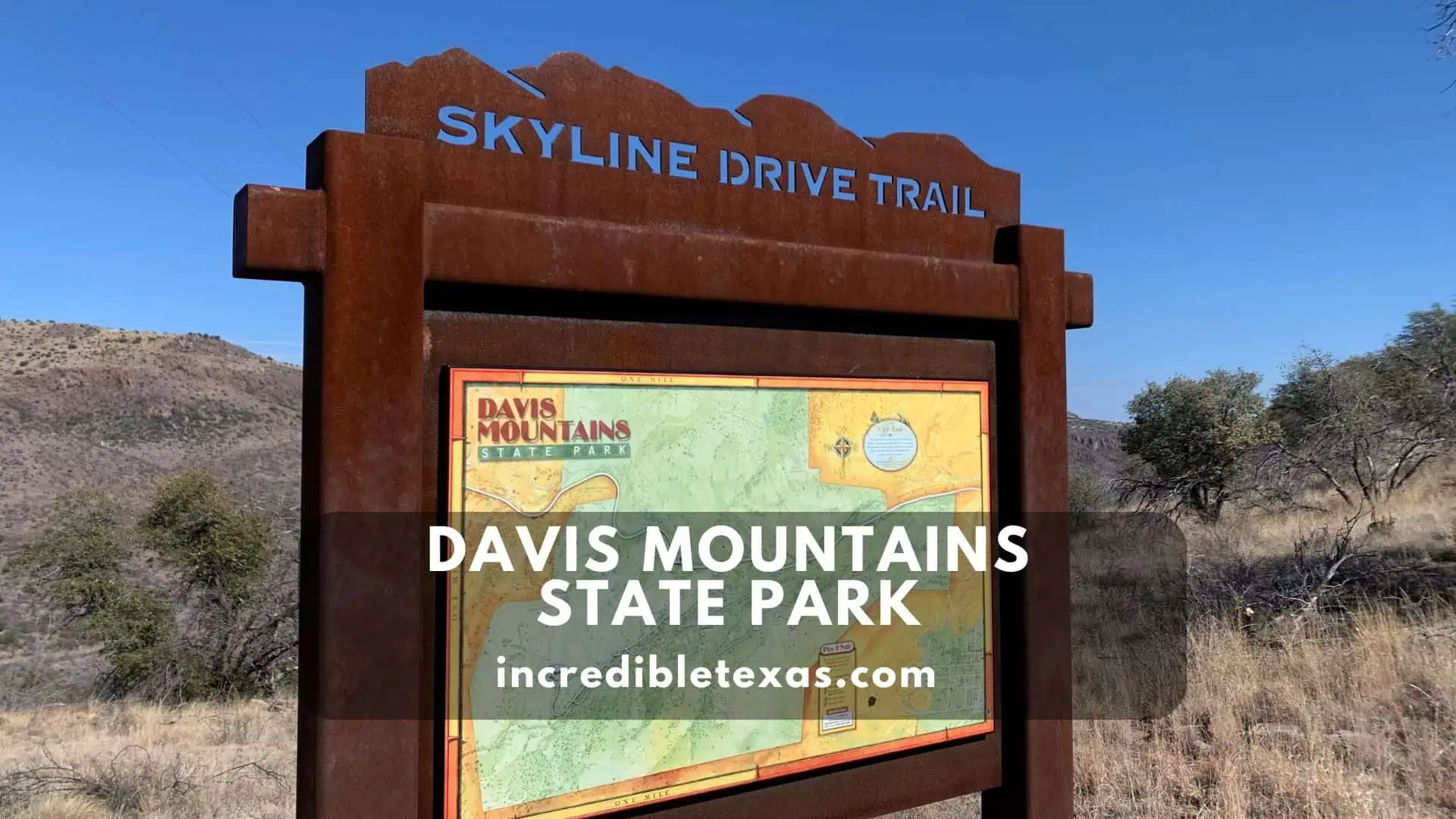
Davis Mountains State Park, situated in the high desert of West Texas, offers an unparalleled "sky island" experience with elevations reaching up to 6,000 feet. This rugged destination is a premier spot for hikers, birdwatchers, and stargazers looking to escape the Texas heat and immerse themselves in one of the best state parks in Texas.
Why Davis Mountains State Park is a West Texas Essential
As of February 2026, Davis Mountains State Park remains one of the most diverse ecological sites in the Lone Star State. Unlike the surrounding Chihuahuan Desert, the park's high elevation creates a cooler, wetter environment that supports lush forests, mountain lions, and rare bird species. This "sky island" effect creates a climate that is vastly different from the coastal regions of the state.
The park is famous for its historic Indian Lodge, a pueblo-style hotel built by the Civilian Conservation Corps in the 1930s. Following a massive $3.5 million renovation completed in May 2025, the lodge now offers modern amenities while preserving its iconic Southwestern charm and hand-carved furniture. The craftsmanship found here is a testament to the enduring architectural legacy of the 20th century.
Elevation | 5,000 to 6,000 feet |
Location | 4 miles North of Fort Davis, TX |
Primary Activities | Hiking, Camping, Stargazing, Birding |
Famous Landmark | Indian Lodge & Skyline Drive |
Climate | High Desert (Cooler than surrounding plains) |
Visitors often combine their trip with a visit to the nearby McDonald Observatory, which hosts world-famous Star Parties. The park serves as the perfect base camp for exploring the "Texas Alps" and the surrounding historic sites of Fort Davis.
Davis Mountains State Park: Essential Visitor Information for 2026
Planning a trip to West Texas requires careful timing and preparation due to the region's remote nature. The park operates year-round, but your experience will vary significantly depending on the season and altitude. Proper preparation is the key to enjoying this rugged terrain without the common pitfalls of desert travel.
Park Hours and Entry Fees
The park is open daily for day use from 8:00 AM to 10:00 PM. The park office is generally staffed from 8:15 AM to 4:45 PM for check-ins, merchandise, and permit information. According to the official Texas Parks and Wildlife website, day-use reservations are highly encouraged.
Adults (13+) | $6 daily |
Children (12 and under) | Free |
Texas State Parks Pass | $70 annually (covers everyone in vehicle) |
Reservations are highly recommended, especially for weekends and spring break 2026. You can book your entry permits up to 30 days in advance via the TPWD online reservation system.
Navigating the Park: Maps and Directions
The park is located at 151 Park Road 3, Fort Davis, TX 79734. It is approximately a 20-minute drive from Alpine and 30 minutes from Marfa, making it part of the popular "tri-city" tourism circuit.
Using an official Davis Mountains State Park map is crucial, as cell service can be spotty in the mountain canyons. The park is divided into the main camping area and the Skyline Drive area, which offers the best panoramic views.
The History of Davis Mountains: From CCC to 2026
The park's infrastructure is a testament to the hard work of the Civilian Conservation Corps (CCC) during the Great Depression. According to the Texas Historical Commission, Companies 879 and 881 worked here between 1933 and 1935. Unlike the red rock formations found at Caprock Canyons State Park, the geology here is predominantly volcanic.
The CCC crews used local materials, including volcanic rock and pine timber, to ensure the structures blended into the natural landscape. Their most significant achievement was the original 16-room section of the Indian Lodge, which still stands as a masterpiece of Southwestern architecture.
The Indian Lodge Legacy
Indian Lodge is more than just a hotel; it is a historic landmark. The 2025 renovation updated the infrastructure, including new electrical, plumbing, and HVAC systems, ensuring the lodge stays operational for another century.
The Black Bear Restaurant inside the lodge has also returned to full service in 2026. It provides a convenient dining option for those who want a break from campfire cooking while enjoying views of the mountain slopes.
Top Things to Do at Davis Mountains State Park
Whether you have one day or a full week, the park offers a variety of activities that showcase the rugged beauty of West Texas.
1. Scenic Skyline Drive
Skyline Drive is the highest road in any Texas state park, winding up the mountain to a stunning overlook. The five-mile paved route offers multiple pull-offs where you can view the surrounding peaks and the town of Fort Davis below.
The overlook at the end of the drive is a popular spot for sunset viewing. From this vantage point, you can see the distant "Mitre Peak" and the expansive Chihuahuan Desert stretching toward the horizon.
2. Birdwatching at the Wildlife Viewing Area
Davis Mountains is recognized by the American Bird Conservancy as a premier birding destination. The park's Emory Oak Wildlife Viewing Area features a large, enclosed blind with water stations and feeders that attract rare species.
Birders come from across the country to spot the elusive Montezuma Quail. Other common sightings include the Woodhouse’s Scrub-Jay, Acorn Woodpeckers, and several species of hummingbirds that migrate through the region in 2026.
3. Stargazing and the Dark Sky Advantage
West Texas has some of the darkest skies in the lower 48 states. The park is a key part of the Greater Big Bend International Dark Sky Reserve, which also includes the waters of Balmorhea State Park.
The observatory's 2026 Star Party schedule includes several nights a week of guided constellation tours. These events are incredibly popular and often sell out months in advance, so plan your booking early via their official website.
4. Interpretive Programs and Ranger Hikes
In early 2026, the park has scheduled unique programs like "Return of the Black Bear" on February 14th and "Birding For Beginners" on February 20th. These sessions allow visitors to engage with the environment and learn about the delicate balance of the high-altitude ecosystem.
Other popular events include "Art in the Park" and "Skyline Drive Geology Tours," which provide a creative or scientific lens on the landscape. These programs are often free with park entry but may require pre-registration at the park headquarters.
Families can also participate in the "Hike With Homeless Dogs" program, which is a community favorite held on the first Thursday of the month. This initiative allows visitors to take shelter dogs for a walk on park trails, providing exercise for the animals and a unique experience for hikers.
The Junior Ranger program remains a cornerstone of the park's educational efforts. Children can pick up a free activity journal at the office and earn a badge by completing various challenges throughout the park.
Comprehensive Hiking Trails Guide
The trail system at Davis Mountains State Park covers over 10 miles of terrain, ranging from easy valley walks to strenuous mountain ascents.
Easy and Moderate Trails
The Headquarters Trail (0.3 miles) is a perfect warm-up, leading to the wildlife viewing area through a scenic canyon. For something slightly longer, the Old CCC Trail (1.6 miles) follows the historic paths used by the original park builders in the 1930s.
The Limpia Creek Trail (2.4 miles) offers a flatter experience through the canyon floor. It is ideal for families and those who want to see the riparian habitat along the seasonal creek.
Challenging Mountain Ascents
The Indian Lodge Trail (1.5 miles) is a steep climb that rewards hikers with bird's-eye views of the lodge and surrounding valleys. It connects to the Skyline Drive Trail, allowing for a longer loop if you have the stamina for a 4-mile trek.
For the ultimate challenge, take the Sheep Pen Canyon Loop (5.6 miles). This trail traverses a high mountain plateau and offers the park's most remote and rugged scenery, including views of deep canyons and volcanic rock formations.
Skyline Drive Trail | 2.6 miles | Challenging | Highest views, CCC structures |
Montezuma Quail Trail | 0.9 miles | Moderate | Birding, Indian Lodge views |
Sheep Pen Canyon Loop | 5.6 miles | Strenuous | Remote wilderness, volcanic rocks |
Limpia Creek Trail | 2.4 miles | Moderate | Canyon floor, diverse flora |
Flora and Fauna: The "Sky Island" Ecosystem
The Davis Mountains are part of a rare "sky island" ecosystem, where high-elevation forests are isolated by the surrounding desert sea. This isolation has led to a high density of unique plants and animals that cannot be found elsewhere in Texas.
Mountain Wildlife and Predators
The park is home to a healthy population of mule deer and javelinas, which are frequently seen near the campgrounds at dawn and dusk. These animals are well-adapted to the rugged terrain and the seasonal changes in the mountains.
More elusive predators like mountain lions and black bears also inhabit the higher elevations of the range. While sightings are rare, the "Return of the Black Bear" program in 2026 highlights the successful recovery of these animals in the region.
Small mammals such as rock squirrels, gray foxes, and various species of bats also thrive here. The "Eyes on the Sky" program often focuses on the nocturnal activities of these fascinating creatures.
Unique Vegetation and Rare Plants
As you ascend in elevation, the vegetation changes from desert scrub to Emory oaks, piñon pines, and alligator junipers. These trees provide essential shade and habitat for the park's diverse bird population.
The alligator juniper is particularly notable for its thick, checkered bark that resembles reptile skin. These ancient trees can live for hundreds of years in the harsh mountain environment.
The high desert grasslands are punctuated by yuccas, agaves, and various cactus species like the strawberry pitaya. During wet years, the mountainsides can bloom with wildflowers such as Mexican silene and sky-blue sage.
Rare plants like the Hinckley oak are also protected within the park. These species are remnants of a cooler, wetter era and are a primary reason for the park's status as a conservation priority.
Comprehensive Guide to Camping and Lodging
Davis Mountains State Park offers some of the most sought-after camping spots in the Texas State Park system. Similar to the facilities found at Guadalupe River State Park, the park features a range of sites to accommodate every type of traveler.
Improved Campsites and Amenities
The park hosts 26 full-hookup sites that are ideal for larger RVs and trailers. These premium spots include water, sewer, and both 30-amp and 50-amp electrical connections for maximum convenience.
For traditional tent campers, there are 34 sites equipped with electricity and water, plus 33 sites with water only. Each improved site features a sturdy picnic table, a fire ring with a grate, and nearby access to hot showers and restrooms.
Primitive and Equestrian Camping
Adventure seekers can utilize the primitive hike-in campsites located along the Sheep Pen Canyon Loop. These remote sites require a 4-mile trek and offer total solitude under the dark West Texas skies.
The park also features six primitive equestrian sites in the Limpia Canyon area. These are specifically designed for visitors traveling with horses and provide access to the park's extensive multi-use trail system.
Reservation and Check-in Details
Campsite check-in begins at 2:00 PM daily, allowing park staff time to ensure each site is prepared for new arrivals. Check-out is required by 12:00 PM to accommodate the next round of adventurers.
If you arrive after the park office closes at 4:45 PM, check the camp board at the headquarters for your name and assigned site number. You must officially register at the office by 9:00 AM the following morning to finalize your stay.
Staying at the Historic Indian Lodge
The Indian Lodge is a 39-room historic motel that offers a full-service lodging experience within the park boundaries. Following the 2025 renovation, the lodge features updated climate control systems and beautifully restored pueblo-style architecture.
Guests at the lodge enjoy exclusive access to a private, blue-tinted swimming pool. The on-site Black Bear Restaurant serves breakfast and lunch, making it easy to refuel without leaving the mountain sanctuary.
Lodging Type | Number of Units | Key Features | 2026 Rates (Nightly) |
Full Hookup RV | 26 | Sewer, Water, 50-amp | $25 + daily fee |
Electric/Water | 34 | 30-amp, Fire Ring | $20 + daily fee |
Water Only | 33 | Picnic Table, Grate | $15 + daily fee |
Primitive | N/A | Hike-in, No Fires | $10 + daily fee |
Indian Lodge | 39 Rooms | Pool, Restaurant, AC | Varies by season |
Nearby Attractions in Fort Davis and Beyond
One of the best things about Davis Mountains State Park is its proximity to other world-class attractions. You can easily spend a full day exploring the local area and the diverse landscapes of West Texas.
Fort Davis National Historic Site
Located just 4 miles away, this is one of the best-preserved frontier forts in the American West. It was home to the famous Buffalo Soldiers and served as a key outpost on the San Antonio-El Paso Road. Visit the official Fort Davis National Historic Site website for tour schedules and special events.
The site features restored buildings and living history demonstrations. You can even hike a trail that connects the National Historic Site directly to the State Park's trail system.
McDonald Observatory
The McDonald Observatory is located about 15 minutes from the park entrance. As a research facility of the University of Texas at Austin, it houses several of the world's largest telescopes.
During the day, you can take guided tours of the Hobby-Eberly Telescope. At night, the Star Parties provide a hands-on look at planets, nebulae, and distant galaxies through smaller telescopes.
Chihuahuan Desert Research Institute (CDRI)
Just a short drive south toward Alpine, CDRI offers a botanical garden and nature center dedicated to the Chihuahuan Desert. It features a stunning cactus greenhouse and scenic hiking trails through Modesta Canyon.
Climate and Best Time to Visit
West Texas is known for its dramatic weather patterns. Because of the park's high elevation, it is often 10 to 15 degrees cooler than nearby Alpine or Marfa.
Seasonal Guide
- Spring (March–May): This is the most popular time to visit, with moderate temperatures and the chance of spring blooms. Spring break 2026 will be particularly busy, so book months in advance.
- Summer (June–August): While it is cooler than the desert, it can still be warm. Monsoon season starts in July, bringing afternoon thunderstorms and dramatic clouds.
- Fall (September–November): Many consider this the best time to visit. The air is crisp, the crowds are smaller, and the bird migration is in full swing.
- Winter (December–February): Winters are cold with occasional snow. Nighttime temperatures frequently drop below freezing, making it ideal for those who enjoy cozy lodge stays.
Exploring the West Texas Tri-City Loop
Davis Mountains State Park is the anchor for what locals call the "Tri-City Loop," connecting Fort Davis, Alpine, and Marfa. Each of these towns offers a distinct vibe and unique attractions that complement a mountain adventure.
Fort Davis: The Historic Anchor
Fort Davis is the most immediate neighbor to the park and retains a quiet, historical atmosphere. Besides the National Historic Site, you can explore local art galleries and the famous Rattlesnake Bomber Base museum.
The town serves as the primary service hub for park visitors, offering locally-owned cafes and specialized bookstores. It is the perfect place to grab a post-hike meal or restock on high-altitude essentials.
Alpine: The Cultural Hub
Located 20 minutes south, Alpine is the largest of the three towns and home to Sul Ross State University. It features the Museum of the Big Bend, which provides incredible context on the region's natural and human history.
Alpine is known for its vibrant murals and a growing culinary scene that ranges from food trucks to fine dining. It is a great place to stay if you want more hotel options while still being close to the mountains.
Marfa: The Artistic Outpost
Marfa is globally recognized for its minimalist art installations and the mysterious Marfa Lights. Located 30 minutes southwest of the park, it offers a more avant-garde experience compared to the ruggedness of the state park.
Visitors often spend their evenings at the Marfa Lights Viewing Area after a day of hiking in the Davis Mountains. The combination of high-concept art and high-altitude wilderness makes for a truly unique Texas itinerary.
Photography and Instagrammable Spots
Davis Mountains State Park is a visual playground for both amateur and professional photographers. The unique combination of volcanic rock, desert flora, and high-altitude light creates stunning opportunities for your portfolio.
Top Scenic Overlooks
The Skyline Drive overlooks provide the most accessible panoramic views of the region. Visit during the "golden hour" just before sunset to capture the warm glow hitting the jagged peaks and the valley below.
For a unique perspective, hike to the Limpia Creek Vista. This spot offers a deep look into the canyon and showcases the dramatic contrast between the riparian greenery and the arid mountain slopes.
Architectural Gems
The newly renovated Indian Lodge is a favorite for architectural photography. Its white pueblo-style walls and terraced levels provide a striking subject against the deep blue West Texas sky.
Don't miss the hand-carved furniture and original CCC masonry inside the lodge lobby. These details tell a visual story of the Great Depression-era craftsmanship that built the park's foundation.
Pet-Friendly Travel at Davis Mountains
Bringing your four-legged companion to West Texas is a rewarding experience, provided you follow a few essential rules. Most of the park's outdoor spaces are welcoming to leashed pets in 2026.
Hiking with Your Dog
Dogs are allowed on all park trails as long as they are on a leash no longer than six feet. The Limpia Creek Trail is particularly popular for pet owners due to its flatter terrain and seasonal water access.
Remember to pack plenty of extra water for your dog, as the high-altitude air can lead to rapid dehydration. Always pick up after your pet to keep the trails clean for other visitors and local wildlife.
Pet-Friendly Accommodations
Indian Lodge offers a limited number of designated pet-friendly rooms. These rooms often sell out quickly, so we recommend calling the park directly to confirm availability for your 2026 travel dates.
In the campgrounds, pets are welcome at all sites, including the RV and tent areas. Ensure your pet is never left unattended and is kept inside a vehicle or tent during the cold West Texas nights.
Connectivity and Remote Work Details
While many visit Davis Mountains to unplug, knowing the local connectivity status is vital for modern travelers. As of 2026, the park offers a blend of remote isolation and localized high-speed access.
Cell Service and Data Strength
Verizon and AT&T generally provide the strongest signals near the park headquarters and along Skyline Drive. However, signal strength drops significantly once you enter the deeper canyons or hike the remote Sheep Pen Canyon Loop.
If you are relying on GPS for hiking, we highly recommend downloading offline maps before you arrive. This ensures you can navigate safely even when your data connection is non-existent.
Wi-Fi Availability
Public Wi-Fi is available at the park's Interpretive Center and in the lobby of Indian Lodge. These hotspots are sufficient for checking emails or basic web browsing, but they may struggle with heavy video streaming.
For those needing a more robust connection for remote work, the nearby town of Fort Davis has several cafes with reliable high-speed internet. This allows you to balance a productive workday with a late-afternoon mountain hike.
Comparing Davis Mountains to Big Bend
Many travelers wonder if they should visit Davis Mountains or Big Bend National Park. While both offer stunning West Texas scenery, they provide very different experiences.
Climate and Crowd Levels
Davis Mountains is significantly cooler and higher in elevation than most of Big Bend. This makes it a much more comfortable destination during the scorching Texas summer months.
The state park also tends to be less crowded than the national park. If you are looking for a more intimate and quiet mountain escape, Davis Mountains is often the superior choice.
Accessibility and Diversity
Davis Mountains offers a more compact experience with high-quality facilities like Indian Lodge. It is ideal for weekend trips, whereas Big Bend often requires 4-5 days to fully explore its vast 800,000 acres.
For a complete West Texas experience, consider visiting both. Use Fort Davis as your northern gateway before heading south to the desert lowlands of Big Bend.
Essential High-Desert Packing List
Packing for the Davis Mountains requires preparation for both intense sun and sudden cold. Follow this 2026 checklist to ensure you have everything needed for the high-altitude environment.
Clothing and Footwear
- Moisture-Wicking Layers: Essential for managing sweat during steep climbs.
- Sturdy Hiking Boots: Required for the loose volcanic rock and uneven terrain.
- Windproof Jacket: Necessary for the gusty conditions often found on Skyline Drive.
- Wide-Brimmed Hat: Critical for protecting your face from the intense high-altitude UV rays.
Gear and Supplies
- Hydration Bladder: We recommend at least a 2-liter capacity for all mountain hikes.
- High-SPF Sunscreen: The sun is much stronger at 6,000 feet than at sea level.
- Portable Power Bank: Ensures your phone stays charged for navigation and emergency calls.
- Polarized Sunglasses: Reduces glare from the volcanic rock and desert landscape.
Sample Davis Mountains Itineraries
To help you make the most of your visit, we have designed two sample itineraries for 2026. These plans ensure you see the highlights regardless of your trip duration.
The "Express" Day Trip
- Morning: Arrive early and drive the Scenic Skyline Drive for panoramic views and photos.
- Midday: Hike the moderate Old CCC Trail to learn about the park's historic construction.
- Afternoon: Visit the Emory Oak Wildlife Viewing Area to spot the elusive Montezuma Quail.
- Evening: Enjoy a meal at the Black Bear Restaurant followed by sunset at the Skyline Overlook.
The "Deep Dive" Weekend Experience
- Day 1: Check in to Indian Lodge and explore the nearby Fort Davis National Historic Site.
- Day 2: Tackle the strenuous Sheep Pen Canyon Loop for a full-day mountain wilderness adventure.
- Day 3: Visit the McDonald Observatory for a daytime tour and an evening Star Party.
- Day 3: Stop by the Chihuahuan Desert Research Institute before heading home via Alpine or Marfa.
Pro-Tips for Visiting West Texas in 2026
The high desert environment is beautiful but can be unforgiving if you are unprepared. Follow these tips to ensure a safe and enjoyable visit.
Altitude and Hydration
At 5,000+ feet, the air is thinner and drier than in most of Texas. You will lose moisture faster through breathing and perspiration, even if you don't feel hot.
Carry at least one gallon of water per person per day when hiking. Avoid heavy exertion during your first few hours in the park to allow your body to adjust to the elevation.
Weather Extremes
West Texas weather can change in an instant. Summer afternoons often bring "monsoon" thunderstorms with intense lightning and flash flooding in the canyons.
Winters are surprisingly cold, with temperatures frequently dropping below freezing at night. Always pack layers, including a windproof jacket and a warm hat, regardless of the season.
Respect the Wildlife
While seeing a javelina or a mountain lion is exciting, remember that these are wild animals. Maintain a safe distance and never feed the wildlife, as it habituates them to humans and can lead to dangerous encounters.
Final Thoughts on Davis Mountains State Park
Davis Mountains State Park is a true Texas gem that offers a refreshing change of pace from the state's humid lowlands. Its combination of CCC history, rugged trails, and world-class stargazing makes it a destination like no other.
Whether you are seeking the luxury of the renovated Indian Lodge or the solitude of a primitive mountain camp, you will find it here. The high desert is waiting—are you ready for the adventure of a lifetime to one of the best places to visit in Texas?
FAQs on Davis Mountains State Park
Is Indian Lodge open in 2026?
Yes, Indian Lodge reopened in May 2025 after a major $3.5 million renovation. It is currently accepting reservations for its 39 guest rooms and features a full-service restaurant.
Can you see the Milky Way from the park?
Absolutely. The Davis Mountains are home to some of the darkest skies in North America. The Milky Way is clearly visible to the naked eye on moonless nights, especially during the summer.
Are there bears in Davis Mountains State Park?
While black bears are occasionally spotted in the Davis Mountains, they are rare within the park boundaries. Visitors are encouraged to store food securely in vehicles or bear-proof containers as a precaution.
How far is the park from Big Bend?
Davis Mountains State Park is approximately 100 miles (a 2-hour drive) from the Panther Junction Visitor Center in Big Bend National Park. Many travelers use Fort Davis as a northern gateway to the Big Bend region.
Do I need a reservation for a Star Party?
Yes, reservations are mandatory for Star Parties at the McDonald Observatory. These events are not run by the State Park, so you must book them separately through the observatory's website.
What is the closest town to the park?
Fort Davis is the closest town, located just 4 miles south of the park entrance. It offers several dining options, a grocery store, and the historic Fort Davis National Historic Site.
No comments yet