San Angelo State Park: Ultimate 2026 Guide to Bison, Longhorns, and Permian Tracks
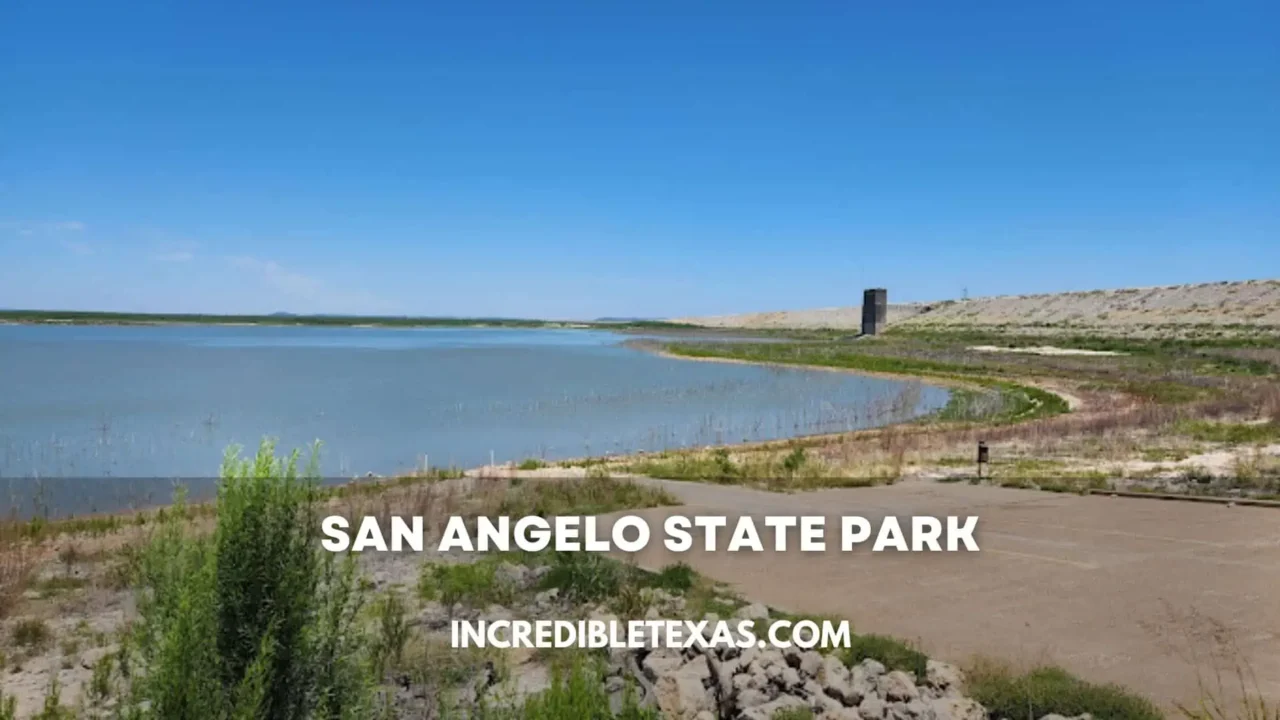
San Angelo State Park spans 7,677 acres of rugged West Texas beauty, offering a unique mix of ancient history and modern outdoor adventure. Located on the shores of the O.C. Fisher Reservoir, it serves as a premier destination for hikers, campers, and wildlife enthusiasts alike.
The park is famously home to the official Texas State Longhorn and Bison herds, providing a rare glimpse into the heritage of the American West. These majestic animals roam the rolling plains, offering incredible photography opportunities against the vast, untamed Texas horizon.
Explorers can traverse over 50 miles of multi-use trails that wind through mesquite brush and red clay canyons. Along the way, you can discover fossilized Permian tracks that predate the dinosaurs by millions of years, offering a journey through deep time.
The O.C. Fisher Reservoir provides a blue oasis for fishing, paddling, and swimming amidst the semi-arid landscape. No fishing license is required from the shore, making it an accessible spot for anglers of all skill levels to enjoy the water.
Positioned just minutes from downtown San Angelo, the park offers an immediate escape into the wild without sacrificing accessibility. Whether you are stargazing under dark skies or mountain biking technical loops, the experience is both profound and refreshingly simple.
Plan your 2026 visit with our comprehensive guide to maps, camping rates, and the best trails in the park. From the remote top 10 best state parks in Texas to the best state parks near Dallas-Fort Worth TX, discover why this is a true Lone Star State treasure.
San Angelo State Park Map, Hours, and Price
Navigating the park is made easy with well-maintained roads and clear signage at every major intersection. The visitor center serves as the primary point of contact for permits, maps, and general information about current park conditions.
| Category | Details |
|---|---|
| Physical Address | 362 S. FM 2288, San Angelo, TX 76901 |
| Operating Hours | Open Daily, 8:00 AM – 10:00 PM |
| Adult Entry Fee | $4 per day |
| Child Entry (12 & under) | Free of charge |
| Texas State Parks Pass | $70 per year (unlimited entry) |
| Office Hours | 8:30 AM – 4:30 PM (Daily) |
The TPWD Official Site is your best resource for real-time updates. It is essential to check for any temporary trail closures or burn bans before you begin your journey to the park.
Visitors should also be aware that the park office may close for lunch or have limited hours on major holidays. Planning to arrive during standard business hours ensures you can pick up a physical map and speak with a ranger.
The entry fee is a small price to pay for the maintenance of such a large and diverse public space. Your contributions help fund trail repairs, wildlife management, and the preservation of the historic buildings within the park boundaries.
According to the official TPWD site, San Angelo State Park offers diverse activities including camping, hiking, and mountain biking. The park’s mission focuses on conservation while providing high-quality recreational opportunities.
If you are planning to bring a large group, it is advisable to call ahead and coordinate with the park staff. Special permits may be required for events or commercial photography within the state park’s scenic areas.
For those arriving after hours, a self-pay station is typically available near the entrance for day-use fees. However, campers must have a valid reservation and check in according to the instructions provided in their confirmation email.
The park map is an indispensable tool for exploring the 50 miles of trails without getting lost in the brush. You can find high-resolution versions on the official website or pick up a printed copy at the main gatehouse.
The North Unit vs. South Unit: Which Should You Visit?
Deciding which entrance to use at San Angelo State Park is your first step toward a successful West Texas trip. The San Angelo State Park is physically split into two distinct areas, each with its own gatehouse and primary set of amenities.
The South Unit (Red Arroyo) is the most popular choice for first-time visitors to San Angelo State Park who want quick access to the herds. It is located closer to the main city of San Angelo and serves as the primary headquarters for the entire San Angelo State Park.
In contrast, the North Unit (Bald Eagle) of San Angelo State Park offers a more secluded and remote experience for seasoned explorers. This area of San Angelo State Park is known for its dense hardwood bottomlands and provides a quieter environment for those seeking solitude in the Concho Valley.
One of the best things to do in San Angelo State Park is to explore both units, as they offer vastly different views of the Rolling plains. You will need to obtain a gate code from the main San Angelo State Park office to enter the North Unit after hours.
The distance between the two main entrances of San Angelo State Park is roughly seven miles along FM 2288, making it easy to hop between them. Most San Angelo State Park camping enthusiasts prefer the South Unit for its proximity to water and modern facilities at San Angelo State Park.
If you are traveling with horses to San Angelo State Park, the North Unit is likely where you will spend the majority of your time. The North Unit of San Angelo State Park features specialized equestrian camping spots and direct access to some of the most scenic trails in West Texas.
| Feature | South Unit (Red Arroyo) | North Unit (Bald Eagle) |
|---|---|---|
| Primary Focus | Wildlife viewing and lake access | Remote trails and dinosaur tracks |
| Gate Access | Manned gatehouse (Main HQ) | Keypad entry (Code required) |
| Lodging | Log cabins and bunkhouse | Primitive and equestrian camping |
| Shade | Open mesquite flats | Dense pecan and hardwood bottoms |
| Popular Trail | Roadrunner Loop | Dinosaur Trail (Permian Tracks) |
The North Unit: Remote Trails and Dinosaur Tracks
The North Unit of San Angelo State Park is the definitive destination for those interested in the deep history of the region. This is the primary location for the Permian Age dinosaur tracks San Angelo State Park is famous for among paleontologists visiting San Angelo State Park.
The terrain here at San Angelo State Park is more rugged and features the beautiful North Concho River winding through the trees. It offers a sense of wildness that is a hallmark of the San Angelo State Park experience in the remote sections.
Hikers and bikers will find the San Angelo State Park trails in the North Unit to be less crowded and more technically challenging. These San Angelo State Park trails provide a deep immersion into the natural riparian habitat found only at San Angelo State Park.
Gate codes are essential for accessing this unit of San Angelo State Park, as the gatehouse is not always staffed by park personnel. You must visit the main San Angelo State Park headquarters first to pay your fees and receive the current access code.
The South Unit: Wildlife Observation and Lake Access
If you are looking for where to see longhorns in San Angelo TX, the South Unit of San Angelo State Park is your best bet for a sighting. The Official Texas State Longhorn herd is managed in large pastures that are easily visible from the main San Angelo State Park roads.
This unit of San Angelo State Park also provides the most convenient access to the O.C. Fisher Reservoir for fishing, boating, and swimming activities. The boat ramp and primary fishing pier are located just a short drive from the main South Shore gatehouse of San Angelo State Park.
Families often prefer the South Unit because it offers San Angelo State Park cabin rentals with AC for a more comfortable stay. These San Angelo State Park cabin rentals with AC are centrally located near the playground and the scenic overlooks facing the reservoir.
The South Unit of San Angelo State Park also serves as the gateway to the massive bison herd paddocks, which are a major draw for photographers. It is a hub of activity where you can easily transition from birding to lake recreation at San Angelo State Park.
Official Texas State Longhorn and Bison Herds
San Angelo State Park is honored to be a home for members of the official Texas State Longhorn and Bison herds. These animals are iconic symbols of the American West and the enduring heritage of the Lone Star State.
The Bison herd represents a critical conservation effort to maintain the genetic purity of these majestic and powerful creatures. They roam in large fenced areas that provide a glimpse into the vast herds that once covered the Great Plains.
Visitors can often see the Bison from designated viewing areas along the park’s main roads and scenic driving loops. It is essential to maintain a safe distance and never attempt to feed or approach these powerful animals on foot.
The Longhorn herd is equally impressive, showcasing the breed’s historical significance to the early Texas cattle industry. These cattle are known for their massive horns and hardy nature, thriving in the rugged West Texas environment with ease.
Special viewing tours or educational programs are sometimes offered by park rangers to explain the history of these herds. According to Discover San Angelo, these animals are one of the top attractions for photographers.
The presence of these animals provides a living link to the past, reminding us of the era of the great cattle drives. Their management requires careful attention to land health and animal welfare to ensure they thrive for future generations.
Seeing a full-grown Bison bull or a Longhorn steer with a six-foot horn span is a truly memorable experience for any visitor. The park’s wide-open spaces provide the perfect backdrop for observing these animals in a semi-wild and natural setting.
The history of the Texas State Bison Herd dates back to the efforts of Charles Goodnight in the late 19th century. His dedication to saving the Southern Plains Bison from extinction is why we can still see these animals in Texas today.
Similarly, the Longhorn herd at San Angelo is part of a program to preserve the traditional look and temperament of the breed. These are not just cattle; they are historical artifacts that continue to graze on the land they helped define.
Ranching traditions are deep-seated in this part of the state, and the park does an excellent job of honoring that legacy. Watching the sunset behind a group of grazing Longhorns is an experience that feels uniquely and authentically Texan.
For wildlife enthusiasts, the herds offer a chance to observe social behaviors and seasonal changes in the animals’ coats. The Bison, in particular, look magnificent in the winter when their thick, dark fur is fully developed for the cold.
Photographers should bring a long lens to capture the details of the animals without disturbing their natural activities. The morning light hitting the horns of the Longhorns provides some of the best shots in the entire state park system.
Exploring Permian Tracks: The Dinosaur Trail
Long before the Bison or the Longhorns, prehistoric creatures left their mark on the very ground you walk on today. The Dinosaur Trail at San Angelo State Park contains fascinating tracks dating back to the ancient Permian Period.
These are not actually dinosaur tracks, as dinosaurs appeared much later in the Mesozoic Era of Earth’s history. Instead, these tracks were made by ancient reptiles and amphibians that predated the first dinosaurs by millions of years.
The tracks are preserved in the red clay and siltstone that characterizes the unique geology of this West Texas region. Walking along the trail allows you to see clear impressions of footprints left in what was once a muddy shoreline.
The Dinosaur Trail is a relatively short but highly rewarding hike for those interested in the science of paleontology. Interpretive signs along the path help explain the types of creatures that likely made these ancient impressions.
Protecting these fossils is a top priority for the park, as they are susceptible to erosion and human interference over time. Visitors must stay on the marked trail and avoid touching or stepping on the actual fossilized tracks at all costs.
This site offers a unique perspective on the deep time history of Texas and its evolution over the eons. It serves as a stark reminder of how much the climate and landscape have changed over hundreds of millions of years of time.
Many visitors find the Permian tracks to be the most surprising and educational feature of the entire state park. It provides a rare opportunity for children and adults alike to learn about the ancient life that once inhabited this region.
Geologists and fossil hunters find the Clear Fork Formation, which contains these tracks, to be a site of immense scientific value. The preservation of such fine details in the sediment is a rare occurrence that continues to draw researchers.
The creatures that made these tracks lived in a world of swampy deltas and seasonal rivers, far different from today’s plains. Imagining the prehistoric landscape while standing on the trail is a powerful way to connect with the Earth’s past.
Educational programs at the park often focus on these tracks, explaining how they were formed and eventually uncovered by erosion. It is a living classroom where the lessons are etched into the stone under your feet.
According to the official TPWD publication, the Permian tracks are a window into a past that is over 250 million years old. These sites are carefully monitored to prevent damage from environmental factors and human activity.
Visiting during the golden hour can make the tracks more visible, as the long shadows highlight the depth of the impressions. It is a quiet and contemplative place where you can ponder the vastness of time and the fragility of life.
San Angelo State Park Trails: Top Paths to Explore
With over 50 miles of multi-use trails, San Angelo State Park is a refuge for those who love to move in nature. The trail system is well-marked and varies in difficulty to suit everyone from casual walkers to experienced mountain bikers.
The trails are divided into several loops and connecting paths, allowing you to customize your hike based on your fitness level. Many of the trails are also open to equestrians, making this a popular spot for local riders.
The terrain varies from flat, sandy stretches to rocky inclines that offer a bit of a challenge for the legs. Throughout the system, you will find benches and shade structures where you can take a moment to rest and hydrate.
Roadrunner Trail
The Roadrunner Trail is a popular choice for those looking for a relatively easy and scenic loop. It winds through typical brushland and offers excellent opportunities for birdwatching and wildlife spotting along the way.
At approximately 2.5 miles, it is the perfect length for a morning walk before the heat of the day sets in. You are likely to see roadrunners, as the name suggests, along with various lizard species and songbirds.
Shady Trail
As the name suggests, the Shady Trail provides some relief from the sun with its sections of mesquite and juniper cover. This trail is particularly pleasant during the early morning or late afternoon hours in the summer.
The trail follows the contour of the land and offers some of the most consistent shade in the park. It is a favorite for families with children who want to explore without being fully exposed to the direct sun.
Slick Rock Loop
For those seeking a more technical challenge, the Slick Rock Loop offers rugged terrain and rocky surfaces. It is a favorite among mountain bikers who enjoy testing their skills on uneven ground and steep transitions.
The views from the higher points of this loop are spectacular, offering a 360-degree look at the surrounding plains. It is a more strenuous hike, so be sure to wear sturdy boots and carry plenty of water.
Dinosaur Trail
This trail is essential for anyone wanting to see the Permian tracks mentioned earlier in this resource. It is a relatively easy walk that leads directly to the site of the prehistoric footprints in the red rock.
The trail is well-interpreted with signs that explain the geological history of the area and the animals that left the tracks. It is one of the most popular trails in the park for very good reason.
Burkett Trail
The Burkett Trail is a longer path that takes you through some of the more remote sections of the park’s northern half. It is a great choice for those looking to escape the more crowded areas near the reservoir.
This trail offers a true sense of solitude and is excellent for spotting larger wildlife like deer and javelina. The vegetation here is a bit denser, providing a different ecological experience from the open prairies.
The park’s trails also connect to several scenic overlooks that provide panoramic views of the O.C. Fisher Reservoir. These spots are perfect for taking a break and soaking in the vastness of the West Texas horizon at sunset.
Equestrians will find dedicated trails that allow them to explore the park from horseback with plenty of space. This is one of the few places in the region with such an extensive network of horse-friendly and safe paths.
If you are looking for even more variety, you might consider visiting Abilene State Park nearby. It offers a different ecosystem but shares the same commitment to outdoor recreation and conservation.
Always remember to carry a trail map, as the vastness of the system can be disorienting even for experienced hikers. Maps are available at the visitor center and at various trailheads throughout the park for your convenience.
The trail system is also home to several Geocaches, adding a fun treasure-hunting element to your hike. It is a great way to keep kids engaged and motivated as they search for hidden containers throughout the park.
During the rainy season, some of the low-lying trails may be subject to flooding or muddy conditions. Always check the trail status board at the park entrance to ensure your chosen path is open and safe for use.
Wildlife Observation: Beyond the Herds
While the bison and longhorns get most of the attention, San Angelo State Park is teeming with a variety of other desert species. The diverse habitats, from river bottoms to rocky ridges, support a rich ecosystem of native Texas wildlife.
Prairie dog colonies are a highlight for many visitors, with several active “towns” located near the South Unit’s main roads. Watching these social creatures interact and keep watch for predators is a fascinating way to spend a quiet morning in the park.
Javelinas, or collared peccaries, are also common residents and are frequently spotted near the brushy ravines and mesquite thickets. While they may look like small pigs, they are actually a distinct species perfectly adapted to the semi-arid West Texas climate.
White-tailed deer are ubiquitous throughout the park and are most active during the twilight hours of dawn and dusk. They can often be seen grazing near the edges of the campgrounds or drinking from the quiet pools along the North Concho River.
Birdwatchers should bring their binoculars to spot everything from the iconic roadrunner to migratory waterfowl on the reservoir. The park’s location along the Central Flyway makes it a vital stop for many bird species during their seasonal migrations.
Camping at San Angelo State Park
Camping is one of the best ways to fully immerse yourself in the natural beauty of this West Texas destination. With options ranging from primitive sites to those with full hookups, there is something for every level of comfort and gear.
The park is divided into several camping areas, each with its own unique character and set of amenities. Whether you want to be near the water or tucked away in the brush, you can find the perfect spot here.
Nighttime in the park is a special experience, as the lack of light pollution makes for incredible stargazing. The sounds of the desert come alive, providing a peaceful backdrop for a night under the Texas stars.
| Site Type | Daily Fee | Typical Amenities |
|---|---|---|
| Primitive Sites | $10 | Hike-in, fire ring, no water |
| Sites with Water | $10 | Water at site, near restrooms |
| Sites with Electricity | $20 | 30/50 amp, water, picnic table |
| Rustic Log Cabins | $50 | Sleeps 4, AC/Heat, no kitchen |
| Macey’s Bunkhouse | $100 | Sleeps 6, kitchen, full bath |
Reservations are highly recommended, especially during the busy spring and fall seasons when the weather is most pleasant. You can book your spot through the TPWD reservation system up to five months in advance of your stay.
Primitive camping is ideal for those who want to get away from the crowds and enjoy the deep silence of the desert. These sites require a short hike but offer the most unobstructed views of the night sky and the Milky Way.
For those with RVs, the sites with electricity and water provide all the necessary conveniences for a comfortable and long stay. Many of these sites offer enough space for larger rigs and include leveled pads and easy access to roads.
The Bald Eagle camping area is one of the most popular, offering close proximity to the reservoir and the boat ramp. It is a great choice for those who plan to spend a lot of time on the water during their visit.
If you prefer a more secluded experience, the Red Arroyo area offers sites that are tucked into the mesquite trees. These spots provide a bit more privacy and are excellent for birdwatching right from your campsite’s picnic table.
For those who are just starting out with camping, the park offers ‘Texas State Parks 101’ programs on some weekends. Rangers will help you learn how to pitch a tent, build a safe campfire, and enjoy the outdoors responsibly.
Camping here allows you to experience the park’s transition from the golden hues of sunset to the deep blues of the night. The distant call of coyotes often serves as a natural and hauntingly beautiful lullaby for campers.
Always follow the principles of Leave No Trace when camping to help preserve the park for future generations. This includes properly disposing of all waste and being mindful of your impact on the vegetation around your site.
Cabins and Lodging Options
If you prefer a roof over your head and a bed to sleep in, San Angelo State Park offers several unique lodging options. The rustic log cabins provide a cozy and climate-controlled environment for families and small groups.
Each cabin typically sleeps up to four people and offers a great alternative to traditional tent camping for those who want comfort. At $50 per night, they are an affordable way to enjoy the park without needing to haul all the heavy camping gear.
Macey’s Bunkhouse is the premier lodging option for larger groups or those seeking a more complete set of amenities. It can accommodate up to six people and features a kitchen and more living space for a comfortable family retreat.
These lodging options are noteworthy, so it is best to plan your stay and make reservations well in advance. They provide a perfect basecamp for exploring the trails during the day and relaxing in cooled comfort at night.
For those interested in other lakeside stays, Lake Buchanan TX also offers excellent cabin and RV options. Comparing these destinations can help you find the perfect fit for your next big Texas adventure.
The cabins are equipped with basic furniture, but you will need to bring your own linens, pillows, and cooking supplies. Think of it as ‘glamping’ where the structure is provided but the personal touches are up to you.
Macey’s Bunkhouse is often used for small family reunions or group outings due to its shared living areas and kitchen. It offers a more social environment than the individual cabins, making it great for building memories with friends.
Staying in the cabins also gives you easy access to the trails without having to drive from a hotel in town. You can step out of your door and be on the Roadrunner Trail in just a few minutes, ready for a morning of exploration.
The park’s lodging is also a great option during the winter months when the nighttime temperatures can drop below freezing. Having a heated space to return to after a day of hiking makes winter exploration much more enjoyable.
Keep in mind that pets are generally not allowed inside the cabins or the bunkhouse to maintain cleanliness for all guests. If you are traveling with a dog, tent or RV camping will be your best choice within the park.
Water Recreation at O.C. Fisher Reservoir
The O.C. Fisher Reservoir is the centerpiece for all water-based activities and recreation within the park boundaries. While water levels can fluctuate based on regional rainfall, it remains a vital resource for fun and cooling off.
Fishing is one of the most popular pastimes, with the reservoir holding healthy populations of largemouth bass, catfish, and crappie. No fishing license is required when fishing from the shore or a pier within a Texas state park.
Paddling and boating are also common when water levels permit safe navigation across the reservoir’s surface. Launching a kayak or canoe allows you to explore the quieter coves and get a completely different perspective of the shoreline.
Swimming is allowed in designated areas, providing a much-needed and refreshing cooling off during the hot summer months. Always check with park staff about current water conditions and safety recommendations before heading out to the water.
The reservoir also attracts a wide variety of waterfowl and migratory birds, making it a hotspot for birding enthusiasts. Bringing a pair of binoculars is highly recommended for those interested in seeing local and visiting wildlife.
If you enjoy fishing in larger and deeper bodies of water, you might want to explore the best lakes near San Antonio TX for more opportunities. Each lake in Texas offers its own unique set of challenges and rewards for dedicated anglers.
Boat ramps are available for those with motorized vessels, allowing for easy access to the deeper parts of the reservoir. It is a great place for water skiing or just cruising along the shoreline to enjoy the breeze.
The reservoir was created by the U.S. Army Corps of Engineers for flood control and water supply, but its recreational value is immense. It serves as a blue oasis in the middle of the semi-arid West Texas landscape.
During periods of high water, the shoreline becomes a lush area filled with aquatic plants and increased wildlife activity. It is a dynamic system that changes with the seasons and the weather, offering something new on every visit.
For those who don’t have their own boat, rental options for kayaks and paddleboards are sometimes available near the park entrance. It is worth calling ahead to confirm availability and pricing for your specific dates.
Picnic areas are located along the water’s edge, providing the perfect spot for a family lunch with a view. Many of these areas have shade trees and grills, making it easy to spend an entire day by the reservoir.
Historic Landmarks Near San Angelo State Park
Fort Concho National Historic Landmark
Understanding the deep roots of the Concho Valley requires a visit to the Fort Concho National Historic Landmark. Established in 1867, this military post was a cornerstone of frontier defense and expansion in the late 19th century.
The fort is famously associated with the Buffalo Soldiers of the 10th Cavalry, who played a crucial role in the region’s history. Today, it stands as one of the best-preserved examples of an Indian Wars-era fort in the entire United States.
Exploring the Fort Concho history through its 24 original limestone buildings offers a powerful glimpse into the life of a frontier soldier. The site is located just a short drive from San Angelo State Park, making it a perfect companion to your outdoor adventure.
For more details on visiting, you can check the Fort Concho official website for hours and event schedules. This landmark remains a vital piece of the cultural fabric of San Angelo and the surrounding West Texas region.
The International Waterlily Collection (2026 update)
No trip to San Angelo is complete without witnessing the world-renowned International Waterlily Collection in Civic League Park. This stunning display features lilies from across the globe, including rare hybrids and massive Victoria water lilies.
The 2026 update to the collection brings even more rare specimens and improved viewing areas for the public to enjoy. It remains a proof of the dedication of Ken Landon, whose lifelong work has preserved these aquatic wonders for future generations.
Plan your visit to coincide with the Lily Fest 2026 celebration, which typically occurs in the late summer when the blooms are at their peak. It is a colorful and serene experience that provides a beautiful contrast to the rugged desert trails of the state park.
Detailed information about the blooming seasons can be found on the City of San Angelo Waterlily Collection page. This site is free to the public and offers a peaceful retreat in the heart of the city.
A Perfect 48-Hour San Angelo Itinerary
Combining the natural beauty of the park with the cultural richness of the city ensures a well-rounded West Texas getaway. This 48-hour itinerary is designed to highlight the best things to do in San Angelo State Park and the surrounding community.
Day one should focus on the iconic herds and the South Unit’s scenic lake views. Start your morning early with a drive through the bison pastures before the heat of the day settles over the rolling plains.
In the afternoon, head into town to explore the Fort Concho National Historic Landmark and learn about the region’s military past. Cap off the evening with a sunset stroll along the Concho River Walk and dinner in the historic downtown district.
Day two is for the deep history and remote beauty found in the North Unit. Use your gate code to enter early and hike the Dinosaur Trail to see the incredible Permian Age dinosaur tracks San Angelo State Park protects.
Spend your final afternoon at the International Waterlily Collection, especially if you are visiting during the blooming season. This itinerary provides a perfect blend of wildlife, history, and botanical beauty that will leave you with lasting memories of San Angelo.
Best Time to Visit San Angelo State Park
The climate in West Texas is characterized by hot, dry summers and relatively mild, sunny winters. Choosing the right time for your visit can greatly enhance your enjoyment of the many outdoor activities available in the park.
Spring and fall are widely considered the ideal times to visit due to the moderate temperatures and pleasant conditions. However, each season offers its own unique charm and set of opportunities for the prepared visitor.
Understanding the seasonal patterns will help you pack the right gear and plan your activities for the best possible experience.
| Month | Avg High (°F) | Avg Low (°F) |
|---|---|---|
| January | 58 | 32 |
| March | 74 | 46 |
| May | 88 | 62 |
| July | 96 | 72 |
| September | 89 | 65 |
| November | 68 | 42 |
According to the National Weather Service, the region can experience rapid temperature changes during the spring and fall. Dressing in layers is the best strategy for staying comfortable throughout the entire day.
Spring is particularly beautiful as the wildflowers, including bluebonnets and Indian blankets, begin to bloom across the rolling plains. The mild temperatures make it the ideal season for long-distance hiking and mountain biking adventures.
Fall is another excellent choice, offering crisp mornings and pleasant, sunny afternoons for trail exploration. This is often the best time for viewing the Bison and Longhorn herds as they are more active in the cooler weather conditions.
Summer visits require careful planning and early starts to avoid the peak heat of the mid-afternoon. Early morning starts are essential for any trail activities, and the reservoir provides a welcome escape during the hottest hours of the day.
Winter can be a great time for those who enjoy solitude and don’t mind the occasional chilly morning on the trail. The clear skies are perfect for stargazing, and the lack of crowds means you can often have the trails all to yourself.
If you are planning a winter visit, be prepared for freezing temperatures at night, especially if you are tent camping. A high-quality sleeping bag and an insulated sleeping pad are essential for staying warm and comfortable.
The unique West Texas charm of this park provides a great contrast to the more urban-adjacent parks found in larger metro areas.
No matter when you visit, always check the local forecast before you head out to the park. Sudden thunderstorms can occur, bringing heavy rain and wind that can impact trail conditions and reservoir activities.
Tips for a Successful Visit
Preparation is the key to making the most of your time at San Angelo State Park and ensuring your safety. Here are a few essential tips to help you have a safe, responsible, and enjoyable experience in the wild.
The park’s environment can be unforgiving if you are not properly prepared for the conditions. By following these simple guidelines, you can focus on the beauty of the landscape and the excitement of your discoveries.
- Hydration: Always carry more water than you think you will need, especially on longer and more remote trails.
- Sun Protection: Use high-SPF sunscreen, wear a wide-brimmed hat, and consider sun-protective clothing for your skin.
- Trail Maps: Pick up a physical map at the visitor center or download a digital version before you lose cell signal.
- Wildlife Safety: Maintain a respectful and safe distance from the Bison and Longhorn herds at all times for your safety.
- Leave No Trace: Help preserve the park’s beauty by packing out all your trash and staying on the marked trails.
- Check Alerts: Visit the official park website for any last-minute closures, burn bans, or weather-related warnings.
- Sturdy Footwear: Wear boots with good traction, as some trails can be rocky and uneven underfoot.
- First Aid: Carry a basic first aid kit for minor scrapes or blisters that might occur during your hike.
The park’s environment is delicate and requires our respect to ensure it remains healthy and beautiful for everyone. Following these simple guidelines makes a noteworthy difference in the long-term conservation efforts of the park staff.
If you are traveling with children, take the time to explain the importance of respecting wildlife and staying on the trails. It is a great opportunity to teach the next generation about environmental stewardship and responsibility.
For those who are new to West Texas, be mindful of the local flora and fauna, including cacti and the occasional rattlesnake. Staying on the trails and being aware of your surroundings will keep you and the wildlife safe.
Frequently Asked Questions About San Angelo State Park
How much does it cost to enter San Angelo State Park?
Adult entry is priced at $4 per day, while children aged 12 and under can enter for free of charge. This makes the park an incredibly affordable and accessible option for families and solo travelers alike.
Can you see Bison at San Angelo State Park?
Yes, the park is home to a portion of the official Texas State Bison herd, which is managed for conservation. They are typically kept in large pastures and can be seen from various designated viewing areas throughout the park.
Are there dinosaur tracks in the park?
The park contains Permian-age tracks which actually predate the era of the dinosaurs by millions of years. These fascinating fossils are located along the Dinosaur Trail and are some of the oldest tracks of their kind in Texas.
Is fishing allowed in the O.C. Fisher Reservoir?
Fishing is a very popular activity, and no license is required for shore fishing within the boundaries of the park. The reservoir contains populations of bass, catfish, and crappie, providing a great experience for all anglers.
What are the camping fees at the park?
Camping fees range from $10 for primitive hike-in sites to $20 for sites with electricity and water hookups. Rustic cabins are available for $50 per night, and the larger bunkhouse costs $100 per night for groups.
Is the park pet-friendly for visitors?
Pets are welcome in the park but must be kept on a leash at all times for their safety and the wildlife. They are allowed on the trails but are not permitted inside the cabins, bunkhouse, or other park buildings.
How many miles of trails are in San Angelo State Park?
The park features over 50 miles of multi-use trails that cater to hikers, mountain bikers, and equestrians alike. The trails range from short, easy walks to longer, more technical loops that offer a challenge for everyone.
Can you swim in the reservoir?
Swimming is permitted in the O.C. Fisher Reservoir, but visitors should always check current water levels and safety conditions. There are no lifeguards on duty, so swimming is at your own risk in the designated areas.
What is the best time of year to visit?
Spring and fall are the best times to visit due to the mild temperatures and the beauty of the blooming wildflowers. Summers can be extremely hot, while winters are generally mild but can have freezing nights.
Does the park have WiFi or cell service?
Cell service is generally available in the more developed areas of the park but can be spotty on the remote trails. There is no public WiFi, so it is a great place to disconnect and enjoy nature.
Are there guided tours available?
Park rangers occasionally offer guided nature walks, birding tours, and educational programs about the Bison and Longhorn herds. Check the park’s event calendar for the latest schedule of tours and workshops.
Where can I get a park map?
Maps are available at the main visitor center near the entrance and are also posted at major trailheads. You can also download a digital version from the official TPWD website before you arrive at the park.
Are fires allowed in the campgrounds?
Fires are typically allowed in the provided fire rings, but this is subject to current burn bans in the region. Always check with park staff upon arrival to see if there are any fire restrictions in place.
What wildlife might I see in the park?
In addition to the Bison and Longhorns, you might see deer, javelina, roadrunners, and various lizard and bird species. The park is a diverse ecosystem that supports a wide range of desert and plains wildlife.
How far is the park from the city of San Angelo?
The park entrance is located just a few miles from the city center of San Angelo, making it very accessible. It is a quick drive for those staying in town who want to spend a day in the great outdoors.
Final Thoughts on San Angelo State Park
San Angelo State Park offers a rare and powerful combination of prehistoric history, iconic wildlife, and modern outdoor recreation. It is a place where you can truly connect with the deep roots of Texas while enjoying the beauty of the present landscape.
Whether you are hiking the 50 miles of trails or watching the sunset over the O.C. Fisher Reservoir, the park provides endless opportunities for discovery. The commitment to preserving the Bison and Longhorn herds ensures that the spirit of the West lives on for everyone.
The affordable entry fees and diverse camping options make it one of the most accessible and high-value destinations in the state. It stands as a shining example of the quality and variety found throughout the entire Texas state park system.
As you plan your next trip, consider how this park fits into the larger picture of Texas natural wonders and historical landmarks. From the ancient Permian tracks to the dark, starry nights, every element of the park invites you to explore further and learn more.
The peace and solitude found on the remote trails provide a much-needed break from the fast pace of modern life. It is a place to recharge your spirit and gain a new appreciation for the rugged beauty of the rolling plains of West Texas.
Thank you for taking the time to learn about this West Texas destination and all it has to offer to visitors near and far. We hope this guide helps you create lasting memories and meaningful experiences on your next visit to San Angelo State Park.
The work done by the Texas Parks and Wildlife Department and the local community to maintain this space is truly commendable. By visiting and following the park rules, you are playing a part in the ongoing story of conservation in the Lone Star State.
We encourage you to share your experiences and photos with others to help spread the word about this incredible destination. There is always something new to see, whether it is a newborn Bison calf or a hidden fossil newly uncovered by the wind.
Safe travels and happy trails as you start on your next adventure in the heart of Texas. We look forward to seeing you out on the trails of San Angelo State Park very soon!