Resaca de la Palma State Park: Ultimate 2026 Visitor’s Guide to Birding & Trails
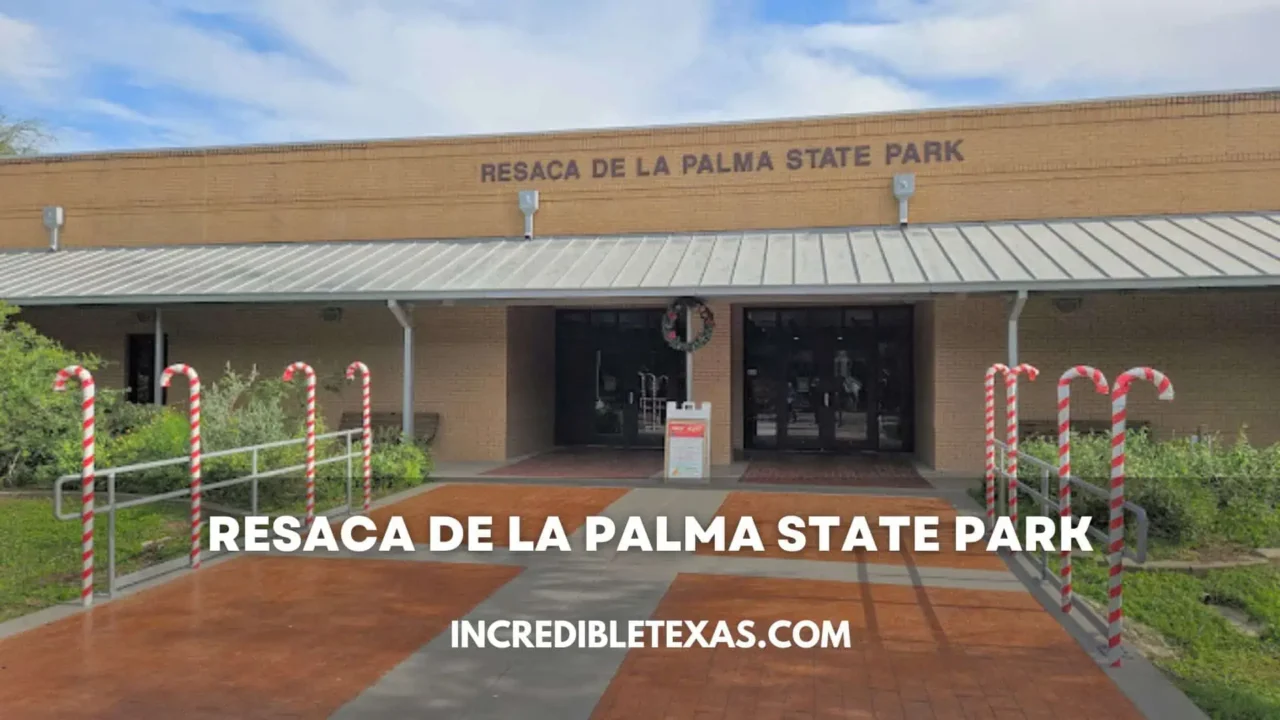
Resaca de la Palma occupies a vital 1,200-acre tract in Brownsville, serving as the largest site within the World Birding Center network. This protected area preserves critical segments of the Rio Grande Valley ecosystem, specifically focusing on native Tamaulipan thornscrub and riparian zones.
Birdwatching Texas enthusiasts often prioritize this location for its high concentration of rare avian species. The landscape consists of oxbow lakes, ancient Texas Ebony forests, and expansive mesquite savannahs that provide habitat for over 280 bird species.
Texas State Parks officials manage this site to highlight the specific biological diversity of the South Texas region. Visitors arriving in 2026 can utilize extensive nature trails to observe migratory patterns and resident wildlife in their natural environment.
Brownsville Parks are central to the city’s identity, with Resaca de la Palma representing the most ecologically significant portion. The site functions as a living laboratory where restoration efforts continue to bring back the original flora of the lower Rio Grande.
Protecting this land ensures that future generations can understand the complex interplay between water and soil in a semi-arid climate. The park serves as a beacon for conservationists working to reverse decades of habitat loss in the Rio Grande Valley.
Visitor Essentials: Planning Your 2026 Visit
Navigating the logistics of a South Texas nature excursion requires up-to-date information on access and fees. Resaca de la Palma maintains specific protocols to protect its delicate ecosystem while welcoming visitors.
| Detail | Information |
|---|---|
| Entrance Fees | $4 Adults, Kids 12 & Under Free |
| Park Hours | 6:00 AM – 10:00 PM |
| Visitor Center Hours | 8:00 AM – 4:30 PM, Tue-Sun |
| Tram Service | Wed-Sun |
| Vehicle Policy | Private vehicles prohibited beyond Visitor Center |
| Address | 1000 New Carmen Avenue, Brownsville, TX 78521 |
Planning a visit to Resaca de la Palma in 2026 requires coordination due to vehicle restrictions. The park is open daily from 6:00 AM to 10:00 PM, providing ample time for sunrise birding and evening activities.
Arriving early is highly recommended, as the coolest hours of the day are also the most productive for wildlife viewing. The gates open promptly at 6:00 AM, allowing birders to be in position before the first light hits the resaca.
The Resaca de la Palma State Park entrance fee remains a notably affordable outdoor options in the region. At $4 for adults and free for children 12 and under, families can enjoy a full day of nature without high costs.
Frequent visitors may find that the Texas State Park Pass is a worthwhile investment, providing free entry to all state parks for a year. This pass also offers discounts on equipment rentals and park store purchases.
Are dogs allowed at Resaca de la Palma State Park? Yes, but they must be kept on a leash no longer than six feet at all times.
Owners must pick up after their pets and ensure they do not disturb the wildlife or other visitors on the observation decks. Keeping pets on the trails is mandatory to protect the sensitive ground-nesting birds that inhabit the brush.
It is important to remember that the presence of a dog can sometimes stress local wildlife, especially during nesting season. Pet owners should be mindful of their surroundings and keep their animals under control at all times.
Private vehicles are prohibited beyond the Visitor Center parking lot to reduce noise and pollution. Visitors can explore the park by walking, riding a bicycle, or taking the seasonal tram from Wednesday through Sunday.
This policy has significantly improved the quality of the birding experience by removing the constant hum of engines. It also ensures that the narrow trails remain safe for pedestrians and cyclists alike.
The Visitor Center provides detailed maps and current bird sightings to help you plan your route. Staff members are available to answer questions and offer tips on the best locations for spotting rare species.
You can also find a collection of educational materials and souvenirs in the park store. Proceeds from these sales go directly toward supporting the park’s maintenance and restoration programs.
| Category | Details |
|---|---|
| Adult Entry | $4.00 |
| Children (12 & Under) | Free |
| Park Hours | 6:00 AM – 10:00 PM |
| Tram Schedule | Wednesday – Sunday |
| Bike Rentals | Available at Visitor Center |
For more information on state park rules, the Texas Parks and Wildlife Department website is the authoritative source for updates. Checking for temporary trail closures or water level advisories before heading out is always recommended.
The website also provides information on special events and ranger-led programs that occur throughout the year. These programs are a great way to deepen your understanding of the park’s specific ecology and history.
Resaca de la Palma State Park Camping and Cabins
If you are looking for Resaca de la Palma State Park camping, it is vital to know the current regulations. This facility is strictly Day-Use Only for the general public in 2026.
The full-hookup RV sites located within the park boundaries are reserved exclusively for park volunteers. These individuals contribute significant hours to habitat restoration and visitor services throughout the year.
Travelers seeking cabins in Brownsville Texas or Texas state park cabins will need to look at nearby alternatives. Fortunately, several high-quality options exist within a short drive of the park entrance.
Finding RV parks near Brownsville is relatively simple due to the region’s popularity with winter residents. The following table highlights the best lodging options for those visiting the World Birding Center.
| Option | Details | Distance |
|---|---|---|
| South Padre Island KOA Holiday | Deluxe cabins and full RV hookups | 25 miles |
| Tropical Trails RV Resort | Luxury cottage rentals and premium sites | 3 miles |
| Adolph Thomae Jr. County Park | Famous for RV sites and night fishing | 25 miles |
| Falcon State Park | Closest State Park with climate-controlled cabins | 100 miles |
Tropical Trails RV Resort is the most convenient choice for those wanting to stay as close as possible. It provides modern amenities that complement the rustic experience of the state park.
Seasonal Birding Guide: Timing Your Visit
Determining the best time for birding at Resaca de la Palma depends largely on target species and preferred weather conditions. Spring and fall represent the peak windows for activity as millions of birds move through the Central Flyway.
Birding in Brownsville TX reaches its zenith during the spring migration from March through May. During this window, colorful warblers and tanagers use the dense canopy of the Texas ebony forest as a vital stopover point.
March brings the first wave of neotropical migrants, often preceded by the arrival of the Altamira Oriole. These large, orange-and-black birds are known for their long, hanging nests that can be seen dangling from the branches of tall trees.
April is widely considered the busiest month for birdwatchers in the South Texas region. The sheer volume of songbirds passing through the riparian zones can be overwhelming for those new to the hobby.
Summer visits require early starts to avoid the intense heat of the Rio Grande Valley. Most wildlife activity occurs between sunrise and 9:00 AM before the humidity peaks and birds retreat into deep shade.
Despite the heat, June and July are excellent for seeing resident species like the Painted Bunting. These “rainbow birds” are often found near the seed feeders located behind the Visitor Center.
Those curious about where to see Green Jays in Texas will find that Resaca de la Palma is a notably reliable locations. These colorful birds are frequently seen near the feeding stations and water drips throughout the park.
Green Jays are social creatures, often moving in small family groups that communicate with a collection of raspy calls. Their striking plumage of green, blue, and yellow makes them a favorite subject for wildlife photographers.
The Resaca de la Palma State Park bird checklist includes iconic species like the Altamira Oriole and the Buff-bellied Hummingbird. Seeing a White-tailed Kite hovering over the mesquite savannah is another highlight for patient observers.
Buff-bellied Hummingbirds are particularly aggressive defenders of their nectar sources. You can often hear the metallic “chip” of their wings as they chase away larger birds from the flowering Mexican Olive trees.
Fall migration brings a different set of arrivals, including various raptors and waterfowl. The cooling temperatures in October make for comfortable days spent on the observation decks overlooking the oxbow lakes.
By November, many of the northern ducks begin to settle into the resacas for the winter months. Least Grebes and Green Kingfishers can be seen patrolling the water’s edge in search of small fish and insects.
Winter attracts visitors targeting “Valley Specialties” that stay in the region year-round. The mild climate allows tropical birds to remain active, providing consistent viewing opportunities even in January and February.
| Month Range | Primary Birding Focus | Weather Expectations |
|---|---|---|
| March – May | Spring Migration (Warblers, Orioles) | Pleasant to Warm |
| June – August | Summer Residents (Painted Buntings) | Very Hot and Humid |
| Sept – Nov | Fall Migration (Raptors, Hawks) | Cooling Temperatures |
| Dec – Feb | Winter Specialties (Green Kingfisher) | Mild and Dry |
Trail Directory & Cycling: Exploring the Terrain
The network of hiking trails Brownsville offers at this state park caters to a broad spectrum of physical abilities. With more than 10 miles of paths, visitors can choose between paved loops and primitive forest tracks.
Paved bike trails in Brownsville Texas are highly sought after, and the 2.8-mile Tram Loop provides a reliable surface. This loop is wide enough for multiple users and offers unobstructed views of the resaca edges.
Cyclists appreciate the lack of motor vehicle traffic on the interior roads, which allows for a more peaceful riding experience. The flat topography of the Rio Grande Valley makes this loop accessible even for novice riders.
Bicycle rentals Brownsville services are available directly at the Visitor Center for a small hourly fee. This allows visitors to cover more ground quickly and reach the remote birding blinds located at the back of the park.
Renting a bike is often the most efficient way to see the various ecosystems within a single morning. You can easily transition from the dense woodlands to the open savannahs in just a few minutes of pedaling.
Family friendly hiking trails in Brownsville are a priority here, with several short loops under a half-mile. These paths are often shaded by mature trees, making them safe for younger children even during warmer afternoons.
The Ebony Trail is a clear example of a short, high-impact path that introduces children to the wonders of the forest. Interpretive signs along the way explain the importance of the native vegetation and the animals that call it home.
Tram tours Resaca de la Palma provides are an essential part of the visitor experience from Wednesday through Sunday. The electric tram stops at key trailheads and observation decks, reducing the need for long walks in the sun.
Using the tram allows visitors with mobility issues to experience the furthest reaches of the park without physical strain. The knowledgeable drivers often point out wildlife sightings along the route, adding an educational element to the ride.
The Quail Loop offers 1.3 miles of moderate terrain through the mesquite savannah. This trail is known for higher mammal visibility, including the occasional bobcat or javelina crossing the path.
Keep your eyes on the ground for animal tracks, as the sandy soil often preserves the footprints of nighttime visitors. Armadillos are particularly common along this route, often heard rustling in the dry grass before they are seen.
Solitude-seekers should visit the Yellowthroat Loop, which winds through 1.2 miles of dense brush and wetland margins. It is named after the Common Yellowthroat, which is frequently heard calling from the reeds.
This loop is one of the best places to observe the transition between dry land and the permanent water of the resacas. The vegetation becomes noticeably thicker and greener as you approach the water’s edge.
Walking the Ebony Trail provides a short but immersive experience into an old-growth forest. The canopy here is dominated by massive Texas Ebony trees that have stood for over a century.
The shade provided by these ancient trees can lower the temperature by several degrees compared to the open savannah. It is a favorite spot for the Plain Chachalaca, which often perches in the lower branches to escape the sun.
Facilities for Groups and Events
Resaca de la Palma is an excellent venue for community gatherings and educational workshops. The park features two primary rental spaces: the Meeting Room and the Picnic Pavilion.
The Meeting Room is climate-controlled and can accommodate up to 48 guests, making it suited for birding clubs. It provides a comfortable home base for groups transitioning between indoor presentations and outdoor fieldwork.
The Picnic Pavilion is a more rustic option, offering space for up to 100 people. This covered outdoor area is suited for school field trips, located conveniently near the Visitor Center.
Reservation of these spaces should be done well in advance, especially during the peak spring and fall seasons. They provide a vital resource for local organizations and families aiming to connect with nature in a group setting.
Unlike San Angelo State Park, Resaca de la Palma does not offer traditional tent or RV camping. This park is strictly for day-use, focusing on the preservation of its delicate subtropical habitat.
The lack of overnight camping helps minimize the environmental footprint of the park’s visitors. It also ensures that the wildlife is not disturbed by artificial lights and human activity during the nighttime hours.
What to Pack for Your Visit
The South Texas climate can be unforgiving during the long summer months. Proper preparation is essential for ensuring your visit remains comfortable and safe.
Sunscreen and a wide-brimmed hat are mandatory for anyone spending more than a few minutes on the trails. Even on cloudy days, the UV index in Brownsville can be dangerously high.
Bring plenty of water, as facilities are primarily located at the Visitor Center. Once you are out on the Tram Loop, exposure to the elements increases with limited water fountains available.
Dehydration can set in quickly in the humid South Texas air, so it is important to drink water regularly throughout your visit. Carrying a reusable water bottle is both economical and environmentally friendly.
Insect repellent is mandatory because the wetlands supporting the birds also support healthy mosquito populations. Lightweight pants and long sleeves offer additional protection against both bugs and the intense sun.
Mosquitoes are most active during the early morning and late evening, which are also the best times for wildlife viewing. Using a repellent with DEET or a natural alternative will help you stay focused on the birds rather than the bites.
Do not forget high-quality binoculars to enhance your viewing experience. Seeing the intricate details of a Green Jay’s feathers or the watchful eye of a bobcat from a distance is much easier with proper optics.
A good pair of binoculars can make the difference between seeing a “small brown bird” and identifying a rare migrant. Many birders also find that a field guide or a birding app is a helpful companion on the trails.
Photography Tips for the Resaca
Photographers find Resaca de la Palma to be a premier location for wildlife and landscape shots. The soft light of early morning reflecting off the water provides a perfect backdrop for bird portraits.
Arriving before sunrise allows you to set up your equipment and be ready when the first light hits the resaca. The golden hour in South Texas is particularly beautiful, with deep oranges and purples filling the sky.
Deck C is particularly famous for its unobstructed views of the resaca edges. A telephoto lens of at least 300mm is recommended for capturing smaller songbirds in the ebony woodlands.
Using a tripod or a monopod can help stabilize your camera and allow for sharper images, especially in the lower light of the forest. Many of the birding blinds have windows at various heights to accommodate different camera setups.
Patience is required when waiting for wildlife to emerge from the dense thornscrub. Many birds have become accustomed to human presence on the decks and will return to favorite perches if you remain quiet.
Avoid making sudden movements or loud noises that might startle the animals. Spending time simply observing the behavior of the birds can often lead to better photographic opportunities than constantly moving from place to place.
Flora & Fauna Deep-Dive: The Biodiversity of South Texas
The Tamaulipan thornscrub ecosystem is the primary habitat found within Resaca de la Palma. This dense, thorny vegetation is uniquely adapted to the semi-arid climate and periodic flooding of the Rio Grande.
Thornscrub provides essential cover for countless species that would otherwise be exposed to predators in the open. The interlocking branches of mesquite and acacia create a nearly impenetrable barrier for larger animals.
Riparian zones along the oxbow lakes support a different set of plant species. These areas are characterized by moisture-loving vegetation that stabilizes the banks and provides nesting sites for aquatic birds.
The presence of water allows for the growth of larger, more deciduous trees that cannot survive in the drier uplands. These riparian forests act as corridors for wildlife moving through the fragmented landscape of the valley.
Texas Ebony is the star of the woodland sections, known for its dark, dense wood and zigzagging branches. These trees produce large seed pods that serve as a food source for various forest-dwelling animals.
The flowers of the Texas Ebony are small and cream-colored, but they are highly attractive to native bees and butterflies. Mature specimens can reach heights of 40 feet, providing significant shade for the forest floor.
Anacua trees, often called “sandpaper trees” due to their rough leaves, are another common sight. They produce white blossoms that attract a multitude of pollinators during the spring and summer months.
The orange berries of the Anacua are a favorite food for the Clay-colored Thrush and other fruit-eating birds. These trees are exceptionally hardy and can withstand the frequent droughts that characterize the region.
Sabal palms are the only palm trees native to Texas and can be found in the wetter sections of the park. Their large fronds provide essential cover for the Buff-bellied Hummingbird and other small songbirds.
Historically, Sabal palm forests covered thousands of acres along the Rio Grande, but today only small remnants remain. Resaca de la Palma is one of the few places where you can still see these palms growing in a natural setting.
The Mexican Olive tree stands out with its large, white, trumpet-shaped flowers. It is a hardy species that thrives in the South Texas sun and adds a touch of brightness to the scrubland.
Bees and butterflies are constantly visiting the Mexican Olive for its nectar, making it a great spot for insect photography. The fruit of the tree is small and olive-like, though it is not closely related to the commercial olive.
Tepeguaje trees are frequently found in the mesquite savannah sections of the park. These leguminous trees help fix nitrogen in the soil, supporting the growth of surrounding grasses and shrubs.
Their fern-like foliage provides a delicate contrast to the heavier leaves of the ebony and anacua. Tepeguaje is also a host plant for several species of butterflies, adding to the park’s insect diversity.
Mammals like the Bobcat and Javelina are the apex predators and scavengers of this landscape. While elusive, they are most active during the crepuscular hours of dawn and dusk.
Bobcats utilize the dense thornscrub to stalk their prey, which includes rabbits, rodents, and occasionally small birds. Javelinas, or collared peccaries, move in tight-knit groups and are often found near water sources.
The nine-banded Armadillo is much easier to spot as it roots through the soil for insects. They are particularly common along the shaded sections of the Ebony Trail where the ground remains softer.
Armadillos have poor eyesight but an incredible sense of smell, allowing them to find grubs buried several inches deep. Their armor-like shell provides protection against the thorny vegetation they frequently navigate.
Loud and unmistakable, the Plain Chachalaca is a notably charismatic bird species in the park. Their group vocalizations can be heard from a significant distance, especially during the early morning hours.
These birds are surprisingly agile in the trees, despite their relatively large size and chicken-like appearance. They are often seen hopping from branch to branch in search of leaves and fruit.
Understanding the Resaca: The Geological Heart of the Park
The term “resaca” is central to understanding the identity of Resaca de la Palma State Park and the broader geography of the Rio Grande Valley. These water bodies are actually oxbow lakes, formed when the Rio Grande naturally shifted its course over centuries.
As the river meandered through the flat coastal plain, it would occasionally cut off a loop to create a standalone body of water. These isolated channels became the lifelines for the region’s wildlife, providing permanent water in a dry land.
During high-water events or floods, the river would spill into these channels and replenish the local water table. At Resaca de la Palma State Park, these resacas have been meticulously preserved across approximately 60 acres.
Modern water management systems now help maintain these levels even during periods of low rainfall. This ensures that the sensitive wetland habitats remain viable for the thousands of migratory birds that rely on them.
Unlike traditional lakes, resacas are often narrow and winding, mimicking the serpentine path of the river. This structure creates extensive “edge habitat” where water meets land, providing a rich feeding ground for wading birds.
Wading birds like the Great Egret and the Snowy Egret are frequent sights along the shallow margins of the resaca. They utilize the overhanging vegetation as cover while they wait for fish to swim within reach.
The presence of these water bodies is the reason Resaca de la Palma is a crown jewel of the World Birding Center. Water attracts migratory species that rely on these stopover points during long journeys across the Americas.
Without these resacas, the lower Rio Grande Valley would be a much harsher environment for both wildlife and humans. They function as natural reservoirs, tempering the extreme heat and supporting a level of biodiversity that is rare in semi-arid regions.
A Legacy of Service: The History of the Land
Long before it became a park, this land held significant historical importance for the defense of South Texas. In the late 1800s, the area was frequented by the legendary Buffalo Soldiers patrolling the borderlands.
These African American soldiers were assigned to some of the most difficult posts in the country, often with limited supplies and support. Their legacy is one of endurance and dedication to the mission of protecting the frontier.
Members of the 9th Cavalry and the 24th and 25th Infantry played a crucial role in maintaining peace. Their presence adds a layer of human history to the natural beauty that visitors enjoy today.
Research into the Buffalo Soldiers’ time in Brownsville has uncovered details about their daily lives and the challenges they faced. Their presence in the region was a significant factor in the stabilization of the border during a volatile period.
The Texas Historical Commission has documented the region’s importance regarding military strategy and settlement. Walking the trails allows one to imagine the challenges faced by those early guardians of the frontier.
Archaeological surveys have identified sites related to both military encampments and early ranching operations within the park’s boundaries. These findings provide a tangible connection to the people who lived and worked on this land over a century ago.
In 1977, the site was designated as a Wildlife Management Area to focus on conservation. It officially opened as a state park in December 2008, marking a new era of public access and ecological education.
The transition from a restricted wildlife area to a public park required significant investment in infrastructure and habitat restoration. Today, the park serves as a model for how historical preservation and environmental conservation can work together.
World Birding Center Brownsville: An International Destination
As the largest component of the World Birding Center Brownsville network, this site attracts thousands of international visitors annually. Its location at the southernmost tip of Texas puts it in a unique position where temperate and tropical zones overlap.
The convergence of these two major climatic zones creates a “melting pot” of biodiversity that is found in few other places. Visitors often travel thousands of miles just to catch a glimpse of a single species that only occurs in this narrow corridor.
This overlap results in “Valley Specialties” that are rarely seen anywhere else in the United States. Species like the Altamira Oriole and the Great Kiskadee are common residents here, often heard before they are seen.
The Great Kiskadee is known for its bold personality and loud, rhythmic call that sounds like its name. They are often seen perched on prominent branches overlooking the water, waiting for an opportunity to dive after prey.
The park’s infrastructure is tailored specifically for birders, with strategically placed decks and blinds. These facilities allow for high-quality photography and observation without disturbing the natural behavior of the animals.
Modern birding decks are designed with accessibility in mind, featuring ramps and wide platforms. This ensures that everyone, regardless of physical ability, can enjoy the thrill of a rare bird sighting.
If you are looking for the top 10 best state parks in Texas for wildlife viewing, this site belongs on your list. The sheer diversity found within these 1,200 acres is a testament to successful habitat restoration in the Rio Grande Valley.
Compared to larger, more mountainous parks, Resaca de la Palma offers a concentrated dose of life. The high density of species means that you rarely have to walk far to see something interesting or beautiful.
Wildlife Viewing South Texas: Beyond the Birds
While birds are the main attraction, Resaca de la Palma is home to a fascinating array of other wildlife. Reptile enthusiasts will appreciate the diversity of lizards and snakes that thrive in the mesquite savannah.
Lizards like the Texas Spiny Lizard are frequently seen sunning themselves on the trunks of ebony trees. They are master mimics of the rough bark, disappearing the moment they stop moving.
The Texas Indigo Snake is one of the more impressive inhabitants you might encounter if you are lucky. This non-venomous and federally protected species is a vital part of the local food web.
Indigo snakes are known for their iridescent blue-black scales and their impressive length, which can reach up to eight feet. They are active hunters, feeding on a collection of prey including other snakes and small mammals.
Butterflies are another major draw, especially during the fall months when activity peaks. The Mexican Bluewing is a particular highlight, often found resting on the trunks of trees with its wings closed.
When the Bluewing takes flight, the sudden flash of electric blue on its upper wings is startlingly beautiful. The park also hosts thousands of Monarch butterflies during their annual migration to Mexico.
Comparing this diversity to other locations like Brazos Bend State Park shows how different the South Texas environment is. Every corner of the Lone Star State offers a different biological treasure for those who know where to look.
While Brazos Bend is famous for its alligators and cypress swamps, Resaca de la Palma offers a window into the subtropical thornscrub. Each ecosystem plays a unique role in the overall health of the state’s natural environment.
Comparing Brownsville’s Birding Gems
Brownsville is a hub for nature enthusiasts, and while Resaca de la Palma is a standout, it is part of a larger network. Nearby sites like the Sabal Palm Sanctuary also offer extensive birding opportunities with a distinct atmosphere.
Sabal Palm Sanctuary is known for its old-growth palm forest and its location right on the banks of the Rio Grande. Each site offers a slightly different perspective on the region’s natural history and biological diversity.
The scale and infrastructure of Resaca de la Palma set it apart from smaller local preserves. Investment in the World Birding Center is evident in the wide, accessible trails and thoughtfully placed observation decks.
The state park system provides a level of consistency and professionalism that makes it easy for first-time visitors to navigate. From the well-maintained restrooms to the clear trail markings, the park is designed for maximum visitor comfort.
For those traveling from coastal regions like Mustang Island State Park, the shift in habitat is dramatic. You will trade seagulls and sandpipers for Green Jays and Altamira Orioles within just a few hours of driving south.
The transition from the salt spray of the Gulf to the humid woodlands of the interior is a notably interesting drives in Texas. It highlights the incredible collection of ecosystems that can be found within the borders of a single state.
The flat resaca landscape contrasts sharply with the geological formations found at Palo Duro Canyon State Park. However, the biological density of South Texas provides more “life per square inch” than almost anywhere else in the state.
While Palo Duro offers grand vistas and deep canyons, Resaca de la Palma offers the chance to see rare species in a concentrated area. Both parks are essential components of the diverse tapestry of the Texas state park system.
Conservation and the Future
The mission at Resaca de la Palma focuses on the restoration of native habitats. Staff and volunteers work to remove invasive species like Brazilian peppertree that can choke out native vegetation.
Removing these invasives allows the native ebony and mesquite to reclaim their rightful place in the ecosystem. This process is slow and labor-intensive, but it is essential for maintaining the park’s biological integrity.
By visiting the park and paying the entry fee, you contribute directly to these conservation efforts. The park serves as a vital green lung for the city of Brownsville, filtering water and providing refuge for wildlife.
Education is another key component of the park’s mission, with numerous programs designed to teach visitors about the importance of conservation. Understanding the value of these natural spaces is the first step toward protecting them for the long term.
The importance of these islands of biodiversity will continue to grow in the coming years. Protecting this natural heritage ensures that future generations can witness the unique beauty of the Rio Grande Valley.
As the surrounding area continues to urbanize, the role of Resaca de la Palma as a sanctuary will only become more critical. It stands as a testament to what can be achieved when a community values its natural resources.
Frequently Asked Questions
Is entry to Resaca de la Palma State Park free?
Entry requires a small fee of $4 for adults, while children 12 and under enter for free. This makes the park an affordable option for families aiming to explore the natural side of Brownsville.
Texas State Park Pass holders do not have to pay the entry fee, making it even more accessible for frequent visitors. The revenue generated from these fees is used to fund the park’s operations and conservation programs.
Are dogs allowed at Resaca de la Palma State Park?
Yes, dogs are permitted but must remain on a leash at all times. Owners are responsible for cleaning up after their pets and ensuring they do not disturb nesting birds or other wildlife.
It is important to keep your dog on the established trails to avoid damaging sensitive vegetation. The park is a wildlife sanctuary first and foremost, so the needs of the animals take precedence.
Can I drive my own car through the park?
Private vehicles are prohibited beyond the main parking lot. Visitors can use the seasonal tram, ride bicycles, or walk the trails to access the interior of the park.
This policy helps maintain the quiet and peaceful atmosphere that is essential for a high-quality birding experience. It also reduces the risk of wildlife-vehicle collisions on the narrow interior roads.
What exactly is a resaca?
A resaca is an oxbow lake formed when the Rio Grande changed its course. These horseshoe-shaped water bodies are critical for the survival of many South Texas species.
The word “resaca” is derived from the Spanish word for “undertow” or “recession,” referring to the way the water receded after floods. Today, they are prized for their beauty and their role in supporting local biodiversity.
When is the best time to visit for birding?
Spring and fall migration periods offer the highest collection of bird species. For current sightings, check the eBird hotspot before your trip.
However, winter is also a fantastic time to see the many tropical species that call the Rio Grande Valley home year-round. There is truly something interesting to see regardless of when you choose to visit.
Is camping available at this state park?
No overnight camping is available at Resaca de la Palma. The park is designed for day-use only to minimize the human impact on the sensitive subtropical ecosystem.
There are several private campgrounds and other state parks in the region that offer camping facilities. Visitors can enjoy a day of birding at Resaca de la Palma and then return to their campsite or hotel for the night.
Final Thoughts on Visiting Resaca de la Palma
Resaca de la Palma represents a successful effort to preserve the biological heritage of the Rio Grande Valley. It offers a rare window into the ebony forests and winding waterways that once defined this entire region.
The commitment of the staff and the support of the local community have ensured that this sanctuary remains a vibrant part of the South Texas landscape. It is a place where you can disconnect from the modern world and reconnect with the rhythms of nature.
Visitors who explore the trails will leave with a deeper appreciation for the diversity of the Lone Star State. This World Birding Center site remains a top priority for nature lovers from around the globe.
Regardless of if you are a seasoned birder or a casual nature lover, there is something at Resaca de la Palma that will inspire you. The beauty of the resaca is matched only by the diversity of the life that it supports.
Plan your 2026 trip today and discover the specific ecological wonders of South Texas. The resaca is a place where nature thrives, waiting for you to witness its quiet beauty.
Regardless of your experience level, following these guidelines will help ensure your visit is both productive and respectful. The Green Jays are waiting, and the resaca is calling—see you on the trails.