Purtis Creek State Park: Map, Hours, Price & Camping Guide
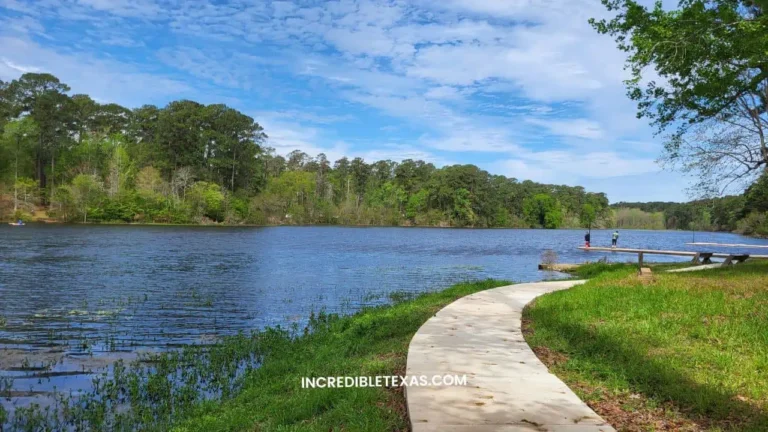
Purtis Creek State Park, located just an hour southeast of Dallas, offers some of the most specialized fishing and quiet recreation in the Lone Star State. This 1,582-acre park in Henderson and Van Zandt counties surrounds the 355-acre Purtis Creek Lake, a destination famous for its unique no-wake policy and catch-and-release bass fishing.

Visitors frequently choose this park for its tranquil atmosphere, where the sounds of motorized boats are limited to a slow, steady hum. The lake’s 50-boat limit ensures that the waters never feel overcrowded, even during the peak spring and fall seasons.
The first 300 words of this guide provide essential details on Purtis Creek State Park map locations, Purtis Creek State Park hours, and current Purtis Creek State Park price structures. You can explore the wooded trails, enjoy the waterfront campsites, or test your skills against the state’s most protected largemouth bass population.
| Feature | Quick Fact |
|---|---|
| Location | 14225 FM 316 N, Eustace, TX 75124 |
| Park Hours | 6:00 AM to 10:00 PM daily |
| Entrance Fee | $5 for adults (13+); Free for children 12 and under |
| Primary Draw | Catch-and-release bass fishing and no-wake lake |
| Contact | (903) 425-2332 |
Whether you want to paddle the calm inlets or hike the secluded Beaver Slide Nature Path, this park provides a perfect escape from the bustle of the Metroplex. The combination of easy trail access and modern camping facilities makes it a top choice for families and solo adventurers.
For those planning a broader tour of the region, consider our Top 10 Best State Parks in Texas for more inspiration on the best natural sites to visit. This guide focuses on maximizing your time at Purtis Creek, from securing the best campsite to finding the most productive fishing spots.
Planning a Day Trip from Dallas to Purtis Creek State Park
For those seeking the best Dallas day trips, Purtis Creek is an ideal destination just 60 miles southeast of the city. The drive typically takes about an hour, making it a perfect quick escape.
The most direct route from the DFW Metroplex is via Highway 175 East through Kaufman and Kemp. This makes it one of the most accessible weekend getaways near DFW for nature lovers.
This Eustace TX state park offers a peaceful retreat into the Post Oak Savannah. It provides a unique landscape that differs significantly from the urban sprawl of Dallas.
A Brief History of Purtis Creek State Park
The history of the land that is now Purtis Creek State Park stretches back long before it became a public sanctuary. For centuries, the area was a productive hunting ground for the Wichita and Caddo tribes, who were drawn to the region’s abundant game and clean water sources.
In the mid-1800s, white settlers began moving into Henderson and Van Zandt counties, attracted by the fertile soil and the rich post oak savannah. The land remained largely in private hands for over a century, used primarily for ranching and small-scale farming.
The Texas Parks and Wildlife Department began the process of acquiring the land in 1977. By 1982, the final tracts were purchased, and plans for the park and its central lake began to take shape as part of a regional flood control and recreation project.
In 1980, the U.S. Soil Conservation Service constructed the dam on Purtis Creek that would eventually create the 355-acre lake.
The park officially opened its gates to the public on November 9, 1988, quickly becoming a favorite for North Texas anglers.
Fishing at Purtis Creek Lake: A Bass Angler’s Haven
Purtis Creek Lake is a 355-acre reservoir that has earned a reputation as one of the best bass fishing spots in Texas. The lake was specifically designed for fishing, with standing timber left in place during construction to provide an ideal habitat for largemouth bass and other species.
One of the most significant rules at the park is the **catch-and-release only** policy for largemouth bass. This regulation has allowed the bass population to thrive and reach impressive sizes, making it a favorite destination for competitive and recreational anglers alike.
According to the official Purtis Creek fishing page, only bass under 16 inches may be kept in some cases, but general practice is immediate release. This helps maintain a high-quality fishing experience for every visitor throughout the year.
Anglers can also participate in the Toyota ShareLunker Program if they catch a bass weighing 13 pounds or more. If you land one of these “legacy” fish, you should immediately contact the park office or the program coordinators for potential donation to the state’s breeding program.
In addition to largemouth bass, the lake supports healthy populations of channel catfish, blue catfish, and crappie. These species have their own bag and length limits, which are posted at the park’s cleaning stations and the main visitor center.
| Fish Species | Daily Bag Limit | Minimum Length |
|---|---|---|
| Largemouth Bass | 0 (Catch and Release) | N/A (Special ShareLunker rules) |
| Channel Catfish | 5 | No minimum |
| Blue Catfish | 5 | No minimum |
| Crappie | 25 | 10 inches |
Fishing Techniques and Baits
Because of the heavy standing timber and submerged vegetation, specialized techniques are often required to be successful at Purtis Creek. “Texas rigging” soft plastics or using weedless jigs are popular ways to fish deep into the brush where large bass often hide.
During the spring spawn, many anglers find success using topwater lures or shallow-running crankbaits along the grassy banks. The no-wake policy means you can fish these shallow areas effectively without the interference of large waves from passing boats.
The lake’s no-wake policy is strictly enforced to protect the shoreline and ensure a peaceful environment. Motorized boats are limited to idle speed, making it an exceptionally safe and quiet place for kayakers and canoeists to explore the wooded shoreline.
If you don’t have your own boat, the park offers self-service kayak rentals near the boat ramp. These rentals include paddles and life jackets, providing everything you need for a day on the water without the hassle of transport.
Exploring the Purtis Creek State Park Trails
For those who prefer dry land, the Purtis Creek State Park trails offer over 14 miles of exploration through East Texas forest. Whether you are looking for a gentle walk along the dam or a more challenging mountain bike ride, the park’s trail system caters to all skill levels.
The trail system is divided into three primary areas: the Wolfpen Loops, the Beaver Slide Nature Path, and the Solar Walk. Each trail provides a distinct experience, from shaded woods to open scenic overlooks of the lake.
Wolfpen Hike and Bike Trail (4.1 Miles)
The Wolfpen trail system is the longest in the park and is the only area where mountain biking is permitted. This 4.1-mile network consists of three interconnected loops, which allows you to customize the length of your adventure.
These loops wind through a thick canopy of hardwood trees, offering relief from the summer sun. The terrain is relatively flat, making it an excellent place for beginning mountain bikers or families with active children to practice their trail skills.
| Loop Name | Distance | Recommended Use |
|---|---|---|
| Green Loop | 0.8 Miles | Short hike or beginner ride |
| Blue Loop | 2.0 Miles | Moderate exercise and lake views |
| Red Loop | 1.2 Miles | Quiet woods and birding |
Beaver Slide Nature Path (1.3 Miles)
The Beaver Slide Nature Path is a hiking-only trail that hugs the park’s shoreline. This secluded 1.3-mile loop is perfect for those who want to experience the tranquil side of the park and observe local wildlife in their natural habitat.
As you walk this path, you will cross several small bridges over lake inlets. This trail provides access to many of the park’s primitive hike-in campsites, making it a common route for overnight backpackers seeking more solitude than the main campgrounds offer.
The Solar Walk (0.5 Miles)
One of the most unique features of the park is the **Solar Walk**, a paved 0.5-mile path that runs across the top of the dam. This trail is a scaled model of our solar system, with each planet represented by a sign at its relative distance from the “Sun” (the trailhead).
Because the Solar Walk is paved and flat, it is completely stroller-friendly and accessible for most visitors. It offers expansive views of the entire 355-acre lake on one side and the downstream forest on the other, making it a great spot for sunset photos.
Purtis Creek vs. Tyler State Park: Which Should You Visit?
Choosing between these two East Texas favorites depends on your primary goal for the trip. Both offer incredible outdoor experiences but cater to different interests and activities.
While Purtis Creek is famous for being one of the premier no-wake lakes in Texas, Tyler State Park offers a more traditional motorized boating experience. The choice often comes down to the type of lake environment you prefer.
| Feature | Purtis Creek State Park | Tyler State Park |
|---|---|---|
| Ecosystem | Post Oak Savannah | Pineywoods |
| Lake Size | 355 Acres | 64 Acres |
| Fishing Rules | Catch & Release Bass / No-Wake | Standard TPWD Regulations |
Purtis Creek State Park Camping and Accommodations
Whether you enjoy the convenience of modern RV sites or the ruggedness of primitive camping, the Purtis Creek State Park camping options are diverse. With nearly 60 developed sites and dozens of primitive options, there is a place for every type of outdoor enthusiast.
Many of the campsites are situated directly on the water, allowing you to launch your kayak or cast a line right from your site. For those planning a visit to other nearby parks, you might want to compare these facilities with our Tyler State Park Guide for similar East Texas experiences.
Developed Campsites with Electricity
The park features 59 developed campsites that offer both water and electrical hookups. Most of these sites provide 30-amp service, while 27 sites are equipped with 50-amp service for larger modern RVs and trailers.
Each site includes a picnic table, a fire ring with a grill, and a lantern post. Restrooms with hot showers are conveniently located within each camping loop, providing essential comforts after a long day of hiking or fishing on the lake.
Primitive Hike-in Sites
For those seeking a more authentic wilderness experience, Purtis Creek offers 13 primitive hike-in campsites. These sites are located along the Beaver Slide Nature Path and require a hike of 0.65 to 1.7 miles from the designated parking area.
Primitive sites include a fire ring and a designated tent pad but do not have water or electricity. Campers must carry in all their supplies and pack out all trash, making this an ideal choice for practiced backpackers and those looking for true seclusion.
Walk-in Tent Sites
If you prefer tent camping but want to stay closer to park amenities, the walk-in sites are an excellent middle ground. These five sites have water nearby and require only a short walk from your vehicle, offering more privacy than the RV loops without the long hike of primitive sites.
Cabins and Shelters
Currently, the park offers screened shelters and specialized lodging for those who want a roof over their head. While the park is continually updating its facilities, it is always best to check the official reservation portal for the most current cabin availability and pricing.
Expert Recommendations: Best Campsites at Purtis Creek
For the ultimate outdoor experience, we recommend booking campsites in the 20-30 range. These specific sites are highly sought after by regular visitors for their prime locations.
These waterfront sites provide the best access for launching kayaks or fishing directly from your tent or RV. They offer unmatched views of the sunset over the 355-acre lake.
Boating and Paddling on the Tranquil Lake
The 355-acre lake at Purtis Creek is the center of the park’s recreational activity. Because of the strict no-wake policy, the water remains calm and safe for all types of non-motorized vessels, including kayaks, canoes, and stand-up paddleboards.
There are two boat ramps available for launching, and the park allows up to 50 motorized boats on the water at any given time. This limit ensures that the lake remains a peaceful sanctuary for both people and the many bird species that call the shoreline home.
If you enjoy exploring larger bodies of water, you may also be interested in our guide to Lake Livingston State Park, which offers a much larger lake experience with different recreational rules. Purtis Creek, by contrast, is specifically managed for those who prefer a quieter, more intimate connection with the water.
Kayak and Canoe Rentals
For visitors who do not own their own watercraft, the park’s self-service rental kiosk is a convenient option. Rentals are available on a first-come, first-served basis and can be paid for directly at the kiosk using a credit card.
The calm inlets and numerous lily pad fields make paddling here a relaxing experience. You can easily spend an afternoon weaving through the standing timber and exploring the small coves that are inaccessible to larger motorized boats.
Flora and Ecosystem of the Post Oak Savannah
Purtis Creek State Park is located within the Post Oak Savannah ecosystem, a unique transition zone between the blackland prairies to the west and the piney woods to the east. This environment creates a diverse landscape of open woodlands and grassy clearings.
The park’s canopy is dominated by Post Oak, Blackjack Oak, and Black Hickory. These trees provide essential shade for the campgrounds and habitat for the local wildlife, while also creating a vibrant display of color during the autumn months.
As you explore the trails, you will also notice species like Winged Elm, Eastern Red Cedar, and the occasional Walnut or Pecan tree. The understory is often filled with American Beautyberry, known for its striking purple berries that appear in late summer and provide food for birds.
During the spring, the park’s open areas are often covered in native wildflowers, including bluebonnets, Indian paintbrushes, and wild plums. This diverse flora supports a healthy population of pollinators and makes the park a favorite spot for nature photography.
Birding and Wildlife at Purtis Creek
The diverse habitats within the park, from deep woods to open wetlands, make it a premier spot for birding in East Texas. The Beaver Slide Nature Path features a dedicated bird blind where you can sit quietly and observe various species as they visit the water’s edge.
During the winter months, the lake becomes a haven for migratory waterfowl, including various duck species and grebes. In the spring and summer, you are likely to spot great blue herons, snowy egrets, and the occasional bald eagle soaring above the lake in search of fish.
In addition to birds, the park is home to a wide range of Texas wildlife. It is common to see white-tailed deer grazing near the campgrounds in the early morning, and lucky visitors might even spot an armadillo or a beaver near the shoreline.
| Species Group | Common Sightings |
|---|---|
| Birds | Wood Ducks, Great Blue Herons, Bald Eagles, Woodpeckers |
| Mammals | White-tailed Deer, Armadillos, Beavers, Raccoons |
| Reptiles | Red-eared Sliders, Various non-venomous water snakes |
Nearby Attractions and Day Trips
While Purtis Creek State Park offers plenty of activities to fill a weekend, its location in East Texas makes it a great base for exploring the surrounding area. The nearby town of Eustace and the larger city of Athens offer local dining and shopping options just a short drive away.
One of the most popular nearby events is the **Canton First Monday Trade Days**, located about 20 minutes north of the park. This massive flea market takes place the Thursday through Sunday preceding the first Monday of every month and attracts thousands of visitors.
If you are interested in other seasonal events across the state, check out our comprehensive guide to Annual Festivals Celebrated in Texas for a full calendar of what to see and do throughout the year.
Athens and Dallas Excursions
Located just 15 miles from the park, the Texas Freshwater Fisheries Center in Athens is a must-visit for any fishing enthusiast. This facility includes a hatchery, a museum, and massive aquarium displays featuring record-breaking Texas fish.
If you are looking for more urban adventures, the park is only an hour away from the major attractions of the Metroplex. You can easily combine a nature retreat with our list of the Best Things to Do in Dallas for a complete North Texas vacation experience.
Tips for visiting Purtis Creek State Park
When planning a visit to Purtis Creek State Park, there are a few tips that can enhance your experience and make the most of your time in this natural oasis. Here are some helpful suggestions for your trip:
- Reservations: Ensure you make reservations in advance, especially for cabins, campsites, or any guided activities to secure your spot.
- Pack Essentials: Don’t forget to bring essentials like water, snacks, sunscreen, bug repellent, and suitable footwear for exploring the park.
- Respect Wildlife: Remember, you are a guest in their home. Keep a safe distance, do not feed them, and observe quietly to respect their natural habitat.
- Stay Informed: Check the park’s website or visitor center for any updates on trails, weather conditions, or park rules before heading out.
For more ideas on how to spend your time in the region, including romantic outings, explore our Best Dallas Date Ideas for unique activities just a short drive from the park.
Best Time to Visit Purtis Creek State Park
The best time to visit Purtis Creek is during the spring (March to May) and fall (September to November) months. During these periods, the temperatures are most comfortable for hiking and camping, and the fishing activity is at its peak.
Summer visits are popular for water activities, but the East Texas heat can be intense. If you visit in July or August, plan your hiking and fishing for the early morning or late evening when temperatures are cooler and wildlife is more active.
| Season | Avg. High | Best Activities |
|---|---|---|
| Spring | 70-80°F | Wildflower viewing, Bass fishing |
| Summer | 90-95°F | Kayaking, Swimming |
| Fall | 65-75°F | Camping, Hiking, Photography |
| Winter | 50-60°F | Birding, Peaceful solitude |
FAQs on Purtis Creek State Park
Can I visit Purtis Creek State Park without a reservation?
No, it’s highly recommended to make reservations in advance, especially during weekends or peak seasons. The park often reaches its capacity limit for day-use visitors, and without a reservation, you may be turned away at the gate.
Do you need a fishing license at Purtis Creek State Park?
No, you do not need a fishing license to fish from the shore or piers within the state park boundaries. However, if you fish from a boat, standard Texas fishing regulations apply.
Always check the latest TPWD Outdoor Annual for specific rules.
Is Purtis Creek catch and release only?
For largemouth bass, the park maintains a strict catch-and-release only policy to protect the trophy population. However, other species like catfish and crappie have standard bag limits for harvesting.
Does Purtis Creek State Park have full hookups?
No, the park does not currently offer full hookups with sewer connections at individual sites. All developed sites include water and electricity, and a dump station is available for RV use.
What are the boat motor restrictions on the lake?
The lake has a strict “idle only” speed limit and a no-wake policy for all motorized boats. Additionally, only 50 motorized boats are allowed on the water at one time to ensure the safety of paddlers and the health of the shoreline.
Are dogs allowed at Purtis Creek State Park?
Yes, pets are allowed but must be on a leash no longer than six feet at all times. They are not permitted inside park buildings, screened shelters, or the designated swimming areas to ensure the comfort and safety of all guests.
Is there a swimming area at Purtis Creek?
Yes, the park features a designated swimming area near the main picnic grounds. There are no lifeguards on duty, so swimming is at your own risk.
Glass containers are strictly prohibited on the beach and in the water.
2026 Purtis Creek Visitor Checklist
- Download the Purtis Creek State Park map before arrival for offline use.
- Check the Toyota ShareLunker website if you plan on targeting trophy bass.
- Pack plenty of water and snacks, as the nearest town is several miles away.
- Ensure your kayak or canoe is clean of invasive species before launching.
- Confirm your reservation for weekend getaways near DFW well in advance.
Final Thoughts on Purtis Creek State Park
Purtis Creek State Park stands out as a unique jewel in the Texas state park system. By prioritizing quiet recreation and sustainable fishing, it provides an environment where you can truly reconnect with nature without the noise of typical high-traffic lakes.
Whether you are casting for a record-breaking bass, hiking the wooded loops of the Wolfpen trail, or simply watching the stars from a lakeside campsite, this park delivers a high-quality outdoor experience. Its proximity to Dallas makes it an accessible and rewarding destination for a quick weekend getaway or a longer exploration of East Texas.