Pedernales Falls State Park: Ultimate Guide to Hiking, Camping & Swimming

Pedernales Falls State Park encompasses 5,212 acres of rugged Hill Country terrain located just 10 miles east of Johnson City. Known for its ancient limestone falls and clear river access, it serves as a premier destination for Texas outdoor enthusiasts.
Visitors flock to this site to experience the 300-million-year-old geological formations and diverse recreational opportunities. This guide provides essential details on fees, safety, and hidden gems to ensure your 2026 visit to one of the best places to visit in Texas is both safe and memorable.
Pedernales Falls State Park Quick Facts
| Feature | Details |
|---|---|
| Address | 2585 Park Road 6026, Johnson City, TX 78636 |
| Phone | (830) 868-7304 |
| Operating Hours | 8:00 AM – 10:00 PM Daily (Gates lock at 10 PM) |
| Entrance Fee | $6 Adults (13+), Free for Children (12 and under) |
| Bortle Scale | 4.0 – 4.5 (Excellent for Stargazing) |
| River Condition | Flash flood-prone; monitor water clarity constantly |
| Annual Pass | $70 Texas State Parks Pass accepted |
Geological Marvels: The 300-Million-Year History
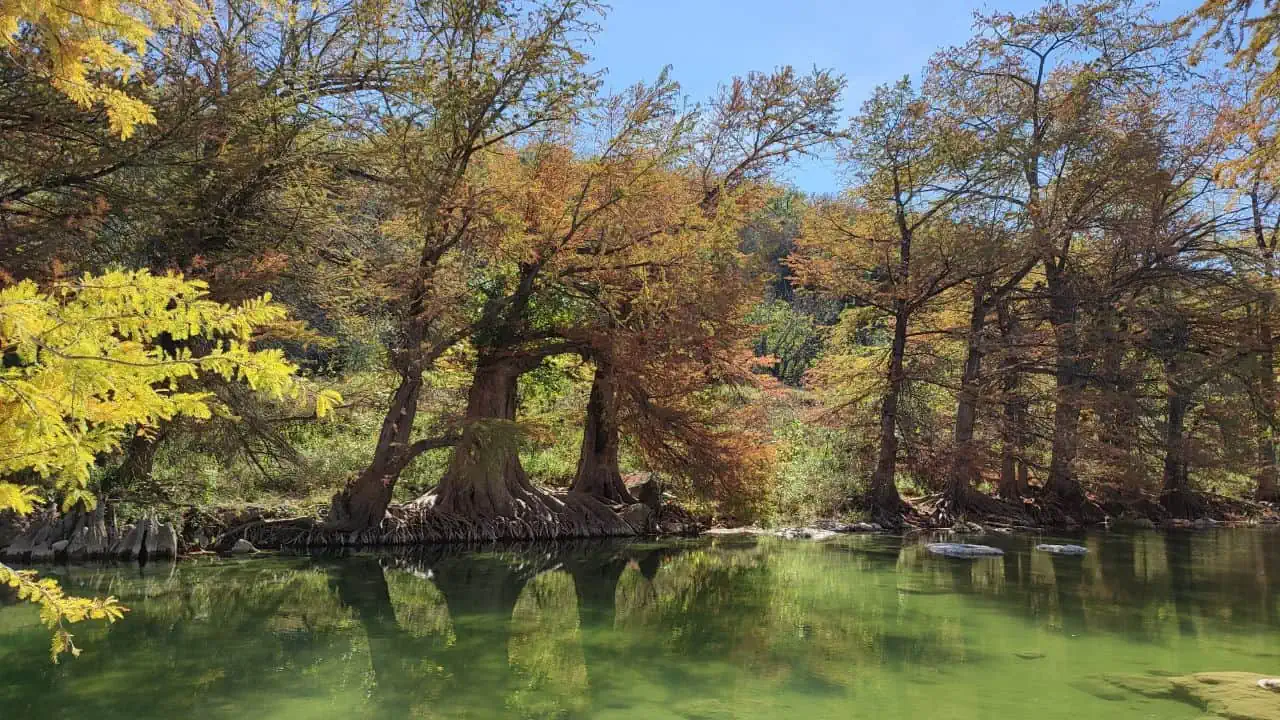
The centerpiece of the park is the Pedernales Falls, a dramatic series of cascades where the river drops 50 feet over a 3,000-foot stretch. These falls are carved into Marble Falls Limestone, which originated during the Pennsylvanian Period.
This limestone was once a vibrant seabed before being tilted and deformed during the collision of continents that formed Pangea. You can still see the distinct stair-step layers that characterize this unique geological formation today.
According to research from the UT Austin Bureau of Economic Geology, these formations are part of a broader network of ancient landforms. Much like the rugged terrain found at Palo Duro Canyon State Park, the rocks here tell a story of immense time and pressure.
The contrast between the white limestone and the turquoise water provides some of the most stunning views in Central Texas. Over millions of years, the river has relentlessly eroded these rocks, creating deep pools and intricate channels.
Pedernales Falls State Park Camping Guide
Camping at Pedernales Falls requires careful preparation, as the rugged landscape offers both luxury hookups and extreme primitive isolation. Understanding the nuances of each campground loop will ensure you select the best site for your needs.
Camping Logistics and Check-in
| Rule | Requirement |
|---|---|
| Check-in Time | 2:00 PM |
| Check-out Time | 12:00 PM |
| Late Arrival | Call by 5:00 PM for gate code (830-868-7304) |
| Quiet Hours | 10:00 PM – 6:00 AM |
| Park Gates | Locked from 10:00 PM to 8:00 AM |
Pedernales Falls State Park Campsite Pricing and Fees (2026)
Staying overnight at Pedernales Falls involves two primary costs: the nightly campsite rental and the daily per-person entrance fee. The daily entrance fee is waived for those with a valid Texas State Parks Pass.
| Campsite Type | Nightly Rate | Capacity | Key Amenities |
|---|---|---|---|
| Electric Loop (Water & 30-amp) | $20 | 8 People | Picnic table, fire ring, grill, lantern post |
| Primitive (Hike-in 2+ Miles) | $10 | 4 People | Seclusion, chemical toilets nearby |
| Equestrian Group Camp | $40 | 12 People | 6 horse pens, well water for horses |
| Group Youth Campsite | $100 | 75 People | Picnic tables, grills, large fire ring |
Recommended Campsites for 2026
For families seeking comfort and shade, the Electric Loop offers 69 sites with 30-amp hookups and potable water. Sites 39, 42, and 51 are highly rated for their natural Ashe juniper shade and relative distance from neighboring campers.
If you are looking for maximum seclusion, Site 27 is a prime “woods-facing” location that offers a sense of privacy rare in state park campgrounds. For those wanting direct trail access, Site 39 provides a short path leading toward the river and a small seasonal swimming hole.
Primitive Hike-In Camping
The primitive camping area is located on a high bluff overlooking the river, offering some of the best stargazing in the park. These sites require a minimum hike of 2 to 3 miles over uneven terrain, so pack light and use sturdy backpacks.
Be aware that no open fires are permitted in the primitive area; only containerized fuel stoves like propane burners are allowed. You must carry in all your water, as there are no potable sources available at the primitive sites.
Pet Policy and Connectivity
While dogs are welcome at the electric campsites, they are prohibited from overnight stays at the primitive sites. Throughout the park, pets must remain on a leash no longer than six feet and are never allowed in the river or designated swimming areas.
Cell service is famously poor throughout Pedernales Falls State Park, with most carriers showing zero bars at the campgrounds. Download your maps and reservation details for offline use, or head to the 5.5 Mile Loop Overlook if you must find a signal.
Pedernales Falls State Park Hiking Trail Comparison
With over 20 miles of trails, the park offers everything from gentle nature walks to technical mountain biking loops. Each trail provides a unique perspective on the Hill Country’s flora, fauna, and geology.
| Trail Name | Distance | Difficulty | Best For |
|---|---|---|---|
| Twin Falls Nature Trail | 0.5 Miles | Moderate | Families, birdwatching, and quick views |
| Wolf Mountain Loop | 6.0 Miles | Challenging | Panoramas, spring viewing, and wildlife |
| Juniper Ridge Trail | 10.0 Miles | Extreme | Technical mountain biking and endurance |
| Hackenburg Loop | 1.5 Miles | Moderate | Geological interest and river views |
| Madrone Trail | 2.5 Miles | Moderate | Rare tree spotting and scenic loops |
| Jones Spring Trail | 2.6 Miles | Moderate | Historic ruins and refreshing springs |
Pedernales Falls State Park vs. McKinney Falls State Park
Choosing between Pedernales Falls and McKinney Falls State Park often depends on your distance from Austin and desired terrain. While McKinney Falls is located within Austin city limits, Pedernales offers a much more rugged, “back-country” feel.
McKinney Falls features easier, paved trails that are highly accessible for strollers and wheelchairs. In contrast, Pedernales is characterized by rocky limestone ledges and significant elevation changes that require more effort.
Swimming conditions also differ greatly between the two parks. Pedernales Falls has a massive, wide river area for wading and tubing, while McKinney Falls is known for its deep rock pools and distinct “upper” and “lower” falls.
If you are looking for a quick nature escape without leaving the city, McKinney Falls is ideal. However, for those seeking true Hill Country solitude and darker night skies, the drive to Pedernales is well worth it.
Best 1-Day Pedernales Falls Itinerary
To maximize your day visit, arrive at the park gate exactly at 8:00 AM. Start your morning with the Pedernales Falls Overlook to capture the best morning light on the 300-million-year-old limestone.
Follow this with a hike on the Wolf Mountain Loop before the Texas sun reaches its peak. This 6-mile trek provides the best panoramic views and access to Jones Spring for a refreshing mid-morning break.
Spend your afternoon at the designated Swimming Area at the end of the paved road. Bring a picnic lunch and relax in the shade of the bald cypress trees while cooling off in the clear river water.
Wrap up your day with the short Twin Falls Nature Trail during the “golden hour” for birdwatching. This gentle half-mile walk is the perfect way to wind down before the park gates lock at 10:00 PM.
Visiting with Dogs and Toddlers: Key Tips
Pedernales Falls is a fantastic destination for families, but certain trails are more suitable for little feet than others. For those with toddlers, the Twin Falls Nature Trail is the most manageable due to its short length and shaded canopy.
If you are using a stroller, stick to the Falls Overlook area which has some paved sections. Most other trails are too rocky and uneven for standard strollers, making a child-carrier backpack a much better option for exploration.
Dog owners must be aware that while the park is pet-friendly, dogs are strictly prohibited from the river water. This rule protects the sensitive river ecosystem and ensures the safety of other visitors in the swimming areas.
Always carry a portable water bowl for your pet, as the back-country trails offer zero shade and zero water sources. Monitor your dog closely for signs of heat exhaustion, especially during the summer months from June to August.
Fishing Tactics for the Pedernales River
Fishing in the park is a rewarding experience for both novice and experienced anglers. The river is home to various species, including Largemouth Bass, Guadalupe Bass, and several types of catfish.
For those targeting carp, using simple baits like corn or oatmeal balls can be surprisingly effective in the deeper pools. Largemouth bass often respond well to small swimbaits or crayfish-colored crankbaits that mimic their natural prey.
If you prefer using live bait, you can seine for river minnows like blacktail shiners and redfins directly in the water. Flipping over rocks along the shore can also yield hellgrammites or crayfish, which are excellent for catching perch and bass.
No fishing license is required when fishing from the bank within the boundaries of a Texas State Park. This makes it an accessible activity for families looking to try out fishing for the first time during their visit.
The best fishing often occurs just after a slight rise in the river level, which stirs up nutrients and activates the fish. For current state-wide fishing rules, consult the TPWD Outdoor Annual.
Equestrian Trails and Group Camping at Pedernales Falls State Park
Pedernales Falls is one of the few state parks in Central Texas that offers extensive facilities for horseback riders. The park features 10 miles of rugged equestrian trails that are exclusively for riders.
These trails are specifically designed to prevent spooking horses by prohibiting cyclists and hikers on these paths. The terrain is rocky and includes several steep slopes, so horses must be shod and riders should have moderate experience.
Water troughs are conveniently located at the trailer parking area and at a midway point along the trail system. A current negative Coggins test is mandatory for all horses entering the park and must be presented at the office.
The equestrian group camp provides a dedicated space for overnight stays, complete with corrals for the horses. This area offers a unique way to experience the park’s back-country while remaining close to your animals.
Riders can enjoy panoramic views from the South Loop Equestrian Trail, which winds through diverse landscapes and vegetation. It is a fantastic way to cover more ground and see remote sections of the park’s 5,000-acre expanse.
Birding: A Sanctuary for Rare Species
With over 150 species identified, Pedernales Falls is a top-tier destination for birdwatchers in the Texas-German belt region. The park’s diverse habitats, from riverbanks to cedar brakes, attract a wide variety of birds year-round.
The star attraction is the endangered Golden-cheeked Warbler, which nests exclusively in the old-growth juniper and oak woodlands of Central Texas. According to Audubon Texas, these birds rely on mature Ashe junipers for nesting materials.
Other notable species include the vibrant Painted Bunting, the Canyon Wren with its cascading song, and the elusive Green Kingfisher. The park features a dedicated bird blind near the Twin Falls trailhead for comfortable observation.
During the spring and fall migrations, you can see a rotating cast of warblers, flycatchers, and raptors passing through. From riverbanks to canyons, the birdlife here rival those found in any other state-wide wildlife refuge.
Keep an eye out for Red-shouldered Hawks and Red-tailed Hawks soaring over the open meadows in search of prey. The sound of the Belted Kingfisher’s rattle is a common accompaniment to a walk along the riverbanks.
Stargazing and Dark Sky Preservation
Pedernales Falls State Park offers some of the best stargazing opportunities near the Austin and San Antonio metropolitan areas. It holds a Bortle Scale rating of approximately 4.0 to 4.5, indicating a remarkably dark sky.
The park’s commitment to dark sky preservation makes it a favorite spot for amateur astronomers and astrophotographers. On a clear night, the Milky Way is often visible to the naked eye, stretching across the Hill Country horizon.
The DarkSky Texas association provides essential data for monitoring light pollution across the state. For the best viewing experience, consider staying at campsites #28, #30, #35, #42, or #52.
The park occasionally hosts “Sky Theater” events, where rangers and local astronomy clubs share insights about the constellations. Check the park’s events calendar for scheduled stargazing parties during your 2026 visit.
Always use a red-filtered flashlight when navigating the campgrounds at night to preserve your night vision and that of your neighbors. This simple step helps maintain the quality of the stargazing experience for everyone.
Planning Your 2026 Visit: Reservations and Tips
Demand for Pedernales Falls is extremely high, and the park frequently reaches its daily capacity limits. It is essential to make reservations for both day-use and camping well in advance of your trip.
Reservation Strategies
Day-use passes can be reserved up to 30 days in advance through the Texas Parks and Wildlife reservation portal. If you arrive without a reservation on a busy weekend, you will likely be turned away at the gate.
Camping reservations operate on a five-month rolling window and fill up almost immediately for peak spring and fall weekends. If you have flexibility, try booking a mid-week stay for a much quieter and more private experience.
Essential Packing List for Hill Country Success
| Category | Recommended Items | Why It Matters |
|---|---|---|
| Footwear | Sturdy hiking boots & water shoes | Protection from sharp rocks and slippery limestone |
| Hydration | 1 gallon of water per person | No water sources on back-country trails; extreme Texas heat |
| Sun Care | SPF 50+, wide-brimmed hat, sunglasses | Many trails are exposed with zero shade |
| Safety | First aid kit & physical trail map | Remote areas with poor cell service; potential for scrapes |
| Gear | Binoculars & star chart | Enhanced wildlife viewing and stargazing |
Nearby Exploration in Johnson City
Johnson City, located just 10 miles away, offers a wealth of historical and cultural attractions that complement your park visit. Founded in 1879 by James Polk Johnson, the town is the ancestral home of President Lyndon B. Johnson.
LBJ National Historical Park
A visit to the LBJ National Historical Park is a must for history buffs. You can tour the President’s boyhood home and see the “Texas White House” at the LBJ Ranch, which is located just a short drive from downtown.
The National Park Service manages this historical treasure, preserving the 36th President’s deep connection to the Texas Hill Country. It is a great way to add an educational component to your outdoor-focused vacation.
Local Dining and Provisions

After a long day of hiking, head into Johnson City for a meal at one of the local eateries. The Pedernales Falls Trading Post offers slow-smoked BBQ and craft beer in a relaxed atmosphere.
For those craving artisanal pizza, Stanley’s Farmhouse Pizza near the Jester King Brewery is a popular choice for families. Be sure to stop by a local market to stock up on fresh Hill Country peaches if you are visiting during the summer months.
Month-by-Month Guide to Pedernales Falls State Park
Planning your visit requires understanding the seasonal shifts of the Texas Hill Country. Each month offers a unique experience, from the vibrant wildflowers of spring to the crisp stargazing nights of winter.
January: Crisp Air and Quiet Trails
- Weather & Conditions: Daytime temperatures average in the mid-50s with cool, stable air.
- Top Activities: Ideal for tackling long hikes like the Wolf Mountain Loop and observing roadrunners.
- Why Visit: This is one of the quietest months, providing maximum solitude for nature enthusiasts.
February: Early Blooms and Preparation
- Weather & Conditions: Temperatures begin to rise slightly as the first Texas redbud trees bud.
- Top Activities: Perfect for technical mountain biking on the Juniper Ridge Trail due to lower humidity.
- Pro Tip: Check for scheduled prescribed burns which may temporarily affect specific trail systems.
March: The Arrival of the Warblers
- Weather & Conditions: Mild spring weather arrives along with the endangered Golden-cheeked Warbler.
- Top Activities: Prime birdwatching in the juniper thickets and early wildflower viewing in the meadows.
- Alert: Spring break crowds make advance reservations mandatory for all day-use and camping.
April: Peak Wildflower Season
- Weather & Conditions: The landscape is a tapestry of bluebonnets and Indian paintbrushes under mild skies.
- Top Activities: Spotting the best Texas bluebonnet trails and exploring the full floral display.
- Safety Note: Increased spring rain potential requires constant monitoring of the Pedernales River levels.
May: The Transition to Summer
- Weather & Conditions: Warmer temperatures bring lush green foliage to the bald cypress trees.
- Top Activities: Prime fishing for bass and sunfish in the warming river pools.
- What to Pack: Higher humidity requires extra water and effective bug repellent for trail hikes.
June: The Start of River Season
- Weather & Conditions: Daytime highs reach the mid-90s, making the river the main attraction.
- Top Activities: Swimming, wading, and tubing in the designated area downstream from the falls.
- Planning Tip: Arrive before 9:00 AM on weekends to secure a spot in the swimming area parking lot.
July: Mid-Summer Heat and Hydration
- Weather & Conditions: Temperatures frequently exceed 100 degrees Fahrenheit with intense Texas sun.
- Top Activities: Swimming in the deep pools and relaxing in the shade of the limestone bluffs.
- Warning: Limit hiking to early morning hours and carry at least one gallon of water per person.
August: Low Water and High Sun
- Weather & Conditions: River flow decreases, creating calm, warm pools perfect for family wading.
- Top Activities: Late-night stargazing and Milky Way photography in the dark Hill Country sky.
- Safety: Sudden upstream storms can still cause rapid rises despite low local water levels.
September: The Return of the Rain
- Weather & Conditions: Late-summer rainstorms often rejuvenate the parched landscape and parched falls.
- Top Activities: Viewing the falls after a rain event and spotting early autumn bird migrations.
- Nature Note: Grasses in the open meadows begin to turn golden as the season shifts.
October: The Best of Both Worlds
- Weather & Conditions: Crisp air combines with water that remains warm enough for seasonal swimming.
- Top Activities: Full-day hikes and observing the fall migration of raptors and flycatchers.
- Visual Highlights: Sumacs and oaks begin to show early splashes of autumn red and orange.
November: Peak Fall Foliage
- Weather & Conditions: Cool, dry air makes for the best camping conditions of the entire year.
- Top Activities: Photographing the rusty orange bald cypress trees lining the turquoise riverbanks.
- Alert: Burn bans are common this month, so verify campfire rules before arriving at your site.
December: Winter Solitude and Stargazing
- Weather & Conditions: Longest nights of the year provide the best clarity for telescope observations.
- Top Activities: Stargazing parties and exploring the frost-covered limestone formations of the falls.
- Experience: A serene environment for winter hiking with fewer visitors and excellent visibility.
Critical Flash Flood Safety: Knowing the Risks
The Pedernales River is one of the most flash flood-prone waterways in the Texas Hill Country. It can transform from a tranquil, shallow stream into a raging torrent in a matter of minutes.
This rapid rise often occurs without any rainfall at the park itself, triggered by heavy storms occurring many miles upstream. The rocky terrain of the watershed prevents water from soaking in, sending it all directly into the river channel.
The Texas Parks and Wildlife Department’s official safety guide provides critical updates on river conditions. If you notice the water becoming muddy or see debris like branches floating downstream, leave the area immediately.
A rise in water level, even by just a few inches, is a signal that a much larger surge could be imminent. Always check the latest weather updates via the National Weather Service before your trip.
The park staff utilizes a siren system to warn visitors of dangerous conditions, but technology is never a substitute for personal vigilance. If you hear the siren, immediately move away from the river and seek elevated terrain.
Human History and the “Pedernales” Name
The name “Pedernales” is derived from the Spanish word for “flint,” referring to the abundance of flint rock found in the riverbed. Native Americans utilized this high-quality flint for over 10,000 years to create essential tools and weapons.
Archaeological evidence shows that Paleoindian peoples frequently visited this area to gather resources and hunt local game. The river provided a reliable water source in an otherwise arid and rugged landscape.
Significant white settlement in the region began in the 1850s, with families establishing small farms and ranches. These early pioneers faced harsh conditions, including severe droughts that forced many to abandon their homestead homesteads.
Today, you can still find remnants of this ranching history, including old rock walls and foundations scattered near the trail systems. These ruins serve as a reminder of the resilience of the people who once called this rugged terrain home.
Pedernales Falls State Park FAQs
Is Pedernales Falls dried up right now?
The flow of the Pedernales River varies significantly based on seasonal rainfall. While the river can become very shallow during the peak summer months of July and August, the deep pools in the swimming area generally remain accessible year-round.
Can you see the Milky Way at Pedernales Falls?
Yes, the park is an excellent location for viewing the Milky Way due to its 4.0 Bortle Scale rating. On clear, moonless nights, the galactic core is visible to the naked eye, making it a premier spot for Central Texas astrophotography.
Do I need a reservation if I have a Texas State Parks Pass?
Yes, a reservation is still mandatory for all visitors, including those with an annual pass. The pass waives the $6 entrance fee but does not guarantee entry if the park has reached its daily capacity limit.
Can you swim at Pedernales Falls with dogs?
No, dogs are strictly prohibited from the river water throughout the entire park. While well-behaved dogs on a leash are welcome on the hiking trails and in campgrounds, they must remain on dry land at all times.
Are there rattlesnakes at Pedernales Falls?
Yes, Western Diamondback Rattlesnakes are native to the Hill Country and are occasionally spotted on the park’s rocky trails. Always stay on marked paths, wear sturdy boots, and maintain situational awareness while hiking in tall grass or rocky outcrops.
Final Thoughts on the Pedernales Falls Experience
Pedernales Falls State Park remains a crown jewel of the Texas State Park system, offering a perfect blend of adventure and serenity. Whether you are navigating the technical Juniper Ridge or relaxing by the river, the park never fails to inspire.
The combination of 300-million-year-old geology and modern conservation efforts creates a unique landscape that is truly Texan. Plan ahead, respect the river’s power, and immerse yourself in the natural beauty of the Hill Country.
To make the most of your trip, consider pairing your visit with other best things to do in Austin and the surrounding Hill Country. For more information, consult the Texas Parks and Wildlife Department website.