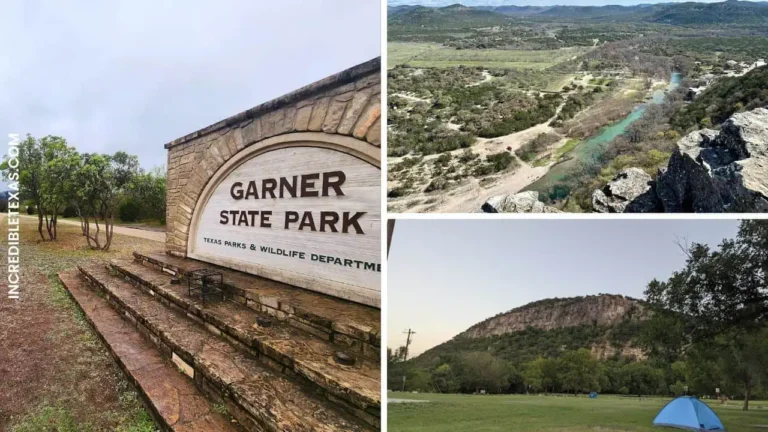
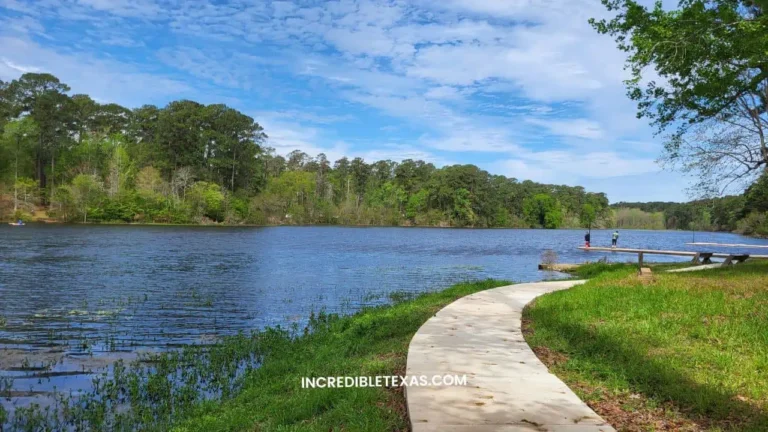
McKinney Falls State Park: Ultimate 2026 Visitor’s Guide
McKinney Falls State Park serves as Austin’s backyard oasis, offering a rugged escape just 13 miles from the bustling city center. This 641-acre sanctuary is where the clear waters of Onion Creek meet limestone ledges, creating the iconic Upper and Lower Falls that have drawn visitors for centuries.
If you are looking for McKinney Falls State Park directions from Austin, simply head south on I-35 for a quick 20-minute drive.
Before you leave, check the McKinney Falls State Park hours of operation to ensure you have time to explore before the gates close at 10 p.m.
Whether you want to swim in natural rock pools, camp under the stars, or explore historical landmarks in Austin Texas, this park offers a perfect blend of adventure and heritage. In this guide, we will cover everything you need to know about entrance fees, trail maps, and the best time to visit.
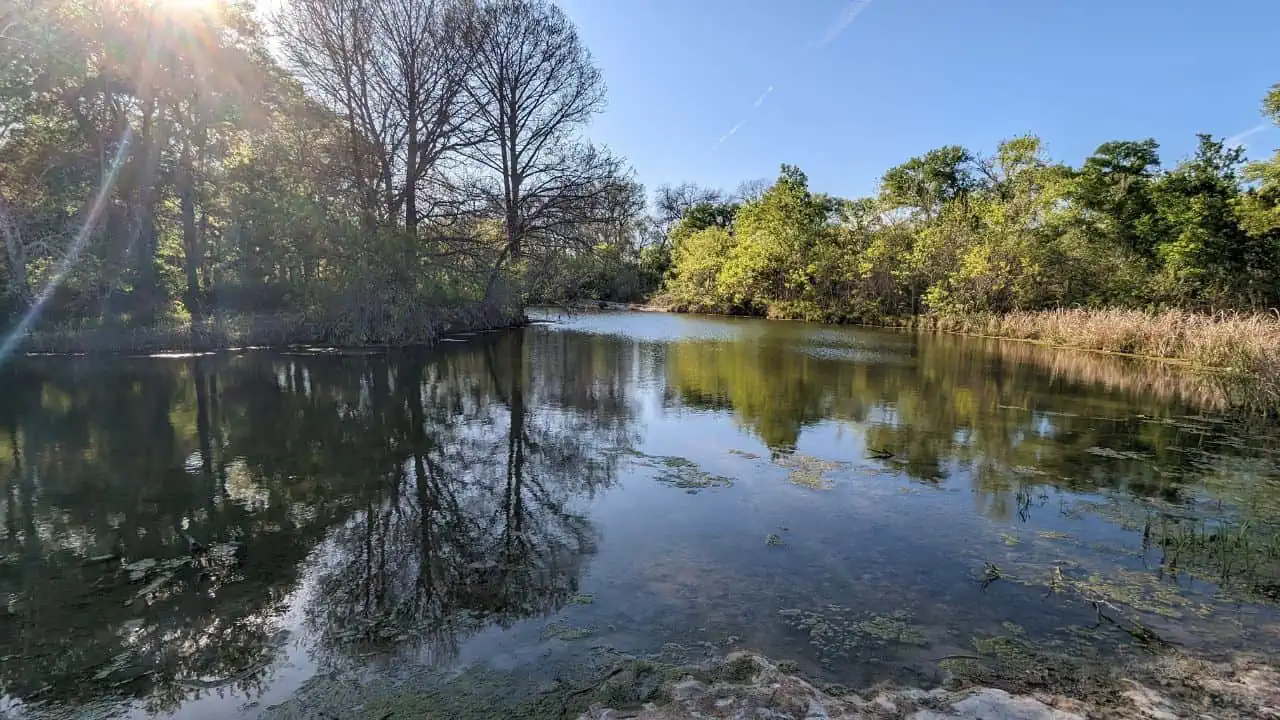
For those planning a broader adventure, check out our guide on the Top 10 Best State Parks in Texas to see how McKinney Falls ranks among the Lone Star State’s finest outdoor destinations. From the granite peaks of the West to the pine forests of the East, Texas parks offer unparalleled diversity for every type of traveler.
Plan Your Visit: McKinney Falls State Park Hours and Fees
Planning a trip to this Austin treasure requires a bit of foresight, especially during the busy spring and summer months. The park is conveniently located at 5808 McKinney Falls Parkway, Austin, TX 78744, making it a quick 15-minute escape from the airport or downtown area.
To help you organize your day, here are the current 2026 operational details and costs for visiting the falls. Understanding these basics ensures a smooth entry and more time enjoying the natural scenery.
| Detail | Information |
|---|---|
| Gate Hours | 8:00 AM – 10:00 PM (Daily) |
| Office Hours | 8:00 AM – 4:15 PM (Daily) |
| Adult Entry Fee (13+) | $6 per person |
| Child Entry Fee (12 & Under) | Free |
| Texas State Parks Pass | $70 (Annual) |
Because of its popularity, we highly recommend making a McKinney Falls State Park reservations day pass online before you leave home. The park frequently reaches capacity early in the morning on weekends, and a pre-booked pass is the only way to guarantee your entry.
The Visitor Center offers unique exhibits and maps, but note its specific schedule: Noon to 4:00 PM (Tuesday-Thursday) and 9:00 AM to 4:00 PM (Friday-Sunday). It is a great starting point for first-time visitors to learn about the local ecology and trail conditions.
The Deep History of McKinney Falls State Park
The history of McKinney Falls State Park is as layered as the limestone it sits upon, spanning from prehistoric Native American civilizations to the formative years of the Republic of Texas. Long before European settlers arrived, the area served as a vital resource for indigenous peoples.
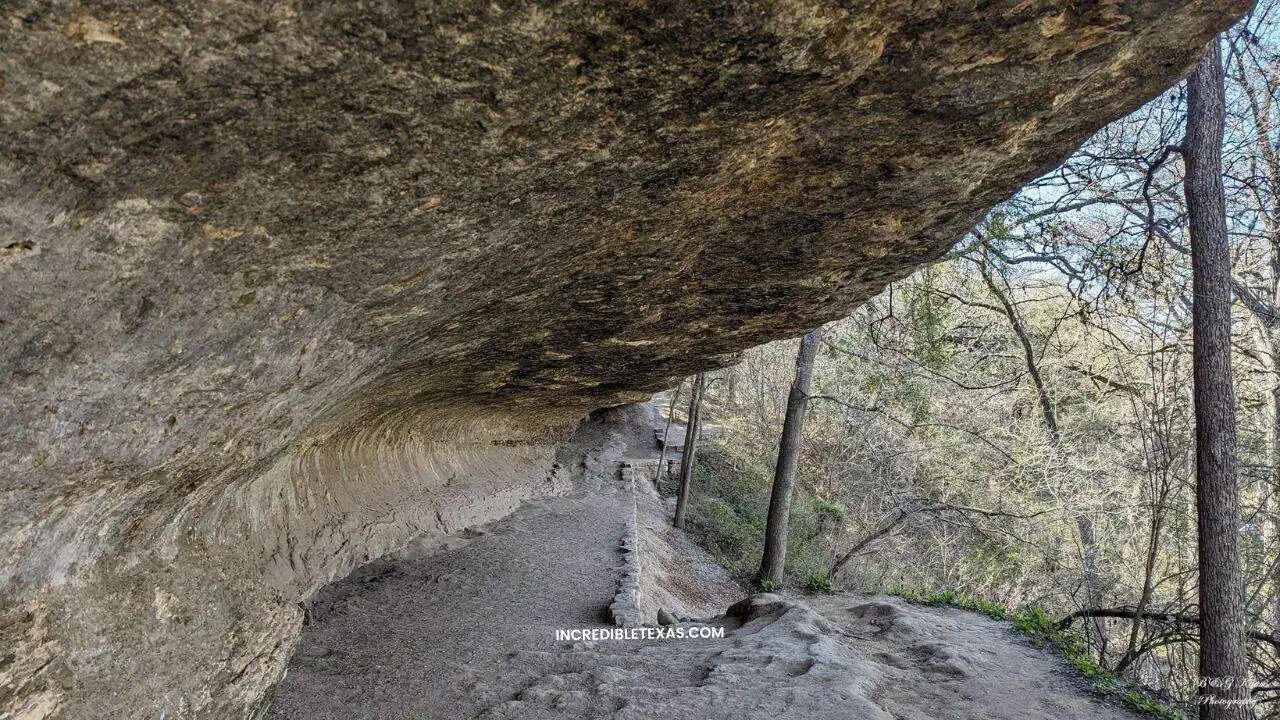
The Smith Rock Shelter McKinney Falls State Park, a natural limestone overhang located within the park, provided refuge for Native Americans for over 8,000 years. Archaeological evidence found here has revealed ancient pictographs, fire pits, and various stone tools.
In the 19th century, the land became the homestead of Thomas Freeman McKinney, a businessman and rancher who played a critical role in financing the Texas Navy. McKinney built a grand two-story limestone home and a gristmill on the banks of Onion Creek around 1850.
While a fire in the 1940s destroyed much of the house, the McKinney Homestead ruins State Park remains today for all to explore. These remains allow visitors to walk through the footprints of Austin’s early pioneer history and imagine life in the 1800s.
According to the Texas State Historical Association, the land was eventually donated to the State of Texas in 1970.
The park officially opened to the public in 1976, preserving both the natural falls and the historic El Camino Real de los Tejas National Historic Trail. This trail remains a cornerstone of the park’s identity.
This trail was a primary route for Spanish explorers and missionaries traveling between Mexico and East Texas during the 17th and 18th centuries.
It remains a vital part of the park’s cultural heritage today. Visitors can still see signs of this historic route as they explore the various paths within the park boundaries.
Natural Wonders: The Falls and “Old Baldy”
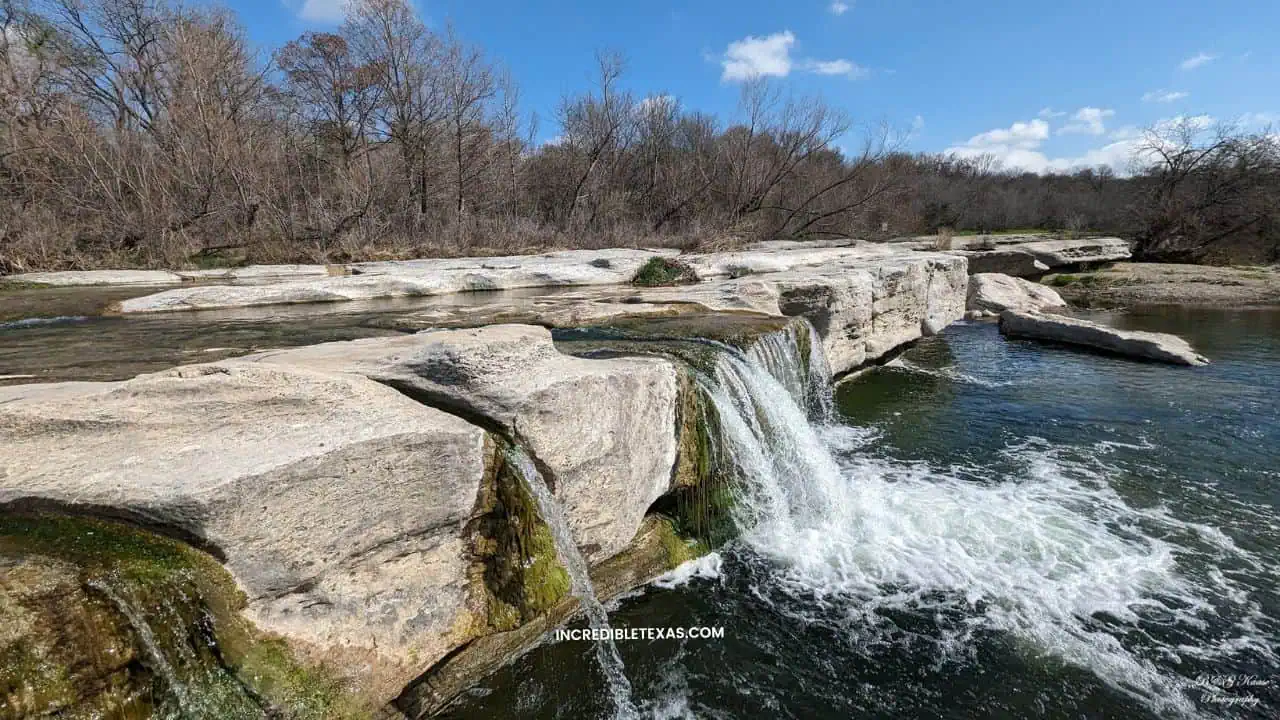
The centerpiece of the park is undoubtedly the Upper and Lower Falls, where Onion Creek spills over shelves of hard limestone. According to the Bureau of Economic Geology at UT Austin, these formations were created millions of years ago when the area was part of a shallow sea.
Debris from the nearby extinct Pilot Knob volcano spewed into the sea, influencing the unique composition of the park’s bedrock. Over time, water eroded softer volcanic ash layers beneath the limestone, causing the harder rock to collapse and form the ledges we see today.
Near the Rock Shelter Trail, visitors will encounter one of the park’s most respected residents: the Old Baldy cypress tree McKinney Falls State Park. This massive Bald Cypress tree stands over 100 feet tall and is estimated to be more than 500 years old.
Having survived centuries of floods and droughts, it serves as a living monument to the resilience of the Central Texas ecosystem. It is also a popular spot for nature photography due to its impressive size and age.
Comparison: McKinney Falls vs. Hamilton Pool vs. Pedernales Falls
If you’re trying to decide between the top swimming holes near Austin, it helps to understand the key differences. McKinney Falls is the closest to downtown, making it the most convenient option for a quick afternoon trip.
Hamilton Pool Preserve is famous for its collapsed grotto, but it requires mandatory reservations weeks in advance. Pedernales Falls State Park offers a much more rugged environment with expansive limestone slabs.
| Feature | McKinney Falls | Hamilton Pool | Pedernales Falls |
|---|---|---|---|
| Distance from Austin | 13 miles (East) | 30 miles (West) | 42 miles (West) |
| Swimming Status | Allowed in Falls | Reservations Required | Designated Area Only |
| Trail Network | 9 miles (Paved/Unpaved) | Limited (Rugged) | 20+ miles (Primitive) |
| Dog Friendly? | Yes (On Leash) | No | Yes (On Leash) |
Comparison of Popular Outdoor Destinations Near Austin Texas
Best Hiking Trails in Austin: McKinney Falls Guide
With over 700 acres of terrain and 9 miles of trails, McKinney Falls State Park is home to some of the best hiking trails in Austin for families and outdoor enthusiasts. The park’s trail system offers a diverse mix of paved pathways, rugged limestone crossings, and shaded hardwood bottomlands.
If you are searching for dog-friendly hiking trails in Austin Texas, McKinney Falls is a top choice. Just remember that your furry companion must remain on a leash no longer than six feet at all times.
For more rugged adventures, you might also enjoy exploring the diverse state park trails across the Lone Star State, which offer some of the most dramatic elevation changes in the country. However, if you prefer the convenience of an Austin-based getaway, McKinney Falls provides plenty of mileage to keep you active for an entire weekend.
| Trail Name | Distance | Difficulty | Points of Interest |
|---|---|---|---|
| Onion Creek Hike and Bike Trail | 2.8 mi. | Easy (Paved) | Shaded forest, wildlife spotting, Upper Falls |
| Homestead Trail | 3.1 mi. | Moderate | McKinney Homestead ruins, Gristmill, Lower Falls |
| Rock Shelter Trail | 0.6 mi. | Easy | Smith Rock Shelter, “Old Baldy” Cypress Tree |
| Flint Rock Loop | 1.5 mi. | Moderate | Technical bike sections, hardwood bottomlands |
| Williamson Creek Overlook | 1.1 mi. | Moderate | Panoramic views of Williamson Creek |
| Picnic Trail | 0.5 mi. | Easy | Lower Falls access, picnic areas |
Comprehensive Guide to McKinney Falls State Park Trails
The Onion Creek Hike and Bike Trail is a favorite for families and road cyclists because it is mostly paved and relatively flat.
This 2.8-mile loop is one of the best easy hiking trails McKinney Falls State Park offers, providing much-needed shade during the hot Texas summers.
It is perfect for those seeking a gentle outdoor experience. The shaded canopy keeps the trail significantly cooler even in the peak of July.
It is common to see white-tailed deer and various bird species along this route, especially during the early morning hours. If you prefer off-road adventures, you will also find several mountain biking trails McKinney Falls State Park that cater to different skill levels.
For those seeking a bit more adventure, the Homestead Trail McKinney Falls creek crossing requires a traverse of Onion Creek at the Lower Falls.
This 3.1-mile loop takes you past the stabilized ruins of Thomas Freeman McKinney’s two-story limestone home.
The site offers a fascinating glimpse into the domestic life of one of Austin’s earliest businessmen and his family.
You will also see the historic gristmill as you navigate the trail. These structures offer a fascinating glimpse into life along the falls in the mid-1800s.
Note that if water levels are high after a heavy rain, this trail may be inaccessible due to the creek crossing. Always check the current water levels and trail conditions at the visitor center before heading out.
If you enjoy exploring unique geological features, similar to the formations at Longhorn Cavern State Park, the Rock Shelter Trail is a must-visit.
This short 0.6-mile path leads you to a natural limestone overhang used by prehistoric humans and brings you face-to-face with the legendary “Old Baldy” cypress tree.
McKinney Falls Swimming Guide: Onion Creek’s Best Holes
One of the primary reasons locals flock to McKinney Falls is the opportunity to swim in the clear, cool waters of the Onion Creek swimming holes. When comparing the Upper Falls vs Lower Falls swimming McKinney Falls, the Upper Falls tend to be deeper and more dramatic, while the Lower Falls offer shallower areas perfect for families with younger children.
If you are looking for the best time to visit McKinney Falls for swimming, we recommend arriving early in the morning to enjoy the calmest and clearest water. Swimming safety is paramount, as there are no lifeguards on duty and the limestone ledges can be quite slippery when wet.
Fishing is another popular activity at McKinney Falls, and since it is a Texas State Park, you do not need a fishing license to fish from the shore or a pier. However, checking the fishing at McKinney Falls State Park license requirements is always a good idea if you plan to fish in other areas of Onion Creek outside the park boundaries.
Onion Creek is home to several species of fish, including largemouth bass, catfish, and sunfish. Anglers are encouraged to practice catch-and-release to preserve the local aquatic ecosystem, especially during the busier summer months.
When planning your visit, keep in mind that water quality can vary based on recent rainfall. The Texas Parks and Wildlife Department regularly monitors bacteria levels and may occasionally close the swimming areas for safety.
Always check the official park website or call the headquarters at (512) 243-1643 before heading out with your swim gear.
Overnight Stays: Camping and Cabins at McKinney Falls
For those who want to experience the park after the day-use crowds have left, staying overnight is a fantastic option. Whether you are searching for rugged Austin camping sites or a climate-controlled escape, the park’s facilities cater to all levels of comfort.
Staying overnight allows you to witness the serene beauty of the falls at sunrise and sunset. It also provides extra time to explore the deeper sections of the trail network without feeling rushed.
McKinney Falls State Park Camping and Cabin Prices
Understanding the full cost of your stay helps in planning a budget-friendly trip. While the nightly rates are fixed, remember that the daily entrance fee is required for each person in your group for every day of your stay.
| Accommodation Type | Nightly Rate | Capacity | Amenities Included |
|---|---|---|---|
| Campsites (30-amp) | $20 | 8 People | Water, Electric, Fire Ring, Grill |
| Campsites (50-amp) | $24 | 8 People | Water, Electric, Fire Ring, Grill |
| Remodeled Cabins | $86 | 4 People | AC/Heat, Bunk Beds, Table, Porch |
If you plan to visit multiple parks throughout the year, the Texas State Parks Pass at $70 is highly recommended. This pass waives the $6 daily entry fee for everyone in your vehicle.
It can potentially save campers a significant amount over a single weekend. If you enjoy the diverse camping options at Dinosaur Valley State Park, you will find McKinney Falls to be a similarly well-maintained facility.
Campsites with Electricity
The park features 81 well-maintained campsites, all equipped with water and electrical hookups for both RVs and tent campers. These RV camping McKinney Falls State Park options include both 30-amp and 50-amp sites to accommodate different rig sizes.
Each site comes standard with a picnic table, a lantern post, a tent pad, and a fire ring with a grill. These amenities ensure you have all the basics for a comfortable and safe outdoor experience.
Newly Remodeled Cabins: Amenities and Rules
If you prefer a few more walls and a sturdy roof, the six McKinney Falls State Park cabin rentals Austin are an excellent choice. Each cabin features essential amenities including a microwave, mini-refrigerator, sink with a prep area, and a table with chairs.
The sleeping arrangements consist of four twin-sized bunk beds, but you must remember to bring your own linens and pillows. While the cabins are climate-controlled, restrooms and showers are located in a nearby community building within walking distance.
Please note that pets are strictly prohibited in the cabin area, and no tents or RVs are allowed to be parked outside. Check-in is at 3:00 PM and check-out is at 11:00 AM, giving staff enough time to prepare for the next guests.
For visitors with accessibility needs, Cabin 6 is fully wheelchair-accessible, featuring paved pathways and a modified picnic table. Reservations for these popular units should be made well in advance through the online portal or by calling (512) 389-8900.
Pro-Tips for Visiting McKinney Falls State Park
To make the most of your visit, it is essential to plan ahead and follow a few local tips. First and foremost, always make a day-pass reservation online before you arrive.
On weekends and holidays, the park frequently reaches its capacity limits by mid-morning. Without a reservation, you may be turned away at the gate regardless of how far you traveled.
The National Park Service maintains information about the El Camino Real de los Tejas National Historic Trail, which passes through the park. Taking a moment to learn about this historic route will greatly enhance your appreciation for the landmarks you encounter.
You can walk the same paths as early explorers while visiting the McKinney Homestead and the old gristmill ruins. These historical sites provide a unique window into the past.
Essential Items to Pack:
- Water shoes with good grip for navigating the slippery limestone at the falls.
- Plenty of sunscreen and a wide-brimmed hat, as many trails have open, unshaded sections.
- Binoculars for bird watching—over 150 species have been spotted within the park.
- A camera or smartphone to capture the stunning sunset views over the Upper Falls.
If you are looking for other scenic waterfalls within a short drive of Austin, be sure to read our guide to Pedernales Falls State Park. This destination offers a much larger and more rugged river environment for exploration.
While McKinney Falls is known for its intimate beauty, Pedernales Falls is celebrated for its expansive limestone riverbed and dramatic rapids. Both parks are must-visit locations for Hill Country nature lovers.
How to Reach McKinney Falls State Park
Getting to the park is simple whether you are a local resident or visiting from out of town. The park is located at 5808 McKinney Falls Parkway, Austin, TX 78744.
From downtown Austin, take I-35 south to the William Cannon Drive exit. Turn left onto William Cannon and follow it for approximately 4 miles before turning left onto McKinney Falls Parkway.
The park entrance will be on your right. Its central location makes it easy to reach for a quick afternoon hike or a morning bike ride.
If you are flying into Austin-Bergstrom International Airport, the park is only a 10-mile drive away. This makes it one of the most accessible state parks in Texas for travelers who want a quick nature escape.
For additional local travel tips, the Visit Austin official website provides excellent resources for exploring the city and its surrounding parks.
Flora and Fauna: The Biodiversity of Onion Creek
Despite being so close to a major metropolitan area, McKinney Falls State Park is a thriving hub of biodiversity. The park’s location at the confluence of Onion Creek and Williamson Creek creates a unique riparian environment that supports hundreds of different species.
Visitors who take the time to move quietly along the trails are often rewarded with sightings of Central Texas’s most iconic wildlife.
Bird watching is one of the most popular activities in the park, with over 150 species documented. The Travis Audubon Society notes that the park’s diverse habitats make it an ideal spot for spotting both migratory and resident birds.
During the spring and summer months, you might spot the vibrant plumage of the Painted Bunting or the Yellow-billed Cuckoo nesting in the hardwood canopy. These species are among the many highlights for local birders.
In the winter, the park becomes a refuge for migratory waterfowl and various sparrow species seeking shelter from colder northern climates. The variety of avian life ensures that every visit offers a different viewing experience.
Mammals are also abundant throughout the 700-acre sanctuary. White-tailed deer are frequently seen grazing in the open meadows near the park headquarters, especially during the early morning and late evening hours.
Other common residents include armadillos, raccoons, gray foxes, and rock squirrels. The park’s diverse habitats, ranging from rocky upland plateaus to lush creek bottoms, ensure that there is always something new to discover for nature lovers.
The plant life is equally impressive, with majestic pecan, oak, and cypress trees providing a protective canopy for smaller wildflowers. Experts at the Lady Bird Johnson Wildflower Center recommend the park for viewing native Texas species in their natural environment.
In the spring, the park’s meadows are transformed into a sea of color as Texas Bluebonnets, Indian Paintbrushes, and Mexican Hats begin to bloom. These blooms attract visitors from all over the state every year.
Best Places for Nature Photography in Austin
For professional photographers and social media enthusiasts alike, McKinney Falls State Park is widely considered one of the best places for nature photography in Austin. The interaction between the flowing water and the ancient limestone creates a dynamic landscape that changes with every season and time of day.
To get the best shots, it is important to understand how lighting affects the various features of the park.
The Upper Falls is perhaps the most iconic location for photography. During the “Golden Hour”—the hour just before sunset—the limestone ledges take on a warm, golden glow, and the water reflects the vibrant colors of the sky.
For long-exposure shots that create a “silky” water effect, consider using a tripod and a neutral density filter. The cascading water over the ledges provides a perfect subject for practicing motion-blur techniques.
Another must-visit spot is the Old Baldy Cypress Tree. This massive, 500-year-old tree is best photographed in the autumn when its needle-like leaves turn a brilliant rust-orange color.
To capture the full scale of the tree, use a wide-angle lens or try a vertical panorama. The proximity of the tree to the Rock Shelter Trail also allows for interesting compositions that include the historic limestone overhangs in the background.
Don’t overlook the McKinney Homestead Ruins. The stabilized limestone walls provide a textured, rustic backdrop that is perfect for portrait sessions or architectural photography.
The contrast between the weathered stone and the surrounding greenery creates a timeless aesthetic that highlights the park’s pioneer history. For the best results, visit these ruins in the early morning when the light is soft and the shadows are long.
Photography Permits and Engagement Locations
McKinney Falls is one of the most sought-after locations for McKinney Falls engagement photos and family portraits in Central Texas. The neutral tones of the limestone and the vibrant blue-green water provide a stunning natural backdrop.
Professional photographers should note that a commercial photography permit is generally required for paid sessions. We recommend contacting the park headquarters to apply for a media production permit and verify current fees.
The Upper Falls offers deep rock ledges that are perfect for sunset silhouettes. Meanwhile, the McKinney Homestead ruins provide a rustic, historical aesthetic for more traditional portraits.
Seasonal Guide: When to Visit McKinney Falls
Each season brings a different personality to McKinney Falls State Park, and understanding these changes can help you plan the perfect trip. While the park is open year-round, your experience will vary significantly depending on the month you choose to visit.
As one of the most accessible Texas Hill Country state parks, it offers a unique atmosphere from the vibrant blooms of spring to the refreshing pools of summer.
Spring (March – May): This is arguably the most popular time to visit the park. The temperatures are mild, ranging from the 60s to the 80s, making it ideal for long-distance hiking and mountain biking.
This is also peak wildflower season, with the park’s meadows covered in iconic Texas bluebonnets. However, spring is also the rainiest season, which means Onion Creek can flow heavily, sometimes leading to trail closures if the creek crossings become unsafe.
Summer (June – August): Summer in Central Texas is all about one thing: staying cool. The swimming holes at the Upper and Lower Falls are the primary attraction during these months.
Be prepared for intense heat, with temperatures often soaring above 100 degrees. If you plan to visit in the summer, arrive as early as possible (8:00 AM) to beat the crowds and the heat.
Always bring twice as much water as you think you will need. Proper hydration is critical for a safe and enjoyable summer visit to the falls.
Fall (September – November): As the summer heat fades, the park becomes a peaceful retreat once again. Fall is an excellent time for camping, as the nights are cool and the humidity is low.
The foliage begins to change in late October, with the cypress trees along the creek turning a stunning orange-red. This is also a great time for bird watching, as many migratory species pass through the area on their way south.
Winter (December – February): Winter in Austin is generally mild, but occasional cold fronts can bring freezing temperatures. This is the quietest season in the park, perfect for those seeking solitude and a peaceful hiking experience.
While the waterfalls may flow more slowly during dry winters, the clear views through the leafless trees make it easier to spot wildlife like white-tailed deer and hawks soaring overhead.
Niche Activities: Things to do in McKinney Falls with Kids
Beyond the traditional activities of hiking and swimming, there are several things to do in McKinney Falls with kids that make it a perfect destination for families. Geocaching, often described as a high-tech treasure hunt, is a major draw for families and explorers.
There are several hidden caches located throughout the park’s trail system. Using a GPS-enabled device or a smartphone, you can navigate to specific coordinates to find small containers hidden by other enthusiasts.
For those who prefer a more physical challenge, the park offers several spots for bouldering—a form of rock climbing performed on small rock formations or artificial walls without the use of ropes or harnesses. The limestone ledges around the creek provide various “problems” (routes) for climbers to solve.
While not as extensive as the climbing areas in other parts of Texas, it is a great place for beginners to practice their technique in a beautiful natural setting. It offers a unique way to experience the park’s geological features.
If you enjoy the unique geological challenges found at other parks in the region, you will appreciate the limestone features here. Always remember to check with the park headquarters about current rules for bouldering and geocaching.
These guidelines ensure you are operating within the park’s conservation goals. Also, be sure to pay the McKinney Falls State Park entrance fee at the visitor center before starting your adventure.
Nearby Dining and Craft Breweries
After a long day of hiking and swimming, you’ll likely be looking for the best restaurants near McKinney Falls State Park. Since the park is located in Southeast Austin, you are just a short drive from some of the city’s most popular culinary hotspots.
For a post-hike brew, Meanwhile Brewing Company is a local favorite featuring a massive outdoor patio and rotating food trucks. If you prefer tacos and coffee, Radio Coffee and Beer is another essential stop nearby.
If you are craving authentic Texas barbecue, you are only 15 minutes away from the iconic Terry Black’s BBQ on Barton Springs Road. Pairing a visit to the park with these local eateries creates the perfect “Best of Austin” itinerary.
Safety and Real-Time Status for Onion Creek
Onion Creek is beautiful, but it can be unpredictable due to its unique geological basin. Flash flooding is a serious concern in this area, and the falls can transform from a peaceful stream to a dangerous torrent within minutes.
Always check the McKinney Falls State Park capacity status and water quality updates on the official TPWD social media pages. High bacteria levels can occasionally lead to temporary swimming bans to ensure visitor health.
Navigating the limestone ledges requires caution, as the rock is extremely slippery when wet. We highly recommend wearing sturdy water shoes with good traction to prevent injuries while exploring the creek bed.
Final Thoughts on Visiting McKinney Falls
McKinney Falls State Park remains one of Austin’s most cherished natural assets, offering a perfect blend of accessibility, history, and outdoor recreation. Whether you are exploring the prehistoric Rock Shelter or walking through the ruins of a 19th-century homestead, the experience is truly unique.
Simply relaxing by the waterfalls provides a refreshing perspective on the Lone Star State’s heritage. If you are interested in exploring other diverse ecosystems, our guide to Guadalupe River State Park offers another fantastic option for Hill Country exploration.
Both parks showcase the unique geological and biological diversity of Central Texas. They remain top destinations for anyone visiting the Austin area.
By planning ahead and respecting the local environment, you can ensure that this beautiful sanctuary remains a treasure for generations to come. We hope this guide helps you plan your next Austin adventure.
Discover the many wonders hidden within the banks of Onion Creek and make memories that will last a lifetime. Enjoy your visit to one of Texas’s finest state parks!
People Also Ask (FAQs) about McKinney Falls State Park
Is swimming allowed at McKinney Falls State Park?
Yes, swimming is allowed in Onion Creek at both the Upper and Lower Falls. However, the park does not have lifeguards, so visitors swim at their own risk.
It is also important to check the park’s water quality advisories before visiting. High bacteria levels after a heavy rain can sometimes lead to temporary swimming bans.
How much does it cost to enter McKinney Falls State Park?
For adults (13 years and older), the entrance fee is $6 per person. Children 12 and under can enter the park for free, making it an affordable family outing.
If you are a frequent visitor, you may want to purchase a Texas State Parks Pass. This pass covers entrance fees for everyone in your vehicle for an entire year.
Is McKinney Falls State Park dog friendly?
Yes, McKinney Falls is a dog-friendly park. All pets must be on a leash no longer than six feet at all times and are not permitted in park buildings or swimming areas.
Be sure to bring plenty of water for your furry friend. This is especially important if you plan to hike the longer unshaded trails during the summer.
What is the best time to visit McKinney Falls State Park?
The best time to visit is during the spring (March to May) and fall (October to November) when temperatures are moderate. Spring is particularly beautiful because of the wildflowers, including bluebonnets, that bloom throughout the park.
Summer is popular for swimming but can be extremely hot. Temperatures during this season often exceed 100 degrees, so plan accordingly.
How old is “Old Baldy” at McKinney Falls?
“Old Baldy” is a Bald Cypress tree that is estimated to be over 500 years old. It stands over 100 feet tall along the Rock Shelter Trail and has been a witness to centuries of Central Texas history.
It is one of the most photographed natural landmarks in the entire park. Visiting this tree is a must for anyone interested in the park’s botanical heritage.
Do you need a McKinney Falls State Park reservations day pass?
While not strictly required if the park is under capacity, a McKinney Falls State Park reservations day pass is highly recommended, especially on weekends and holidays. The park often reaches its capacity limits early in the day, and making a reservation online ensures your entry even if the park is officially “full” to walk-in visitors.
What are the McKinney Falls State Park directions from Austin?
The McKinney Falls State Park directions from Austin are straightforward: head south on I-35 to William Cannon Drive, then turn left onto McKinney Falls Parkway.
The park is situated at 5808 McKinney Falls Parkway, Austin, TX 78744, approximately 13 miles southeast of downtown. Its location makes it a quick and easy escape from the city.
What kind of wildlife can you see at McKinney Falls?
Visitors can spot a diverse range of animals, including white-tailed deer, armadillos, gray foxes, and over 150 species of birds like the Painted Bunting. Onion Creek is also home to various fish species such as largemouth bass, catfish, and sunfish.
Is McKinney Falls State Park kid-friendly?
Absolutely, the park offers family-oriented activities like swimming in the shallow Lower Falls, easy hiking on paved trails, and a playground. Kids can also participate in the Junior Ranger program to learn about the park’s unique ecology and history.
How long should you spend at McKinney Falls State Park?
While a full day is sufficient to enjoy the main falls and several trails, staying for a weekend allows for a much more relaxed experience. Overnight camping or a cabin stay provides ample time to explore the historic homestead and enjoy the park’s serene atmosphere at night.
People Also Ask: McKinney Falls State Park FAQs
Can you swim in McKinney Falls State Park?
Yes, swimming is allowed in Onion Creek at both the Upper and Lower Falls. However, there are no lifeguards on duty, so you swim at your own risk. It is recommended to check water conditions before visiting as swimming may be restricted after heavy rainfall due to bacteria levels or flooding.
Is alcohol allowed at McKinney Falls State Park?
Public consumption of alcohol is prohibited in all Texas State Parks, including McKinney Falls. This means you cannot openly display or consume alcohol in day-use areas, swimming spots like the Upper and Lower Falls, or on trails. Alcohol is generally permitted only within the privacy of your campsite or cabin.
Are dogs allowed at McKinney Falls State Park?
Yes, McKinney Falls is dog-friendly! Dogs are allowed on all hiking trails and in the campground but must be kept on a leash no longer than 6 feet at all times. However, dogs are not allowed in the water or swimming areas at the Upper and Lower Falls to protect the ecosystem and visitor safety.
Do you need a reservation for McKinney Falls State Park?
Yes, reservations are highly recommended for both day use and overnight camping, especially on weekends and holidays when the park often reaches capacity. You can make reservations online through the Texas Parks and Wildlife Department website up to a month in advance for day passes.
Is there cell service at McKinney Falls State Park?
Unlike many remote state parks, McKinney Falls generally has good cell service for most major carriers due to its proximity to the city of Austin. However, signal strength may vary slightly in lower-elevation areas near the creek.
Can you fish at McKinney Falls State Park?
Yes, fishing is a popular activity in Onion Creek and Williamson Creek. The best part is that you do not need a fishing license to fish from the shore within a Texas State Park. Common catches include largemouth bass, catfish, and sunfish.
How much does it cost to get into McKinney Falls State Park?
The daily entrance fee is $6 for adults (13 years and older). Children 12 and under enter for free. If you have a Texas State Parks Pass, entry is free for you and guests in your vehicle.
What are the best trails at McKinney Falls State Park?
The Onion Creek Hike and Bike Trail (2.8 miles, paved) is excellent for families and cyclists. For a more rugged experience, the Homestead Trail (3.1 miles) takes you past the historic McKinney homestead and gristmill ruins. The Rock Shelter Trail (0.6 miles) is a short, scenic nature walk.
Are there cabins at McKinney Falls State Park?
Yes, the park offers six newly remodeled cabins for rent. These cabins have air conditioning, heating, a microwave, and a refrigerator, but they do not have bathrooms or kitchens inside (restrooms and showers are nearby).
When is the best time to visit McKinney Falls State Park?
Spring (March-May) is ideal for wildflowers and pleasant hiking weather. Summer is popular for swimming but can be very hot and crowded. Fall offers cooler temperatures for camping. Winter is quiet and peaceful, though too cold for swimming.