Lake Lavon TX Guide: Parks, Camping, Fishing, and Access
Lake Lavon TX is a 21,400-acre reservoir in North Texas that works well for camping, fishing, boating, and short day trips. The US Army Corps of Engineers says the lake supports water supply and flood control for the region, and TPWD places the reservoir in Collin County northeast of Dallas and about 4 miles northeast of Wylie on Texas Highway 78.
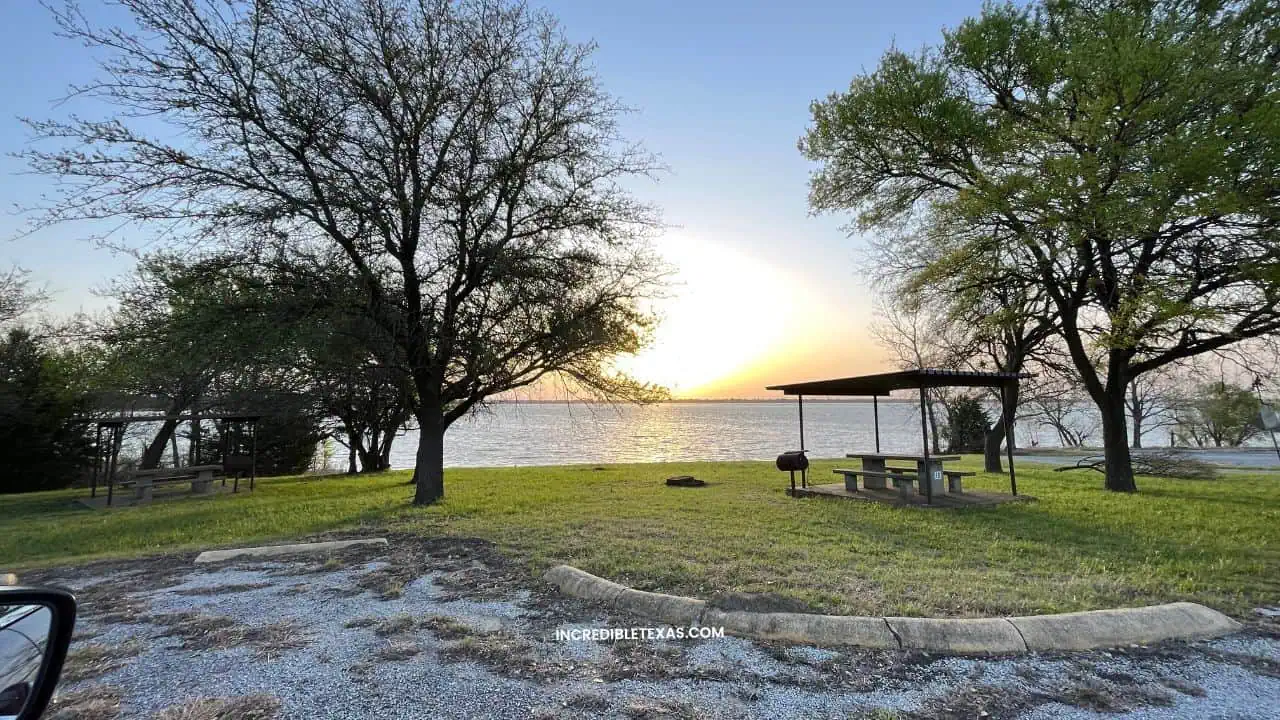
Lake Lavon is not a single-entrance attraction. The shoreline is managed through a network of Corps parks, boat ramps, and campgrounds, so the right visit starts with a park choice rather than a general drive to the water.
For a park-by-park breakdown of the shoreline, see Lake Lavon parks and fees.
| Quick fact | Lake Lavon TX details |
|---|---|
| Official name | Lavon Lake / Lake Lavon |
| Location | Collin County, northeast of Dallas, about 4 miles northeast of Wylie on Texas Highway 78 |
| Surface area | 21,400 acres |
| Maximum depth | 59 feet |
| Conservation pool | 492 feet above mean sea level |
| Controlling authority | US Army Corps of Engineers |
| Top fish species | Largemouth bass, white bass, channel catfish, blue catfish, crappie, and sunfish |
| Access pattern | 15 lakeside parks with boat ramps, day-use areas, and several camping loops |
Where Lake Lavon sits in North Texas
Lavon Lake sits on the East Fork Trinity River and functions as a North Texas reservoir rather than a single-town lake. The US Army Corps of Engineers base for the lake is in Wylie, and the lake is close enough to McKinney, Princeton, Farmersville, and Wylie to serve as a practical weekend or weekday escape from the Dallas area.
The lake’s location matters because it shapes the visit. The most useful entry points are the parks and ramps spread across the shoreline, not a central marina district, which means traffic, gate hours, and fee structures vary by access point.
The Corps says Lake Lavon was built for flood control and water supply, and the current home page says events and activities on the lake require a permit.
Current USACE pages also place the project office in Wylie at 3375 Skyview Drive and list office hours from Monday through Friday, 8 am to 4:30 pm. The office detail matters for permit questions, lake notices, or planning help when a trip needs a live check before departure.
USACE Lavon Lake home page remains the most direct source for lake-wide notices, while the TPWD Lake Lavon fishing page gives the clearest public summary of the reservoir’s physical profile and fishing context.
The broader best state parks near Dallas and Fort Worth list gives a wider North Texas frame.
Lake Lavon’s depth, purpose, and water level
Lake Lavon reaches a maximum depth of 59 feet on the TPWD fishing page, and the USACE FAQ says the deepest part is about 38 feet at the conservation pool level of 492.00 MSL. Reservoir depth changes with the water level.
The practical reading is straightforward: Lake Lavon is deep enough for serious boating and a healthy fishery, but the surface profile still shifts with rainfall, releases, and seasonal water conditions. A trip that depends on a specific launch or shallow shoreline feature should always start with a current access check.
The USACE home page also frames the lake as a utility reservoir with a regional purpose. It serves flood control and water supply needs first, and recreation fits around that core mission instead of replacing it.
The Corps and TPWD pages describe a lake with ramp status, launch fees, seasonal closures, and permit rules. The best day on the water starts with the most recent access details rather than with assumptions from last season.
| Planning item | What matters at Lake Lavon |
|---|---|
| Conservation pool | 492.00 MSL |
| Deepest point at normal pool | About 38 feet |
| Maximum depth on TPWD page | 59 feet |
| Primary function | Flood control and water supply |
| Trip implication | Launches, coves, and shoreline access can change with water level |
Boaters and anglers who like to compare North Texas reservoirs may also find the broader state-park list useful for placing Lake Lavon beside larger park-style destinations and other lake trips.
Best Lake Lavon parks for camping and day use
The shoreline works best when it is treated as a set of distinct parks rather than a single lakefront zone. The three most useful camp-and-day-use stops are Lavonia Park, East Fork Park, and Clear Lake Park, and each one has a different mix of camping, ramp access, and seasonal rules.
| Park | Best fit | Current rate snapshot | Access note |
|---|---|---|---|
| Lavonia Park | RV campers and mixed camping trips | 38 full-hookup 30-amp sites at $30 per night; 15 water-only sites at $14 per night | Day-use is $5 per vehicle, day-use closes at sunset, two 4-lane ramps cost $5 per day, and the outside ramp stays open 24 hours year-round |
| East Fork Park | Swim beach, marina access, and longer stays | 50 electric-and-water sites at $30 per night; 12 water-only sites at $14 per night; group area is $150 per day | Day-use is $5 per vehicle, day-use closes at sunset, two 4-lane ramps cost $5 per day, and the park is open year-round |
| Clear Lake Park | Seasonal camping with a year-round south ramp | 23 full-hookup 30-amp sites at $30 per night; group area is $150 per day | Day-use is $5 per vehicle, day-use closes at sunset, the park closes for winter from September 30 through April 1, and the south ramp stays open year-round |
Lavonia Park
Lavonia Park is one of the clearest choices for a repeat boat-and-camp pattern. The USACE page lists full-hookup and water-only sites, restrooms with showers, a day-use fee, and two 4-lane boat ramps, which gives the park enough structure for an overnight trip without turning the visit into a large resort stay.
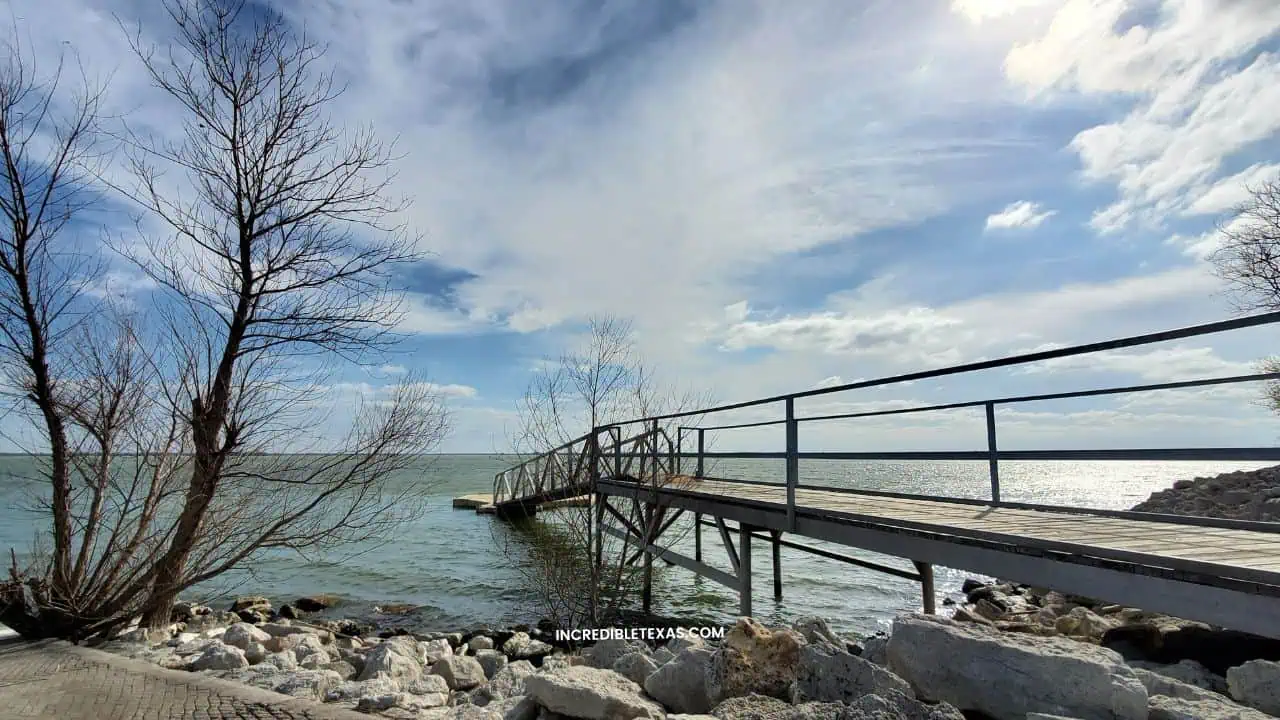
The most useful detail is the ramp pattern. The inside ramp is open April 1 through September 30, the outside ramp is open 24 hours year-round, and current paying campers do not pay the launch fee, which makes the park especially practical for anglers who want an early start on the water.
Lavonia also has a controlled-access pattern with an attended gate secured nightly from 10 pm to 10 am. That gate window matters for late arrivals and early departures, especially when a trip depends on a fixed campsite or a dawn launch.
East Fork Park
East Fork Park is the most flexible choice when the trip needs a swim beach, marina access, and a park that stays open year-round. The USACE page lists 50 electric-and-water sites, 12 water-only sites, a day-use area with a playground and swim beach, and a group area that can be reserved for larger gatherings.
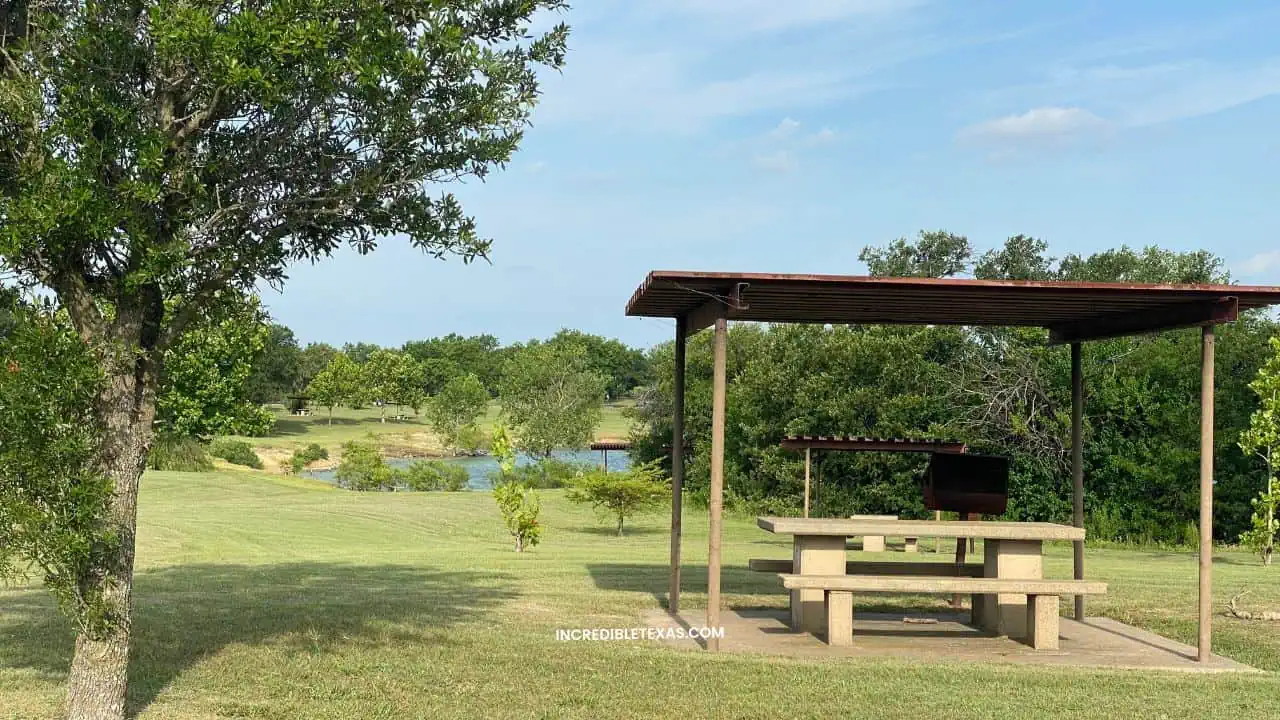
The access profile is just as useful as the campsite profile. The park has two 4-lane boat ramps, concessions at East Fork Harbor Marina, and the same $5 per vehicle day-use fee shown at the other main access parks, so East Fork works well for families that want boating and shore time in the same visit.
East Fork is also one of the best lake stops for a summer day because the swim beach adds a shoreline option that the ramp-focused parks do not emphasize as strongly. For a trip that mixes kids, fishing, and picnic time, it often becomes the most balanced option on the lake.
Clear Lake Park
Clear Lake Park is the most seasonal of the three main stops, but that seasonality does not make it less useful. The USACE and TPWD pages show full-hookup camping, a day-use area with a playground, boat ramps, and a south ramp that stays open year-round even when the park itself closes for winter.
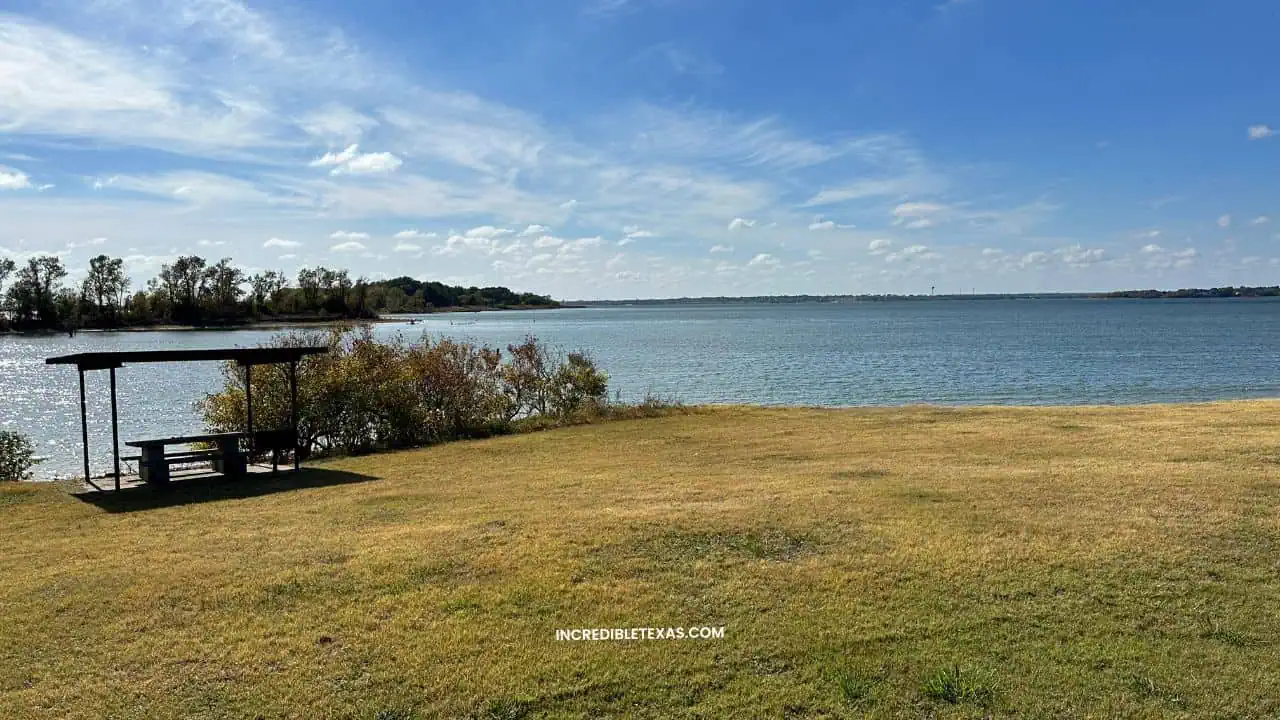
The winter closure runs from September 30 through April 1, so Clear Lake Park works best as a warm-season or shoulder-season base rather than a year-round camping default. Visitors who only need a launch point still have a year-round south ramp, which keeps the park relevant even when the campsites are out of season.
Clear Lake is the right fit when the lake visit needs a simple picnic setup, a family day-use area, or a seasonal overnight stay with easy boat access. The park keeps the lake trip compact without asking visitors to use a larger destination lake structure.
The USACE camping page is the best single source for the current rates, while the TPWD Lake Lavon access map adds the seasonal park-and-ramp status that changes the trip plan most often.
Lake Lavon Fishing, species, and boating at Lake Lavon
According to TPWD’s survey report, Lake Lavon has a real North Texas fishing identity rather than a generic suburban-lake reputation. The report lists white bass, largemouth bass, crappie, and catfish as important sport fish, and the lake is especially known for crappie fishing in the colder part of the year.
Anglers who plan around seasons usually get the most out of the reservoir. Winter and spring favor crappie around deeper structure and spawning cover, while bass fishing tends to improve in spring and fall when fish move shallower.
For a broader state-level comparison, the best fishing lakes in Texas roundup puts Lake Lavon in the same conversation as the state’s better-known bass and crappie reservoirs, but Lake Lavon stands out because the access pattern is so park-centered.
What anglers usually target at Lake Lavon
The most practical target list starts with crappie, bass, and catfish. TPWD’s survey summary says Lake Lavon has high productivity, riprap and bridge habitat, dead timber in the upper reservoir, and a fish community that supports those core species across the open water and shoreline edges.
- Crappie: Strong around deep structure in winter and shallow spawning zones in spring.
- Largemouth bass: Best approached in spring and fall when the fish move closer to the bank and cover.
- Catfish: A steady option for families and bank anglers who want a simpler setup.
- White bass: A useful seasonal target when open-water action picks up.
Crappie, bass, catfish, and white bass support bank-fishing days, kayak trips, and boat launches across the reservoir.
Lake Lavon Boat ramps, marinas, and launch fees
TPWD’s access page says the Corps operates 15 lakeside parks with boat ramps and other facilities. It also says some ramps require a launch fee, an annual pass is available, and full-service marinas are located in Collin Park and East Fork Park.
The access map lists some ramps as fee-free and open all year while others follow seasonal schedules. Each launch point needs a current check before departure.
Boaters who want the simplest setup often use the year-round ramps at Twin Groves, Elm Creek, Little Ridge, Mallard Park, or Bratonia Park when those locations fit the route. Lavonia Park, East Fork Park, and Clear Lake Park remain the main campground-backed choices when the launch needs to pair with overnight stays or a day-use beach.
Lake Lavon Rules that matter before launch
Two rules matter before any fishing or boating day. TPWD says a valid Texas fishing license and freshwater fishing endorsement are required to take or attempt to take fish in the public fresh waters of Texas, and TPWD warns that zebra mussels spread easily through boats, live wells, bait buckets, and gear.
The safe habit is the simplest one: clean, drain, and dry every boat and trailer before leaving the lake.
USACE’s home page also says events and activities on Lake Lavon require a permit, so group outings, organized launches, and special lakeside gatherings should be checked before the date is locked in. The rule is easy to miss when the focus is only on fishing, but it matters for larger outings.
| Season | What stands out at Lake Lavon |
|---|---|
| Winter | Crappie around deeper structure and clear launch conditions on some ramps |
| Spring | Crappie moving shallow and bass activity rising around cover |
| Summer | Early-morning fishing, more boat traffic, and stronger demand for shade and ramps |
| Fall | Bass feeding patterns improve and the shoreline feels less crowded |
How to plan a Lake Lavon day trip or weekend
A Lake Lavon day trip works best when the park decision comes first. A family with a picnic and swim plan should lean toward East Fork Park or Clear Lake Park, while a boating or camping trip usually starts with Lavonia Park or a year-round access ramp that matches the launch route.
USACE says camping reservations go through Recreation.gov, and some camping is also available on a first-come, first-served basis. That mix is helpful, but it still rewards an early reservation for weekends, holidays, and any trip that needs a specific site layout.
Quiet hours run from 10 pm to 6 am, and camper check-out is 2 pm at the Corps camping areas. A late-night arrival or a slow breakfast can push a stay outside the normal gate rhythm if the timing is not planned in advance.
A simple day-trip flow
- Choose the park based on the goal: East Fork for swim-beach time, Lavonia for launch flexibility, Clear Lake for a seasonal campground base.
- Check the current ramp status before leaving, because some parks or boat ramps close during high water or flood damage.
- Plan to arrive and leave before sunset when the day-use area closes, especially if the trip depends on a launch or picnic window.
- Carry the fishing license and freshwater endorsement before launching, not after reaching the ramp.
That simple flow keeps the trip practical without making it complicated. Lake Lavon is easiest when the access point, the fishing goal, and the exit time all line up before the car leaves home.
A weekend flow that stays efficient
A two-day trip usually works best with one campground base and one extra access point. Lavonia Park and East Fork Park both support that pattern well, while Clear Lake Park fits a shorter seasonal stay that still wants a ramp and a picnic area nearby.
The day-use annual pass is another useful detail for repeat visitors. USACE lists it at $40 and says it is honored at Corps facilities nationwide, so the pass starts to make sense when the lake becomes a regular stop rather than a once-a-year outing.
Organized group trips should also account for the permit rule on the USACE home page. That detail is easy to overlook when a lakeside weekend is still in the planning stage, but it becomes central the moment a gathering moves beyond a casual family visit.
What to pack
- A valid Texas fishing license and freshwater endorsement if fishing is part of the plan
- Water, sunscreen, and shade gear for exposed day-use areas
- Boat-cleaning supplies or a checklist for clean, drain, and dry steps
- Cash or card for launch fees and camping charges
- A cooler, bug spray, and a backup plan for weather or high-water closures
The packing list covers the permit, license, launch gear, sun protection, and a backup plan for weather or high-water closures.
Nearby lakes worth comparing
Lake Lavon is a Corps-managed reservoir with shoreline choice, camping access, and launch access.
Lake Lavon is more about park access, boat ramps, and fishing variety than about a single showcase shoreline.
Ray Roberts Lake State Park
Ray Roberts Lake State Park is the better comparison when the trip needs a classic state-park feel with a stronger emphasis on trails, beach access, and an all-in-one park identity. Lake Lavon feels more distributed and more ramp-driven, while Ray Roberts feels more like one large destination with a state-park layout.
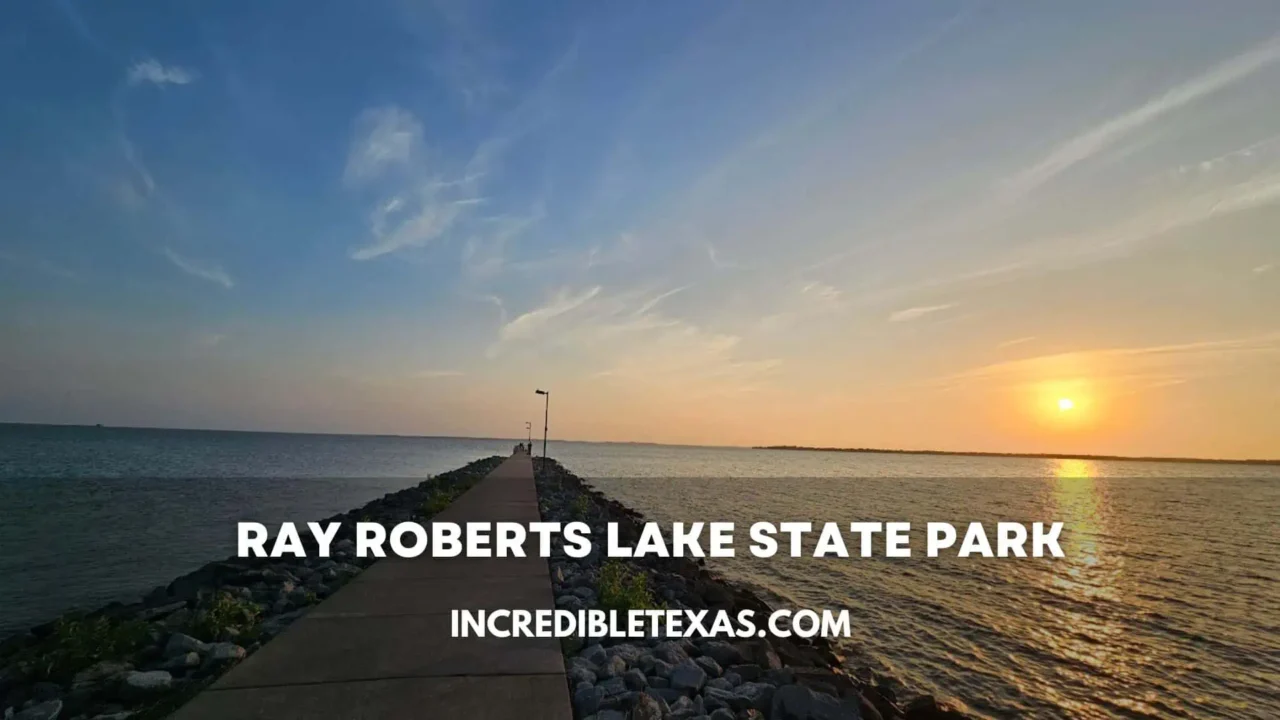
That contrast helps a family decide quickly. Ray Roberts is usually the stronger choice for a state-park day, while Lake Lavon is often the better choice when a boat ramp, a campground, or a less centralized shoreline pattern matters most.
Lewisville Lake
Lewisville Lake parks make sense when the trip has to stay closer to the Dallas-Fort Worth core. Lake Lavon usually gives a little more room to move and a more lake-centered camping pattern, while Lewisville can be the simpler fit for a shorter drive and a more suburban shoreline.
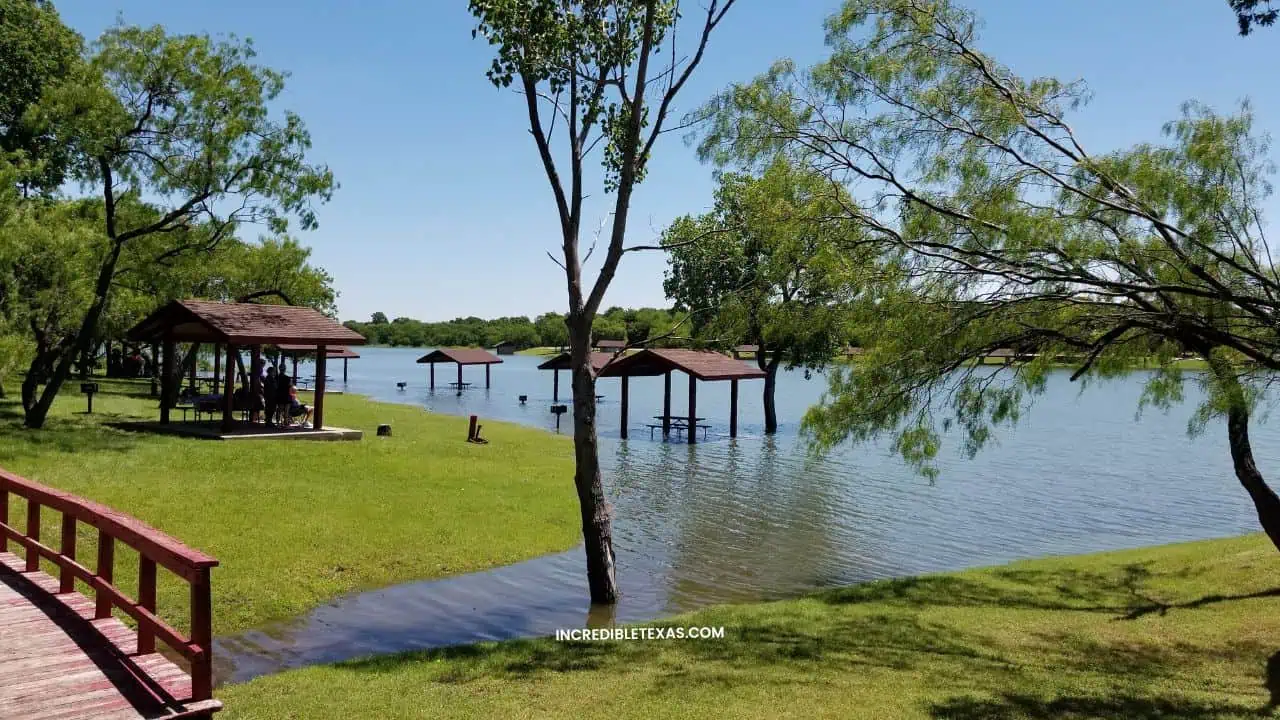
The comparison is useful because the two lakes solve slightly different problems. Lewisville is often about convenience, while Lake Lavon is more about access variety, fishing structure, and a campground system spread around the reservoir edge.
The comparison with nearby lakes is clearer when the choice is between Lake Lavon and another bass or crappie reservoir rather than between two North Texas convenience options.
Lake Lavon FAQ
Where is Lake Lavon located?
Lake Lavon is in Collin County in North Texas, northeast of Dallas and about 4 miles northeast of Wylie on Texas Highway 78. The reservoir sits on the East Fork Trinity River and serves as a regional water and flood-control project.
How deep is Lake Lavon?
TPWD lists a maximum depth of 59 feet, and the USACE FAQ says the deepest part is about 38 feet at the normal pool elevation of 492.00 MSL. The difference reflects changing water level rather than a conflict in the lake’s basic profile.
What fish are in Lake Lavon?
TPWD’s survey report lists white bass, largemouth bass, crappie, and catfish as the important sport fishes, and the lake also supports sunfish. Crappie is the species most closely tied to the lake’s seasonal reputation.
Do visitors need a fishing license at Lake Lavon?
Yes. TPWD says a valid Texas fishing license and freshwater fishing endorsement are required to take or attempt to take fish in the public fresh waters of Texas, which includes Lake Lavon.
Which Lake Lavon park is best for camping?
Lavonia Park and East Fork Park are the strongest all-around camping choices because both combine camping with active boat access, while East Fork adds a swim beach and marina access. Clear Lake Park is a strong seasonal choice when the trip lines up with its open season and the south ramp is enough for the water plan.
Can Lake Lavon be visited year-round?
Yes, but not every park follows the same schedule. East Fork Park operates year-round, several ramps stay open all year, and Clear Lake Park closes for winter from September 30 through April 1 even though its south boat ramp stays open year-round.
Bottom line for Lake Lavon TX
Lake Lavon TX is strongest when the trip is built around a specific park, a specific launch, or a specific kind of fishing day. The lake’s size, park network, and species mix give it enough flexibility for family outings, boat days, and simple camping weekends without turning it into an oversized, hard-to-read destination.
For visitors who want a North Texas reservoir with real camping options, clear fishing rules, and multiple access points, Lake Lavon stays practical and easy to plan. The best trips start with the right park, the current ramp status, and the fishing license already in hand.