Lake Casa Blanca State Park: Hours, Camping and Fishing Guide
Lake Casa Blanca State Park sits on 1,680 acres of open water — and every acre of it is surrounded by the city of Laredo. It is the only reservoir-based state park in Texas where you can dock your boat, walk a trail through thorny Tamaulipan brush, and pick up groceries from a supermarket in under ten minutes.
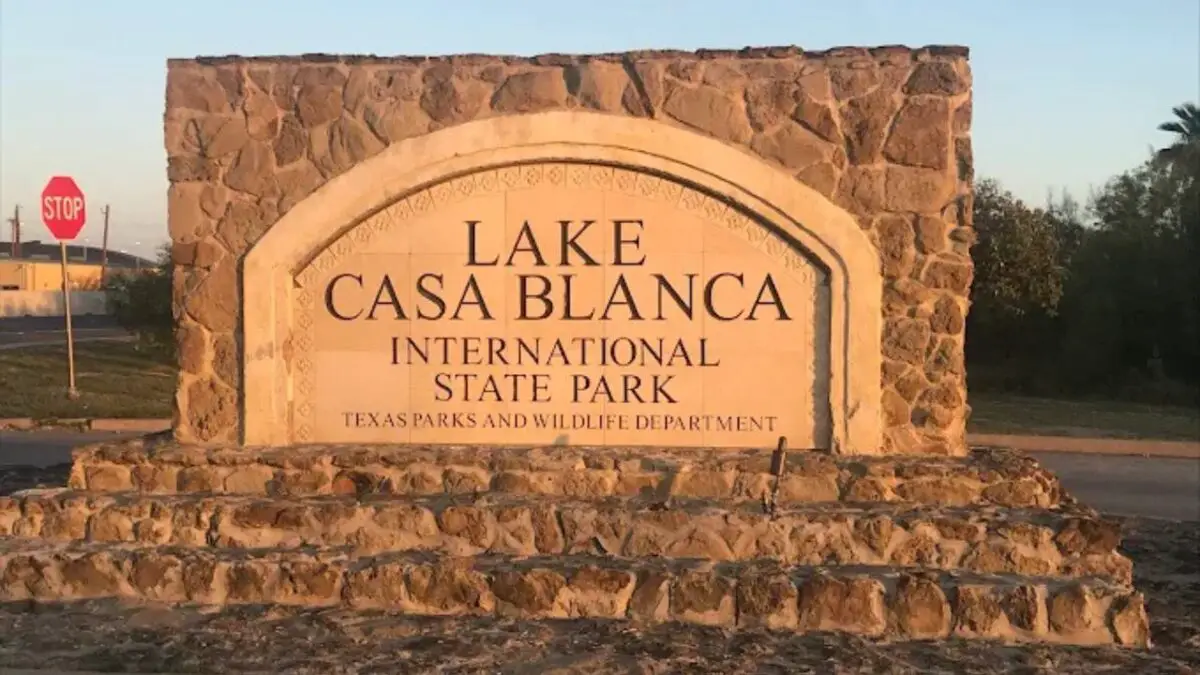
Daily entry runs $4 per adult, the gates open at 7:00 a.m., and the park reaches capacity by mid-morning on busy weekends — so a “Save the Day” reservation is worth booking before you leave home. For everything from the best hybrid striped bass spots and campsite shade to trail difficulty and how it compares to other Texas state parks, the full breakdown is below.
Lake Casa Blanca State Park Entrance Fees and Gate Hours for 2026
Arriving at Lake Casa Blanca State Park requires a small daily investment that grants you access to one of the most developed state parks in the South Texas region. For the 2026 season, daily entrance fees are set at $4 for adults 13 years and older during non-peak times, though this can rise to $5 during high-demand holidays. You can verify the most current official park fee schedule directly through the Texas Parks and Wildlife portal.
Children 12 and under always enter for free, making the park an affordable destination for large families. If you are a frequent visitor, the Texas State Parks Pass is your best logistical tool, covering entry for everyone in your vehicle for an annual fee of $70. This pass provides unlimited access to over 80 state parks and is non-transferable between different vehicles.
Gate access is strictly controlled to maintain the safety of the reservoir’s facilities and campers. The main gates open at 7:00 a.m. and close at 10:00 p.m. daily, and you must have a valid reservation or day-pass to enter during these windows. This combination of fixed fees and strictly enforced gate hours ensures that the park’s limited inland acreage remains manageable even during peak Laredo summer days.
| Visitor Category | Daily Entry Fee |
|---|---|
| Adult (13+) – Standard | $4.00 |
| Adult (13+) – Peak/Holiday | $5.00 |
| Children (12 and Under) | FREE |
| Texas State Parks Pass Holder | FREE |
Because Lake Casa Blanca is located within the Laredo city limits, it frequently reaches capacity by mid-morning on weekends. You should always use the “Save the Day” online portal to book your entry up to 30 days in advance, as park staff will turn away visitors without reservations once the maximum occupancy is met.
Tactical Fishing Guide: Mastering Lake Casa Blanca’s Reservoir
Fishing at Lake Casa Blanca is a tactical game of understanding how Laredo’s intense heat and the reservoir’s 1,680-acre layout influence fish movement. The lake was created in 1951 by damming Chacon Creek, and today it is managed specifically to support high-quality sport fishing for both bank and boat anglers.
Quick Tip: If you forget your tackle, check out the park’s Fishing Gear Loaner Program at the headquarters, which provides rods and reels for up to seven days.
Target Species: Hybrid Striped Bass and Catfish Patterns
The “crown jewel” of the reservoir is the hybrid striped bass, a species known for its aggressive fighting style and schools that often follow shad into shallower flats. You will find the best hybrid action during early morning hours or overcast days when the fish are actively feeding near the surface.
During the cooler winter months, these hybrids tend to congregate in the deeper channels near the dam, requiring heavier jigging spoons or deep-diving crankbaits to elicit a strike. Successful anglers often use fish finders to locate the specific thermoclines where these temperature-sensitive fish reside during January and February peaks.
In mid-summer, the thermocline in Lake Casa Blanca can be quite shallow, often forcing the hybrids into specific oxygen-rich zones. Successful anglers during this time use electronics to locate baitfish schools and then drop live shad or silver spoons directly into the feeding frenzy. It is a high-octane experience that requires quick reflexes and a heavy-action rod to prevent these powerful fish from diving into the submerged brush piles.
Catfish enthusiasts will find a robust population of both channel and blue catfish throughout the deeper structure near the dam. For the best results, use oily baits like cut shad or prepared stink baits, focusing your efforts in the 15-to-25-foot depth range where these bottom-feeders congregate during the heat of the day. The eastern bank near the birding trails is particularly productive for night fishing, as catfish move into the shallows to forage under the cover of darkness.
Best Fishing Spots and Local Shoreline Access Points
If you are fishing from the bank, the dedicated fishing pier provides the most reliable access to deep-water drop-offs without needing a vessel. Many local anglers find success by targeting the edges of the pier’s support structures, where largemouth bass often hide to ambush passing prey.
For those with a boat, the 4-lane concrete ramp on the Bob Bullock side of the park allows for quick deployment even on busy saturdays. Check the [current water levels at 956-725-3826] before you head out, as receding shorelines can expose hazardous timber in the northern sections of the lake.
Camping at Lake Casa Blanca State Park
With over 51 campsites available, Lake Casa Blanca offers a unique South Texas camping experience that balances urban proximity with a wilderness feel. Choosing the right site is the difference between a relaxing weekend and a struggle against the relentless Texas sun. You should aim to book your spot through the ReserveAmerica booking portal at least three months in advance for weekend stays.
The camping loops are divided primarily by hookup type, with 51 sites offering both water and electricity. 17 of these sites feature full sewer hookups, making them the preferred choice for long-term RV travelers visiting the Laredo area. Every site is equipped with a paved pad, a fire ring with a grill, and a picnic table for your group’s convenience.
| Site Type | Number of Sites | Hookups Available |
|---|---|---|
| Campsites with Sewer | 17 | Water, Electric, Sewer |
| Standard Sites | 34 | Water, Electric |
| Group Halls | 2 | Climate Controlled |
Full Hookup vs. Electric/Water Only Sites
RVers should prioritize the full-hookup sites, which include 30-to-50 amp electrical service, water, and sewer connections for maximum comfort. These sites are situated on paved pads and are generally easier to navigate for larger rigs, though they book up months in advance during the spring and fall.
Tent campers and smaller van-lifers often prefer the water-and-electric sites, which offer a slightly more “rugged” aesthetic while still providing the essential utilities needed for a multi-day stay. Every site includes a fire ring with a grill, a picnic table, and a lantern post, though ground fires are strictly prohibited.
Insider Tips for Finding Shade in Laredo’s Heat
Laredo is famous for triple-digit temperatures, and while the park’s mesquite trees provide some character, they offer limited shade for large camping setups. You should look for sites on the western loop that back up against larger brush clusters, which provide at least partial afternoon relief.
If you cannot secure a shaded site, bringing a high-quality portable canopy is a non-negotiable requirement for your packing list. Always verify the status of [active Webb County burn bans] before starting your grill, as South Texas drought conditions often trigger immediate restrictions on charcoal and wood fires.
On the Water: Boating, Jet-Skiing, and Swimming Safety
The 1,680-acre surface of Lake Casa Blanca State Park is a playground for high-speed water recreation, making it the primary hub for jet-skis and motorboats in the Laredo area. Understanding the lake’s layout and similar rules for Padre Island National Seashore safety standards will ensure your time on the water remains incident-free.
Navigating the 1,680-Acre Reservoir Safely
Boaters should be aware that while the main body of the lake is wide and relatively deep, the northern fingers near the creek inlet are notoriously shallow. You must stay within the marked channels to avoid grounding your prop on submerged sandbars or thick Tamaulipan vegetation. These north-end flats are particularly hazardous during the summer when water levels can recede by several feet, exposing previously invisible timber.
Jet-skiing is permitted throughout the majority of the reservoir, but you must maintain a slow, no-wake speed within 50 feet of the shoreline and the fishing pier. This regulation protects both bank anglers and the delicate shoreline ecosystems where local waterfowl nest. Additionally, the southern quadrant of the lake is often less crowded on weekdays, offering smoother water for those looking to practice high-speed maneuvers or towing for water-skiers.
Wait times at the 4-lane boat ramp can be significant during holiday weekends like Memorial Day or Labor Day. You should aim to launch before 9:00 a.m. to secure a parking spot for your trailer and avoid the long queues that form as the Laredo morning heat begins to climb. Always verify your onboard safety gear, including life jackets for all passengers, as the TPWD water patrol frequently conducts safety inspections near the dam.
- Launch before 9:00 a.m. to avoid heavy crowds.
- Ensure life jackets are accessible for all passengers.
- Check fuel levels and battery charge before heading to the northern fingers.
- Verify current water levels at 956-725-3826.
Swimming Area Regulations and Safe Practices
A designated swimming area is located near the main day-use pavilions, providing a shallow, sandy-bottom entry into the reservoir. There are no lifeguards on duty at Lake Casa Blanca, so you must supervise children at all times and adhere to the “no glass” rule within the beach zone.
Is Lake Casa Blanca safe to swim in? While the water is regularly monitored by TPWD for quality, you should avoid swimming after heavy rainfalls, which can wash land-based sediment into the Chacon Creek inlet and temporarily affect clarity.
Lake Casa Blanca State Park: Hiking and Mountain Biking Trails
Beyond the water’s edge, the Lake Casa Blanca State Park protects a vital slice of the Tamaulipan mezquital ecoregion, characterized by thorny brush, prickly pear cactus, and surprisingly resilient wildlife. The 6.5-mile trail system offers a tactical challenge for mountain bikers and a peaceful escape for birdwatchers, much like the ecosystems found at Goose Island State Park on the gulf coast. These trails are primarily composed of hard-packed caliche and loose gravel, requiring appropriate traction for both boots and tires.
| Trail Name | Distance (Miles) | Difficulty Level |
|---|---|---|
| Roadrunner Loop | 1.5 | Easy / Flat |
| Osprey Hill | 2.1 | Moderate / Technical |
| Mesquite Bend | 1.2 | Easy / Shaded |
| Bat Colony Walk | 0.5 | Easy / Paved |
Technical Breakdown of the Roadrunner and Mesquite Bend Trails
The Roadrunner Trail is the most popular loop for beginners, offering a relatively flat, hard-packed surface that winds through the mesquite groves. It provides excellent visibility of the lake and is the best route for families who want a quick, 30-minute hike before the afternoon heat peaks.
Advanced mountain bikers should head for the Mesquite Bend and Osprey Hill loops, where the terrain becomes more undulating and technical. These sections feature tighter turns and loose gravel, requiring a higher level of focus and a well-maintained bike with appropriate tires for South Texas caliche soil. This ecosystem is part of the broader Tamaulipan Mezquital conservation zone, which supports dozens of endemic plant species.
Wildlife Watching: From Horned Lizards to the Laredo Bat Colony
Keep your eyes on the ground for the threatened Texas horned lizard, often spotted basking in the early morning sun on the sandy patches of the Osprey Hill Loop. These “horny toads” are a protected species in Texas, so you should observe them from a distance and avoid disturbing their habitat. They are most active from late March through September, feeding almost exclusively on harvester ants in the dry, open areas of the park.
Birdwatchers should bring high-power binoculars to scan the reeds for unique South Texas species like the Great Kiskadee and the Altamira Oriole. The park’s position near the Rio Grande makes it a critical stopover point for migratory birds, particularly during the spring migration window in April and May. You may also spot ospreys diving into the reservoir for fish, especially near the northern inlet where the water is shallower and baitfish congregate.
As the sun sets, head toward the Bob Bullock Loop bridge on the park’s edge to witness a massive colony of Mexican free-tailed bats emerging for their nightly hunt. This spectacular natural event is a highlight for evening visitors and provides one of the best photography opportunities in the Laredo region. The bats typically emerge in a swirling black cloud just after dusk, consuming thousands of insects over the reservoir in a matter of minutes.
Finally, keep an eye out for javelinas (collared peccaries) as they forage in the brush along the Roadrunner Trail. While they generally avoid humans, these desert dwellers can be territorial if they have young with them, so always maintain a safe distance and never attempt to feed the wildlife. Seeing a group of javelinas moving through the prickly pear cactus is a classic South Texas experience that defines the rugged spirit of Lake Casa Blanca.
Urban State Park Perks: Sports Courts and Group Facilities
One of the most unique aspects of Lake Casa Blanca State Park is its hybrid nature; while it is a state-managed wilderness, it features several high-end “city park” amenities. This makes it an ideal spot for large family reunions or community events that require more than just a picnic table.
The park boasts a full-sized baseball field, multiple tennis courts, and volleyball and basketball courts that are available on a first-come, first-served basis. Several playgrounds are scattered throughout the day-use areas, ensuring that younger children have a safe place to burn off energy while the adults prep the grill.
For more formal gatherings, you can reserve one of the park’s group halls or large picnic pavilions. These facilities offer shade, seating, and proximity to the sports courts, but they are in high demand and should be booked through the TPWD reservation portal at least six months in advance.
Beyond the Park Gate: Laredo Amenities for Campers
Unlike more isolated parks, Lake Casa Blanca is situated directly on the Bob Bullock Loop, meaning you are never more than 10 minutes away from modern conveniences. If you find yourself in South Texas for an extended stay, you might also consider a trip to the Texas State Aquarium for more regional highlights.
If you forget your propane, ice, or specific groceries, several major supermarkets are located just south of the park entrance along the main loop. This urban proximity allows for “lazy camping,” where you can enjoy the stars at night but still run into town for a hot breakfast or a fresh bag of lures. If you are interested in ocean-based wildlife next, a visit to the Texas State Aquarium is a highly recommended day trip from the Laredo area.
Laredo also offers a wealth of cultural and dining opportunities for those who want a break from camp food. Exploring the historic downtown area or visiting the local museums can provide a deeper understanding of the international heritage that gives the park its name.
Planning Your Lake Casa Blanca Trip: Seasonal Checklist
Your success at Lake Casa Blanca State Park depends heavily on the timing of your visit. Spring and fall are the peak seasons, offering mild temperatures that make hiking and all-day fishing much more pleasant than the blistering summer months.
If you must visit in July or August, plan your outdoor activities for the hours between 7:00 a.m. and 11:00 a.m., or after 7:00 p.m. in the evening. The midday sun in Laredo can be dangerous, making the air-conditioned park headquarters or the shaded swimming area your best refuge.
Finally, always check the real-time reservoir water levels and official park alerts page for “Save the Day” pass availability. By arriving prepared with plenty of water, high-SPF sunscreen, and a tactical plan for the water, you will transform this South Texas reservoir into your favorite regional giveaway. For another incredible shoreline experience nearby, explore our Choke Canyon State Park guide to discover more South Texas fishing secrets.
- Secure a “Save the Day” pass online 30 days in advance.
- Pack high-SPF sunscreen and wide-brimmed hats for the Laredo sun.
- Bring 1 gallon of water per person for trail hiking.
- Download the trail map to your phone (cell service is spotty in the brush).
Frequently Asked Questions About Lake Casa Blanca State Park
Is Lake Casa Blanca safe to swim in?
Yes, swimming is permitted within the designated swimming area located near the main day-use pavilions. However, there are no lifeguards on duty at the park, and you must adhere to the strict “no glass” policy in the beach zone. You should also avoid swimming immediately after heavy rainfalls, which can temporarily increase turbidity and affect water clarity near the creek inlets.
What kind of fish are in Lake Casa Blanca Laredo?
Lake Casa Blanca is a premier destination for hybrid striped bass, which are regularly stocked by the Texas Parks and Wildlife Department. Anglers also frequently catch largemouth bass, channel catfish, blue catfish, and crappie. If you do not have your own equipment, the park offers a tackle loaner program where you can check out rods and reels for free at the main headquarters.
Do you need a reservation for Lake Casa Blanca State Park?
Yes, booking a “Save the Day” pass online is highly recommended, especially if you plan to visit on a Saturday or Sunday. The park is located within the Laredo city limits and frequently reaches its maximum capacity by 10:00 a.m. on busy weekends. Reservations for campsites and group facilities should be made at least three to six months in advance through the official TPWD portal.
Are dogs allowed at Lake Casa Blanca?
Pets are welcome at the park but must be kept on a leash no longer than six feet at all times to protect the local javelina and horned lizard populations. While you can bring your dog on the hiking trails and at your campsite, they are strictly prohibited from entering any park buildings or the designated sandy beach and swimming areas.
Is there a boat ramp at Lake Casa Blanca State Park?
Yes, the park features a modern 4-lane boat ramp on the Bob Bullock Loop side of the reservoir, suitable for motorboats, sailcraft, and jet-skis. There is ample trailer parking available nearby, though it can fill up quickly during peak summer months. You should always verify the latest [CHECK CURRENT WATER LEVELS AT: 956-725-3826] before launching, as fluctuating levels can impact ramp accessibility.
How much does it cost to get into Lake Casa Blanca State Park?
For the 2026 season, daily entrance fees are $4 per person for adults 13 years and older. Children 12 and under are admitted free of charge. If you plan on visiting multiple state parks within a single year, the $70 Texas State Parks Pass is a cost-effective alternative that covers entry fees for everyone in your vehicle for 12 consecutive months.