Lake Belton TX: A Guide to Camping, Fishing, and Swim Spots
Lake Belton TX is a 12,385-acre reservoir on the Leon River in Bell and Coryell counties, about 5 miles northwest of Belton and 8 miles west of Temple. If you want one Central Texas lake that gives you fishing, boating, camping, and swim access without turning the trip into a complicated puzzle, this reservoir belongs on your shortlist.

The lake sits behind Belton Dam and keeps a conservation pool at 594 feet msl, with a normal fluctuation of 3 to 5 feet. That changing shoreline matters because ramps, beaches, and bank access all shift with conditions, so a good trip starts with the right park and not just the right weather.
If you are comparing Central Texas water trips, Belton Lake fits in the same conversation as the best lakes in Texas, but it leans more practical than showy. You get real access, real fish, and real trail time here, which makes the lake useful whether you are planning a quick day use stop or a full weekend stay.
The shoreline feels rugged instead of manicured, with steep banks, rocky points, and bluffs shaping most of the waterline. That profile gives the lake a different mood from flat, sandy reservoirs, and it also explains why the right launch point, swim beach, or bank-fishing spot changes so much from one side of the lake to the other.
| Quick fact | Belton Lake detail |
|---|---|
| Location | Leon River in Bell and Coryell counties, near Belton and Temple |
| Surface area | 12,385 acres |
| Maximum depth | 124 feet |
| Impounded | 1954 |
| Conservation pool | 594 feet msl |
| Main uses | Fishing, boating, camping, hiking, picnicking, and wildlife viewing |
Lake Belton TX: What It Is and Where It Sits
Lake Belton TX has been impounded since 1954, and TPWD lists its maximum depth at 124 feet.
The U.S. Army Corps of Engineers keeps the Belton Lake office at 3110 FM 2271 in Belton: Belton Lake directions.
Belton Lake sits about 5 miles northwest of Belton and 8 miles west of Temple, and the shoreline runs through a narrow Central Texas corridor that connects FM 317, FM 439, and FM 2271. That layout matters because the lake is easy to reach from Interstate 35, but the parks are spaced far enough apart that you should pick your launch point before you start driving from one side of the reservoir to the other.
Austin sits about 60 miles south by road, so the lake still works as a realistic Central Texas day trip for visitors coming from the metro area.
Waco sits about 42 miles north by road, which gives you another easy major-city reference point for a lake trip that can stay comfortably in Central Texas.
The Lake Belton is not a resort lake and not a hidden wilderness lake either. It is a working reservoir with a clear function, and that gives you a more dependable outdoor trip than a place built mainly around scenery or a single attraction.
If you like comparing lake trips by scale, Belton Lake feels more concentrated than a giant East Texas reservoir and less urban than an Austin-adjacent water spot. That middle ground is useful because you can drive in for the day, fish a few launch points, and still leave with enough time for dinner in Belton or Temple.
The surrounding geography also explains the lake’s personality. Steep banks and rocky points dominate the shoreline, so Belton Lake gives you a stronger sense of edges, channels, and abrupt depth changes than broad, shallow lakes with long sandy shelves.
That same shape gives the reservoir a specific kind of travel value. You can come here for a short, precise outing and still feel like you covered a lot of ground, which is one reason the lake makes sense for both quick family outings and more deliberate fishing plans.
If you are deciding whether the lake belongs on your list of Texas water destinations, think of it as a dependable middle option. It has enough access to support a full day, enough fish to reward planning, and enough shoreline variety to keep the trip from feeling repetitive after the first stop.
What to Do at Belton Lake TX
The Lake Belton gives you more than one reason to show up early. Boating, fishing, hiking, picnicking, camping, and wildlife viewing all fit into the same day, which is why the reservoir works for families, anglers, and people who simply want a long Central Texas afternoon outside.
Temple’s Lake Park, Westcliff Park, Cedar Ridge Park, Belton Lakeview Park, White Flint Park, and the Miller Springs trail area below the dam each solve a different version of the same trip. Temple’s Lake Park leans toward day use and group time, while Miller Springs pushes the trip toward a trail-and-water combination that feels more active.
If you want a bigger-water comparison, Sam Rayburn Reservoir is the kind of East Texas lake that changes the mood from Central Texas bluffs to forested reservoir country. Belton Lake feels tighter and more concentrated, which helps when you want a day trip instead of a full fishing expedition.
You also get a useful mix of free and fee-based access, so your budget can match your plans. That matters when you are deciding between a quick bank-fishing stop, a full day-use park, or an overnight stay with more structure.
- Boating: The lake’s ramps and marinas make it easy to launch for a short cruise or a full day on the water.
- Fishing: Belton Lake supports bass, catfish, crappie, and striped bass fishing from boats and from select shoreline spots.
- Hiking: Miller Springs below the dam gives you a trail option that pairs well with a water trip.
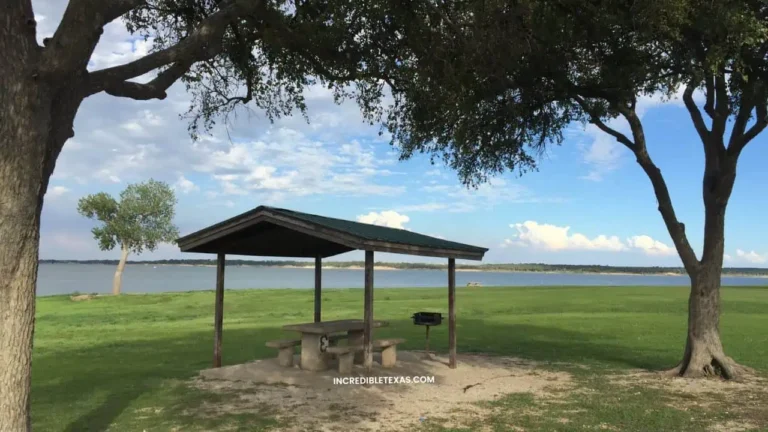
- Picnicking: Day-use parks around the lake give you tables, shelters, and shoreline views without forcing an overnight stay.
- Camping: Corps of Engineers parks around the reservoir give you an overnight base close to ramps and water access.
- Wildlife viewing: The lake and surrounding bluffs create a setting where birds, deer, and shoreline species show up often enough to be part of the trip, not just a bonus.
The best trip style depends on what you want the lake to do for you. If you want a shaded picnic table and a short outing, choose a day-use park; if you want a fishing weekend, put boating and camping on the same checklist before you leave home.
Lake Belton also helps if you want to compare it with another major Texas reservoir without leaving Central Texas planning territory. A lake like Belton gives you enough structure to stay organized, but it still feels outdoorsy enough to keep the day from becoming a city outing with water in the background.
That is where the lake’s value really shows up. You do not have to choose between a hard-core fishing trip and a family-friendly park day, because the reservoir can support both if you pick the right entrance and the right time of day.
Lake Belton Swimming, Boat Ramps, and Day-Use Access
Swimming at Belton Lake works differently from swimming at a pool or a small city lake. The official swimming page says you should use designated swim beaches or areas outside restricted zones, and the current beach options include Temple’s Lake Park, Westcliff Park, Cedar Ridge Park, and BLORA.
That setup helps because each park solves a different kind of visit. Temple’s Lake Park includes a swim beach, two boat ramps, restrooms with showers, picnic sites, a playground, and courts, while Westcliff Park gives you a designated swim beach plus a day-use setting that feels easier for a shorter stop.
If you want the official rule set in one place, the Corps page for swimming at Belton Lake is the clearest reference. It keeps the message simple: stay in the right places, treat the shoreline as a working reservoir, and do not assume every stretch of water is meant for open swimming.
Boat access is strong enough to support that kind of spread-out visit. USACE lists 18 boat ramps at the lake, with 8 free ramp locations and 10 fee-based ramp locations, plus 4 marinas, so a boating day does not depend on a single park or a single launch point.
That variety gives you room to choose between no-fee ramps and parks with more services. If you want a quick decision, use the table below to match the kind of access you need with the park style you want.
| Access point | Best for | Notable detail |
|---|---|---|
| Belton Lakeview Park | Easy overnight or day-use access | No fee required and open all year |
| White Flint Park | Boat-focused camping | Fee required, open all year, two-lane ramp |
| Westcliff Park | Day use with swim beach | Fee required, open year-round from 6 a.m. to 10 p.m. |
| Temple’s Lake Park | Families and group visits | Swim beach, picnic sites, two boat ramps, and courts |
| Cedar Ridge Park | Campers who want a swim option | Fee required, open year-round from 6 a.m. to 10 p.m. |
The TPWD access page is the best place to confirm the fee side of the lake before you drive, because it lists the day-use pattern and notes a $30 annual pass. That page also makes clear that Belton Lakeview Park is open all year and does not require a fee, which is useful if you want a low-friction starting point: Belton Lake access details.
If you are planning a swim day, a boat day, or a mixed family outing, the order of operations matters. Park first, then launch, then swim, because the lake has enough access points to reward a specific plan instead of a vague drive-around-and-see approach.
That same logic helps with crowds. The more concrete your access point is, the less likely you are to spend daylight hours deciding where to park, where to enter, or whether a fee-based area makes more sense than a free ramp for the day you actually want.
Fishing Belton Lake the Right Way
The main species are largemouth bass, smallmouth bass, channel and flathead catfish, white and hybrid striped bass, and sunfish. Belton Lake is especially useful for hybrid striped bass if you want a fishery with a clear target.
Late February through April is the strongest window for largemouth action, with creek backs and coves providing warm water and protected water. Cedar, Bear, Owl, Stampede, and Cowhouse are the named creeks in the current lake report, which gives you a better starting map than a vague “look around the lake” tip.
May through September shifts the bite toward main-lake points and flats next to creek channels, while October through December brings bass back to many of the same areas used during the spawn. Seasonal structure matters because Belton Lake rewards timing almost as much as lure choice.
White bass fishing peaks from March through May as fish move into the Leon River to spawn, and crappie are strongest from late February to mid-May when they move shallow into protected coves. Catfish stay in the conversation year-round, so a family trip still works even if the bass bite is slow.
Belton Lake also has a clear conservation issue that every boater should respect. The lake is infested with zebra mussels, so clean, drain, and dry has to become part of your post-launch routine before you move to another water body.
TPWD explains the fishing picture clearly on the Belton Lake fishing page, and that same page gives you the best official snapshot of species and fishing conditions. If you want the broader context for where Belton sits among statewide destinations, best fishing lakes in Texas is the natural companion page.
- Late winter to spring: Focus on protected coves, creek backs, and warmer water when largemouth bass move up.
- Spring white bass: Work the Leon River movement window from March through May.
- Late winter to late spring crappie: Look to shallow cover and protected pockets from late February to mid-May.
- Summer and fall: Shift toward main-lake points and flats next to creek channels.
- Anytime catfish: Keep catfish in the plan so the trip still feels productive when bass conditions are slower.
The lake is most useful when you fish it like a structured reservoir. That means matching species to season, respecting the mussel issue, and using the lake’s points, coves, and channel edges instead of expecting a single magic bank spot to do all the work.
If you prefer a simpler rule of thumb, treat Belton as a hybrid striped bass and spring bass lake first, then let crappie and catfish fill in the rest of the calendar. That approach gives you a practical reason to return, because the lake changes enough across the year to stay interesting without becoming unpredictable.
TPWD also notes that all game fishes are managed under statewide regulations, which makes it easier to plan the trip without a special lake-only rule book. That kind of consistency matters when you are trying to turn one reservoir into several different kinds of fishing days across the year.
Lake Belton Camping and Overnight Stays
Camping at Lake Belton depends on what kind of stay you want. Recreation.gov shows the lake as a multi-campground destination, and that booking system matters because some parks are built for day use while others work better for campers who want a full overnight base.
Belton Lakeview Park is open all year and does not require a fee. The access page also notes a $30 annual pass, which gives you a useful reference point if you plan to return to the lake more than once.
If this is your first visit, start at Belton Lakeview Park for a no-fee baseline, then move to Temple’s Lake Park if you want a swim beach and a more active day-use setup. The shorter loop helps you learn the lake without trying to cover every park in one trip.
For reservations, the official booking page is Recreation.gov’s Belton Lake gateway, and that is the place to check campground availability before a busy weekend. The current gateway gives you a concrete starting point instead of guesswork, which matters when a lake trip is supposed to feel easy.
The lake also gives you different camping personalities at Cedar Ridge, Live Oak Ridge, White Flint, and Winkler Park. Some parks lean toward overnight water access, some lean toward day-use by a ramp or shoreline, and some mix boat ramps with group facilities, so it helps to match the park to the way you actually travel.
If you prefer to compare lake trips by camping style, Lake Buchanan is a useful next stop because it gives you another Central Texas reservoir with a very different shoreline feel. Belton is more accessible from the Temple-Belton corridor, while Buchanan usually pushes the trip farther into Hill Country road time.
| Park | Best use | Useful detail |
|---|---|---|
| Belton Lakeview Park | Easy overnight or day-use access | Open all year, no fee required |
| White Flint Park | Boat-centered camping | Fee required and open all year |
| Westcliff Park | Day use with camping options | Fee required, open year-round from 6 a.m. to 10 p.m. |
| Live Oak Ridge | Overnight campers who want direct lake access | Ramp handles all boat types |
| Cedar Ridge Park | Campers who want a swim beach nearby | Fee required, open year-round from 6 a.m. to 10 p.m. |
That mix gives you flexibility if you are traveling with kids, gear, or a trailer. You do not have to force a backcountry mindset onto a lake that is better at supporting practical recreation, and that makes Belton an easier trip to plan for mixed groups.
If your trip depends on certainty, book early and read the park page twice. The lake’s camping structure is straightforward once you pick your park, but the good spots can disappear faster than you expect when a Central Texas weekend lines up with good weather.
Recreation.gov is also useful because it turns the campground decision into a current availability question instead of a memory exercise. That is the kind of detail that saves you from showing up with a sleeping bag and discovering that the exact site you wanted is already taken.
Lake Belton Trails and Nearby Central Texas Stops
The best trail story at Lake Belton is Miller Springs Nature Center below Belton Dam, where USACE lists 10 miles of hiking and mountain biking trails. That trail system gives you a rare chance to build a water day and a leg-stretching trail day into the same trip without a long reset in the middle.
The location matters because the trails sit below the dam rather than far away from the shoreline, so moving from water to limestone trail country does not require a long drive. If you like short transitions and clear trip structure, the trail system makes the water-to-hike switch simple.
Belton Lake also works as a base for the Belton and Temple side of Central Texas, which makes lunch stops, fuel, and grocery runs simple. That is the kind of detail that matters on a weekend when you want the outdoors without giving up the convenience of a town nearby.
If you are choosing between lakes, Lake Travis gives you a different Central Texas water feel, with a more famous Austin-adjacent profile and a busier trip pattern. Belton Lake is the quieter, more practical option when you want ramps, beaches, and fishing access without making the day revolve around traffic and tourism.
TPWD also lists Mother Neff State Park as a nearby state park on the Belton Lake fishing page, which gives you a ready backup if you want to add a second outdoor stop. That kind of nearby option makes the lake more useful than a single destination, because your day can expand without becoming complicated.
- Miller Springs Nature Center: Best choice if you want to add hiking or mountain biking to a lake trip.
- Belton and Temple: Good for food, fuel, and last-minute supplies before or after the lake.
- Mother Neff State Park: A nearby backup stop if you want to add a second outdoor destination.
- Lake Travis: A different Central Texas reservoir if you want a busier, more Austin-centered trip.
That combination of trail access, nearby towns, and lake access gives Belton a strong trip-planning role. You can keep the day compact and structured, or you can stretch it into a longer weekend without needing to reinvent the itinerary from scratch.
If you want a final planning rule, use Belton when you want a lake trip that feels practical first and scenic second. It still gives you shoreline views and water time, but the real value comes from how easy it is to build a usable outing around the reservoir.
Lake Belton FAQ
Can you swim in Lake Belton?
Yes, but the safe answer is to swim only in designated areas or outside restricted zones that the Corps recognizes for that purpose. The current swim beach options include Temple’s Lake Park, Westcliff Park, Cedar Ridge Park, and BLORA, so the lake is more structured than a free-for-all shoreline swim spot.
That structure matters because Lake Belton is a working reservoir, not a swimming hole with one open beach. If you want the least confusing option, use a named swim beach instead of improvising from the shoreline.
How deep is Lake Belton?
TPWD lists Belton Lake’s maximum depth at 124 feet. The same page lists a conservation pool elevation of 594 feet msl and a normal fluctuation of 3 to 5 feet, which is a good reminder that shoreline conditions can change enough to affect access and appearance.
That depth helps explain why the lake has such a strong boating and fishing identity. It is deep enough to support a broad reservoir environment, but it still changes enough to keep park planning important.
What fish are in Lake Belton?
The main species are largemouth bass, smallmouth bass, channel and flathead catfish, white and hybrid striped bass, and sunfish. Belton Lake is also a popular lake for hybrid striped bass, which gives anglers a clear target if they want a species-specific plan.
The strongest window for largemouth bass runs from late February through April, with creek backs and coves giving you the warmest water and the best shelter from wind. Cedar, Bear, Owl, Stampede, and Cowhouse are the named creeks in the current lake report, so you can start with a real map instead of a guess.
The fish mix is useful because it supports several styles of trip. You can chase bass in the right season, target white bass during the spring run, or keep catfish in the plan when you want a steadier family outing.
Does Belton Lake have boat ramps?
USACE lists 18 boat ramps at the lake, including 8 free ramp locations and 10 fee-based ramp locations, plus 4 marinas. That range gives you a lot of flexibility, whether you want a quick launch, a park with more services, or a place that works well for a longer trailer-based trip.
Belton Lakeview Park, White Flint Park, Westcliff Park, and Temple’s Lake Park are all useful names to keep in mind if your trip depends on ramps. The real planning win is choosing the ramp that fits your timing, fee preference, and towing setup before you get on the road.
Is Belton Lake good for fishing?
Belton Lake is a solid Central Texas fishing lake when you match the season to the species. The seasonal pattern is clear: late winter and spring help largemouth bass, March through May helps white bass, late February through mid-May helps crappie, and catfish stay in play through the year.
The lake is also practical because it has enough access, enough ramps, and enough shoreline variation to support repeated trips. If you want a lake that rewards planning instead of luck, Belton gives you a structure that makes sense.
The one thing you cannot ignore is the zebra mussel issue, because that affects every boater who leaves the lake for another water body. If you clean, drain, and dry on the way out, you protect your gear and keep the trip legal and responsible at the same time.