Fort Worth Botanic Garden: Hours, Tickets, Parking & Tours
Fort Worth Botanic Garden gives you a 120-acre visit in Fort Worth’s Cultural District, with 23 specialty gardens, 2,500+ plant species, and a pace that works for both a quick stop and a half-day outing. If you are mapping a bigger city day, start with things to do in Fort Worth and then save the garden for the part of the trip when you want shade, flowers, and slower walking.

As of April 9, 2026, spring and summer hours run 8-6 from March 1 through September 30. From October 1 through February 28, the garden runs 8-5.
Adult online tickets run $14 to $15, and the main lot sits in front of the Garden Center on University Drive. Overflow parking opens when that lot fills.
If you want the official planning pages before you go, use admission and hours for tickets and seasonal schedules and directions and parking for the main lot and overflow setup. A standard visit works best when you arrive early enough to see the Japanese Garden, Rose Garden, and Rainforest Conservatory without rushing.
| Quick fact | Current details |
|---|---|
| Address | 3220 Botanic Garden Blvd., Fort Worth, TX 76107 |
| Spring/Summer hours | Daily, 8 AM to 6 PM, March 1 through September 30 |
| Fall/Winter hours | Daily, 8 AM to 5 PM, October 1 through February 28 |
| Adult admission | $14 to $15 online |
| Parking | Main lot in front of the Garden Center; overflow parking when needed |
| Best first stops | Japanese Garden, Rose Garden, Rainforest Conservatory |
Why Fort Worth Botanic Garden belongs on your list
Fort Worth Botanic Garden opened in 1934 and holds the distinction of being Texas’s oldest major botanic garden. The campus now folds together the historic garden grounds and BRIT’s research and education work, so you get a place that feels both scenic and substantial.
The layout also gives you range without making you work for it. You can move from formal rose plantings to a Japanese strolling garden, then step into a rainforest conservatory or a shaded boardwalk without leaving the property.
That variety matters because many Fort Worth attractions ask you to commit to a single kind of experience. The garden lets you choose your own pace, and it fits naturally into a city trip that also includes dinner, museums, or a walk downtown.
FWBG also makes sense if you care about plants, design, or local history. You get a living museum with enough distinct spaces to keep the visit interesting, and you do not need a full day to feel like you saw something memorable.
- Use the garden when you want a Fort Worth stop that feels calmer than a zoo or a festival crowd.
- Plan it when you want one destination with both outdoor paths and an indoor fallback for heat or rain.
- Choose it if you like a visit that gives you clear visual rewards in the first 15 minutes.
The easiest way to think about the place is as a flexible anchor for the day. You can stay for two hours, keep walking for four, or use it as the quiet middle of a bigger itinerary.
If you are comparing it with other family-friendly Fort Worth stops, the garden sits in a useful middle zone. It still gives you enough movement, color, and kid-friendly space to feel like an outing instead of a quick photo stop.
Fort Worth Botanic Hours, tickets, and parking
The current ticketing page gives you a clean seasonal schedule. Spring and summer run 8 AM to 6 PM, and fall and winter run 8 AM to 5 PM.
The last ticket is sold one hour before closing, and the last photography pass is sold two hours before closing. Adults pay $14 to $15 online, seniors pay $12 to $13 online, and children ages 3 to 15 pay $8 to $9 online.
Infants ages 0 to 2 enter free, and Garden members get free admission plus early entry at 7 AM through the official membership program.
The official admissions page also lists free admission days, including Earth Day, Juneteenth, Celebramos Kick-Off, and Veteran’s Day. If your plans are flexible, those dates can give you a lower-cost visit without changing the rest of your Fort Worth itinerary.
Parking is straightforward once you know the layout. The main lot sits directly in front of the Garden Center on University Drive, and staff direct guests to overflow parking when the main lot fills.
If you want a practical benchmark for another major Fort Worth attraction, the Fort Worth Zoo helps you compare ticket timing and parking flow before you build a longer day in the Cultural District. That kind of planning matters most when you are visiting on a weekend or around a major event.
Transit also helps if you do not want to drive.
Trinity Metro Route 53 stops near the FWBG|BRIT entrance, so you can use the garden’s transit discount with proof of riding, and the accessibility page lists Trinity Metro On-Demand Southside as another option.
For exact schedules and current pricing, keep the official admission and hours page open while you plan. The directions page stays useful if you want the parking lot details in one place before you leave home.
The gardens you should prioritize first
You do not need to treat the whole campus the same way. A short visit should focus on the Japanese Garden and Rose Garden first, then add the Rainforest Conservatory if you still have energy and time.
Japanese Garden
The Japanese Garden is a 7.5-acre traditional strolling garden that was completed in 1973.
Koi ponds, bridges, cherry trees, Japanese maples, magnolias, bamboo, and a Moon Bridge shape the route and keep the space layered.
This is the best place to start if you want the garden’s most recognizable landscape in a single walk. The path curves around water and plantings instead of forcing you through a straight line, so you can slow down and let the scenery unfold at a relaxed pace.
Morning light works especially well on the bridges and water because the paths stay quieter and the reflections stay cleaner. If you want the strongest contrast, visit the Japanese Garden first and then move to the Rose Garden once the sun is higher.
If you want a map before you head into that area, the interactive map gives you the current overview and the main features to look for. The on-site Japanese Garden map also helps if you want to plan an easier route.
Rose Garden
The Rose Garden brings a more formal look, with the Shelter House, Rose Ramp, Lower Rose Garden, Republic of Texas Rose Garden, Oval Rose Garden, and Reflection Pond all built into a single historic space. The garden was completed in 1933 using 4,000 tons of Palo Pinto County sandstone and rededicated in 2017 after renovation work.
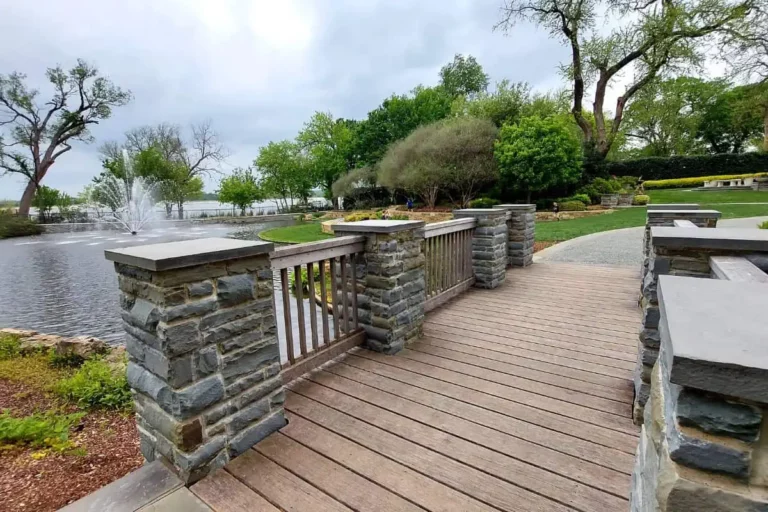
The layout works well when you want a stronger architectural frame around the flowers. The Rose Ramp and Shelter House create a natural visual line, while the Reflection Pond adds a calm focal point at the bottom of the hill.
If spring color matters most to you, start here after the Japanese Garden. The Rose Garden’s formal structure gives you a different mood from the loose curves of the Japanese landscape, and the contrast helps the visit feel fuller.
The Rose Garden also rewards a slower look because the paved edges, steps, and Shelter House create natural pauses for photos. Even when the flowers are not at peak bloom, the sandstone and formal layout keep the space visually strong.
Rainforest Conservatory
The Rainforest Conservatory shifts the trip indoors without losing the sense of place. You walk beside a stream, behind a waterfall, and past orchids, begonias, coconut palms, cacao trees, and other tropical plants that the garden uses to teach plant conservation and tropical ecology.
This stop works especially well when Fort Worth heat starts to build. You still get a lush visual experience, but the indoor setting gives you a cooler reset before you head back outside.
The indoor room gives you a good reset if you are visiting with grandparents, younger kids, or anyone who needs a break from the Texas heat. You can still stay inside the botanical theme while cutting the sun and wind for a few minutes.
The conservatory also has the kind of detail that rewards a slower look. You can spot the differences between the plants, follow the stream’s movement, and notice how the waterfall changes the sound in the room.
It is the best indoor fallback when the weather feels too hot for a long outdoor loop.
Native Boardwalk
The Native Texas Boardwalk gives you a shaded walkway between the northern and southern gardens.
It includes 13 educational stations for children, so it works well if you are visiting with kids or just want an easier route between major garden areas.
The walkway feels more useful than decorative. It moves you through native trees and shrubs, adds a little learning without forcing it, and gives you a practical bridge between parts of the campus that might otherwise require more exposed walking.
Water Conservation Garden
The Water Conservation Garden focuses on native and adapted plants that handle minimal water while still producing color from April through October. It is the best stop if you care about North Texas landscaping ideas, drought-tolerant planting, or garden design that works in real weather instead of a perfect catalog setting.
The space also adds context to the rest of the campus. After you see the formal Rose Garden and the tropical Conservatory, the Water Conservation Garden shows another side of the same property: practical planting that still looks intentional and polished.
That stop also helps if you garden at home and want practical ideas instead of only scenic inspiration. The plant palette shows what can survive in North Texas without turning the landscape into a water-hungry lawn.
If you want a simple first-visit rule, start with the Japanese Garden, spend time in the Rose Garden, and then choose the Conservatory or Boardwalk based on heat and energy. That route gives you the most variety without sending you across every corner of the campus.
Fort Worth Botanic Map, tours, and how to plan your route
The interactive map is the fastest way to understand the campus before you step inside. It helps you locate gardens, amenities, restrooms, and attractions, and it lets you plan a loop that fits your energy level instead of guessing where everything sits.
If you want a simple route, start at the Garden Center, move to the Japanese Garden, continue to the Rose Garden, and then decide whether you have time for the Native Texas Boardwalk or Rainforest Conservatory. That path keeps the first visit organized and avoids backtracking across the 120-acre campus.
If you only have two hours, use the map to anchor one outdoor garden and one indoor fallback. The Japanese Garden plus the Rainforest Conservatory is a strong short-visit pairing, while the Rose Garden plus the Native Texas Boardwalk gives you a better feel for the campus if you want more open walking space.
The map also helps if you are visiting with kids, grandparents, or anyone who wants a shorter walking day. You can see where the shuttle stops, where to find restrooms, and how to break the campus into smaller pieces without losing the best gardens.
If you like a more structured visit, the garden also offers docent-led tours that turn the campus into a guided experience. The tours page lists free tours with garden admission or membership, Japanese Garden tours, Art in the Garden tours, BRIT Building Tours, and Begonia Greenhouse Tours.
| Tour type | Best for | Useful detail |
|---|---|---|
| Free Tours | First-time visitors who want context | Free with Garden admission or FWBG membership |
| Japanese Garden Tours | You want design and history | Tour length is 60 to 90 minutes, with mild elevation changes and some stairs |
| BRIT Building Tours | Botany and architecture fans | Self-guided tours are available during regular working hours, Monday through Friday from 10 AM to 4 PM. |
| Begonia Greenhouse Tours | Plant lovers | 45 to 60 minutes and home to the largest begonia collection in North America |
Private tours need advance booking at least two weeks ahead, and groups of 20 or more get $2 off regular admission per person.
If the art side of the campus matters to you, use the tours page to decide whether to book a focused visit or just self-guide the gardens. Either approach works, but the guided option gives you more context if you want the history behind the Japanese Garden or the science behind BRIT.
Accessibility, shuttle service, and visitor rules
The accessibility page is strong enough to build your visit around it.
The main lot has accessible parking, the Garden Center entrance is wheelchair and stroller accessible, and a main accessible path connects the Garden Center to major attractions like the Rose Garden and Japanese Garden.
If you are visiting with a stroller, start with that route first and add the Rose Garden if you still have energy. The Beauty Bus Shuttle gives you another way to move through the property.
It runs every half hour from 9 AM until close, stops at the Garden Center, Japanese Garden, and Shelter House above the Rose Garden, and is free with admission while remaining wheelchair accessible.
If you need mobility support, the garden also lists manual wheelchairs at no cost on a first-come basis and electric scooters for $30 per day with an ID deposit. That matters on busy days because the campus is large enough that the extra support can turn a tiring visit into a manageable one.
Trinity Metro Route 53 stops near the FWBG|BRIT entrance, and the garden also notes a transit discount for riders who show proof of service. If you prefer not to hunt for parking, transit can take some pressure off the visit from the start.
The rules are just as important as the route. Service animals are allowed, other pets are not, wading in ponds and fountains is not allowed, and the garden asks guests to stay on designated paths, avoid drones, and leave balloons, confetti, and other loose materials at home.
Picnics are allowed in designated areas, but the garden also asks you to keep those spots tidy and to skip outside alcohol, grills, and athletic equipment. If you want the current rule set in one place, the garden etiquette page keeps the standards clear before you arrive.
Sturdy shoes, bottled water, and sun protection make the day smoother, especially if you plan to cover the Japanese Garden and Rose Garden on foot.
Fort Worth Botanic Food, picnic rules, and rest breaks
Rock Springs Café is open daily from 11 AM to 4 PM, with Sunday brunch from 10 AM to 2 PM.
A café stop works well if you want to stay on site instead of leaving for lunch. You can order something casual, sit down for a bit, and then head back out for the Japanese Garden, Rose Garden, or the Native Texas Boardwalk once you are ready to walk again.
The same dining page also points you toward the Trellis Gift Shop and Treasure Tree Gift Shop, which makes a simple water, snack, or souvenir stop easy to fold into the day. If you are traveling with kids, the gift shops give you one more indoor break without forcing you out of the garden complex.
Picnic planning matters here because the garden has more rules than a casual park. There are no picnic tables, so you should expect a designated-space picnic rather than a full picnic-area setup.
The same rules page also bans outside alcohol, grills, athletic equipment, loose balloons, confetti, folding chairs, and large coolers. If you want a low-effort meal plan, that usually means the café, a light snack, or a simple bottle-and-sandwich setup instead of a full spread.
Water fountains and refill stations are located throughout the garden. The garden does not sell disposable plastic water bottles, so bring a reusable bottle or plan to refill one on site.
If you want to stay longer, the best rhythm is often one garden cluster, one break, and one more garden cluster. One garden cluster, one break, and one more garden cluster is an easy way to cover the campus without rushing.
Best time to visit and how long to stay
Spring is the easiest season for a first visit because the Fort Worth Botanic’s most photogenic spaces are easiest to enjoy when temperatures are manageable. Early morning also works well because the light is softer, the paths are quieter, and you have more room to linger around the water and bridges.
If you are planning around Fort Worth event traffic, give yourself extra margin. A crowded weekend around MAIN ST. Fort Worth Arts Festival can add congestion downtown, so an early arrival helps if you want a calm garden walk before the rest of the city wakes up.
For most first-time visitors, two to three hours covers the Japanese Garden, Rose Garden, and one indoor stop. If you want the Conservatory, Boardwalk, and a slower lunch break, four hours feels more comfortable and keeps the visit from turning into a rush.
You can stretch the visit longer if you like garden design or photography. The campus is big enough to reward a second pass through the same areas, and the different textures from sandstone, water, shade, and tropical plantings give you reasons to slow down.
If you are visiting in summer, arrive as close to opening as possible and prioritize the outdoor paths first. The conservatory, boardwalk, and shuttle can help later in the day, but the hottest hours are better spent moving less and drinking more water.
Late afternoon can also work well if you want gentler light and a shorter visit. You will want to check the last ticket time before you leave, because the garden sells the final admission one hour before closing and sells the last photography pass two hours before closing.
Seasonal tips and special events
Spring is the easiest season for a first visit because flowers and greenery are the most balanced then, but the garden changes enough through the year to reward repeat trips. If you want the most comfortable walking weather, lean toward early mornings in spring or fall and keep summer visits close to opening time.
The current hours page shows the garden at 8 AM to 6 PM in the spring and summer season and 8 AM to 5 PM in the fall and winter season, so your route should always follow the clock instead of trying to squeeze in one more stop at the end. The earlier you start, the easier it is to enjoy the Japanese Garden and Rose Garden before the heat and traffic build.
The calendar also matters because FWBG uses its property for recurring programs and seasonal events. The admissions page highlights Butterflies in the Garden, Dog Days, free admission days, members-only events, and family-friendly calendar items, so a flexible visit can line up with a special program instead of just a standard walk.
If you are planning around a larger Fort Worth itinerary, give yourself extra time when the city has a major event weekend. A busy downtown schedule can affect your arrival, and the garden is more enjoyable when you are not rushing from parking to path to path.
Nearby Fort Worth pairings for a fuller day
The Fort Worth Botanic fits neatly into a larger Cultural District day. If you want more nature after the garden, you can head to the Zoo; if you want a downtown finish, you can move toward shopping, dining, and walking after your visit.
A simple city-day split works well here. Spend the morning in the gardens, take a lunch break, and then use Sundance Square for the evening half if you want restaurants, public space, and a more urban finish.
If your plan leans classic Fort Worth, the Fort Worth Stockyards gives you a completely different tone for the second half of the day. The garden brings the quiet; the Stockyards bring the Western grit and a more high-energy crowd.
If you want to finish the day downtown, Sundance Square makes the cleanest transition because you can leave the garden, park once, and walk to dinner without rebuilding the plan from scratch. If you want a more historic Fort Worth feel instead, the Stockyards give you cattle-drive energy, western shops, and a very different rhythm from the garden’s calm pace.
You can also use the garden as the softer start before a downtown event night.
The balance works especially well when you want a day that feels full without packing every hour with noise and movement.
If you prefer a cleaner cultural loop, keep the garden, add a museum or two nearby, and finish with dinner in the city center. That approach leaves enough breathing room for photos, rest, and an unhurried dinner reservation.
If you are visiting with someone who likes shorter walks, the Japanese Garden, Rose Garden, and Conservatory give you a full outing without forcing a long hike. You can split the day into two easy blocks, with the garden in the morning and downtown Fort Worth in the evening, so the schedule stays balanced.
That rhythm makes the garden easy to pair with a museum stop or dinner afterward.
Fort Worth Botanic FAQ
How much does it cost to go to Fort Worth Botanic Garden?
Adult online tickets are $14 to $15, seniors are $12 to $13 online, and children ages 3 to 15 are $8 to $9 online. Infants ages 0 to 2 are free, and Garden members enter free with their membership.
What are the hours for Fort Worth Botanic Garden?
You can visit daily from 8 AM to 6 PM from March 1 through September 30 and daily from 8 AM to 5 PM from October 1 through February 28.
Last ticket times are one hour before closing, and last photography pass times are two hours before closing.
Is parking free at Fort Worth Botanic Garden?
The garden’s directions page confirms parking in the main lot and overflow parking when needed, and special event pages can add paid parking passes. For a regular daytime visit, check the current ticketing and parking pages before you leave so you know whether your date or event has any parking charge attached.
Is the Japanese Garden part of Fort Worth Botanic Garden admission?
Yes. The Japanese Garden sits inside the Fort Worth Botanic Garden campus, and the official visit pages use one main admission structure for the property rather than a separate daytime ticket for that garden alone.
How long does it take to walk Fort Worth Botanic Garden?
A focused first visit usually takes about two to three hours if you want the Japanese Garden, Rose Garden, and one indoor stop. If you want to cover more of the 120-acre campus at a slower pace, plan closer to four hours.
Is Fort Worth Botanic Garden wheelchair accessible?
The accessibility page lists accessible parking, a wheelchair and stroller-accessible Garden Center entrance, accessible paths to major garden areas, a free Beauty Bus Shuttle, and free manual wheelchairs on a first-come basis.
Electric scooters are also available for rent at the admissions desk.
If you want the most useful single-page planning view, keep the official visit pages open as you build your route.
You get the current hours, parking, accessibility, and event notes without relying on stale third-party listings.
Does Fort Worth Botanic Garden have guided tours?
Yes. FWBG offers free tours with admission or membership, plus Japanese Garden tours, Art in the Garden tours, BRIT Building Tours, and Begonia Greenhouse Tours.
Private tours need advance booking, so choose your route first and then decide whether a docent-led visit fits your schedule.
Is there a shuttle at Fort Worth Botanic Garden?
Yes. The Beauty Bus Shuttle runs every half hour from 9 AM until close, stops at the Garden Center, Japanese Garden, and Shelter House above the Rose Garden, and is free with admission.
Use it when you want to reduce walking or move between major stops faster.
Can you bring dogs to Fort Worth Botanic Garden?
Not on a regular visit. The garden allows only service animals except during periodic Dog Days events.
Dogs must stay leashed during those events, so check the calendar before you leave.
Does Fort Worth Botanic Garden have a cafe?
Rock Springs Café is the easiest on-site food stop, with daily hours plus Sunday brunch.
If you want a low-stress lunch built into the visit, that café stop is easier than leaving the campus and starting over somewhere else.
What should you bring for a comfortable visit?
Bring water, comfortable shoes, and sun protection, especially if you plan to cover the Japanese Garden and Rose Garden in one visit. A reusable bottle is smart too, because the garden relies on refill stations instead of disposable plastic bottles.