General admission for Fort Worth Zoo tickets in 2026 costs $22 for adults (ages 13 to 64) and $18 for children (ages 3 to 12) or seniors. Infants aged two and younger enter free of charge. Guests can reserve Fort Worth Zoo admission tickets online to receive a $1 discount per pass.
The gates open 365 days a year at 9:00 AM, closing at 4:00 PM on weekdays and 5:00 PM on weekends. Situated at 1989 Colonial Pkwy in Forest Park, the destination provides half-price admission every Wednesday across all age categories.
As the oldest continuously operating zoological institution in Texas, this 64-acre park houses more than 7,000 animals representing over 500 species. Guests navigate through naturalistic environments including Elephant Springs, the 30,000-square-foot Museum of Living Art (MOLA), and Predators of Asia & Africa. This complete planning guide details admission rates, parking tips, and local visitor rules.
| Planning Category | Official Detail & Policy | Traveler Notes |
|---|---|---|
| Location & Address | 1989 Colonial Pkwy, Fort Worth, TX 76110 | Located in Forest Park, 3 miles southwest of downtown |
| Operating Hours | Weekdays: 9:00 AM – 4:00 PM | Weekends: 9:00 AM – 5:00 PM | Open 365 days a year; gates close 1 hour before grounds |
| Adult Admission (13–64) | $22 at gate ($21 advance online) | Half-Price Wednesday reduces adult tickets to $11 |
| Child & Senior Admission | $18 (Ages 3–12 & Seniors 65+) | Free for children 2 and under; $9 on Wednesdays |
| Vehicle Parking Rate | $5 per vehicle per day | Paid at entry booth with credit card; free for members |
| Outside Food Policy | Soft-sided coolers allowed; no glass, alcohol, or straws | Hard-sided coolers must remain stored in vehicles |
| Signature Habitats | Elephant Springs, MOLA, Predators of Asia & Africa | MOLA provides 30,000 square feet of air-conditioned exhibits |
| Interactive Rides | Yellow Rose Express Train ($5), Safari Splash ($6) | Splash park operates seasonally Memorial Day to Labor Day |
Plan your visit
Verified
- Location
- 1989 Colonial Pkwy, Fort Worth, TX
- Hours
- 9am to 4pm weekdays, 9am to 5pm weekends, open 365 days
- Admission
- $22 adults, $18 kids 3 to 12 and seniors, half off Wednesdays
- Best time to go
- Right at 9am opening, before midday crowds
Visitor Hours, Address, and Parking Logistics
Official Fort Worth Zoo hours run 365 days a year from 9:00 AM to 4:00 PM on weekdays and 9:00 AM to 5:00 PM on weekends at 1989 Colonial Parkway. General vehicle parking costs $5 per car and accepts credit cards at entry gates.
The property is situated in historic Forest Park along the Clear Fork of the Trinity River. This city park district is maintained in coordination with the City of Fort Worth Park Department. Drivers can reach the grounds via Interstate 30 and University Drive.
Visitors planning a full weekend itinerary can combine animal tours with other leading things to do in Fort Worth. The entrance sits less than ten minutes from both the Cultural District and the Historic Stockyards.
Parking Rates and Overflow Lots
Official Fort Worth Zoo parking costs $5 per vehicle and is paid at the entrance booths using any major credit or debit card. Cash is not accepted at vehicle toll gates. Active members receive complimentary parking by scanning their digital membership card.
The main paved lot along Colonial Parkway frequently fills to capacity by 10:30 AM on sunny spring weekends and Half-Price Wednesdays. When this primary lot closes, attendants direct vehicles to grass overflow lots along Forest Park Boulevard. A shaded five-minute walking trail connects these overflow spaces directly to the main turnstiles.
Daily Closing Times and Last Entry
Travelers asking what time does the Fort Worth Zoo close should note that entrance turnstiles and ticket windows close at 3:00 PM on weekdays and 4:00 PM on weekends. Animal grounds remain open for one additional hour, clearing at 4:00 PM and 5:00 PM respectively.
Animal care staff begin moving animals into evening holding quarters approximately 30 minutes before official grounds closing. Arriving before noon guarantees ample time to explore all continental zones without rushing through exhibits.
Admission Tickets and Pricing (2026)
Current Fort Worth Zoo prices start at $22 for adults, $18 for children and seniors, and free for toddlers under two. Finding Fort Worth Zoo discount tickets is straightforward by reserving online ahead of time to secure a $1 reduction per pass.
Purchasing digital passes through the official ticketing portal saves time and bypasses morning box office lines. Timed entry slots help manage pedestrian traffic during busy spring break weeks.
Couples planning weekend outings across North Texas frequently pair animal tours with romantic Dallas date ideas across the surrounding metroplex. Reserving tickets ahead ensures a stress-free transition between urban activities.
Half-Price Wednesday Discounts
Planning a trip during half price Wednesday Fort Worth Zoo promotions reduces daytime admission to $11 for adults and $9 for children. The 50 percent discount applies across all daytime entry tickets purchased online or at the gate.
Because this discount runs every Wednesday all year, regional families and youth groups visit in substantial numbers. Arrive at the gates right at 9:00 AM to enjoy calm pathways before peak mid-day crowds gather.
Zoo Membership Benefits and Savings
An annual pass provides unlimited general admission, free vehicle parking, a 10 percent discount on food and merchandise, and discounted tickets for evening holiday lights. Members also gain early entry during member morning events.
A standard family membership costs roughly equivalent to two standard daytime outings for a household of four. Local residents who visit twice per year break even on pass costs while bypassing parking fees entirely.
Park Map and Signature Habitats
Navigating with an updated Fort Worth Zoo map is simple using the official mobile navigation app across the 64-acre park. Among all zoos in Fort Worth and North Texas, this facility features an exceptional concentration of rare wildlife species.
Unlike sprawling rural facilities like the Ellen Trout Zoo in East Texas, this DFW zoo arranges animal habitats along dense, winding pathways. Mature live oaks and cedar elms provide generous shade canopy across walking trails.
Elephant Springs
The acclaimed Elephant Springs Fort Worth Zoo habitat features a multi-generational herd of Asian elephants roaming across a spacious naturalistic environment. The centerpiece features a 400,000-gallon pool fed by cascading waterfalls where adults and young calves swim together.
Shaded multi-tier observation platforms allow guests to watch herd interactions at water level and from elevated boardwalks. Educational keeper talks take place daily at the pool perimeter, explaining herd management and enrichment training.
Museum of Living Art (MOLA)
The Museum of Living Art MOLA spans 30,000 square feet and features over 5,700 reptiles, amphibians, and fish representing 250 rare species. Hand-painted murals and natural sunlight stream through skylights to frame living animal art.
Key residents include a 15-foot saltwater crocodile, Burmese pythons, King cobras, and glowing terrariums filled with poison dart frogs. Because the entire facility is climate-controlled at 72 degrees year-round, MOLA serves as a favorite indoor retreat during hot summer afternoons.
Predators of Asia & Africa
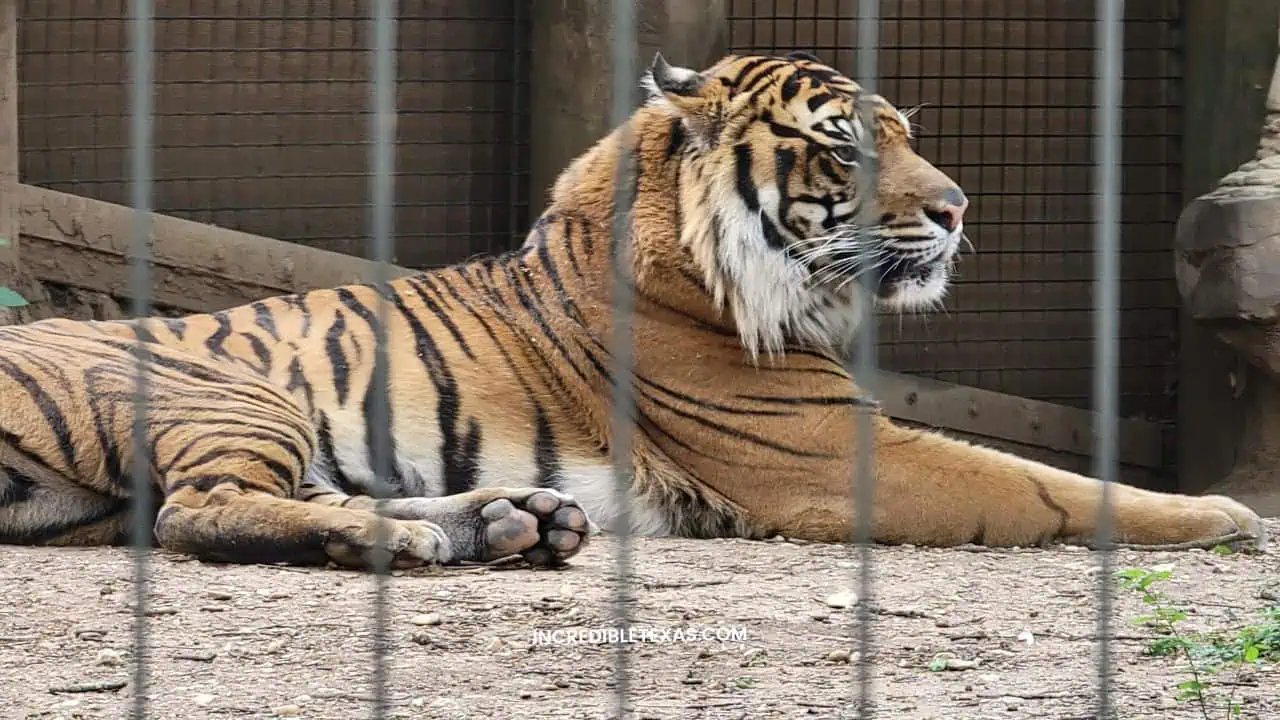
Predators of Asia and Africa introduces interconnected yards for African lions, Sumatran tigers, cheetahs, and African wild dogs. The complex incorporates cascading streams, rock outcroppings, and heavy glass viewing panels.
An overhead rotation chute lets carnivores shift between different enclosures, stimulating natural foraging and scent-tracking behaviors. Shaded viewing huts provide eye-level glimpses of hunting maneuvers and rest periods.
Texas Wild! Native Habitat
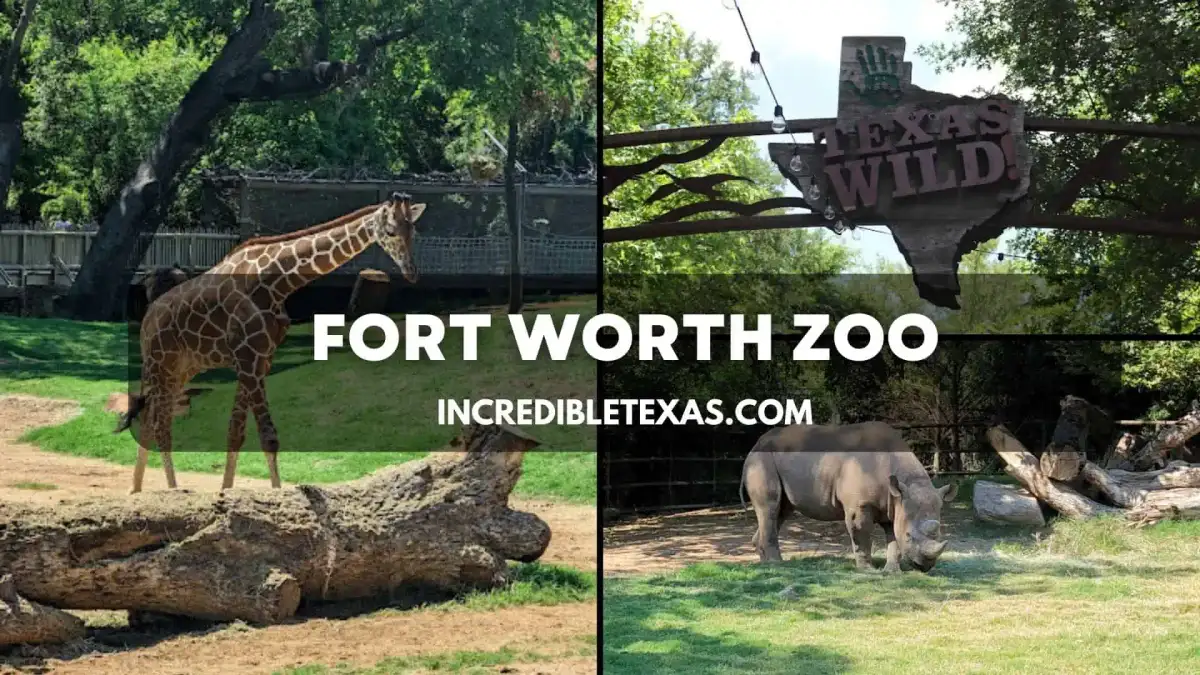
Covering eight dedicated acres, Texas Wild! celebrates the diverse physiographic regions of the Lone Star State. Guests explore simulated Piney Woods, Gulf Coast marshlands, and arid Trans-Pecos mountain terrain.
Notable species include American black bears, cougars, bobcats, and native raptors. The zone concludes at a reconstructed 1890s pioneer town with an air-conditioned play barn and petting corral for young children.
A Wilder Vision: Master Plan Expansion Updates
The A Wilder Vision capital campaign represents a $130 million multi-phase renovation master plan for the property. Following the debuts of African Savanna, Elephant Springs, and Predators of Asia & Africa, the fourth phase is scheduled for completion by 2027.
This decade-long capital campaign has completely modernized animal habitats across the park. By shifting from traditional fenced yards to deep moat barriers and glass viewports, the project enhances animal wellness while improving sightlines.
Forests & Jungles of the World (Phase 4)
Forests and Jungles of the World marks the final phase of the master plan, focusing on tropical forest canopies across three continents. The complex will house African okapi, bongo antelopes, jaguars, and giant river otters.
A central highlight will be an expansive canopy climbing network designed specifically for Sumatran orangutans. Primate groups will move freely between indoor winter habitats and towering outdoor climbing poles above visitor pathways.
Conservation Initiatives and Species Survival
The zoological society participates in more than 70 Association of Zoos and Aquariums Species Survival Plans to preserve threatened wildlife. Field research teams operate breeding centers locally and across the Caribbean, Central America, and Africa.
A signature Texas project centers on breeding and releasing thousands of endangered Texas horned lizards back into native state park habitats. A portion of every general admission ticket directly funds these wild reintroduction programs.
Fort Worth Zoo vs Dallas Zoo: Which is Better?
When evaluating Fort Worth Zoo vs Dallas Zoo, travelers find that Fort Worth offers denser walking loops and shaded trails, while Dallas provides a 106-acre open safari experience.
Both institutions maintain continuous accreditation through the Association of Zoos and Aquariums accreditation list. Each facility meets stringent animal welfare guidelines while pursuing active research goals.
Choosing between them depends largely on walking preferences. Fort Worth covers 64 acres with short distances between habitats, making it friendlier for families pushing strollers. Dallas Zoo spans 106 acres with broader savannah plains and an open-air monorail.
Aquatic wildlife enthusiasts can also compare these traditional zoo grounds with the multi-tier indoor rainforest canopies at the Dallas World Aquarium exhibits in downtown Dallas.
Interactive Attractions, Rides, and Animal Feedings
Top family activities include the miniature train, carousel rides, splash pads, and giraffe encounters across the property.
These extra experiences require small tokens purchased at on-site kiosks, offering fun activity breaks for energetic young visitors.
Yellow Rose Express Train
The Yellow Rose Express Train operates inside the park, shuttling guests between the Safari Depot and Texas Wild!. Single-ride tickets cost $5 for non-members and $4 for members each way.
The open-air locomotive offers scenic views of mature trees and creek beds while saving walking fatigue on warm afternoons.
Safari Splash Water Park
The Safari Splash water play area spans 14,000 square feet of zero-depth aquatic play featuring four water slides, dumping buckets, and spray canons. Entry costs $6 per guest.
This seasonal splash zone operates from Memorial Day weekend through Labor Day weekend. While travelers also visit commercial water parks in Dallas and Fort Worth, Safari Splash provides convenient on-site water fun.
Giraffe Feeding Experience
Guests can purchase fresh romaine lettuce leaves for $6 at the African Savanna hippo pool and giraffe overlook deck. A raised boardwalk brings guests face-to-face with the towering herd.
Feedings take place daily while daily lettuce rations last, usually beginning at 10:00 AM. Morning sessions provide the most energetic animal interaction.
Visitor Rules, Coolers, and Dining Guidelines
Reviewing the official Fort Worth Zoo cooler policy ensures an effortless check-in at entry turnstiles. Outside coolers and backpacks are screened by security officers to protect wildlife.
After concluding their visit, guests can drive three miles north to discover lively restaurant patios and historic architecture at Sundance Square dining in downtown Fort Worth.
Cooler Policy and Security Inspection
Small soft-sided coolers allowed inside the gates accommodate lunches, infant formula, and snacks. Large rolling coolers and hard-sided ice chests are barred at the gate and must stay in vehicles.
There are no glass containers or straws permitted inside the grounds to protect animals from accidental ingestion. Guests may bring personal refillable water bottles to use at touchless hydration stations.
On-Site Dining and Souvenirs
Quick-service dining across the grounds includes Safari Grill, Crocodile Cafe, and regional snack stands. Menus feature smoked pulled pork sandwiches, chicken tenders, soft pretzels, and fresh salads.
The main gift shop near the exit offers wildlife books, plush animals, and apparel. Concession and retail sales support international wildlife conservation projects directly.
Accessibility, Rentals, and Sensory Inclusion
The entire property provides paved, level pathways and ADA ramps ensuring barrier-free wheelchair accessibility at all exhibits. Gentle slopes make pushing strollers easy for families with toddlers.
Single strollers rent for $10, double strollers rent for $12, manual wheelchairs rent for $12, and electric mobility carts rent for $35 daily at the front entrance rental counter. Rentals are allocated first-come, first-served.
Guest Relations provides complimentary sensory bags and quiet zones for visitors with sensory processing needs. Each bag includes noise-canceling headphones, weighted lap pads, and fidget tools.
Frequently Asked Questions
Review these practical visitor answers before heading out to Forest Park.
Travelers comparing animal attractions across Texas can also inspect our comprehensive Houston Zoo visitor guide for Gulf Coast trip ideas.
How Much Does General Admission Cost?
Visitors asking how much is the Fort Worth Zoo will find general admission costs $22 for adults and $18 for children and seniors. Toddlers aged two and under receive free entry.
All general admission tickets include complete access to continental habitats and MOLA.
Can You Bring Outside Food and Coolers?
Yes, guests can bring personal snacks and soft-sided coolers into the park. Hard-sided ice chests, alcoholic beverages, glass bottles, and disposable straws are strictly prohibited.
Outside picnic tables under shady oak trees in Forest Park offer convenient spots for larger group lunches.
Is the Zoo Free on Wednesdays?
No, general admission is not free on Wednesdays, but tickets are 50 percent off. Adult passes cost $11 and child or senior passes cost $9 every Wednesday of the year.
Purchasing tickets online in advance is advised to bypass busy ticket booth lines.
How Much Does Parking Cost?
Standard five dollar vehicle parking applies to all cars entering the official Colonial Parkway parking lot. Zoo members receive free parking by showing their digital membership barcode.
Parking booths accept credit cards only, ensuring fast entry into the parking area.
Is the Forest Park Miniature Train Part of the Zoo?
No, the historic Forest Park Miniature Train is a separate attraction operated independently outside the gates in Trinity Park. It runs a five-mile scenic route along the riverbank.
Riders purchase individual train tickets at the miniature depot near the river.
Are Wheelchairs and Strollers Available for Rent?
Yes, manual wheelchairs ($12), motorized scooters ($35), and strollers ($10 to $12) are available for daily rental at the main gate. Stroller friendly zoo trails connect all viewing decks smoothly.
Rentals cannot be reserved in advance, so arriving around morning opening is recommended.