Cagle Recreation Area TX: Camping, Fishing & Day-Use Guide
Cagle Recreation Area TX is a Lake Conroe campground and day-use area in the Sam Houston National Forest, about 45 minutes north of Houston. It combines shoreline camping, a boat ramp, hiking, and fishing in one place, and the basics are straightforward: 47 full-service RV sites, a $30 nightly camping fee, and a $5 day-use fee.
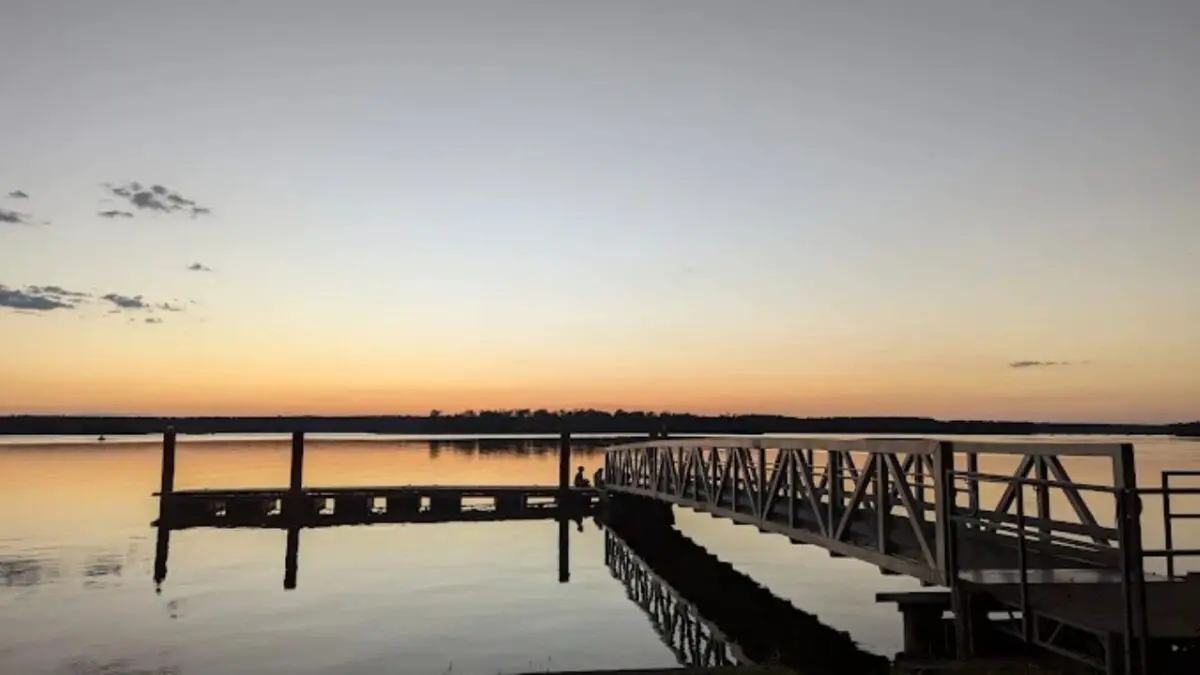
If you are comparing Cagle with other places around the lake, the best Lake Conroe parks for fishing and camping page is a useful next stop. Cagle is the kind of place that rewards a little planning before you drive, especially if your trip depends on a reservation, a trailer, or a short weekend window.
| Quick fact | Current detail |
|---|---|
| Location | 394 FM 1375 West, New Waverly, TX 77358 |
| Setting | Lake Conroe shoreline in the Sam Houston National Forest |
| Nearest major city | About 45 minutes north of Houston |
| Camping rate | $30 per night for a single site with electric, water, and sewer hookups |
| Day-use fee | $5.00 per day |
| Reservations | Required at least 48 hours in advance through Recreation.gov or by phone |
| Seasonal access | The campground is open year-round |
| Pet rule | Pets must be crated, caged, leashed, or otherwise under physical restrictive control |
The site is more useful than a simple map pin suggests. A short stay can become a fishing trip, a trail walk, or a low-key overnight break, which is why Cagle works well for visitors who want a compact Lake Conroe plan instead of a busy resort-style stop.
The lake setting keeps the visit flexible. One couple can turn it into a quiet campground night, while another group can use the same address for a short day-use stop with a boat launch and a trail walk.
Cagle Recreation Area TX at a Glance
Cagle Recreation Area sits on the north end of Lake Conroe, in the piney woods of the Sam Houston National Forest. The setting feels outdoorsy without being remote, and that is a useful combination if you want a real camping stay without giving up easy access from the Houston side of the lake.
The broader Lake Conroe camping page also places Cagle at the center of the lake’s overnight options. That local guide is worth a look if you want a quick cross-check on the campground’s role in the area before you choose a site.
Campers who want a straightforward shoreline stay usually like the layout right away. The park gives you a water-facing base without asking you to solve resort-style logistics, and the reservation structure keeps the site from feeling chaotic on busy weekends.
The site works as both a campground and a day-use area. The Forest Service lists the official Cagle Recreation Area page with 47 full-service RV sites, a developed boat ramp, hiking trails, and fishing access, so you are looking at a practical lake stop rather than a stripped-down roadside pull-off.
Cagle gives you more than one way to use the same visit: a camper can stay overnight, a family can use the day-use area, and a boater can treat the site as a launch point before turning to the rest of Lake Conroe.
The biggest planning detail is the reservation rule. Sites must be booked at least 48 hours in advance, so Cagle does not behave like a casual first-come, first-served city park on a busy weekend.
That reservation window also helps explain why the campground feels calmer than a drop-in picnic site. People who commit ahead of time are usually arriving with a clearer plan, which makes the whole shoreline feel more orderly once you get there.
- For overnight stays, plan around the 47 full-service sites and the $30 nightly rate.
- For quick visits, the day-use fee is $5.00 per day.
- For lake access, the boat ramp and shoreline setting make the site useful for fishing and water sports.
- For trail time, the wooded setting gives you walking and biking options without a long drive deeper into the forest.
If your Texas trip is still in the comparison stage, the best lakes in Houston for camping and fishing guide gives you a broader picture of the region. Cagle fits best when you want a Lake Conroe base with a clear fee structure and enough amenities to keep the logistics simple.
Where Cagle Recreation Area Is and How to Get There
The address is 394 FM 1375 West, New Waverly, TX 77358. If you are coming from Houston, the drive usually lands around 45 minutes, depending on where you start and how much traffic you hit on I-45.
The recreation area is reached by turning west off FM 1375 near New Waverly. The official materials say the site is about 6 miles west of I-45 and roughly 3 miles west of the Sam Houston District Office, while the local Lake Conroe guide gives a simple version of the same route: use I-45 exits 102 or 103, then follow FM-1375 west.
That route detail is useful because the park sits in a wooded corridor where a wrong turn can waste more time than you expect. If you are towing a trailer or arriving late in the afternoon, it pays to enter the address directly into your map app before you leave home.
The Recreation.gov booking page is the place to confirm availability before you drive. That page is especially important if you are traveling on a Friday, a holiday weekend, or any date when an overnight stay would depend on a specific site opening up.
Cagle also makes sense as part of a larger shoreline day. If you want to compare a launch point, marina access, or another way to use the lake, the Lake Conroe marinas page helps you think through the rest of the lake beyond this one recreation area.
Visitors who come from the Houston metro usually find the drive manageable enough for a half-day or overnight plan. That is one reason Cagle works well for people who want real nature time without turning the trip into a full road journey.
The location also keeps you close to New Waverly for basic last-minute needs. If you forget an ice run or need a quick supply stop, that nearby town matters more than it would at a more isolated campground.
Camping at Cagle Recreation Area
Cagle is the largest campground on Lake Conroe, and the layout is simple enough to explain without a map of your own. There are two camping loops, and the sites are built for full-service RV camping with water, electric, and sewer hookups plus tent pads, lantern posts, and fire rings.
The campground feels easier to use than many lake parks because the site details are specific. You know the hookup setup, the reservation timing, and the fee before you arrive, which reduces the guesswork that can make a first visit feel rushed.
The camping side is the clearest reason to choose Cagle over a casual day-use park. The Forest Service lists the overnight fee at $30 per night for a single site with all utilities, and the campground is also described locally as open year-round, which gives you a useful off-season option when you want lake access outside peak summer weeks.
That year-round setup is useful for shoulder-season trips, too. A fall weekend or a mild winter night can feel very different from a July stay, and the campground still works when you want to keep the trip simple.
Full hookups matter here because they reduce the number of things you have to manage after arrival. Water, electric, and sewer service turn the site into a more practical base for travelers who want to spend the evening at the lake instead of resetting gear after a long drive.
That combination of hookups and forest setting is what gives Cagle its appeal for RV travelers. You get a shoreline base, but you do not have to sacrifice the basics that matter when you are sleeping on-site.
- Two camping loops keep the site organized and make the layout easier to understand.
- Full hookups support water, electric, and sewer service at the overnight sites.
- Tent pads are available, so the campground is not only for large rigs.
- Reservations need to be made at least 48 hours in advance.
- Walk-up use is possible, but the site is still tied to the next reservation on that specific pad.
If you want to compare Cagle with other overnight options on the same lake, the Lake Conroe RV parks roundup gives you a wider field. That kind of comparison helps when you need a different setup, a different shoreline, or a backup plan in case your preferred site is already booked.
For the most reliable booking flow, treat Recreation.gov as the source of truth and do not assume a last-minute opening will still be there when you arrive. Cagle has enough demand that a casual approach can leave you with fewer choices than you expected.
The overnight experience is straightforward once you arrive. Roads are paved, the campground has security lights, and the park includes showers and a dump station, which removes a lot of the friction that usually makes first-time campground visits feel complicated.
The local campgrounds overview also helps if you want to picture the setting before you reserve. Cagle sits among shaded pine trees, and the loops give the site a more organized feel than a scattered roadside pull-off.
That structure is useful for first-time visitors who want a short learning curve. You can arrive, find your loop, and settle in without having to guess where the site boundaries or utility hookups are supposed to be.
Visitors who like to camp close to water will notice the lake effect quickly. You are not tucked deep into a backcountry setting; you are in a campground that is designed to support RV camping, shoreline time, and easy access to the rest of Lake Conroe.
Day-Use Activities and Lake Conroe Access
The day-use side of Cagle is the part most people notice first. You can fish from the bank, launch a boat, walk under the pines, bike the two-mile Cagle Trail, and use the site as a simple base for a quieter Lake Conroe outing.
The local Cagle page at Lake Conroe.org groups the trail, boating, and swimming rules in one place. It is the quickest way to separate shoreline access from the campground side of the visit.
Swimming is the one activity that gets a clear no. The Lake Conroe tourism page says swimming is not permitted in the recreation area, but wading is allowed, which makes the site more of a shoreline, boating, and hiking stop than a traditional swim beach.
The rule changes what you should pack. If you were imagining a lake beach with broad open swimming, Cagle is not that.
If you want fishing, trail access, and a place to sit near the water, it fits the job very well.
The Cagle Trail is one of the site’s most specific features. It spans two miles, and the local guide also notes a segment of the Lone Star Hiking Trail along the shoreline, which gives walkers and bikers a reason to stay longer than a simple boat launch visit.
For boaters, the boat ramp makes Cagle more than a picnic stop. For anglers, the same shoreline is practical because Lake Conroe is known for fishing and the recreation area supports direct lake access without a long detour from the campground.
That is also where the day-use fee matters. A $5 day-use rate is low enough to make the site appealing for a short outing, but the rest of the setup still feels like a real park rather than a bare-bones public turnout.
If your focus is launch access, the Lake Conroe marinas page is the best companion piece. Cagle works as one access point on the lake, while the marina guide helps you compare other ways to get on the water or organize a boat-first day.
- Fishing works well for a short bank session or a slower half-day plan.
- Boating fits because the site has a developed ramp and direct lake access.
- Biking is easy to add because the Cagle Trail is a manageable two miles.
- Wading is allowed, but full swimming is not.
- Birding and wildlife watching fit the wooded setting, especially in quieter seasons.
The day-use experience is strongest when you keep expectations realistic. Cagle gives you a lake stop with trails and shade, not a crowded amusement-style waterfront, and that is part of why it works so well for visitors who want a quieter outdoor rhythm.
That quieter rhythm can be a strength on a warm Texas afternoon. Shade, water access, and a short trail loop are easier to enjoy when you are not trying to crowd the visit into a single fast stop.
A slow visit also gives you time to notice the site instead of rushing past it. The loop roads, trail access, and wooded shoreline make more sense when you arrive with a half-day mindset rather than a checklist mindset.
If you have kids with you, the site also works better when the outing is framed as a walk-and-water visit instead of a swim day. That shift keeps the trip easy to manage and makes the rules feel clear instead of restrictive.
Cagle Recreation Area Amenities, Rules, and What to Expect on Site
Cagle Recreation Area has enough on-site infrastructure to keep a camping stay comfortable without making the place feel overbuilt. Local materials list grills, picnic tables, restrooms with showers, a dump station, paved roads, security lights, hand-pumped drinking water, tent camping, and RV camping.
The pet rule is simple but specific. Pets are allowed only when they are crated, caged, leashed to six feet or less, or otherwise under physical restrictive control, so the park expects the same kind of discipline you would use at a managed Forest Service campground anywhere else.
That rule is one of the reasons the campground feels orderly. People who travel with dogs can still stay here, but they need to plan around a real campground policy instead of assuming the shoreline is open to every kind of loose pet activity.
The wooded setting does a lot of the work here. Tall pines and hardwoods give the campground shade, and the local Lake Conroe guide notes that redbud and dogwood blooms add some seasonal color in late winter and early spring.
One practical detail worth noting is the office situation. The Sam Houston National Forest contact page lists the office as temporarily unable to sell passes or maps and closed on federal holidays, so you should not assume that every question can be handled in person at the last minute.
If you need a pass or map, handle that part before the trip. The site works best when you arrive already set up for the day you want, not when you still need a counter visit to finish the plan.
That is another reason to confirm your plans before you leave home. A park like Cagle is easy to enjoy once you are there, but the reservation and supply steps are smoother when you solve them before the drive.
If you want a broader Houston-area comparison, the places for camping in Houston guide can help you decide whether Cagle is the right fit or whether another campground would suit your travel style better. That comparison is especially useful if you are deciding between a Lake Conroe trip and a different kind of weekend escape.
- Bring a leash or crate if you are traveling with a dog.
- Pack shade and water if you plan to stay on the day-use side for several hours.
- Expect a campground feel rather than a beach-park feel.
- Use the dump station and showers if you are staying overnight in an RV or tent.
- Plan for quiet evenings because the site leans more toward outdoors time than toward nightlife.
The on-site setup is one of the reasons Cagle works for practical travelers. It gives you the essentials you need for a short lake getaway without turning the place into a resort.
The focus stays on being outside instead of on a long list of extras, and that is often exactly what Lake Conroe visitors want when they choose a forest campground over a commercial park. The simple setup also makes it easier to keep the packing list lean.
If you prefer a simple overnight stay, that simplicity is an advantage. You can arrive, set up, and spend the rest of the day on the water or trail instead of navigating a complicated amenity list.
Tips for Planning a Better Visit to Cagle Recreation Area
The easiest way to plan Cagle Recreation Area is to choose your trip style first. If you want an overnight stay, book the campsite before you think about anything else; if you want a day visit, decide whether the boat ramp, trail, or bank-fishing angle is the main reason you are going.
That small choice changes the rest of the day. A fishing-first visit can stay light and quiet, while an overnight stay asks for a little more gear, a little more timing, and a clearer arrival plan.
That decision also helps with timing. A morning trail walk, a mid-day boat launch, and a late-afternoon arrival all feel different on the same shoreline, so the clock matters almost as much as the destination.
Weekdays are usually easier than weekend arrivals, especially if you are hoping for a calmer campground or a more relaxed shore visit. Cagle sits close enough to Houston that it can get pulled into short-trip traffic, so the calendar matters more here than it might at a more remote park.
For packing, keep the trip simple. Water, snacks, bug spray, a leash if you have a dog, and whatever you need for fishing or a short trail walk will cover most first visits without overloading the car.
Bring a paper or offline copy of your reservation if you are staying overnight. Mobile service can be uneven in some forest settings, and having the confirmation handy takes one more thing off your mind when you check in.
Weather also shapes the experience. Shade under the pines helps, but Lake Conroe still feels like Texas outdoor country, so heat, humidity, and afternoon storms can change how long you want to stay outside.
If you are comparing shorelines around the lake, a broader Houston-area camping and fishing guide gives you the wider map. That kind of comparison is useful when you are deciding whether Cagle is a camping-first stop, a fishing-first stop, or just the right easy lake break for a weekend drive.
The campground’s year-round status makes it especially helpful when you want to visit outside peak vacation weeks. A fall or winter stay can feel calmer, and the same shoreline that gets busy in warm weather can be easier to enjoy when the lake traffic drops.
When you arrive, keep the first hour unhurried. Set up, walk the site, check the trail or ramp, and decide whether the rest of the day belongs to the water, the loop roads, or a short drive back into New Waverly for anything you forgot.
For a simple first trip, that is enough. Cagle does not need a complicated itinerary to make sense, and it works best when you let the campground and lake do the heavy lifting instead of trying to over-plan every minute.
If you want to stretch the visit, a short detour into New Waverly or a stop for supplies can round out the day without changing the core plan. The park is at its best when the schedule stays flexible and the lake remains the main event.
Cagle Recreation Area FAQ
What is Cagle Recreation Area?
Cagle Recreation Area is a Lake Conroe campground and day-use area in the Sam Houston National Forest. It has 47 full-service RV sites, a boat ramp, hiking trails, and shoreline access for overnight stays and short visits.
How much does it cost to camp at Cagle Recreation Area?
The official fee listed for a single site with electric, water, and sewer hookups is $30 per night. Day use is $5.00 per day, and reservations for overnight sites need to be made at least 48 hours in advance.
Do you need reservations at Cagle Recreation Area?
Yes. The Forest Service page says all sites must be reserved at least 48 hours ahead of time through Recreation.gov or by phone, and walk-up use depends on availability and the next reservation for that specific site.
Can you swim at Cagle Recreation Area?
No, swimming is not permitted in the recreation area. Wading is allowed, though, so the site still gives you shoreline access if you want to stay near the water without treating it like a swim beach.
Is Cagle Recreation Area open year-round?
Yes. The local Lake Conroe guide describes the campground as open year-round, which makes it a good option when you want a Lake Conroe trip outside the busiest summer stretch.
Weather still changes the way you use the site, especially if you want to spend time on the trail or near the water.
How far is Cagle Recreation Area from Houston?
The recreation area is about 45 minutes north of Houston in normal traffic, though your exact drive time depends on your starting point. The location is close enough for a half-day outing, but far enough out to feel like a proper break from the city.
What should you bring for a first visit?
Bring water, sun protection, insect repellent, and anything you need for fishing or a short trail walk. If you are bringing a pet, add a leash or crate, and if you are camping overnight, confirm your reservation details before you leave home.