Bishop Arts District Dallas TX: Guide to Food, Shops & Parking
Bishop Arts District Dallas TX gives you one of the easiest Dallas neighborhoods to understand on a first visit. You get a compact Oak Cliff district built around locally owned shops, restaurants, murals, and a walking-friendly street grid, so the experience stays simple even when your plans stretch from coffee to dinner.
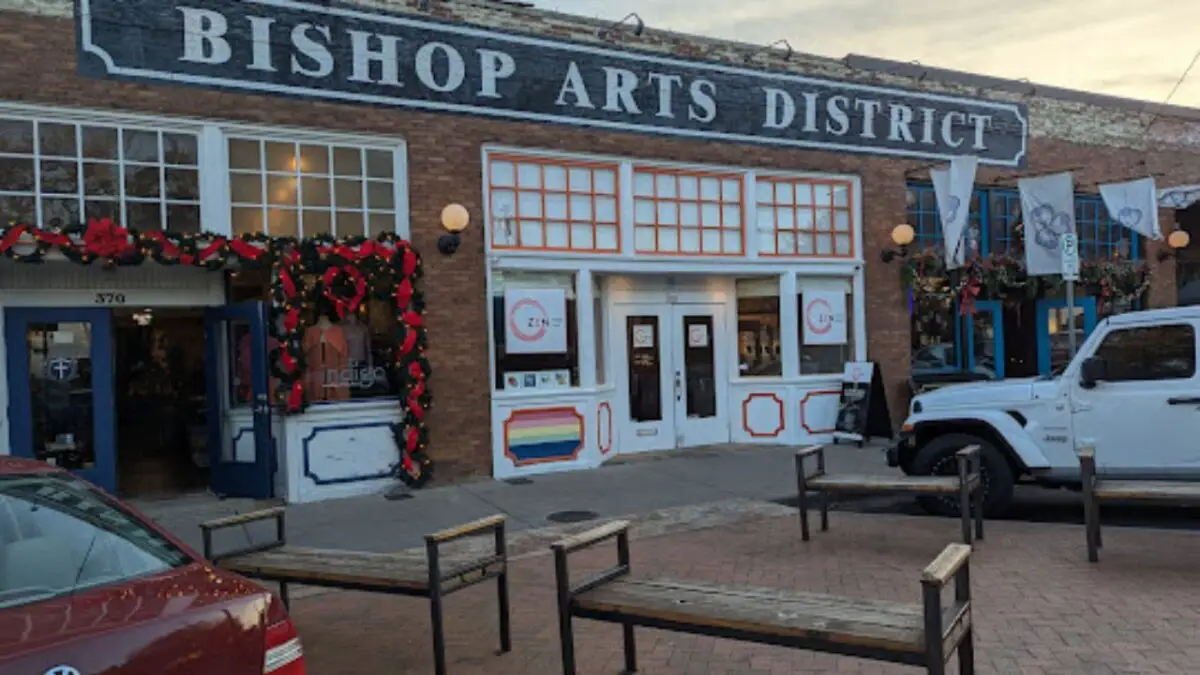
The official Bishop Arts District site says Bishop Arts Merchant’s Association promotes local business and community, and Visit Dallas places the neighborhood in Oak Cliff. That mix matters because the district feels like a real neighborhood first and a tourist stop second.
If you want to start with the current neighborhood basics, the official Bishop Arts District site gives you the local calendar and district identity, while Visit Dallas describes the area as a place full of boutiques, restaurants, bars, coffee shops, and galleries. You can use that framing to plan a relaxed visit instead of trying to rush through the district.
Visit Dallas also highlights the neighborhood’s trolley-car roots, and that history still shows up in the way Bishop Arts works today. The area rewards slow browsing, short walks, and one more stop than you expected to make.
| Quick fact | Bishop Arts District detail |
|---|---|
| Neighborhood | Oak Cliff, south of downtown Dallas |
| Local organization | Bishop Arts Merchant’s Association (BADMA) |
| Known for | Boutiques, murals, restaurants, coffee shops, bars, and galleries |
| Transit connection | Dallas Streetcar between EBJ Union Station and Bishop Arts |
| Admission | Free to visit; your costs are food, shopping, and transit |
| Good fit for | Browsing, dining, date nights, and neighborhood exploring |
What Is Bishop Arts District Dallas TX?
Bishop Arts District Dallas TX is a small, walkable neighborhood in Oak Cliff that mixes shopping, dining, local culture, and street-level character. The district works well when you want a Dallas outing that feels personal instead of oversized.
The strongest clue is the district’s local structure. BADMA exists to promote local business and community, and that mission shows up in the kind of businesses and events the neighborhood supports year after year.
Visit Dallas says Bishop Arts was once a trolley-car suburb built in the early 1900s, and that older design still shapes the experience. You feel it in the compact blocks, the easy pace, and the number of stops you can make without a long drive between them.
The district also has a stronger neighborhood identity than many Dallas visitor areas. Instead of a single attraction or one dominant chain corridor, you get a cluster of small businesses, storefronts, and places that make sense to visit one at a time.
If you like comparing Dallas neighborhoods, Bishop Arts feels different from Deep Ellum Dallas TX because the energy is more boutique-focused and less nightlife-heavy. That difference is useful when you want to choose a district based on mood instead of just geography.
The neighborhood’s appeal also comes from how easy it is to slow down. You can start with a coffee shop, move to a mural wall, browse a few shops, and finish with dinner without feeling like you left the same small district.
That compact scale is the reason Bishop Arts works for first-time visitors, locals, and out-of-town travelers. You do not need a complicated plan to enjoy it, but you do get more out of the visit when you leave room to wander.
One practical way to think about the neighborhood is this: Bishop Arts is not trying to be all of Dallas. It is a concentrated slice of Oak Cliff that gives you a clear sense of place in a very short amount of time.
What Makes Bishop Arts Different From Other Dallas Neighborhoods?
Bishop Arts stands out because it feels intimate even when it is busy. The streets are lined with locally owned businesses, and the district keeps a stronger neighborhood rhythm than a big commercial district or a downtown entertainment strip.
The historic storefronts matter here. They give the neighborhood a visual texture that newer retail areas often lack, and they make the whole district feel like it grew into itself over time instead of being assembled all at once.
The citywide comparison is useful if you are deciding where to spend a free afternoon. Bishop Arts is more compact and boutique-driven than many Dallas districts, which makes it a natural choice when you want to browse at a slower pace than you would in a larger entertainment zone.
The official district history also gives the area a clearer identity than a generic shopping strip. A former trolley-car suburb built in the early 1900s brings a different feel from newer developments, and that older pattern still shapes how visitors move through the blocks.
If you are mapping out the rest of your Dallas time, Bishop Arts works well as a contrast stop to bigger attractions later. The district itself rewards a more neighborhood-first mindset.
The district also carries a community-forward tone. BADMA’s events include Bastille Day and Wine Walks, which tells you the area is not just a place to shop and leave quickly.
That event layer changes the visitor experience because the neighborhood is built for repeat visits. You can come back for a different season, a different meal, or a different event and still feel like you are seeing a new side of the same place.
Bishop Arts is roughly a ten-minute drive southwest of downtown Dallas. The short distance makes it easy to pair the district with a museum stop, a hotel check-in, or another downtown errand without turning the day into a long haul.
You can treat the district as a quick side trip or build it into a full downtown-to-Oak Cliff afternoon.
Bishop Arts sits just south of downtown Dallas, so you can fold it into a museum stop, a lunch plan, or an evening out without turning the day into a long cross-city drive. The district is small enough that the real decision is how long you want to linger once you get there.
Compared with larger Dallas districts, Bishop Arts keeps the focus on local texture. The point is not to cover a huge map; the point is to enjoy a few concentrated blocks that feel active, human, and easy to read.
Things To Do In Bishop Arts District
The core Bishop Arts experience is simple: walk, look, browse, eat, and linger. The district gives you murals, storefronts, boutiques, galleries, and coffee stops, so the outing can stay low-pressure while still feeling full.
Start with the street-level details. Colorful murals and historic facades give you easy photo stops, and the neighborhood is small enough that you can notice the architecture instead of treating the area like a drive-by.
Shopping is part of the neighborhood’s identity, but the best pace is usually unhurried. You can step into a boutique, browse a few shelves, and move on without feeling like you are locked into a long retail crawl.
For a broader Dallas planning frame, the best things to do in Dallas list helps you decide how Bishop Arts fits into the rest of your day.
The district also works well for people-watching because the blocks stay active through the day. You are likely to see shoppers, diners, locals running quick errands, and visitors moving between coffee and dinner without much wasted time in transit.
- Browse local boutiques. The neighborhood’s retail mix leans independent, so you can expect smaller stores rather than big-box shopping.
- Look for murals and storefront details. The visual character is one reason Bishop Arts feels different from a generic commercial strip.
- Pause for coffee or dessert. The district’s coffee shops and dessert spots make it easy to split the visit into two relaxed halves.
- Check the event calendar. BADMA events like Wine Walks and Bastille Day add a seasonal reason to return.
- Stay longer than you planned. The compact layout makes it easy to add one more shop, one more photo stop, or one more snack.
Visit Dallas also points travelers to a neighborhood tour called Taste of the Bishop Arts District, which shows how food and history overlap here. That kind of walk-through is a good reminder that the district rewards a slower, guided-style visit as much as a spontaneous one.
If you want the simplest way to enjoy the district, give yourself a loose plan instead of a rigid schedule. Bishop Arts works best when you leave room for the shop or mural you did not expect to find.
The district is also easy to enjoy in layers. You can come back once for shopping, once for dinner, and once for an event, and each visit will feel different even though the blocks stay the same.
That repeat-visit value is part of what keeps the neighborhood interesting. A place that can hold your attention for one quick hour and still support a longer night out usually earns a permanent spot on your Dallas list.
Where To Eat And Drink In Bishop Arts District
Bishop Arts is one of those Dallas neighborhoods where food and drink are not extras. They are a central part of the experience, and the district’s mix of restaurants, coffee shops, bars, and dessert stops gives you a reason to plan your visit around a meal.
The best rhythm is usually start, pause, and continue. You can grab brunch or coffee, browse a few shops, sit down again for lunch or dinner, and then finish with a drink or dessert once the neighborhood lights come on.
The local-business identity matters in this section too. Because the district leans toward independent places, you often get more personality in the menu, the room, and the service flow than you do in a generic chain-heavy corridor.
If you want another Dallas food district to compare, the best restaurants in Dallas TX downtown list gives you a more central-city dining map. If you want a market-style stop that feels different from Bishop Arts, the Dallas Farmers Market guide is a natural next read.
That comparison helps because Bishop Arts does not try to behave like downtown Dallas. It feels more like a neighborhood where you settle in for one meal and then decide whether the day deserves another course, another coffee, or a slow walk past the next block of storefronts.
- Brunch: Bishop Arts is a strong brunch neighborhood because the district supports lingering rather than rushing.
- Coffee: Coffee shops work well here when you want a break between shops or before dinner.
- Dinner: The area gives you a full evening option without needing to leave the district for another neighborhood.
- Drinks: Bars and patio spots let the visit stretch into a relaxed night out.
- Dessert: A final dessert stop is an easy way to finish because the district stays compact after dark.
Food in Bishop Arts also works well for mixed groups. If someone wants a full meal while another person just wants coffee or dessert, the district makes it easy to keep everyone in the same walkable zone.
The neighborhood’s restaurant mix also pairs well with the district’s event culture. A day that starts with a shop visit and ends with dinner feels natural here because the blocks are already designed for lingering.
If you are planning a date night, Bishop Arts makes the logistics easier than a sprawling Dallas evening plan. You can stay inside one district, keep the walking short, and still move through several distinct moods in the same outing.
The neighborhood also rewards a longer food pause because the blocks stay active between meals. You can make one reservation, then use the walking time between courses to find a mural, a shop, or a coffee stop you did not plan on.
That is the practical value of the food scene here. It gives you flexibility without making the evening complicated, which is exactly what a neighborhood dinner district should do.
How To Get To Bishop Arts District And Where To Park
The easiest transit answer is the Dallas Streetcar, which connects EBJ Union Station in downtown Dallas and the historic Bishop Arts District on a 2.45-mile line with six stops and daily service from 5:30 a.m. to midnight.
If you want a direct official reference, the Dallas Streetcar page is the cleanest place to check current service details.
Driving still works, but the district’s value is that you do not have to plan a huge arrival strategy. Bishop Arts is compact enough that a short walk from wherever you leave the car usually feels like part of the visit instead of a separate chore.
The parking piece is easiest when you think in neighborhood terms instead of mall terms. You are not arriving at a single giant lot; you are arriving at a district that was built to be explored block by block.
If you want the calmest version of the trip, arrive early and use the streetcar for the downtown-to-Oak Cliff connection. That approach keeps the logistics straightforward and gives you more time for the actual neighborhood once you get there.
The district’s compact scale also means your return trip is easier than it looks on a map. Once you know the blocks you want to visit, the whole outing becomes a simple loop instead of a sprawling city errand.
For visitors who like a low-stress plan, the most useful rule is to choose your arrival mode before the day starts. If transit fits your schedule, the streetcar keeps things neat; if you are driving, give yourself a little extra time so parking never cuts into the meal or shopping time.
That is especially helpful for evening visits, when you may want to arrive before the dinner rush. A few extra minutes at the start usually pays off once you are settled into the neighborhood.
Best Time To Visit Bishop Arts District
The best time to visit Bishop Arts depends on what you want the neighborhood to do for you. Midday works well for browsing and photos, while late afternoon into evening works better for dinner, drinks, and a slower date-night feel.
If you want the quietest visit, go earlier in the day. The district still feels active, but you usually get a little more breathing room for storefront browsing and mural stops before the evening crowd builds up.
If you want the most atmosphere, go later. Bishop Arts becomes a stronger dining neighborhood after work hours, and the shift from daylight to evening gives the whole district a different energy.
BADMA’s event calendar adds another timing layer because events like Wine Walks and Bastille Day give you a reason to choose a specific weekend instead of treating the district like an any-day stop.
That timing choice matters if you are combining Bishop Arts with the rest of Dallas. A daytime neighborhood visit can leave room for another attraction, while an evening visit can stand on its own as the main event.
If you are planning a date, Bishop Arts usually works best when you arrive with enough time to wander before dinner. That rhythm turns the neighborhood into part of the experience instead of just a place you pass through on the way to a reservation.
The safest all-around answer is simple: visit when you have time to stay longer than you expected. The neighborhood is built for that kind of visit, and the extra time is usually what makes it feel memorable.
A Simple First-Time Visitor Itinerary
A good first Bishop Arts visit does not need a complicated schedule. You can keep it to a few blocks, a meal, and one or two small extras that make the day feel complete.
Start with coffee or brunch, then walk the main blocks and stop for murals, storefronts, and any boutique that pulls you in. That order gives you a chance to settle into the neighborhood before you sit down for your next meal.
After that, pick one anchor activity and let the rest of the visit stay loose. The anchor can be shopping, a gallery stop, a long lunch, a drink, or an early dinner, depending on whether you came for daytime exploring or an evening plan.
If you are turning the visit into a broader Dallas date, the romantic things to do in Dallas-Fort Worth list can help you add a second stop without losing the easy neighborhood feel. Bishop Arts pairs especially well with plans that stay compact and unhurried.
- Stop 1: Coffee or brunch to set the pace.
- Stop 2: Walk the main blocks and look for murals and historic storefronts.
- Stop 3: Browse boutiques or a gallery that catches your eye.
- Stop 4: Sit down for lunch, dinner, or drinks.
- Stop 5: Add dessert or a final stroll before you leave.
If you want the simplest date-night version, keep the visit to one meal, one short walk, and one extra stop. Bishop Arts works best when the plan leaves space for a little wandering between reservations or casual breaks.
The first-time mistake is trying to overbook the district. You get more value from a flexible few-hour visit than from a crowded checklist, because the neighborhood’s charm is tied to pace as much as to places.
If you bring a dog, check each business’s patio rule before you go. Pet policies vary by venue, and a quick look at the door or website is easier than guessing after you have already parked.
That pacing also makes the district easy to revisit later. Your first trip can be simple and your second trip can be more specific, which is a useful sign that the neighborhood has enough depth to stay interesting.
Think of the itinerary as a framework, not a script. The real goal is to let the district’s scale work in your favor so the visit feels relaxed instead of rushed.
Bishop Arts District FAQ
What is Bishop Arts District known for?
Bishop Arts District is known for locally owned shops, restaurants, coffee spots, bars, galleries, and colorful murals. Visit Dallas also places the neighborhood in Oak Cliff and ties it to a compact district feel rather than a sprawling commercial zone.
The district’s identity comes from small-business character and a walkable street pattern, so the experience feels more neighborhood-focused than attraction-focused.
Is Bishop Arts District walkable?
Yes, Bishop Arts is one of the more walkable Dallas neighborhoods. The blocks are compact enough that you can move between shops, cafes, and restaurants without treating every stop like a separate drive.
That walkability is a big reason the district works well for browsing and date nights. You get enough movement to feel active, but not so much distance that the outing turns into a logistics problem.
How do you get to Bishop Arts District?
The clearest transit route is the Dallas Streetcar between EBJ Union Station and Bishop Arts, and DART lists the line at 2.45 miles with six stops and daily service from 5:30 a.m. to midnight.
If you are driving, plan on a neighborhood arrival instead of a big-lot arrival. The district is compact, so the best approach is to know where you are going before you turn into Oak Cliff.
Where do you park in Bishop Arts District?
If you drive, give yourself a few extra minutes and expect a neighborhood-scale search rather than a single massive parking field. The district is compact, so the real payoff comes from parking once and then walking the blocks you want to see.
The simplest official transit alternative is still the streetcar, especially if you want to avoid the downtown-to-Oak Cliff drive before dinner. That option keeps the visit focused on the neighborhood instead of the car.
How long should you spend in Bishop Arts District?
A short visit can work in under two hours, but a better first trip usually takes half a day, giving you time for coffee, browsing, one meal, and a slower walk without making the visit feel packed.
If you are adding dinner or an event, plan for the evening to stretch longer. Bishop Arts rewards a slower pace, and the neighborhood feels more complete when you are not hurrying through it.
What neighborhood is Bishop Arts District in?
Bishop Arts District is in Oak Cliff, south of downtown Dallas. That location is part of the neighborhood’s identity, and it helps explain why the district feels more local and compact than some of the city’s larger visitor areas.
If you want one simple mental map, think of Bishop Arts as an Oak Cliff neighborhood with a strong small-business core and easy access by streetcar or car.