Bastrop State Park Map, Hours, Pricing, Hiking Trails, Camping, Cabins
Bastrop State Park stands as a symbol of resilience in the heart of Texas, offering visitors a relaxing getaway within the famous Lost Pines ecosystem. This rare and ancient loblolly pine forest survived the Ice Age and continues to thrive despite historic wildfires, making it one of the most unique destinations in the state. Whether you are looking to explore nature on foot, by bike, or in your vehicle, the park provides endless opportunities for outdoor adventure and tranquility, similar to the unique environments found at Abilene State Park.
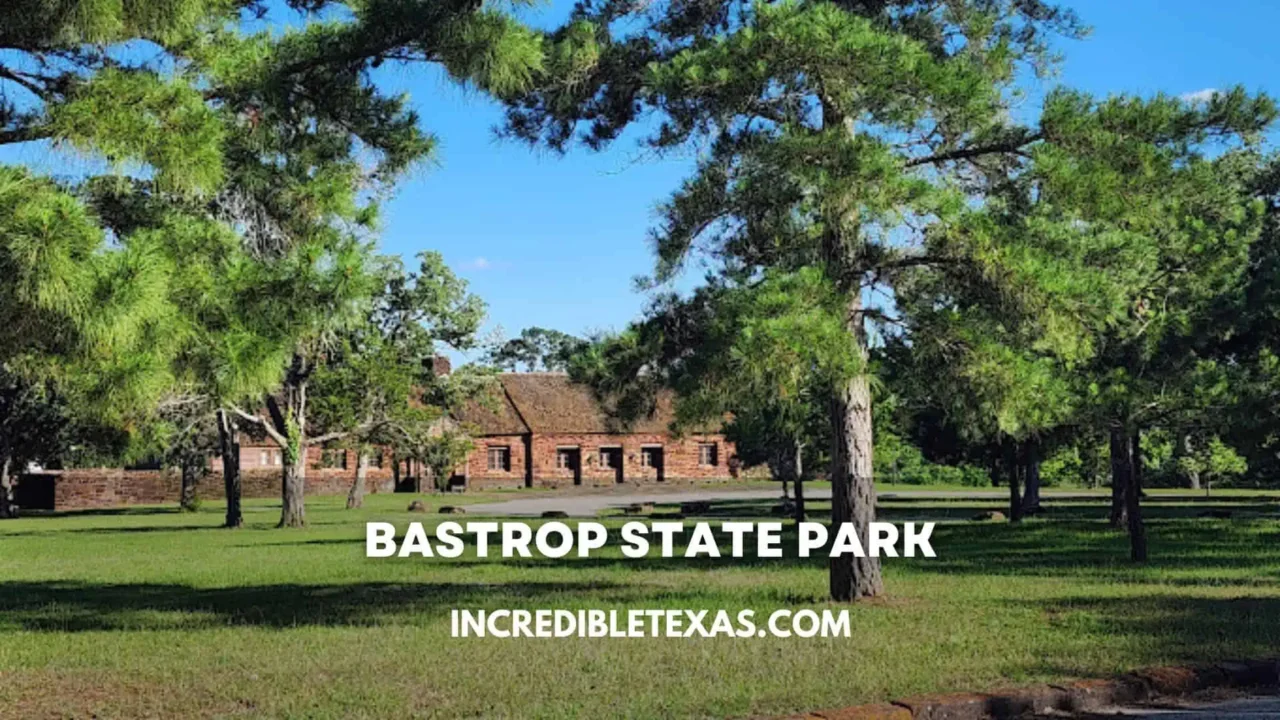
Here, we cover everything you need to know about historic Texas state park cabins for rent, detailed hiking paths, and the enduring legacy of this Central Texas treasure. According to the National Park Service, the park is a designated National Historic Landmark, primarily due to the exceptional craftsmanship of the Civilian Conservation Corps (CCC) who built many of its iconic structures in the 1930s.
| Feature | Details for 2026 Visitors |
|---|---|
| Address | 100 Park Road 1A, Bastrop, TX 78602 |
| Entrance Fee | $5 Adults (13+), Free for Children (12 & under) |
| Hours | Daily, 8 AM to 10 PM (Day use) |
| Primary Ecosystem | Lost Pines (Isolated Loblolly Pine Forest) |
| Historic Status | National Historic Landmark |
The Lost Pines Ecosystem: A Genetic Mystery
The “Lost Pines” of Bastrop is a 75,000-acre loblolly pine woodland that is geographically isolated from the main East Texas Piney Woods by more than 100 miles. These trees are genetically distinct, having evolved to survive in much drier conditions than their eastern counterparts. This island of pine forest in the middle of the Texas post-oak savannah is a true ecological anomaly that has fascinated botanists for decades.
Data from the Texas A&M Forest Service indicates that these pines have adapted over thousands of years to the local sandy soils and lower rainfall. This unique genetic makeup is what allowed the forest to persist long after the wetter climate of the last Ice Age receded. Today, the park serves as a critical refuge for local wildlife, including the endangered Houston Toad, which relies on the specific soil and canopy conditions found only in this region.
A History of Resilience: From CCC to Wildfire Recovery
The history of Bastrop State Park is one of both human craftsmanship and natural endurance. In the 1930s, the Civilian Conservation Corps (CCC) Companies 1805 and 1811 were tasked with developing the park’s infrastructure. Under the guidance of architect Arthur Fehr, they used native ironstone and timber to create buildings that harmonized perfectly with the surrounding pine forest, a hallmark of the NPS “rustic” architectural style.
The Texas State Historical Association notes that the park opened to the public in 1937 and quickly became one of the most popular recreational spots in Central Texas. However, the forest faced its greatest challenge in September 2011, when the Bastrop County Complex Fire burned 96% of the park’s acreage. The recovery efforts since then have been monumental, with millions of new loblolly pines replanted through a massive multi-agency coordination to restore this historic landscape.
Hiking Trails and Outdoor Activities
Despite the fire damage, the hiking trails at Bastrop State Park remain a major draw. The landscape is currently a fascinating study in ecological succession, where charred remains of old pines stand alongside lush new growth and vibrant wildflowers. The park offers over 12 miles of trails that cater to all skill levels, from short nature walks to more challenging hilly treks.
Popular Hiking Paths
- Lost Pines Loop: An 8-mile trek that takes you through various stages of forest recovery and offers scenic overlooks.
- Scenic Overlook Trail: A shorter, moderate hike that provides panoramic views of the Bastrop area and the winding Colorado River.
- Copperas Creek Trail: A peaceful path that follows the creek bed and offers great opportunities for bird watching.
If you enjoy the varied terrain of Bastrop, you might also be interested in the rugged paths at Palo Duro Canyon State Park, which offers a completely different but equally stunning hiking experience in the Texas Panhandle. Both parks showcase the incredible diversity of the Texas landscape.
Historic Cabins and Camping at Bastrop
One of the most unique ways to experience the park is by staying in one of the historic stone cabins built by the CCC. These cabins offer a rustic but comfortable retreat, featuring cozy fireplaces, kitchenettes, and views of the surrounding pines. For those who prefer traditional camping, the park features several loops with varying levels of amenities.
Camping Options
| Site Type | Number of Sites | Amenities |
|---|---|---|
| Full Hookup (RV) | 25 sites | Water, Sewer, 30/50 Amp Electricity |
| Water/Electric | 34 sites | Water, 30 Amp Electricity |
| Tent/Primitive | 18 sites | Walk-in access, nearby water |
For more options on staying within the Texas park system, you can explore our guide on top 10 best state parks in Texas, many of which offer similar historic lodging experiences. Reservations for Bastrop’s cabins often fill up months in advance, especially during the peak spring and fall seasons.
How to Plan Your 2026 Visit
Planning a trip to Bastrop State Park in 2026 requires advance preparation, particularly if you wish to visit during weekends or holidays. The park uses the standard Texas Parks and Wildlife reservation system, allowing you to secure day passes and overnight stays up to 30 days and 5 months in advance, respectively.
Quick Planning Tips
If you are exploring the region, don’t miss our comprehensive best places to visit in Texas guide for more ideas on nearby attractions like the Colorado River and historic downtown Bastrop. The park is an easy 40-minute drive from Austin, making it a perfect day trip for city dwellers looking for a nature fix.
People Also Ask: Bastrop State Park FAQ
Does Bastrop State Park have a swimming area?
Yes, Bastrop State Park features a large public swimming pool that is open seasonally from Memorial Day through Labor Day. It is a popular spot for families and requires a separate entry fee from the standard park admission.
Can you rent cabins at Bastrop State Park?
You can rent historic stone cabins that were built by the Civilian Conservation Corps (CCC) in the 1930s. These cozy retreats feature kitchenettes and fireplaces, but they are very popular and often require booking several months in advance.
Are dogs allowed in Bastrop State Park?
Dogs are welcome in most areas of the park as long as they are kept on a leash no longer than six feet at all times. However, pets are strictly prohibited inside the historic cabins and within the swimming pool area.
What types of campsites are available at Bastrop State Park?
The park offers a variety of camping options, including 25 full-hookup RV sites and 34 sites with water and 30-amp electricity. For a more rustic experience, there are also 18 walk-in primitive tent sites located near the Copperas Creek area.
What was the impact of the 2011 wildfires on Bastrop State Park?
The 2011 Bastrop County Complex Fire was devastating, burning approximately 96% of the park’s 6,600 acres and destroying much of the Lost Pines forest. While the recovery is ongoing, the fire fundamentally changed the landscape, creating a unique opportunity to see ecological succession in action.
How long are the hiking trails in Bastrop State Park?
Bastrop State Park features over 12 miles of interconnected hiking trails that range from easy half-mile nature walks to the 8-mile Lost Pines Loop. These paths offer diverse views of the recovering forest, scenic overlooks, and winding creek beds.
Is Bastrop State Park recovering from the wildfires?
The park is in a period of active recovery, with millions of loblolly pine saplings replanted since the fire occurred. Visitors can now see young forests thriving alongside older charred trees, showcasing the resilience of the Lost Pines ecosystem.
Do I need a reservation for Bastrop State Park?
Reservations are highly recommended for day-use passes and are almost always required for overnight stays in cabins or campsites. The park frequently reaches its daily capacity on weekends and holidays, so booking through the TPWD portal is essential.
When is the best time to visit Bastrop State Park?
The best time to visit is during the spring (March to May) or fall (September to November) when temperatures are mild and wildflowers are in bloom. These seasons offer the most comfortable conditions for hiking the hilly trails and exploring the outdoor historic sites.
Final Thoughts on Bastrop’s Enduring Beauty
Bastrop State Park remains a vital part of the Texas heritage, offering a glimpse into a prehistoric past and a lesson in modern environmental recovery. From its historic stone cabins to the unique loblolly pines, it offers a peaceful escape that contrasts with the bustling cities nearby. Whether you are a hiker, a camper, or a history buff, a visit to this Central Texas jewel is a must. For more adventures, consider checking out the high desert oasis of Balmorhea State Park, another historic site built by the CCC that offers a completely different Texas experience.