Preparing for the Texas Gulf Coast hurricane season 2026 requires early household action long before tropical waves organize in the Atlantic basin. Whether planning vacations along the best beaches in Texas, managing rental properties on barrier islands, or living in coastal subdivisions, early readiness prevents panic when alerts escalate.
A disciplined approach focuses on actionable logistics rather than anxiety. Understanding official forecasts, mapping highway evacuation corridors, verifying flood insurance effective dates, and staging essential supplies ensure your household remains resilient throughout the stormy summer and autumn months.
Key takeaways
- The Atlantic hurricane season runs officially from June 1 through November 30, with peak Texas coastal tropical storm activity concentrated between August and October.
- Colorado State University forecasts 13 named storms, 6 hurricanes, and 2 major hurricanes for 2026, tracking slightly below the 30-year climatological average.
- The Texas Department of Transportation coordinates primary inland evacuation corridors along Interstate 37, Interstate 45, Interstate 10, US 290, and US 59/Interstate 69 using EvacuLanes and contraflow operations.
- Flood insurance through the National Flood Insurance Program requires a strict 30-day waiting period, meaning policies must be secured before a storm enters the Gulf of Mexico.
- Texas emergency management officials recommend maintaining a 72-hour household supply kit containing one gallon of drinking water per person per day alongside non-perishable rations.
What the 2026 Atlantic Hurricane Season Forecast Means for Texas
The 2026 Atlantic hurricane season forecast points toward slightly below-average basin activity due to developing El Niño patterns, but Texas coastal areas remain vulnerable to destructive tropical cyclones regardless of overall storm counts. Climatological basin totals describe ocean-wide energy rather than specific landfall locations.
Meteorologists at the Colorado State University Seasonal Hurricane Forecasting Project project 13 named storms, 6 hurricanes, and 2 major hurricanes for the 2026 season. Those figures sit below the 30-year climatological baseline averages of 14.4 named storms, 7.2 hurricanes, and 3.2 major hurricanes. CSU also projects an Accumulated Cyclone Energy (ACE) index of 90, which tracks below the historical norm of 123.
The anticipated shift toward El Niño conditions typically generates stronger vertical wind shear over the Caribbean and tropical Atlantic. Higher wind shear disrupts storm organization and prevents organized convective towers from consolidating into major systems.
However, historical records prove that quiet Atlantic seasons can produce catastrophic regional impacts along the Texas shoreline. In 1970, Hurricane Celia made landfall near Corpus Christi as a destructive Category 3 storm during an otherwise below-normal season. A single stalled tropical depression can drop 30 inches of rain over flat river basins, causing extreme inland flooding even without Category 5 winds.
Analyzing the 2026 Atlantic hurricane season Texas outlook alongside the local Texas Gulf Coast hurricane forecast helps municipalities and families plan resource staging well before tropical waves develop. Preparedness decisions must always rely on real-time National Hurricane Center advisories once a specific tropical wave enters the Gulf.
Key Dates, Named Storms, and NHC Forecast Changes in 2026
Official Texas hurricane season dates begin on June 1 and run through November 30, though atmospheric conditions occasionally generate subtropical or tropical systems before Memorial Day. The National Hurricane Center begins issuing regular Atlantic Tropical Weather Outlooks on May 15 to track early Caribbean and Gulf disturbances.
Climatologically, the Texas coast faces its highest probability of tropical cyclone landfalls between August 15 and October 15. During this late-summer window, Gulf of Mexico sea surface temperatures reach their annual peak, and upper-level steering currents often guide systems northwestward toward the Texas shoreline.
The 2026 season introduces an important operational upgrade to National Hurricane Center forecast communications. According to the National Hurricane Center Forecast Products Portal, the operational forecast cone graphic now displays all land-based coastal and inland tropical storm and hurricane watches and warnings across the continental United States.
This graphic enhancement helps inland residents understand that severe wind, torrential rain, and tornado threats extend far outside the narrow center-track cone. If you are tracking coastal weather while visiting the Galveston Seawall guide or touring bayfront communities, looking beyond the centerline helps identify regional hazards early.
A well-timed Galveston hurricane evacuation requires departing before high tropical winds shut down the Interstate 45 causeway to the mainland. Tracking storms by name allows households to monitor local advisories across television, radio, and emergency notification channels.
- May 1 to May 31: Finalize household emergency kits, review insurance policies, and test backup generators.
- June 1 to July 31: Monitor weekly tropical weather outlooks and confirm pet vaccination records for travel.
- August 1 to October 31: Maintain high situational awareness, keep vehicle fuel tanks at least half full, and watch daily Gulf satellite feeds.
- November 1 to November 30: Continue basic readiness protocols until the official season concludes on November 30.
Where Texas Gulf Coast Risk Changes by Region and Terrain
Texas coastal geography creates distinct vulnerability profiles across different regions, ranging from shallow bay storm surge in Galveston to river backwater flooding in Brazoria County and isolated barrier islands along the Coastal Bend. Identifying your specific terrain risks determines whether wind, surge, or freshwater inundation poses the greatest danger.
In the Houston and Galveston metropolitan area, storm surge represents the primary life-safety threat for low-lying bayfront communities. A storm tracking up Galveston Bay can funnel seawater into coastal ship channels, bays, and bayous, creating widespread flooding miles inland from the open Gulf.
Brazoria County communities such as Surfside Beach, Freeport, and Lake Jackson face a dual threat from Gulf tidal surges and drainage bottlenecks along the Brazos and San Bernard rivers. Visitors reviewing our Brazoria County coastal guide should recognize that low-lying coastal highways flood quickly during onshore wind events.
Conducting thorough Corpus Christi hurricane prep includes securing loose patio gear, stocking potable water, and reviewing Interstate 37 departure corridors. In this region, barrier islands provide the first buffer against open ocean swells, but causeway bridges and ferry landings face early closures when tropical winds accelerate.
The Rio Grande Valley features low-lying coastal terrain, the Queen Isabella Memorial Causeway linking Port Isabel to South Padre Island, and flat agricultural floodways. Long evacuation distances along Interstate 69E and US 281 mean residents must initiate travel earlier than households in central Texas.
| Coastal Region | Primary Evacuation Corridors | Lead Evacuation Zones | Key Geographic Vulnerabilities | Emergency Agency Contact |
|---|---|---|---|---|
| Upper Coast (Houston / Galveston) | I-45 North, I-10 West, US 290 West, US 59/I-69 | Zip Zones Coastal, A, B, and C | Galveston Bay storm surge, ship channel backwater, bayou overflow | H-GAC / Harris & Galveston OEM |
| Mid-Coast (Brazoria & Matagorda) | TX 288 North, TX 35 North to US 59/I-69 | Low-lying coastal strip & river lowlands | Brazos River flooding, barrier spit overwash at Surfside Beach | Brazoria County Emergency Management |
| Coastal Bend (Corpus Christi / Port A) | I-37 North to San Antonio, US 181 North | Mustang Island, Padre Island, bayfront sectors | JFK Causeway overtopping, ferry halts, bay surge | City of Corpus Christi & Nueces OEM |
| Rio Grande Valley (Brownsville / SPI) | I-69E / US 77 North, I-69C / US 281 North | South Padre Island, Port Isabel, delta floodways | Causeway closures, flat terrain drainage, long transit routes | Cameron & Hidalgo County Emergency Management |
Build Your Evacuation Plan Before a Watch Is Issued
An effective plan for Texas hurricane evacuation routes must be established before weather alerts are posted, because heavy traffic and time pressure make emergency decisions difficult during an approaching storm. Knowing designated routes and prearranging inland destinations prevents dangerous delays on the road.
The Texas Department of Transportation publishes detailed corridor plans for every coastal district. According to the Texas Department of Transportation Hurricane Evacuation Maps, official evacuation corridors include Interstate 37 out of Corpus Christi, Interstate 45 out of Galveston, and Interstate 10 out of Houston and Beaumont. Reviewing TxDOT hurricane evacuation maps ahead of time ensures motorists understand primary outbound options from Brownsville to Beaumont.
If your summer plans involve a Corpus Christi weekend itinerary, check regional evacuation zones before checking into local hotels. County emergency officials organize departures by Texas hurricane evacuation zones, directing residents in low-lying coastal areas to leave first.
During major coastal emergencies, TxDOT and the Texas Department of Public Safety implement contraflow lanes Texas protocols. Contraflow reverses inbound highway lanes so that all lanes travel inland, dramatically increasing highway capacity out of high-risk coastal zones.
Additionally, TxDOT utilizes EvacuLanes, which convert reinforced paved shoulders into active travel lanes during designated evacuation windows. Drivers must obey posted speed limits and avoid using shoulders unless state signs indicate EvacuLane operations are active.
- Identify Your Evacuation Zone: Locate your neighborhood on municipal zip zone maps to know exactly when your zone is called to evacuate.
- Select Two Inland Destinations: Secure arrangements with family, friends, or hotels in cities like San Antonio, Austin, or Dallas.
- Download Offline Maps: Save regional highway maps to your phone and keep paper road atlases in your vehicle glovebox.
- Prepare Vehicles Early: Keep vehicle fuel tanks filled and verify tire pressure, fluid levels, and spare tire condition.
- Establish Family Meeting Points: Agree on inland rendezvous points and assign an out-of-state contact for family check-ins.
- Follow Local Directives: Evacuate immediately when local emergency managers issue orders for barrier islands, RV parks, or mobile homes.
Use a Hurricane Preparedness Checklist That Fits Your Household
A practical Texas hurricane prep checklist organizes emergency supplies into accessible containers, protecting family members, pets, and vital personal paperwork during extended utility outages. Preparing before June guarantees supplies are available before retail shelves empty.
State emergency officials recommend assembling an emergency supply kit checklist that supports household members for at least three full days. A standard 72-hour kit should provide one gallon water per person per day for drinking and sanitation, non-perishable canned food, a manual can opener, and battery-powered flashlights.
Federal Emergency Management Agency and Texas Department of Insurance guidelines require a 30-day waiting buffer for flood policies to take effect. As detailed in the Texas Department of Insurance Flood Advisory, standard homeowners insurance policies exclude water damage from storm surge and rising floodwaters, making flood coverage essential for coastal homeowners.
Understanding the mandatory 30-day Texas flood insurance waiting period prevents financial exposure when tropical systems approach. Securing insurance during the 30-day flood insurance effective window ensures protection is active before a tropical cyclone enters the Gulf. Once a storm enters designated coordination coordinates, private and federal insurers place moratoria on writing new policies.
Texans with medical needs, physical disabilities, mobility challenges, or transportation limitations should register with the state before storm threats emerge. The State of Texas Emergency Assistance Registry Portal provides local emergency planners with critical registry data to coordinate evacuation assistance for vulnerable individuals. Texans who need transportation or medical support during a storm should register with the State of Texas Emergency Assistance Registry STEAR by dialing 2-1-1.
Safety data from the Texas General Land Office reinforces the rule never to drive through flooded roadways. Just 6 inches moving water knock down an adult pedestrian, while 12 inches can float a compact car and 18 to 24 inches can sweep away trucks and heavy SUVs.
- Water and Food: Three-day supply of drinking water (one gallon daily per person and pet) and ready-to-eat non-perishable food.
- Health and Sanitation: Prescription medications for two weeks, first-aid kits, disinfectant wipes, and personal hygiene items.
- Power and Lighting: Battery-operated or hand-crank weather radios, extra flashlights, portable power banks, and heavy-duty spare batteries.
- Vital Documents: Waterproof containers holding passports, birth certificates, deeds, insurance policies, and digital flash drives.
- Pet Supplies: Pet carriers, leashes, food, vaccination records, and comfort blankets for companion animals.
- Cash and Fuel: Small-denomination cash reserves and extra fuel canisters stored safely outside living spaces.
Important
Standard Texas homeowners insurance policies never cover storm surge or rising floodwaters. Property owners and renters must purchase dedicated flood insurance at least 30 days before storm landfall to guarantee active policy coverage.
Adjust Beach, Camping, and Road-Trip Plans During Gulf Threats
Summer and autumn travel along the Texas coast remains popular, but travelers must maintain flexible itineraries when tropical systems organize in the Gulf. Barrier island vacations require constant weather awareness, as ocean access routes become impassable long before storm eyes reach land.
Visitors camping or driving near the Padre Island National Seashore guide should recognize that high astronomical tides and distant storm swells can submerge driving sandbars. Beach driving areas along South Beach flood during distant storms, stranding four-wheel-drive vehicles miles away from paved park exits.

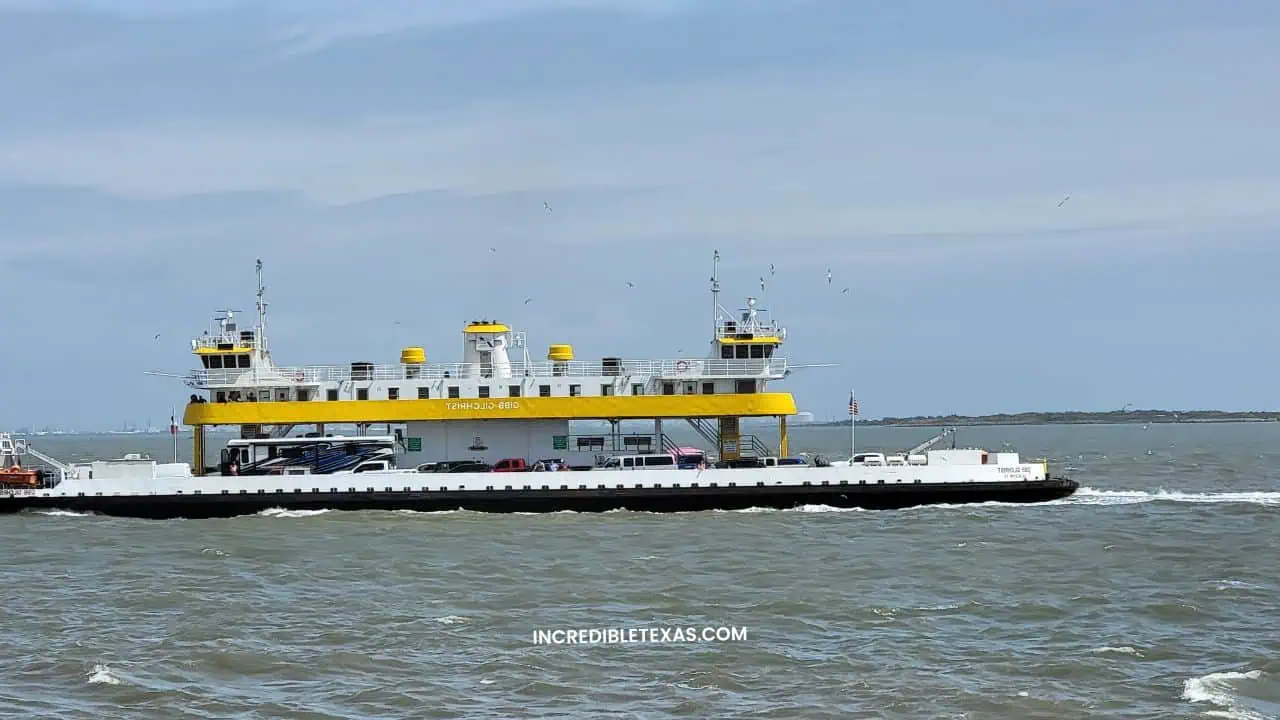
Highway and ferry operations also dictate travel safety along the shoreline. State ferry operations between Galveston and Bolivar Peninsula, as well as the Port Aransas ferry, halt service when high tides submerge loading ramps or sustained winds exceed 35 to 45 mph.
Before traveling toward coastal destinations during tropical watches, monitor the DriveTexas Highway Conditions Map for real-time roadway flood reports and construction closures. The state portal offers live camera feeds and closure alerts across all coastal districts.
Beach vacationers and RV campers on barrier islands should review lodging cancellation terms before booking coastal stays. Many vacation rental platforms and private campgrounds honor storm refund policies only when mandatory evacuation orders are formally issued by municipal authorities.
- Confirm Lodging Refund Terms: Check hurricane clauses and mandatory evacuation refund terms before placing non-refundable deposits.
- Monitor Barrier Island Passes: Track ferry operations, causeway wind restrictions, and low-water bridge closures daily.
- Avoid Discretionary Beach Travel: Never drive into a coastal county under an active tropical storm watch or hurricane watch.
- Maintain an Inland Backup Route: Keep alternative reservations at inland Hill Country or central Texas state parks if Gulf storms threaten.
Tip
Barrier island ferry landings and low-lying causeways frequently close hours before tropical-storm-force winds arrive. If vacationing on Mustang Island or Bolivar Peninsula, begin your return trip as soon as local officials issue voluntary evacuation advisories.
What to Do When a Tropical Storm or Hurricane Enters the Gulf
When a tropical cyclone enters the Gulf of Mexico, coastal households should execute a structured five-day action timeline to manage fuel, home protection, and travel decisions calmly. Taking methodical steps prevents last-minute panics and ensures safety for all household members.
At five days before potential landfall, confirm your designated evacuation route, locate your household supply containers, and refill essential prescriptions. If your travel plans include camping at the Mustang Island State Park guide or visiting coastal reserves, verify park operating hours and prepare to alter your schedule.
At three days out, monitor local National Weather Service briefings and check whether your community falls under a hurricane watch vs warning. A hurricane watch indicates hurricane-force winds are possible within 48 hours, while a hurricane warning means hurricane-force winds are expected within 36 hours.
At two days out, secure outdoor patio furniture, clear rain gutters, fuel all vehicles, and withdraw cash reserves from local ATMs. If local officials issue a storm surge warning for your zip zone, begin packing vehicle trunks with your emergency supplies and personal documents.
At one day out, complete all travel if evacuating inland, avoiding late-night driving through unfamiliar corridors. If authorities direct your neighborhood to shelter in place, retreat to an interior, windowless room on the lowest safe floor with your emergency supplies close at hand.
Following storm passage, avoid returning to coastal neighborhoods until county emergency managers announce that roadways, bridges, and municipal water systems are safe. Downed power lines, submerged roadways, and ruptured gas lines create severe post-storm hazards across affected communities.
Frequently Asked Questions
When does hurricane season start in Texas?
The Atlantic hurricane season officially begins on June 1 and continues through November 30 for the Texas Gulf Coast. Peak tropical storm and hurricane threats for Texas historically cluster between mid-August and late October.
Is the 2026 hurricane season expected to be bad for Texas?
Colorado State University meteorologists project slightly below-average Atlantic basin activity in 2026 with 13 named storms and 6 hurricanes. Local landfall risks cannot be determined months in advance, so Texas coastal residents must prepare for potential impacts every year.
How do you find your Texas hurricane evacuation route?
Travelers and residents can access official evacuation maps through the Texas Department of Transportation hurricane portal or local county emergency management offices. Major designated outbound arteries include Interstate 37, Interstate 45, US 290, and Interstate 69.
Does homeowners insurance cover hurricane flooding in Texas?
Standard Texas homeowners insurance policies exclude water damage caused by storm surge, tidal flooding, and rising bay waters. Homeowners and renters must purchase separate coverage through the National Flood Insurance Program or private flood carriers at least 30 days before a storm arrives.
What should you do before hurricane season in Texas?
Households should assemble a 72-hour supply kit with non-perishable food, water, medications, pet gear, and vital documents stored in waterproof containers. Residents who require mobility, medical, or transport assistance should also register with the State of Texas Emergency Assistance Registry by dialing 2-1-1.
Should you cancel a Texas beach trip during hurricane season?
Travelers do not need to cancel coastal trips months in advance, but reservations should remain flexible throughout the late summer and fall. You should cancel or reschedule immediately whenever the National Hurricane Center issues a tropical storm or hurricane watch for your destination.